We pick things up, put them down, sit on them, scroll past them, and never really ask what they’re made of. Yet hiding inside your phone case, your kitchen sponge, or the glass on your windows are strange, sometimes mind-blowing scientific tricks quietly at work. Once you see them, it’s hard to ever look at “ordinary stuff” the same way again.
I still remember the first time I learned that a simple Post-it note was born from a “failed” glue. That tiny story completely changed how I looked at desks, doors, and sticky notes all over my house. This article digs into ten materials you touch all the time and uncovers the physics, chemistry, and weirdness humming beneath the surface – not in some faraway lab, but literally in your hands.
Glass: The Solid That Behaves Like a Frozen Liquid
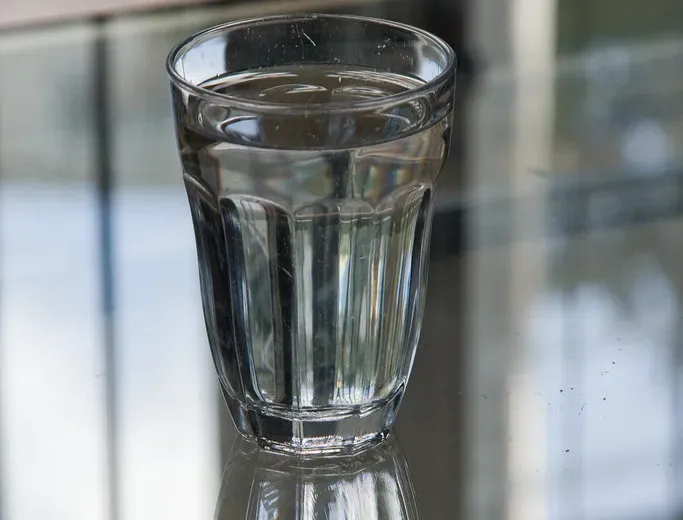
Look out the nearest window and you’re staring at one of the strangest everyday materials we have: glass. At first glance, it seems perfectly ordinary – a transparent solid that just sits there. But at the atomic level, glass is more like a liquid that got frozen mid-splash, its atoms locked into a jumbled, disordered arrangement instead of the neat crystal patterns you’d find in metals or ice.
This structure makes glass an “amorphous solid,” a kind of in-between state that bends the usual rules of solid and liquid. Its messy atomic layout lets it transmit light in remarkable ways, enabling lenses in glasses, cameras, and telescopes to focus images across huge distances. Glass can also be engineered to be stronger, tougher, or even to guide light in hair-thin fibers that carry the internet under oceans – all from a material that, to most of us, is just “that see-through stuff in the window.”
Teflon: The Pan Coating That Barely Interacts With Anything
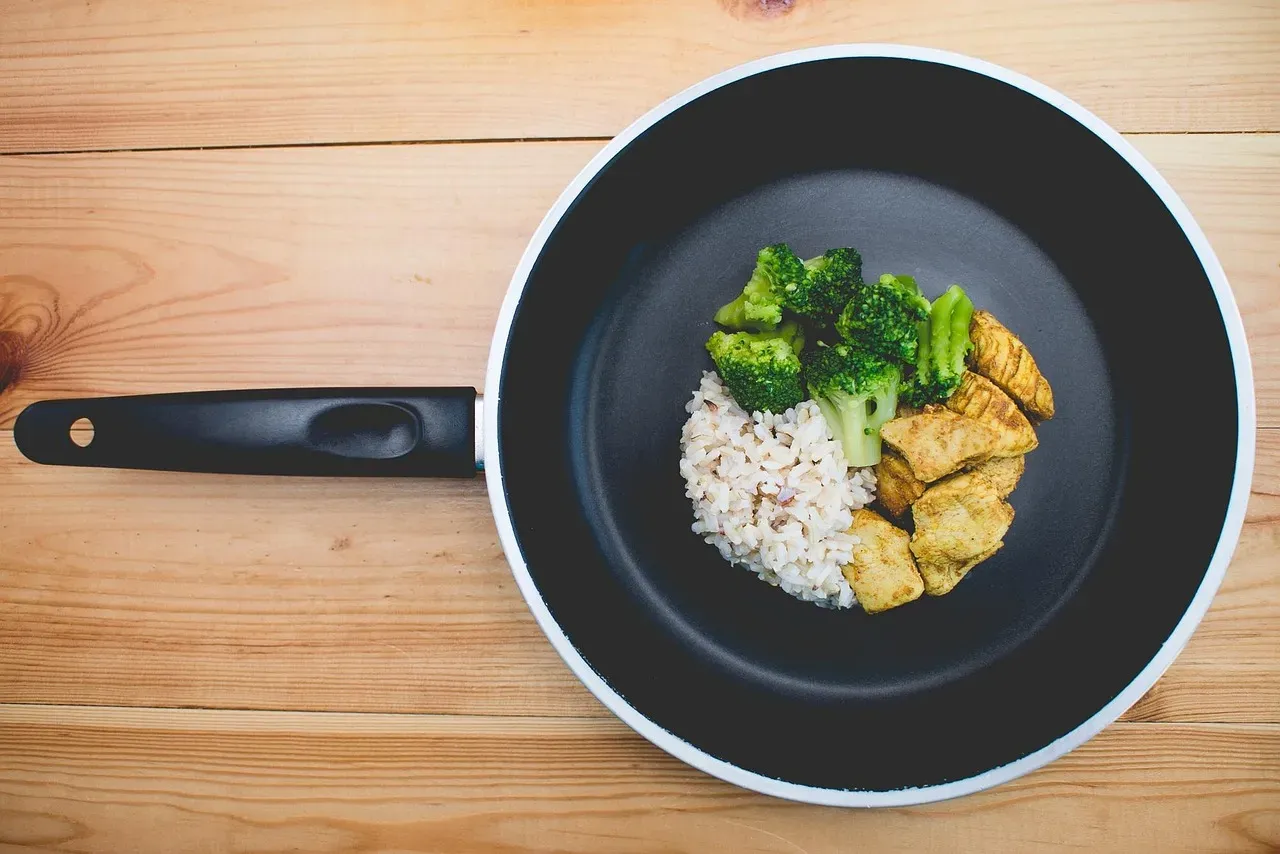
If you’ve ever slid an egg across a nonstick pan like it was on ice, you’ve seen Teflon’s party trick. Chemically, this coating is made from chains of carbon atoms wrapped in fluorine, creating one of the slipperiest, most chemically resistant surfaces humans have ever cooked on. That shell of fluorine atoms clings tightly to the carbon backbone, leaving almost nothing for other molecules to grab onto.
This is why food, water, oils, and even many harsh chemicals struggle to stick to Teflon at all. The surface energy is so low that droplets bead up and slide off, almost as if the pan is trying to avoid contact with anything. The same quality that makes your omelet glide also shows up in industrial applications, like wiring insulation and chemical containers, where you need something that simply refuses to react, corrode, or care what you splash on it.
Post-it Note Adhesive: The Glue Designed to Be Weak

These microscopic spheres press into surfaces and hold on through lots of tiny, weak contacts rather than one strong one. Because of that, you can peel a note off and restick it over and over without shredding your paper or leaving a thick residue behind. It’s a beautiful example of turning a flaw into a feature: instead of brute-force strength, the adhesive uses gentle, reversible grip, making it perfect for temporary labels, bookmarks, and little neon reminders stuck everywhere.
Memory Foam: A Cushion That Remembers Your Shape
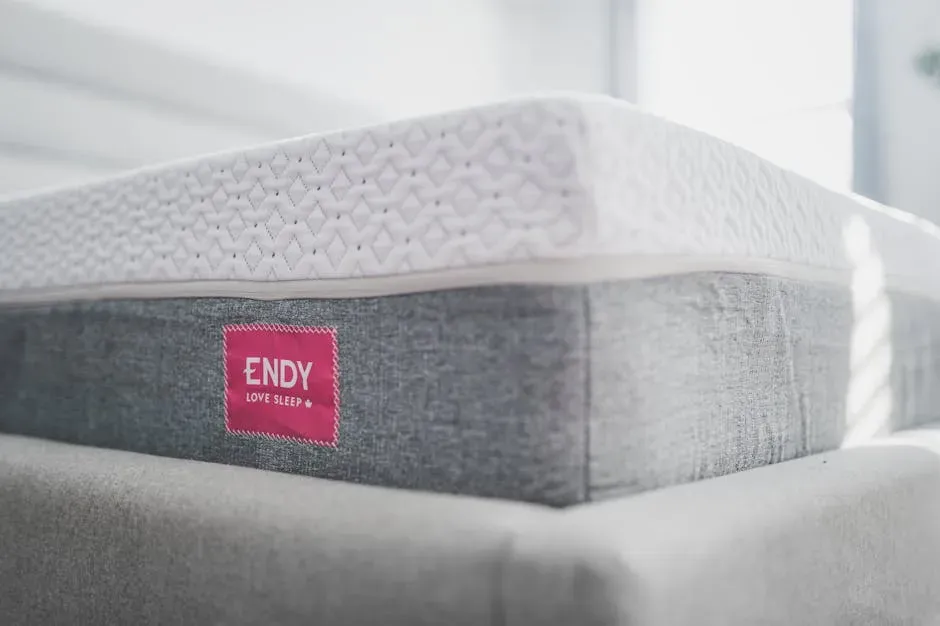
When you lie down on a memory foam mattress and see your body outline slowly fade, you’re watching material science in slow motion. Memory foam is typically a polyurethane foam engineered with special additives that change how it responds to pressure and temperature. The foam cells collapse under your weight, but they don’t spring back instantly like a regular sponge – they recover slowly, which creates that sinking, contouring feel.
This slow recovery is tied to its “viscoelastic” nature: it behaves a bit like a liquid that flows under pressure and also like a solid that resists it. Body heat softens the foam locally, letting it mold more closely to your shape, spreading your weight over a larger area and reducing pressure points. What feels like a cozy hug is actually a carefully tuned balance of chemistry and physics designed to support joints and spines without poking or pinching.
Stainless Steel: Rust-Resistant Metal With a Self-Healing Skin
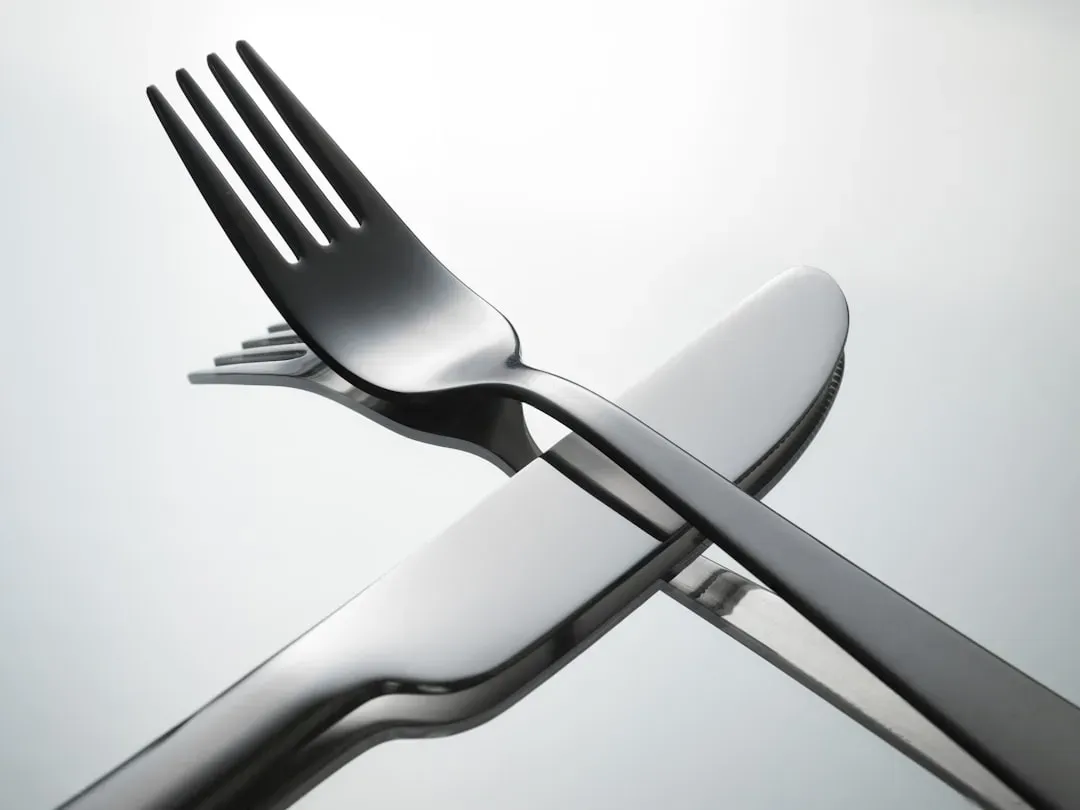
That shiny fork in your kitchen drawer is hiding a clever defense system. Stainless steel isn’t magically immune to rust; instead, it carries a built-in shield made primarily from chromium. When chromium in the alloy meets oxygen in the air, it forms an ultra-thin, invisible layer of chromium oxide on the surface – just a few atoms thick.
This layer acts like a transparent armor that blocks moisture and oxygen from reaching the iron underneath, which is what would normally rust. The wild part is that this layer can repair itself: if you scratch the steel, fresh chromium quickly reacts with oxygen and rebuilds the protective film. That self-healing skin is why stainless steel can survive in kitchens, hospitals, and even salty marine environments much longer than ordinary steel, all while looking sleek and polished.
Velcro: A Fastener Inspired by Plant Burrs
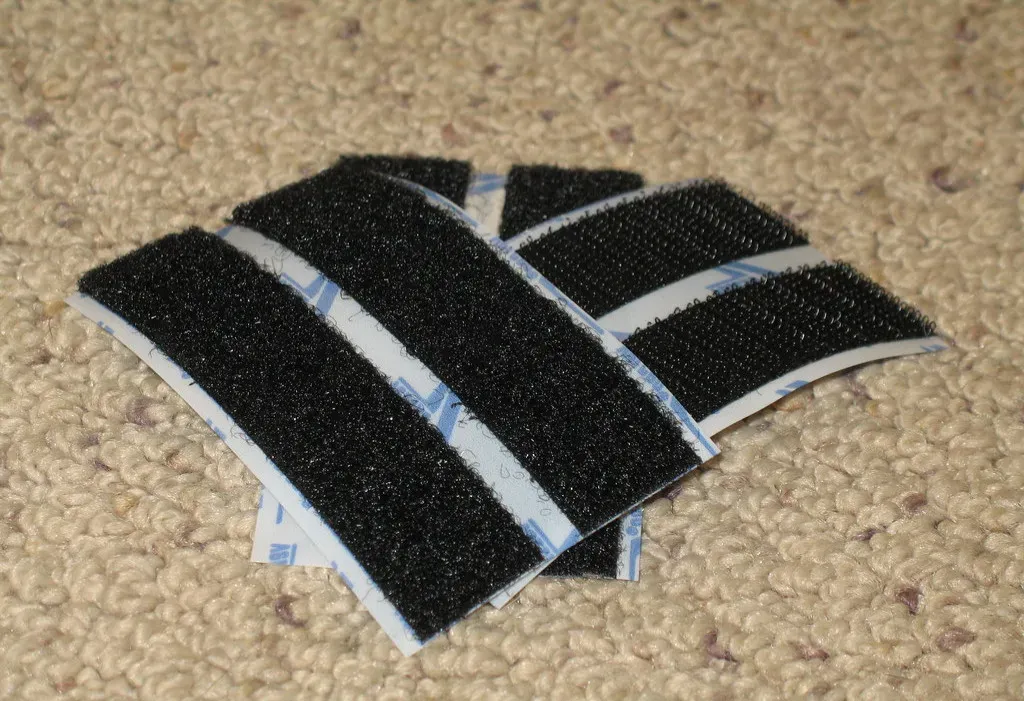
Every time you rip open a Velcro strap, you’re reenacting a moment of curiosity from a walk in nature. The idea came from burrs – those prickly seed pods that cling to clothes and fur. Under a microscope, burrs use tiny hooks that latch onto loops in fabric or hair. Velcro recreates this with two strips: one covered in thousands of tiny hooks, the other in soft loops.
Press them together, and the hooks snag the loops at countless points, creating a surprisingly strong grip from many small connections working together. Pull them apart, and the hooks bend and release without breaking, ready to grab again and again. This hook-and-loop system is lightweight, easy to use, and works in places where zippers, buttons, or laces would be a hassle – from kids’ shoes to space suits, all thanks to a stubborn plant refusing to let go of a passing sock.
Hydrophobic Fabrics: Clothing That Makes Water Bounce Off
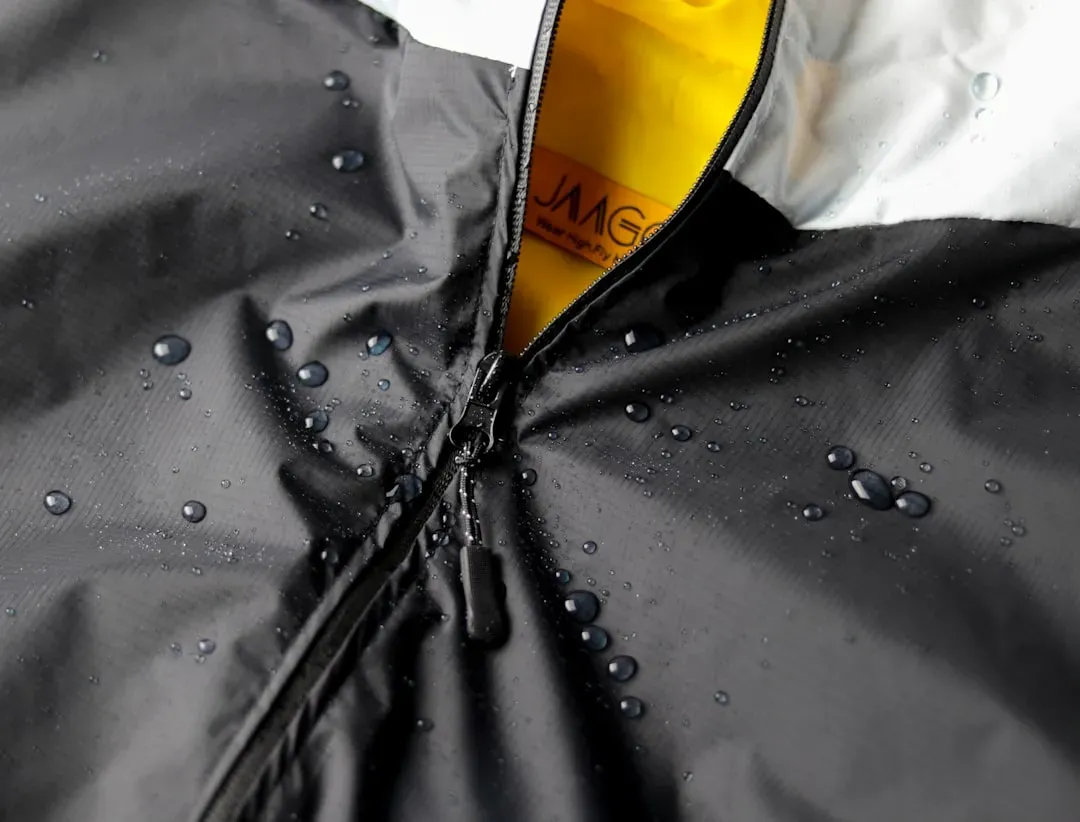
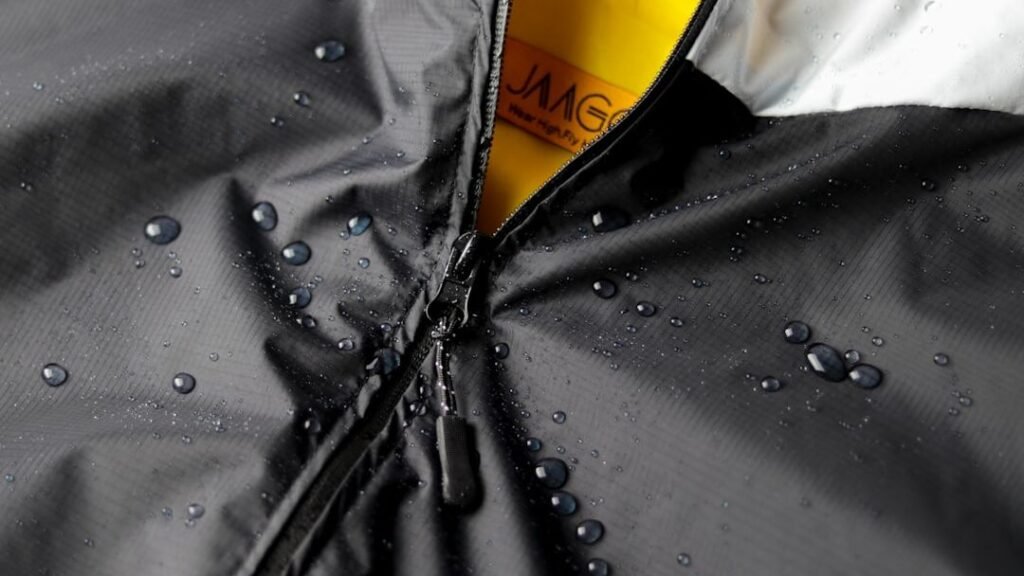
Water-resistant jackets and stain-repellent shirts often feel like mild magic when raindrops just roll away. Many of these fabrics are treated to become hydrophobic, meaning they actively repel water. On a microscopic level, the fibers are coated or structured so that water molecules would rather stick to themselves than to the fabric, causing droplets to bead up like tiny marbles on a tabletop.
The surface can also be engineered with a fine roughness, creating air pockets beneath water droplets so they barely touch the cloth at all. This combination of chemistry and texture lowers the fabric’s surface energy and boosts the water’s tendency to stay rounded and mobile. The result is clothing that sheds light rain and spills instead of soaking it in, buying you time to brush off coffee, sauce, or sudden showers before they become permanent stains.
Silica Gel Packets: The Little Bags That Fight Moisture
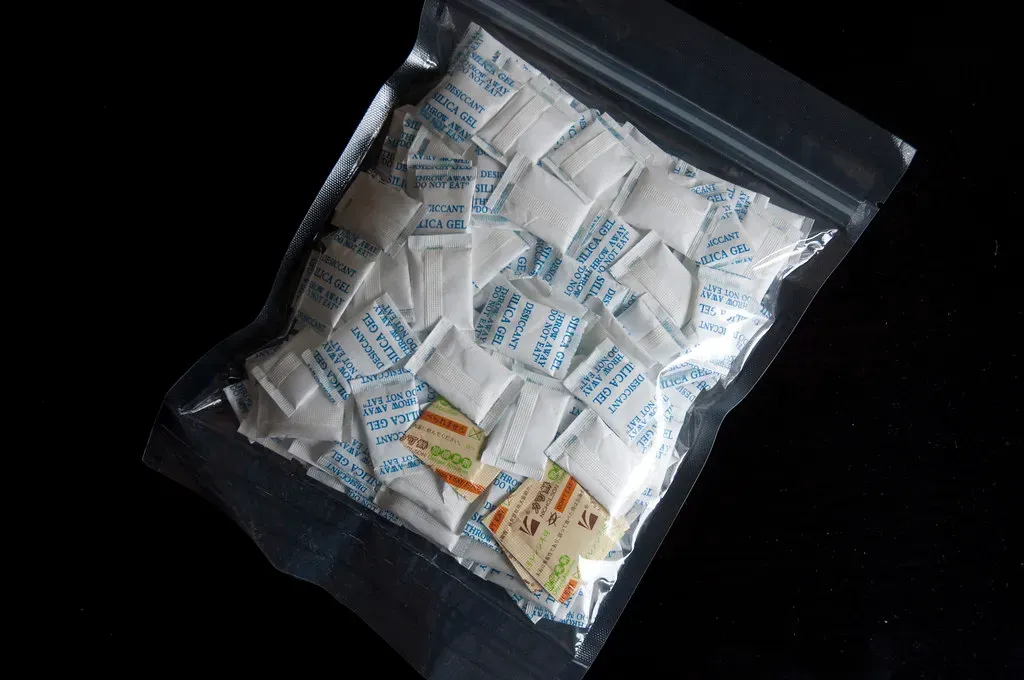
Those “Do not eat” packets in shoeboxes and electronics packaging might seem like useless filler, but they’re quietly doing an important job. Inside is silica gel, a highly porous form of silicon dioxide, the same basic material as sand but processed into tiny beads full of microscopic holes. These holes create a massive internal surface area, giving water vapor countless places to stick.
Silica gel doesn’t dissolve or turn gooey; instead, it adsorbs moisture onto its surface, locking it away and keeping the surrounding air dry. This protects leather, food, electronics, and even medications from damage caused by excess humidity, like mold, corrosion, or clumping. Some versions even change color as they absorb water, acting like a tiny moisture meter hidden inside the packaging.
WD-40: More Than Just a Squeak Stopper
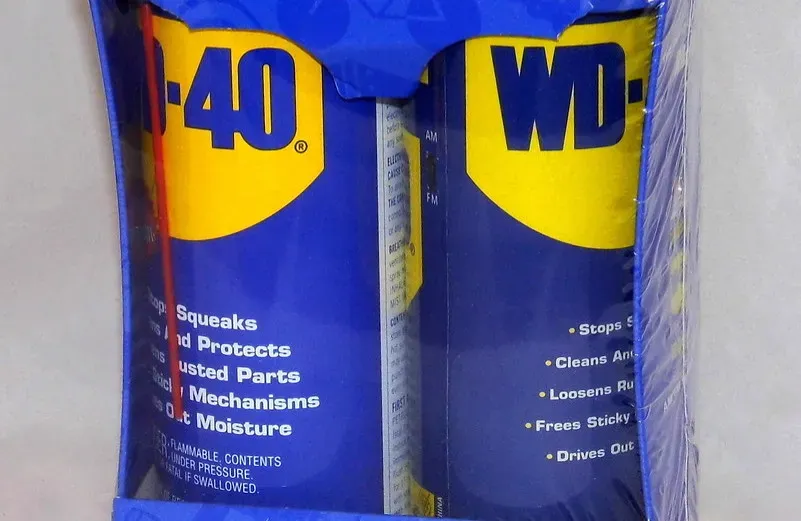
That blue-and-yellow can in your garage is famous for silencing squeaky hinges, but its science goes deeper than “slippery stuff.” WD-40 is a carefully blended mixture of hydrocarbons that can creep into tight spaces, displace moisture, and leave behind a thin, protective film. The name itself comes from “water displacement,” which hints at its original purpose: pushing water away from metal surfaces to prevent rust.
When sprayed, the liquid seeps into microscopic gaps, loosening stuck parts and flushing out dirt. As the lighter components evaporate, a film remains that reduces friction and slows down corrosion. Its combination of penetration, lubrication, and moisture blocking is why people reach for it for everything from rusty bolts to sticky locks, even if they can’t quite explain what is actually inside the can.
Kitchen Sponges: Microbial Highways and Capillary Machines
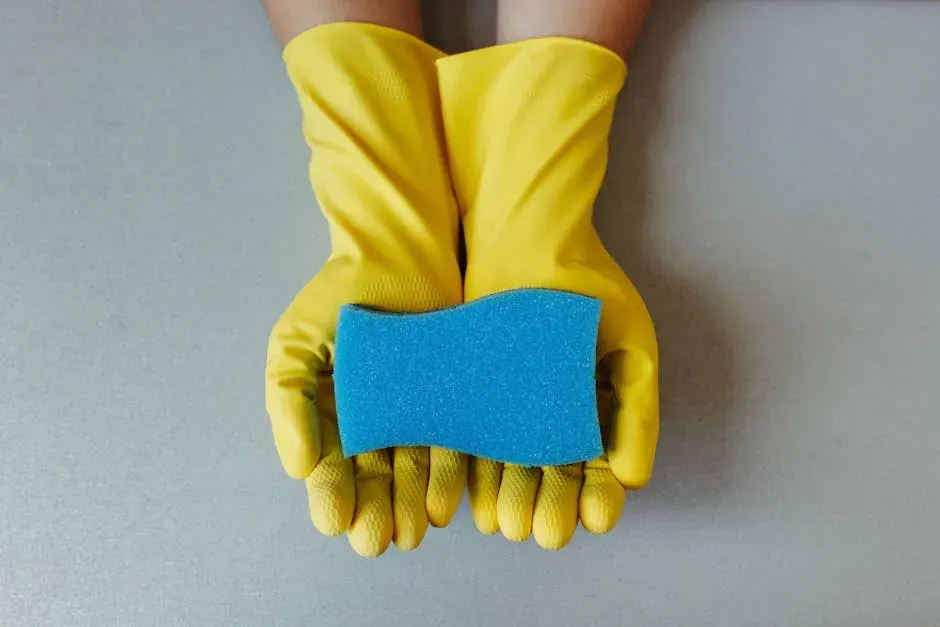
The humble kitchen sponge is both a cleaning hero and, if you’re not careful, a bacterial playground. Its structure is a network of pores and tunnels that soak up water through capillary action, where liquid climbs and spreads through narrow channels against gravity. This lets you pick up spills quickly, trapping liquid in the sponge’s internal maze instead of letting it pool on the counter.
That same porous labyrinth, however, offers countless hiding spots for microorganisms, especially when food residues and warmth are involved. Studies have shown that poorly cleaned sponges can host a wide variety of bacteria, thriving in the damp, nutrient-rich crevices. The sponge is a reminder that the physics that help you clean – massive surface area, tiny pores, easy fluid flow – can also become a perfect habitat unless you regularly disinfect or replace it.
Conclusion
Under the surface of a windowpane, a note, or a frying pan sits a whole world of chemistry and physics we rarely stop to notice. These materials are not just “stuff” but carefully tuned systems, each balancing forces, structures, and reactions to deliver simple everyday experiences that feel effortless. The more you learn to see these hidden properties, the more your home starts to look like a small, hands-on science museum.
Next time you peel off a Post-it, flip a pancake, or zip up a waterproof jacket, you’ll know there’s a quiet layer of science making that moment possible. The ordinary objects around you have been shaped by trial and error, strange discoveries, and clever engineering choices that often began with accidents or odd questions. Which everyday material around you suddenly feels a lot less ordinary now?