
If you’ve ever stood in front of an ancient ruin and felt your brain quietly short-circuit, you’re not alone. Some places on this planet feel like they were built to challenge our sense of what’s possible, as if the past is calmly whispering, “You don’t understand me as well as you think you do.” Modern archaeology has done an amazing job of turning mysteries into solid knowledge, but a few sites still feel like they’re holding important cards close to the chest.
This isn’t about magic portals, secret aliens, or wild conspiracy theories. It’s about real, physical places that exist, that have been studied seriously, and that still raise questions about how people, with the tools they supposedly had, pulled off what they did. I remember the first time I saw a photo of a precisely cut stone in Peru that fit its neighbors like a jigsaw puzzle with no mortar; it honestly made me rethink human stubbornness more than human genius. Let’s walk through seven of these sites that stubbornly refuse to fit neatly into the standard story.
1. Göbekli Tepe: The 11,000-Year-Old Stone Enigma
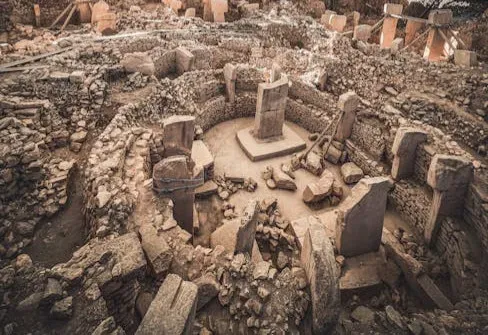
Hidden under a hill in southeastern Turkey until the late twentieth century, Göbekli Tepe doesn’t just push the timeline of monumental architecture; it body-slams it. This site, with its massive T-shaped stone pillars arranged in circles, dates to around ten thousand years before the present, long before cities, pottery, or metal tools became common in the region. The pillars, many of them several meters tall and weighing tons, are carved with animals, abstract symbols, and mysterious motifs that look more like a carefully planned symbolic system than random decoration.
The part that unsettles conventional narratives is that Göbekli Tepe was apparently built by hunter-gatherers, not settled farmers. For decades, archaeology textbooks claimed that agriculture came first, then villages, then religion and temples as a kind of cultural “bonus” after survival needs were met. Here, it seems reversed: large, intricate ritual structures may have been the reason people started staying put and organizing in bigger groups. Even stranger, the site appears to have been intentionally buried after centuries of use, as if its builders were closing a chapter of history we still haven’t learned how to read.
2. Puma Punku: Precision Stonework in the High Andes
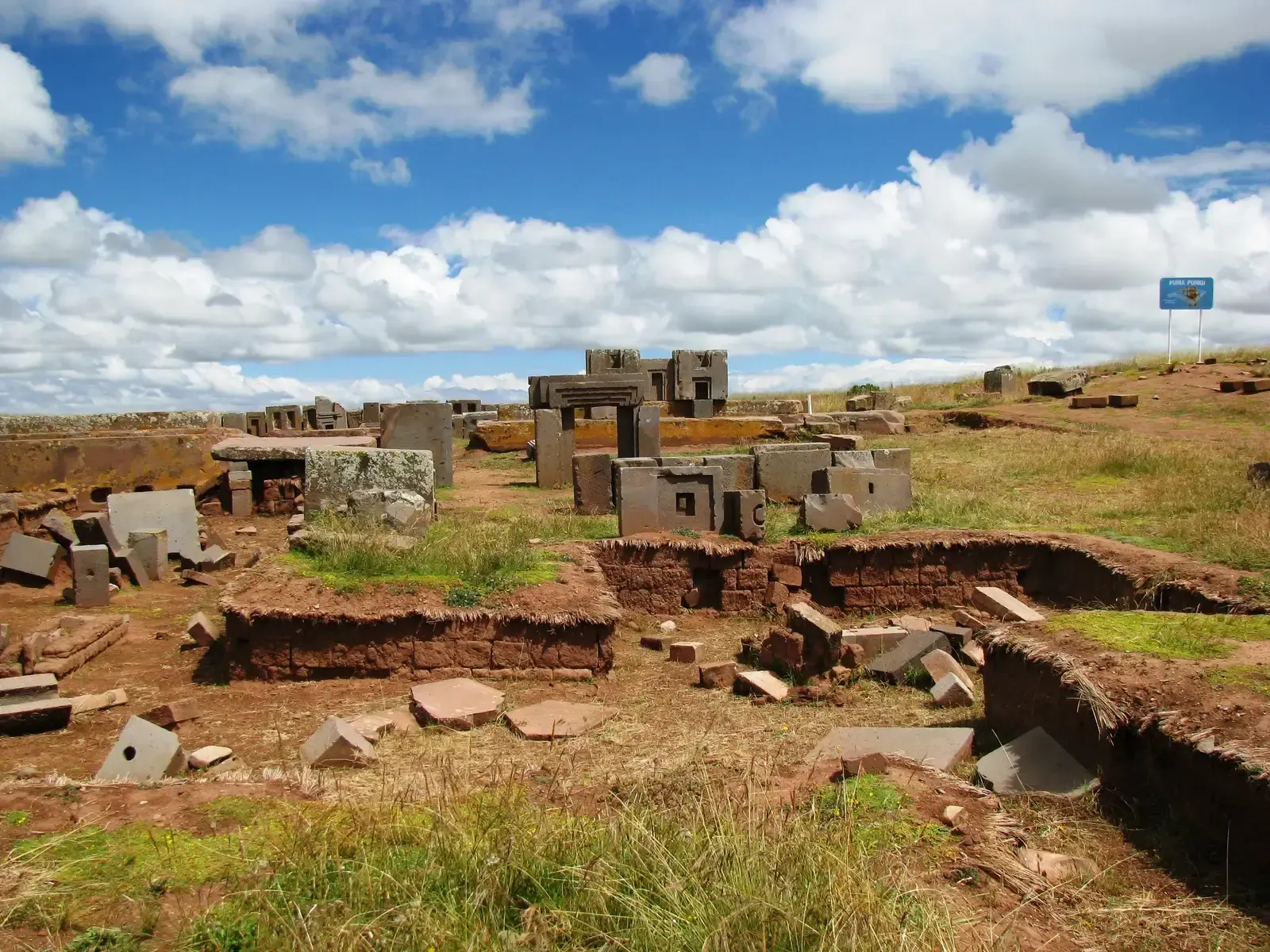
High on the Bolivian Altiplano, near the better-known Tiwanaku site, lies Puma Punku, a complex of stone platforms and scattered blocks that looks almost like someone disassembled an ancient stone machine. The blocks, some of them weighing dozens of tons, show an eerie level of precision: right-angled cuts, interlocking shapes, and smooth drill-like holes that seem oddly at odds with the simple tools usually attributed to the region at that time. When you see photos of those H-shaped blocks fitting together with almost mechanical accuracy, it can be hard not to feel like we’re missing a chapter in the instruction manual.
Archaeologists generally date Puma Punku to roughly one and a half millennia ago, associated with the Tiwanaku culture, but the exact construction phases and techniques are still debated. No one is seriously arguing that lasers or space visitors were involved, but the degree of precision with supposedly basic technology forces us to rethink how sophisticated stoneworking can be without metal tools or wheels in daily use. It’s like walking into a small workshop and finding finely engineered parts that belong in a modern factory – possible, but it makes you stare a little longer at the workbench.
3. Sacsayhuamán: Walls That Shrug Off Earthquakes
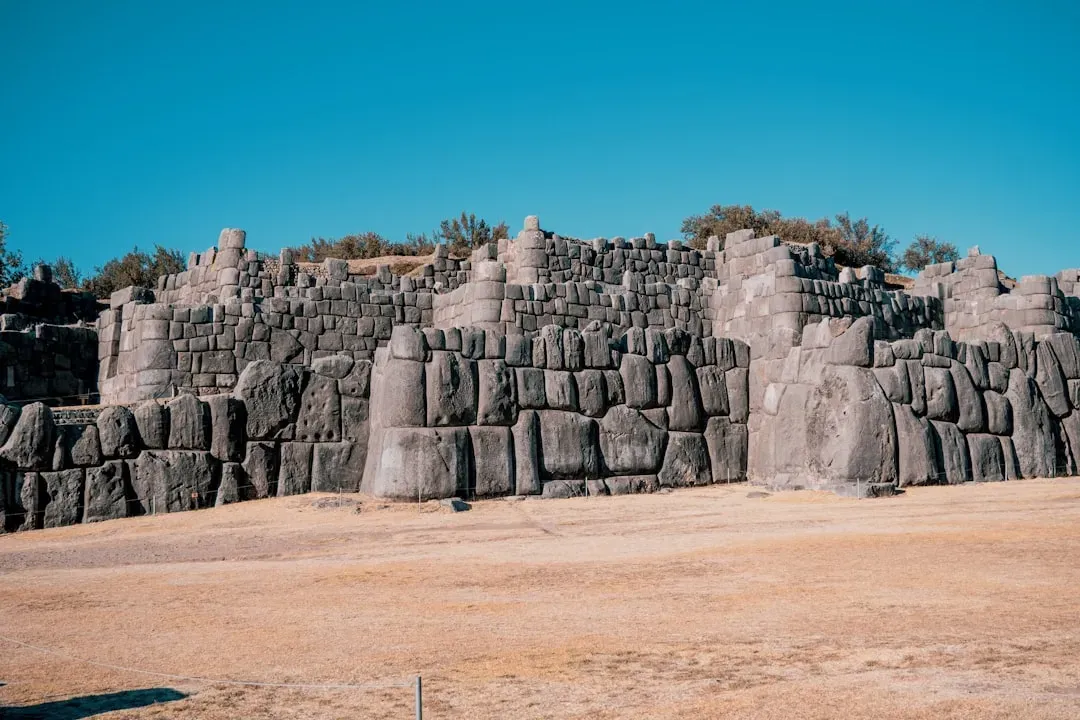
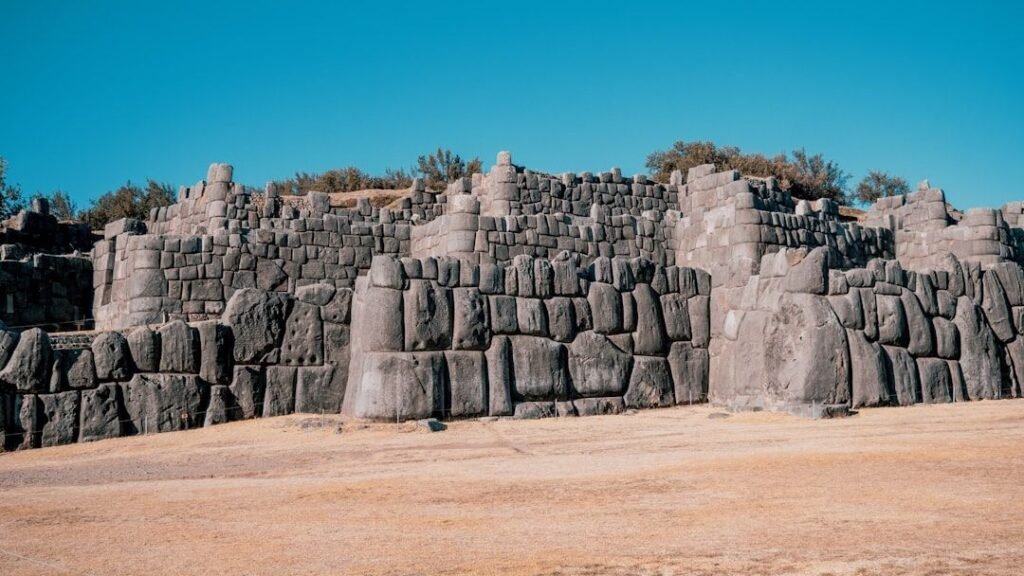
Above the city of Cusco in Peru, the fortress complex of Sacsayhuamán looms like a stone puzzle that refuses to fall apart. Enormous blocks, some as tall as a person or more, are cut in irregular shapes and locked together without mortar, yet they fit so tightly that even a thin blade can be hard to slide between them. These walls have withstood major earthquakes that devastated colonial buildings nearby, barely flinching while newer constructions crumbled.
We know the Inca were extraordinary stoneworkers, but Sacsayhuamán pushes that reputation to its extreme. Moving and placing multi-ton stones with such accuracy at significant altitude, on uneven terrain, and aligning them in zigzag lines that might have had both defensive and symbolic meaning, feels almost like a dare to future engineers. The unsolved edge of the story isn’t whether humans did it – they absolutely did – but exactly how they planned, coordinated, and executed such large-scale construction without written blueprints or modern machinery. It’s a reminder that “primitive” is a lazy word for people who clearly knew exactly what they were doing.
4. Pyramids of Giza: Engineering That Still Outruns Simple Explanations
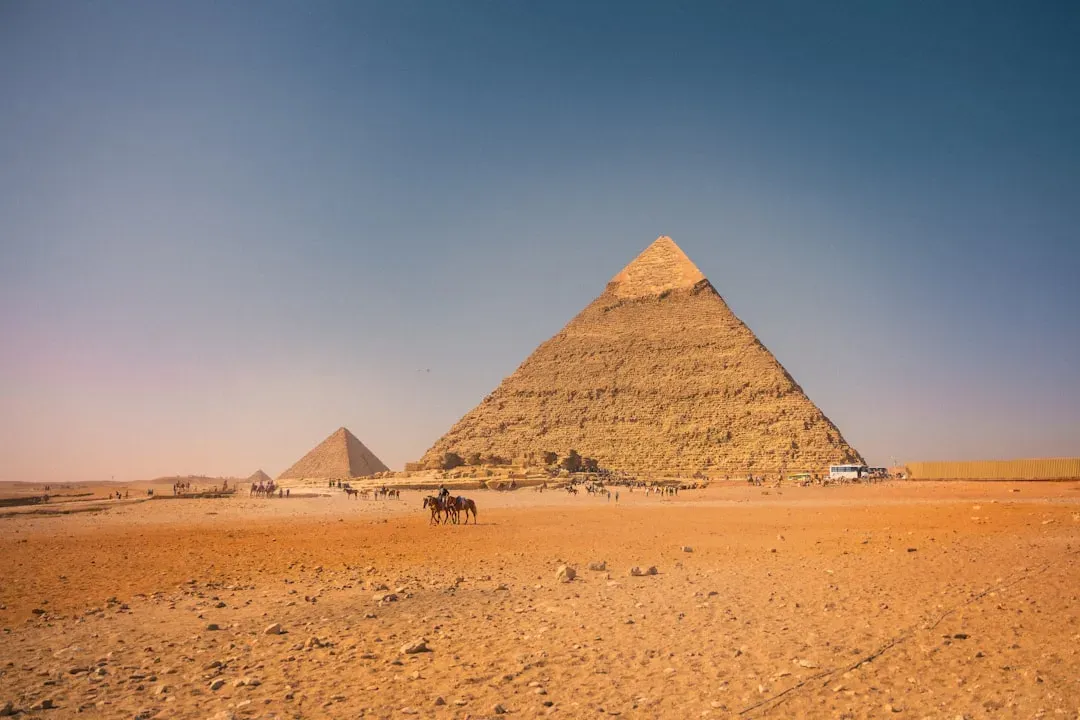
The Great Pyramid at Giza is so famous that it’s easy to forget how profoundly weird it actually is when you really look at the details. Built more than four thousand years ago, its base covers a massive area and its sides were originally aligned with astonishing accuracy to the cardinal directions. The sheer organization needed to quarry, transport, and set millions of stone blocks in a relatively short period of time is a logistical headache even on paper, let alone in the blazing Egyptian sun without trucks, cranes, or modern project management software.
Archaeologists have made serious progress in explaining how the pyramids could have been built: ramp systems, coordinated labor crews, nearby workers’ villages, and evidence of skilled, well-fed teams rather than enslaved masses. Still, some details, like the precise internal chambers, the narrow shafts, and the overall alignment, keep fueling debate about the exact planning methods used. The pyramids don’t require aliens to be astonishing; they demand that we admit humans, working with simple tools and a lot of stubbornness, achieved something that still makes modern engineers squint and reach for a calculator.
5. Nan Madol: A “Stone Venice” in the Pacific
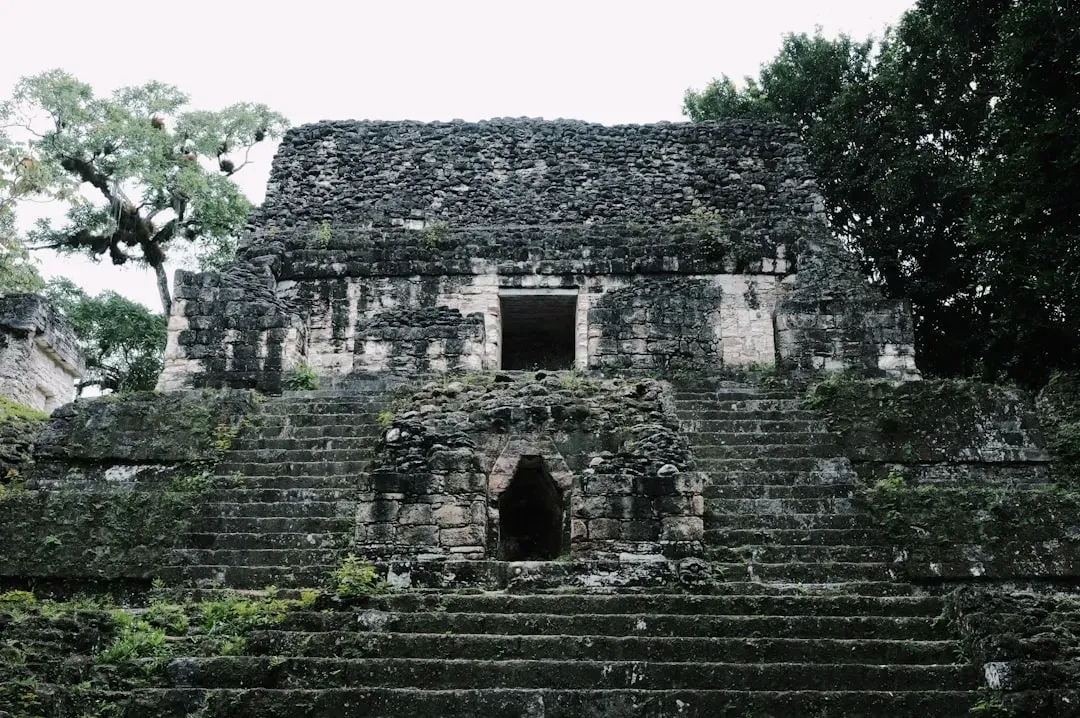
Off the island of Pohnpei in Micronesia lies Nan Madol, a ruined city built on a grid of artificial islets separated by canals. It’s sometimes called a “floating city,” a kind of ancient Venice in the Pacific, constructed using stacked basalt columns that look like giant stone logs. These prismatic stones were transported and arranged into platforms, walls, and ceremonial spaces over a lagoon, creating an urban landscape that feels both deliberate and otherworldly.
The big puzzle is how and why such an ambitious project emerged on a remote island without the large, centralized states we usually associate with monumental architecture. Moving and positioning heavy basalt logs by canoe or raft over shallow water, all while building stable foundations on a reef, would’ve required a deep understanding of tides, balance, and coordination. Archaeologists have proposed reasonable methods, but the full picture of the social and technological system that sustained this watery city still feels incomplete. Standing there, you can almost imagine a society that thought in terms of tides and channels the way we think in streets and highways, but most of its story has washed away.
6. The Nazca Lines: Giant Drawings Best Seen from the Sky
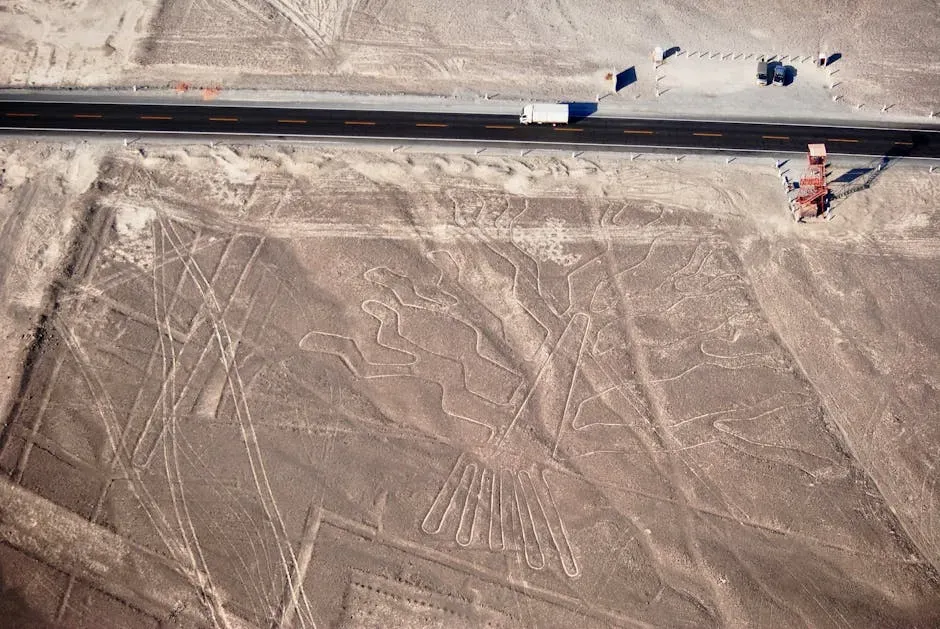
On the arid plains of southern Peru, the Nazca Lines stretch across the desert like a massive sketchbook left open for the gods. These are huge geoglyphs – straight lines, geometric shapes, and animal figures – created by removing the darker surface stones to reveal the lighter ground beneath. Some are so large that you can only fully appreciate their shapes from above, which is exactly the twist that catches people’s imagination and makes them ask: who were these designs actually for?
Researchers have suggested that many lines align with water sources or ritual pathways, and that the figures might relate to religious practices, myths, or astronomical observations. The Nazca people clearly didn’t need airplanes to design them; using simple tools, grids, and planning methods, they could map out vast images while standing on the ground. Still, the scale, precision, and endurance of these lines in such a fragile-looking environment keep them feeling slightly unreal. It’s a little like finding a gigantic chalk drawing perfectly preserved on a playground nobody’s used for centuries, and having almost no idea what game they were playing.
7. Yonaguni Monument: Natural Rock or Lost Architecture Underwater?
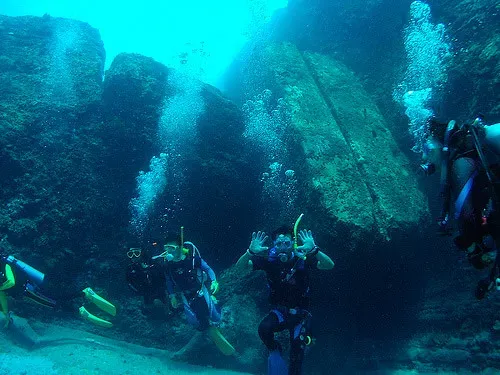
Off the coast of Yonaguni Island in Japan, divers discovered a submerged rock formation that looks suspiciously like a stepped pyramid or terrace complex. Large flat platforms, straight edges, and what appear to be stair-like features have sparked heated debates about whether this is an entirely natural formation shaped by geological processes, or a natural base that was modified by humans long ago. The water adds to the drama: quiet blue depths, sharp angles, and the creeping thought that if this is human-made, it would radically shift our ideas about ancient coastal settlements in the region.
Many geologists argue that the shapes can be explained by the natural fracturing of sandstone and consistent erosion, which can create surprisingly geometric forms. Some divers and independent researchers, on the other hand, point to what they interpret as carvings and deliberate cuts. The mainstream view leans toward a natural origin, possibly with minor human modification, but definitive proof either way remains elusive. The site sits at that uncomfortable edge where our pattern-hungry brains see architecture in rock, and our scientific caution tells us not to jump to conclusions.
Conclusion: When the Past Refuses to Sit Quietly
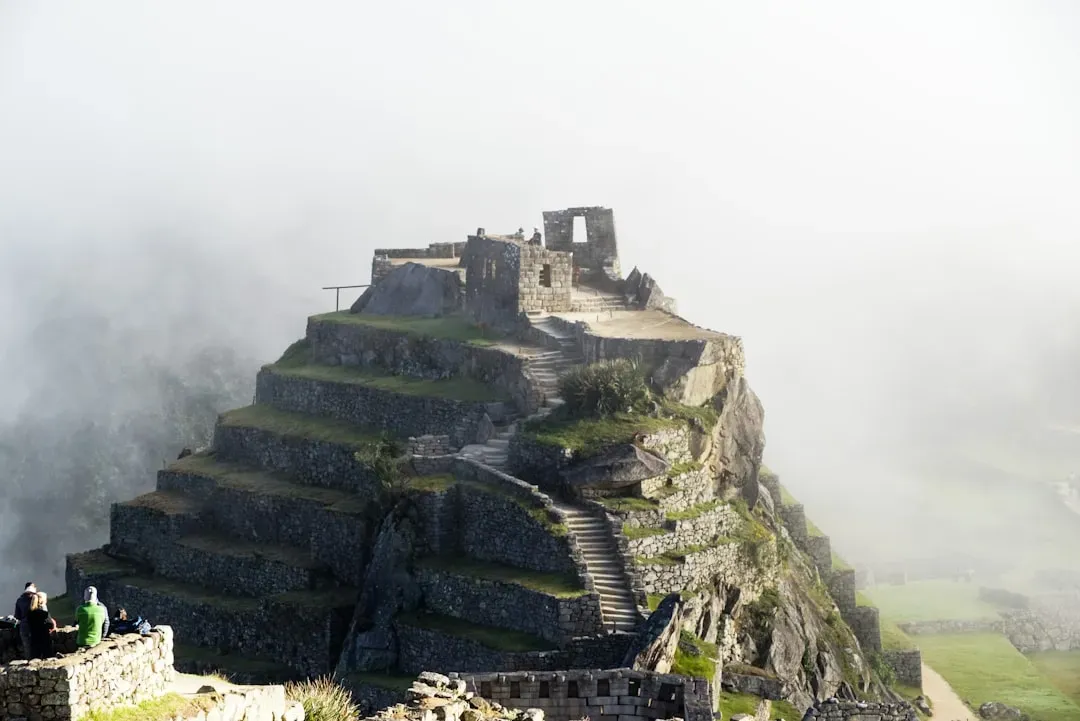
These seven sites don’t overturn everything archaeology has uncovered, but they do poke sharp holes in our love of neat timelines and simple narratives. Again and again, they show that early societies were often more organized, more technically skilled, and more imaginative than our stereotypes allow. They remind us that human beings, long before laptops and laser levels, were perfectly capable of thinking big, planning long term, and working together on projects that outlast empires.
What stays with me is this quiet, humbling realization: we’re probably underestimating the past far more often than we’re overestimating it. Every time we walk through a place like Göbekli Tepe, Sacsayhuamán, or Nan Madol, we’re not just looking at stones; we’re looking at the remains of ambitions, fears, beliefs, and experiments in living that don’t always match our tidy categories. Maybe the most honest response is to let a bit of mystery stay alive while we keep digging, testing, and questioning. Which of these places would you most want to stand in yourself, just to feel what your textbooks never quite captured?