
If you’ve ever argued with someone and thought, “How can they not see what I see?”, you’ve bumped into one of the strangest truths about being human: we’re not all living in the same reality. At least, not in the neat, objective way we like to imagine. Our brains don’t simply record the world like cameras; they actively build it, edit it, and sometimes even invent pieces of it without asking for permission.
Think of your mind less like a mirror and more like a movie director working with a messy script and a tight deadline. It fills in gaps, cuts scenes, adds background music (hello, emotions), and then insists the final cut is exactly how things really happened. Once you realize that, life gets both unsettling and incredibly freeing: if reality is partly constructed, then understanding that blueprint gives you a chance to redraw it.
The Illusion of a Shared Reality

It feels obvious that there’s just “one” real world out there and we’re all seeing it more or less the same way. But two people can walk out of the same meeting, describe what happened, and sound like they attended completely different events. The facts may be similar, yet what each person notices, remembers, and cares about can be wildly different, shaped by mood, beliefs, and expectations.
This isn’t just about opinions; it shows up in basic perception. People from different cultures literally see colors differently because their language categories shape what they notice and how they slice up the color spectrum. Even something as basic as time can feel different: when you’re stressed and waiting for test results, a few minutes can seem like hours, while an evening with close friends disappears in what feels like seconds.
Your Brain as a Prediction Machine
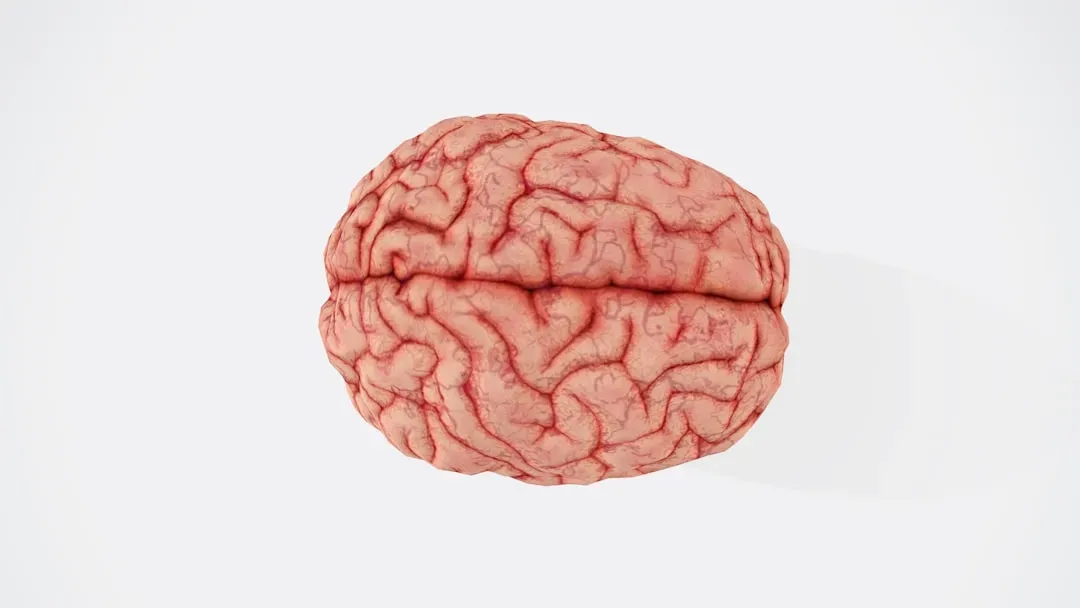
One of the most powerful ideas in modern neuroscience is that the brain isn’t just reacting to the world, it’s constantly predicting it. Instead of sitting back and waiting for sensory input, your brain is forever guessing what’s about to happen and using incoming information mostly to correct its own predictions. In a way, it’s less like a detective gathering evidence and more like a novelist revising a draft as new feedback comes in.
You feel this when you mishear song lyrics or someone’s words because your brain fills in what it expects to hear. When those expectations are mostly right, the world feels smooth and stable. When they’re off – like walking down a step that isn’t there or thinking you see your friend in a crowd – your brain gets a quick jolt of surprise as its prediction crashes into reality, and you become briefly hyper-aware that your inner model was wrong.
How Senses Shape – and Trick – Our Reality
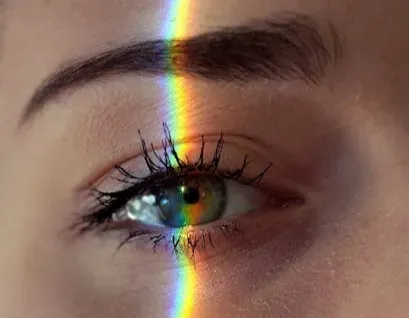
We usually trust our senses as if they’re hard proof, yet they’re closer to negotiated guesses. Visual illusions show this in a spectacular way: two colors that are physically identical can look totally different depending on their surroundings, because the brain automatically “corrects” for lighting and context. The famous dress that some people saw as white and gold and others as blue and black wasn’t just social media drama; it exposed how different brains make different lighting assumptions, and end up with different realities.
And it isn’t just vision. When you’re hungry, food smells stronger and more tempting because your brain boosts signals it thinks are important for survival. Pain, too, is heavily filtered: if you’ve ever noticed a bruise hours after bumping into something, you’ve seen how attention and context can dial pain up or down. Your senses give your brain raw ingredients, but the final dish you experience is always cooked, seasoned, and sometimes over-spiced by your nervous system.
Memory: The Storyteller That Keeps Rewriting

We like to think of memory as a hard drive, faithfully saving events and pulling them back when needed. In reality, every time you remember something, your brain is reconstructing it from scattered traces, mixing in current feelings, later experiences, and even things other people told you. Over time, your most vivid memories may be the ones you’ve retold the most, not the ones that are most accurate.
This can be a little disturbing when you realize how confident people can feel about memories that never quite happened that way. Yet there’s also something strangely kind about it: your brain often edits memories to protect your sense of self, to smooth out the chaos, or to give you a story that feels more coherent. It’s less a cold historian and more a creative editor, sometimes prioritizing meaning over precise detail.
Emotions: The Hidden Architects of What You See

Your emotional state doesn’t just color how you talk about reality; it can alter what you actually perceive. When you’re anxious, faces look more threatening, sounds seem harsher, and everyday bumps in the road can feel like major obstacles. On the flip side, when you’re content or hopeful, you’re more likely to notice opportunities, kindness, and tiny moments of beauty that you’d normally overlook.
Emotions act like filters your brain slaps onto the world, changing the contrast and brightness of what stands out. They’re built deeply into the brain’s wiring, blending body signals (like a racing heart), past experiences, and predictions about what might happen next. I’ve caught myself on bad days assuming people were annoyed with me, only to realize later they were just tired; it wasn’t that reality changed, it was that my emotional blueprint was quietly reshaping what I saw.
Beliefs, Culture, and the Realities We Share

Beliefs are like the scaffolding your brain uses to organize everything else, and culture is the giant construction site you grow up in. If you believe the world is generally dangerous, you’ll notice risks everywhere and interpret neutral events as potential threats. If you believe people are mostly trustworthy, the very same events can feel harmless or even inviting. Over time, your brain collects “evidence” that fits those beliefs, reinforcing the very story it started with.
Culture magnifies this effect by giving groups of people shared lenses to look through. Social norms, rituals, and unspoken rules all shape what feels real, important, or even thinkable. This is why two societies can look at the same technology, behavior, or political event and draw completely different conclusions. When cultures clash, it’s often not just values colliding, but different constructed realities rubbing up against each other, both sides convinced theirs is simply the truth.
When the Blueprint Glitches: Hallucinations and Distortions
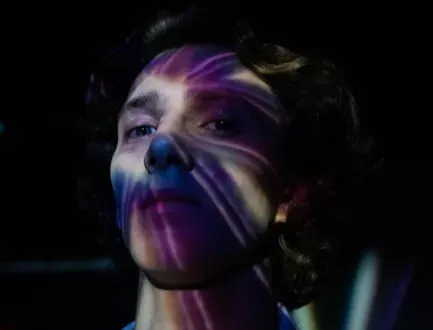
Sometimes the brain’s construction process goes so far that it clearly detaches from the outside world. Hallucinations – seeing, hearing, or sensing things that aren’t there – reveal how powerful the brain’s internal model can become. In some mental health conditions, the brain’s predictions overpower sensory input, so strongly held expectations or fears can be experienced as solid, undeniable reality.
Even in everyday life, we get tiny, less dramatic glitches. You might think you felt your phone vibrate when it didn’t, or swear you heard someone call your name in a crowd. These moments show how eager the brain is to find familiar patterns, even when the signal is weak or missing. The line between “normal” perception and distorted perception is less a hard boundary and more like a sliding scale of how much your predictions overwhelm the actual data.
Redrawing the Blueprint: Can We Change Our Perception?
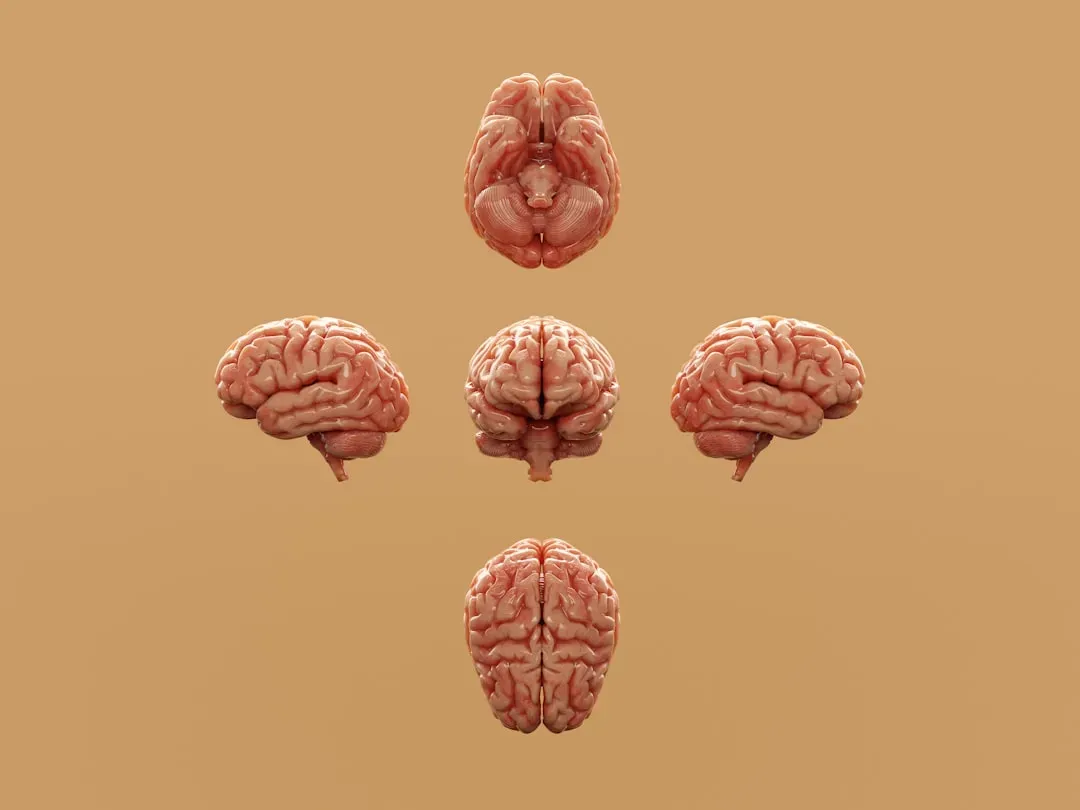
Once you accept that your brain is building your reality, a natural question appears: how much of that blueprint can you actually change? Practices like mindfulness, therapy, and even simple curiosity about your own reactions can help you step back and notice the construction process as it happens. When you catch yourself jumping to conclusions, you’re already poking a small hole in the automatic story your brain is telling.
Over time, learning new skills, exposing yourself to different cultures, or deliberately challenging your assumptions can shift what your brain predicts and pays attention to. It’s slow and sometimes uncomfortable, like renovating a house while you’re still living in it. But realizing that your perceptions aren’t absolute truth – just your brain’s best current guess – can make you a little more humble, a little more open, and maybe a bit more gentle with yourself and others.
Conclusion: Living with a Flexible Reality

Our perception of reality isn’t a static reflection, it’s a living blueprint that your brain is revising every moment. Senses, memories, emotions, beliefs, and culture all leave their fingerprints on what you experience as “real,” often without you ever noticing their influence. That can be unsettling when you first confront it, especially if you’ve relied on the idea of a completely solid, shared world.
Yet there’s also something quietly empowering in knowing that your reality is partially constructed. You may not control everything that happens to you, but you can learn to question your first impressions, soften rigid beliefs, and open up to other people’s versions of the world. In a time when arguments over truth feel louder than ever, maybe the most radical step is simply to ask yourself: how sure am I that the way I see things is the only way they can be seen?