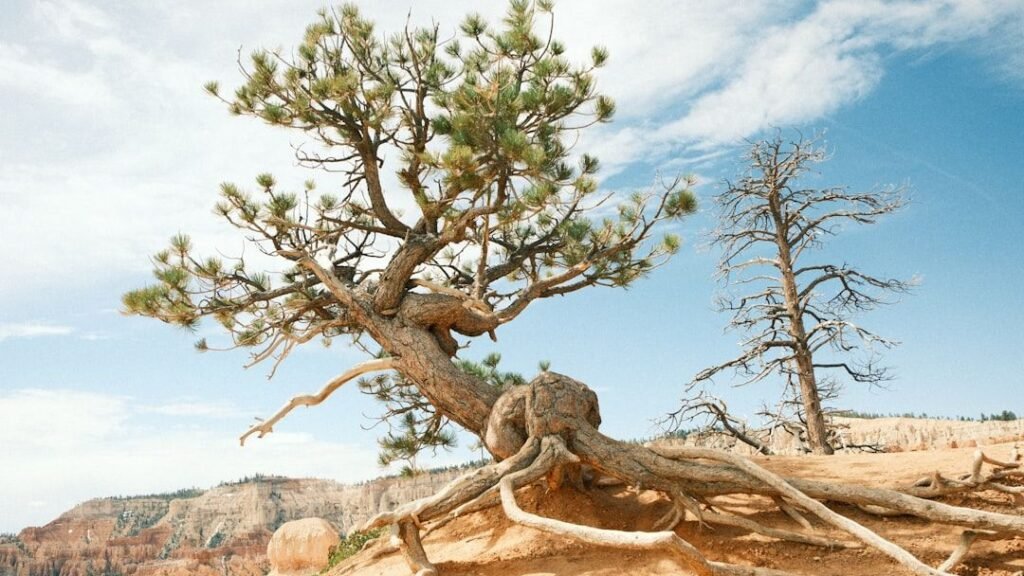

Walk through a lush garden and it’s easy to forget that, for many plants, life is closer to a survival thriller than a peaceful nature documentary. From scorching deserts to salty coastlines and frozen tundra, plants are quietly fighting for every drop of water, every photon of light, every breath of carbon dioxide. Their bodies are full of hidden tricks, clever hacks, and evolutionary workarounds that make them some of the toughest survivors on Earth.
I still remember the first time I saw a tiny plant clinging to a crack in a sun‑baked parking lot. No soil to speak of, barely any water, and yet there it was, stubbornly green. That little weed changed how I looked at plants forever. Once you start noticing how they endure, you realize they’re not fragile decorations; they’re master strategists in slow motion, outsmarting heat, cold, salt, and even hungry animals.
Desert Water Tanks: Storing Moisture in Thick Leaves and Stems
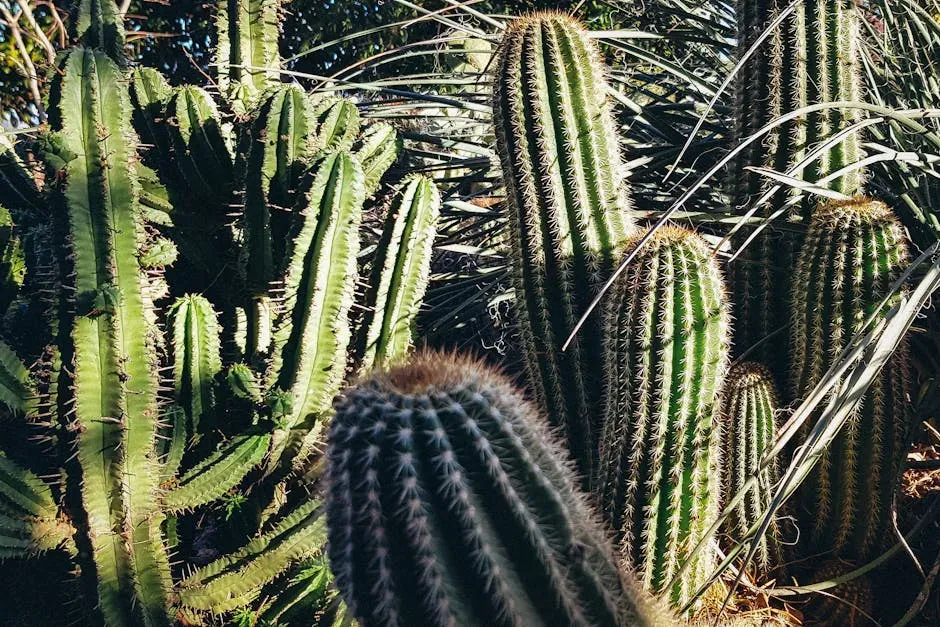
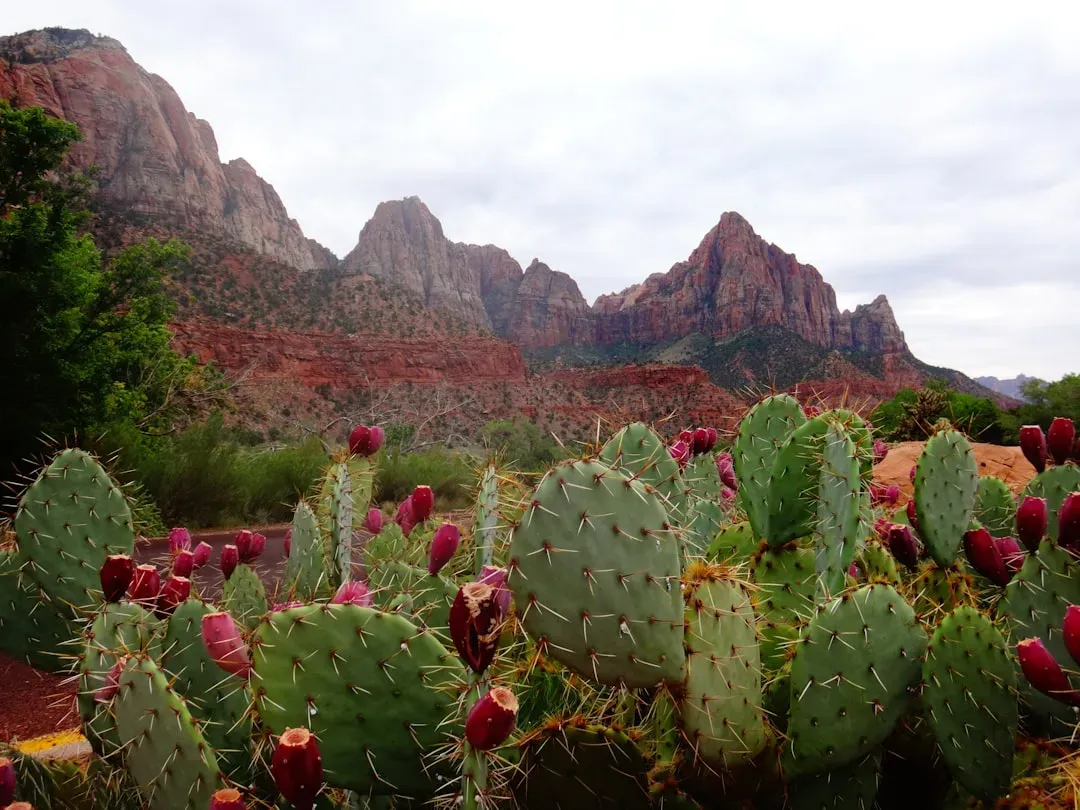
In brutally dry deserts, many plants survive by turning parts of their bodies into living water tanks. Succulents like cacti, agaves, and aloes have thick, fleshy tissues packed with water-storing cells that act like biological sponges. This stored water lets them ride out weeks or even months without rain, where other plants would shrivel in days.
These water hoarders also have waxy, often shiny skin that reduces evaporation, a bit like putting a lid on a pot to keep steam from escaping. Their leaves are usually small, reduced, or sometimes completely absent, which cuts down surface area and water loss even more. When you see a plump cactus, you’re basically looking at a carefully sealed water barrel wrapped in green armor.
Night Breathers: CAM Photosynthesis to Beat the Heat
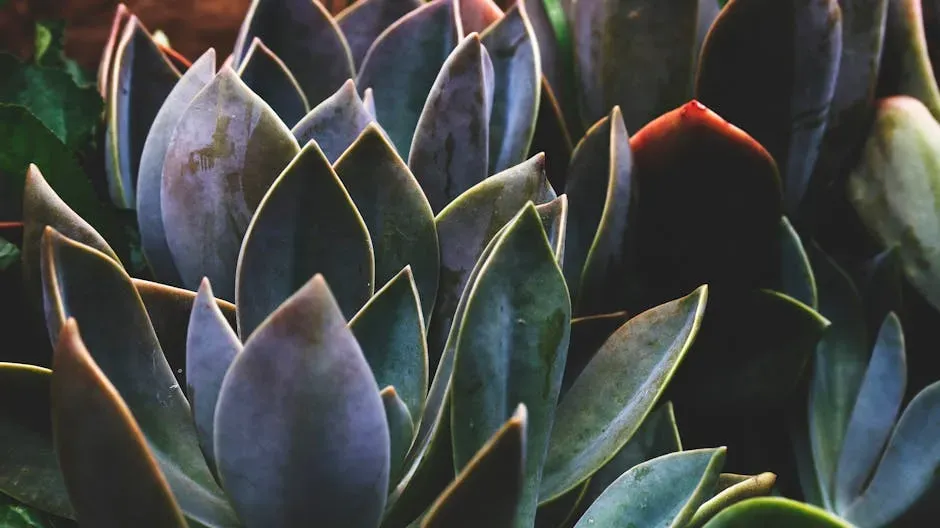
Some desert plants don’t just store water; they change the very timing of how they breathe. Instead of opening their stomata (those tiny pores on leaves) during the day like most plants, they open them at night when the air is cooler and less dry. This process, known as CAM photosynthesis, lets them take in carbon dioxide under safer conditions, then store it chemically for use during daylight.
During the day, their stomata stay mostly closed, so they can run photosynthesis with minimal water loss, like working with the windows shut and the air conditioning on low. This schedule flip is a huge advantage in burning heat, where leaving stomata open in full sun would be like leaving your freezer door wide open on a summer afternoon. It’s a schedule designed around survival, not convenience.
Deep Diggers: Taproots That Chase Hidden Water
In places where rain is scarce and surface soil dries out quickly, some plants survive by sending a single, powerful root straight down into the earth like a spear. Taproots can reach astonishing depths, sometimes several times the height of the plant above ground. This deep plumbing taps into underground moisture that shallow-rooted plants can’t reach.
You can think of a taproot as a private well in a neighborhood where everyone else is relying on a shallow puddle. Dandelions, mesquite trees, and many desert shrubs use this strategy, which also anchors them firmly against wind and erosion. Uprooting one usually feels like trying to pull a nail from concrete, because that root is locked into the ground in search of every last hidden droplet.
Leaf Armor: Waxes, Hairs, and Tiny Surfaces to Stop Water Loss

In harsh sun and wind, leaves can lose water as fast as a person sweating in a sauna, so many plants give their leaves a serious makeover. Some grow thick waxy coatings that act like raincoats for water molecules, slowing down evaporation from the surface. Others sprout fine hairs that trap a thin layer of still air around the leaf, creating an insulating cushion.
Many tough plants also keep their leaves small, narrow, or needle-like to reduce exposed area. Think of pine needles, thyme leaves, or the narrow blades of plants on windy cliffs: they’re all minimizing the “sail” that loses moisture to dry air. Taken together, these adaptations turn delicate green tissues into something closer to tiny, well-engineered survival tools.
Salt Warriors: Pumping, Storing, and Excreting Excess Salt
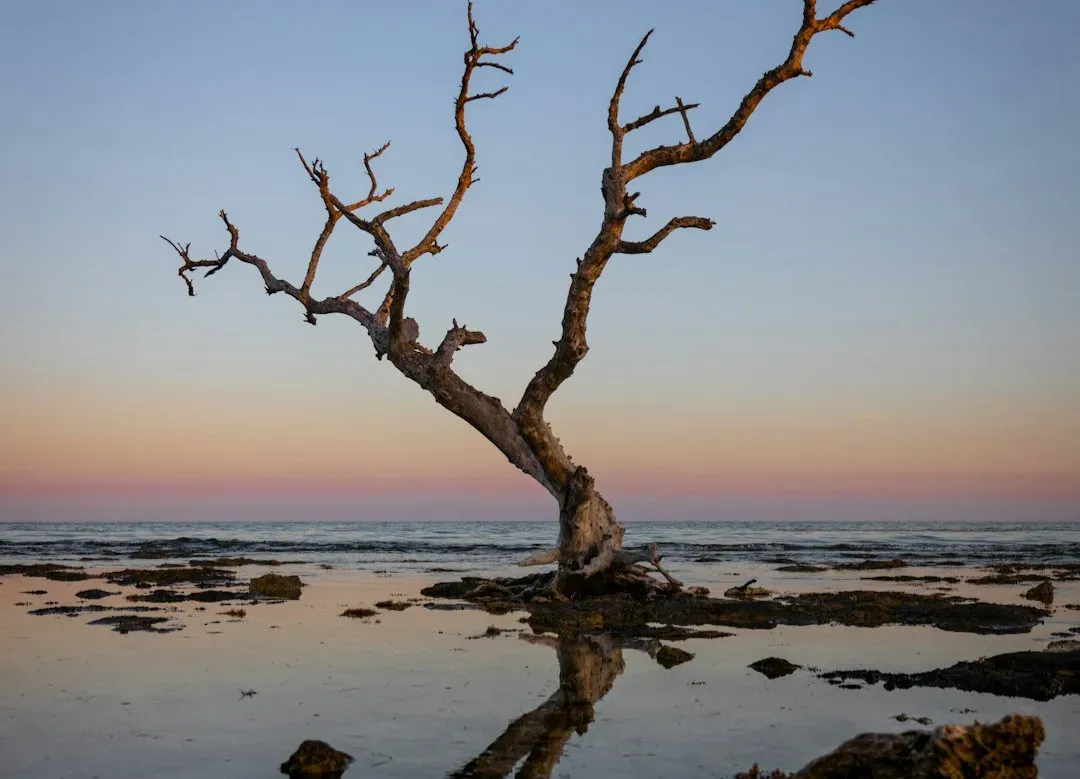
In salty environments like coastal marshes, mangroves, or soils damaged by irrigation, plants have to deal with salt levels that would kill most ordinary species. Halophytes, or salt-tolerant plants, use a mix of clever tricks. Some actively pump salt out of their cells before it can reach toxic levels, while others stash it in special compartments, keeping it away from vital machinery.
Certain plants even excrete salt onto the surface of their leaves through special glands, where it can crystallize and be washed away by rain or blown off by wind. If you look closely at some salt-marsh plants, you can actually see a crusty, dust-like layer that’s basically excess salt they’ve pushed out. It’s their way of saying, “Fine, if the soil is salty, I’ll just dump the extra outside.”
Shape-Shifters: Curling, Rolling, and Folding Leaves to Cope
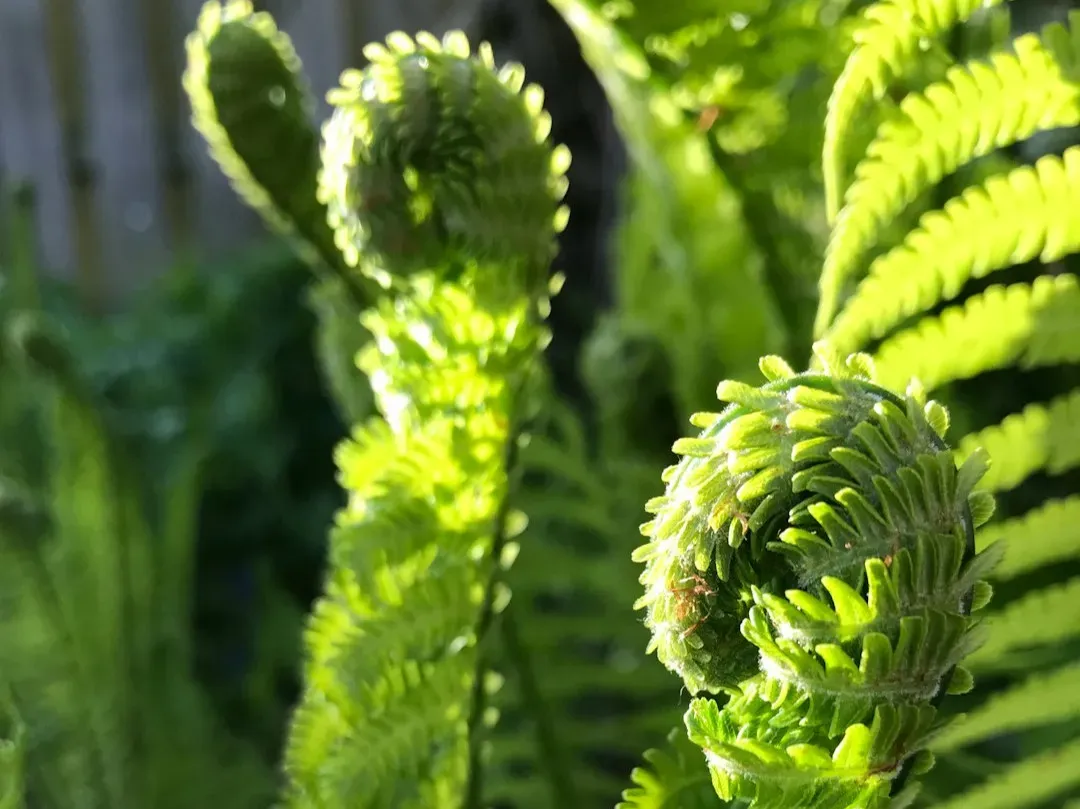
When conditions get too dry or too bright, some plants literally change shape in self-defense. Many species can curl or roll their leaves to reduce the area facing the sun and protect their most sensitive tissues. By folding inward, the leaf hides its stomata and traps more humid air inside, slowing down water loss the way cupping your hands traps warmth.
You can see softer versions of this in houseplants whose leaves droop or partially fold on hot afternoons, then perk back up when it’s cooler. In tougher wild species, this movement is not a sign of weakness but a deliberate survival tactic. It’s like a plant pulling a hood over its head during a dust storm, waiting until the weather turns kinder.
Cold Survivors: Antifreeze Compounds and Flexible Cell Walls
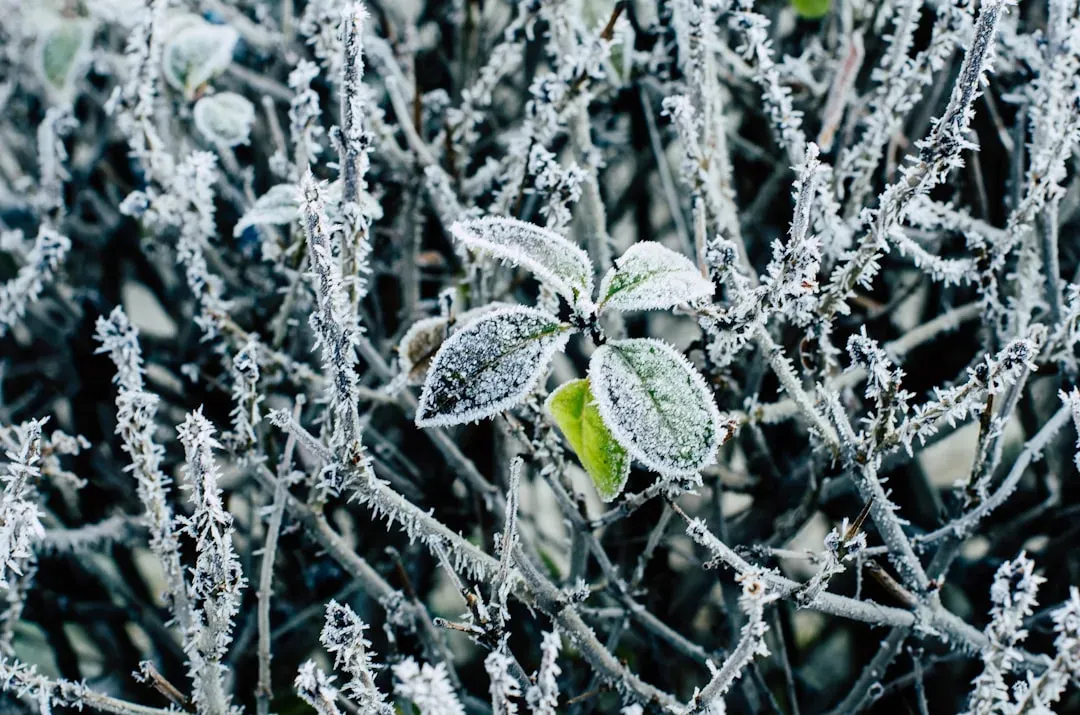
In frozen landscapes, plants face a different nightmare: ice crystals ripping through their cells like tiny shards of glass. To avoid this, many cold-tolerant plants produce natural antifreeze molecules, such as certain sugars and proteins, that lower the freezing point of the water inside their cells. This makes internal ice formation less likely, even when the air around them plunges well below freezing.
They also tend to have more flexible cell walls and tighter cellular structures that can tolerate some ice outside the cells without bursting. Instead of fighting winter head-on with brute force, these plants bend, shrink, and chemically tweak their inner fluids. It’s a quiet, microscopic version of putting insulating fluid in your car engine so it doesn’t crack in the cold.
Going Underground: Bulbs, Tubers, and Dormant Rhizomes
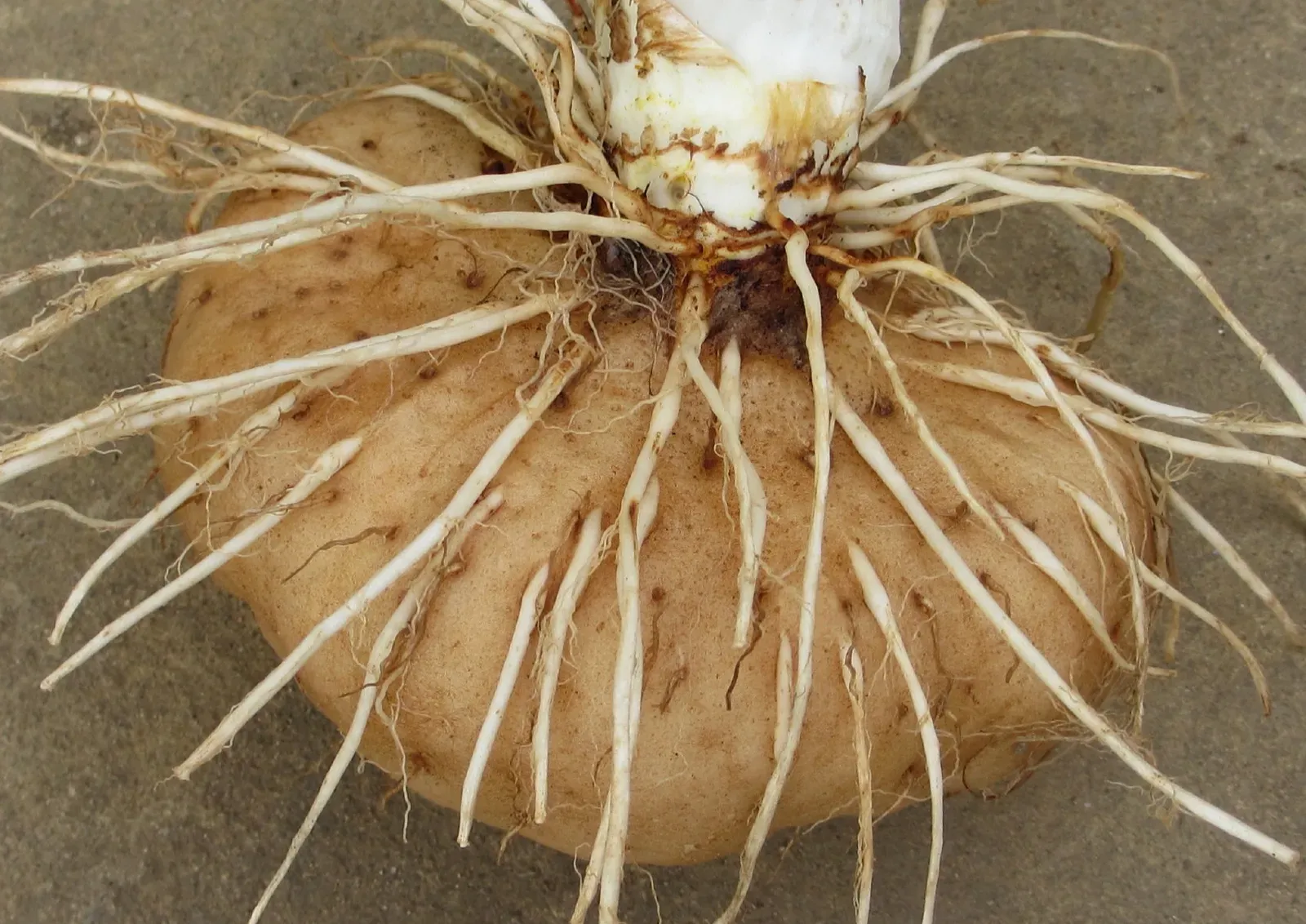
Some environments swing from generous to deadly with the seasons, so plants there adapt by retreating underground when times get bad. Bulbs, tubers, and rhizomes are like buried survival vaults full of stored food and protected tissues. When heat, cold, drought, or fire arrive, the above-ground parts may die back, but the underground structures remain safe and ready to regrow.
Think of how tulips vanish completely in winter or how some grasses disappear in dry season, then suddenly return with the first good rain. That magic trick is just careful timing backed by hidden reserves. It’s the plant equivalent of going off the grid during a storm and reappearing when the power’s back on.
Spines, Toxins, and Tough Skins: Defenses Against Hungry Animals
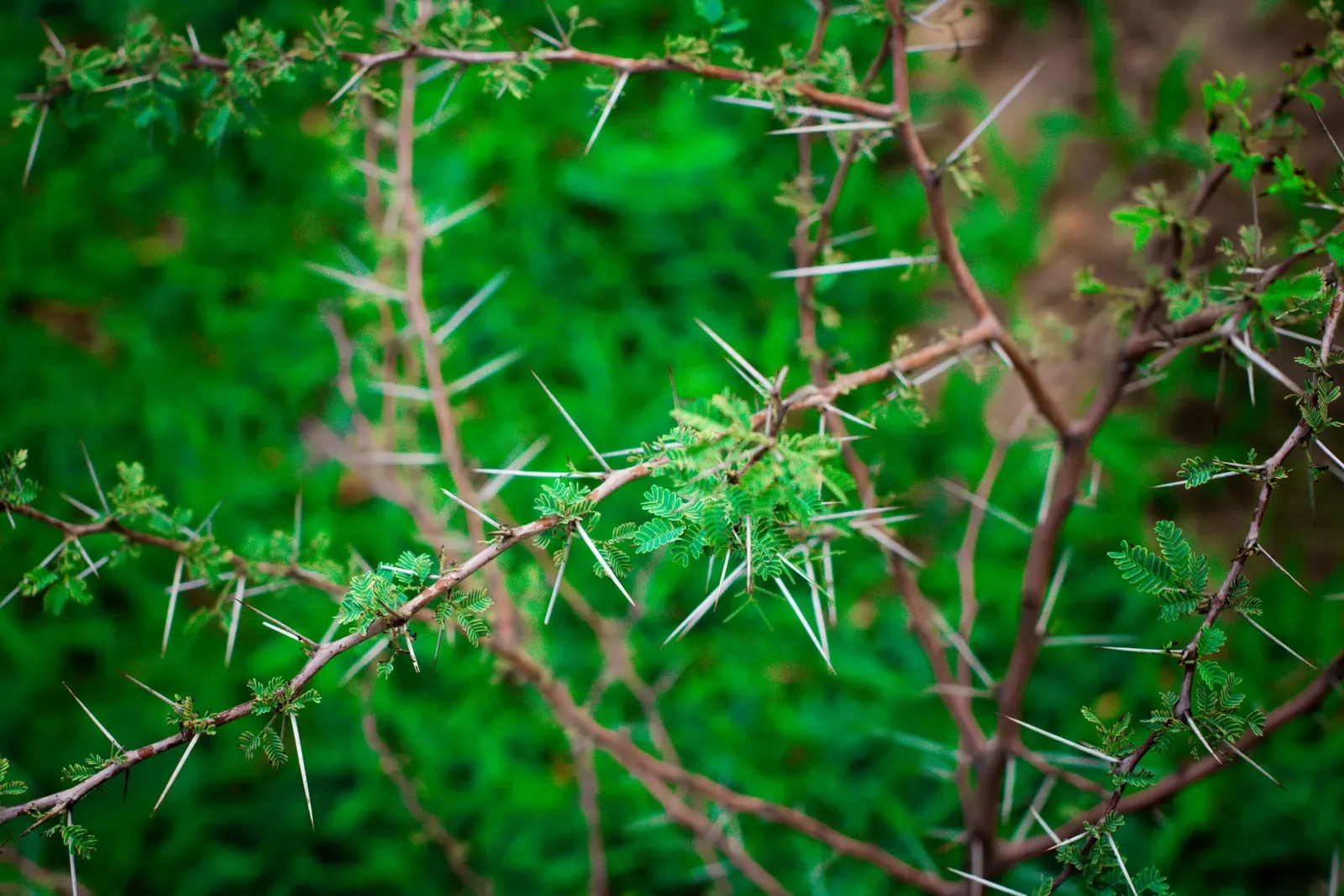
Harsh environments don’t just mean tough weather; they also mean that every bit of green is precious and heavily targeted by animals looking for food. Many stressed plants respond by becoming less appetizing or more dangerous. Spines and thorns physically block grazers, turning a juicy stem into something closer to barbed wire.
Other plants toughen their tissues, making leaves leathery or filled with fibrous strands that are harder to chew and digest. Some go further, packing their cells with bitter or toxic chemicals that punish any animal bold enough to take a bite. When resources are scarce, letting yourself be eaten is simply not an option, so these defenses become a lifeline.
Community Builders: Sharing Resources Through Root Networks
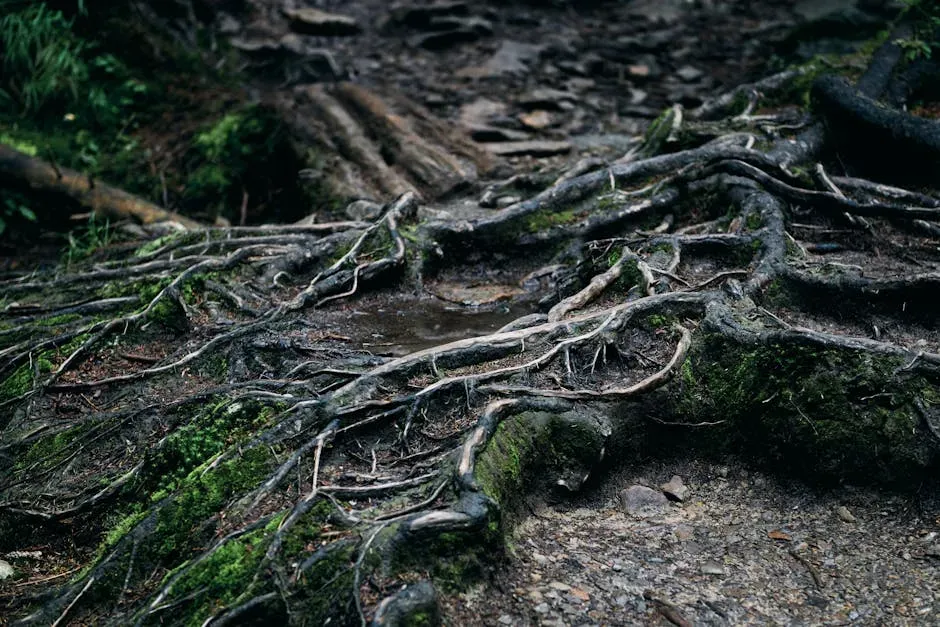
Not all plant survival strategies are solitary; some are surprisingly social. In difficult environments, many plants partner with fungi in their root zones, forming mycorrhizal networks that help them trade nutrients and water more efficiently. It’s like plugging into a shared underground internet where information and resources can move from one plant to another.
In forests and grasslands facing drought or poor soil, this kind of cooperation can be the difference between death and survival. Young seedlings near established plants often benefit from these networks, getting access to water and minerals they couldn’t reach alone. Instead of each plant fighting alone against harsh conditions, they build a quiet community safety net under our feet.
Rapid Life Cycles: Living Fast Before Conditions Turn Deadly
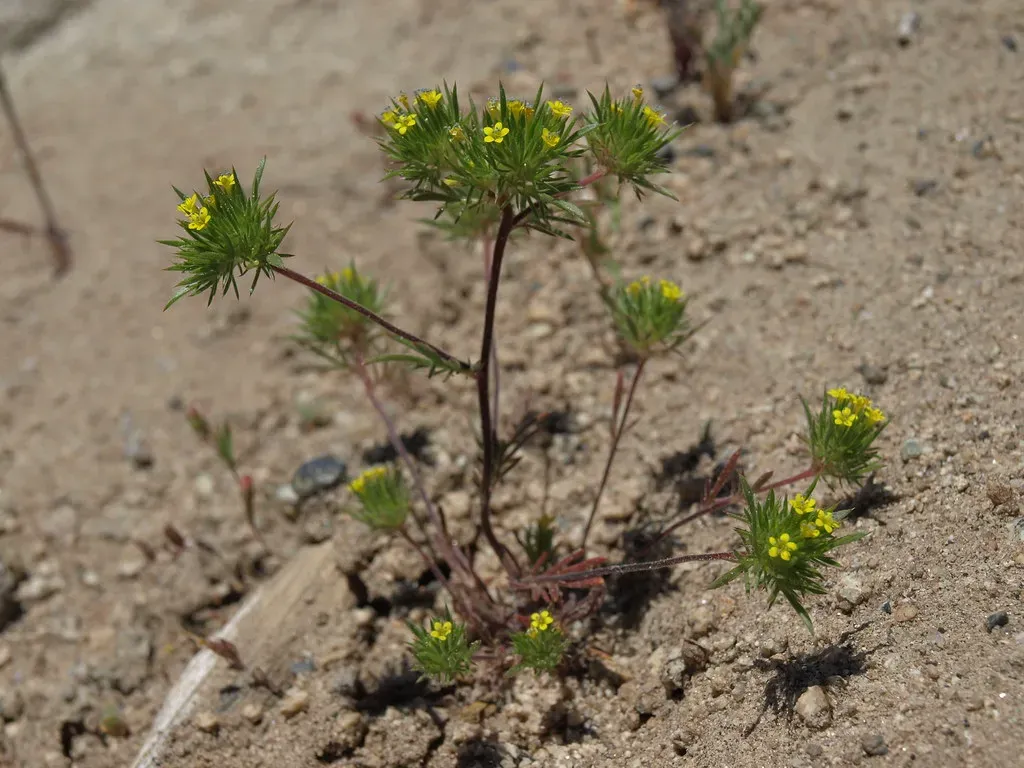
Some environments are so hostile for most of the year that the only winning move is to live quickly and disappear. Annual plants in deserts or disturbed soils sprout, grow, flower, and set seed in a short, favorable window, then die back completely. Their seeds, tough and patient, wait in the soil for the next brief moment when conditions are just right.
This strategy is like a pop-up shop that appears only during a festival, makes the most of the crowd, and then shutters before the storm hits. The plant body itself doesn’t have to survive the harsh season; it outsources survival to its seeds. It may look fragile and fleeting on the surface, but it’s actually a long-term bet on timing and persistence.
Resurrection Acts: Drying Out Almost Completely, Then Coming Back
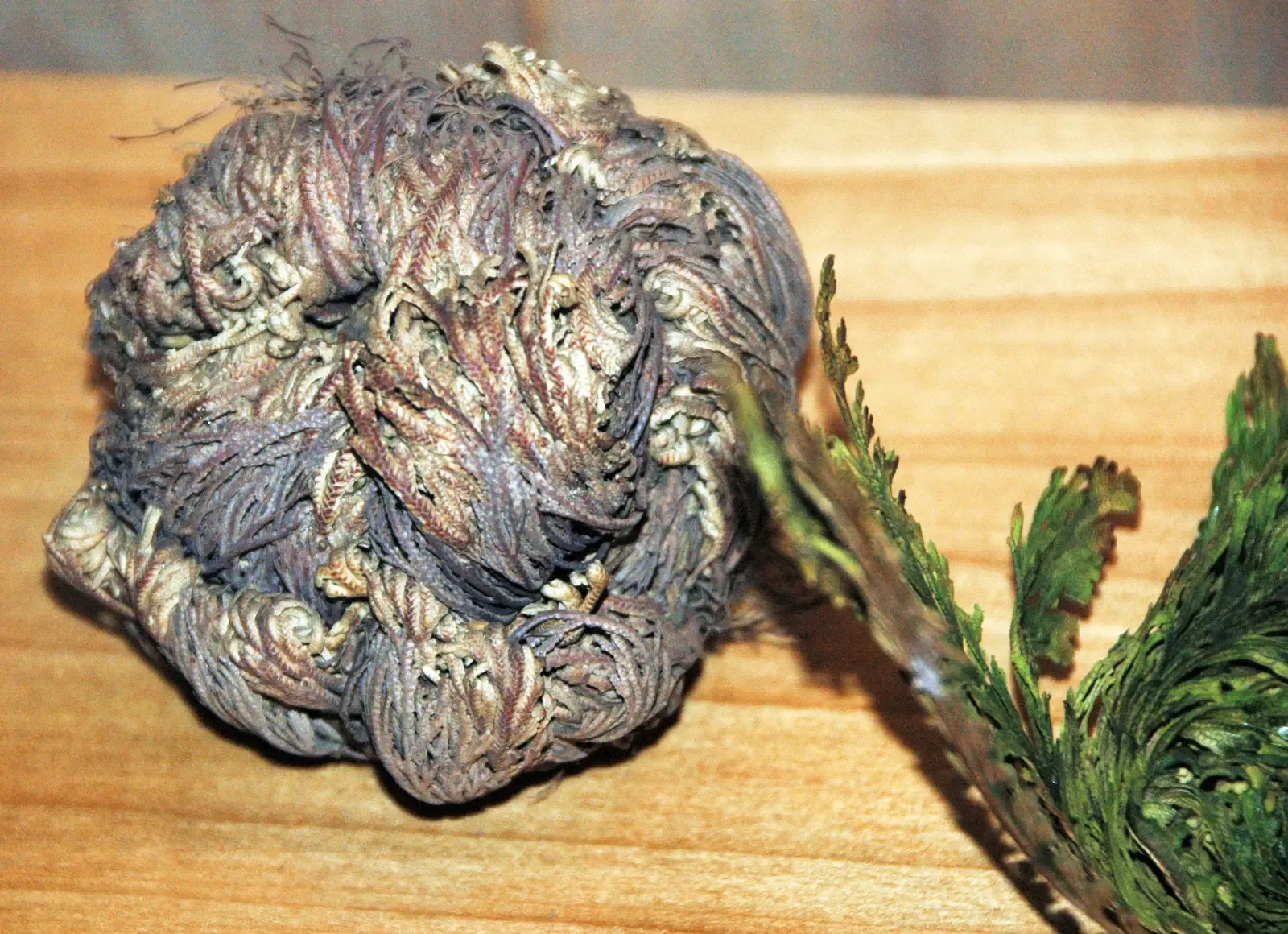
Some of the most astonishing plant survivors are those that seem to die entirely during drought, only to spring back when water returns. So-called resurrection plants can lose most of their water content, shriveling into tight, brown bundles that look more like dead moss than living tissue. Inside, though, their cells are protected by special sugars and molecules that stabilize membranes and proteins.
When rain finally falls, these plants rehydrate, unfold, and turn green again, often within hours or days. It’s the closest thing in nature to pressing pause on life and then hitting play when conditions improve. Seeing one of these plants revive is a good reminder that, in the plant world, what looks dead can sometimes just be waiting for its moment.
Conclusion: Quiet Geniuses of Survival All Around Us
From water-storing stems to underground vaults, antifreeze-laced cells, and underground alliances, plants have turned survival in harsh environments into an art form. They can change their shapes, rewrite their schedules, and rewire their chemistry, all without moving an inch. Many of these strategies would sound like science fiction if they weren’t already happening silently in deserts, mountains, salt flats, and even city cracks.
Once you start seeing plants as strategists rather than scenery, everyday landscapes feel very different, almost like walking through a slow-motion battlefield full of ingenious survivors. The next time you pass a scruffy shrub in a bleak spot or a tiny flower pushing through a dry sidewalk, it might be worth pausing for a second look. How many of these survival tricks do you think are hiding in the plants you walk past every day?