Close your eyes for a second and imagine trying to cross a busy street with your hearing muted. No engines, no footsteps, no voices. Just silence. For many animals, losing sound would be far more terrifying than losing sight, because their entire map of the world is drawn in vibrations and echoes floating through air, water, and even solid ground.
Sound is not just background noise in nature; it is a lifeline. Creatures listen for predators, call for mates, coordinate group movements, and even build mental “sonic maps” of places they will never fully see. When you start looking at life through this acoustic lens, the natural world stops being quiet scenery and turns into a buzzing, humming, clicking orchestra of survival.
The Physics of Animal Hearing: More Than Just Ears
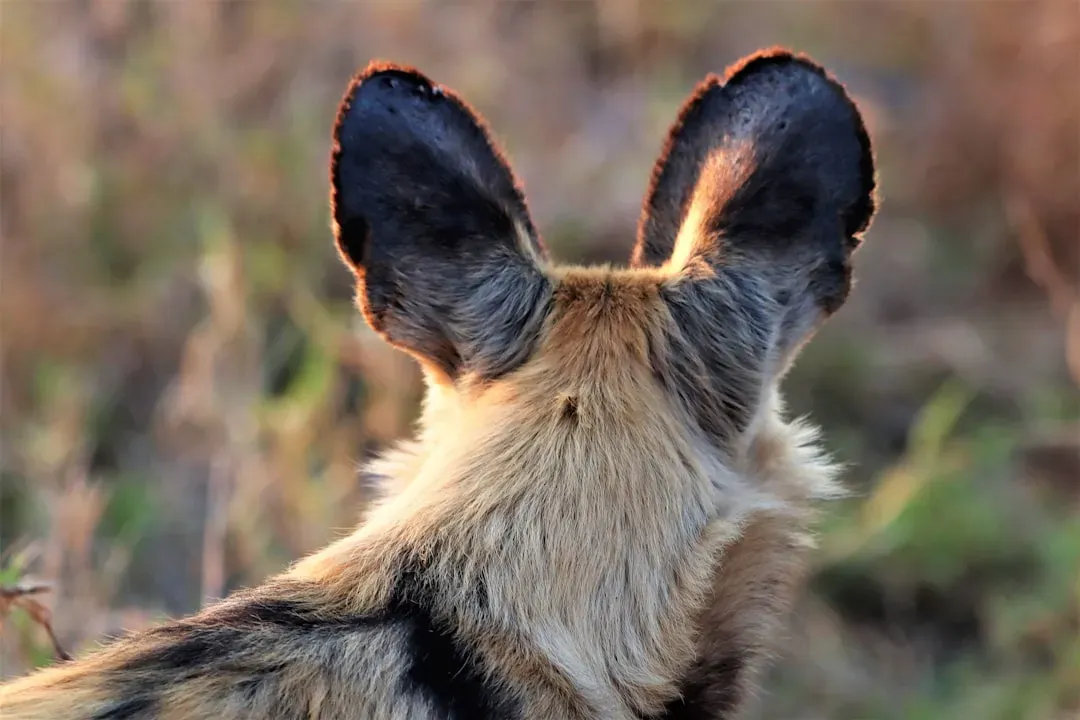
It’s tempting to think hearing is just about having ears, but in animals it’s really about turning tiny air or water vibrations into electrical signals the brain can understand. At its core, sound is simply waves of pressure that travel through a medium, and different species have fine-tuned their bodies to catch the exact slices of those waves that matter most to them. Many mammals, for example, are most sensitive to frequencies that match the calls of their own species, which makes evolutionary sense: it’s wasted energy to hear everything equally well.
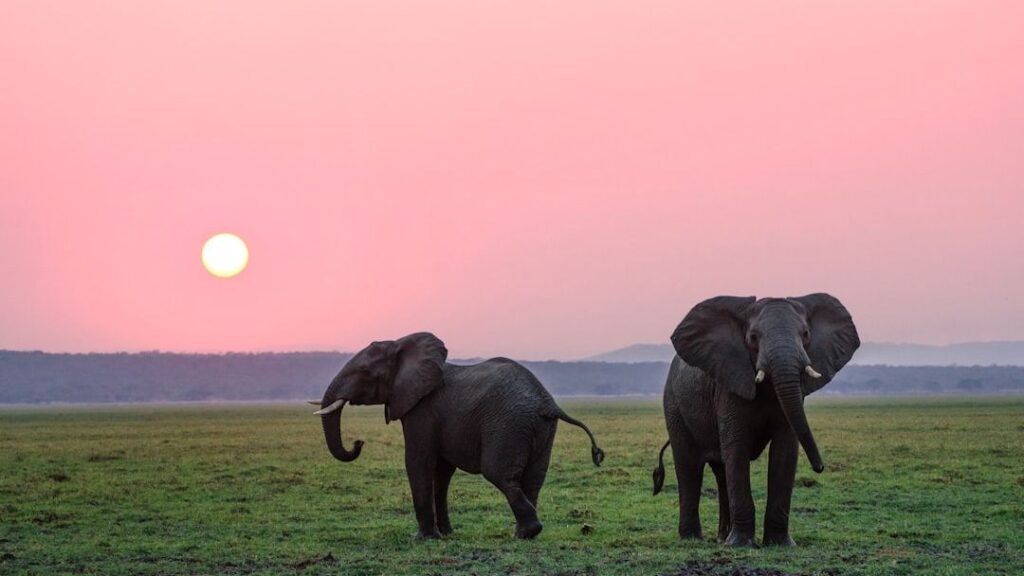
Some animals detect frequencies far beyond human range, stretching the definition of hearing as we know it. Dogs respond to high-pitched whistles we barely register, while rodents communicate in ultrasonic squeaks that sound like silence to us. On the lower end, elephants can pick up infrasonic rumbles that roll through the ground and air over huge distances, letting them sense distant storms or other herds. In a way, each species carries its own customized audio equalizer, tuned exactly to the sounds that help it stay alive.
Underwater Worlds: How Marine Animals Listen in a Different Universe

Sound travels faster and farther in water than in air, so the ocean is less like a quiet blue desert and more like a constantly humming city. Marine animals have taken full advantage of this by evolving some of the most sensitive and specialized hearing systems on Earth. Many fish detect vibrations through their lateral line, a row of tiny sensors along their bodies that lets them feel nearby movement almost like a sixth sense.
Marine mammals, especially whales and dolphins, go even further, using complex inner ear structures and fatty tissues in their heads to pick up and focus sound underwater. Low-frequency calls from some baleen whales can travel across entire ocean basins, functioning like long-distance radio. Meanwhile, dolphins use a wide range of clicks and whistles not just for communication but to map their surroundings in astonishing detail. To them, the sea is not dark and empty; it’s full of acoustic reflections painting a three-dimensional world.
Echolocation: Seeing With Sound in Bats and Dolphins
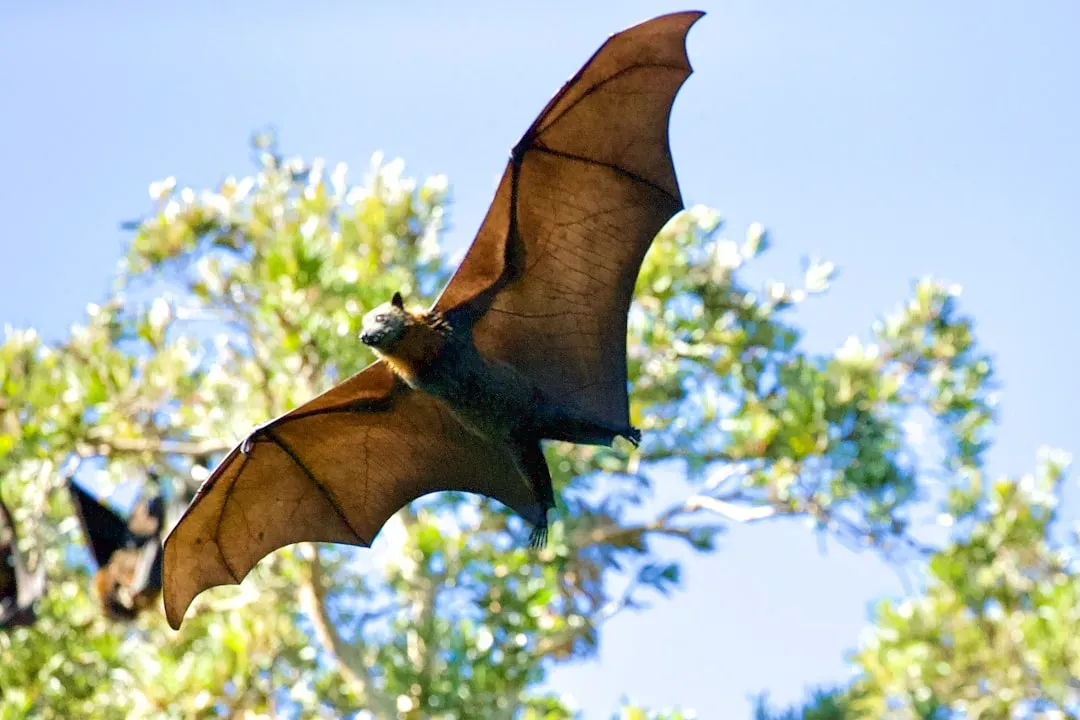
If you’ve ever walked through your house at night using your feet to feel where the furniture is, you already get the basic idea of echolocation, just in slow motion. Bats and toothed whales like dolphins push that idea to an extreme by firing out pulses of sound and reading the echoes that bounce back. The timing, strength, and even slight frequency changes in the returning sound give them information about distance, size, movement, and sometimes even the texture of objects.
This ability is precise enough that some bats can snag insects mid-flight in complete darkness and differentiate between a leaf and a moth by how the echoes ripple. Dolphins have been observed targeting specific fish in murky water that would be practically invisible to our eyes. In both groups, the brain regions devoted to processing sound are massive relative to body size, because interpreting those streams of echoes is like solving an incredibly fast, never-ending 3D puzzle. To them, a cave, a reef, or a forest is basically mapped out as a living, shifting sound sculpture.
Infrasound and Ultrasound: Hidden Channels of Animal Communication
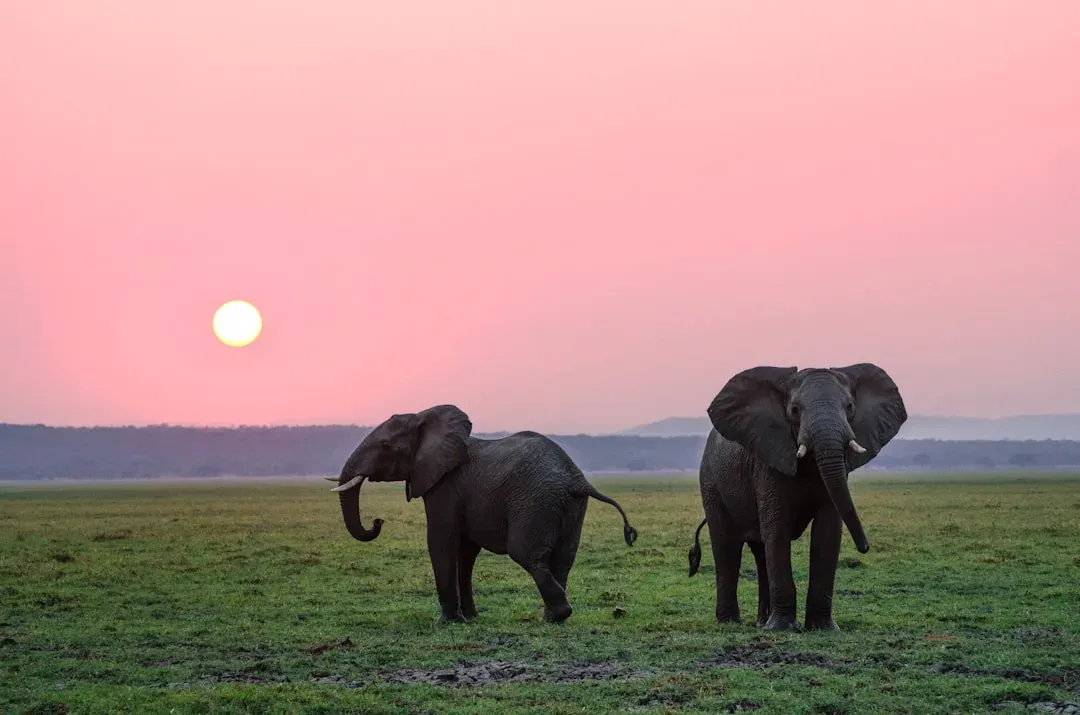
Humans hear only a modest strip of the sound spectrum, and a huge amount of animal communication happens outside that narrow band. Infrasound, the very low-frequency range below human hearing, is used by animals like elephants and some large birds to send signals that can travel over kilometers. These rumbles are especially good at sliding around obstacles and bending with the Earth’s surface, turning the landscape into a kind of giant acoustic wire.
At the opposite end, ultrasound opens up private communication channels among smaller animals. Bats, mice, some frogs, and even certain insects exchange ultrasonic calls that predators often cannot detect well, giving them a stealthy way to coordinate, flirt, or warn each other. Some moths can hear bat echolocation and respond with ultrasonic clicks that confuse the bat’s sonar, turning sound into a battlefield of signal and counter-signal. When you realize how much of this is happening above and below what we can hear, the world starts to feel full of hidden conversations.
Vibrations in the Ground: Sound Through Skin, Bones, and Feet
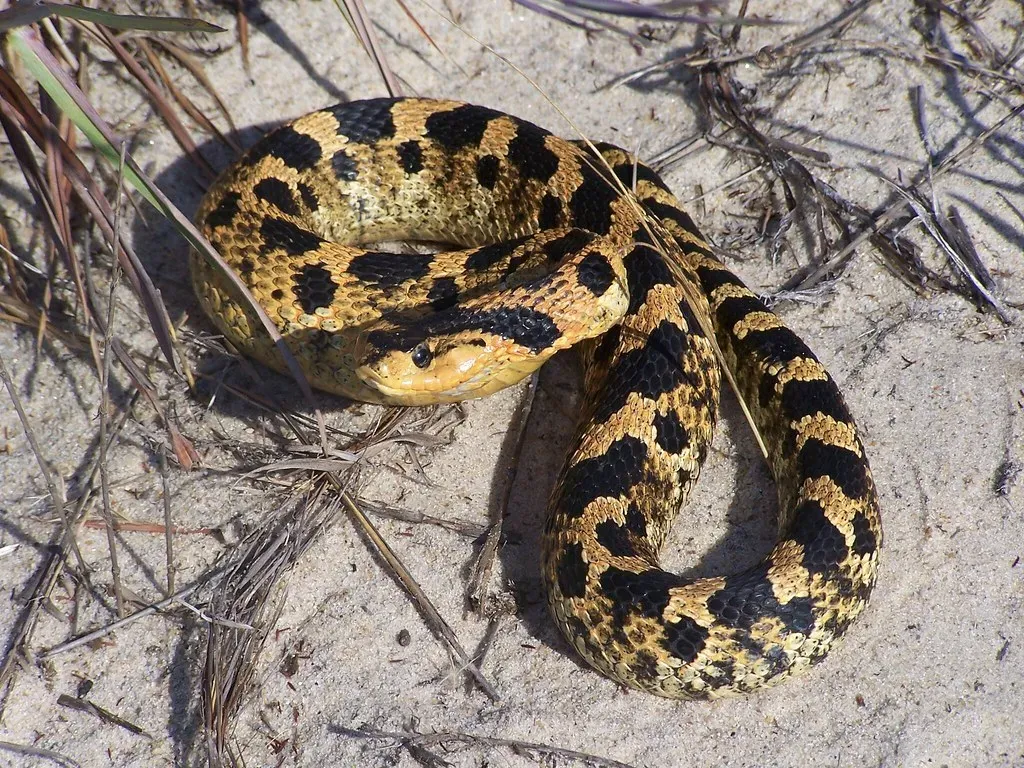
Not all sound reaches animals through the air or water as a clear “noise” like we experience. Many species are masters at feeling vibrations that pass through solid surfaces, turning the ground itself into an information network. Some snakes, which lack traditional external ears, detect vibrations up through their jaws and skull bones, giving them a sense of approaching footsteps or struggling prey even in darkness or dense cover.
Large animals like elephants are known to respond to low-frequency sounds carried through the earth, sensing distant thunder or the movement of other herds. Even tiny creatures like spiders and insects use vibrations in leaves, web strands, or soil to judge danger, prey, or mates. It’s a reminder that hearing, in the broadest sense, is not limited to eardrums; skin, bones, and even tiny sensory hairs can act like antennas tuned to the shaking world.
Noise Pollution: When Human Sounds Distort Animal Worlds

From shipping traffic and sonar in the oceans to highways and construction on land, human-made sounds have become a kind of global background static. For animals that rely on precise acoustic cues, this can be more than just annoying; it can be a matter of life and death. Many bird species near cities have been documented shifting the pitch or timing of their songs, essentially trying to sing louder or at different frequencies to cut through the human din.
In the oceans, chronic noise from ships, drilling, and military activities can interfere with whale communication and navigation, sometimes contributing to disorientation or strandings. Fish and invertebrates exposed to continuous noise have shown changes in stress levels, feeding behavior, and even growth. It’s like trying to hold a crucial conversation in a room where someone refuses to turn down a blaring television. Animals can adapt up to a point, but beyond that, sound pollution begins to actively reshape their behavior and habitats.
Tech and Conservation: Listening to Save Species

Ironically, as human noise has become a problem, our ability to record and analyze sound has become one of the most powerful tools for protecting wildlife. Researchers now deploy networks of microphones on land and hydrophones in the ocean to continuously listen to forests, grasslands, coral reefs, and deep-sea ecosystems. Software can scan these huge sound libraries for specific calls, allowing scientists to track migration, breeding seasons, and population changes without even seeing the animals.
This approach has revealed, for example, that some supposedly “quiet” forests are actually acoustically degraded, with fewer layers of natural sound than intact areas. Conservationists can monitor how restoration projects or protected zones change the soundscape over time, treating the overall audio signature like a health report for the ecosystem. It’s a strangely hopeful twist: by finally paying close attention to the world of animal sound, we might be able to repair some of the damage our own noise has caused.
Conclusion: A Noisy Planet, If You Learn to Listen

Once you understand how deeply animals depend on sound, it’s hard to experience a walk outside the same way again. The chirps, croaks, rustles, and distant rumbles stop being background and start feeling like a complex language layered over the landscape. For many species, hearing is not just a separate sense; it’s the main thread tying them to each other and to the places they inhabit.
We live in an acoustic world that we only partially perceive, surrounded by hidden frequencies, ground vibrations, and long-distance calls moving through air and water. Learning how other animals hear and navigate does more than satisfy curiosity; it challenges us to quiet down, listen better, and rethink how our own sounds shape the planet. When you next step outside, what do you think you are not hearing yet?