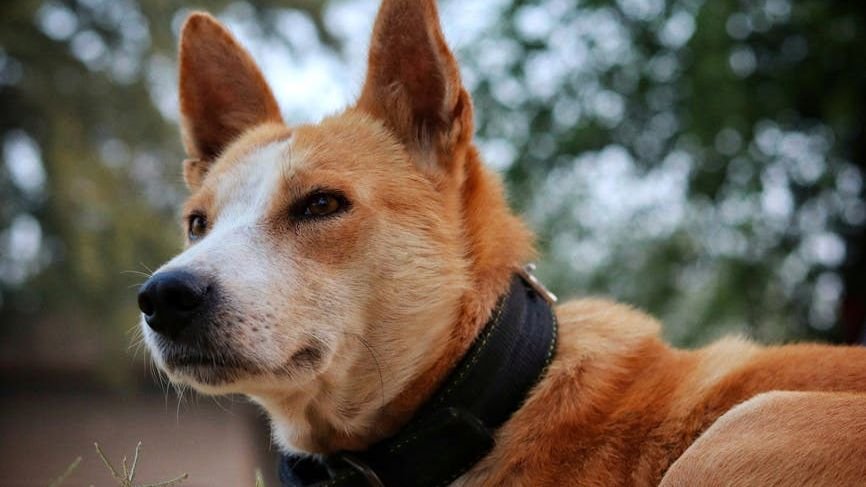
Look at a dog sleeping on a couch, and then imagine a wolf hunting across frozen tundra. It feels almost impossible that these two are branches of the same family tree, yet they are. The journey from wary wolf to snoring, blanket-stealing pet is one of the most dramatic and emotional stories in natural history – and in many ways, it’s also the story of us.
Over thousands of years, dogs have shaped human lives as much as we’ve shaped theirs. They guarded our camps, helped us hunt, pulled our sleds, and now remind us to get off our phones and go outside. Tracing how this bond was forged is like following a trail of pawprints through time: sometimes clear, sometimes confusing, but always intriguing.
From Fierce Wolves to First Friends
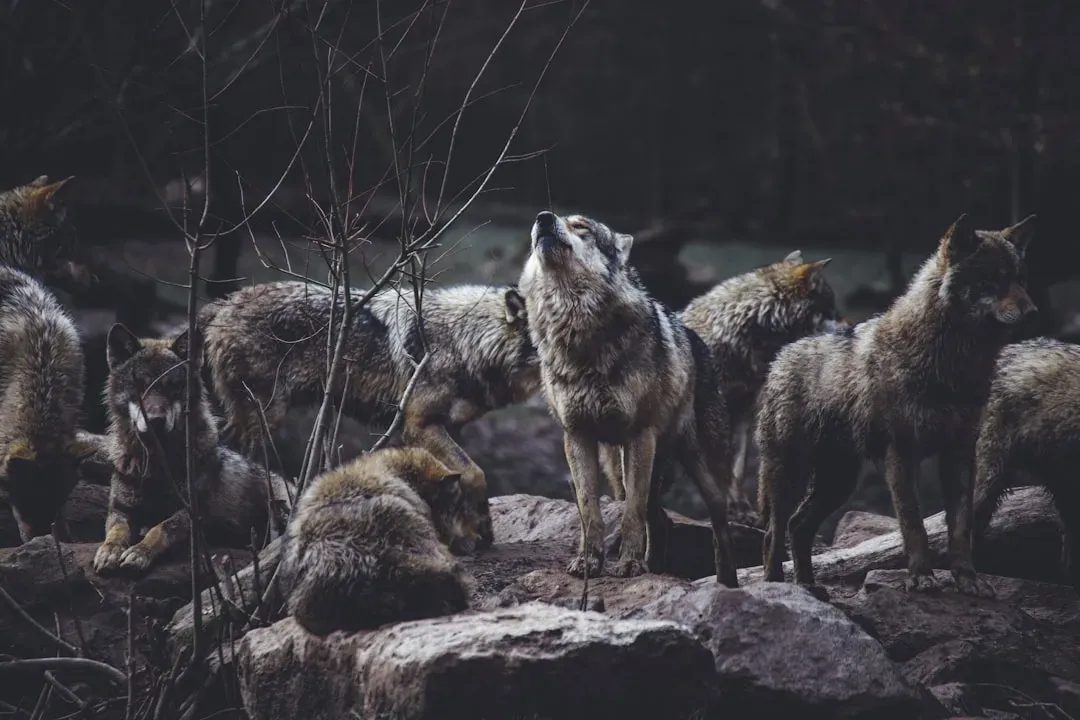
Imagine a small firelit camp, tens of thousands of years ago, with early humans huddled around the flames and wolves lurking just beyond the glow. Some of those wolves were braver than others, hanging back but inching closer to scavenge scraps. Over time, the least fearful, least aggressive wolves probably got a small but crucial advantage – access to food without burning too many calories or taking many risks.
Those slightly friendlier wolves had pups that inherited their calmer temperaments, slowly nudging the population toward something new. Instead of us “taming” wild adults in one big leap, it was more like a slow, mutual easing of tension over hundreds of generations. Humans tolerated and sometimes rewarded the less skittish wolves; the wolves adapted to our presence. Bit by bit, the wild edge softened into something more familiar – an animal that could live closer to us, and eventually with us.
Where and When Did Dogs First Appear?
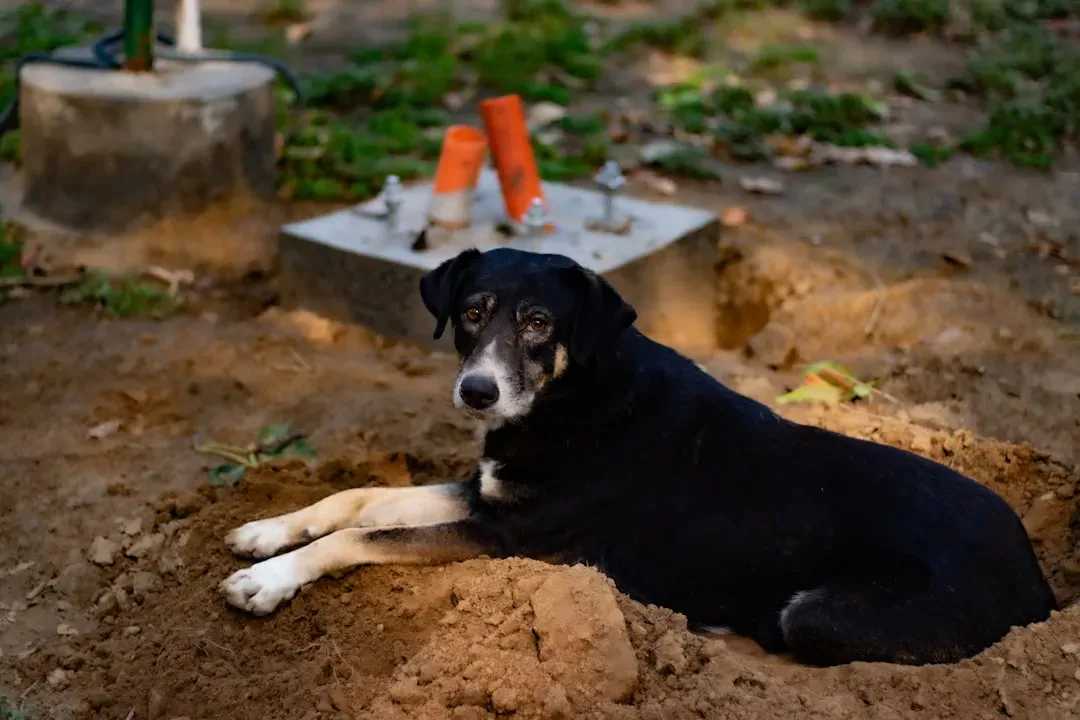
Archaeologists and geneticists have spent years trying to answer what sounds like a simple question: where did dogs actually come from? The truth is messier and more fascinating than a single pin on a map. Ancient dog remains show up in Europe, Siberia, and East Asia, with some burials dating back roughly fifteen thousand years or even earlier, suggesting dogs may have emerged in more than one region or through a complex, overlapping process.
Genetic studies of modern dogs and wolves have added more pieces to the puzzle rather than a final, neat answer. Some research points to early domestication events in Eurasia, possibly followed by later mixing of different dog lineages as humans migrated and traded. The timeline is still being refined as new fossils, DNA samples, and analytical methods emerge. What seems clear is that dogs have been with us since the deep end of prehistory, long before cities, writing, or agriculture existed.
How Domestication Changed the Dog Body and Brain
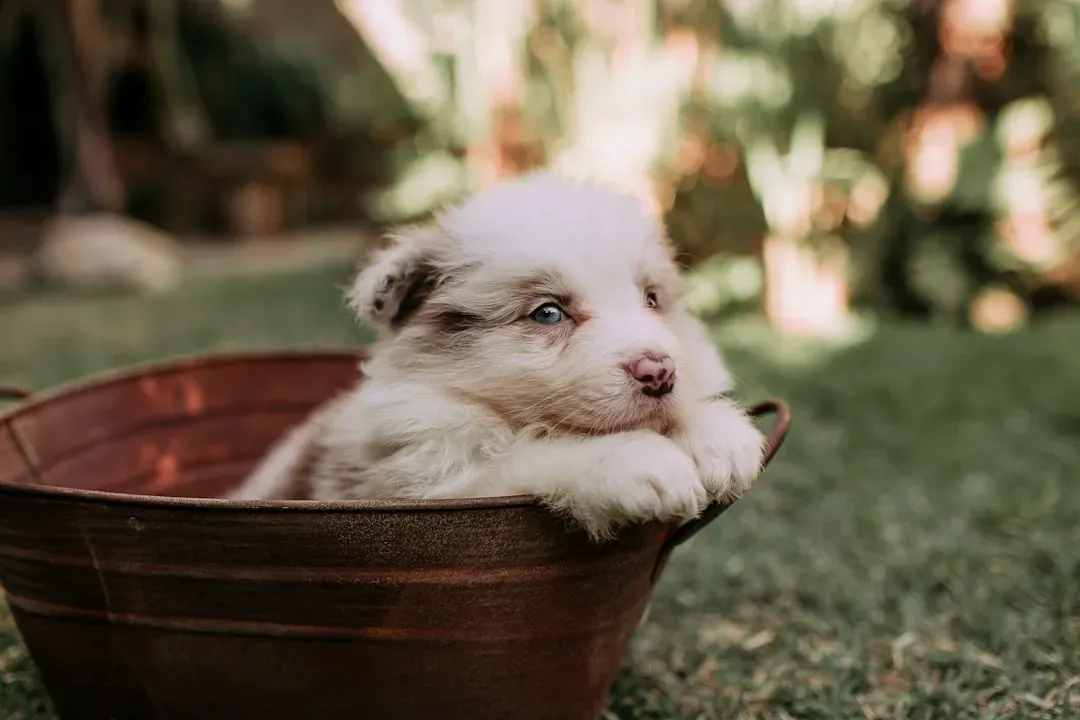
If you lined up a timber wolf next to a pug, you might struggle to believe they share an ancestor – yet their DNA tells us they do. Domestication reshaped dogs in striking ways: shorter snouts, floppier ears, curlier tails, and a broader range of coat colors and patterns are all common. These so-called “domestication traits” seem to hitchhike along with genes related to stress and tameness, showing how selection for behavior can ripple into physical changes.
Their brains changed too. Dogs became better tuned to living alongside humans, reading cues and managing social situations that would baffle a wild wolf. Studies have found that dogs often excel at tasks involving human pointing and gaze, while wolves, even if hand-raised, tend to focus more on the environment or the problem itself. In a way, the dog brain evolved to treat humans as part of their social world, not just as threats or competitors but as partners, providers, and sometimes emotional anchors.
The Rise of Working Dogs: Partners in Survival
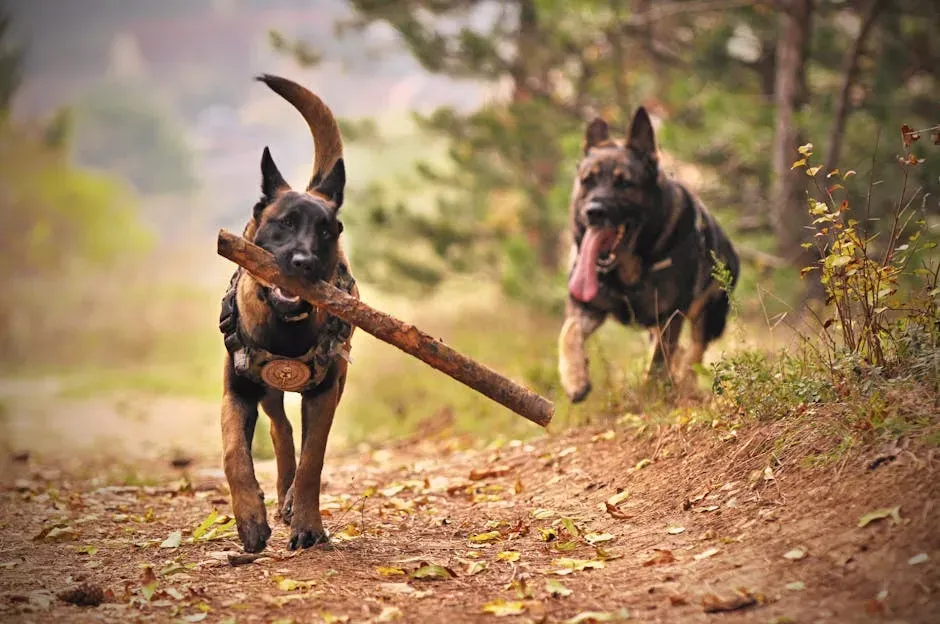
Once dogs moved from camp followers to companions, their usefulness exploded. Early humans likely relied on dogs as hunting partners, tracking scents, cornering prey, or helping locate wounded animals in dense terrain. A dog’s nose is like a living radar system, and that superpower would have made a huge difference in harsh, unpredictable environments where every bit of food mattered.
As human societies evolved, dogs’ jobs diversified. They guarded flocks and homes, pulled sleds across ice, helped move herds across grasslands, and later assisted in search and rescue, law enforcement, and even medical detection. These roles weren’t just side gigs – they helped both species survive and spread into new landscapes. To this day, watching a herding dog at work or a search dog find a missing person feels almost magical, but it’s really the result of many generations of partnering, selecting, and learning together.
From Farmyards to Sofas: The Birth of Dog Breeds
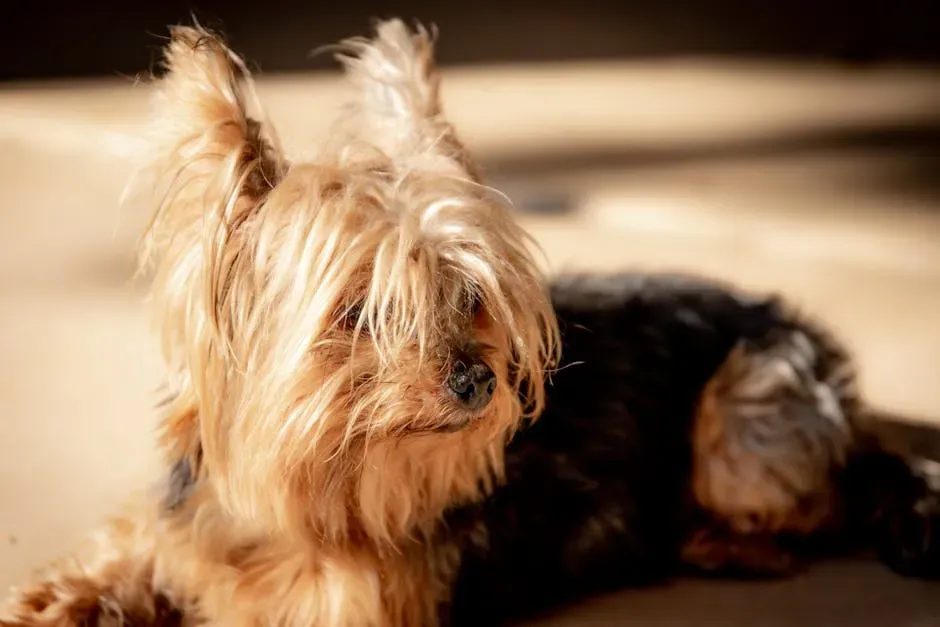
For most of history, dogs were shaped by function more than fashion. A village might have had dogs that were loosely similar – some better at guarding, some at hunting – but not “breeds” the way we think of them now. That began to change dramatically a few centuries ago, especially in Europe, when people started to deliberately standardize dogs for specific appearances and tasks, and eventually for shows and prestige.
Today’s dizzying variety – tiny Chihuahuas, towering Great Danes, sleek greyhounds, shaggy sheepdogs – can mostly be traced back to targeted breeding in a relatively short window of time. By picking dogs with certain traits and pairing them over and over, humans rapidly exaggerated particular features. This brought both charm and challenges: distinctive looks and talents, but also health issues tied to extreme shapes, inbreeding, or exaggerated characteristics that don’t necessarily serve the dog’s well-being.
The Science of the Human–Dog Bond
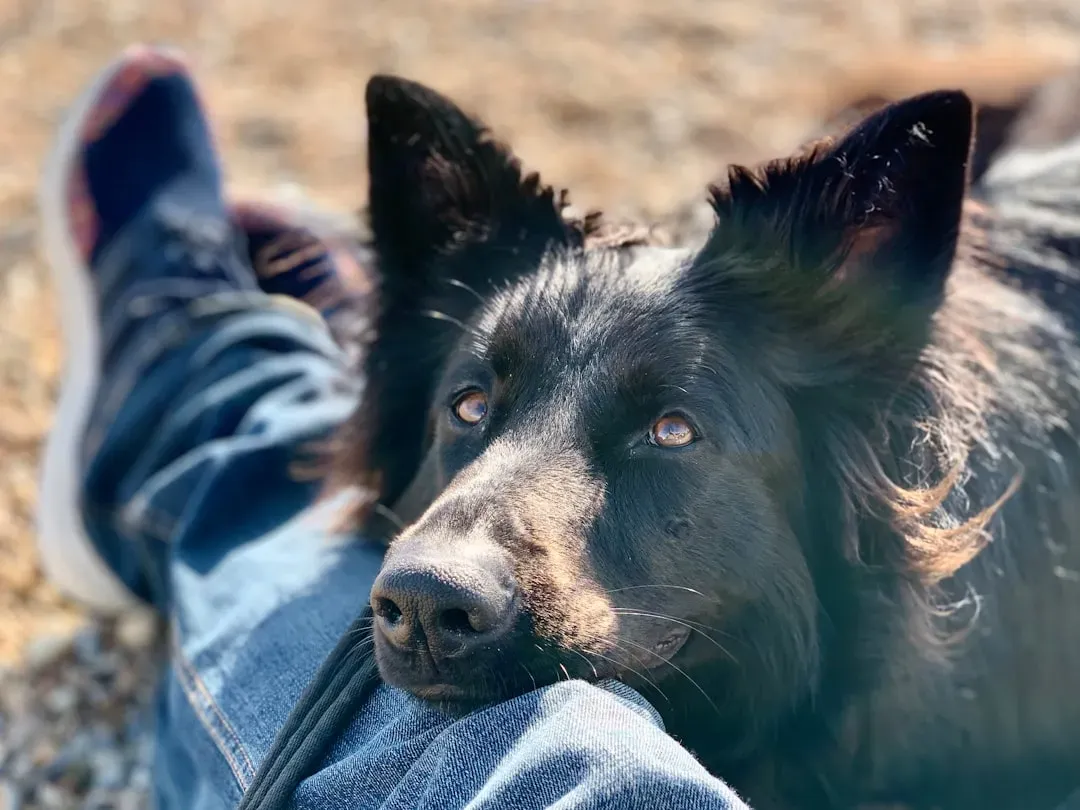
Ask almost any dog owner, and they’ll tell you that living with a dog is more than just a practical arrangement – it feels emotional, sometimes deeply so. Modern research backs that up, showing that when humans and dogs interact positively, both species can experience changes in hormones linked to bonding and stress reduction. That comforting feeling when your dog curls up next to you isn’t just in your head; it’s written into your biology and theirs.
Dogs also seem uniquely tuned to human emotional signals. Many will respond differently to a crying person than to someone who’s calm or laughing, and some studies suggest they can pick up on our body language, tone, and even subtle facial shifts. They are not tiny furry humans, of course, and we often project too much onto them. Still, it’s hard to ignore how well they fit into our social world, often bridging gaps of loneliness, anxiety, or isolation in a way that feels almost like emotional glue in modern life.
Dogs in the Modern World: Challenges and Responsibilities
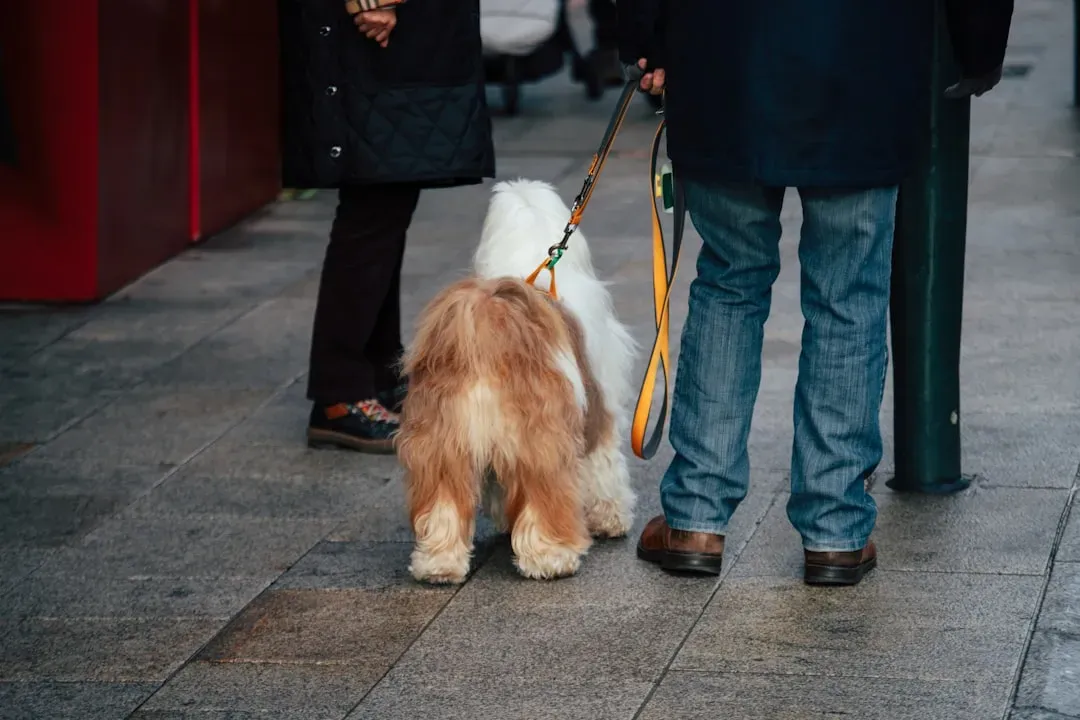
In 2026, dogs are everywhere: in city apartments, suburban homes, farmyards, shelters, and sometimes sadly on the streets. This global popularity is both a testament to the dog–human bond and a reminder of our responsibilities. Many dogs live rich, fulfilling lives, but many others struggle with neglect, poor breeding practices, or a mismatch between their needs and their environments. A high-energy herding dog cooped up in a tiny apartment without exercise is like a marathon runner stuck in an elevator.
There’s growing recognition that we have to balance our love for dogs with thoughtful care. That means considering adoption, supporting ethical breeders when needed, prioritizing health over extreme looks, and making sure we meet dogs’ mental and physical needs. It also means facing hard questions about overpopulation, puppy mills, and how we use dogs in work and sport. If dogs have walked this long road from wolves to companions at our side, then honoring that journey means giving them lives worthy of the loyalty they offer so freely.
Conclusion: Where the Journey Leads Next
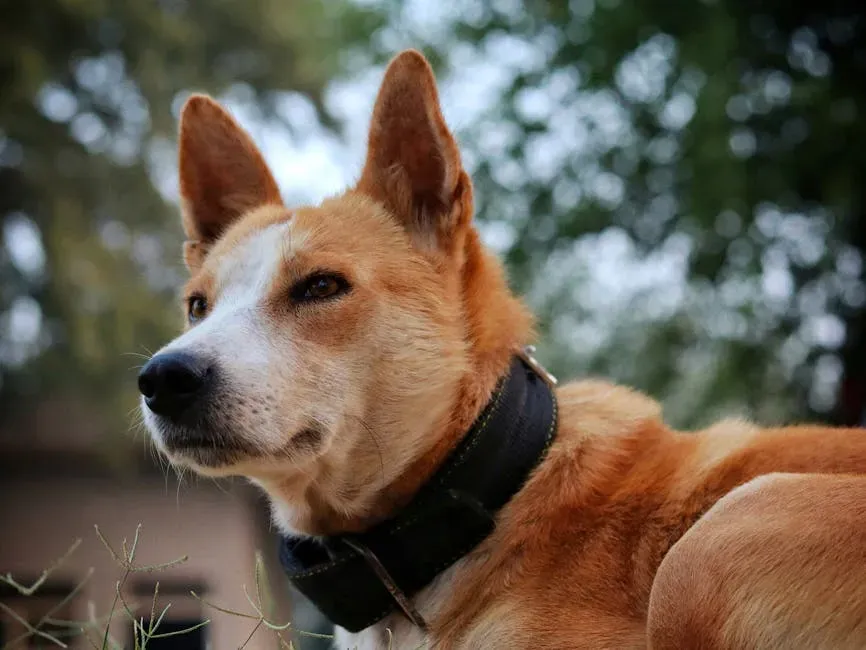
The story of dogs is really a story of transformation – from wary wolves watching the firelight from the shadows to animals that now sleep on our pillows and greet us like we’re the center of the universe. Along the way, their bodies, brains, and roles shifted in step with our own evolving cultures, technologies, and needs. Every wagging tail carries echoes of ancient forests, snowy plains, and smoky campsites where this strange partnership first took shape.
As we look ahead, dogs will likely continue to adapt with us, whether that means new working roles, better understanding of their minds, or a stronger commitment to their welfare. Their journey isn’t finished; it just keeps branching in new directions as our world changes. Next time a dog leans against your leg or looks up at you with that unnervingly direct gaze, it’s worth remembering how far we’ve walked together already. When you picture a wolf and a lapdog side by side now, does the distance between them feel quite the same?