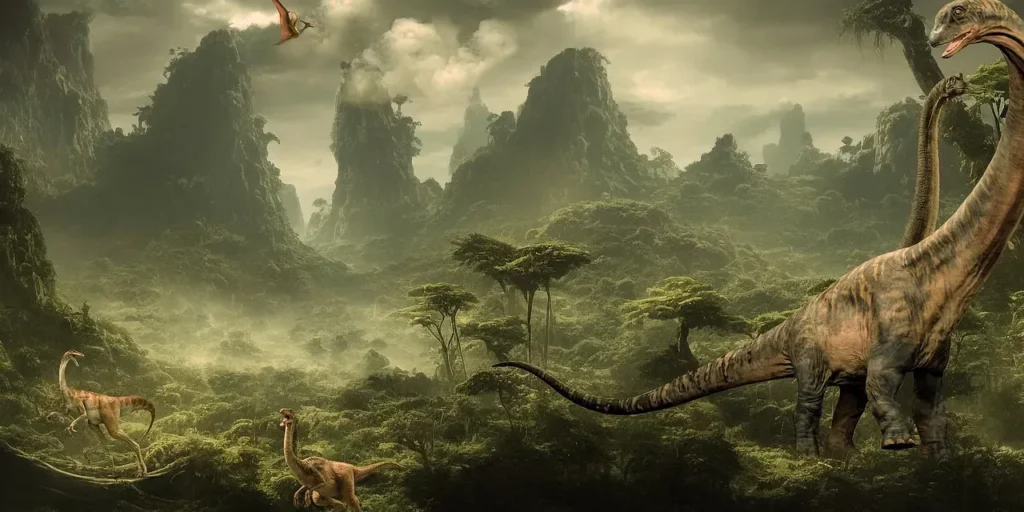

Imagine standing on a barren hillside in Bolivia, staring at rock layers that are thirteen million years old, knowing that the dust beneath your feet was once a bustling tropical forest filled with creatures that have no living descendants. That image alone is enough to give you chills. The science of reconstructing ancient ecosystems is one of the most ambitious endeavors in all of natural history, part detective work, part poetry, and entirely astonishing in what it can reveal.
We live on a planet that holds billions of years of secrets locked inside its rocks, bones, pollen grains, ice, and sediment. And scientists, slowly, meticulously, are learning how to read those secrets. What follows is a journey into the methods, mysteries, and revelations that allow us to peer backward through geological time. Be prepared to be genuinely surprised.
The Foundation: What Paleoecology Actually Does
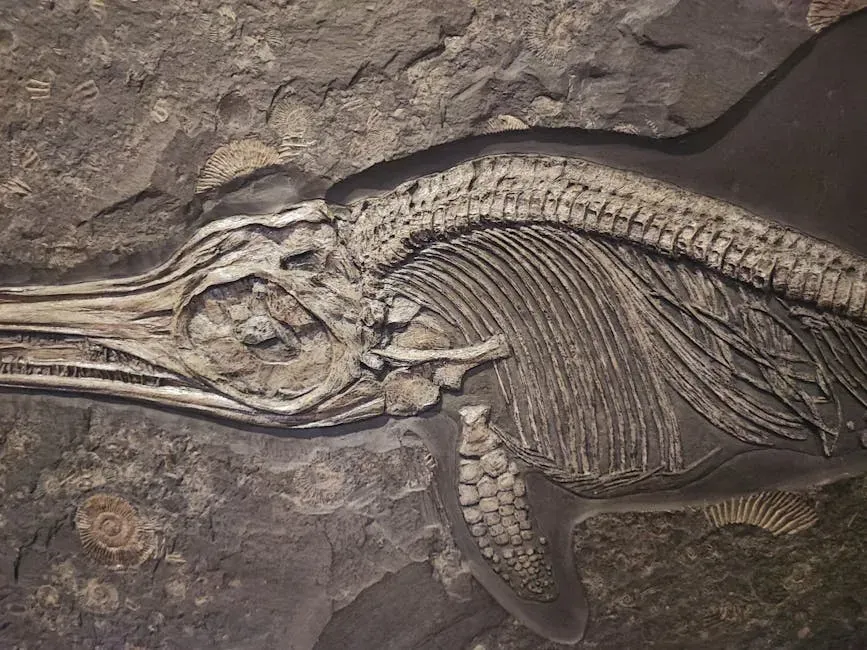
Ecology is the study of ecosystems, the plants, animals, and other organisms living together in an environment, while paleoecology extends this into the deep past, examining and reconstructing those ancient ecosystems using the fossils left behind. It sounds simple enough when you put it that way. In practice, it is anything but.
Paleoecology complements other research on hominin adaptations and ancient climates, extending the study of ecosystems into the past using the fossils left behind. What makes this field so compelling is that it forces you to think about life not as a single snapshot, but as an interconnected web unfolding across millions of years. The lack of precision that comes from working with ancient, imperfect fossil records is compensated for by the fact that paleoecology deals with processes occurring over vast spans of time that are simply unavailable to modern ecology, allowing long-term changes in communities to be discerned and related to patterns of environmental change.
Reading the Bones: Functional Morphology and What Fossils Tell You
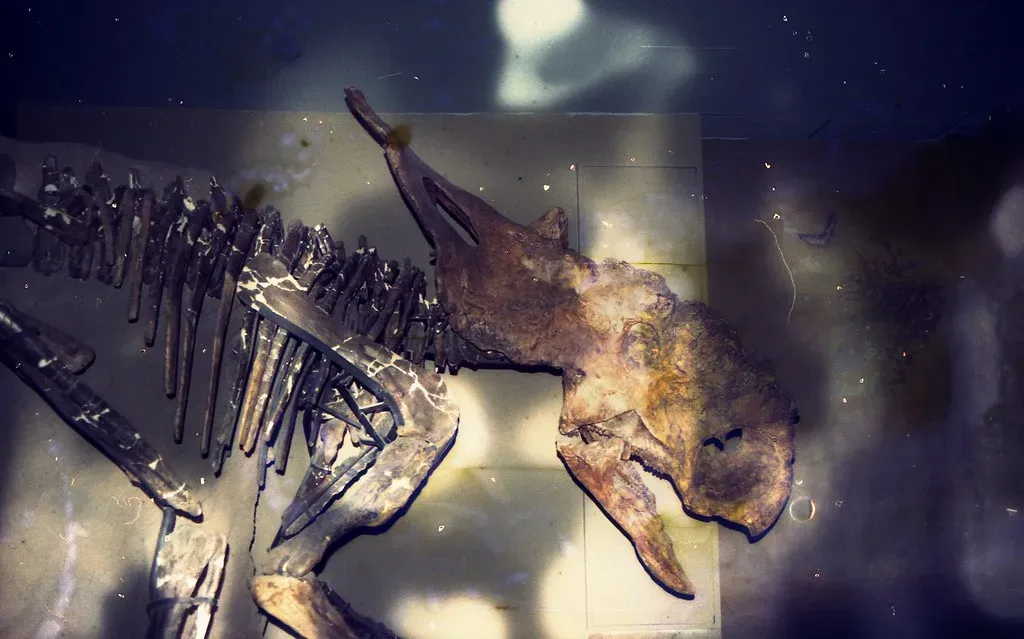
The study of functional morphology refers to the relationship between the shape and structure of features like teeth and bones and how animals use those features. For example, researchers studying the functional morphology of hominin feet, knees, and hip bones have been able to determine which fossil species were adapted to living in trees and which were bipedal. That’s extraordinary when you stop to think about it. A knee bone, millions of years old, can tell you whether its owner walked upright or swung through trees.
A key principle in evidence-based reconstruction holds that sharp teeth indicate a diet of meat rather than plants, and mammalian characters in the teeth indicate that the unknown animal was endothermic and nourished its young from mammary glands, as opposed to mere speculation. Chemical isotopes in teeth can show if an animal was eating grasses or tree products like leaves or fruit, while microwear studies of teeth, looking at them through a microscope to see tiny marks in the form of grooves and scratches, focus on the structure of foods, whether they were tough and fibrous like leaves, or hard like seeds. Honestly, the level of detail you can extract from a single tooth is almost hard to believe.
Pollen, Plants, and the Power of Tiny Clues

Palynology is the analysis of fossil pollen and is used to reconstruct long-run changes in vegetation and climate. Each species of plant produces pollen grains with a distinct shape, and those shapes can be used to identify the type of plant from which they came. Since pollen grains rarely rot, they are well preserved in the sediment layers that form at the bottom of a pond, lake, or blanket peat. Think of pollen as nature’s tiny time capsule, sealed and sent forward through the ages.
Researcher Caroline Strömberg at the University of Washington studied fossilized phytoliths, microscopic pieces of silica found in the cell walls of plants, characteristic of the types of vegetation they come from, and compared them with those found in contemporary vegetation to identify the mix of plants at an ancient site. Beyond natural climate signals, pollen records also capture human influences on landscapes. The appearance of agricultural crop pollen, combined with declines in forest tree pollen, can mark the beginning of farming activities in a region. Similarly, increases in certain weed species may indicate land clearing and grazing, making pollen analysis valuable not just for climate reconstruction but for understanding how humans shaped their environments over millennia.
Isotope Analysis: Chemistry as a Time Machine
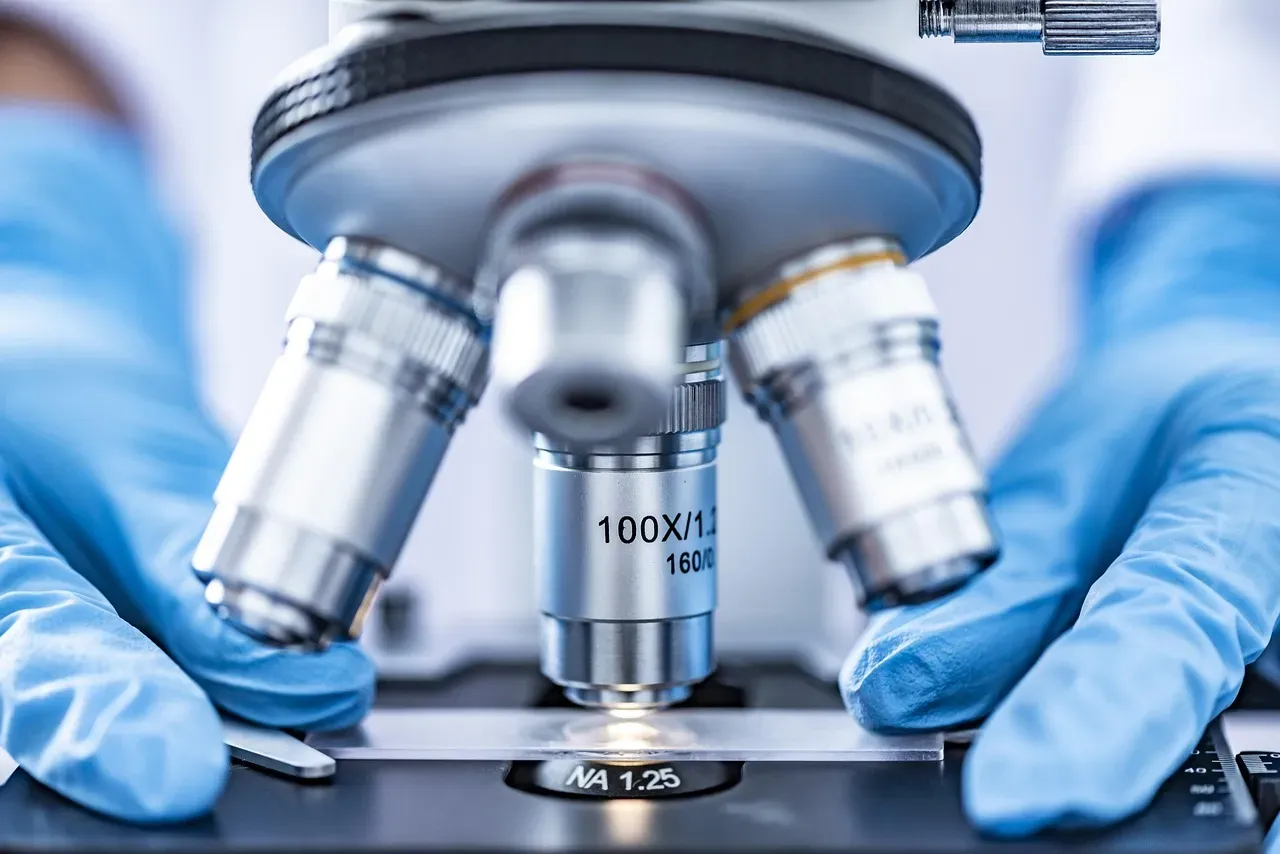
Paleoecology uses isotopic analysis by examining the ratios of stable isotopes found in the remains of ancient organisms. For instance, carbon isotopes can reveal information about a plant’s photosynthetic pathway, helping scientists understand what type of vegetation animals consumed. It is the kind of method that sounds borderline magical until you understand the chemistry. You are essentially reading the diet diary of a long-dead creature from the chemical fingerprints preserved in its bones.
The true heavyweights for reconstructing ancient seawater temperatures are microorganisms. Foraminifera, single-celled organisms roughly the size of the period ending a sentence, occur nearly everywhere in the oceans and have an exquisite fossil record, meaning their fossil shells can provide a more complete understanding of the ancient ocean’s conditions across all latitudes and at most water depths. When the Earth cools down, the lighter oxygen-16 found in seawater is locked away in the ice of high-latitude glaciers, leaving behind relatively more oxygen-18 in the oceans. During warm global climates, melted ice returns oxygen-16-rich waters to the oceans. So the proportion of oxygen-18 to oxygen-16 in the ocean reflects Earth’s climate even if we cannot see the ice.
Ancient DNA: The Most Astonishing Tool in the Box
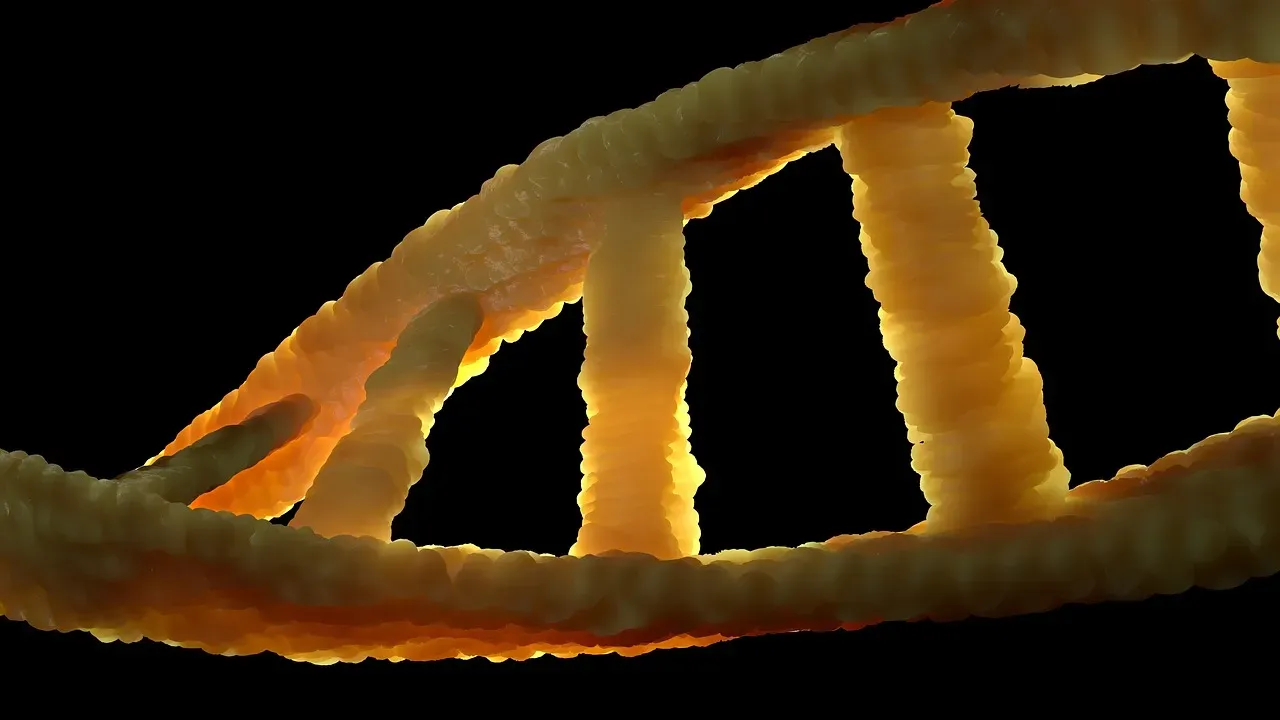
While most ancient DNA studies have focused on the last fifty thousand years, paleogenomic approaches can now reach into the early Pleistocene, an epoch of repeated environmental changes that shaped present-day biodiversity. Emerging deep-time genomic transects, including from DNA preserved in sediments, will enable the inference of adaptive evolution, discovery of unrecognized species, and exploration of how glaciations, volcanism, and paleomagnetic reversals shaped community composition. Let’s be real: the fact that we can pull readable genetic information from sediment cores is one of the most jaw-dropping scientific achievements of our era.
Sedimentary ancient DNA offers a novel retrospective approach to reconstructing the history of marine ecosystems over geological timescales. The development of ancient DNA analysis techniques substantially expands the range of studied taxa, providing a holistic overview of past biodiversity. Ancient DNA reconstructions often recover a wide diversity of microalgae, but there can also be traces of soft-bodied organisms such as worms and jellyfish. The advantage of using this method is that you can also see organisms that usually don’t leave a traditional fossil record, obtaining a more comprehensive picture of past marine communities.
Reconstructing Whole Ecosystems: The Puzzle Comes Together
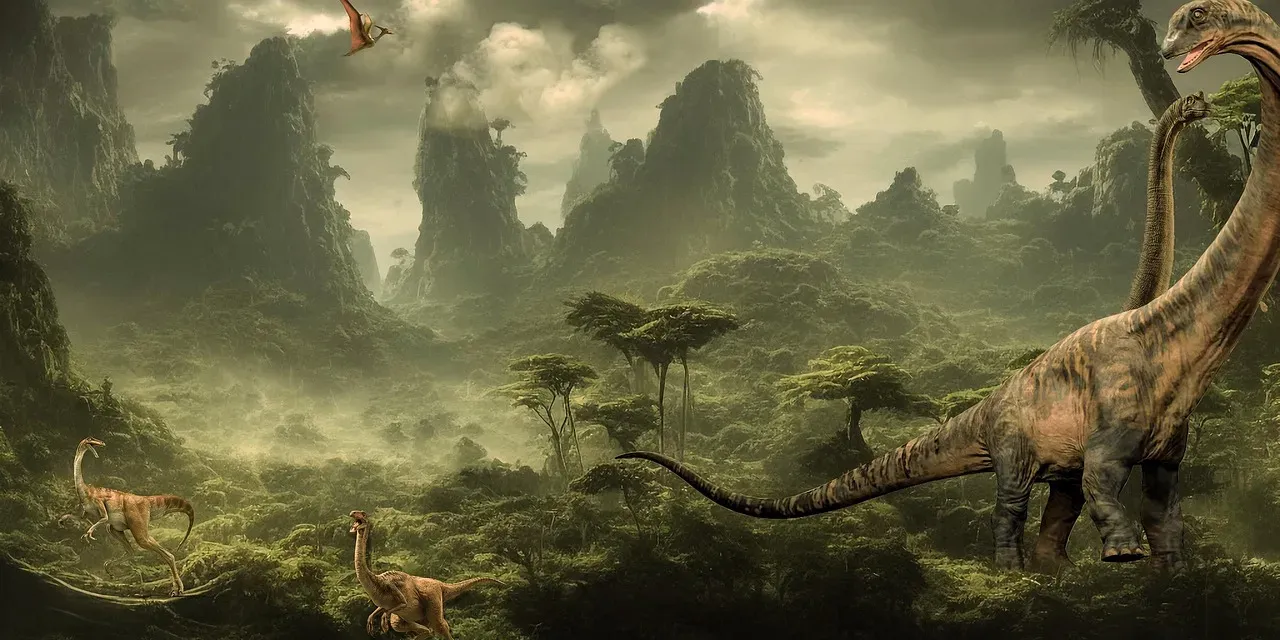
Paleoecological studies can focus on recreating the behavior of just one or two species, or they can look at an entire community of fossil animals. When trying to reconstruct the environments of hominin ancestors, one or two species won’t be much use. Consider a fossil site where focusing only on carnivores, monkeys, and giraffes might suggest a closed forest, while focusing only on antelopes, pigs, and hippos might suggest an open savanna near a river. By combining all fossil species and their adaptations, you can see that a hominin might instead have lived somewhere with a mixed habitat, perhaps an open grassland with a small patch of forest growing next to water. The lesson here is that no single piece of evidence tells the full story.
To reconstruct ancient environments and ecosystems, researchers must integrate multiple lines of evidence from various proxy data. This approach helps to overcome the limitations and biases of individual proxy data and provides a more comprehensive understanding of past environmental conditions. For example, a study on the paleoenvironmental conditions of a fossil site might combine fossil records, sedimentary facies analysis, and geochemical signatures to reconstruct the ancient ecosystem. Each piece of information, like the degree of disarticulation, orientation of particles, or types of sediments, helps to develop a more complete picture of the past environment. Each piece on its own may not be sufficient to confidently characterize the past environment but, taken together as multiple lines of evidence, they can tell a compelling story.
Why It Matters Now: Lessons for a Changing Planet
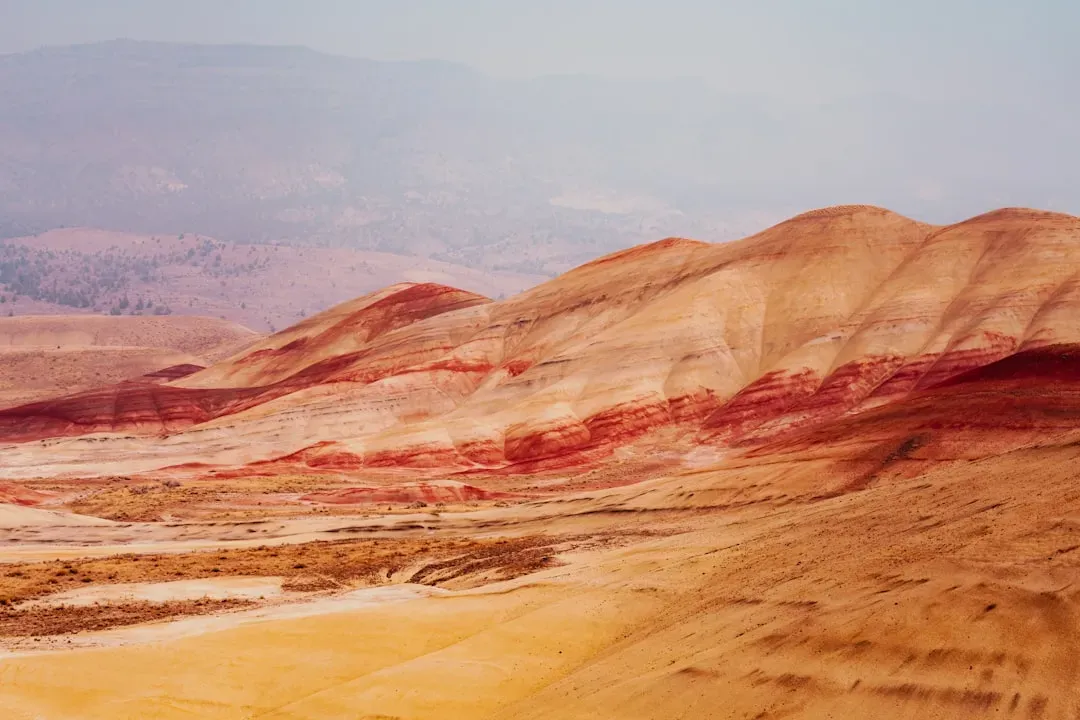
As the Earth faces unprecedented climate change, a look into the planet’s deep past may provide vital insights into what may lie ahead. Knowledge of the natural world millions of years ago is fragmented, but comprehensive study of ancient sites can provide a surprisingly complete view of ancient ecosystems when the Earth was much warmer than today. This is where paleoecology stops being purely academic and starts feeling urgently relevant. The past is not just history. It is a field manual for the future.
Paleoecological findings offer important lessons for modern conservation practices by illustrating how ecosystems responded to past climate changes. Understanding historical resilience and adaptation patterns enables conservationists to develop strategies that enhance ecosystem stability today. For example, insights from past extinctions can inform current efforts to protect vulnerable species and habitats as climate conditions continue to shift, ensuring more effective management in a rapidly changing world. Reconstructions of communities that thrived in past warm interglacials may provide insight into the potential composition of communities in a future, warmer world, and improve our understanding of how ecosystem-level interactions among species evolve and are maintained.
Conclusion: The Deep Past Is Still Speaking
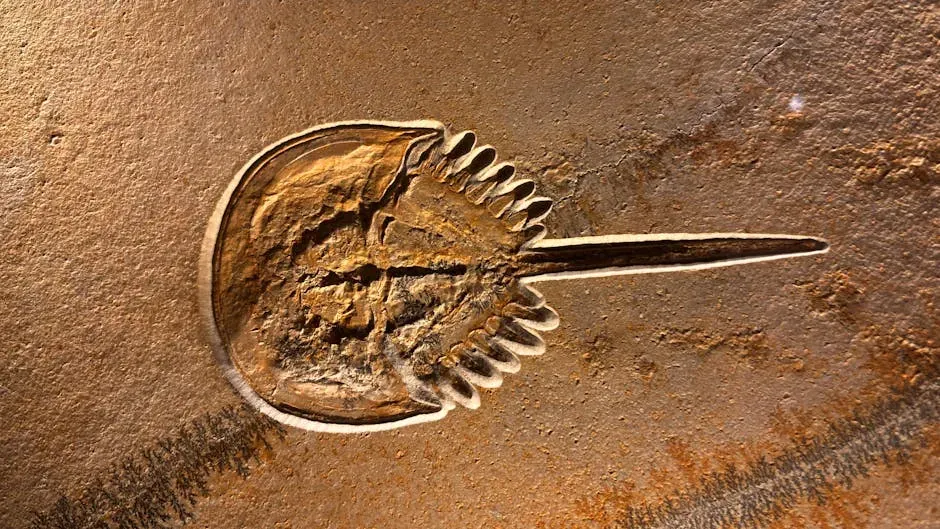
The science of reconstructing ancient ecosystems is, at its heart, an act of radical listening. You listen to teeth, to pollen grains, to sediment chemistry, to fragments of DNA preserved against all odds in frozen soil. Every method adds another voice to a chorus that has been singing for millions of years. And piece by piece, that chorus is becoming something we can actually hear and understand.
What strikes me most about all of this is not just the ingenuity of the science, but the profound humility it requires. You are working with incomplete data, imperfect preservation, and a world that no longer exists, yet you are still able to say something meaningful and true about it. That is no small thing. The more we learn about where Earth has been, the better equipped we are to decide where it is going. The deep past is not behind us. In many ways, it is our most reliable guide forward.
What would you have guessed was locked inside a single fossilized tooth or a handful of ancient sediment? Tell us in the comments.