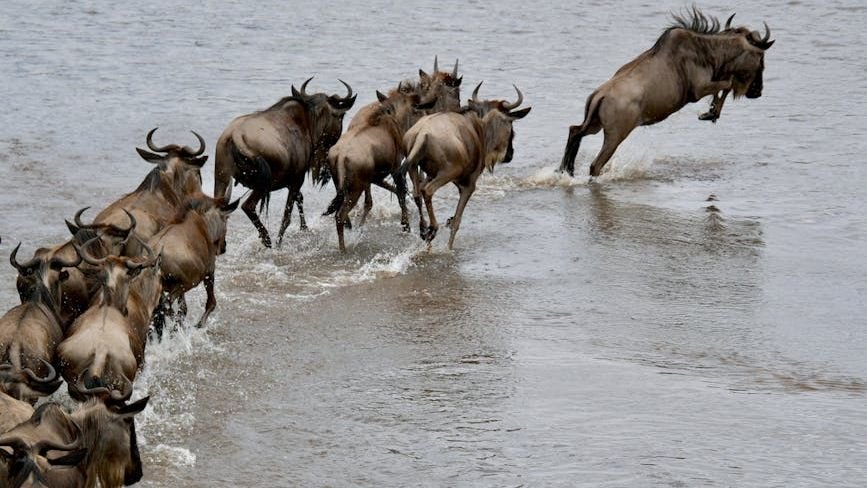

Every year, without a map, without GPS, and often without ever having made the journey before, billions of creatures across Earth pack up and move. They cross entire oceans, scale mountain ranges, and traverse deserts in patterns so precise they make human navigation look almost embarrassingly clumsy. It is one of the most spectacular phenomena on the planet, and yet, honestly, we have barely scratched the surface of understanding it.
You might think that in an age of satellite tags, genome sequencing, and quantum biology, we would have this all figured out. We have not. We are in a golden age of animal tracking, but somehow, the more we discover, the more mysterious animal migration seems. So if you have ever looked up at a formation of geese cutting across an autumn sky and wondered how on earth they know where they are going, buckle up. The answers are stranger and more wonderful than you could imagine. Let’s dive in.
The Inner Compass: How Animals Read the Earth’s Magnetic Field
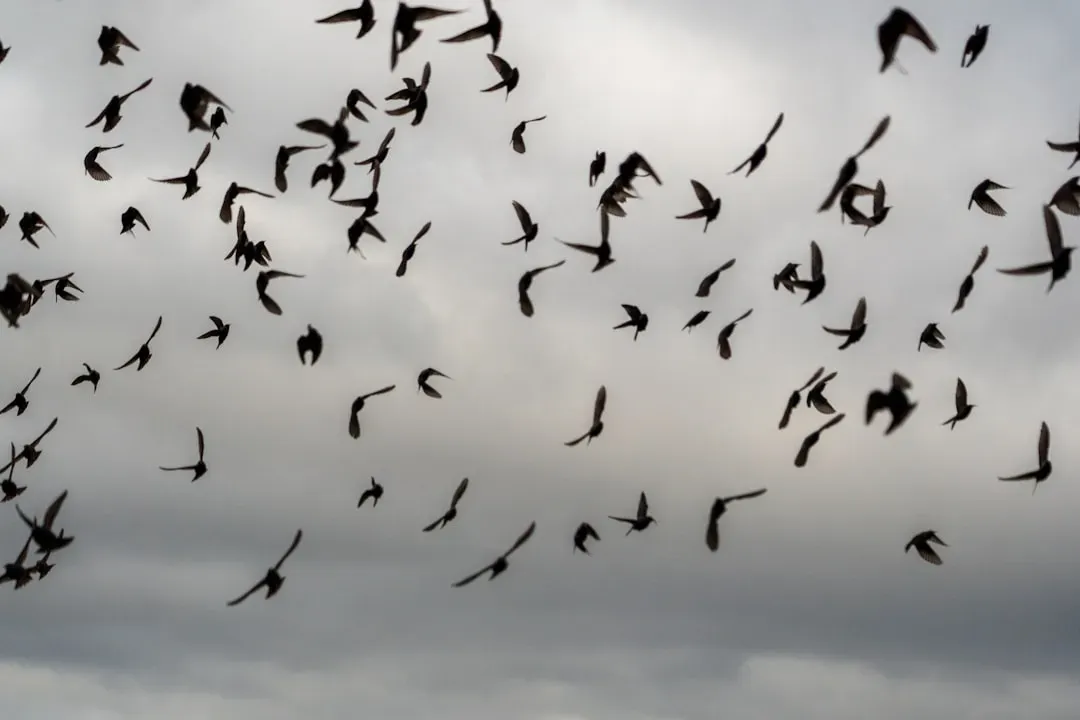
Here is something that should genuinely stop you in your tracks. Deep inside the bodies of birds, turtles, and even some insects, there exists a sensory system so sophisticated it has taken human scientists decades just to begin describing it. Earth’s magnetic field, also known as the geomagnetic field, provides animals with different sorts of information, which can be used for different purposes in navigation, as compasses and as maps. Think of it like having two separate GPS systems running simultaneously inside your body – one telling you which direction to face, and the other telling you exactly where you are.
Research during the last 60 years has shown that a wide variety of animals use the geomagnetic field in various ways: as a compass and reference system, as components of a navigational map, and as signposts that not only control orientation, but also physiological functions, enabling animals to cover long distances. What is especially remarkable is that in less than a generation, the idea that animals use Earth’s magnetic field as a kind of map has gone from a contentious hypothesis to a well-established tenet of animal navigation. It was once considered fringe science. Now it is textbook.
The Quantum Secret Hidden in an Animal’s Eye
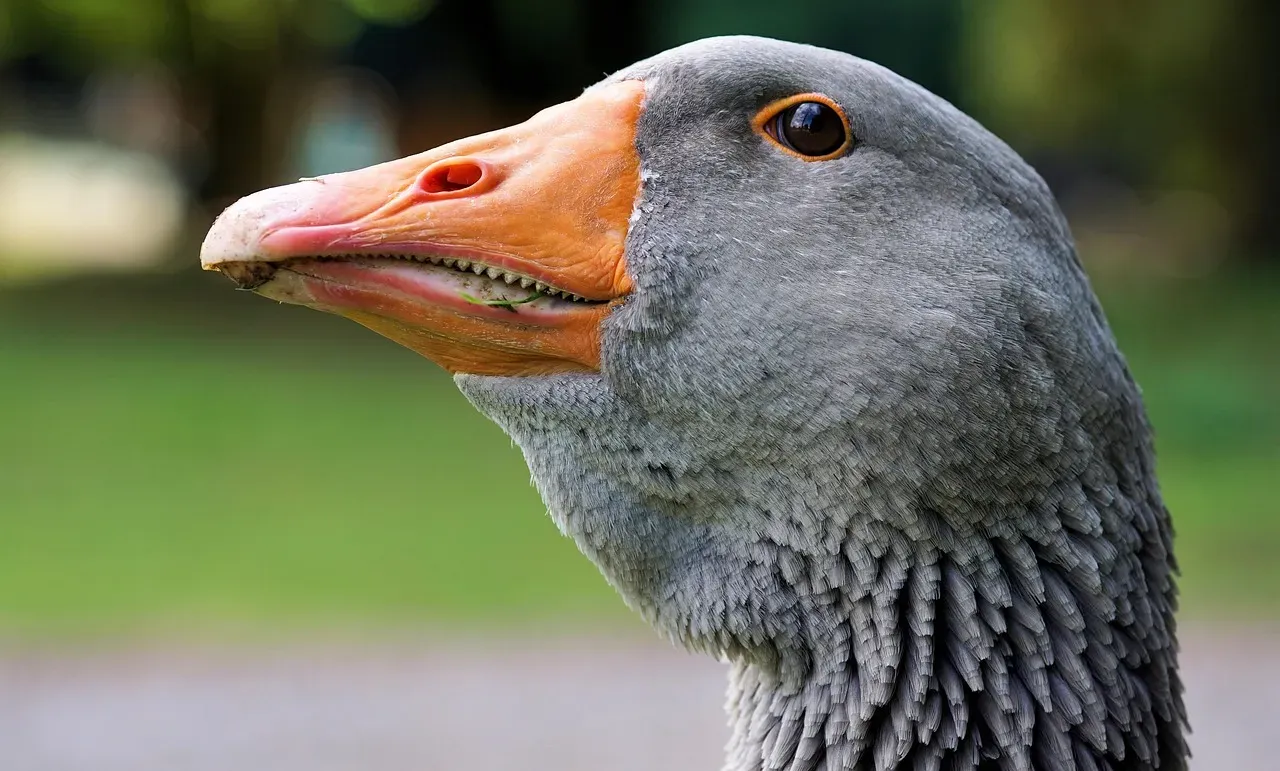
You might wonder what quantum physics has to do with a migrating robin. Quite a lot, it turns out. Experiments on migratory birds provide evidence that they make use of a cryptochrome protein in the eye, relying on the quantum radical pair mechanism to perceive magnetic fields. This is not metaphor. These birds are literally using quantum chemistry to navigate, a process that takes place in their eyes at the subatomic level. It is so extraordinary that even physicists find it hard to believe.
This effect is extremely sensitive to weak magnetic fields, and readily disturbed by radio-frequency interference, unlike a conventional iron compass. That sensitivity cuts both ways. It makes birds extraordinarily precise navigators under natural conditions. One reason we may not understand magnetoreception is that we simply do not know what it feels like, so we are not quite sure how to study it. It is humbling when you realize that the biggest obstacle to understanding this sense is the fact that humans simply do not possess it.
The Monarch Butterfly: A Living GPS Made of Gossamer Wings
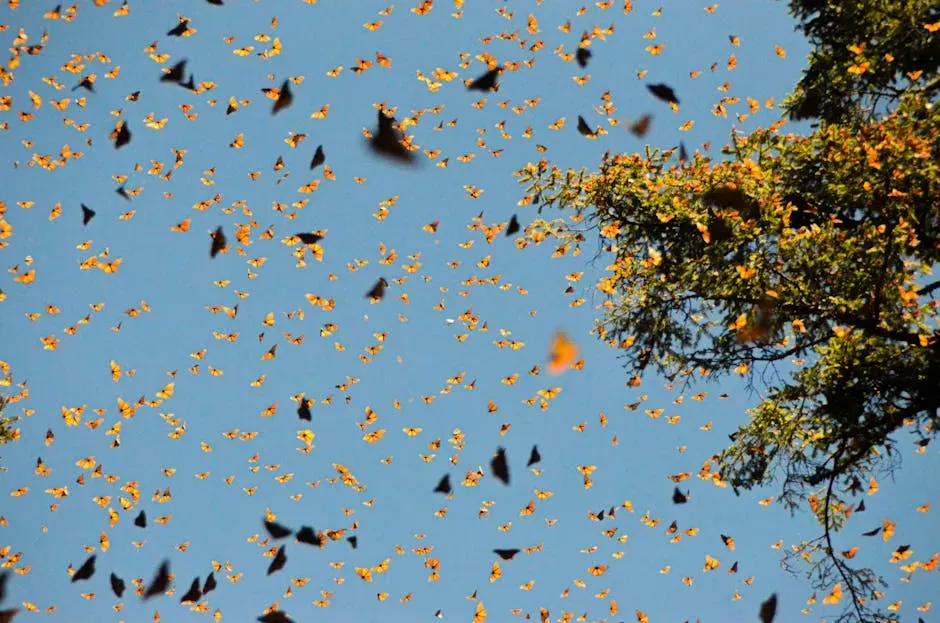
If you want a story that makes your brain hurt in the best possible way, look no further than the monarch butterfly. Here is a fact that genuinely stops people in their tracks: none of the monarchs on the fall migration path have ever been to their destination before, and yet they know exactly where to go. Not one of them. Every single fall migrant is on its maiden voyage, navigating from the northeastern United States and Canada all the way to specific mountain forests in central Mexico that it has never seen.
Fall migrants are always on their maiden voyage, thus the migratory behavior cannot be socially learned and is instead innate. The navigation system itself is breathtaking in its elegance. Monarchs use a bidirectional time-compensated sun compass for orientation, which is based on a time-compensating circadian clock that resides in the antennae, and which has a distinctive molecular mechanism. Migrants can also use a light-dependent inclination magnetic compass for orientation under overcast conditions. So when clouds block the sun, they simply switch navigation systems. That is not just impressive. That is engineering genius at the scale of a creature that weighs less than a paperclip.
The Bar-Tailed Godwit: Earth’s Most Extraordinary Endurance Athlete

Let’s be real. Most of us would struggle to run a single marathon. The bar-tailed godwit, a fairly unremarkable-looking shorebird with a slightly upturned bill, routinely performs a feat of physical endurance so extreme it barely seems possible. The migration of the subspecies Limosa lapponica baueri across the Pacific Ocean from Alaska to New Zealand is the longest known nonstop flight of any bird, and also the longest journey without pausing to feed by any animal. No rest stops. No food. Nothing but ocean and wind for days on end.
A bar-tailed godwit flew 13,560 kilometres from Alaska to the Australian state of Tasmania without stopping for food or rest, breaking the record for the longest nonstop migration by a bird. That record was set by a juvenile bird that was only five months old at the time. They undertake the longest nonstop migrations of any bird, and to fuel they carry the greatest fat loads of any migratory bird so far studied, reducing the size of their digestive organs to do so. They essentially shrink their own internal organs before takeoff to save weight, then rebuild them upon arrival. The body, it seems, will sacrifice almost everything for the journey.
The Arctic Tern and the Endless Summer
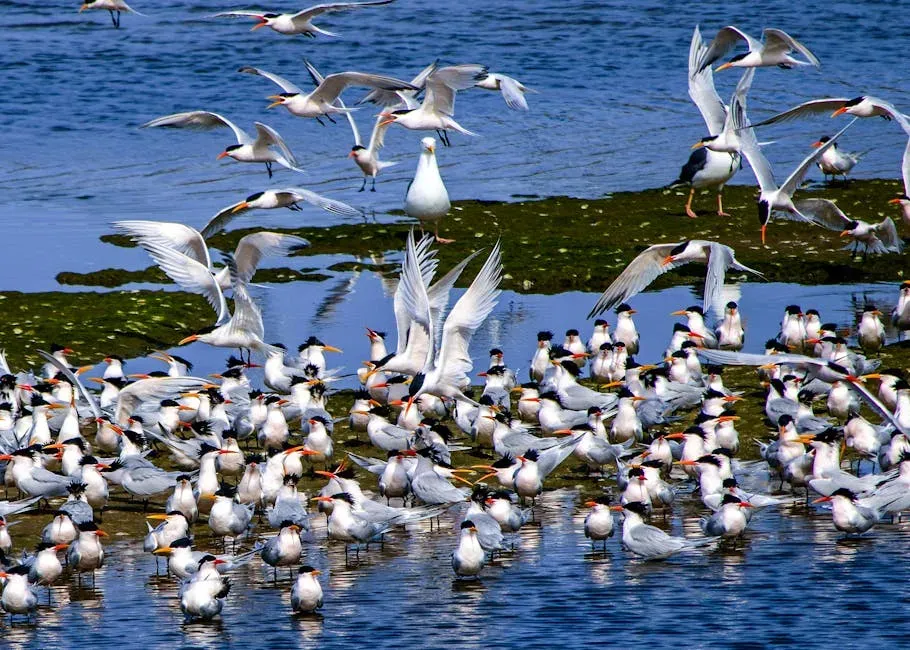
If there is one creature that deserves the title of the world’s most well-traveled animal, it is the Arctic tern. This small seabird, weighing roughly as much as a lemon, lives its entire life in perpetual summer. The Arctic tern makes the longest known migration, traveling approximately 44,000 miles annually between the Arctic and Antarctic. Every single year. Back and forth, from pole to pole, as reliably as the seasons themselves.
By far the longest migration known in the animal kingdom, this medium-sized bird travels from Greenland in the North to the Weddell Sea in the South. Remarkably, Arctic terns can live up to 30 years, which means if you add up the distance they traverse in a lifetime, their total journey is equivalent to going to the moon and back more than three times. Even more fascinating, scientists recently discovered the birds make several thousand-mile detours to capitalize on global wind patterns and preserve energy. That zigzagging route that looks inefficient on a map? It is anything but. It is a masterclass in aerodynamic efficiency.
When Human Interference Rewrites Ancient Routes
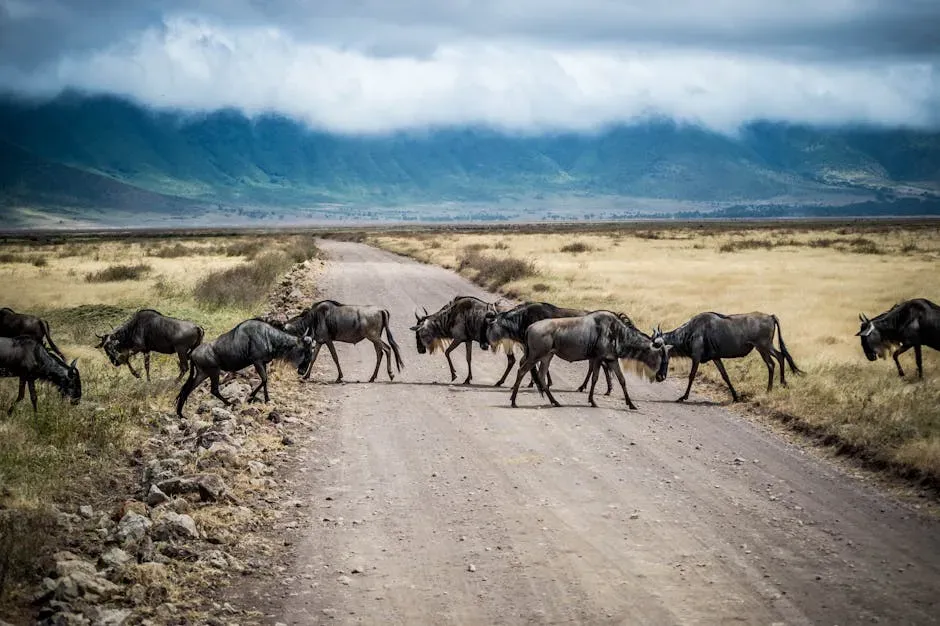
Migration routes that evolved over millions of years are now being disrupted in the span of decades. Human development has created a complex patchwork of barriers and pathways that profoundly affect animal movement. Roads, dams, cities, and agricultural zones fragment natural landscapes, forcing migrating animals to navigate an obstacle course of human infrastructure. Imagine spending millions of years perfecting your GPS system only to have someone build a motorway through the middle of your route. That is essentially what is happening to hundreds of species right now.
The construction of the Three Gorges Dam in China, for instance, blocked the migration of the Chinese paddlefish, contributing to its extinction. The consequences are not always reversible. Meanwhile, European studies show that nearly 30% of migratory bird species have reduced their migration distances, with some formerly long-distance migrants now remaining resident year-round in regions with milder winters. Migration, it turns out, is not a fixed program. It is more like a living document being constantly rewritten, for better and for worse.
The Future of Migration Science: Tracking the Untraceable
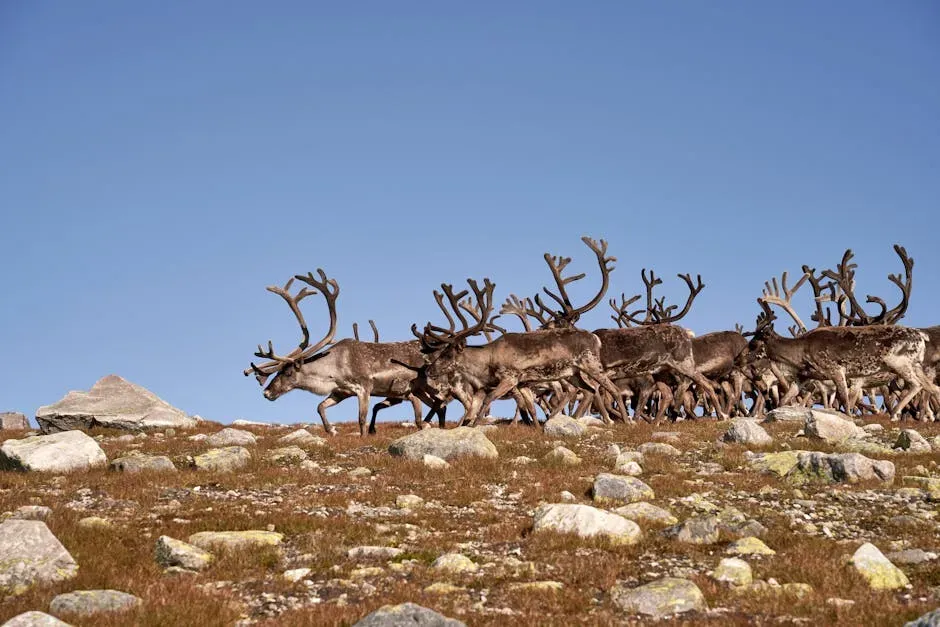
The tools we now have to study migration would have seemed like science fiction just a generation ago. We now know far more about animal migration patterns and navigation than we did a decade ago. Satellite tags, geolocators, and genetic tools have expanded research rapidly. Tiny trackers light enough to attach to a bird weighing just a few ounces, satellites monitoring geese from orbit, genome sequencers picking apart the DNA of migratory behavior – the pace of discovery is genuinely thrilling.
Using measurements from ESA’s Earth Explorer Swarm mission, scientists have developed a new tool that links the strength and direction of the magnetic field to the flight paths of migrating birds. This is a huge step forward to understanding how animals use Earth’s magnetic field to navigate vast distances. Yet even with all this technology, huge mysteries remain. No human has ever seen European eels spawn. We know they go back to the Sargasso Sea, but the spawning has never been directly observed. We have explored nearly every corner of this planet, and yet one of the most important biological events in the life cycle of a common European fish remains completely unseen by human eyes. Migration research is not running out of questions. It is discovering new ones faster than it can answer the old ones.
Conclusion: The Greatest Journey We Still Don’t Fully Understand
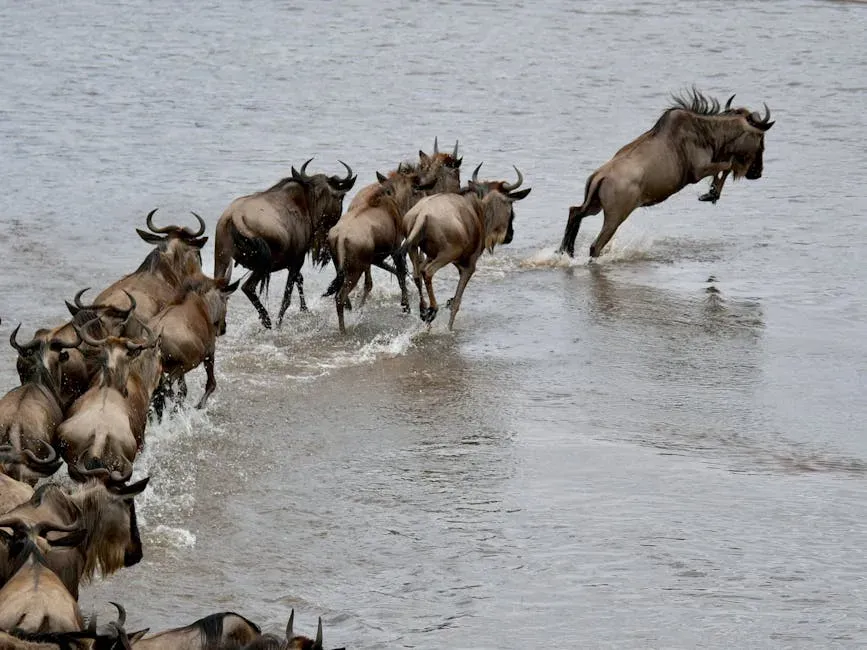
Animal migration is, without exaggeration, one of the most awe-inspiring phenomena in the natural world. It is survival turned into spectacle – billions of creatures moving across the globe with a precision, endurance, and intelligence that humbles every technological achievement we have managed as a species. Honestly, next time you grumble about a delayed flight, spare a thought for a godwit that has been flying nonstop for eleven days over open ocean without a single snack break.
What strikes you most, when you sit with all of this, is not just the scale of these journeys but the layers of mystery still buried within them. Quantum compasses in bird eyes. Genetic maps encoded in butterfly wings before the butterfly even knows where it is going. Sea turtles returning to the exact beach where they were born decades earlier. The study of these and other marvels of nature can make us more aware that natural processes are far from purely mechanical. There are mysteries in nature, phenomena that cannot be wholly explained by reductionist science. Science is closing in. But it is not there yet. And perhaps that is exactly the way it should be.
What part of animal migration surprises you the most? Share your thoughts in the comments below.