Hatchlings Chirp Before They Even Emerge (Image Credits: Unsplash)
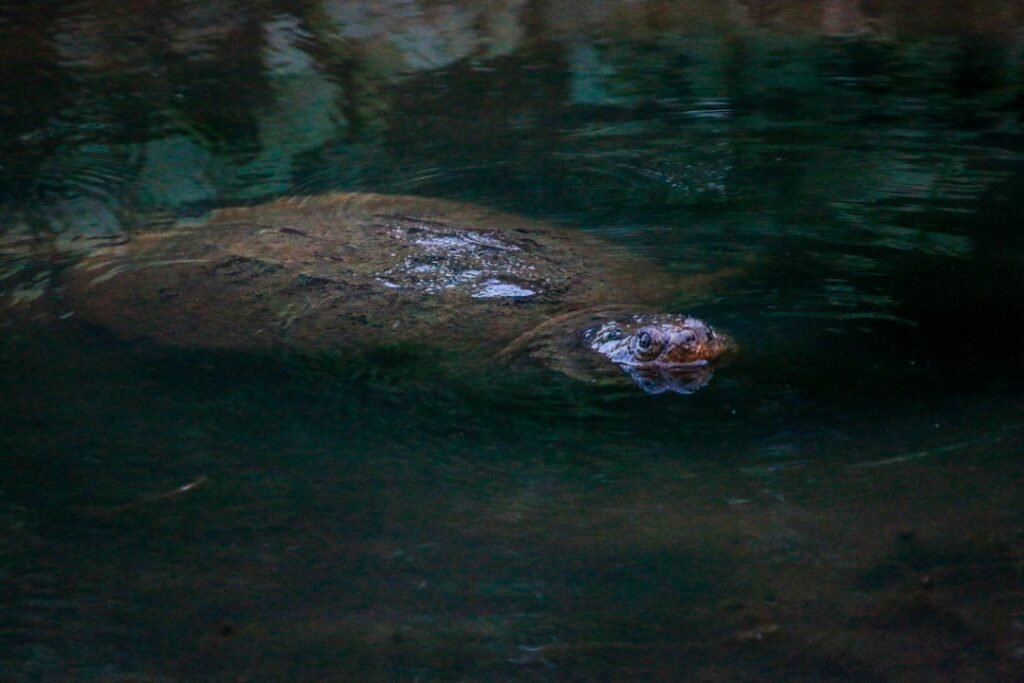
Brazilian Amazon – Vast sandy beaches along the region’s mighty rivers transform into bustling nurseries each year as thousands of giant South American river turtles converge to lay their eggs. These massive reptiles, known scientifically as Podocnemis expansa, exhibit remarkably social behaviors that set them apart from most turtles. Yet, the thrum of increasing commercial barge traffic now poses a stealthy danger to their survival, potentially drowning out the subtle sounds that coordinate their communal lives.[1][2]
Hatchlings Chirp Before They Even Emerge
Researchers once believed turtles lived silent existences, but recordings revealed a different reality. Hatchlings of the giant South American river turtle produce distinct chirps and pops from inside their eggs, signaling to siblings and timing a synchronized emergence from the nest.[2][3] This group hatching boosts their chances against predators, as the tiny creatures scramble en masse toward the river.
Females linger nearby after laying clutches of up to 100 eggs, responding to these calls with their own vocalizations. These exchanges mark the first documented case of post-hatching parental care among turtles, guiding the vulnerable young safely into the water. Without such coordination, isolated hatchlings face higher risks of predation or disorientation.[4]
A Complex Repertoire of River Sounds
Studies conducted between 2009 and 2011 on the Rio Trombetas captured over 250 individual vocalizations from these turtles, categorizing them into six distinct types. Low-frequency grunts and hums dominate during long migrations or basking sessions, traveling farther through deep waters to maintain group cohesion.[2] Higher-pitched calls prevail near nesting beaches, better suited to shallow areas and air.
Females display the richest variety as they approach laying sites, possibly signaling optimal spots or synchronizing the procession from river to beach. Adults and hatchlings continue communicating during the two-month migration that follows, with sonic tags confirming young travel alongside protective females. This acoustic network underpins their highly social lifestyle, rare among reptiles.[3]
- Low-frequency sounds for migration and long-distance contact.
- High-frequency chirps for nesting and hatchling guidance.
- Hatchling pre-emergence calls to synchronize group hatching.
- Female responses to lead young to water.
- Aggregation calls during beach gatherings.
- Basking vocalizations for social bonding.
Commercial Traffic Amplifies the Danger
The Amazon’s rivers increasingly serve as highways for massive barges hauling soy, minerals, and other exports to global markets. These vessels generate powerful low-frequency roars that propagate far underwater, overlapping with the turtles’ communication frequencies. Dredging for deeper channels and proposed industrial waterways exacerbate the acoustic onslaught.[5]
Mining operations and hydroelectric dams compound the issue, flooding nests or altering river flows while adding their own noise. Poaching remains a direct killer, targeting eggs and meat, but noise pollution strikes indirectly by severing the social threads that have sustained populations for millennia. In areas like the Trombetas River, nesting females have plummeted from thousands to hundreds since the mid-20th century.[5]
Disrupted Calls Could Spell Decline
If barge noise masks hatchling chirps, synchronized emergences might falter, leaving more young exposed. Maternal calls could fail to reach their targets, stranding offspring on lethal beaches. Adult coordination for nesting site selection or migration might break down, fragmenting groups vulnerable to predators and hunters.
Experts warn that these turtles’ reliance on sound makes them particularly susceptible in a noisier Amazon. While populations hold steady in protected zones, unchecked waterway expansion risks tipping the balance toward steeper declines. Recent drone surveys revealed a mega-nesting site with over 41,000 turtles on the Guaporé River, underscoring both the species’ resilience and the urgency of safeguards.[1]
Conservation Offers a Lifeline
Brazil’s Amazon Chelonian Program has released over 83 million hatchlings since 1979, protecting beaches and engaging communities. Multi-nation efforts monitor more than 147,000 females across 89 initiatives. Researchers advocate acoustic monitoring and quieter vessel regulations to preserve these vocal traditions.[5]
Head-raising on beaches and satellite tracking aid population assessments. International cooperation via CITES Appendix II listing bolsters protections against trade. Sustained action could ensure these ancient conversers endure amid modern pressures.
Key Takeaways
- Turtle hatchlings vocalize inside eggs to synchronize emergence, aided by maternal calls.
- Barge and boat noise risks masking critical low-frequency communications.
- Conservation programs protect nests and release millions, stabilizing some populations.
The giant river turtle’s acoustic world reveals nature’s ingenuity, now imperiled by human clamor. Protecting these whispers demands swift waterway management. What steps should prioritize to safeguard the Amazon’s talking turtles? Share your thoughts in the comments.