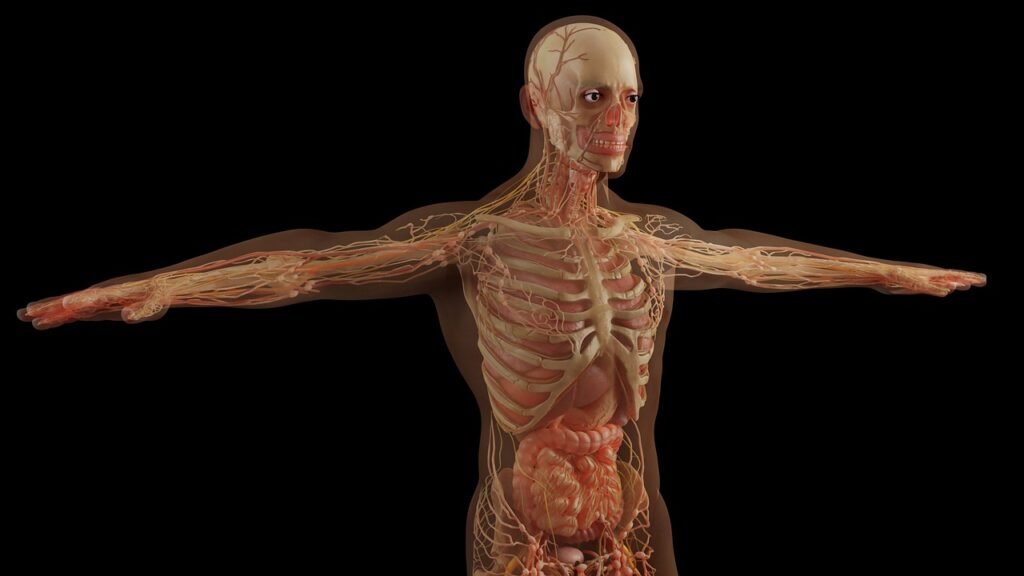

You carry around one of the most sophisticated machines ever assembled, and you probably never think twice about it. Every single second of every day, your body is monitoring, adjusting, repairing, and reinventing itself on a scale that would put any man-made system to shame. Think about that for a moment. No factory, no computer, no satellite can do what your body does automatically while you sleep.
What makes this even more extraordinary is that your body does not simply react to the world. It learns from it. It reshapes itself. It evolves, quietly and constantly, in response to everything you experience. The story of how the human body adapts and changes is honestly one of the most astonishing stories ever told. So let’s dive in.
You Are Built Like No Machine That Has Ever Existed

Long before the development of man-made engineering marvels, there existed a structure far superior to any of them. That structure is the human body. Here’s the thing most people don’t fully appreciate: your body does things no mechanical engineer has ever successfully replicated in full. It fixes itself. It powers itself from raw ingredients. It even manufactures replacement parts.
Your roughly six hundred muscles burn fuel, converting it into usable energy, much like an engine in an automobile. Yet the human body far surpasses the automobile in that it manufactures its own fuel from raw materials, does its own cleaning and repairing, and replaces worn-out cells by the millions each day. No car on earth does that. No aircraft, no supercomputer, not even the most advanced robot comes close.
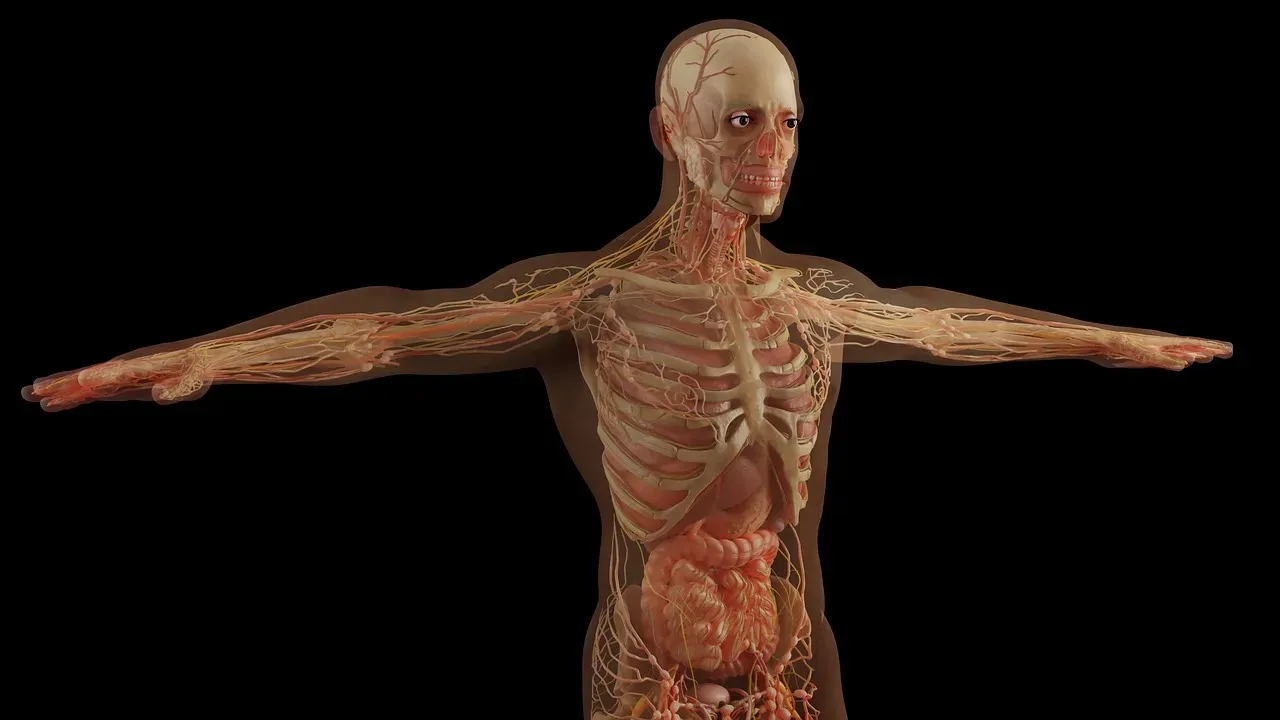
With 206 bones, five vital organs, and enough blood vessels to circle the Earth’s equator multiple times, the human body stands as a marvel of biological engineering. Zoom in deeper and the picture gets even more breathtaking. The human body is a masterpiece of biological engineering, a complex symphony of systems and processes governed by the principles of science. When you consider it all together, it’s impossible not to feel a little amazed.
Your Heart: The Pump That Never Rests
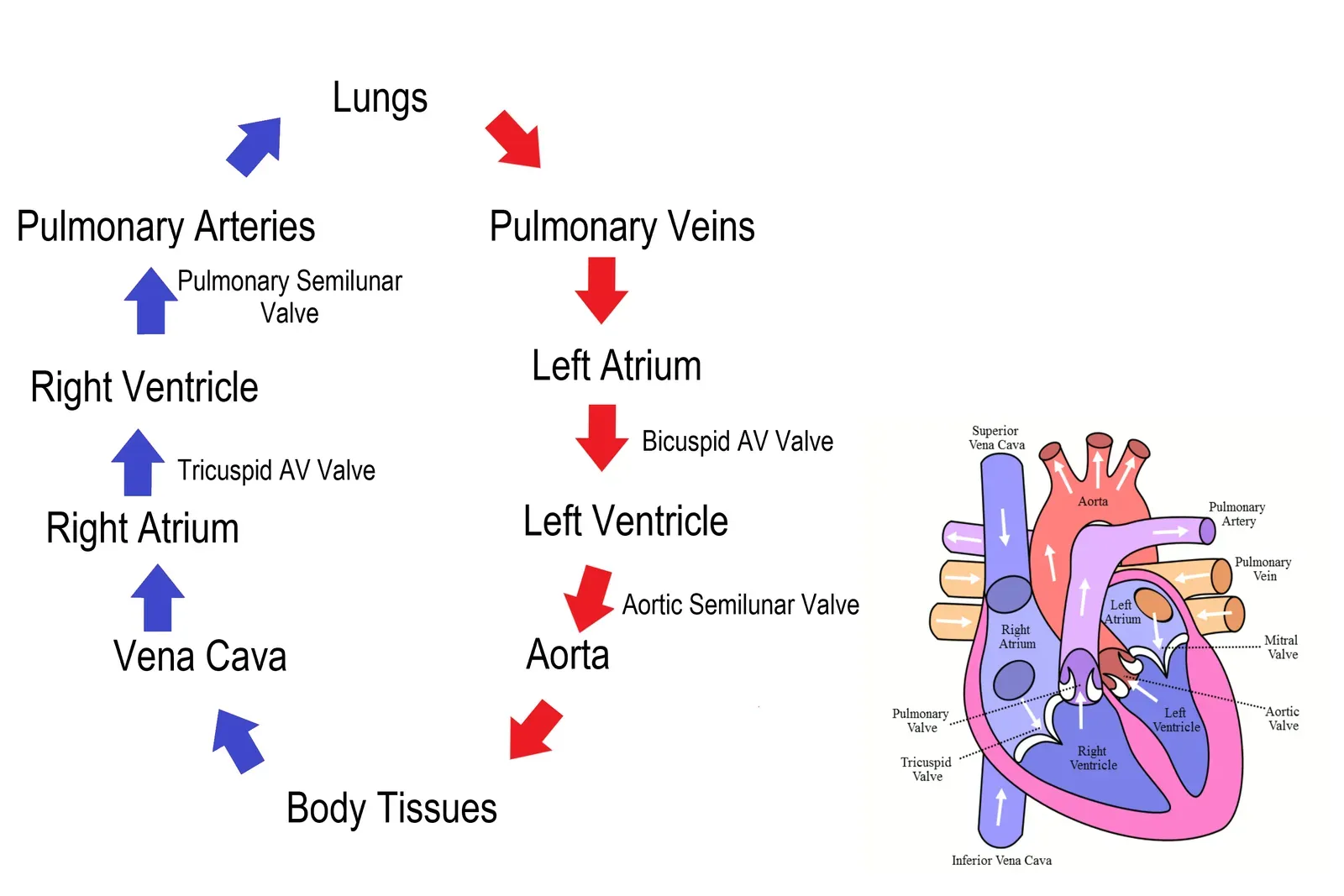
Honestly, if you tried to describe the human heart to an engineer without telling them what it was, they would probably say it’s impossible to build. Consider a pump that no human engineer could ever duplicate perfectly. This tiny pump pulsates, on average, seventy times a minute, forty million times a year, and passes about 7,000 quarts of fluid a day, nearly 200,000 tons in the average lifetime. It does this without a single scheduled maintenance stop.
An even flow of blood throughout the human body is achieved by means of stopcocks in the tiny arteries in the tissues and organs. These control the volume and flow of blood, whether near the heart or remote from it. In addition to controlling the proper flow of blood to each organ, these stopcocks will open and allow an increase of blood flow above normal if temporary circumstances may require it. Your body is literally doing precision traffic management inside your veins right now without you having to think about it for even a moment.
Your Brain Rewires Itself Every Single Day
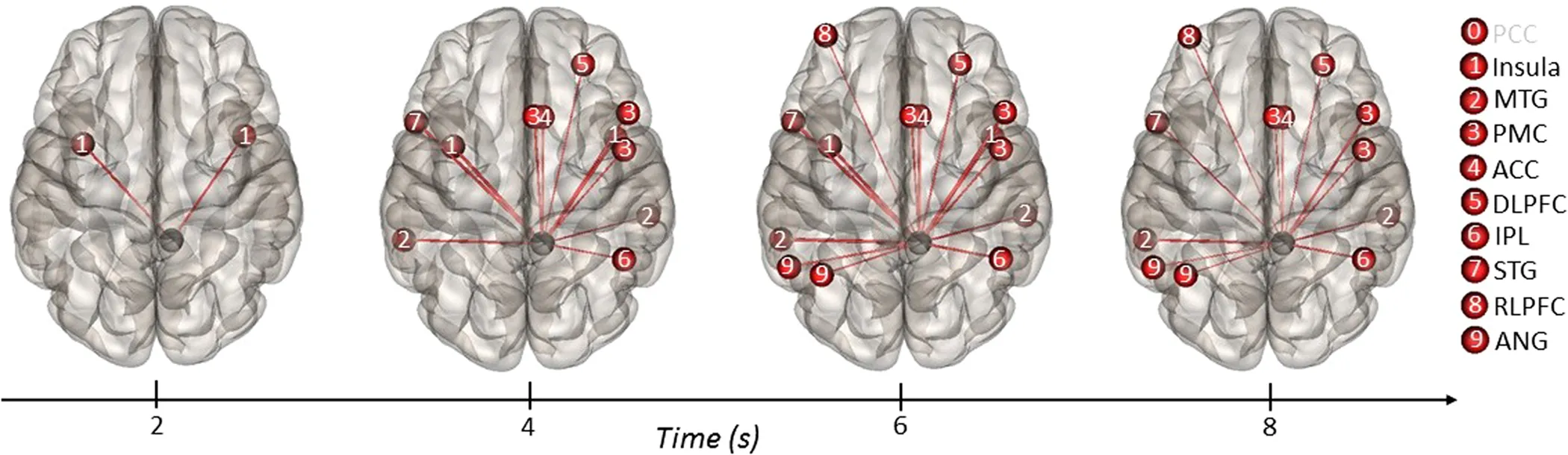
Most people were told at some point in their lives that the brain is fixed, that you are born with what you get, and that brain damage is always permanent. Science has firmly proven this to be wrong. Neuroplasticity refers to the brain’s ability to reorganize and rewire its neural connections, enabling it to adapt and function in ways that differ from its prior state. Your brain is not a static piece of hardware. It is more like constantly-updating software running on a very adaptive machine.
Research has firmly established that the brain is a dynamic organ and can change its design throughout life, responding to experience by reorganizing connections. What does this look like in real life? Learning a new language builds new neural pathways that improve memory and cognition. Musical training alters brain regions related to auditory processing and motor control. Recovery after brain injury involves patients regaining abilities as the brain rewires. Mindfulness and meditation increase thickness in brain regions linked to attention and emotional regulation. Every new thing you try, every new challenge you take on, is quite literally reshaping the physical structure of your brain.
Your Body Adapts to Its Environment in Ways That Will Surprise You

Cold and heat adaptations in humans are a part of the broad adaptability of Homo sapiens. Adaptations in humans can be physiological, genetic, or cultural, which allow people to live in a wide variety of climates. This is nothing short of remarkable when you stop to think about it. Humans survive in deserts and tundra, at sea level and on mountain peaks. No other species has pulled this off quite so comprehensively.
Take high altitude as one jaw-dropping example. The human body undergoes a well-characterised response to the hypoxic conditions of high altitudes. Low levels of ambient oxygen, resulting from decreased barometric pressure, trigger a response organized by Hypoxia-inducible factors. These HIFs induce increased production of erythropoietin, which promotes the production of red blood cells. The resulting phenotype is measurable as a characteristically high hemoglobin concentration. Your body does all of this automatically. You don’t press a button. You don’t take a setting. Your biology simply figures it out.
A famous example of developmental adaptation involves those who have grown up at high altitude versus those who have moved there as adults. Those who were born at high altitude tend to develop larger lung capacities than those who were not born there but moved later in life. It is almost like your body reads the environment during your early years and silently builds itself to match.
Your Immune System Is a Living, Learning Defense Network
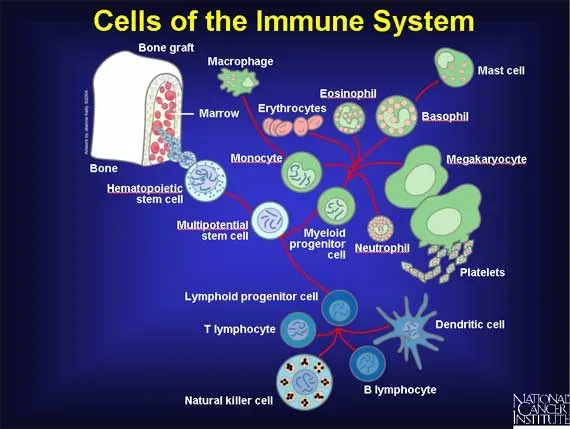
Let’s be real: if you tried to design a security system as sophisticated as the human immune system, you would fail completely. The immune system is a network of biological systems that protects an organism from diseases. It detects and responds to a wide variety of pathogens, such as viruses, bacteria, and parasites, as well as cancer cells and foreign objects, distinguishing them from the organism’s own healthy tissue. It even knows you from everything else. That kind of self-recognition is extraordinarily difficult to engineer artificially.
The innate immune system provides a preconfigured response to broad groups of situations and stimuli, while the adaptive immune system provides a tailored response to each stimulus by learning to recognize molecules it has previously encountered. Think of your innate immune system as the first responders, and your adaptive immune system as the intelligence analysts who build a detailed file on every threat they have ever seen. Upon interaction with a previously encountered antigen, the appropriate memory cells are selected and activated. In this manner, the second and subsequent exposures to an antigen produce a stronger and faster immune response. Your body is literally learning from every illness you survive.
Your Muscles, Bones, and Cells Are Constantly Being Replaced

Here is something genuinely mind-bending to consider. The body you had a decade ago is in many ways not the same body you have today. Your cells are in an ongoing cycle of death and renewal. Your bones, your muscles, your organ tissues, all of it is being rebuilt on a rolling schedule that most people never think about.
Adaptation to stress occurs through a process known as hormesis. Hormesis is the body’s ability to respond positively to low or moderate levels of stress, leading to improved resilience. For instance, during exercise, muscles experience stress due to increased exertion. In response, the body repairs and strengthens the muscles, adapting to better handle future physical demands. Regular exercise induces adaptations like improved cardiovascular health, increased muscle strength, and enhanced endurance. This is why going to the gym actually works. You are not just “burning calories.” You are triggering a biological renovation. Stress, whether physical or psychological, triggers a response that initiates a cascade of physiological changes. Surprisingly, these responses are not merely defensive. They also help the body adapt and become more resilient over time.
The Gut, the Microbiome, and Your Body’s Hidden Universe
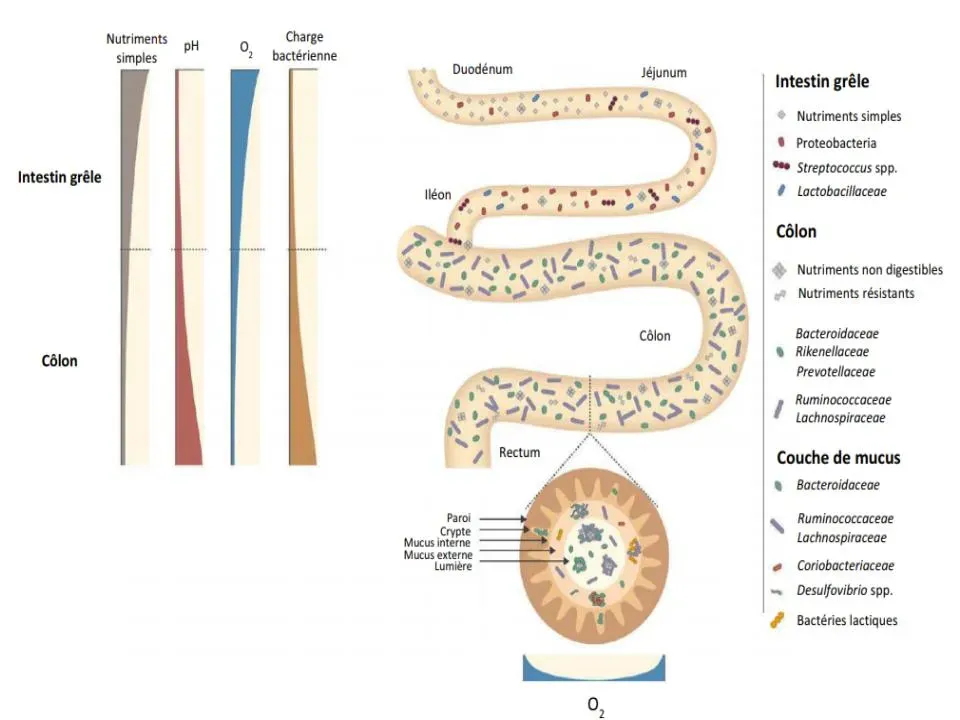
humain.. Médecine humaine et pathologie. Université Clermont Auvergne, 2017, p. 21 https://tel.archives-ouvertes.fr/tel-01887087/document, CC BY-SA 4.0)
One of the most exciting areas of science right now involves what’s happening inside your gut. I think it is safe to say that most people have no idea just how much of their health is shaped by the trillions of microorganisms living inside them. Deeper connections have been made between mental health, immunity, and chronic disease and the microbiome, which includes the trillions of bacteria in our digestive tract. Your gut is not just a digestive organ. It is a command center.
The largest study ever on coffee and the gut microbiome revealed that regular coffee drinkers may have more of a particular beneficial gut bacterium. This little-known microbe produces butyrate, a metabolite that aids in proper digestion and nutrient absorption. It’s hard to say for sure how far this rabbit hole goes, but meal plans that support individual health goals, allergies, and even genetic tendencies are now provided by digital nutrition platforms that use AI. Your microbiome is so uniquely personal that your gut is, in a very real sense, as individual as your fingerprint.
Conclusion: You Are the Most Complex Thing You Will Ever Encounter
After all of this, it becomes almost impossible to look at the human body the same way again. You are not just flesh and bone moving through the world. You are an ongoing, dynamic, self-repairing, constantly evolving biological masterpiece that no human engineer has come close to recreating. The human body serves as a testament to the power of scientific exploration, where each discovery unveils another layer of complexity and wonder. By embracing and advancing the sciences within our bodies, we pave the way for healthier futures and a deeper understanding of what it means to be human.
Your brain rewires itself when you learn. Your immune system builds a memory of every threat you have faced. Your muscles grow stronger every time you stress them. Your gut microbiome is in constant conversation with your mood, your energy, and your immunity. Every single system within you is listening to the world and quietly, invisibly, adapting.
It was within the context of a swiftly changing landscape that humans evolved their sizable brains and capacity for adaptive behavior. In such a world, the ability to think creatively and imagine novel solutions to survival threats proved to be a major asset. You are the latest version of that long story. The most extraordinary machine you will ever encounter is the one you live in every single day. Does knowing all of this change the way you see yourself? It probably should.