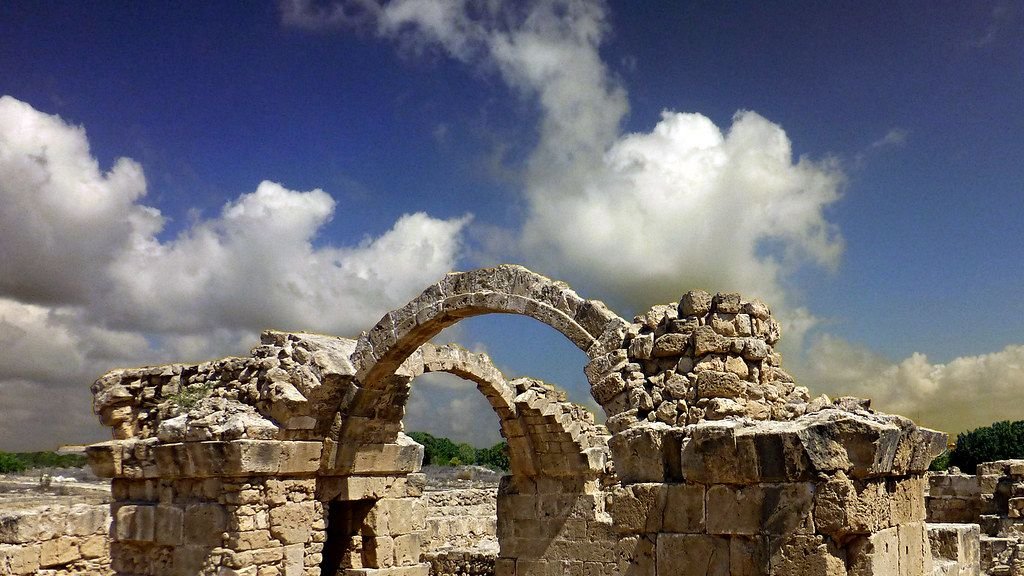

There is something deeply unsettling about entire civilizations just ceasing to exist. Sophisticated cities, complex trade networks, languages, art, architecture – all of it gone, sometimes within a single generation. You would think that with everything we know today, with satellite imaging, DNA analysis, and climate modeling, we would have answers. Yet the honest truth is, for many of history’s greatest lost civilizations, we still don’t.
Some of the stories here will shock you. A few will haunt you for days. What you’ll discover is that the question isn’t simply “what happened?” – it’s “how could an entire world just vanish?” Let’s dive in.
1. The Indus Valley Civilization: The Forgotten Giant
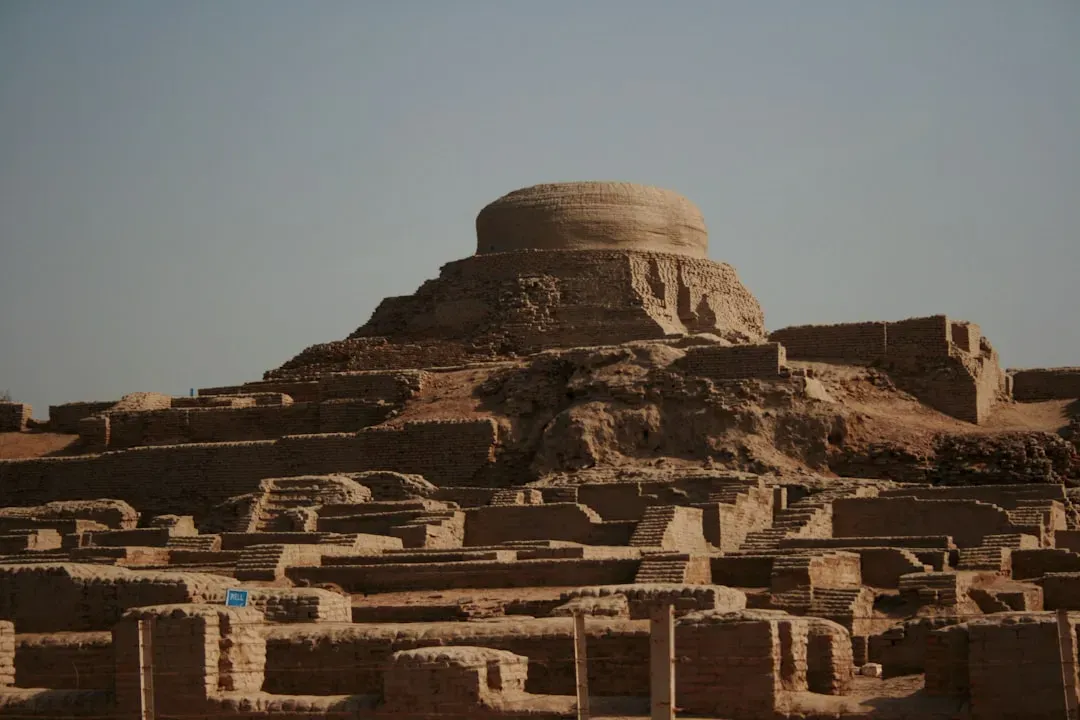
Here’s the thing about the Indus Valley Civilization – most people have never even heard of it, yet it was absolutely enormous. The Indus people began building settlements in present-day India and Pakistan as early as 8,000 years ago, and by the third millennium B.C., they occupied over 386,000 square miles of territory, far more than their better-known contemporaries in Egypt and Mesopotamia, accounting for an estimated roughly one tenth of the world’s entire population. That’s staggering. They were not some minor culture. They were a genuine superpower of the ancient world.
They developed a writing script that has never been deciphered, and their cities contained sanitation systems that remained unequaled until Roman times. Around 1900 B.C., however, the Indus civilization went into freefall, and the population abandoned their cities and migrated southeast. The most recent science offers a chilling explanation. Successive major droughts, each lasting longer than 85 years, were likely a key factor in the eventual fall of the Indus Valley Civilization. Think about what a drought lasting nearly a century would do to your world – it would erase everything.
2. The Maya: A Civilization That Seemingly Switched Off
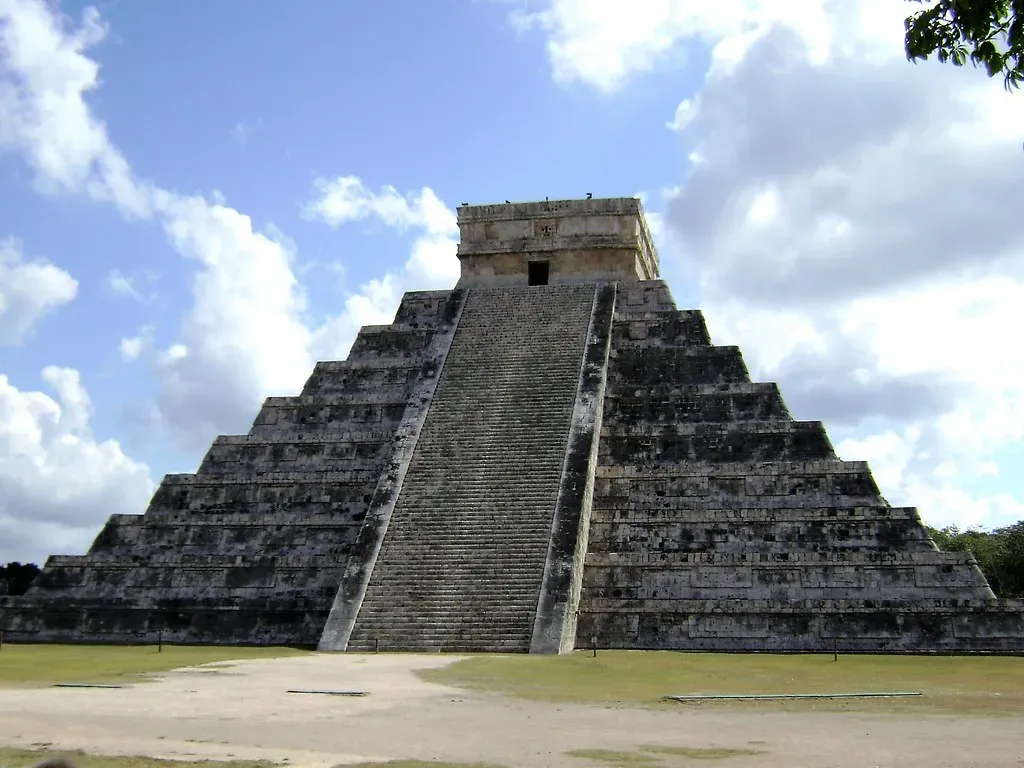
Arguably the New World’s most advanced pre-Columbian civilization, the Maya carved large stone cities into the jungles of southern Mexico and Central America, complete with elaborate plazas, palaces, pyramid-temples, and ball courts. They were known for their hieroglyphic writing, calendar-making, mathematics, astronomy, and architecture, reaching the peak of their influence during the Classic Period, from around A.D. 250 to A.D. 900. Then something went terribly wrong.
At the end of the Classic Period, in one of history’s great enigmas, the populace suddenly deposed its kings, abandoned the cities, and ceased with technological innovation. Dozens of theories have been put forth to explain what happened. Honestly, the sheer scale of the collapse is what makes it so confounding. Though it’s often said the Maya civilization began a mysterious decline in roughly the year 900, a great deal of evidence points to climate change in the Yucatán combined with internecine warfare, which resulted in famine and abandonment of the city centers. Yet the Maya never truly vanished. Their descendants still walk the earth today.
3. The Minoan Civilization: Europe’s First Great Culture
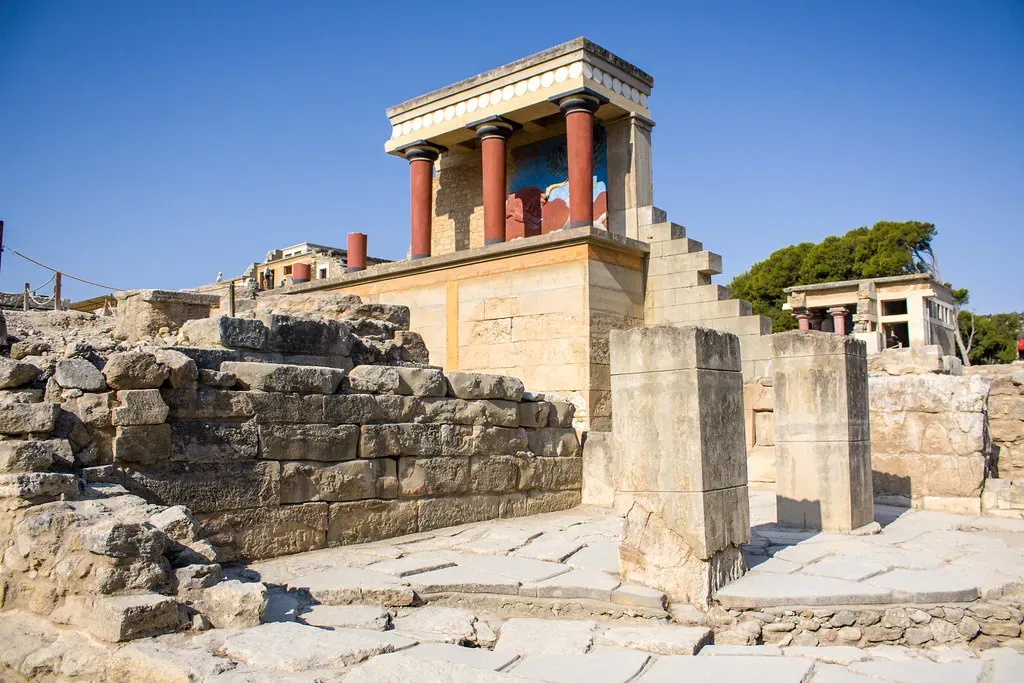
Five thousand years ago, the Minoans, Europe’s first great civilization, flourished on the island of Crete. The sophisticated inhabitants, named after the legendary King Minos, were the first Europeans to use a written language known as Linear A, and the first to construct paved roads. They were an advanced society of highly cultivated artisans and extremely skilled civic engineers, and their maritime empire was so vast it rivaled that of the ancient Egyptians. Not bad for a people most of us barely study in school.
One of the greatest enigmas of the Minoan civilization lies in its undeciphered script, Linear A, used primarily for religious and administrative purposes. This ancient writing system has puzzled linguists and archaeologists for decades, and unlike its successor Linear B, which was deciphered and linked to Mycenaean Greek, Linear A remains an unsolved linguistic puzzle. Their story arguably inspired the legend of Atlantis. The collapse of the Minoans remains debated. The eruption of Thera likely played a role, triggering tsunamis and climate disruption, and later, invasions by Mycenaean Greeks may have delivered the final blow. We may never know for certain which force truly ended them.
4. The Anasazi: Cliff Builders Who Walked Into the Wind
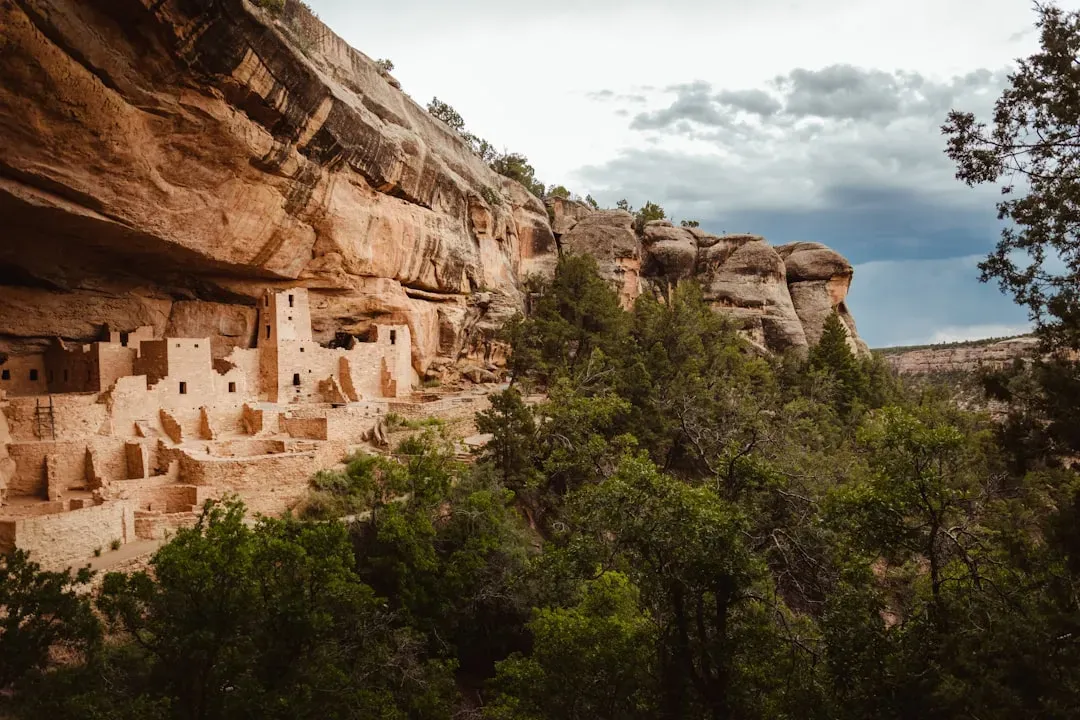
The Anasazi civilization flourished in the American Southwest from approximately 100 A.D. to 1300 A.D. Known for their remarkable cliff dwellings, kivas, and intricate rock art, the Anasazi developed a complex society deeply connected with the environment. They were skilled farmers, hunters, and gatherers, growing corn, beans, and squash in irrigated fields, hunting game, and gathering wild plants for food. Picture a society carving entire cities directly into canyon walls – that was the Anasazi.
The Anasazi lived in the Southwest for more than 1,000 years. Then, within a single generation, they were gone. Between 1275 and 1300 A.D., they stopped building entirely, and the land was left empty. I think that timeline is the most haunting part. A single human generation. Evidence suggests that severe droughts plagued the Southwest during the Anasazi’s decline. Tree-ring data shows the region experienced a prolonged period of drought from 1276 to 1299, which would have had a significant impact on their agricultural practices, and without sufficient water, their crops would have failed. Their descendants, the Hopi and Zuni peoples, still carry their legacy forward today.
5. Cahokia: America’s Forgotten Metropolis
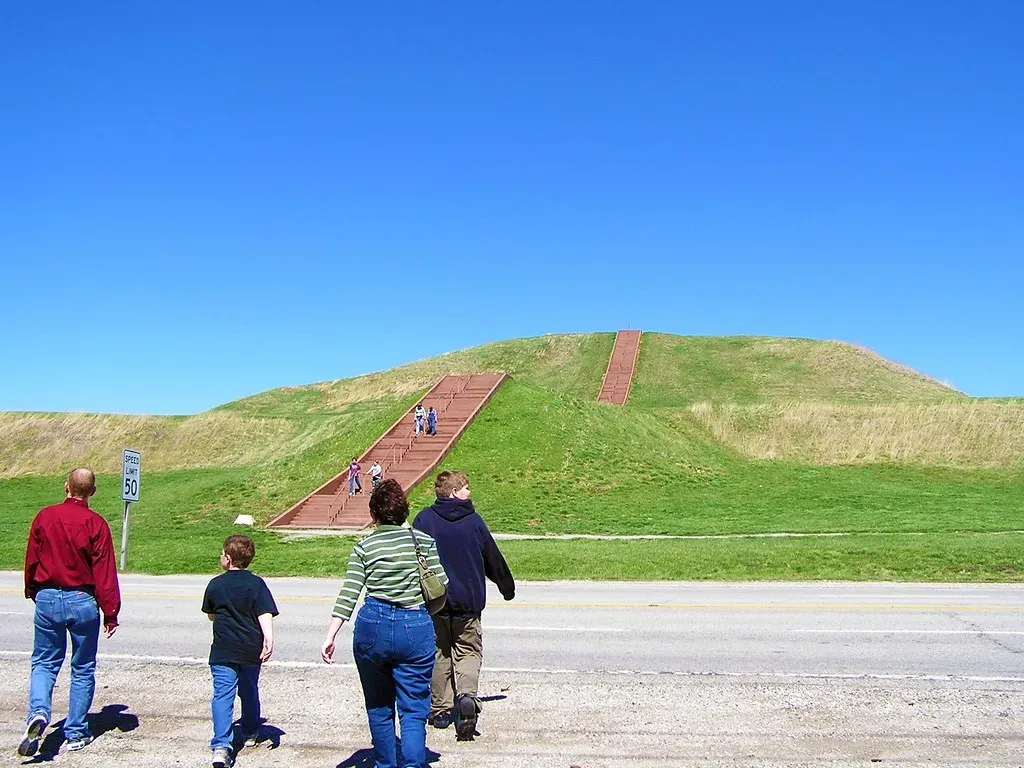
By far the largest pre-Columbian city north of Mexico was Cahokia, located a few miles from present-day St. Louis, Missouri, which at its peak hosted a population of up to 20,000, similar to London’s at the time. Surrounded by a high wooden stockade, this inaugural American city featured many plazas and at least 120 earthen mounds, the largest of which, known as Monks Mound, stood 100 feet tall and was built with some 14 million baskets of soil. That detail about the baskets always stops me cold – 14 million. Just imagine the human labor behind that.
Cahokia’s decline began around 1250 or 1300, and culminated in the site’s mysterious abandonment by 1350. You would think a city that enormous would leave behind a clearer story of its end. Once found near present-day St. Louis in Illinois, Cahokia suddenly declined 600 years ago, and no one knows why. Theories ranging from floods and drought to warfare and political collapse have all been proposed, yet the mysterious, sudden abandonment of the ancient lost city of Cahokia by its inhabitants has been puzzling historians for a long time, and experts continue to cast fresh doubt on one of the most popular theories after another. Every answer just opens a new set of questions.
6. The Olmec: The Mother Culture Without a Name
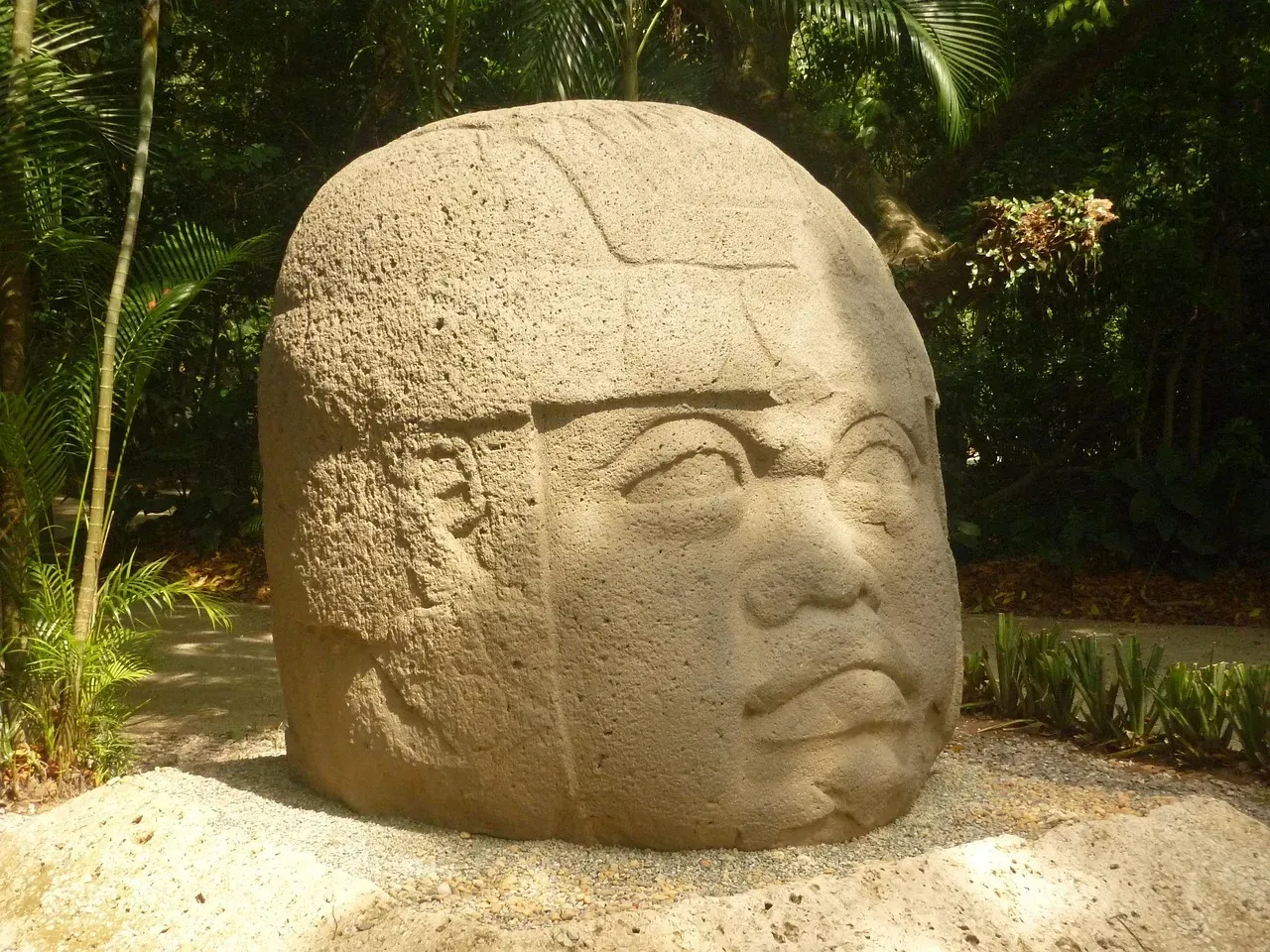
More than 1,500 years before the Maya flourished in Central America and 25 centuries before the Aztecs conquered large swaths of Mexico, the mysterious Olmec people were building the first great culture of Mesoamerica. Starting around 1200 B.C. in the steamy jungles of Mexico’s southern Gulf Coast, their influence spread as far as modern Guatemala, Honduras, Belize, Costa Rica, and El Salvador. They built large settlements, established elaborate trade routes, and developed religious iconography and rituals, including ceremonial ball games, that were adapted by all the Mesoamerican civilizations to follow. In a very real sense, the Olmec were the foundation stone of an entire cultural hemisphere.
There are virtually no records of the Olmecs, so what is known about them is only through archaeological evidence. Historians are not even sure what the Olmecs called themselves. “Olmec” is actually the Nahuatl word meaning “rubber people.” Let that sink in – we don’t even know what they called themselves. The Olmec civilization began to decline around 400 BCE, with its major cities, including La Venta, eventually depopulating over time for reasons that remain uncertain. Scholars point to environmental changes, shifting river systems, and the rise of new powers as possible causes, but no single explanation fully accounts for their disappearance.
7. The Rapa Nui: Sculptors at the Edge of the World
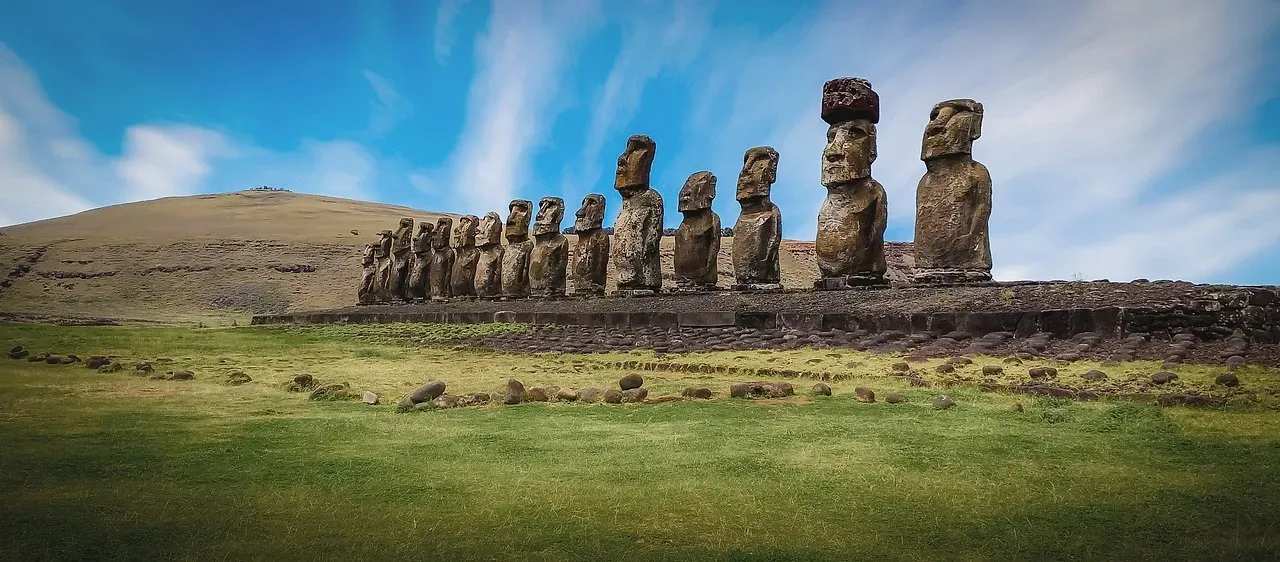
The remote island now known as Easter Island was once a thriving hub of commerce that sat along a heavily trafficked trade route through the Southern Pacific Ocean. Settled by a small group of Polynesian sailors sometime in the 9th century A.D., it is estimated that the island referred to as Rapa Nui by its native inhabitants had a population reaching 15,000. And then there are those statues – the moai. The most famous remnants of this lost civilization are, of course, the Easter Island heads. These massive stone heads weighing thousands of pounds are actually connected to a much larger body that was buried underground when Europeans first arrived on the island in the 18th century.
By analyzing charcoal fragments and the pollen in sediment cores, scientists discovered that Easter Islanders cut down almost every last tree, and that rats ate the trees’ seeds before the forest could re-germinate. This ecological catastrophe, which eliminated the ability to make rope or seagoing canoes and reduced the populace to burning grass for fuel, may have then ushered in a period of mass starvation and civil war. It’s a deeply sobering image. A civilization that literally consumed the very environment that sustained it. By the time of European arrival, the population had dwindled to a minuscule 2,000 to 3,000 people.
8. Çatalhöyük: The Hive City That Simply Emptied
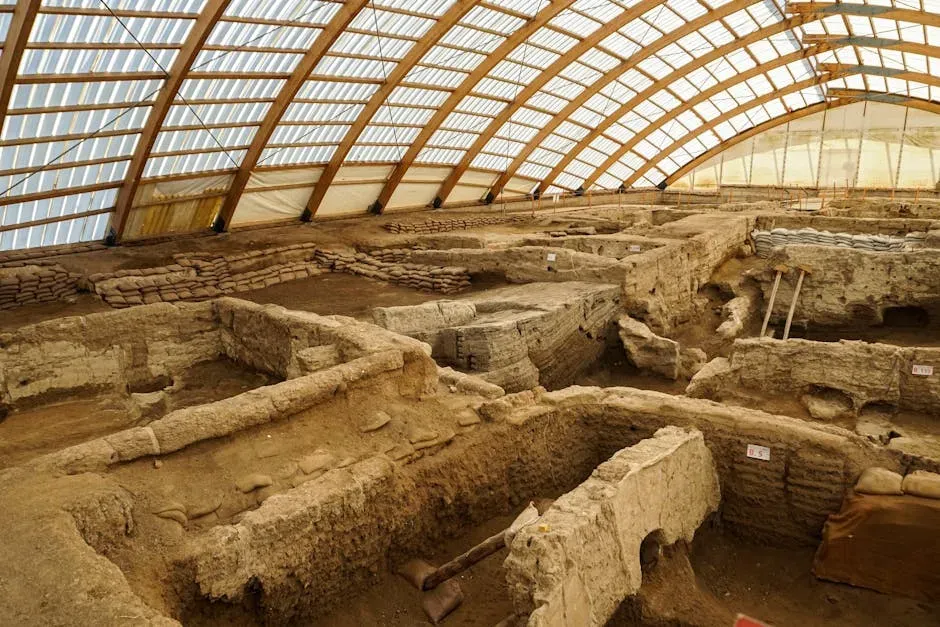
Often referred to as “the world’s oldest city,” Çatalhöyük existed in southern Anatolia from what is estimated to be 7500 BCE to 6400 BCE. It’s hard to comprehend how old that really is. This wasn’t just a village or a camp – it was a fully functioning urban community thousands of years before most other cities on earth existed. What made Çatalhöyük unique was its hive-like structure – houses were constructed next to each other and entered through holes in the roof, accessed via ladders and aerial walkways. Though the people are long gone, they left behind a wealth of items detailing their lives and rituals.
It is believed that people farmed everything from wheat to almonds outside the city walls, and got to their homes via ladders and sidewalks that traversed their rooftops. Often, these people decorated the entrances to their homes with bull skulls, and buried the bones of their honored dead beneath the packed dirt of their floors. The civilization was pre-Iron Age and pre-literate, but they nevertheless left behind ample evidence of a sophisticated society, full of art and public ritual, that was possibly 10,000 strong at many points in its 2,000 year existence. Yet why they abandoned the city remains completely unknown. Other sources assert that overcrowding and disease played a more important role. Either way, the mysterious abandonment of Çatalhöyük has historians and archaeologists scratching their heads as to the people behind it.
9. The Nabataeans: Desert Masters Who Faded Into Sand
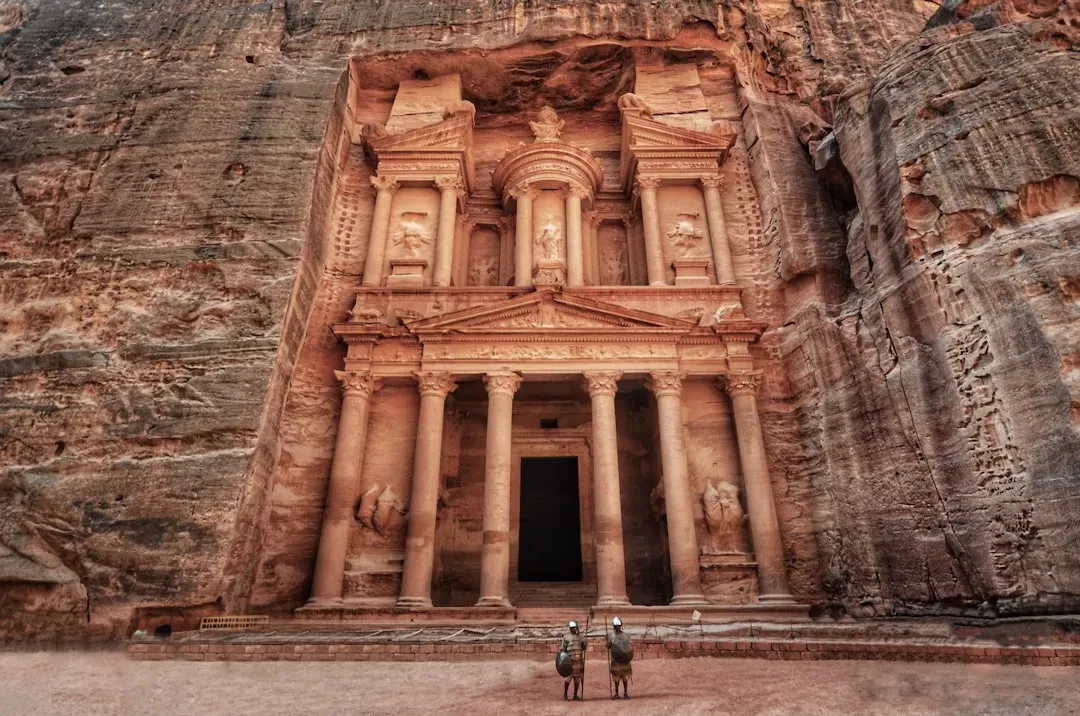
The Nabataeans were part of an ancient Semitic language group and their culture existed since at least 312 B.C. This ancient and seemingly forgotten kingdom spanned the territories of Syria, Arabia, and Palestine at one point, becoming rather massive. You almost certainly know their greatest work without knowing it was theirs – the rose-red carved city of Petra in modern-day Jordan. They established vast trade routes and commerce and became an extremely technologically advanced civilization for the day, with vast water systems which helped them survive the arid climate of Arabia. They left us massive structures which aligned with celestial bodies as other ancient cultures did, proof of an engineering genius among these people.
The Nabataeans, best known for the rock-carved city of Petra in modern-day Jordan, were brilliant traders who dominated important trade routes and acquired vast wealth through their expertise in commerce and their extraordinary hydraulic systems. Their writing eventually evolved into what became modern Arabic, which is remarkable in itself. Nabataean writing would eventually develop over the centuries to become modern-day Arabic, and it wasn’t until recently that we were able to retrace its evolution. Yet despite their innovations and influence, their culture as a distinct civilization was absorbed and erased, leaving Petra standing as a ghost monument to a people who once commanded the ancient world’s most critical crossroads.
10. The Nok Culture: Africa’s Forgotten Pioneers
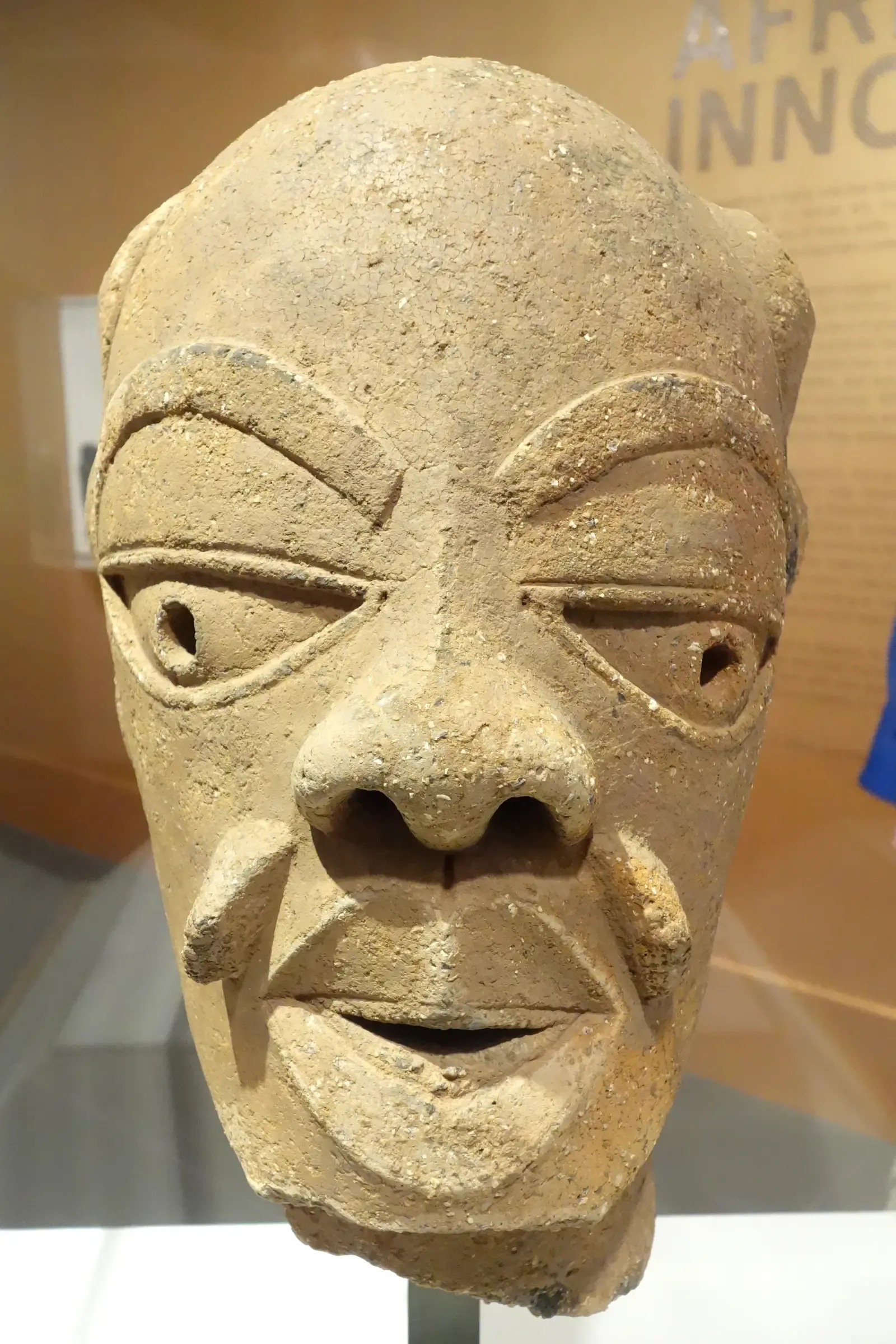
The Nok culture was remarkable for their quick adoption of iron – while other civilizations went from stone to copper to bronze to iron, the Nok jumped from stone directly to iron, an incredible achievement. This West African civilization, which thrived in what is now central Nigeria, produced some of the most remarkable terracotta sculptures the ancient world has ever seen. Their figurines are eerily lifelike, with hollow eyes and elongated forms that feel almost modern in their aesthetic sensibility. They were producing sophisticated art while most of Europe was still in the Iron Age itself.
A sharp drop in the volume of pottery and terracotta in soil layers suggests that the once-thriving Nok population declined fairly rapidly. Nor has any evidence been found which suggests a reason for their disappearance. While many theories exist, all appear to be speculation as little evidence of the Nok’s disappearance has been found. All we have are their elaborate figurines, telling of an advanced society that suddenly vanished. That image – elaborate figurines as the only witnesses to an entire civilization – is as poetic as it is devastating. It’s a reminder that history doesn’t always leave us a written record. Sometimes it only leaves you the art.
Conclusion: The Silence They Left Behind
Every civilization on this list was, at some point, as alive and noisy and complicated as our own world today. People were being born, raising children, building homes, arguing about politics, and planning for futures they assumed would always exist. Then, for reasons that still confound us thousands of years later, they simply stopped.
What you find across all ten of these stories is a kind of humbling pattern. Climate, warfare, ecological collapse, political fracture – the forces that ended these civilizations are not so different from the pressures we face right now in 2026. Why do civilizations vanish? Archaeology points to several common threads: environmental change, natural disasters, warfare, resource depletion, disease, and internal strife. Knowing that doesn’t make it less frightening. If anything, it makes it more so.
The greatest mystery may not be why these civilizations disappeared, but what they were still becoming when they did. What discoveries, what art, what ideas were lost with them? That’s the question worth sitting with. Which of these ten lost worlds surprised you the most? Tell us in the comments.