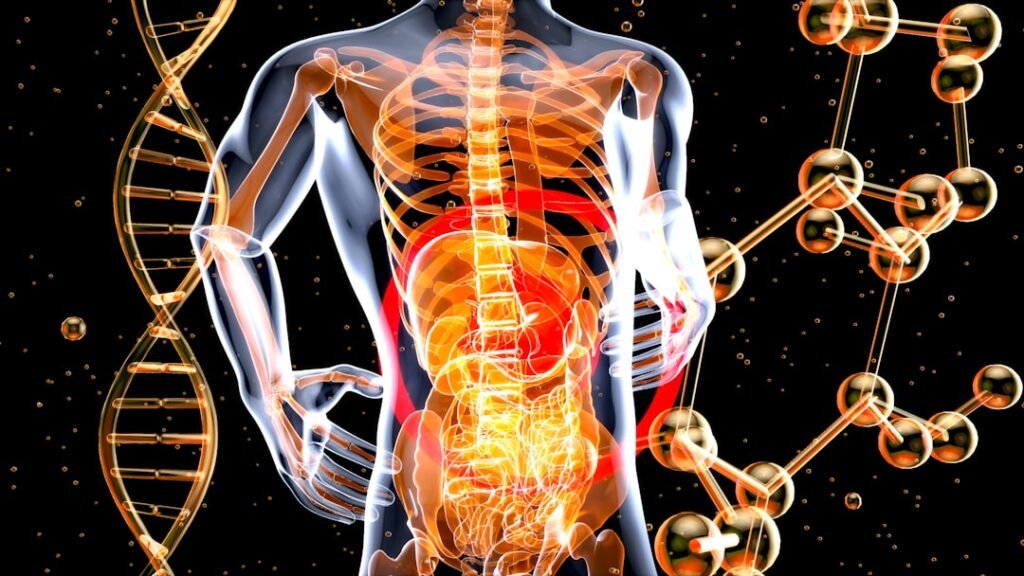

Think about the last time you got a paper cut. You probably winced, maybe grabbed a bandage, and then forgot about it. Within days, it was gone. No scar. No medication. Just your body quietly getting on with the job it was born to do. Honestly, we take that for granted in a way that is almost embarrassing when you stop and think about it.
The human body is a staggeringly sophisticated self-repair system, one that has been refined over billions of years of biological evolution. Most of us focus on what the body cannot do, what medicine needs to fix, or what is going wrong. We rarely sit with the jaw-dropping reality of what the body heals on its own, every single day, without a single instruction from us. From the deepest layers of your bones to the invisible universe of microbes in your gut, something remarkable is always happening beneath your skin. Let’s dive in.
Your Skin Is Running a Constant Renovation Project

Your skin is not just passive wrapping. Your skin, your largest organ, acts as a physical barrier against environmental threats and plays an active role in self-healing. It is basically your body’s tireless construction crew, always patching, always rebuilding, always keeping the outside world out.
When wounded, keratinocytes in the outermost layer of your skin and fibroblasts form new tissue, produce collagen, and release growth factors to regenerate damaged skin. It also uses immune cells to support a healthy inflammation response, migrate cells, and fight infection. Think of it like a well-run emergency response team that shows up before you even dial for help.
Skin cells regenerate roughly every two to four weeks. That means the skin you are wearing right now is not the skin you had last month. You are, in a very real sense, wearing a brand-new suit of armor every few weeks, all without lifting a finger.
Inflammation: The Misunderstood Hero of Healing

Let’s be real, inflammation has gotten a terrible reputation. We hear it linked to disease, aging, and chronic illness so often that it is easy to forget that inflammation is actually one of your body’s most powerful healing tools. It is not the villain. Uncontrolled, chronic inflammation is the villain. There is a big difference.
When your body is injured or encounters harmful pathogens, the first response is often inflammation. This process involves white blood cells rushing to the affected area, triggering the release of chemical signals that enhance blood flow and create a barricade against invaders. While inflammation can sometimes be uncomfortable, it is a vital part of the healing process.
At a microscopic level, when skin tissue is damaged, platelets quickly aggregate to form clots for hemostasis, followed by macrophages clearing necrotic tissue and fibroblasts secreting collagen for repair, ultimately leading to epidermal cell regeneration and completion of healing. Every step of that sequence is your body executing a flawless biological strategy, calibrated over millions of years of evolution.
The Liver: Your Body’s Most Jaw-Dropping Regenerator
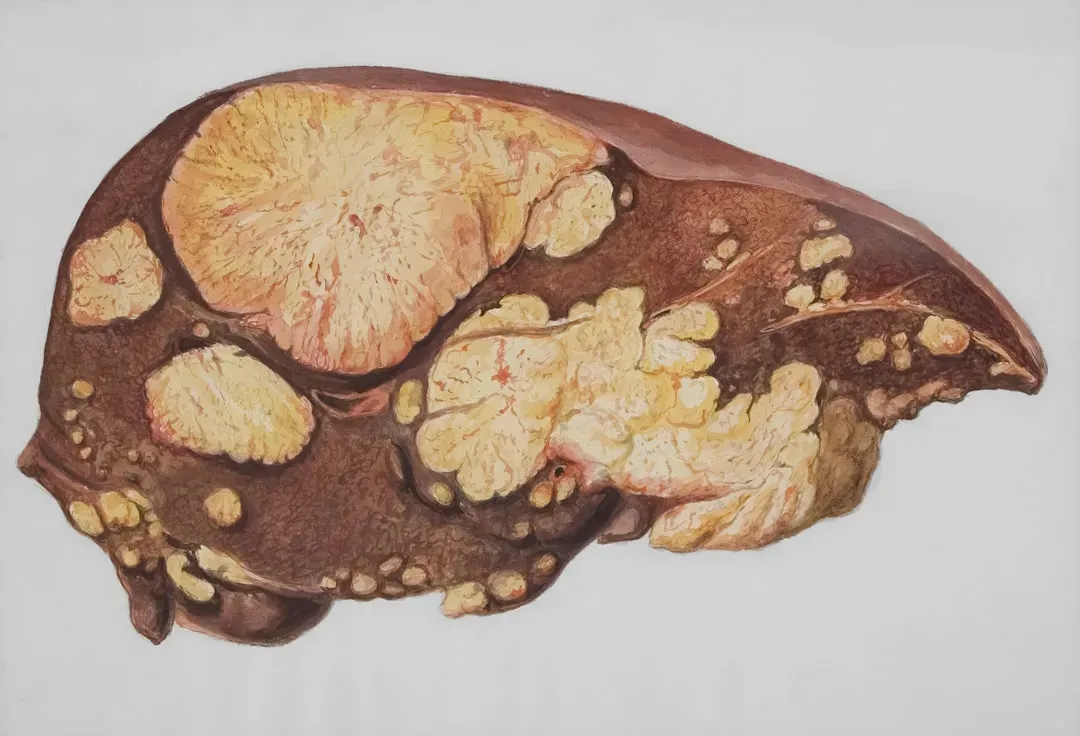
If there is one organ that deserves a standing ovation for sheer regenerative power, it is the liver. I know, it does not sound as exciting as the heart or the brain, but hear this out. The human liver is particularly known for its ability to regenerate, and is capable of doing so from only one quarter of its tissue, due chiefly to the unipotency of hepatocytes. You could remove three quarters of someone’s liver and it would still grow back. That is not medicine. That is science fiction made biological fact.
The liver is the only human organ in which differentiated cells, cells that have become fully specialized to perform specific tasks, can proliferate. In other organs, once cells become differentiated, they stop being able to divide and proliferate. This makes the liver almost uniquely miraculous in the entire human body. Liver cells regenerate in about six to twelve months, meaning the liver you have now is genuinely not the same liver you had a year ago. That concept alone should make you stop and stare at the ceiling for a moment.
Bones Rebuild Themselves With Military Precision

You break a bone. Your doctor sets it. Then your body does the rest. Sound simple? It is anything but. Bone fracture repair is a complex, multi-step process that involves communication between immune and stromal cells to coordinate the repair and regeneration of damaged tissue. It is less like patching a crack in a wall and more like rebuilding an entire architectural system from scratch.
Bone repair depends upon both acute inflammation and inflammation resolution. The acute inflammation, caused by the innate immune system, recruits monocytes, macrophages, and neutrophils to the fracture site, where they release pro-inflammatory cytokines, phagocytose dead cells, and kill pathogens. Although this initial inflammatory stage is necessary for tissue healing, inflammation resolution is then required to prevent chronic inflammation and fibrosis.
Unlike most tissues in the body, bone has the unique ability to regenerate, and this process is dependent on carefully orchestrated crosstalk between immune and stromal cells. It is a coordinated biological conversation happening entirely beneath your skin, entirely without your conscious involvement. Your only job is to eat well, rest, and get out of the way.
Your Daily Cell Turnover Is Nothing Short of Extraordinary
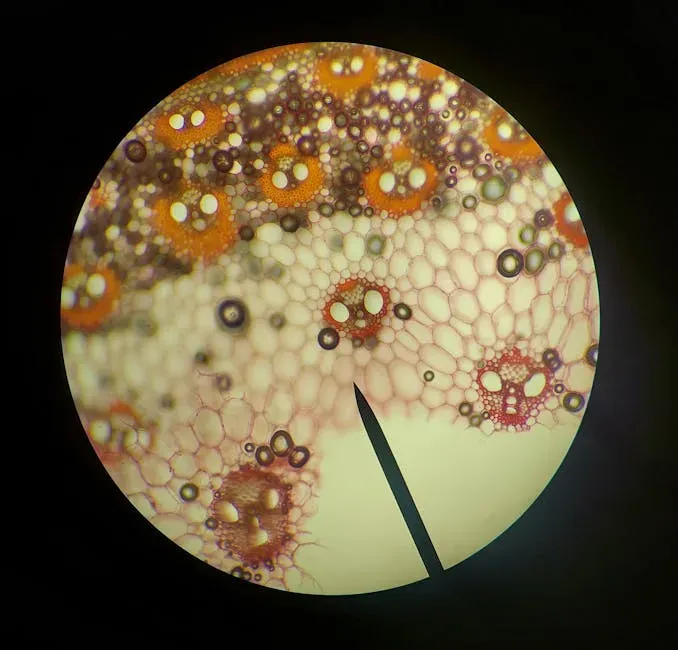
Here is something that might genuinely change the way you think about yourself. Cell regeneration refers to the body’s natural ability to replace old, damaged, or dead cells with new ones. This is not a one-time process; it happens every day, forming the foundation of regenerative health. Depending on the type of cell and the role it plays, some cells regenerate faster than others. You are not a fixed object. You are a process.
Gut lining cells renew in just four to five days. Bone cells take about ten years to fully renew. Red blood cells are replaced every three to four months. Your body is on a constant, overlapping schedule of cellular renovation, like a city that never stops rebuilding itself even while its residents keep living in it. The cell regeneration cycle is influenced by factors like age, overall health, sleep quality, stress levels, and nutrition, meaning the choices you make every day are actively steering this process.
The Gut Microbiome Heals More Than Just Your Stomach
Your gut is home to trillions of microorganisms, and they are not just quietly living in there. Trillions of bacteria reside in the human gut and have been shown to play a crucial role in gut-brain communication through an influence on neural, immune, and endocrine pathways. Think of your gut as a second command center, running a constant stream of information up to your brain and back. The connection goes far deeper than most people realize.
In addition to microbes, the gut-brain axis involves the vagus nerve, hormones, immune cells, neurotransmitters, and metabolites, all of which work together to allow bidirectional communication between the gut and brain. Disruptions to the gut microbiome, say by infection or a change in diet, can trigger reactions in the body that may affect psychological, behavioral, and neurological health. For example, reactions such as the overproduction of inflammatory cytokines or slowed production of neuroactive metabolites have been implicated in depression. Your gut is not separate from your healing. It is central to it.
The Mind-Body Connection Is a Real Biological Force

This one tends to raise eyebrows, but the science is increasingly clear. The intrinsic capacity for self-healing can be improved through behavioral and medical approaches, such as hypnosis, biofeedback, exercise, relaxation, imagery, stress regulation, mindfulness practices, and nutrition, and a healthy lifestyle. That is not a wellness blog talking. That is the published medical science.
Patient empowerment and active engagement are major determinants of health outcomes. An overwhelming body of literature has shown that confidence in one’s ability to do something, that is, self-efficacy, is a powerful predictor of success. More and more studies have shown the importance of whether patients believe they can influence their own health outcomes. People who think they can influence their own outcomes fare better than those who believe that what they do does not matter. Your mindset is not just motivation. It is physiology.
In many ways, you have control over your physiology, environment, and behavior. By understanding the way your body is constantly working to keep you healthy and supporting those healing systems with intentional choices, you can also have control over your health outcomes. That should feel both empowering and a little humbling at the same time.
Conclusion: Your Body Is Already Working for You

There is something quietly profound about recognizing that your body has never stopped trying to heal itself. Not for one single second. While you sleep, stress, skip meals, and scroll through your phone, an army of cells, signals, and biological systems is laboring away on your behalf. Self-healing is the main bridge between treatment and health. It goes beyond traditional medicine, from back-end disease treatment models to front-end disease prevention, and evokes an individual’s power of self-recovery.
The modern success of medicine has allowed it to forget the fundamental principle that ultimately no drug or surgery actually heals: its value is in reducing pain and distress, returning acceptable function, and at best enabling spontaneous repair to occur when it had previously been prevented. Medicine and self-healing are not opposites. They are partners. The doctor sets the stage, but your body is always the one performing.
We live in an age obsessed with hacks, supplements, and interventions. Yet the most sophisticated healing technology in human history is already running inside you, right now, quietly and without applause. Maybe the most important thing you can do today is simply stop undermining it. Rest more. Eat better. Manage your stress. Your body is already doing its part. The real question is: are you doing yours?