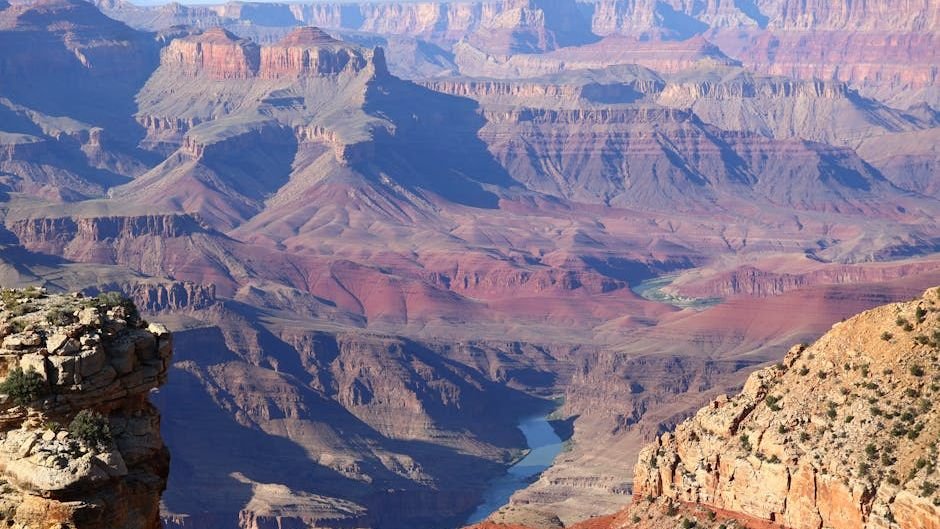

You’ve probably seen the photos. That sweeping, burnt-orange chasm stretching across the Arizona landscape, so massive it almost looks fake. Most people who visit stand at the rim, snap a picture, and assume they’ve grasped it. Honestly, they’ve barely scratched the surface. What lies beneath those towering walls is one of the most complex, contested, and endlessly fascinating geological stories on planet Earth.
For geologists, the Grand Canyon is one of the most spectacular natural laboratories on the planet. Its formations embody the enormity of geological time, and its vast size and intricately structured towers and walls demonstrate the immense power of erosion. Scientists have been studying it for well over a century, and they’re still rewriting the textbook. So let’s dive in.
A Canyon With More Layers Than You Can Count – Literally
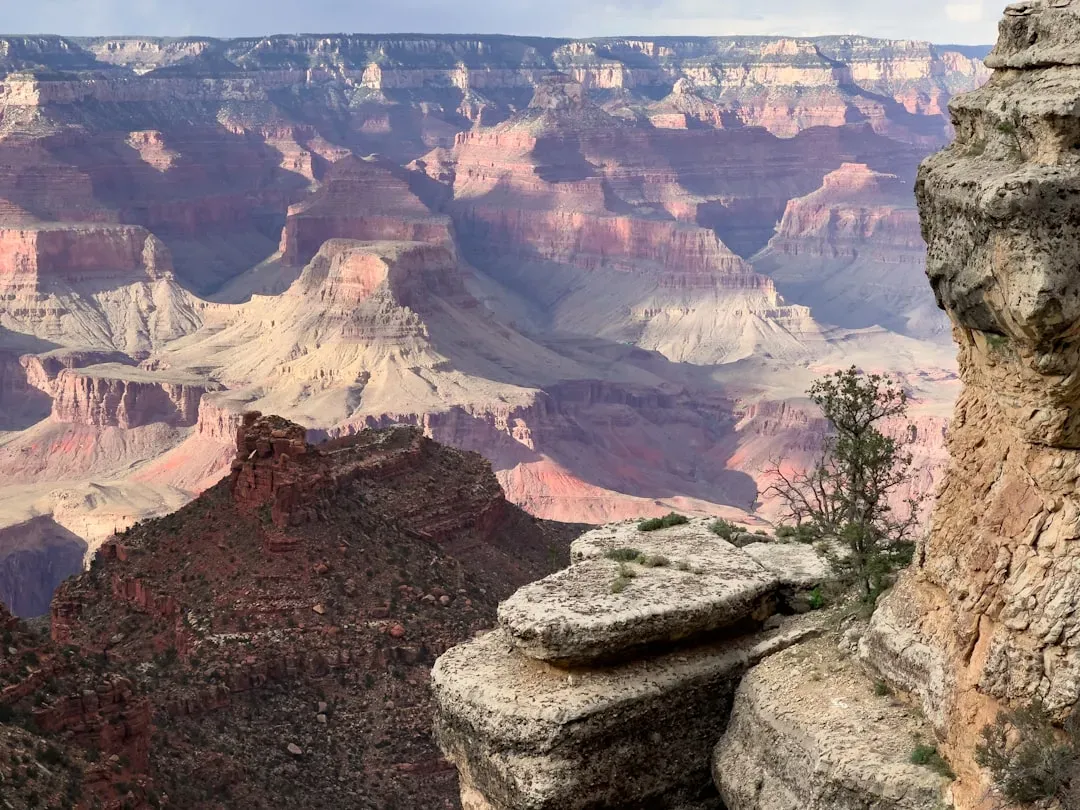
You might think that standing at the edge of the Grand Canyon gives you the full picture, but you’d be surprised. When you stay at the South or North Rim tourist areas and hotels, you only see about one tenth of the canyon. That’s a humbling thought. It’s a bit like reading the title of a book and thinking you know the whole plot.
The geology of the Grand Canyon area includes one of the most complete and studied sequences of rock on Earth. The nearly 40 major sedimentary rock layers exposed in the Grand Canyon range in age from about 200 million to nearly 2 billion years old. Most were deposited in warm, shallow seas and near ancient, long-gone shorelines in western North America. Those layers tell a story that spans environments you’d barely recognize, from tropical seas to vast Sahara-like deserts.
The Age Debate That Just Won’t Quit
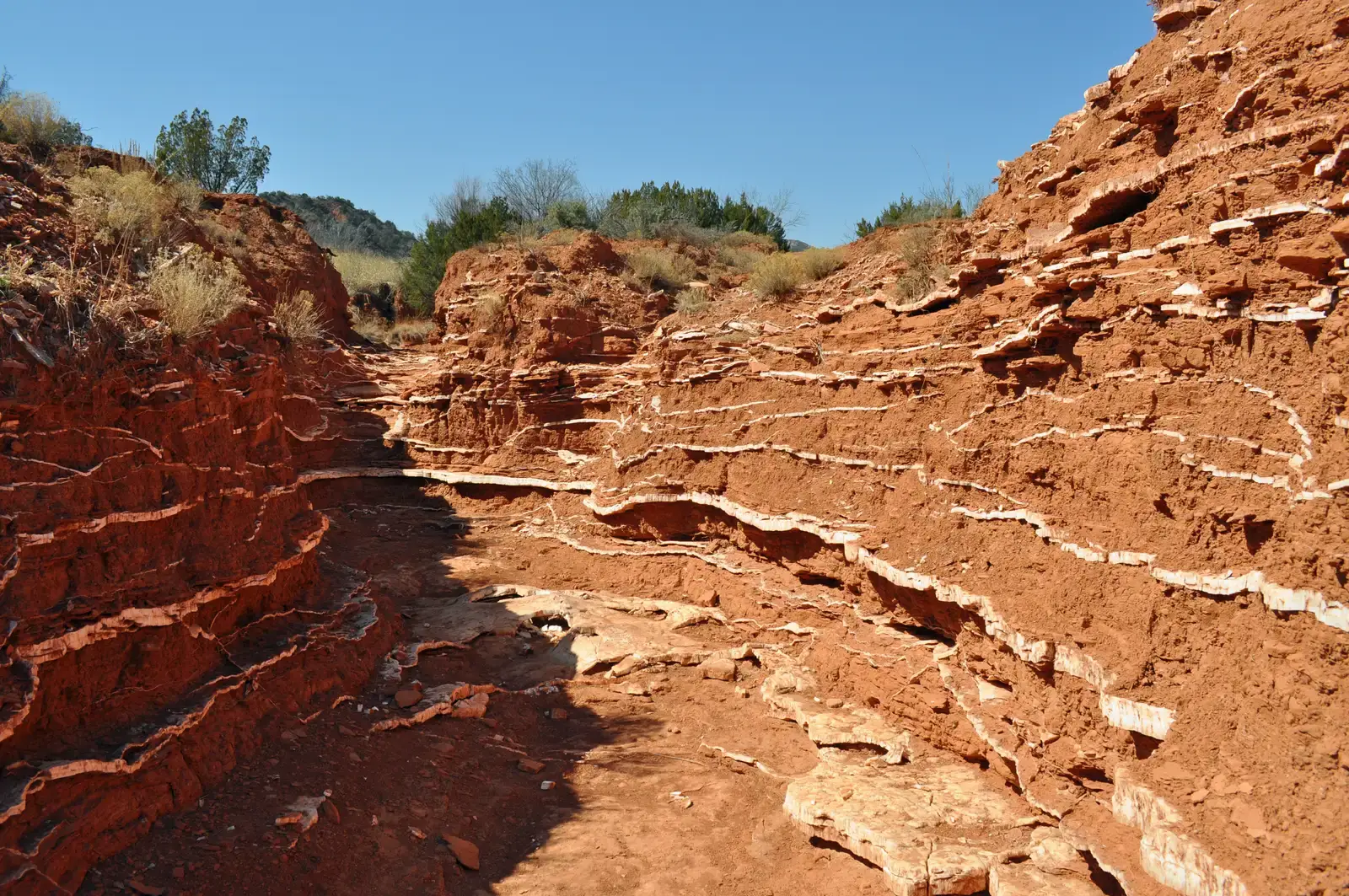
For nearly 150 years, scientists have been debating how and when the Grand Canyon formed. In recent decades, they’ve mostly split into two camps: those proposing a “young canyon” model in which the Colorado River alone carved much of the gorge in the past five million years or so, and those suggesting an “old canyon” model in which a series of ancient rivers carved it much earlier. Let’s be real, that’s a disagreement spanning tens of millions of years.
Like several previous researchers, scientists found that different parts of the canyon formed at different times. One of the oldest segments, named the Hurricane segment after a famed geological fault, lies in the western portion of the canyon. Data suggest that this stretch had been carved to about half its current depth between 70 and 55 million years ago. Erosion hadn’t started etching a section geologists call “Eastern Grand Canyon” until some 25 million years ago. Think of the canyon less like one single sculpture and more like several ancient works, stitched together over vast stretches of time.
The Great Unconformity – Where a Billion Years Simply Vanished
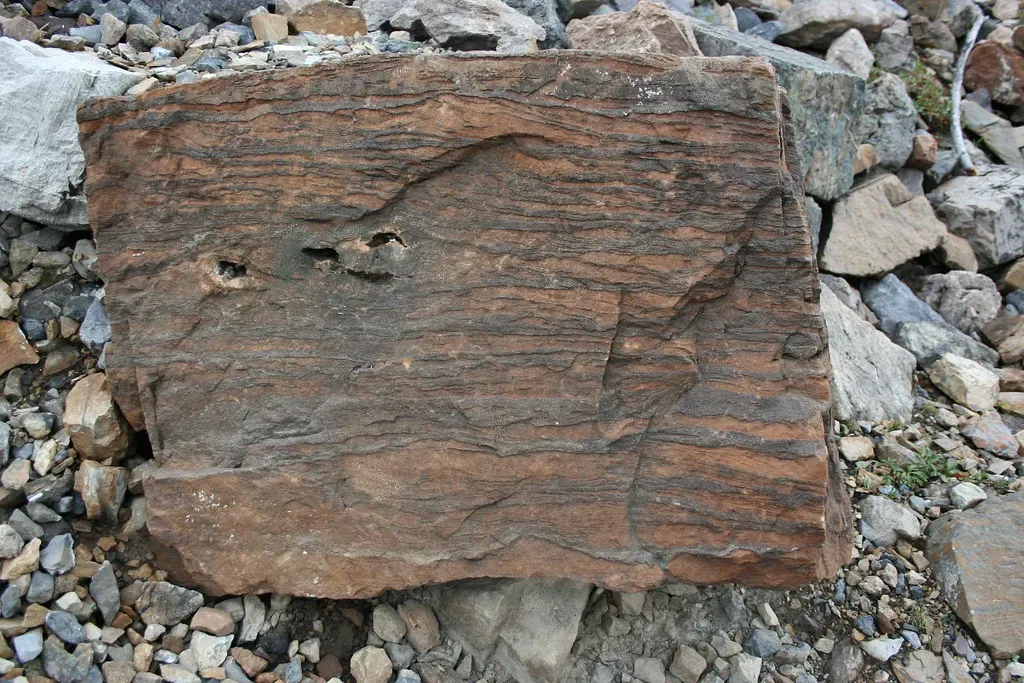
For more than a century, geologists have puzzled over the Great Unconformity – a gap in the rock record where, all over the world, hundreds of millions of years are missing, as if Earth tore out chapters of its own history. In the Grand Canyon, 500-million-year-old rocks sit directly on top of rocks that are more than 1 billion years older. That’s not a typo. An entire billion years, gone.
There is currently no widely accepted explanation for the Great Unconformity among geoscientists. There are hypotheses that have been proposed, and it is widely accepted that there was a combination of events which may have caused this extensive phenomenon. One example is a large glaciation event that took place during the Neoproterozoic, starting around 720 million years ago. This is also when a significant glaciation event known as Snowball Earth occurred. Imagine nearly the entire planet glazed in ice. That’s one theory for how so much geological time simply disappeared.
The Supercontinent That May Have Erased Earth’s Memory
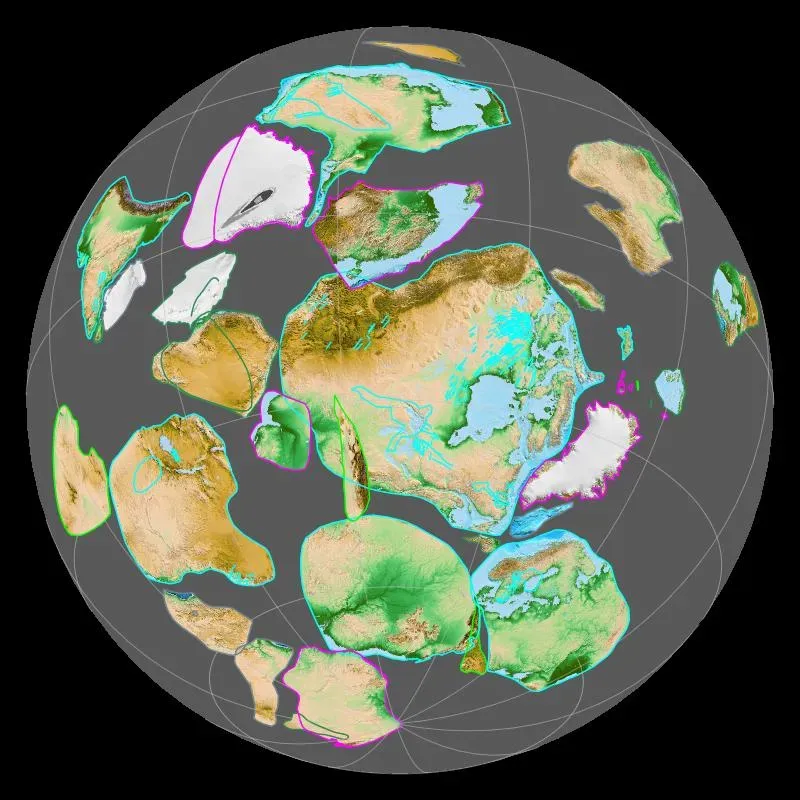
According to researchers, a series of small faulting events occurred when Rodinia – the supercontinent that preceded the more-famous Pangea – broke apart approximately 700 million years ago. The violent faulting likely tore up land around the canyon, causing rocks and sediment to wash away into the ocean. Honestly, it’s staggering to think one ancient continent’s breakup could leave a scar still visible in Arizona today.
The size of the Great Unconformity also differs across the canyon, with a smaller gap to the east. At its smallest, the gap covers about 250 million years. At its largest, 1.2 billion years of rock is missing. The overall picture suggests that the western half of what is now the canyon rose to the surface about 700 million years ago; the eastern half rose closer to 500 million years ago. The canyon’s eastern and western sides essentially have two different life stories, and scientists are still piecing both of them together.
The Colorado River’s Role – A Carver Still at Work
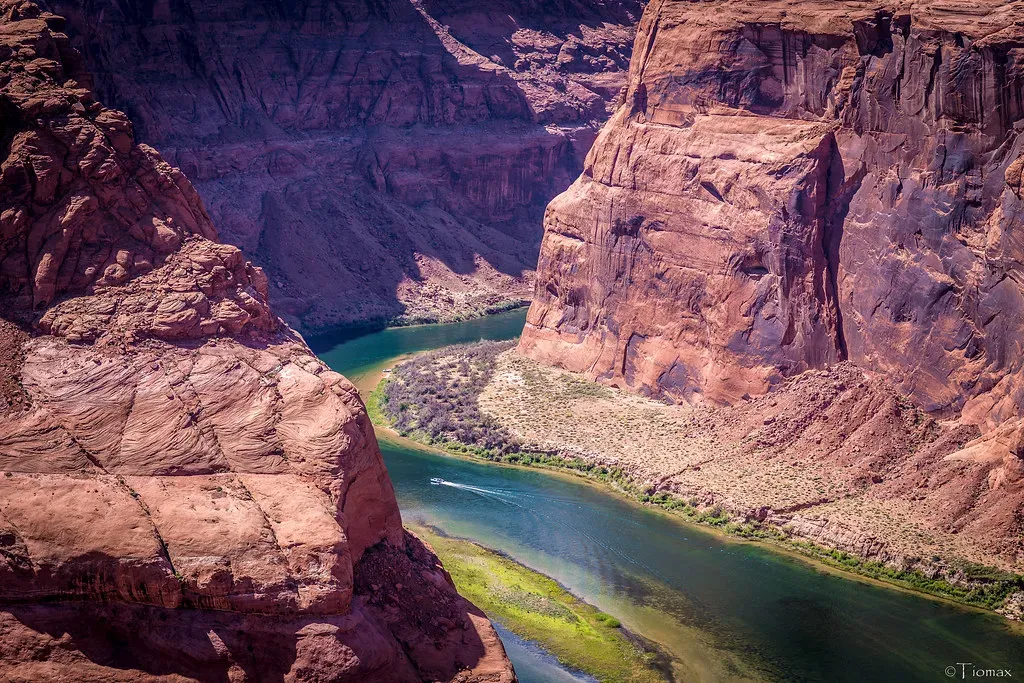
The Colorado Plateau is an uplifted area of flat plains, broad mesas, great canyons, and spectacular vistas. As the plateau rose, the Colorado River cut its way downward, creating the mile-deep chasm of the Grand Canyon. This extraordinary depth resulted from the powerful erosion of the river, and its power to erode is a consequence of its steep drop combined with the rapid uplift of the plateau. Water and rock in a slow-motion battle, playing out over millions of years.
The base level and course of the Colorado River changed 5.3 million years ago when the Gulf of California opened and lowered the river’s base level. This increased the rate of erosion and cut nearly all of the Grand Canyon’s current depth. The river continues to be an agent of change, reshaping the canyon over time, and the canyon isn’t fully formed as long as there is water flowing. That’s right – the Grand Canyon is still being carved, even today.
Fossil Discoveries That Keep Rewriting the Story
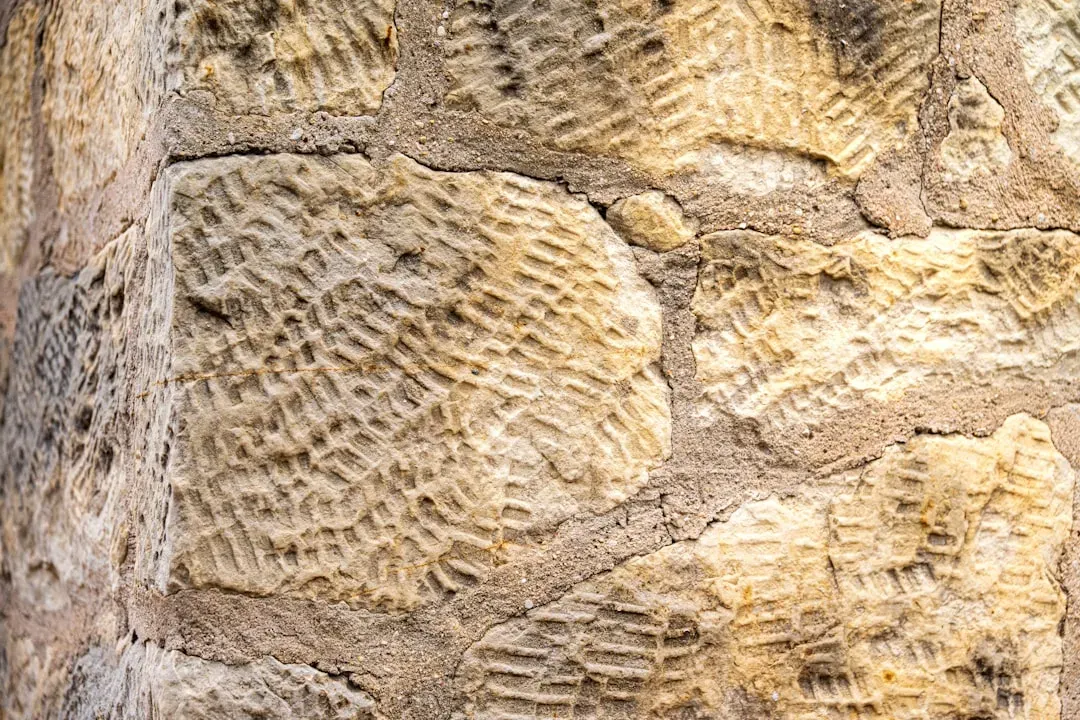
The Tonto Group holds a treasure trove of sedimentary layers and fossils chronicling the Cambrian Explosion some 540 million years ago, when the first vertebrates and animals with hard shells rapidly proliferated and sea levels rose to envelop continents with emerging marine life. I think that concept alone, standing above layers that once sat at the bottom of an ancient ocean teeming with the earliest complex life, is almost impossible to fully absorb.
The Grand Canyon has revealed the first soft-bodied, or non-mineralized, Cambrian fossils from an evolutionary ‘Goldilocks zone’ that would have provided rich resources for the evolution of early animals to accelerate. The results were reported in the journal Science Advances. Researchers noted that these rare fossils give a fuller picture of what life was like during the Cambrian period. These weren’t found in harsh, oxygen-poor environments as expected. They were found in a zone where ancient life actually flourished, making the discovery all the more remarkable.
Lava Flows, Tectonic Uplift, and the Canyon’s Hidden Fire
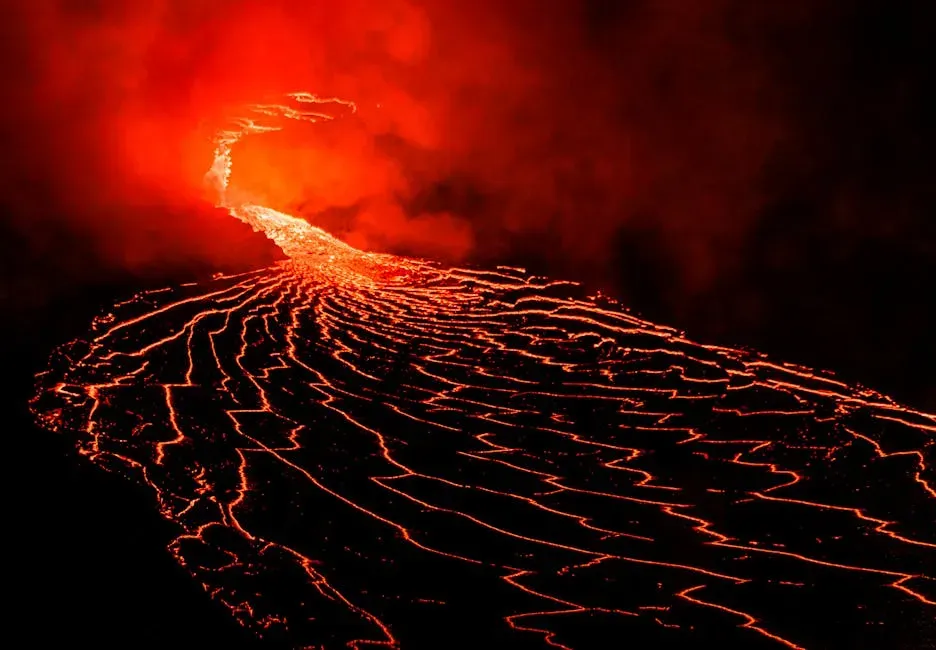
Between 100,000 and 3 million years ago, volcanic activity deposited ash and lava over the area, which at times completely obstructed the river. These volcanic rocks are the youngest in the canyon. Picture a natural lava dam, tall and steaming, blocking the Colorado River mid-flow. It sounds dramatic because it was, and the geological evidence for it is plastered right on the canyon walls.
There are three periods of uplift in the last 70 million years and geologists are trying to figure out the relative importance of each of those three periods. One of the most exciting things that has happened recently is that it looks like the upwelling of hot mantle material in the western Grand Canyon helped carve and deepen the western part of the canyon. Hot mantle material rising from deep within the Earth, essentially helping sculpt one of the world’s most iconic landscapes from below. That’s a geological detail most visitors never hear about.
Modern Science Is Still Rewriting the Textbooks
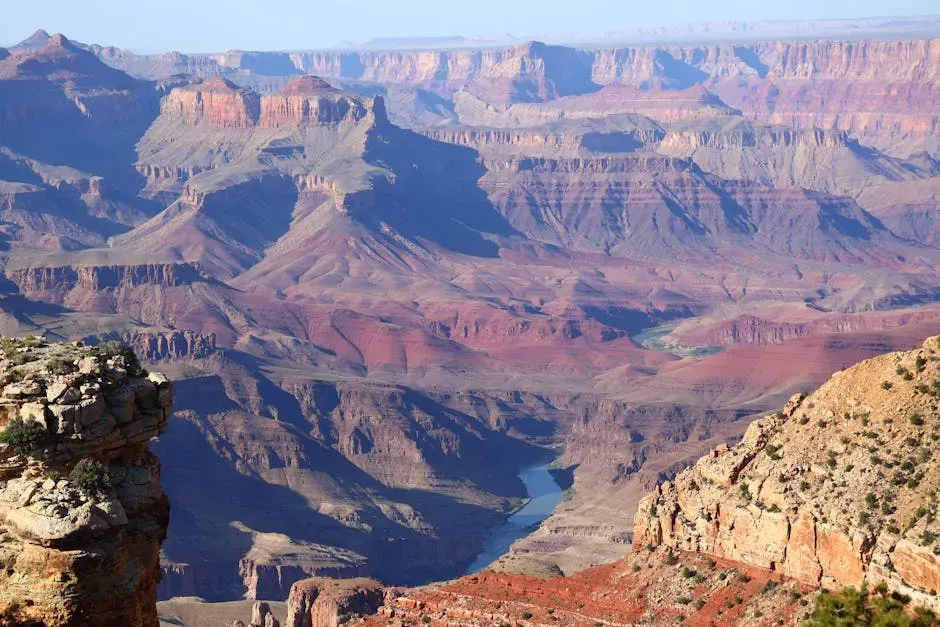
Researchers recently reported their efforts in a paper selected as the cover story of the November 2024 print issue of the Geological Society of America’s GSA Today. The Grand Canyon has been described as “an epic Rosetta Stone for geology.” It’s a comparison that truly holds up, because just like the Rosetta Stone unlocked an ancient language, every new study of the canyon unlocks a chapter of Earth’s deeper past.
As part of ongoing research, scientists have redated the Cambrian timescale, which helps understand how old the canyon’s rocks are. In their efforts to map out the canyon’s geological history, new tools have played a crucial role. Technology like three-dimensional scanning has allowed researchers to create detailed, accurate models of the canyon’s rock formations. The tools available today would have seemed like pure science fiction to the early explorers who first mapped the canyon on foot more than 150 years ago.
Conclusion: A Rock Record That Humbles Everyone Who Studies It
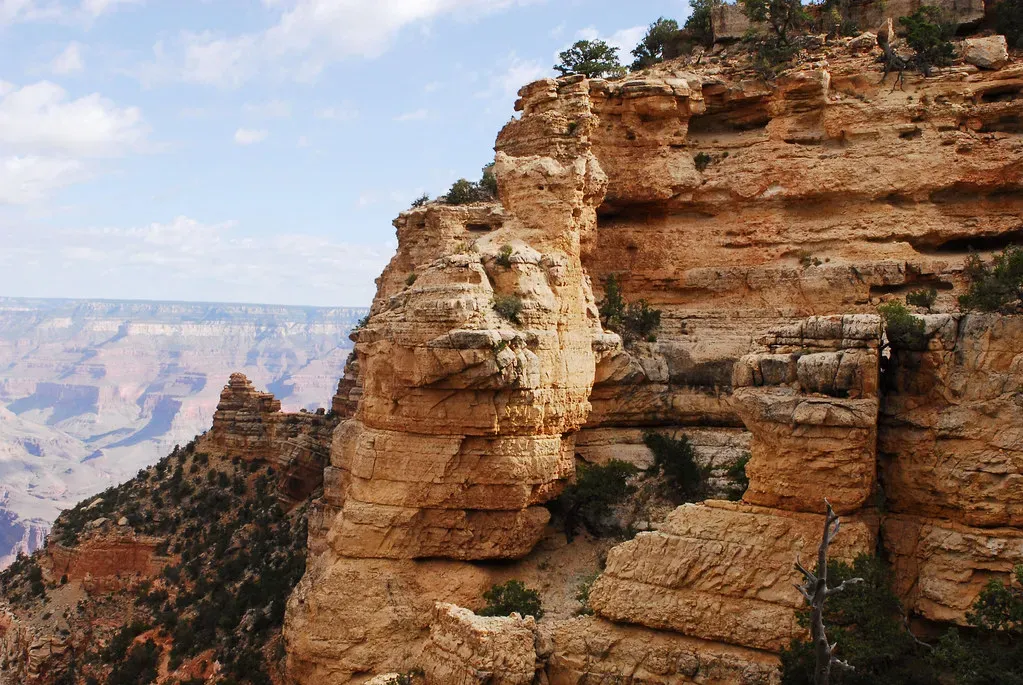
Here’s the thing about the Grand Canyon: the more you learn, the more you realize how much is still unknown. It’s a place where billion-year-old mysteries sit right next to yesterday’s scientific breakthroughs. Although the vertical mile of rock revealed in the Grand Canyon looks like a spectacularly complete rock record, more time is missing in it than is preserved. While it is tempting to equate missing time with unknown events, this is not entirely true, because by looking at the rock layers on either side of an unconformity, a geologist may deduce significant events that occurred in the gap.
Scientists are genuinely still unraveling this place, layer by layer, fossil by fossil, and question by question. The main reason the canyon cannot be completely understood is because of its immense size, but also because the Colorado River is constantly tearing away at the walls and removing the evidence for its earliest history. It’s almost poetic, really. The very force that created the canyon is also slowly erasing its own origin story.
The Grand Canyon isn’t just a beautiful hole in the ground. It’s Earth’s autobiography, written in stone, and we’re still learning to read it. What surprises you most – that scientists debate its age by tens of millions of years, or that a whole billion years of rock simply vanished without a definitive explanation? Drop your thoughts in the comments.