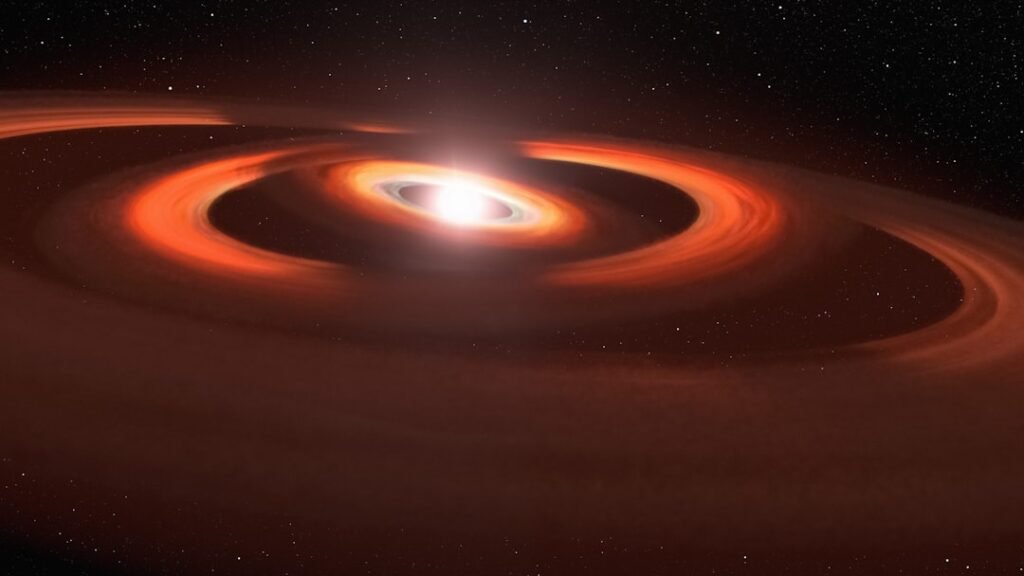
Imagine looking at a star so ancient that it was already old before our Sun even existed. These ancient lights are like cosmic fossils, carrying in their atmospheres the chemical fingerprints of a universe that had only just begun. When astronomers study them, they are not just collecting data; they are listening in on the very first chapters of everything we know.
We used to think that the early universe was mostly a featureless fog of hydrogen and helium, gradually clumping into the first stars. Now, thanks to extreme telescopes, space observatories, and some wildly clever analysis, we’re learning that the oldest stars tell a much more dramatic story. It’s a tale of violent births, titanic explosions, and delicate chemical traces that survived for more than thirteen billion years to reach our eyes today.
The First Stars: Giant, Short‑Lived, and Invisible to Us
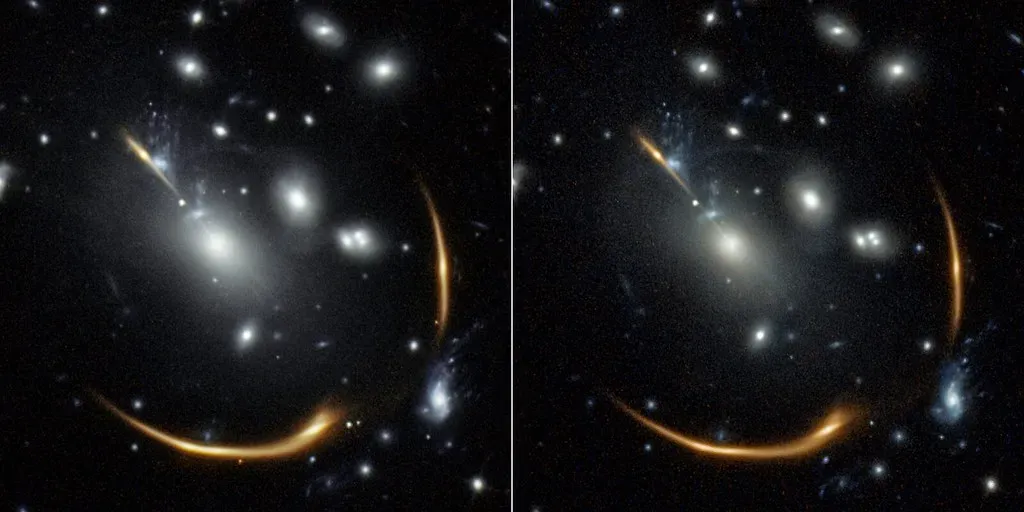
The oldest stars we can see are not actually the first stars that ever existed. Those very first generations, often called Population III stars, were probably enormous – many dozens or even hundreds of times the mass of our Sun – and burned through their fuel in just a few million years. They formed from a universe that contained almost nothing but hydrogen and helium, with no heavier elements to help cool the gas and form small, gentle stars like our Sun.
Because those primordial monsters lived fast and died young, none of them have survived to the present day. They ended their lives in spectacular supernova explosions or even collapsed into black holes, erasing almost every direct trace of themselves. What we can see, however, are the next generations of stars that formed from the ashes of those first explosions, carrying in their atmospheres the chemical scars of that violent beginning.
Ancient Stars Hiding in Plain Sight in Our Own Galaxy
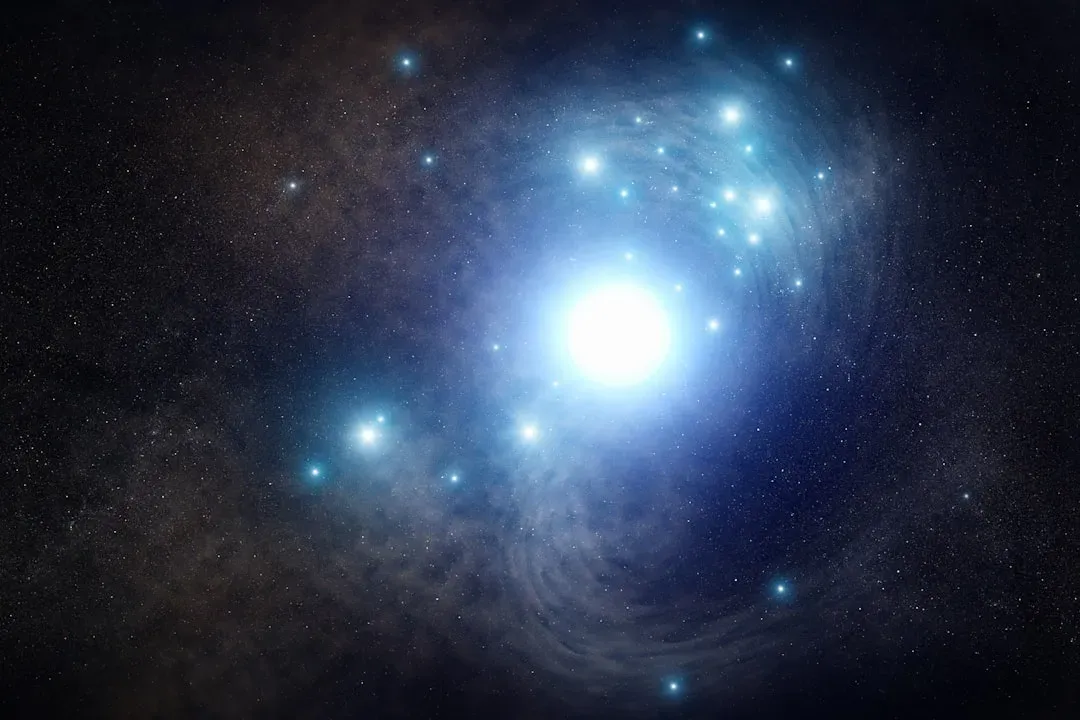
It sounds romantic to imagine the oldest stars as faraway beacons at the edge of the cosmos, but some of them are actually lurking in our own Milky Way. Many of the most ancient stars so far discovered sit in the galactic halo, a sparse, faint cloud of stars that surrounds the bright spiral disk where we live. They’re dim, unassuming, and easy to overlook – more like dusty attic relics than fireworks in the night sky.
Over the past couple of decades, astronomers have used massive sky surveys to sift through millions of stars and pick out the rare ones with extremely low amounts of heavy elements. These so‑called ultra metal‑poor stars are among the oldest objects we know, sometimes formed less than a billion years after the Big Bang. It’s slightly unsettling to realize that, while we go about daily life, some of the universe’s earliest survivors are quietly orbiting with us in the same galaxy, like elders who never got around to telling their stories until someone finally asked.
The Chemical Fingerprints That Reveal a Star’s True Age
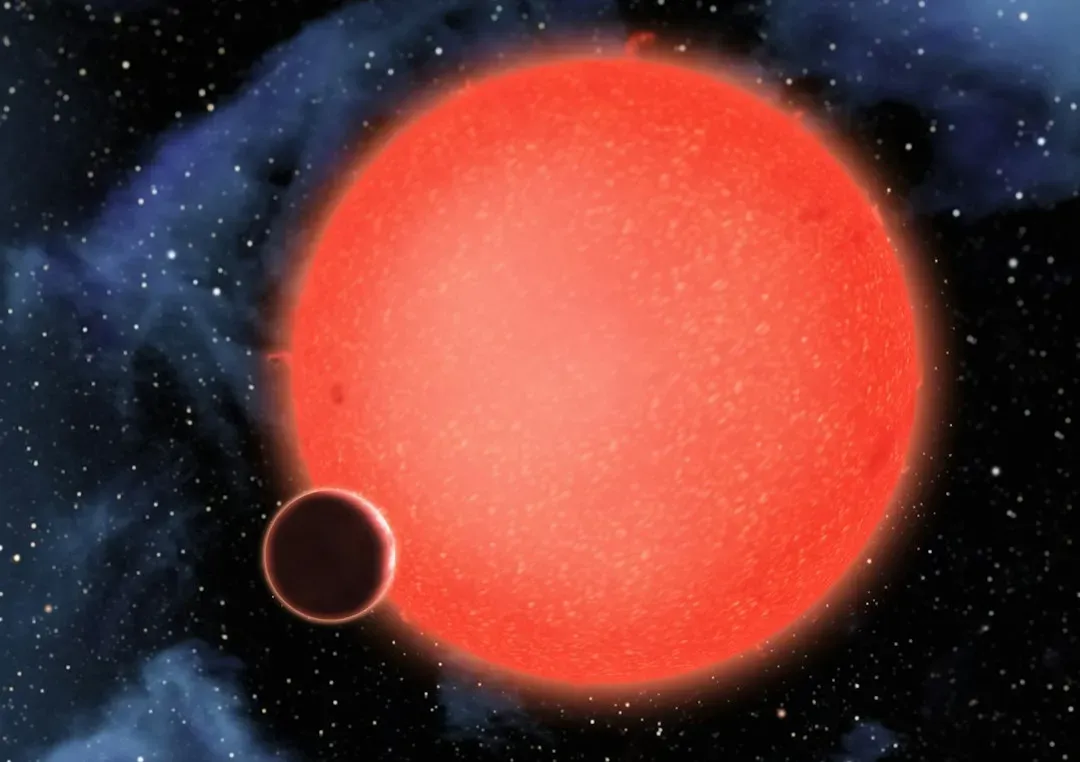
If you pointed a spectrograph at one of these ancient stars, you’d see its light split into a barcode of dark lines, each corresponding to a chemical element. The oldest stars have almost no “metals” – in astronomy, that means anything heavier than helium – making them incredibly chemically primitive. When astronomers compare the amounts of elements like carbon, oxygen, magnesium, or iron, they can reconstruct what kind of supernova explosions seeded the gas that formed the star.
Some of these chemical patterns are eyebrow‑raising. A few stars show a lot of carbon but very little iron, suggesting they were formed from gas enriched by a very specific kind of early supernova that blew light elements into space while trapping heavier ones in the remnant. Others have odd ratios of elements that don’t quite fit the standard models, hinting that the first generations of stars were more diverse and chaotic than we once thought. It’s like finding a fossil with a bone structure no one predicted and having to redraw an entire branch of the evolutionary tree.
What These Stars Reveal About the Birth of Galaxies
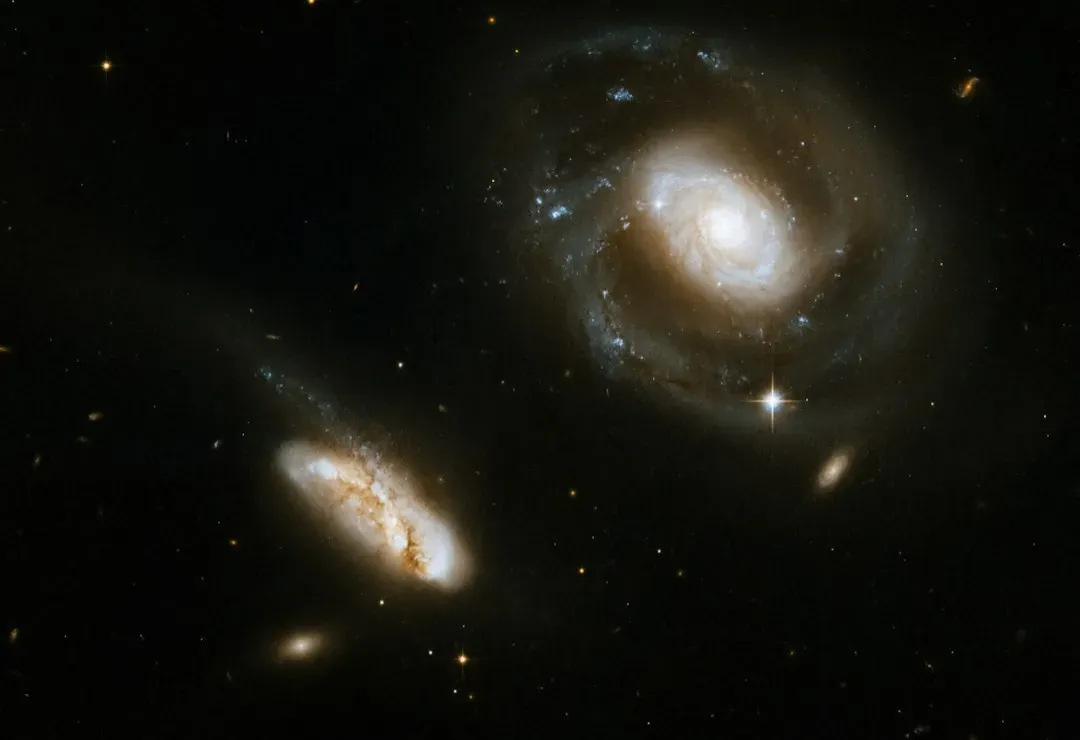
These ancient stars are more than just curiosities; they are clues to how entire galaxies formed and grew. Many of them move on wide, elongated orbits that don’t match the smooth rotation of the Milky Way’s disk, suggesting they were born in small, early galaxies that were later swallowed by our own. When you track their motions and ages together, you can literally see the merger history of the Milky Way written across the sky.
In the last few years, astronomers have used data from missions like Gaia to map the positions and motions of these stars with incredible precision. Patterns have emerged that point to ancient collisions, like the long‑ago merger of a dwarf galaxy often nicknamed the Gaia‑Sausage or Gaia‑Enceladus structure. These collisions did not just add stars; they stirred up gas, triggered new waves of star formation, and helped build the Milky Way into the sprawling spiral we inhabit today.
Connecting the Oldest Stars to the Cosmic Web

Zoom out from our galaxy, and the universe looks like a giant three‑dimensional web: long filaments of dark matter and gas with galaxies threaded along them like beads on strings. The oldest stars in ultra‑faint dwarf galaxies and in the galactic halo are relics from the earliest strands of that web. They formed in tiny, fragile clumps of dark matter that lit up briefly and then were torn apart or merged into larger systems.
By studying the chemistry and ages of these stars, cosmologists test their simulations of how the cosmic web grew from tiny fluctuations after the Big Bang into the huge structures we see today. When the models get the numbers right – the fraction of ultra‑metal‑poor stars, the strength of certain chemical signatures, the timing of star formation – it means our story of cosmic structure formation is on track. When they don’t, it forces a rethink, sometimes on really deep questions like how efficiently the first stars formed or how early black holes began shaping their surroundings.
New Eyes on Old Light: Telescopes Transforming the Story
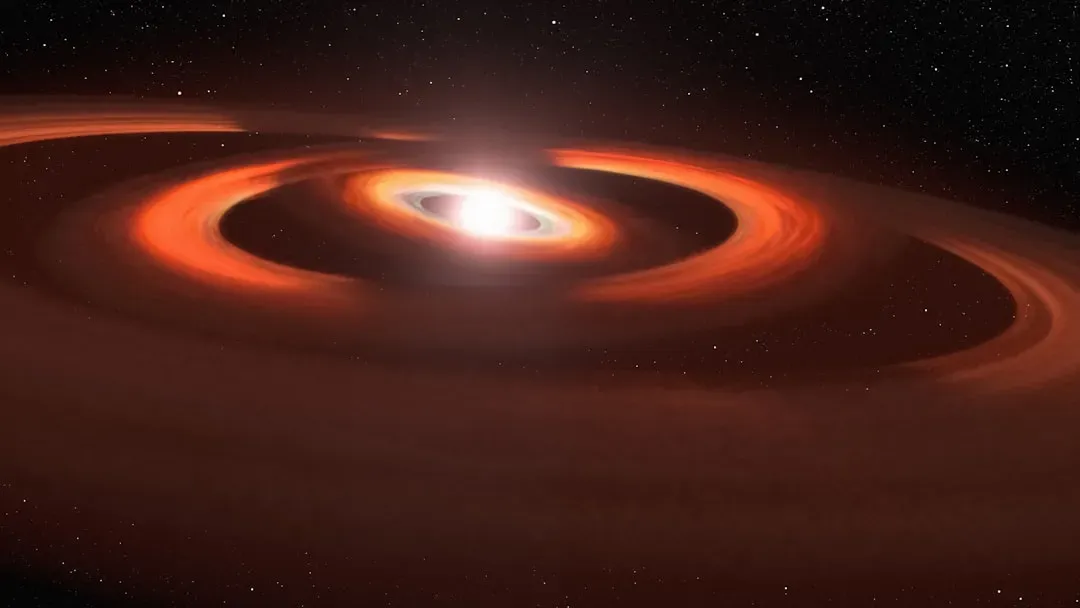
Over the past few years, a new generation of telescopes has completely changed what we can learn from these ancient stars. Powerful instruments on large ground‑based observatories can dissect the light of very faint stars and measure tiny traces of elements that were previously out of reach. Meanwhile, space telescopes looking deep into the early universe are spotting young galaxies whose stars are only a few hundred million years old, letting us compare living fossils in our galaxy with fresh snapshots of the early cosmos.
Sometimes the two lines of evidence don’t quite agree, and that’s where things get exciting. Observations of unexpectedly bright, massive galaxies in the very early universe have pushed theorists to consider that star formation might have been more intense and complex than assumed. The chemical clues locked in old stars in our backyard help cross‑check those distant observations, tying together local, detailed measurements with remote, large‑scale views.
Why the Universe’s Oldest Stars Matter for Us
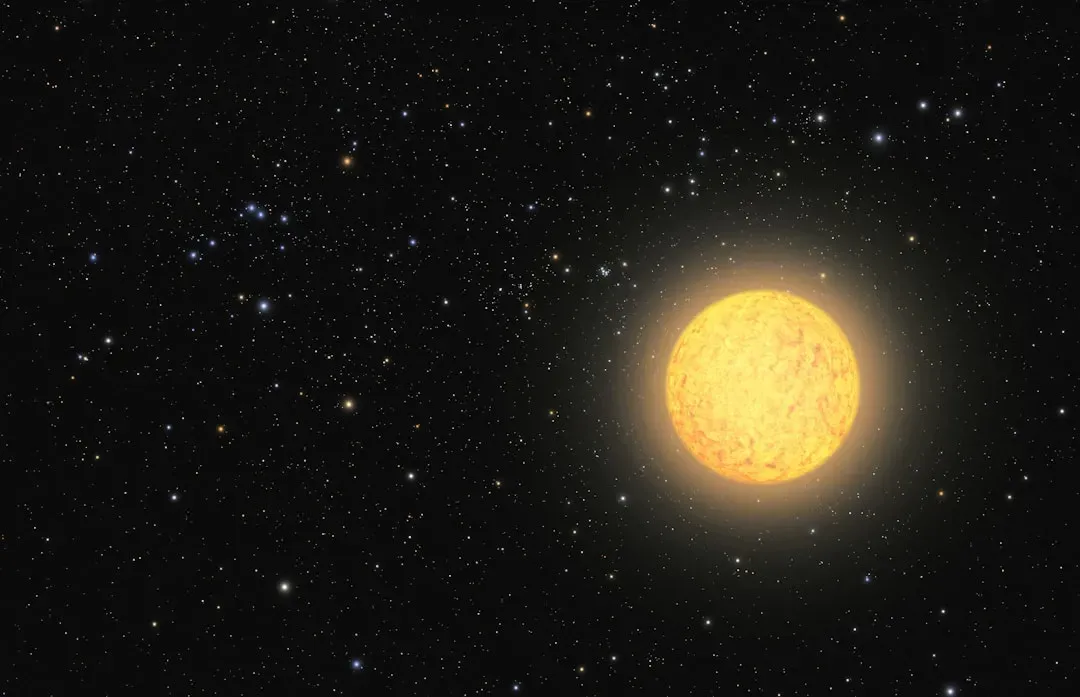
At first glance, it might feel like these ancient stars are too far removed from everyday life to matter, but they quietly define our place in the story. Every atom of calcium in your bones and iron in your blood was forged in stars, most of them in generations that followed those earliest explosions. By tracing the history written into the oldest stars, we trace the lineage of the elements that make up planets, oceans, and people.
On a more personal level, there’s something strangely grounding about knowing that nearby, in the same galaxy, shine stars that remember a universe before galaxies fully existed. They remind us that we arrived late to the party, but not too late to listen. Each time we decode the chemical pattern of one more ancient star, we sharpen the story of how a simple, nearly featureless universe turned into one filled with complexity, color, and eventually consciousness.