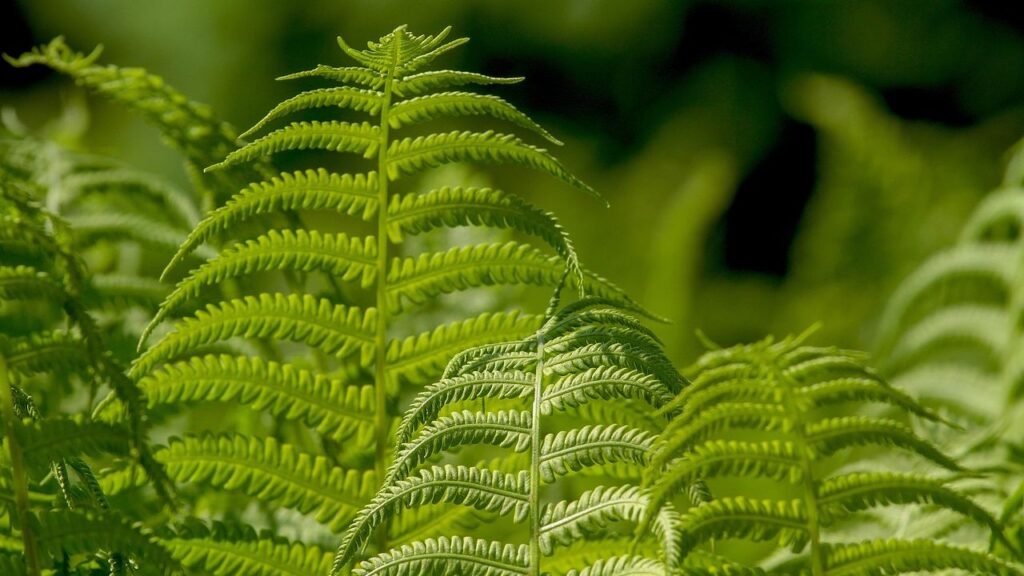
You probably walk past a garden, a potted fern, or a forest trail without giving it a second thought. Plants are just there, right? Silent, passive, rooted in place – living decorations on the stage of life. But here’s the thing: science is increasingly turning that assumption completely upside down.
Over the past two decades, a wave of remarkable research has been quietly reshaping what we understand about plant life. These organisms, without brains, without nervous systems, without a single neuron in sight, appear to learn, remember, communicate, and even make strategic decisions. It’s the kind of story that sounds like science fiction until you look at the evidence. Let’s dive in.
Redefining What Intelligence Even Means
When you hear the word “intelligence,” you almost certainly picture a brain. That’s fair – that’s how most of us were taught to think about it. The term intelligence ordinarily implies the presence of a brain, but in plants, with no identifiable brain structure, the term must relate to inferring a capability for beneficial adaptive behavior, whether or not a brain structure is involved. That’s a radical reframing, and honestly, once you sit with it, it makes a lot of sense.
A new wave of research suggests that plants are indeed “intelligent” in complex ways that challenge our understanding of agency and consciousness. It is possible that some higher mental functions in plants may not be constitutively expressed – plants may only be fully “intelligent” or “sensitized” when conditions require that they be. Think of it like a computer in sleep mode: the capacity is there, waiting to be switched on by necessity.
Chemical Conversations: Plants Literally Talk to Each Other
Studies have shown that every plant cell has broad light spectrum perception and sensory molecules to detect very specific volatile compounds coming from neighboring plants. That is not a metaphor. Each individual cell is essentially a tiny sensory station, continuously scanning its chemical environment with a precision that would make chemists jealous.
When leaf beetle larvae eat goldenrod leaves, the plant emits a chemical that informs the insect that the plant is damaged and is a poor source of food. These airborne chemicals, called volatile organic compounds (VOCs), are also picked up by neighboring goldenrod plants, prompting them to produce their own defenses against the beetle larvae. In this way, goldenrod moves herbivores on to neighbors and distributes damage. That is strategic. That is, dare I say it, clever.
Plants Can Learn – and They Remember
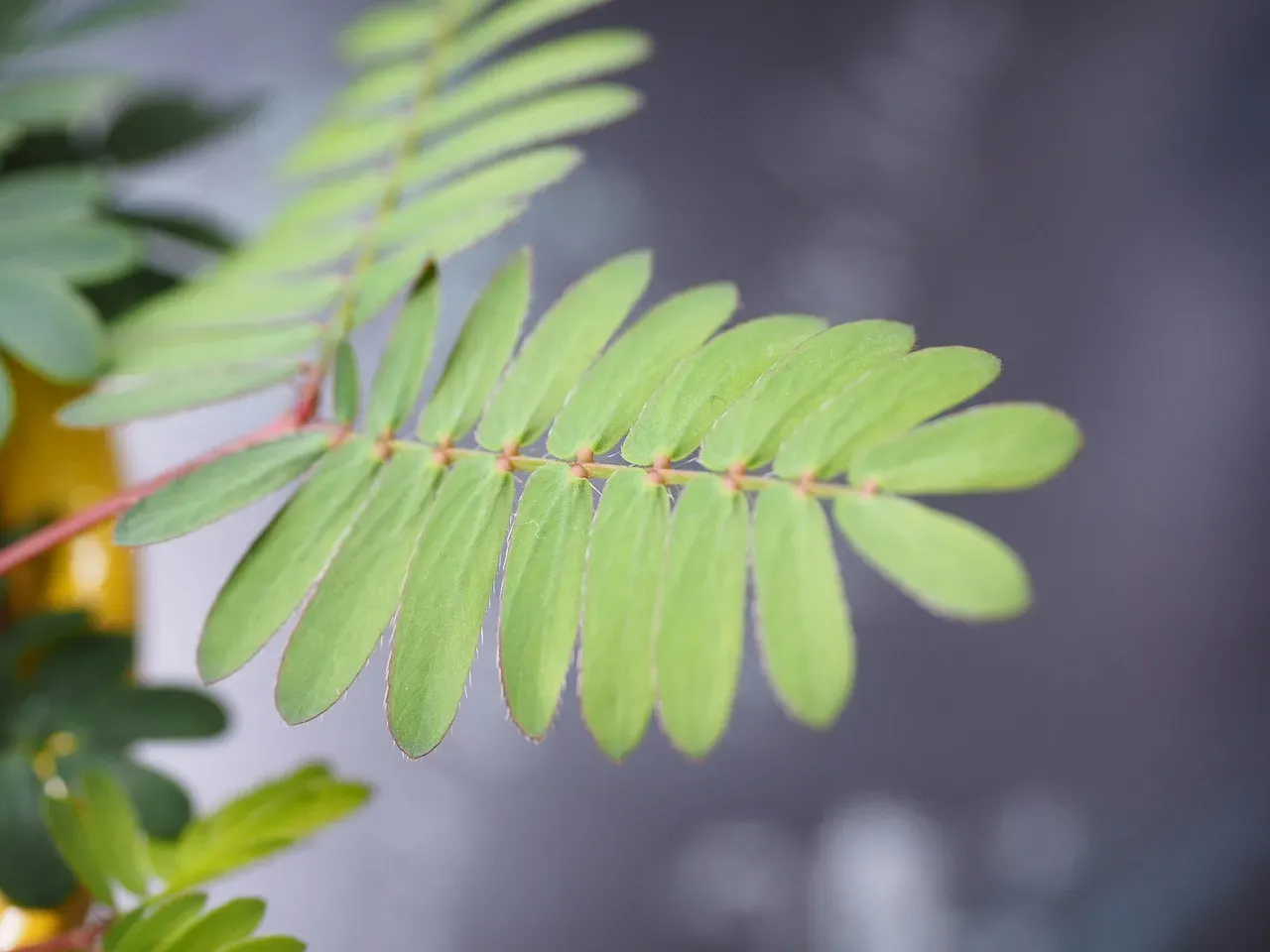
I know it sounds crazy, but some plants have been shown to form genuine memories. Plants have learned that a drop wasn’t going to hurt them. A month later, scientists tried the experiment again. The plants still didn’t curl their leaves after being dropped – it was as though they remembered it wouldn’t hurt them. They had formed long-lasting memories. The plant in question was Mimosa pudica, the touch-sensitive “sensitive plant.”
Leaf-folding habituated behavior was more persistent for Mimosa exemplars growing in energetically costly environments, such as environments where light is scarce. This indicates that habituation is responsive to environmental conditions. The habituated reflex could last for up to 28 days, evincing the acquisition of long-lasting memory in Mimosa. Plants exhibit remarkable abilities to learn, communicate, memorize, and develop stimulus-dependent decision-making circuits. Unlike animals, plant memory is uniquely rooted in cellular, molecular, and biochemical networks, lacking specialized organs for these functions. Consequently, plants can effectively learn and respond to diverse challenges, becoming used to recurring signals.
The Wood Wide Web: Nature’s Underground Internet
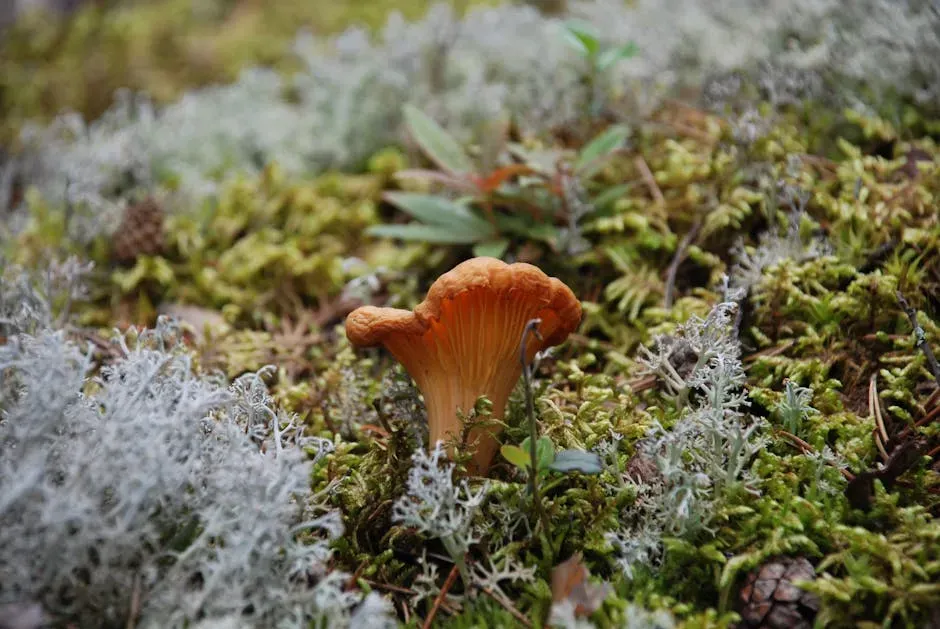
Beneath your feet, beneath every forest floor, there is a communications network so vast and complex it staggers the imagination. A mycorrhizal network is an underground network found in forests and other plant communities, created by the hyphae of mycorrhizal fungi joining with plant roots. This network connects individual plants together. Mycorrhizal networks were discovered in 1997 by Suzanne Simard, professor of forest ecology at the University of British Columbia in Canada. She grew up in Canadian forests where her family had made a living as foresters for generations. Her field studies revealed that trees are linked to neighboring trees by an underground network of fungi that resembles the neural networks in the brain.
Trees can communicate with each other through networks in soil. Much like social networks or neural networks, the fungal mycelia of mycorrhizas allow signals to be sent between trees in a forest. These mycorrhizal networks are effectively an information highway, with recent studies demonstrating the exchange of nutritional resources, defence signals and allelochemicals. One of the most surprising discoveries is that trees share resources through this network. Older, larger trees, often called “mother trees,” can supply younger seedlings with carbon and other nutrients, enhancing their survival rates.
Warning Systems: Plants That Alert Their Neighbors to Danger

Picture a neighborhood watch program – except it runs on chemistry, operates silently, and has been active for hundreds of millions of years. When the researchers tore leaves on one tree, it responded by producing a chemical to repel attackers. Then, about 36 hours later, the undamaged trees made the same chemical. The hurt tree must have sent a signal through the air to the others. Some people described this as plants “talking” to each other. The finding, reported in 1983, launched the science of plant communication.
Work by research groups shows plants can tell one predator from another. They send different signals depending on what type of insect is attacking. Their messages can even signal how far away danger is. Some tomato plants, when being eaten by caterpillars, fill their leaves with a chemical that makes them so unappetizing that the caterpillars start eating each other instead. Let that sink in for a moment. That is a sophisticated, multi-layered defensive strategy with zero neurons involved.
Plants Emit Sounds – and They May Be Listening, Too

Here is something that genuinely surprised me when I first came across it. Plants are not silent. Researchers have recorded and analyzed sounds distinctly emitted by plants. The click-like sounds, similar to the popping of popcorn, are emitted at a volume similar to human speech, but at high frequencies, beyond the hearing range of the human ear. In 2023, a team in Tel Aviv, Israel, recorded clicks and pops made by plants under stress. The sounds varied across plant species and type of stress, such as drought and being cut. Although roughly as loud as human speech, they’re too high-pitched for people to hear.
Biologists at Tel Aviv University recorded ultrasonic sounds emitted by tomato and tobacco plants inside an acoustic chamber, and in a greenhouse, while monitoring the plants’ physiological parameters. They developed machine learning models that succeeded in identifying the condition of the plants, including dehydration level and injury, based solely on the emitted sounds. The frequency of these sounds is too high for human ears to detect, but they can probably be detectable by other organisms such as insects, mammals, and possibly other plants. When plants are isolated from contact, chemical, and light signal exchange with neighboring plants they are still able to sense their neighbors and detect relatives through alternative mechanisms, among which sound vibrations could play an important role.
Biophotons: Plants May Communicate With Light Itself
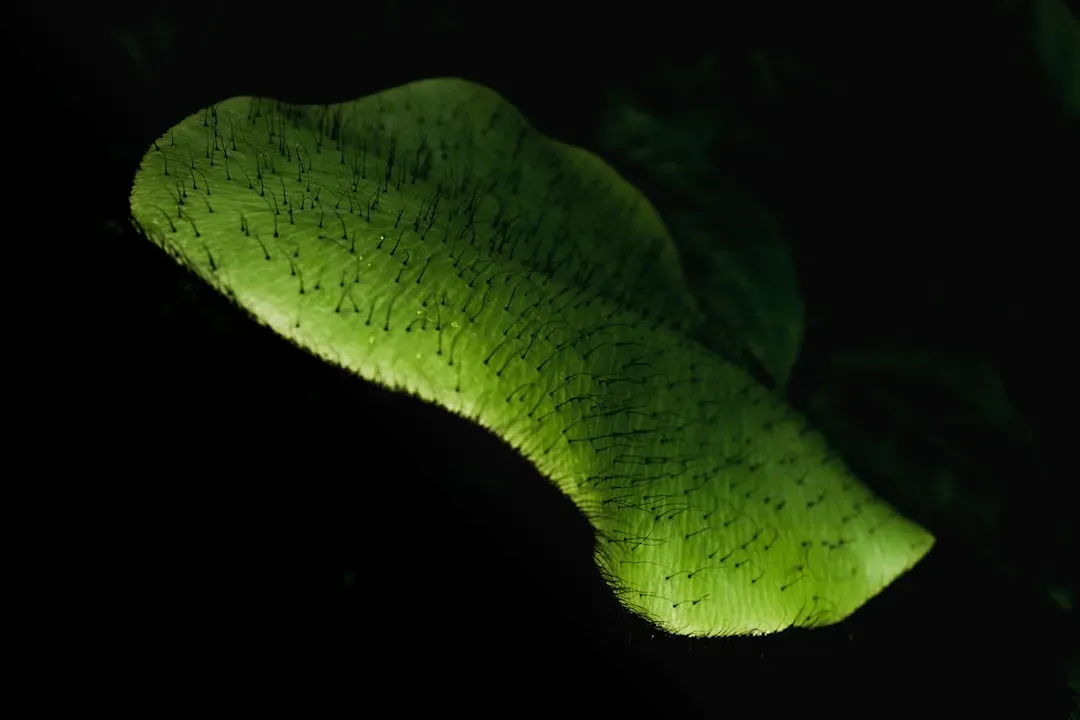
If chemical signals and sound weren’t mind-bending enough, consider this. All living organisms emit a low level of light radiation, but the origin and function of these “biophotons” are not yet fully understood. An international team of physicists, funded by the Foundational Questions Institute, FQxI, proposed a new approach for investigating this phenomenon based on statistical analyses of this emission. Their aim is to test whether biophotons can play a role in the transport of information within and between living organisms.
Analyses of the measurements of the faint glow emitted by lentil seeds support models for the emergence of a kind of plant “intelligence,” in which the biophotonic emission carries information and may thus be used by plants as a means to communicate. The team reported this in the journal Applied Sciences in June 2024. It is hard to say for sure exactly how widespread or significant biophotonic communication is in plants – the research is still young. Still, the possibility that plants might be exchanging information through invisible light is genuinely breathtaking to contemplate.
Plant Personality and Collective Behavior: More Than We Ever Expected

One botanist who studies how sagebrush send distress signals to each other has found that individual plants appear to have different risk tolerance – a metric of personality, the very notion of which in an organism without a brain-based mind challenges our central assumptions about consciousness. Let’s be real – that is not what most of us were taught in school. Other research on a family of flowering desert shrubs found that female plants heed signals from both male and female plants, but males only heed other males – intimations of preference and judgment, also features of personality and consciousness.
Plants are highly sensitive organisms that actively compete for environmental resources. They assess their surroundings, estimate how much energy they need for particular goals, and then realize the optimum variant. They take measures to control certain environmental resources. They perceive themselves and can distinguish between “self” and “non-self.” Forest trees have evolved to live in cooperative, interdependent relationships, maintained by communication and a collective intelligence similar to an insect colony. The more you look, the more this picture of plants as active, responsive, social beings comes into focus.
A Quiet Revolution in How We See the Natural World
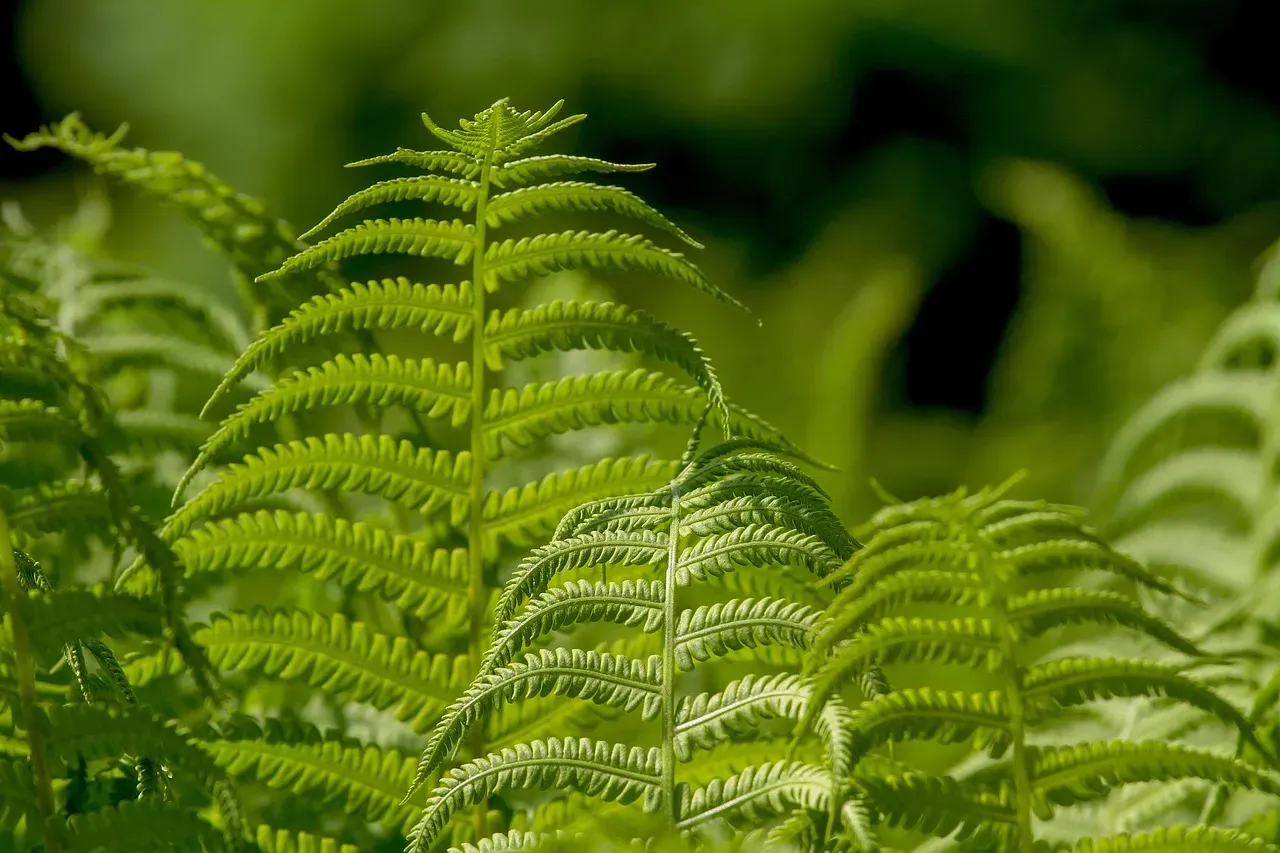
We came into this thinking plants were passive backdrops, decorative and mute. We are leaving with something profoundly different. Plants demonstrate distributed systems of intelligence, vibrational communication, repeated response patterns implying something like what we’d call “memory,” and much more. No, they are not human. No, they do not think the way you and I do. But dismissing what they do as mere reflex or mechanism begins to feel dishonest in light of the mounting evidence.
What we now understand plants can do simply brings them into this realm of alert, active processing beings – which is a huge step from how many of us were raised to view them, which is more like ornaments in our world or a decorative backdrop for our lives. Perhaps the most important takeaway is this: intelligence does not need a brain to exist. It needs a problem, a drive to survive, and enough time. Plants have had all three for hundreds of millions of years.
The next time you walk past a garden or a forest, you might want to stop and listen more carefully. Something out there might already be aware of you. What do you think – does knowing this change the way you see the plant world around you?