Walk outside on a clear night, look up at the stars, and realize this: most of what shapes that vast, silent darkness is completely invisible. Not just hard to see. Not just far away. Literally invisible to our eyes, our telescopes, and for a long time, even our imagination. We grew up thinking the universe was mostly stars, planets, and glowing gas clouds, but in the last few decades, physics has quietly whispered a shocking twist: almost everything that matters in the cosmos is something we can’t directly see.
In a way, modern cosmology feels like walking into a familiar room, turning on a new kind of light, and suddenly noticing hidden doors in the walls. Forces we never knew existed are pulling galaxies, shaping time, and maybe even splitting reality into multiple timelines. Some of these ideas sound like science fiction, yet they come straight from the most precise measurements humanity has ever made. The more we learn, the more obvious it becomes: we’re still at the beginning of understanding what actually runs the universe.
Dark Matter: The Invisible Scaffold Holding Galaxies Together
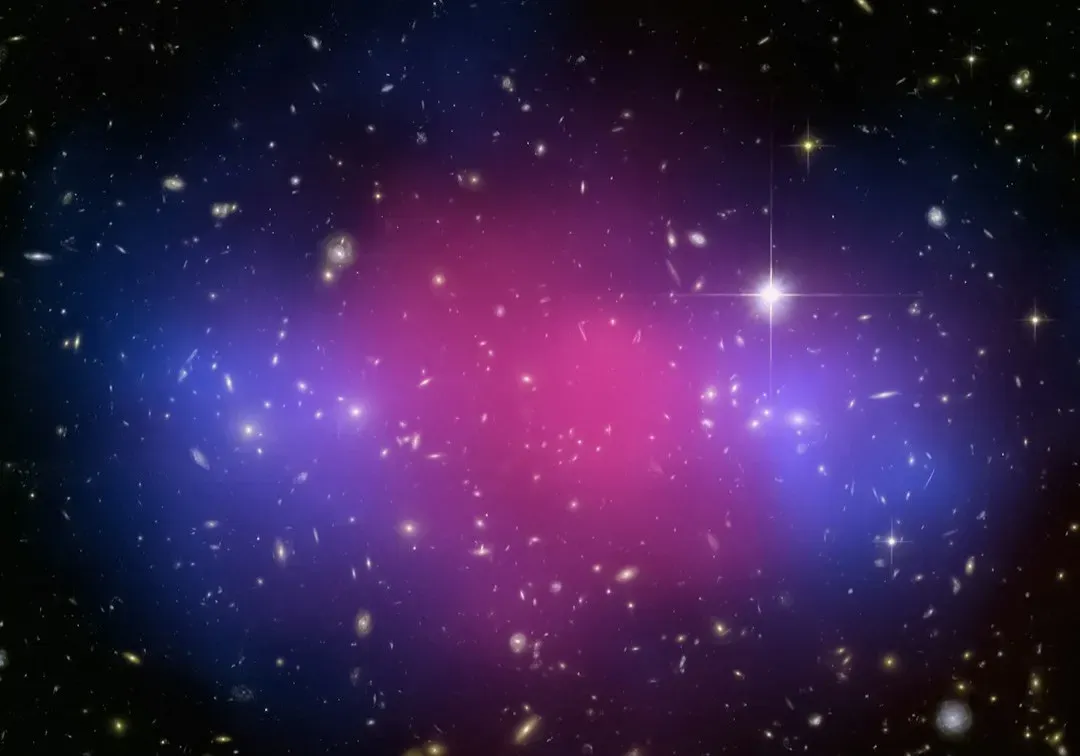
Imagine spinning a playground merry-go-round faster and faster while kids cling to the edge; at some point, they’re thrown off. Now replace the kids with stars orbiting a galaxy. Based on the gravity from visible matter alone, a lot of those stars should be flying off into intergalactic space. But they don’t. Their orbits are too fast and too stable, as if some hidden mass is quietly holding everything together like an invisible scaffold. That hidden mass is what we call dark matter, and it makes up far more of the universe than the stuff we’re used to.
We can’t see dark matter because it doesn’t emit or absorb light, but we see its fingerprints in the way galaxies rotate, in how huge clusters of galaxies bend light, and in the patterns we observe in the afterglow of the Big Bang. Astronomers have watched distant galaxy clusters act like cosmic magnifying glasses, distorting background light in ways that only make sense if a vast halo of invisible matter is there. Despite decades of searching in underground detectors, particle colliders, and space telescopes, we still don’t know what dark matter actually is. It’s like hearing footsteps in an empty room: obviously, something is there, but it keeps slipping out of sight.
Dark Energy: The Mysterious Force Tearing Space Apart
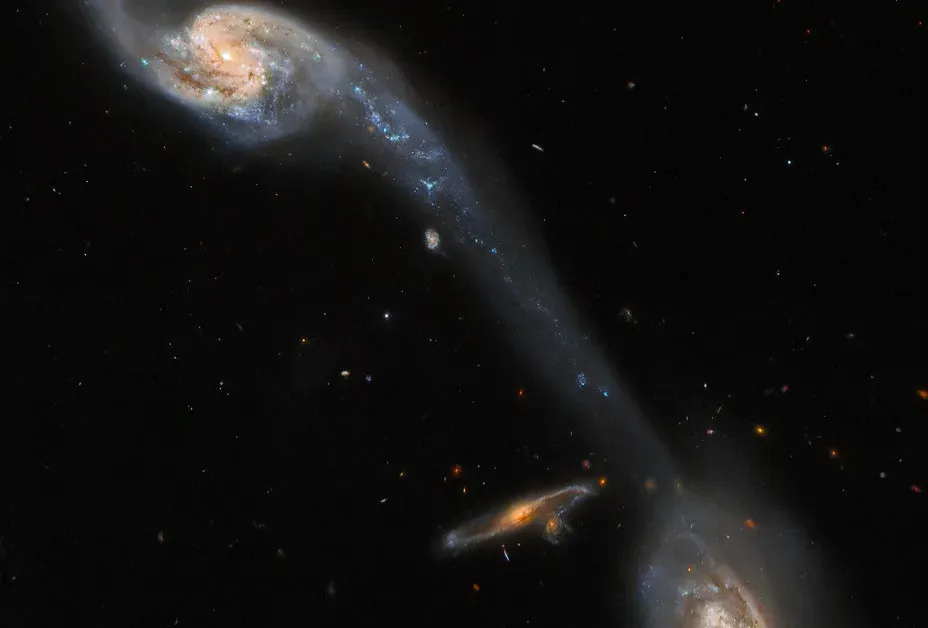
If dark matter is the universe’s hidden glue, dark energy is its secret accelerant. Around the late nineteen-nineties, astronomers tracking distant exploding stars expected to see the expansion of the universe slowing down, dragged back by gravity over billions of years. Instead, the data pointed to something completely unexpected and unsettling: the expansion is speeding up. It’s as if space itself has its foot on the gas pedal. That runaway effect is attributed to dark energy, a name that’s really just a placeholder for “we have no clue, but something huge is happening.”
Dark energy is thought to make up the majority of the total energy content of the universe, yet we don’t know whether it’s a property of empty space, a new type of field, or a sign that our theory of gravity is incomplete. Observatories and surveys mapping millions of galaxies are trying to track how cosmic expansion has changed over time, hoping to narrow down what dark energy really is. It’s humbling: for all our physics, we still can’t fully explain why the universe isn’t just coasting or collapsing, but actually accelerating into a colder, lonelier future. The biggest driver of cosmic destiny is, at the moment, basically a question mark.
Quantum Fields: The Hidden Ocean Beneath Reality
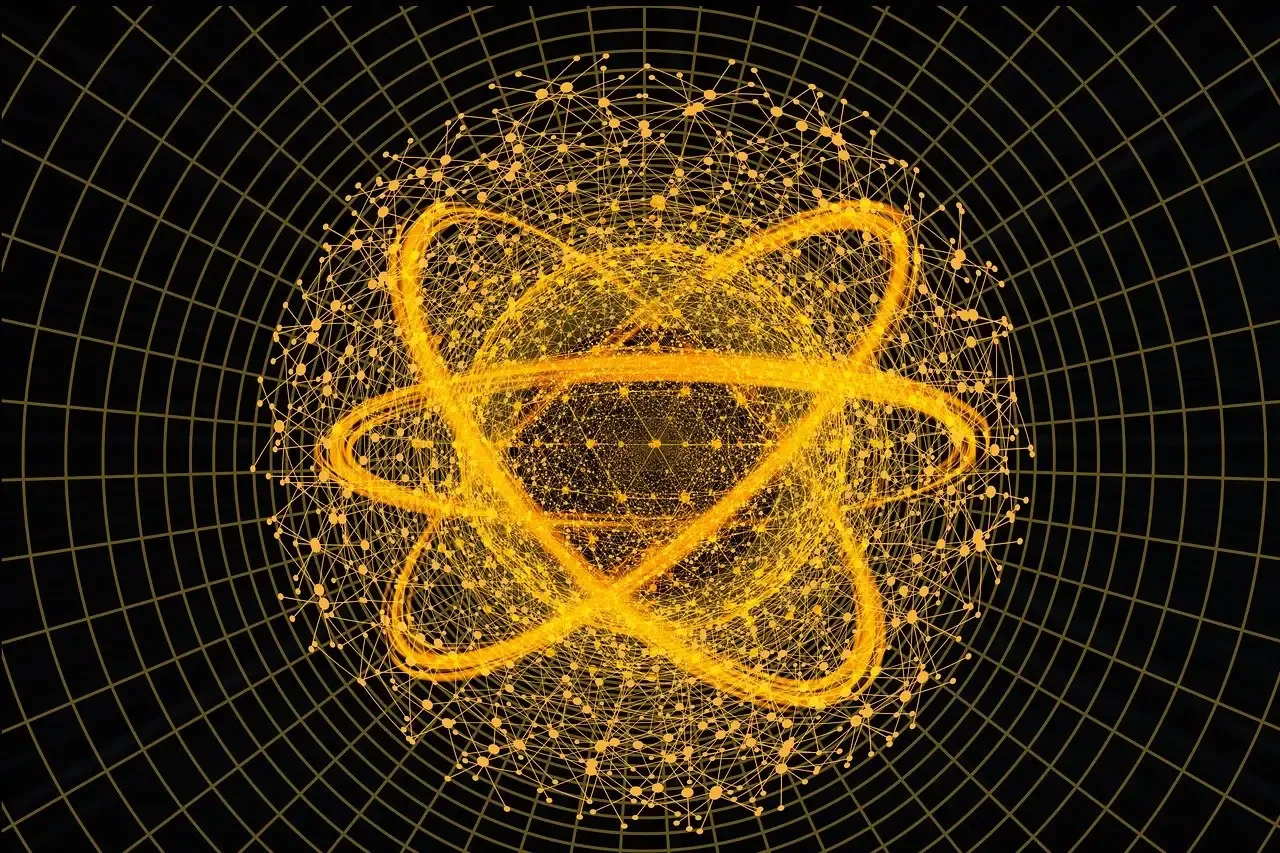
On the tiniest scales, the universe stops behaving like a collection of solid objects and starts acting more like a restless ocean of invisible fields. In modern physics, particles aren’t really little billiard balls; they’re ripples or excitations in underlying quantum fields that fill all of space. There’s an electron field, a photon field, and so on, all stitched into a deeper quantum fabric that never truly sits still. Even a region of “empty” vacuum isn’t empty. It seethes with fleeting particle-antiparticle pairs that pop in and out of existence too quickly for us to catch directly.
These quantum fluctuations aren’t just abstract math; they have measurable consequences. They affect how atoms behave, how light moves through space, and even how stars form and die. The famous Higgs field, for example, is an unseen field that gives fundamental particles their mass as they interact with it, like swimmers pushing through a thick liquid. The truly mind-bending part is that our best theories say the vacuum energy of these quantum fields should be enormous, yet what we observe in the cosmos is tiny by comparison. That tension between theory and reality is one of the sharpest clues that we still don’t fully understand the unseen quantum forces that underlie everything we experience.
Gravity and Spacetime: Curved, Warped, and Still Not Fully Understood
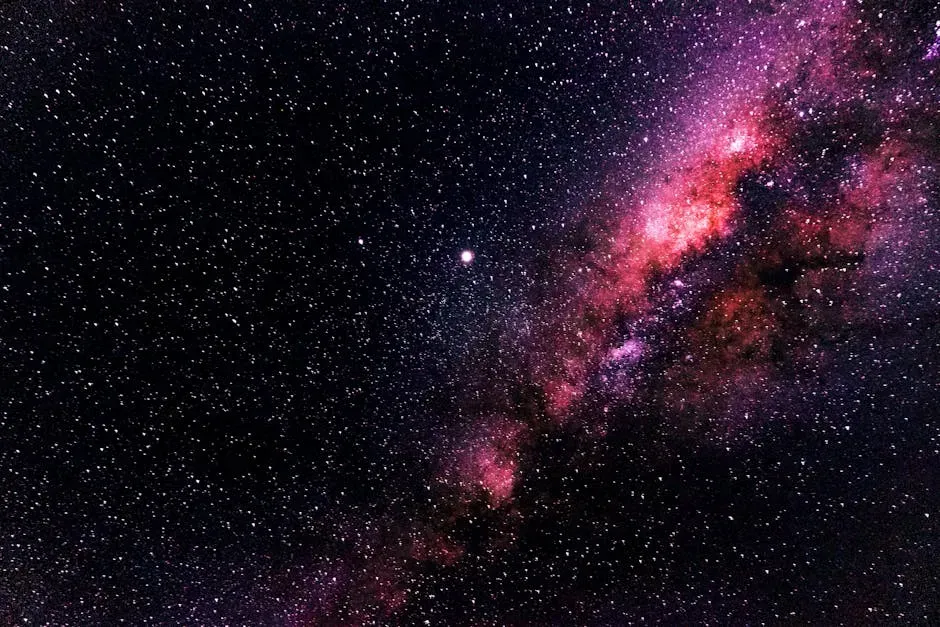
Gravity feels familiar: you drop your keys, they fall. Straightforward, right? Except our best description of gravity is not a force pulling things down, but the bending and warping of spacetime itself. According to general relativity, mass and energy tell spacetime how to curve, and that curved spacetime tells matter how to move. Planets orbit stars because they’re following the straightest possible paths in a warped geometric landscape, like marbles rolling along a stretched rubber sheet. We can’t see spacetime directly, but we see its distortion when starlight bends around the Sun or distant galaxies.
Over the last decade, scientists have even detected gravitational waves: ripples in spacetime itself produced when massive objects like black holes collide. Those waves were predicted a century ago, yet only recently did our instruments become sensitive enough to register the minuscule stretching and squeezing of space as they pass through Earth. Still, as successful as general relativity is, it doesn’t mesh well with quantum mechanics, especially at the extreme densities inside black holes or at the moment of the Big Bang. That clash suggests gravity has a deeper, unseen structure we haven’t uncovered yet, and whatever it is might rewrite our understanding of space, time, and cause and effect.
Neutrinos: Ghost Particles Streaming Through Your Body
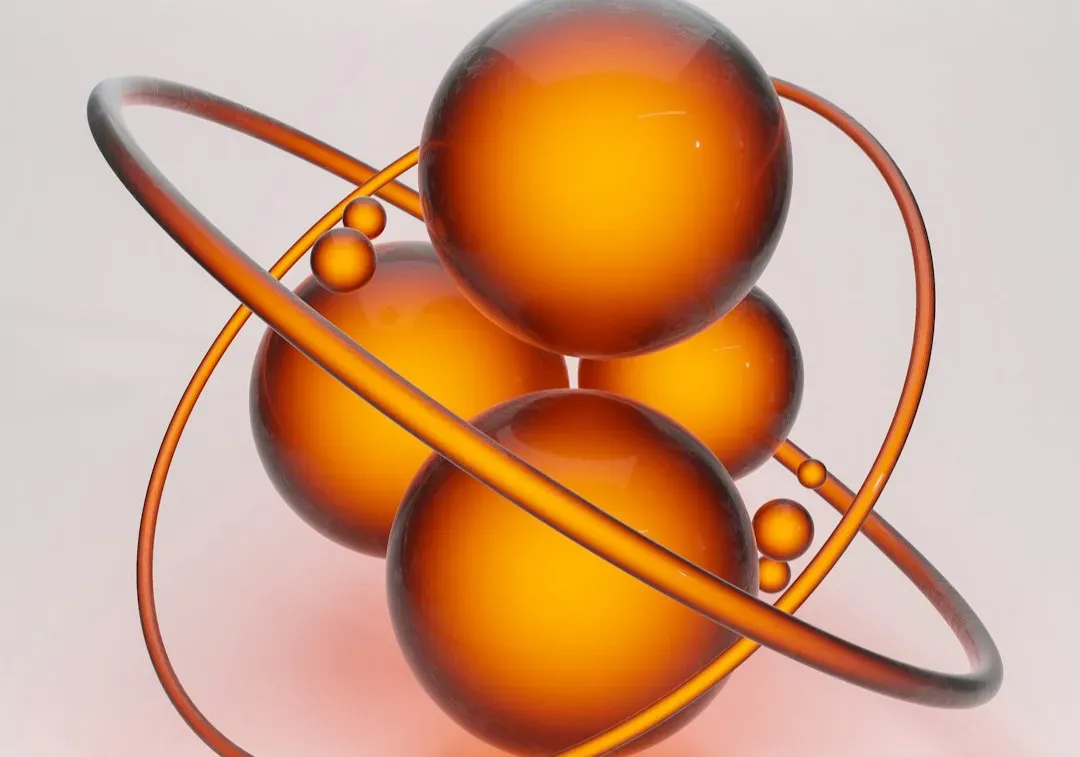
Every second, trillions of neutrinos pass through your body, and you don’t feel a thing. These particles are so shy that they can travel through light-years of lead without interacting. They’re created in nuclear reactions inside stars, in exploding supernovae, in radioactive decays, and even in particle accelerators on Earth. For a long time, physicists thought neutrinos were massless, but experiments watching them transform from one type to another showed they must have a tiny, nonzero mass. That discovery forced a revision of the so-called Standard Model of particle physics, which had to be updated to account for these ghostly wiggles.
Neutrinos barely interact, but they leave subtle fingerprints in giant underground detectors filled with ultra-pure water or special materials that occasionally flash when a neutrino hits. Those rare flashes carry information about processes happening in the cores of stars and in the first moments after the Big Bang. Some researchers even suspect neutrinos might be tied in some way to the mystery of why matter dominates over antimatter in our universe. It’s a strange thought: some of the key clues to our existence may come from particles that almost never touch anything and normally slip straight through our planet as if it weren’t there.
Cosmic Magnetism: The Silent Architect of Cosmic Weather
When people think about forces in space, they usually jump to gravity and maybe radiation, but magnetic fields quietly thread the cosmos as well. Galaxies, including our Milky Way, are laced with large-scale magnetic structures that influence how gas flows, how stars form, and how charged particles are accelerated. These fields are invisible to our eyes, yet radio telescopes and polarization measurements reveal their presence, like powder on a hidden fingerprint. Even galaxy clusters, some of the largest structures in the universe, show evidence of vast magnetic webs stretching across millions of light-years.
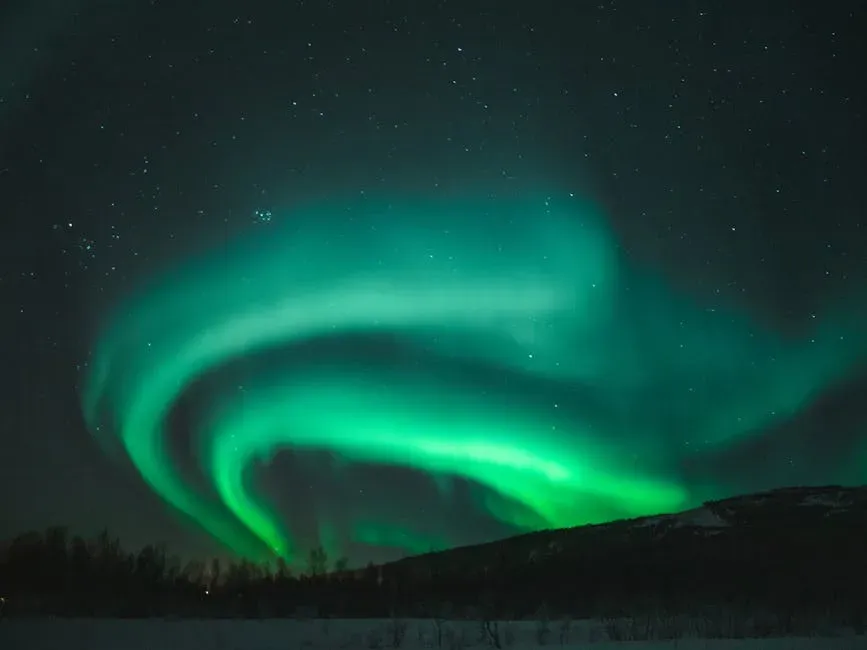
Closer to home, Earth’s magnetic field shields us from charged particles streaming from the Sun, turning what could be deadly radiation into beautiful auroras near the poles. On the Sun itself, tangled magnetic fields are responsible for solar flares and coronal mass ejections that can disrupt satellites and power grids. Despite their importance, we still don’t fully understand how cosmic magnetic fields are born and amplified over cosmic time. They might start as tiny seed fields in the early universe, slowly strengthened by turbulent motions, or they might emerge from processes we haven’t pinned down yet. Either way, magnetism is one of those quiet, unseen players that shapes the story of galaxies and planets without drawing much attention.
Multiverses, Extra Dimensions, and the Edges of What We Can Test
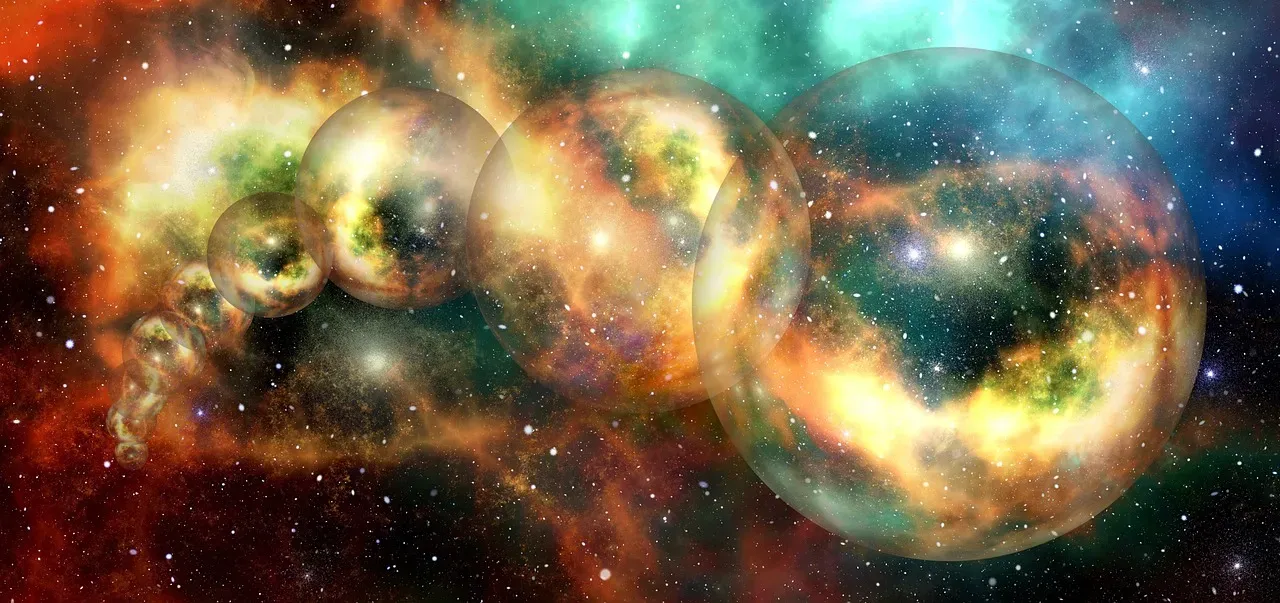
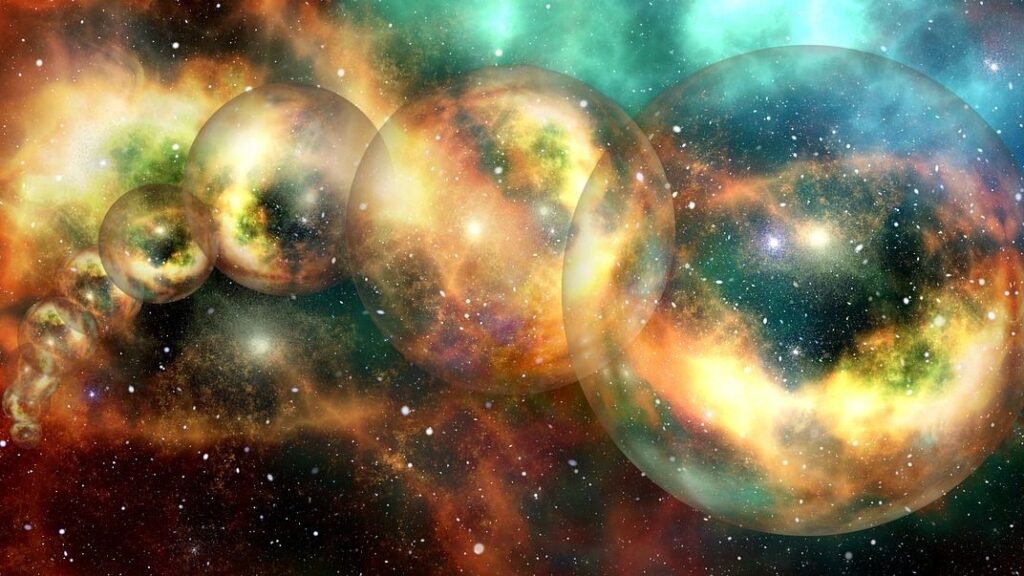
Once you start asking why the laws of physics have the values they do, you quickly find yourself in uncomfortable territory. Some theories that try to unify gravity with quantum mechanics suggest that our universe might be just one bubble in a much larger multiverse, each bubble with slightly different physical constants. Others propose that space might have more dimensions than the three we move through, with additional dimensions curled up too small for us to notice directly. These ideas are not just late-night stoner thoughts; they emerge from serious attempts to solve deep mathematical problems in fundamental physics.
The catch is that many of these concepts sit right at the edge of what we can currently test. We can look for subtle clues: patterns in the cosmic microwave background, signatures in gravitational waves, or high-energy particle collisions that hint at extra dimensions. So far, we haven’t found definitive evidence, but the questions refuse to go away. Personally, I find it both thrilling and slightly unsettling that the universe might be just one version among countless others, or that we’re like flat creatures unaware of hidden directions curled just out of reach. Whether these ideas turn out to be right or not, they push us to confront how much of reality could be hidden beyond our present tools and imagination.
Conclusion: Living in a Universe We Barely Understand
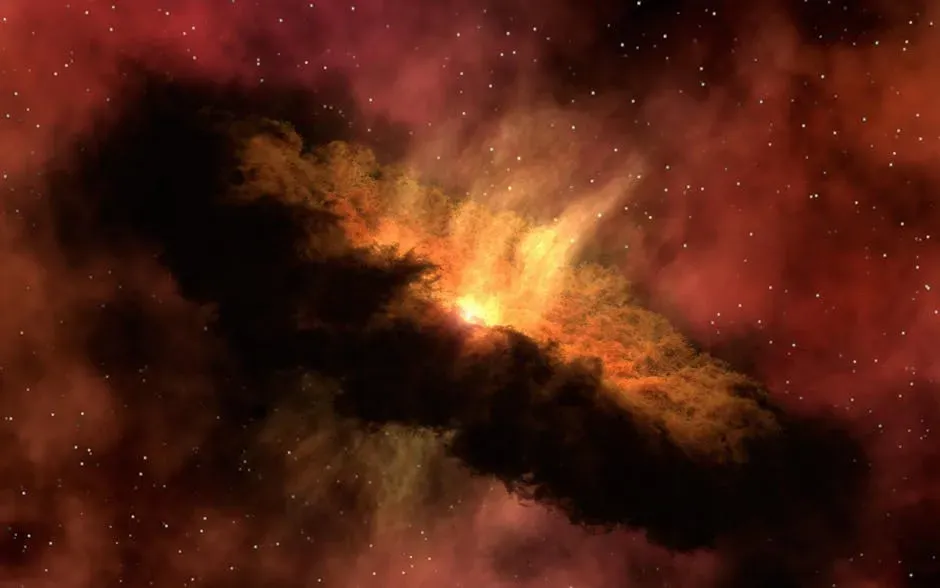
When you step back and look at the big picture, a pattern emerges: what we can see and touch is only a thin layer of a much deeper structure. Dark matter holds galaxies together, dark energy drives them apart, quantum fields seethe beneath every inch of space, and ghostly particles and magnetic webs weave through everything in between. We’ve built powerful theories, launched space telescopes, and buried detectors deep underground, and yet the biggest pieces of the cosmic puzzle still carry names that are really just labels for mystery. It’s an odd mix of triumph and ignorance: we know enough to see how much we don’t know.
In 2026, we’re in this strange, exciting phase where each new measurement makes the universe seem both clearer and stranger. It’s like turning up the brightness on a photograph and suddenly noticing all the shadows you’d missed before. Maybe the next breakthroughs will redefine gravity, reveal the true nature of dark matter, or show us that our universe is one of many. Or maybe they’ll lead somewhere we haven’t even imagined yet. When you look up at the night sky now, knowing how much of it runs on unseen forces, what do you think might still be hiding in the dark?