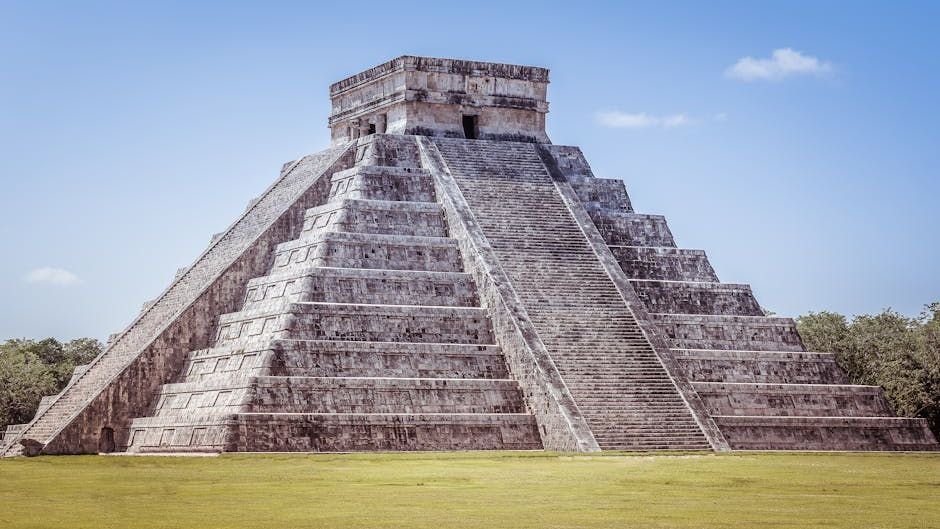

Every time we think we’ve figured out the story of human progress, some ancient stone slab, ruined city, or bizarre artifact steps in and basically says: “Think again.” We like to imagine history as a straight line from primitive to advanced, but the deeper archaeologists dig, the more it feels like a tangled web of lost skills, forgotten knowledge, and mysteries that modern science still struggles to copy.
What really messes with your head is that many of these civilizations had no steel machines, no computers, no electricity, and yet they pulled off engineering feats that would challenge a well-funded team today. Some of it we can partially explain; a lot of it we can only model with powerful software and massive cranes. But the fact remains: people thousands of years ago were doing things that, even in 2026, quietly make our jaws drop.
1. Ancient Egypt: The Impossible Precision of the Pyramids

The Great Pyramid of Giza is so familiar it almost feels boring – until you look closely. Its base is aligned to the cardinal directions with an accuracy that would impress modern surveyors, deviating only a tiny fraction from true north. The difference in length between its sides is astonishingly small, and the overall base is remarkably level, even though it was built on a huge scale using copper tools and manual labor. When you realize each block can weigh as much as a small truck, the logistics alone feel like a headache.
Modern engineers have recreated parts of the process using ramps, sleds, and teams of workers, and it does make physical sense. Still, the organization, planning, and astronomical knowledge behind it all point to a level of technical sophistication that’s easy to underestimate. Inside the pyramid, the so‑called “air shafts” are oriented toward specific stars and were cut through many meters of stone with tight accuracy and narrow margins of error. We can say they used geometry and careful observation, but the sheer scale and consistency make it feel like someone handed them a blueprint centuries ahead of its time.
2. The Indus Valley Civilization: Urban Planning That Feels Strangely Modern
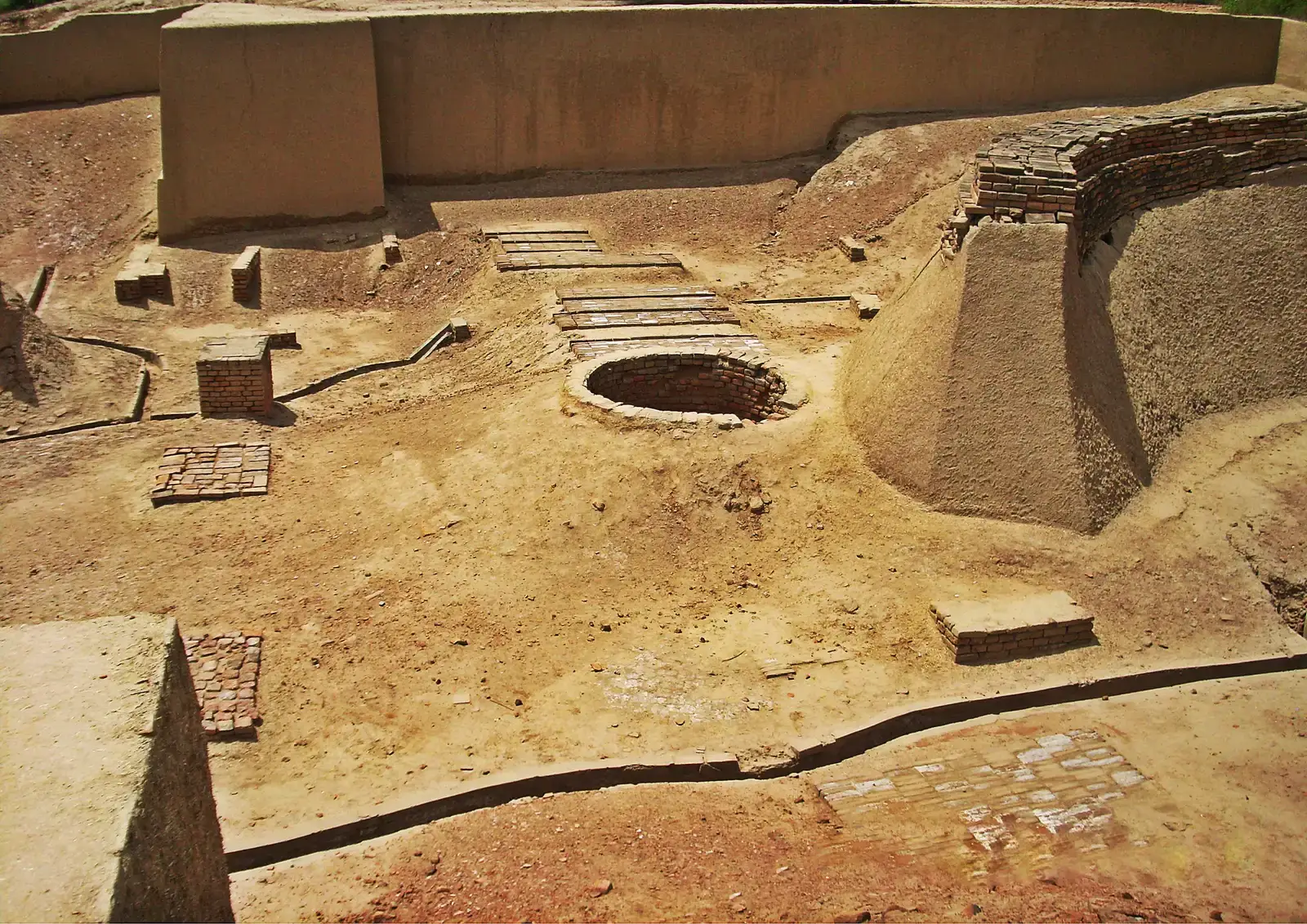
The cities of the Indus Valley – places like Mohenjo‑daro and Harappa, dating back more than four thousand years – don’t look dramatic at first glance. There are no giant pyramids or colossal statues. But walk through the layout on a map and the shock sets in: straight streets in grid patterns, standardized brick sizes, separate residential and public areas, and what appears to be city‑wide planning instead of chaotic growth. It feels like the work of modern urban planners who sat down with zoning laws and a long‑term vision.
What really pushes it into the realm of “how did they pull this off?” is their water and sanitation systems. Many houses had private bathing areas and drains leading into covered, brick‑lined sewers that ran beneath the streets. Rather than waste lying around in open ditches, they designed something that looks eerily like a modern underground sewage network. We still can’t read their script, so we have no manuals or engineering notes, which makes their silent, orderly infrastructure even more mysterious – like finding a fully functioning plumbing system in a house with no instruction labels anywhere.
3. The Maya: Astronomy and Calendars That Rival Today’s Precision
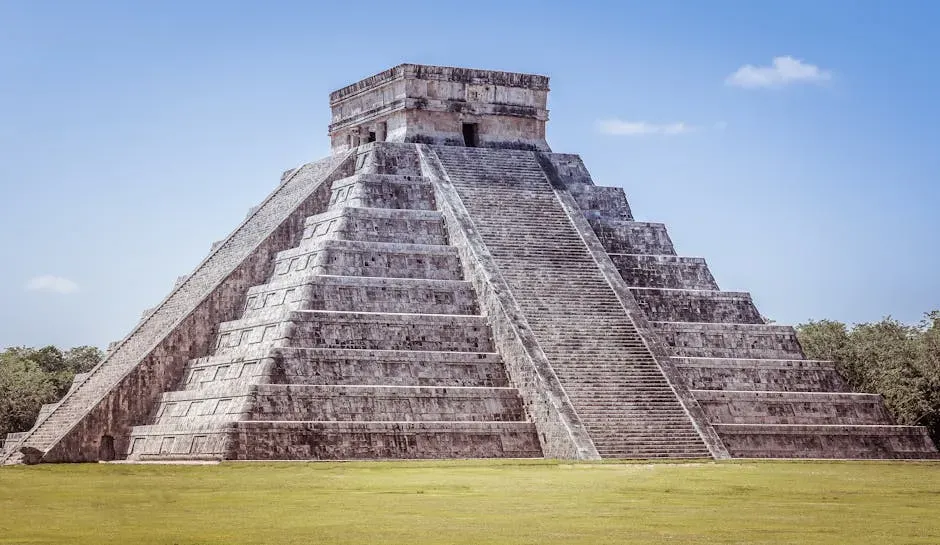
The ancient Maya of Mesoamerica are often reduced to clichés about calendars and doomsday predictions, but their real achievements are much more interesting than any internet myth. They tracked planetary movements, eclipses, and the solar year with surprising accuracy, using naked‑eye observations and careful recording over generations. Their main calendar systems could interlock like gears, allowing them to predict significant dates and cycles far into the future and to anchor ceremonies and political events to cosmic rhythms.
What baffles many researchers is how a society without telescopes or metal instruments could so neatly match the actual length of the year and follow the complex paths of planets like Venus. They built observatories with carefully placed windows and alignments that framed key celestial events, almost like stone‑based astronomical instruments. When you stand inside one of those structures and see the sun or a star appear exactly in a narrow slit on a specific day, it hits you: this wasn’t guesswork, it was a finely tuned system born from disciplined, multi‑generational science wrapped in religion and myth.
4. The Inca Empire: Roads, Stones, and Surgery in the Sky
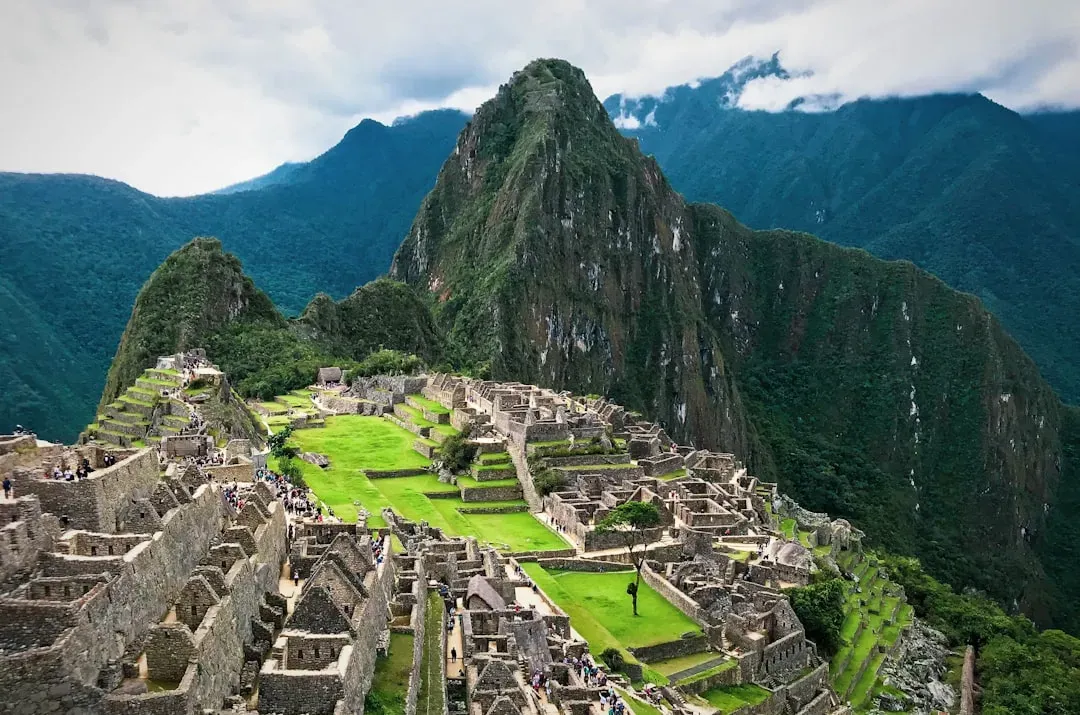
The Inca, ruling over the spine of the Andes, built a road network that would make some modern governments jealous. Stretching thousands of kilometers through mountains, deserts, and valleys, their roads included suspension bridges woven from plant fibers and stone pathways cut into cliff sides. They managed all of this without wheeled vehicles or draft animals suited for pulling carts, which flips our usual idea of what you “need” for large‑scale transportation systems. Their engineering shaped the landscape in a way that still guides traffic today.
Then there’s their stonework and medicine. Sites like Sacsayhuamán and Machu Picchu showcase walls where massive, irregularly shaped stones fit together so perfectly that it’s hard to slip a piece of paper between them. These stones were quarried, shaped, transported, and set without mortar, sometimes on steep terrain and at high altitude. On top of that, skeletal remains suggest they performed complex skull surgeries, like trepanation, with survival rates that would have impressed surgeons from far later centuries. It’s a strange feeling to realize that people living in mountain citadels centuries ago could stabilize heads and carve stone with a confidence that still makes modern specialists pause.
5. The Ancient Greeks: Mechanical Computers and Forgotten Engineering
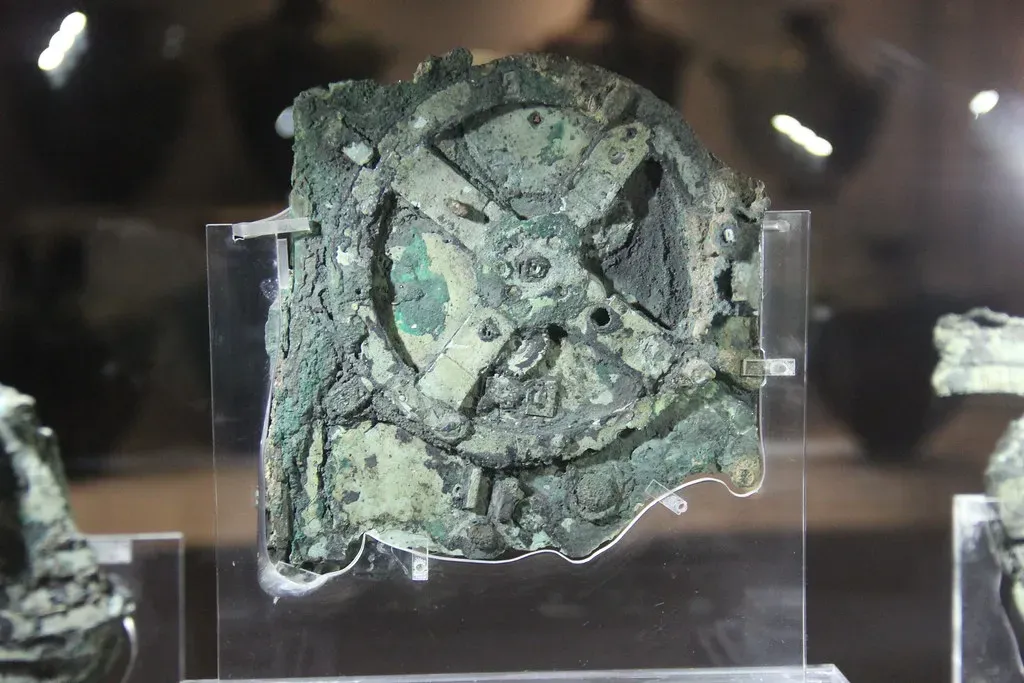
We tend to associate the ancient Greeks with philosophy and drama, but hidden among their ruins are hints of a technological culture far more advanced than many schoolbooks admit. The most famous example is the Antikythera mechanism, a corroded lump of bronze hauled from a shipwreck that turned out to be a complex gear‑driven device capable of predicting eclipses, tracking the positions of the sun and moon, and possibly charting planetary cycles. Inside are interlocking gears cut with a precision that feels at home in a clockmaker’s workshop from the industrial age, not on a ship from more than two thousand years ago.
What confounds researchers is not just the sophistication of the mechanism, but the implication that it probably wasn’t a one‑off. To make something like that, you need a culture of metalworkers, mathematicians, and artisans who are already comfortable with fine tolerances, gear ratios, and long‑term astronomical data. Yet only fragments of that world survive, as if someone took a rich technical library and left us only a single battered textbook. Standing in front of that device today, I can’t help wondering how many other machines, tools, and ideas from that era simply sank, rusted, or were melted down, taking their secrets with them.
Conclusion: How Much Have We Really Forgotten?

Looking at these civilizations side by side, a pattern quietly emerges: humans were solving insanely hard problems long before modern industry and digital tech came along. They mapped the stars with naked eyes, moved stone giants with simple tools, carved order into cities and mountains, and built mechanisms whose logic we’re still piecing together in labs and museums. It doesn’t mean they had magical powers or hidden alien help; it means they had patience, creativity, and a willingness to experiment on scales that are hard to wrap your head around.
In a strange way, these ancient technologies are a mirror held up to our own time. We like to think we’re at the peak of progress, but their achievements remind us that knowledge can surge forward, stall, and even vanish. Entire skill sets can disappear in a few generations if they’re not preserved, just like a language or a song no one sings anymore. Maybe the real mystery isn’t how they did it, but how much of what we know now will still be understandable a few thousand years from today. What would you guess will confuse future archaeologists the most when they dig us up?