Fossilized Dunes Challenge Old Assumptions (Image Credits: Pexels)
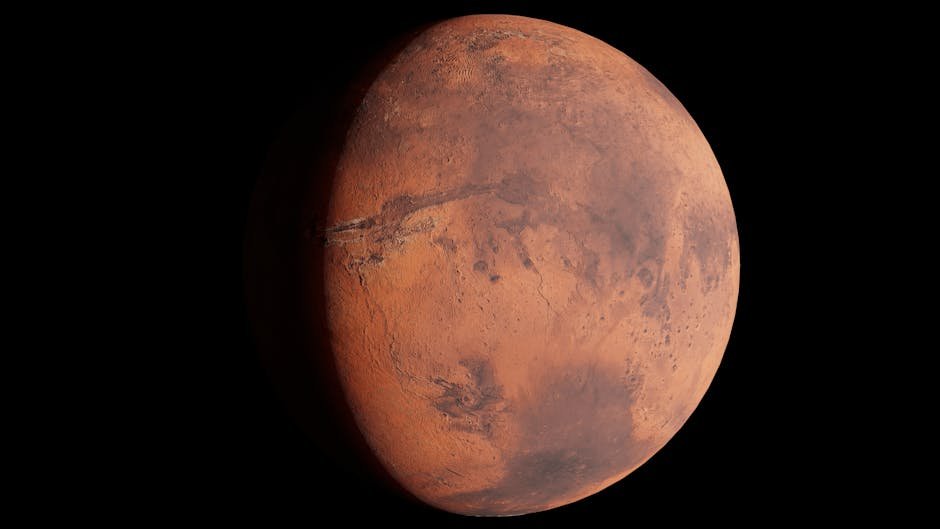
Gale Crater, Mars – Fresh analysis of rover observations points to underground water flows that soaked ancient sand dunes billions of years ago, potentially extending the planet’s window for habitability.[1][2]
Fossilized Dunes Challenge Old Assumptions
NASA’s Curiosity rover captured images of wind-formed sand dunes in Gale Crater that had hardened into stone long after the planet’s surface dried out.[3] These formations, part of the Stimson Formation along the Greenheugh Pediment, showed signs of water infiltration from below.[4] Scientists determined that moisture seeped upward through tiny cracks, cementing the sands in place.[1]
This late-stage activity occurred during a period when Mars lacked visible lakes or rivers, reshaping views of the planet’s transition to aridity.[2] The discovery emerged from detailed study of rover data, highlighting how subsurface processes preserved these structures.
Groundwater’s Subtle Infiltration
Water likely originated from a nearby Martian mountain, percolating into the dunes via fractures and pores.[1] This process deposited minerals such as gypsum and calcium sulfates, which filled the spaces between sand grains.[3] Concretions and enriched layers along unconformities further indicated focused water flow, creating saturated zones within the otherwise dry sediments.[4]
Researchers noted regional variations across northern and eastern sites of the Greenheugh Pediment, with consistent evidence of this cementation.[3] Such interactions point to an aquifer-like system in the dunes, sustained by late aqueous activity billions of years ago.
Earth Analogues Unlock Martian Secrets
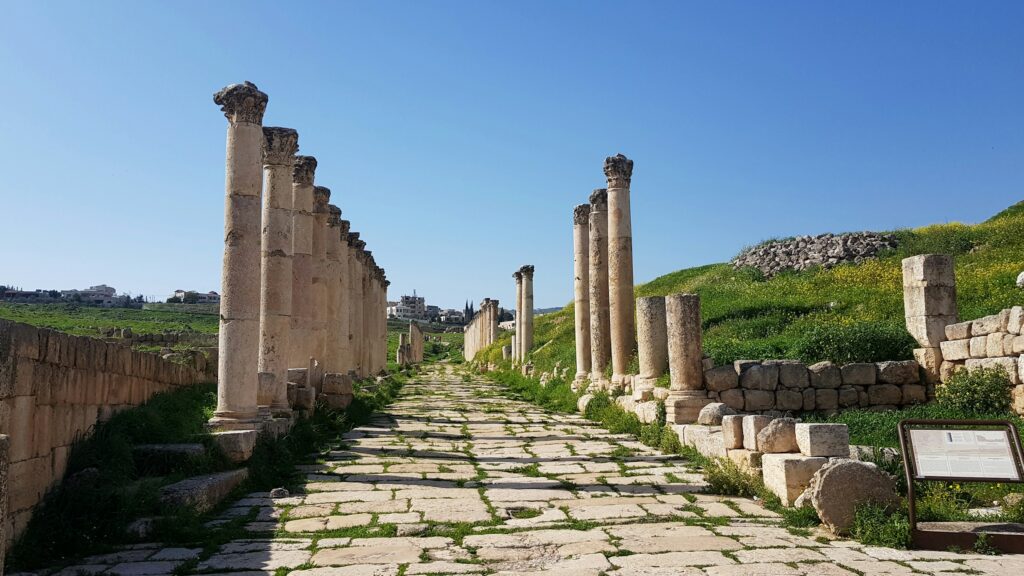
To interpret the rover findings, the team turned to rock formations in the United Arab Emirates’ deserts, which formed under comparable groundwater conditions.[2] These Earth sites mirrored the Martian dunes in how water hardened aeolian sediments from below.
Key evidence included:
- Gypsum veins matching those in Gale Crater.
- Concretion patterns from mineral precipitation.
- Sand deformation shortly after deposition, signaling near-surface moisture.
- Preservation of dune stratigraphy despite erosion.
This comparative approach confirmed groundwater as the lithifying agent on Mars.
Boosting the Case for Past Life
The minerals left behind excel at trapping organic molecules, shielding them from radiation and offering prime sites for biosignatures.[4] “Our findings show that Mars didn’t simply go from wet to dry,” said Dimitra Atri, principal investigator at New York University Abu Dhabi’s Space Exploration Laboratory. “Even after its lakes and rivers disappeared, small amounts of water continued to move underground, creating protected environments that could have supported microscopic life.”[1]
Unconformities emerged as potential habitable zones, where stable water flows might have nurtured microbes.[3] Lithified dunes now stand as top targets for future missions probing Mars’ biological history.
Key Takeaways
- Subsurface water lithified Gale Crater dunes billions of years after surface drying.
- Gypsum and salts preserve potential organics, aiding life detection.
- Protected underground niches extended Mars’ habitability timeline.
This research, detailed in the Journal of Geophysical Research: Planets, underscores how Mars clung to hidden moisture, inviting deeper exploration of its subsurface past. What implications do these findings hold for upcoming rover missions? Share your thoughts in the comments.