
Stand at the center of a stone circle at dawn and you can feel it: the ruins are not random. Across the world, from desert pyramids to misty mountaintops, ancient builders aligned their monuments with the sky so precisely that even modern instruments still double‑check their work. It forces an uncomfortable question: how did people with no telescopes, no satellites, and no written math (in some cases) measure the heavens with such unnerving accuracy?
What we’re discovering in the twenty‑first century is that many ancient structures are not just heaps of stone but carefully tuned observatories, calendars, and cosmic clocks. They track solstices, equinoxes, lunar standstills, and even the slow wobble of Earth’s axis. Far from being naïve sky‑gazers, ancient societies treated astronomy as both sacred and deeply practical – woven into farming, politics, and myth. Once you see these alignments, it’s hard to unsee them.
The Stone Sky: What Alignments Really Tell Us
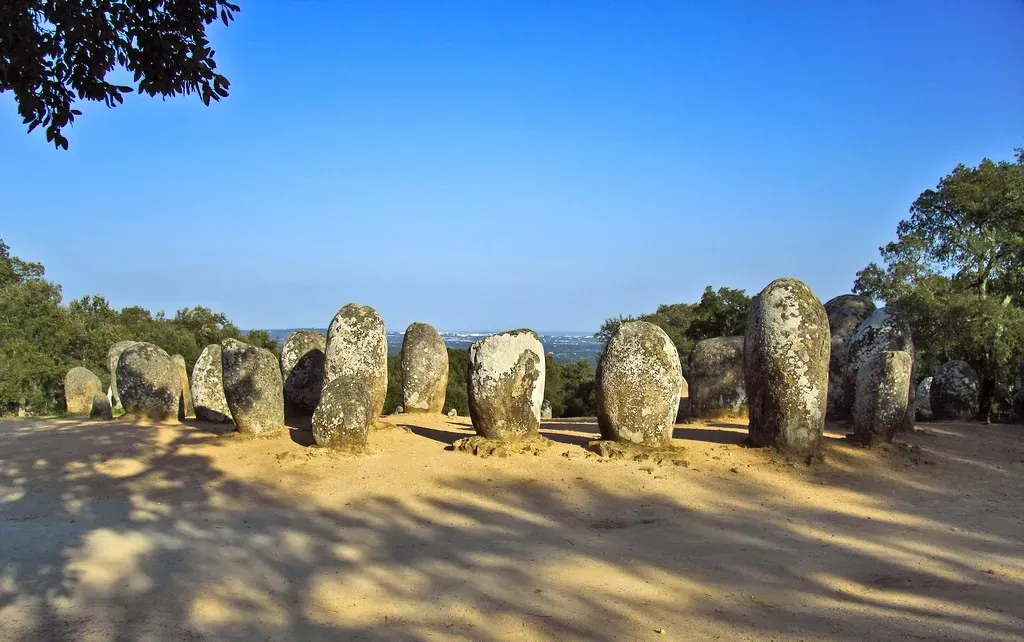
Walk into any ancient site with an archaeologist who studies the sky, and suddenly doorways, shadows, and strange little windows stop feeling decorative and start looking like instruments. An alignment isn’t just “this points north” but “on this exact day, at this exact time, the first ray of sunrise hits this specific stone.” When the same alignment repeats year after year with only tiny errors, it’s a clue that someone was paying obsessive attention over generations.
Modern researchers use tools like GPS, laser scanning, and astronomy software to test these alignments against the historical sky, including changes in Earth’s tilt and wobble over thousands of years. When a temple doorway matches sunrise on the winter solstice to within a fraction of a degree, that’s not luck. It suggests repeated observation, careful measurement, and, often, cultural pressure to get it right – because the heavens told people when to plant, when to tax, and sometimes when kings were allowed to rule at all.
Stonehenge: More Than Just a Stone Circle
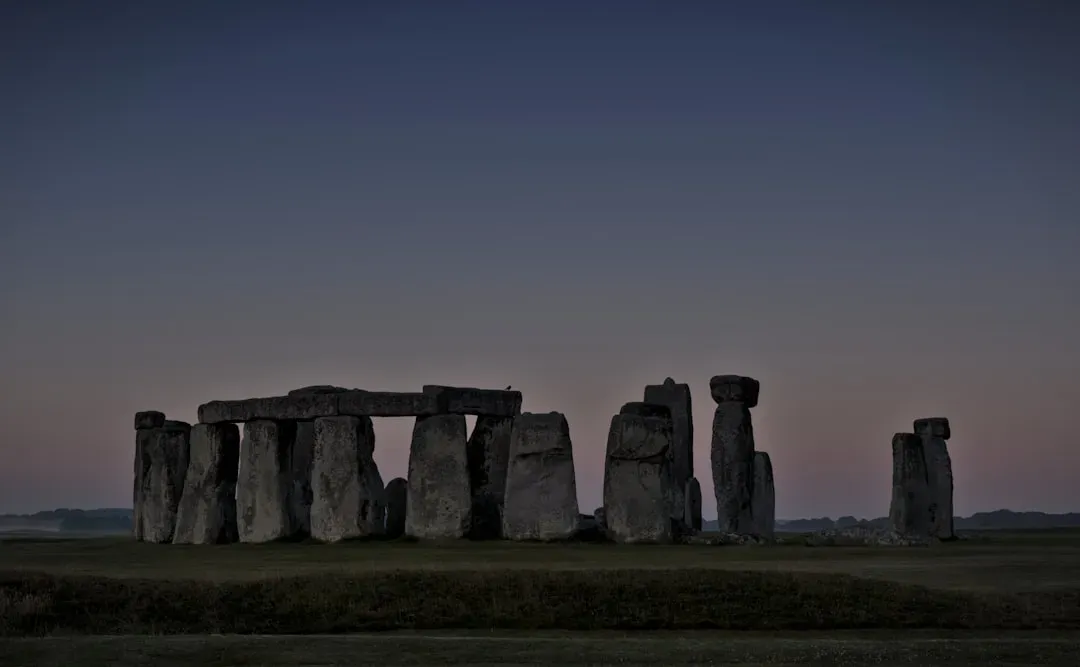
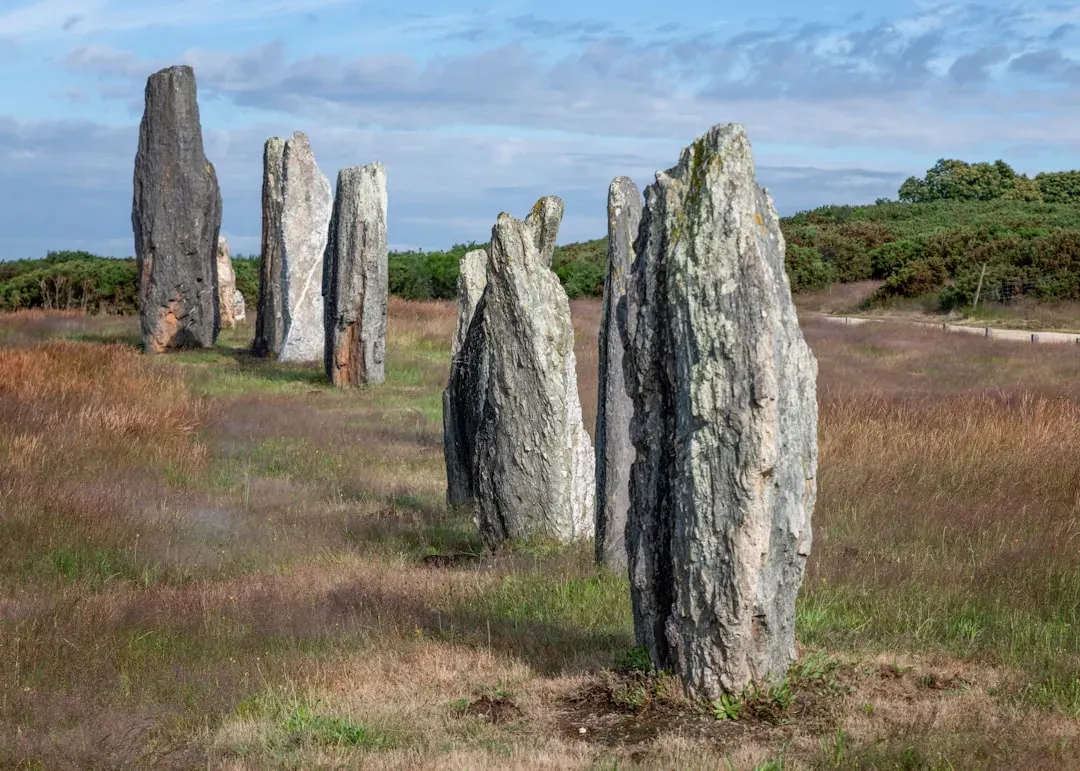
Stonehenge often gets treated like a prehistoric mystery prop, but its giant stones are locked into the solar year with eerie precision. Stand at the center and look toward the Heel Stone at midsummer sunrise and you watch the sun emerge almost exactly along that axis; flip the line around and you get the midwinter sunset. Many archaeologists now see midwinter, not midsummer, as the more important event, because associated sites show feasting and gatherings timed to that darker, more desperate season.
Beyond simple sunrise markers, Stonehenge and nearby features seem to echo other cycles, like the roughly monthly rhythm of the moon and possibly longer lunar standstill patterns. The builders didn’t leave manuals, but the repeated use of particular sightlines and the layering of different construction phases hint at a long‑term sky‑watching tradition. It’s like walking into a stone notebook, where each new generation annotated the margins with its own celestial fixes.
Egyptian Pyramids: Cardinal Perfection in Stone
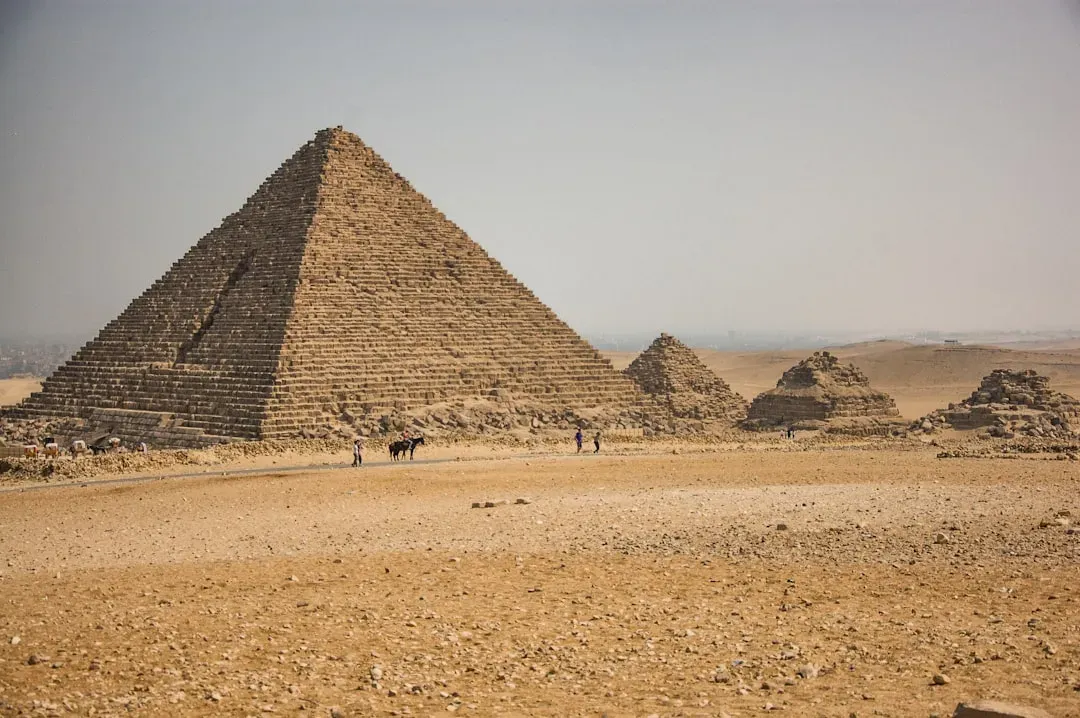
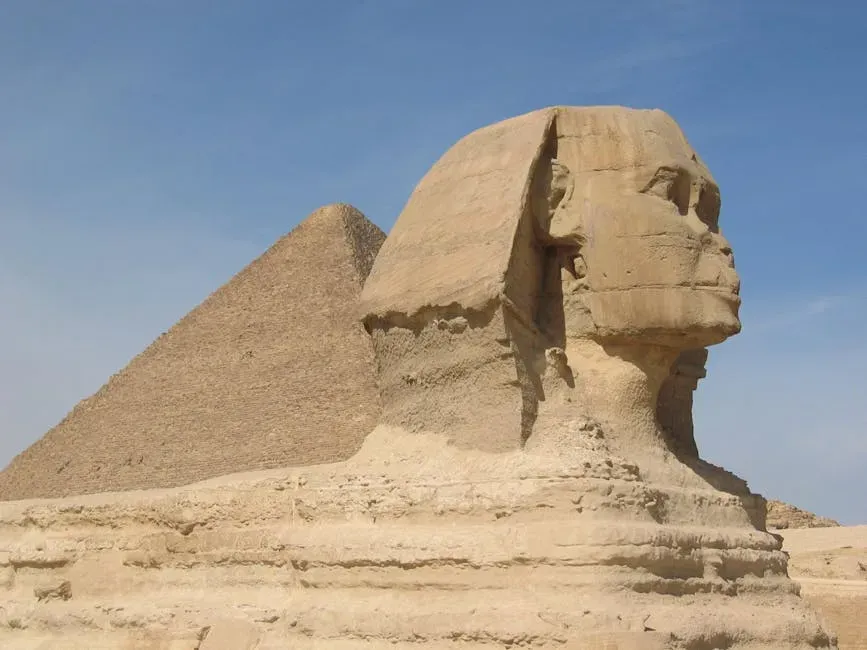
The Great Pyramid of Giza is aligned with the cardinal directions so tightly that even modern engineers have had to swallow their pride. Its north–south axis is only off true north by a tiny fraction of a degree, an error smaller than what you’d expect from simple eyeballing. For a structure completed more than four thousand years ago, that level of precision demands a deliberate method of astronomical orientation, not just guessing at where the sun rises.
Most researchers think Egyptian surveyors used the stars, possibly pairing circumpolar stars that rotate around the north celestial pole, to establish true north. The so‑called “air shafts” inside the Great Pyramid also appear to be aimed toward specific stars or regions of the sky that were symbolically associated with immortality and the afterlife. So the pyramid wasn’t just pointing north; it was locking pharaoh into a cosmic geography where his soul joined an eternal, never‑setting stellar realm.
Maya Cities and the Precision of Cosmic Time
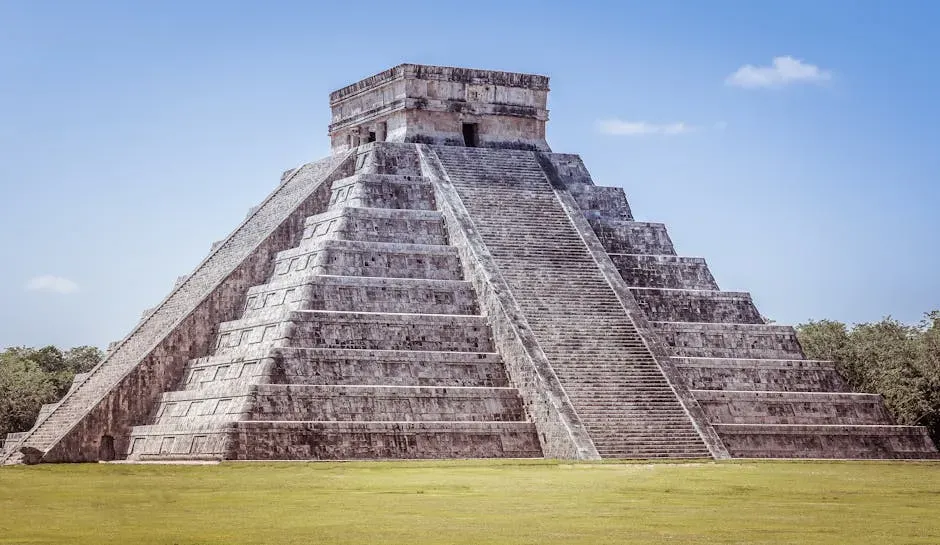
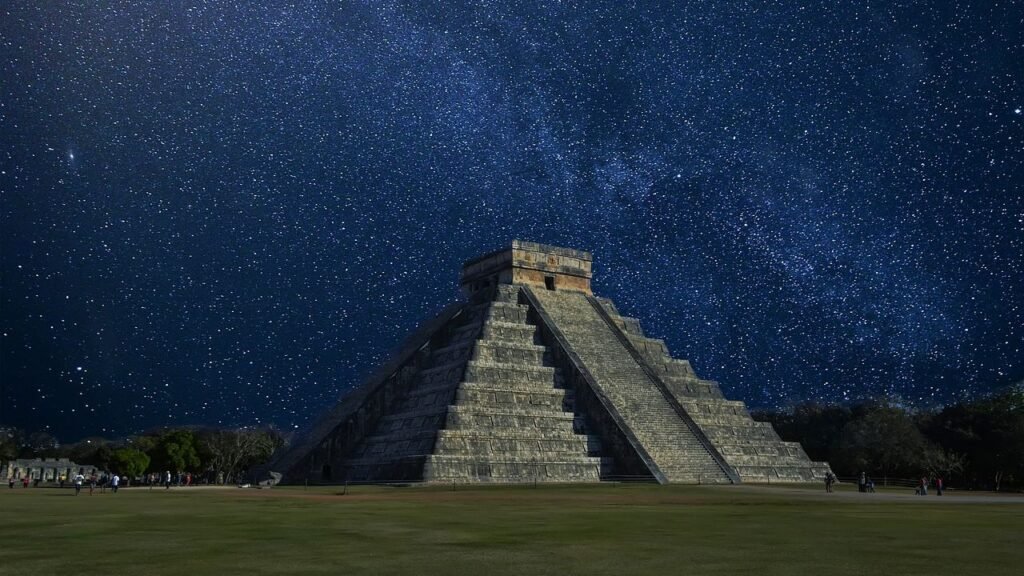
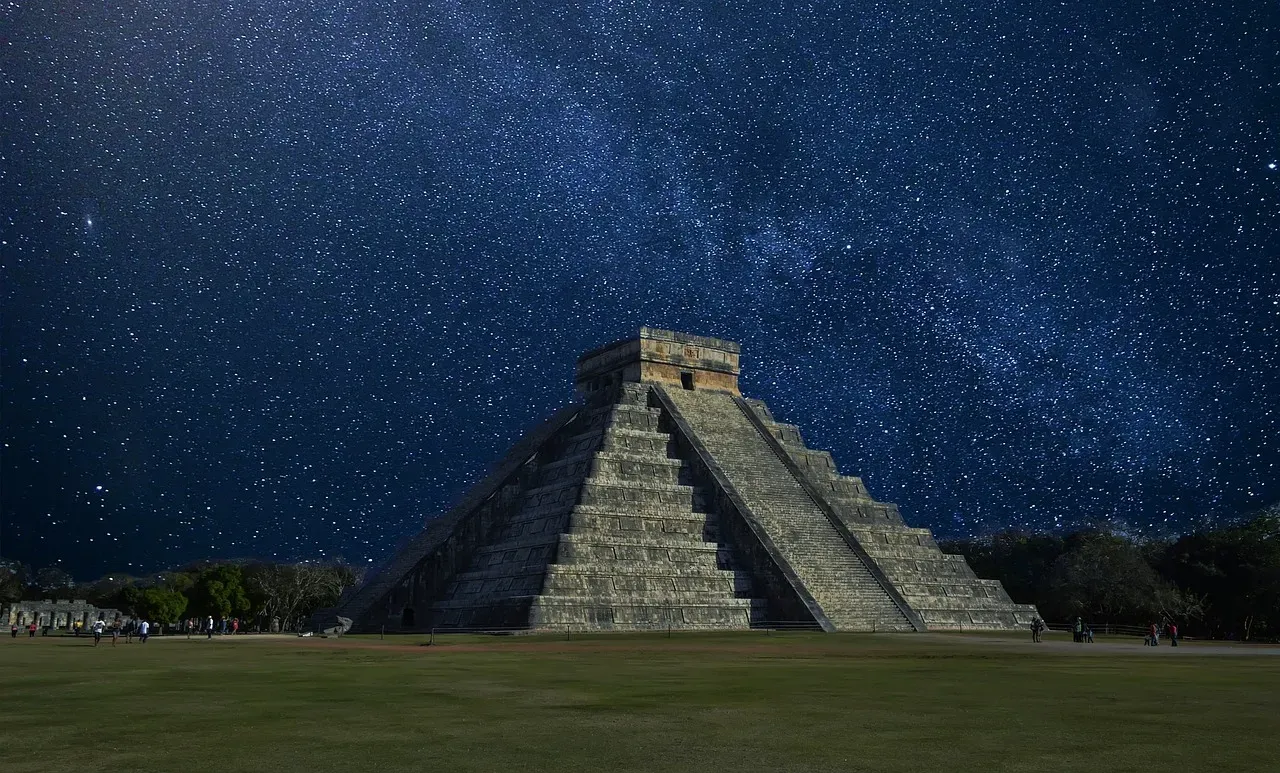
Maya architects in Mesoamerica turned whole cities into three‑dimensional sky maps. Structures such as the so‑called Caracol at Chichén Itzá include windows and sightlines that match key solar and Venus events. The Maya tracked Venus so closely that they could predict its appearances and disappearances with errors that only accumulate after many centuries, which is astonishing for a culture with no metal telescopes.
Their Long Count calendar famously rolled through enormous spans of time, but on the ground, it was expressed in tangible alignments. Many pyramids and plazas are oriented toward solstice or equinox sunrises, or to significant dates in their ritual calendar. When you read hieroglyphic texts alongside those alignments, you see royal propaganda perfectly timed to celestial events – rulers claiming power on days when the sky itself was doing something dramatic, like a cosmic endorsement stamped in light.
Nabta Playa, Chaco Canyon, and Other “Hidden Observatories”
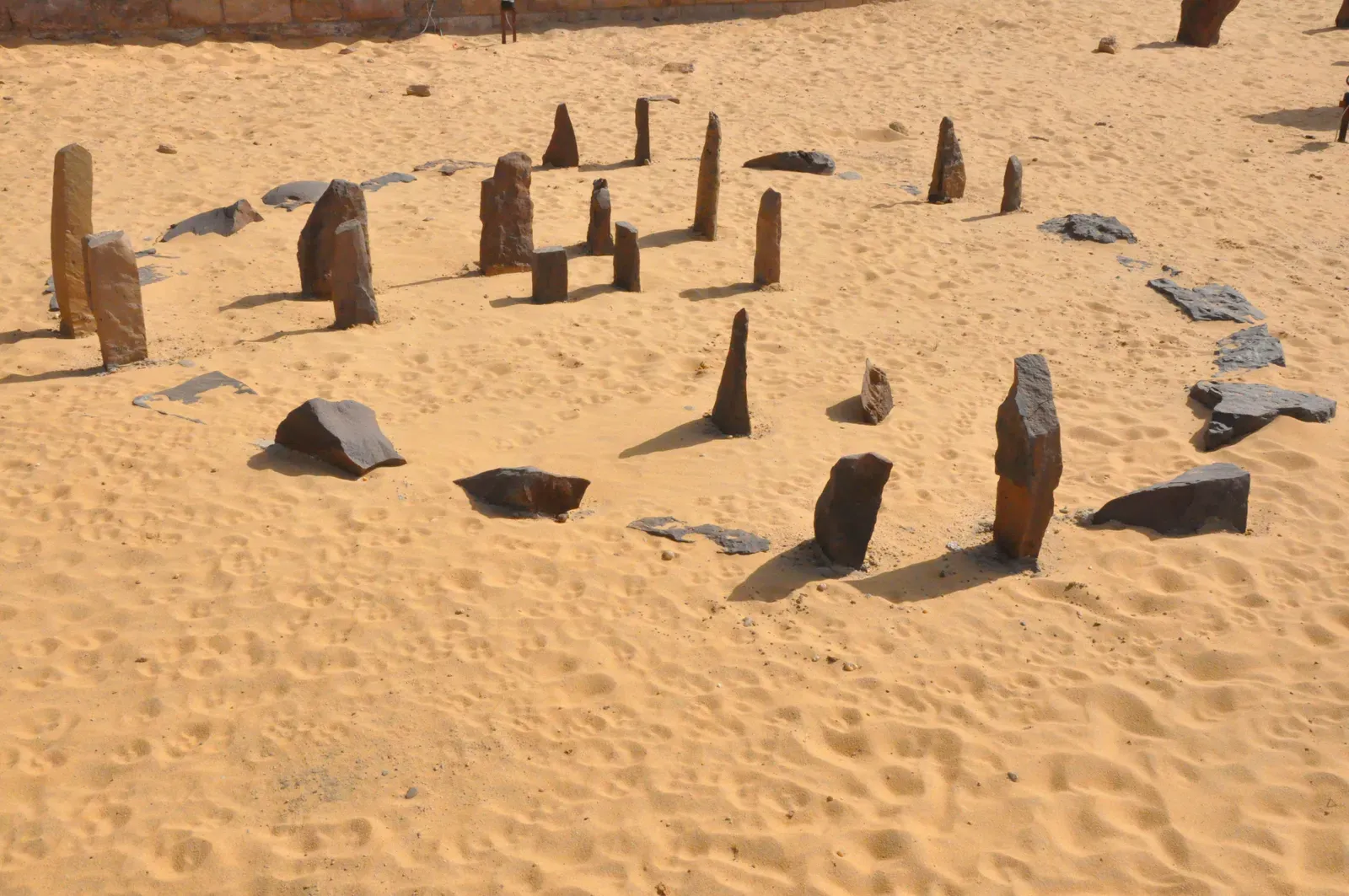
Some of the most striking ancient sky tools sit in places most people have never heard of. In southern Egypt, at a site called Nabta Playa, standing stones and stone circles built by pastoralists long before the pharaohs show alignments with solstices and certain bright stars. Given its age, this desert observatory hints that sophisticated sky‑watching in northeast Africa was already underway thousands of years before more famous monuments were raised along the Nile.
On the other side of the world, at Chaco Canyon in what is now the southwestern United States, ancestral Puebloan builders oriented great houses and roads along cardinal directions and significant solar positions. A rock panel known as the “sun dagger” uses carved spirals and the play of light and shadow at midday to mark solstices and equinoxes with shocking neatness. These cases remind us that careful astronomy wasn’t limited to big empires; small communities with deep observational patience could match or even surpass the precision of more “advanced” states.
How Ancient People Measured the Heavens Without Modern Tools
Once you strip away the romance of lost wisdom, you’re left with something in some ways even more impressive: human persistence. You don’t actually need advanced math or glass lenses to track the sun’s rising point over the horizon year after year. A simple vertical stick, a fixed marker on the skyline, and a tradition of recording observations across generations can get you surprisingly far. It’s like building a laboratory out of patience instead of metal.
Many ancient cultures likely used methods that feel almost too simple, such as aligning straight lines by watching stars rise at the same spot on the horizon or using water containers to find level planes and right angles. They paid for precision with time, repetition, and community memory. When we see how far those tools took them, it reframes our sense of “primitive”: the real resource wasn’t technology but the willingness to watch the sky long enough for its very slow secrets to reveal themselves.
Why This Ancient Astronomy Still Matters Today
At first glance, it might seem like we’ve outgrown all this. We have space telescopes, atomic clocks, and software that can recreate the sky from any point on Earth thousands of years in the past or future. But the more we understand ancient sky , the more it reshapes our picture of human intelligence. These builders didn’t just stack stones; they encoded their worldview, their fears, and their hopes into alignments that still function long after their languages fell silent.
There’s also a humbling continuity: today’s astronomy is still about using patterns of light to mark time, navigate, and explore our place in the universe. The difference is scale, not essence. When you stand in the shadow of a pyramid, inside a stone circle, or at the edge of a desert stone ring, you’re sharing the same basic question with people who lived thousands of years before you: how do we fit into this vast, moving sky above our heads?
Conclusion: A Shared Sky Across Millennia
Seen together, these ancient structures form a quiet but stubborn argument against the idea that earlier cultures were simple or naïve. From Britain’s foggy plains to Egypt’s desert plateau, from Maya forests to high desert mesas, builders used the slow, predictable dance of the heavens as a template for their most enduring works. They treated the sky as a clock, a calendar, a map, and a sacred script, and then turned stone, earth, and architecture into a permanent record of that relationship.
We might have sharper instruments now, but the basic awe is the same: a small species staring up, trying to bring order to the moving lights. The fact that we can still walk into these places and watch the same solstice sun or wandering planet perform on cue is a reminder that we share one continuous, human story written in both stone and starlight. When you look up tonight, can you imagine what kind of monument you’d build to the sky if all you had were your eyes, your hands, and a lifetime of nights?