Some animals walk, swim, or fly through life with abilities that feel less like biology and more like a comic book plot. They shrug off radiation, regrow lost body parts, or survive in conditions that would turn us into a cautionary tale in seconds. When you really look at them, it almost feels unfair that humans got smartphones and they got actual superpowers.
I still remember the first time I learned that a certain tiny creature can basically hit pause on life and come back decades later like nothing happened. It completely changed how I thought about evolution and survival. Let’s dive into five very real animals whose powers seem so extreme, if someone described them in a movie script, you’d probably say it was too unrealistic.
The Tardigrade: The Indestructible “Water Bear”
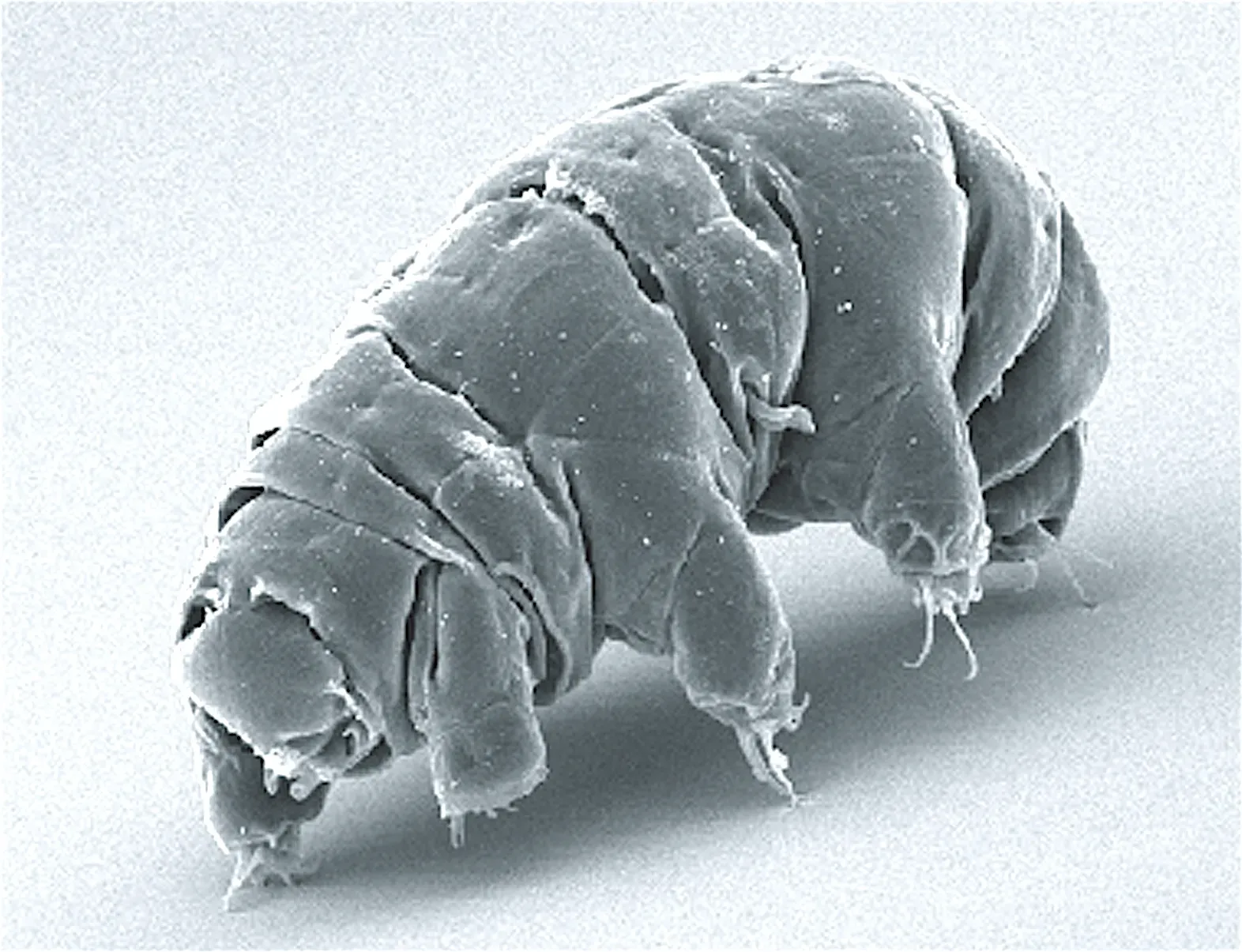
Imagine an animal so tough it can survive the vacuum of space, extreme radiation, and temperatures colder than liquid nitrogen, all while being smaller than a grain of sand. That’s the tardigrade, sometimes called the water bear, a chubby little creature with eight legs and a face that looks oddly like a vacuum nozzle. Under normal conditions, it lives in moss, soil, freshwater, and ocean sediments, quietly munching on plant cells and algae like a microscopic couch potato.
Its real superpower shows up when things go bad. When food disappears, water dries up, or temperatures swing wildly, the tardigrade curls up into a dried-out ball called a “tun” and shuts almost everything down. Its metabolism slows to a tiny fraction of normal, and it can stay like that for years, even decades, then rehydrate and carry on as if nothing happened. It’s like having a built-in, emergency hibernation suit that lets you cheat death over and over again.
The Axolotl: The Regeneration Master
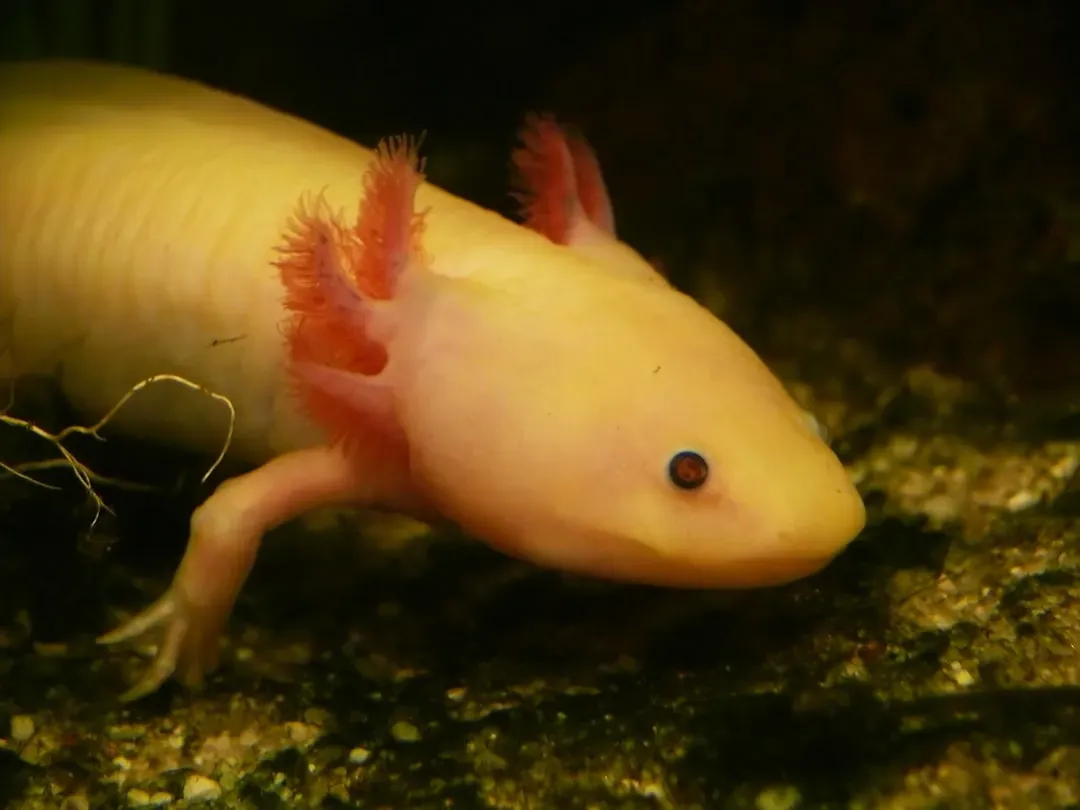
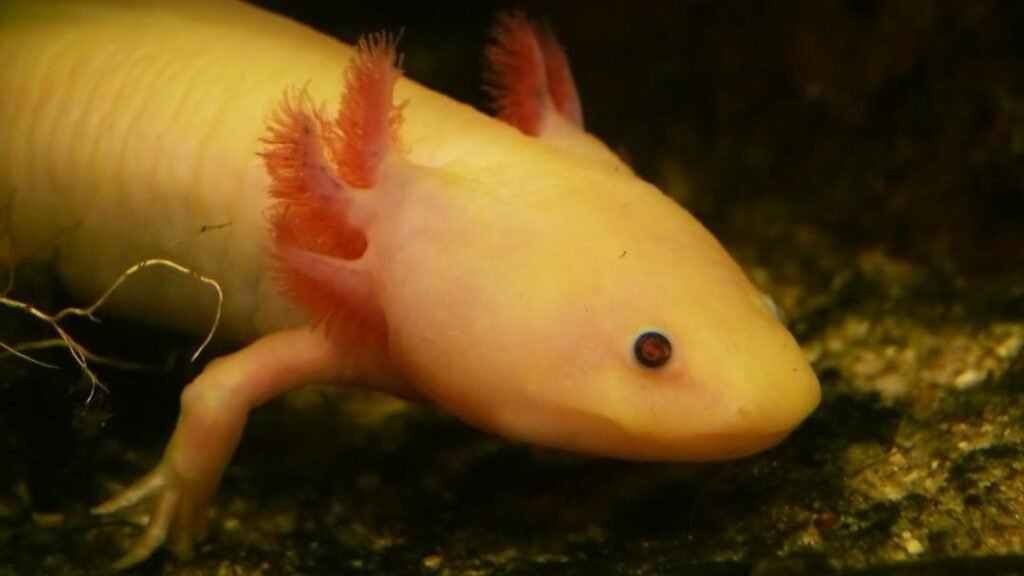
Most of us are stuck with a pretty harsh rule: if you lose a limb, it’s gone. The axolotl, a strange, permanently “teenage” salamander from the lakes around Mexico City, plays by completely different rules. It lives underwater, wearing a feathery crown of external gills, and looks like it’s always smiling, which honestly feels appropriate for an animal that can regrow body parts like it’s no big deal.
If an axolotl loses a leg, it grows back. If it injures its spinal cord, brain tissue, jaw, tail, or even parts of its heart, those can regenerate too, often without leaving a scar. Instead of forming a hard, useless scar, its cells revert to a more flexible state and rebuild the missing structure with shocking precision. Researchers have been obsessed with this for years, hoping that understanding axolotl regeneration might one day help humans heal major injuries that are currently permanent.
The Pistol Shrimp: The Underwater Gunner
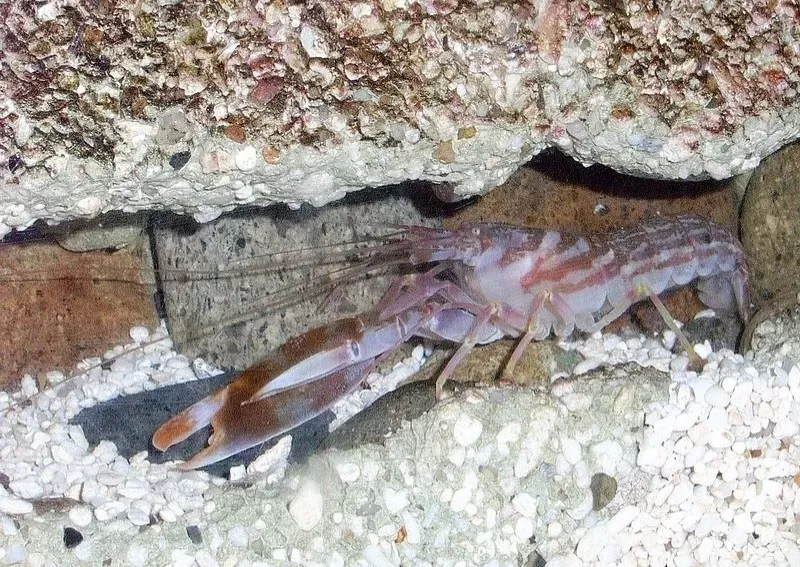
At first glance, the pistol shrimp looks like a tiny, ordinary crustacean with a slightly oversized claw. But underwater, that claw is more like a built-in cannon. When the shrimp snaps it shut, it doesn’t just make a snapping sound; it creates a fast-moving bubble that collapses so violently it generates a shockwave strong enough to stun or even kill small prey nearby.
What makes this even crazier is the physics behind it. As the bubble collapses, it briefly reaches temperatures comparable to the surface of the sun and emits a tiny flash of light, a phenomenon known as sonoluminescence. All of this is happening inside a creature only a few centimeters long, hiding under rocks and coral. So while we’re busy arguing about speakers and sound systems, this little shrimp is out there literally weaponizing physics to hunt its lunch.
The Mantis Shrimp: The Color-Seer and Bone-Breaker
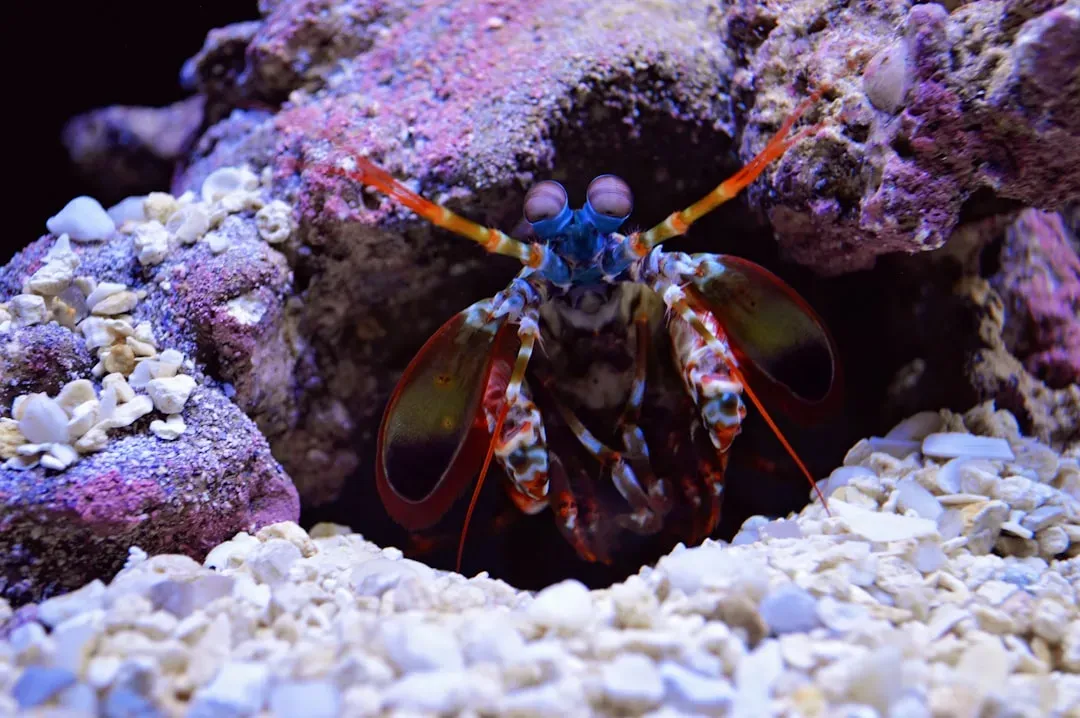
The mantis shrimp looks like someone let a child design an animal with every color in the paint box and then armed it. It has some of the most advanced eyes known in the animal kingdom, able to detect a wider range of colors than humans, including ultraviolet light. Its eyes move independently, scanning the world in a way that almost feels like alien tech strapped to a crustacean’s face.
Then there are the arms. Depending on the species, mantis shrimp can have club-like limbs that punch, or spear-like limbs that stab, both moving with mind-bending speed. Their strikes are so fast they create shockwaves in the water and can crack aquarium glass or shatter snail shells with ease. If you imagine a boxing glove powered by a tiny spring-loaded sledgehammer, you’re not far off, and that insane punch has turned the mantis shrimp into a kind of underwater legend.
The Electric Eel: The Living Battery
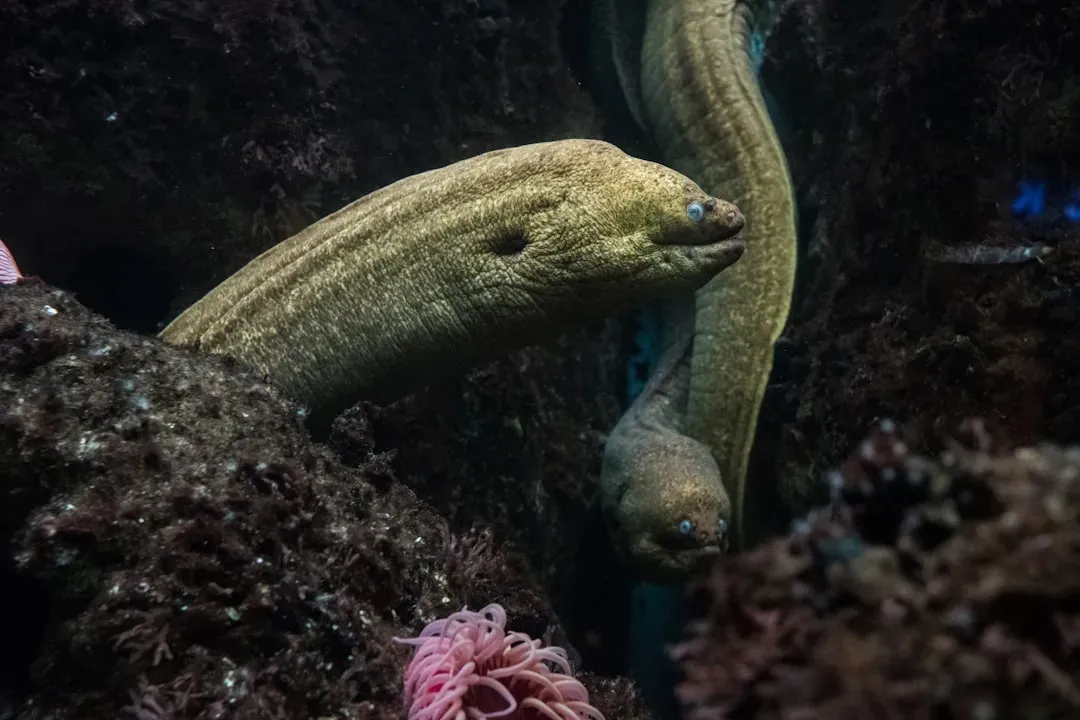
The electric eel is the closest thing we have to a living, free-swimming battery pack. Found in the murky waters of the Amazon and Orinoco basins, it can generate powerful electric discharges using specialized cells called electrocytes. These cells are stacked in long rows inside its body, a bit like battery cells in a high-powered device, and when they fire together, the eel releases a strong electric shock.
It uses weaker pulses to navigate and find prey in dark, muddy water, kind of like a built-in radar system, and stronger discharges to stun prey or defend itself. Some large electric eels can deliver shocks strong enough to knock down large animals and cause serious pain to humans who get too close. The idea that an animal evolved a biological taser system is wild enough on its own, but the precision with which the eel controls the voltage makes it feel almost engineered.
Conclusion: Nature’s Real-Life Superheroes
These five animals may not wear capes, but their abilities make most fictional superheroes look a little underpowered. From the tardigrade pausing life itself, to the axolotl rebuilding its own body, to shrimp that weaponize physics and eels that fire off electricity, nature keeps quietly proving that reality can be far stranger than anything we make up. Once you know these creatures exist, it’s hard not to look at the natural world with a new sense of respect and curiosity.
In a way, their superpowers are just extreme versions of tools evolution gave them to survive, sharpened over millions of years. We might never grow back limbs like an axolotl or shrug off space like a tardigrade, but studying these animals is already inspiring new ideas in medicine, robotics, and technology. It makes you wonder what other “impossible” powers are still hiding out there, waiting to be discovered in some overlooked corner of the planet.