
Every so often, the human body does something so strange, so utterly baffling, that even the smartest doctors in the room just stare at the scans and say, “I have no idea.” In an age where we can edit genes, grow organs in labs, and map the brain in glowing colors, it feels almost unsettling to admit there are still illnesses that simply defy explanation.
Yet these mysteries exist – and they’re not rare curiosities locked away in obscure case reports. They’re lived experiences: people losing their memories overnight, feeling pain from water, or waking up with bodies that no longer follow the usual rules. Some of these conditions are vanishingly rare, others surprisingly common, but they all share one thing: even in 2026, nobody fully understands what’s really going on.
The Brain That Erased Itself Overnight
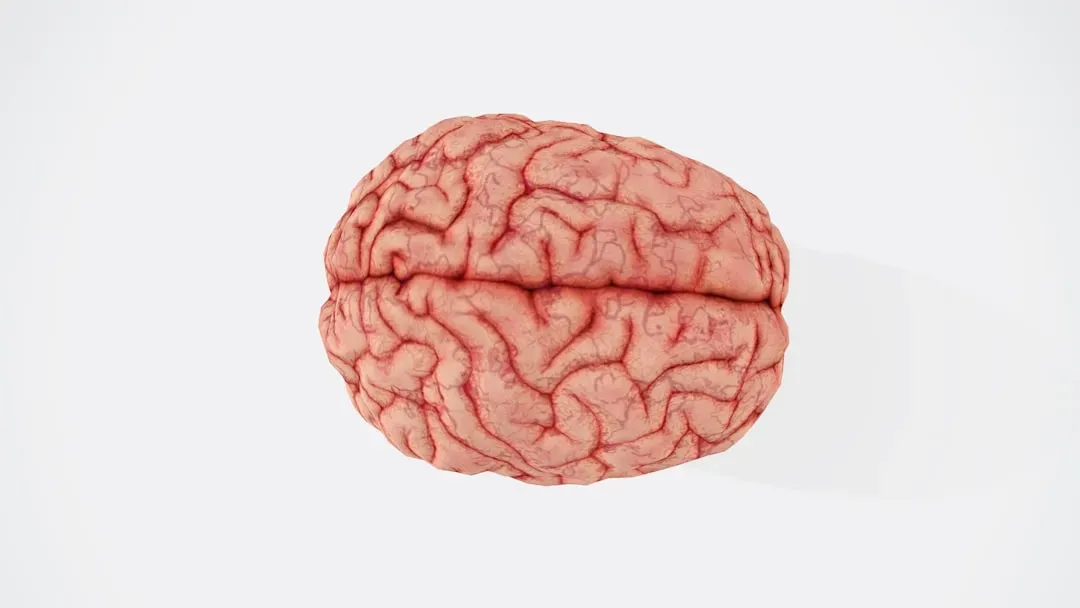
Imagine going to sleep remembering your life, your loved ones, and your job – and waking up with the mind of a stranger in your own body. Sudden retrograde amnesia, where people lose memories of their past without a clear physical cause like a stroke or head injury, still leaves neurologists quietly uneasy. Brain scans often look normal, blood tests come back fine, and yet years of a person’s life can vanish as if someone hit a delete key.
Doctors can sometimes find emotional trauma, stress, or subtle hints of underlying conditions, but in a surprising number of cases there’s no clear trigger at all. Some patients slowly rebuild parts of their memory, others never do, instead having to relearn their own history from photos and stories. It feels like the brain has intentionally locked itself out of its own archives, and no one really knows why. For all we talk about “downloading memories” in science fiction, in real hospitals, we still don’t know how or why they can disappear in an instant.
The People Allergic To Water

Water is the basic stuff of life – until your own tears burn your skin. Aquagenic urticaria, sometimes called a “water allergy,” sounds like an internet myth, but it’s a very real and extremely rare condition in which contact with water triggers hives, burning, or stinging pain. Sweat, rain, showers, even a quick swim can leave people with angry red welts and intense discomfort, despite normal allergy tests.
What’s so bizarre is that water itself is chemically simple and neutral, so the current leading ideas point toward some odd interaction between water and substances on or in the skin. But no one can pin down one single explanation that fits everyone diagnosed with it. Treatments like antihistamines or special barrier creams help some people, barely touch symptoms in others, and there’s no cure in sight. Telling someone to drink more water feels like generic health advice – until you meet someone who’s literally scared of every drop that touches their skin.
The Sleepers Trapped Between Dream And Reality

There’s a special kind of terror in waking up and realizing you can’t move, can’t speak, and feel a presence in the room that your rational brain says isn’t real. Sleep paralysis has been described in cultures all over the world, often wrapped in folklore about demons, witches, or night spirits sitting on the chest. Modern sleep labs can see the body stuck in a weird mismatch: the brain partly awake, the muscles still frozen in deep sleep mode, the dream machinery still buzzing.
What remains mysterious is why some people experience this once or twice in their lives, while others are haunted by it several times a week. Stress, disrupted sleep schedules, and some mental health conditions seem to raise the risk, but none of those fully explain the intense hallucinations so many people report. The brain appears to blend dream imagery with real-world awareness in a way that feels uncannily real, and doctors can describe the pattern but not fully explain why it happens to some minds so vividly and repeatedly. When science meets a nightmare that behaves like folklore, it still has more questions than answers.
The Phantom Limbs That Still Hurt

One of the strangest and most heartbreaking puzzles in medicine is phantom limb pain. People who have lost an arm or leg can still feel vivid sensations – tingling, itching, crushing pain – in a limb that no longer exists. Surgeons can confirm the limb is gone, nerves have been cut, scars have healed, yet the brain continues to light up as if that missing hand or foot is clenching in agony.
Current thinking points to the brain’s “map” of the body being far more stubborn and dynamic than we once believed, reorganizing itself in sometimes chaotic ways after an amputation. Mirror therapy, where patients watch a reflection of their intact limb moving, can reduce pain for some, which is fascinating and almost eerie. But why that trick works beautifully for certain people and not at all for others is still unclear. The fact that you can suffer deeply in a part of your body that no longer physically exists forces medicine to admit how little we truly understand about pain itself.
The Children Who Stop Moving – Then Mysteriously Recover

In parts of Europe and Australia over the past couple of decades, doctors began seeing something deeply unsettling: children, often from refugee families, slowly withdrawing from the world and slipping into what looked like a coma. They would stop talking, stop eating on their own, stop responding to their surroundings, yet their scans and lab results often showed no straightforward neurological cause. This condition has been described under different names, often grouped near what’s called resignation syndrome.
Psychological trauma, family stress, and the uncertainty of asylum processes seem to play huge roles, but that still doesn’t fully explain why the body shuts down so completely and then, sometimes, slowly comes back when circumstances improve. It isn’t faked, and it doesn’t match classic depression or typical neurological disease. It’s as if the nervous system pulls an emergency brake so hard that everything stalls, waiting for the world to feel safe again. Watching a child come back to life over months is incredibly moving – and a reminder that the line between mind and body isn’t nearly as clear as we pretend.
The Mystery Of Spontaneous Remissions

Every oncologist can tell you about at least one patient whose cancer behaved like it had read the script, then decided to improvise. Spontaneous remission – when tumors shrink or even vanish without a treatment that should obviously cause that change – is one of the most tantalizing medical mysteries. It’s rare, but it has been documented with different cancers: leukemia, melanoma, kidney cancer, and more, leaving doctors blinking at before-and-after scans that look almost unbelievable.
Researchers suspect the immune system plays a starring role, perhaps suddenly recognizing cancer cells as dangerous after an infection, a fever, or some other biological jolt. But there’s no reliable way to trigger this on purpose, and for every miraculous story, there are many more where the disease stays stubbornly unmoved. If we truly understood why these remissions happen, we might be able to turn accidents into treatment strategies. Right now, they sit uneasily between hope and mystery, reminding everyone that the body can sometimes heal in ways we still can’t predict or control.
The People Who Don’t Feel Pain – Until It’s Too Late

Most of us think a life without pain would be a gift, but for people born with rare forms of congenital insensitivity to pain, it’s more like a silent curse. Children can break bones and keep playing, burn their hands without pulling away, or bite through their own tongues because nothing hurts enough to warn them. Doctors can find certain gene mutations linked to this condition, yet even with genetic maps and lab tools, the exact pathways that switch pain on and off remain only partly understood.
Treating these patients is less about stopping symptoms and more about keeping them alive long enough to grow up safely. Families tape reminders onto sharp corners, check for injuries daily, and teach kids to treat their bodies like fragile glass, even when they feel invincible. What surprises many researchers is how specific some of these pain disorders are: some people don’t feel any physical pain but have normal emotional pain, while others are the opposite. Pain, it turns out, isn’t just a simple signal from nerves to brain; it’s a complex conversation we’re still only beginning to decode.
The Minds That Store Every Day Like A Movie
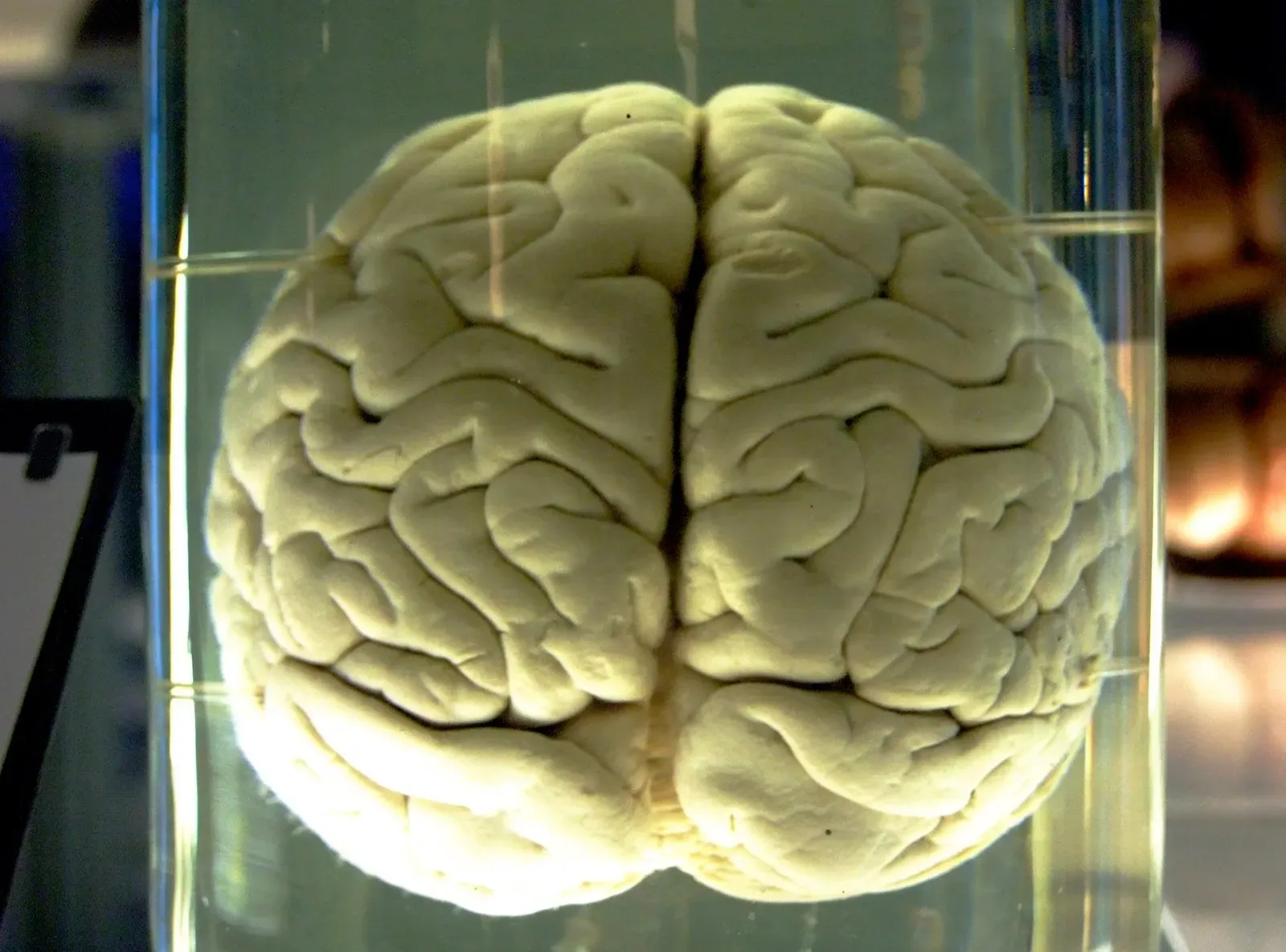
At the opposite end of memory loss, there’s a tiny group of people whose brains cling to almost every day of their lives with stunning detail. This is often called highly superior autobiographical memory. Someone with this condition can tell you what they did on a random date years ago, what they wore, sometimes even what the weather was like, as if they’re pulling up a mental video file. Standard intelligence tests may show they’re otherwise perfectly average, which makes the whole thing even weirder.
Brain imaging has hinted at subtle differences in certain regions, but nothing that perfectly explains why their memories are so obsessive and specific, and mostly tied to their own life events. Many describe it as a blessing wrapped in a burden, because they can’t forget painful days as easily as the rest of us do. There’s no switch to turn it off, no therapy that reliably tones it down. If amnesia feels like the brain losing the past too easily, this feels like the brain refusing to let go, no matter how heavy those memories become.
The Cases Of Foreign Accent Syndrome
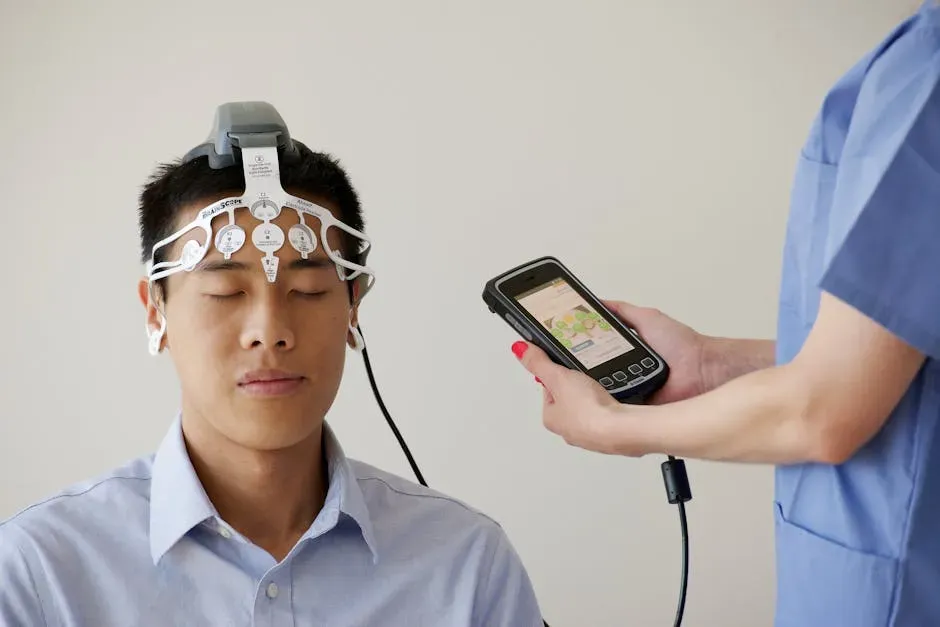
Every now and then, a person suffers a stroke, a head injury, or even, in a few cases, has no obvious brain damage at all – and suddenly starts speaking with what sounds like a completely different accent. Foreign accent syndrome is so rare that some doctors go their entire careers without seeing a single case, but the ones that do appear are deeply puzzling. Someone from the United States might wake up speaking English that sounds vaguely Irish, or a French speaker might suddenly sound Eastern European to the people around them.
Detailed studies suggest their speech rhythm, intonation, and tongue movements have subtly changed, which our ears interpret as an accent. But why damage in particular brain spots causes these specific patterns is still murky, and why a small number of cases happen without clear lesions is even murkier. Patients often feel like strangers in their own lives, judged or doubted by people who think they’re putting it on. It’s a strange reminder that identity is tied not just to what we say but to how we sound – and that one tiny shift in the brain can make our own voice feel foreign.
The Exploding Head That Never Really Explodes

Exploding head syndrome sounds like a late-night joke, but it’s a real and surprisingly common sleep phenomenon. As people are falling asleep or just waking up, they suddenly hear a deafening bang, a crash, or a burst of noise inside their head, sometimes accompanied by flashes of light. There’s no actual danger, no stroke, no aneurysm, no visible damage – just the terrifying sensation that something catastrophic has happened in the brain.
Some sleep researchers suspect it’s a kind of glitch in the brain’s shutdown sequence, where the systems that manage sound and awareness misfire for a split second. Others think it might be related to sudden shifts in neural activity similar to tiny, harmless electrical storms. But no one has a definitive explanation that everyone agrees on, and it’s hard to study because the episodes are brief, unpredictable, and mostly harmless. For the people who experience it, though, harmless doesn’t mean trivial; the fear is very real, and the fact that doctors still shrug and say, “We don’t fully know why this happens,” can be strangely unsettling.
Conclusion: Living With The Unknown In A High-Tech Age

We like to imagine modern medicine as a polished machine with an answer for everything, but these mysteries tell a different story. They show us a field that is powerful yet incomplete, precise yet humbled by conditions that don’t fit into neat boxes or textbook diagrams. For every disease we can trace down to a single gene or pathway, there are others that sit stubbornly in the gray zone, half explained, half wild.
I’ve sat in waiting rooms with people clutching folders stuffed with test results, each new specialist adding another “probably” or “maybe” but never a full stop. That feeling – of being a living question mark – is something the medical charts can’t really capture. The strange truth is that the unknown isn’t a failure of science; it’s the frontier of it. And as unsettling as that is, it’s also where the next breakthroughs will be born. Which of these mysteries would you most want solved first?