Have you ever looked at a bird perched on a wire, or a dolphin leaping in the ocean, and thought you understood what was going on? Honestly, most of us think we have the animal world figured out. We’ve watched the documentaries. We’ve scrolled through the nature videos. We’ve been to the zoo. Yet the more science digs in, the clearer it becomes that we’ve barely scratched the surface of what animals are actually doing, thinking, feeling, and communicating all around us.
The natural world is packed with behaviors so astonishing they almost seem fictional. From creatures that can survive the vacuum of space to birds that drum jazz rhythms in the forest, the animal kingdom is quietly running circles around our assumptions. So buckle up, because after reading this, you’ll never look at a dolphin, a parrotfish, or even a tiny wombat quite the same way again. Let’s dive in.
Dolphins Have Names for Each Other and Can Actually Ask Questions
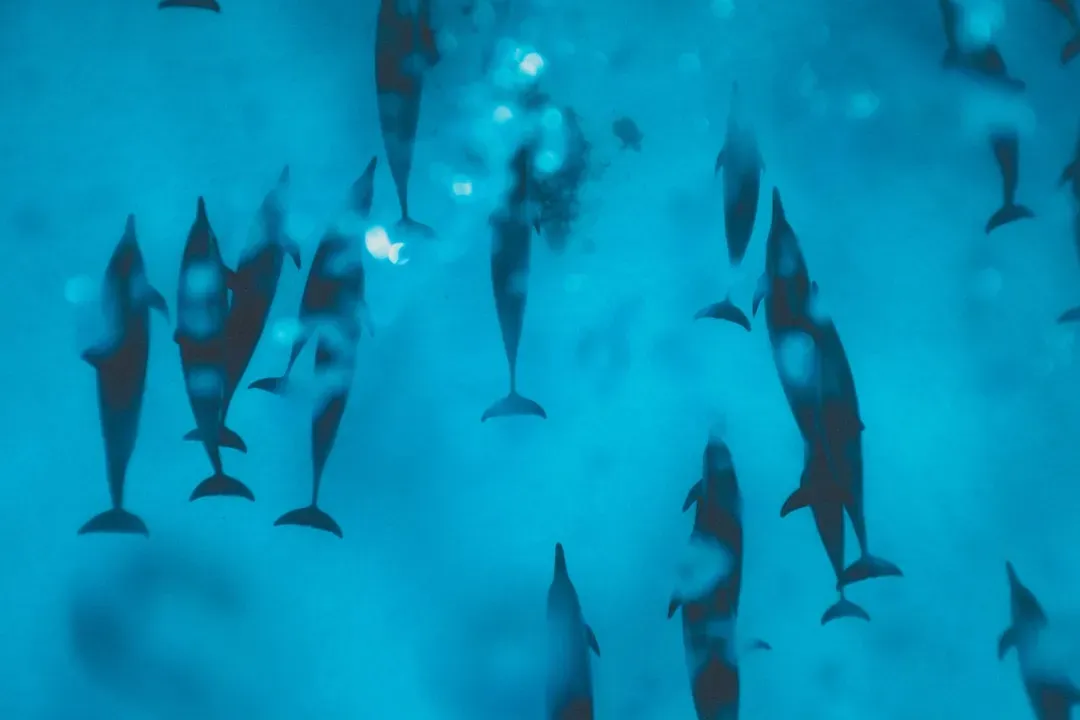
Bottlenose dolphins can call out to a specific dolphin they want to interact with by mimicking the distinct whistle of that individual. Think about that for a second. It’s not just communication. It’s personalized communication. You’d expect that kind of thing from a human at a crowded party, not from an ocean mammal.
Dolphins have signature whistles that reveal their location and announce their presence. They’ve also been observed seeming to reply to these calls by altering them, essentially saying “there you are.” Now, researchers in Florida who’ve been decoding non-signature whistles have identified a vocalization that seems to indicate a query, or even incredulity. Scientists at Woods Hole Oceanographic Institute have informally dubbed this non-signature sound “the WTF whistle.” If that doesn’t make you reconsider dolphin intelligence, nothing will.
Chimpanzees Drum to a Beat and Their Rhythm Depends on Where They’re From
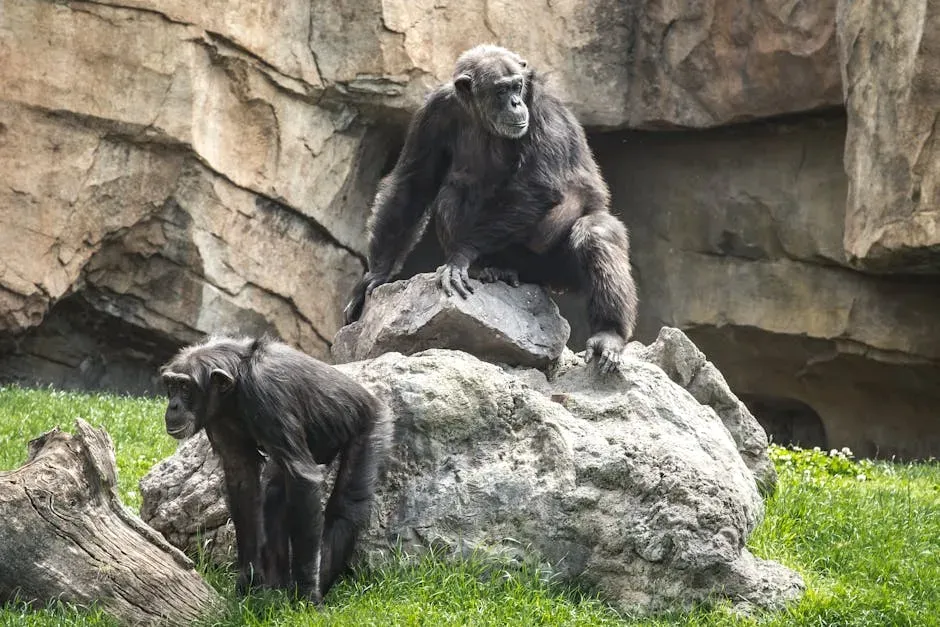
Chimps slap their hands and feet against the buttress roots of trees to create distinctive sounds that can travel up to 1,000 metres through thick rainforest. Researchers have now established not only that the apes drum to a rhythm, but that this rhythm varies between sub-species. You read that right. Regional dialects in drumming. Like regional music genres, but for primates.
Chimps in Uganda and Tanzania favor a jazzy swing pattern with a long-short-long-short rhythm, whereas western chimps in Guinea and Ivory Coast go for the evenly spaced beats typical of rock music. When you think about how long humans have considered music to be uniquely ours, this kind of discovery lands like a quiet revolution. It’s hard to say for sure where this behavior originated evolutionarily, but the cultural variation alone is staggering.
Wombats Are the Only Animals on Earth That Produce Cube-Shaped Poop
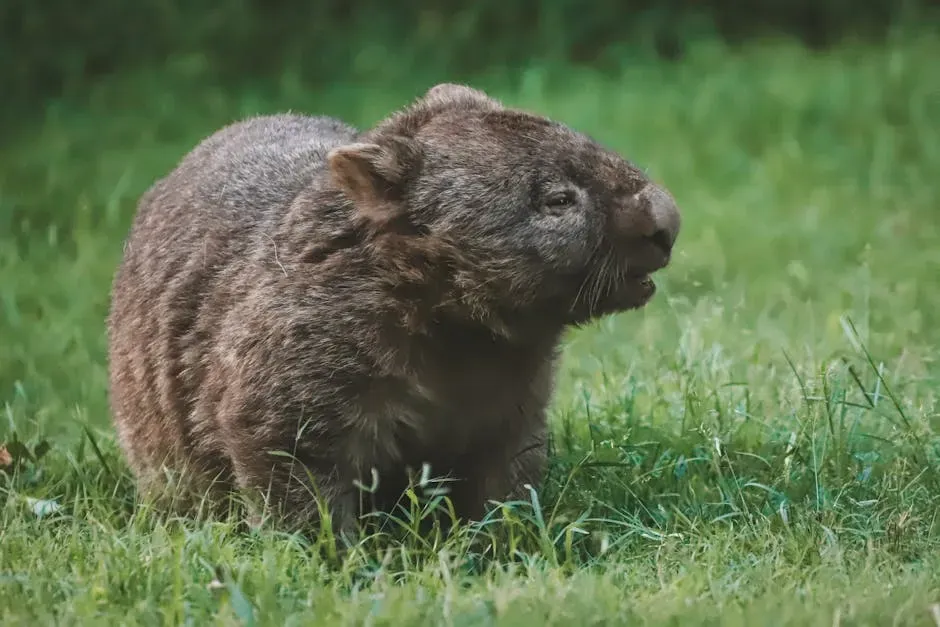
Wombat poop is square, a truly weird phenomenon that has been a mystery for years, prompting a team of scientists at the Georgia Institute of Technology to do a rigorous analysis. It turns out, wombat poop is extremely dry, since wombats extract all moisture from their food. Their bodies essentially wring out every last drop of water from what they eat, which makes perfect survival sense given how dry Australian environments can be.
National Geographic reports that wombat intestines are also irregularly shaped and stretchy, which helps sculpt the dry scat into its unique cube-like shape. Here’s the thing that really gets me about this: wombats also use these cube-shaped droppings to mark their territory. Because the cubes don’t roll away like round droppings would, they stack neatly on rocks and logs. Nature invented stacking building blocks long before any toy company did.
The Immortal Jellyfish Can Biologically Reverse Its Own Aging
There are animals that can live forever, sort of. Immortal jellyfish, along with at least five other jellyfish species, dodge death by hitting rewind. Even after a dead medusa has collapsed into a pile of mush, its cells can grow into polyps. Imagine you could transform back into a baby every time you got old or sick. That’s essentially what this tiny creature does, and scientists are paying very close attention to it.
Immortal jellyfish can still die from predation and disease, but their regenerating abilities make them remarkably tough and successful. The biological mechanism behind this process, called transdifferentiation, is one of the most intensely studied phenomena in regenerative medicine. Researchers hope that understanding it might one day lead to breakthroughs in how humans deal with aging and cellular degeneration. A jellyfish no bigger than your pinky fingernail could be holding the secret to human longevity.
Parrotfish Sleep Inside Their Own Mucus Sleeping Bag Every Single Night
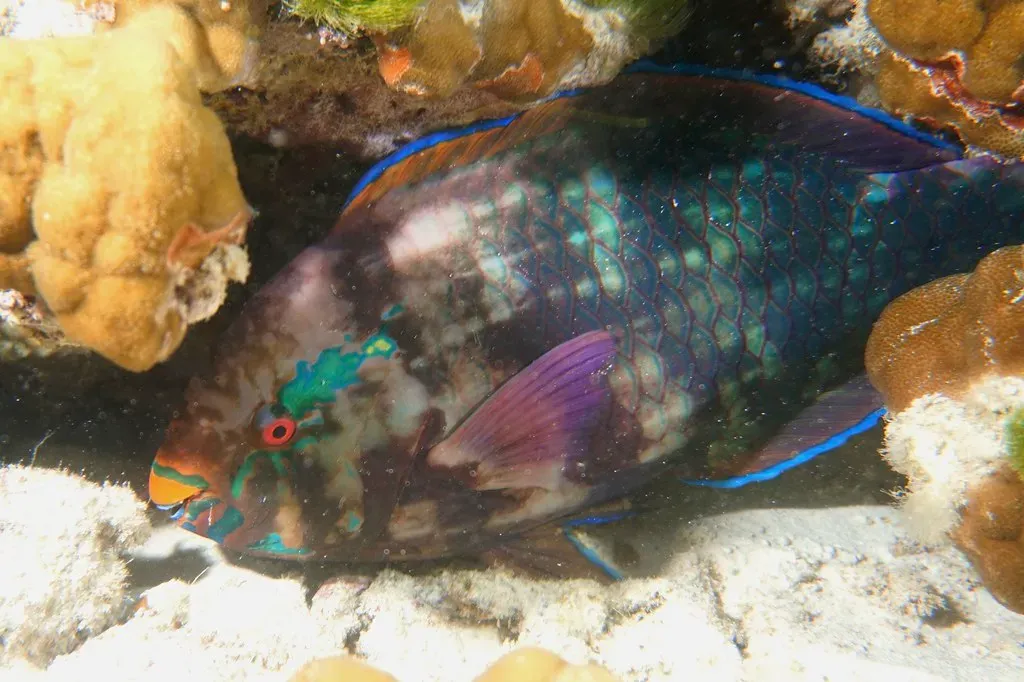
At night, the parrotfish creates a slimy bubble of mucus that swells up and completely covers it so that within about 30 minutes, the fish is resting inside a surprisingly spacious sac of slime that will protect it from predators. Let’s be real, that sounds disgusting. Yet it’s also one of the cleverest survival adaptations in the entire ocean. Think of it as a self-generated sleeping bag made entirely from your own bodily secretions.
Scientists believe the mucus cocoon may also mask the parrotfish’s scent from predators like moray eels that hunt by smell at night. On top of that, parrotfish have another strange habit: they eat coral. Their beaklike teeth grind it down, digest the algae inside, and then excrete the rest as fine white sand. Much of the beautiful white sand you see on tropical beaches? That came out of a parrotfish. Incredible, slightly unsettling, but absolutely true.
Mice Actively Try to Revive Their Unconscious Companions
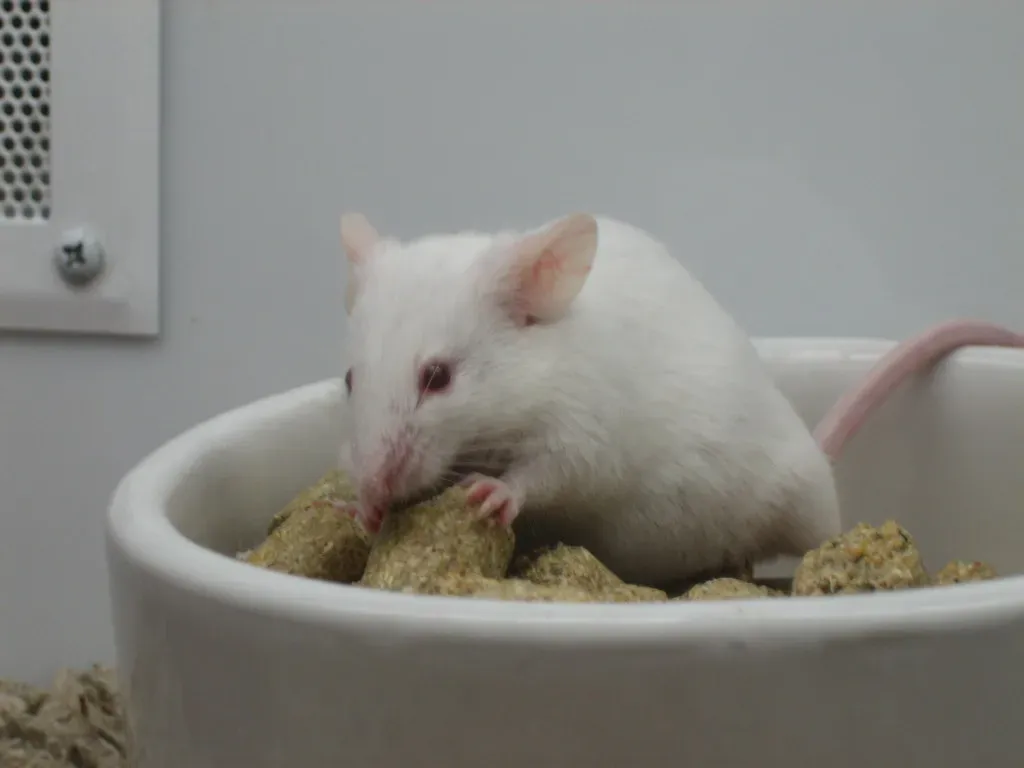
Humans aren’t the only animals with Good Samaritan tendencies. Elephants, chimps, and dolphins have all been known to come to the aid of ailing members of their own species, and now mice have been observed seemingly trying to revive their unconscious companions. This finding flips the common perception of mice as simple, instinct-driven creatures completely on its head.
For one study, published in the journal Science, lab mice were placed with another mouse that had just been anaesthetised. The healthy mice paid very close attention to the drugged mouse, sniffing and grooming it, and then as it slipped further into unconsciousness, pawing at the creature and nipping it, as though trying to wake it up. Whether this constitutes something like emotional awareness is still debated in the scientific community. Still, watching a tiny mouse desperately try to wake up its friend is the kind of thing that quietly rewires how you think about the inner lives of small animals.
Polar Bear Fur Is So Advanced It Outperforms the Best Human Ski Equipment
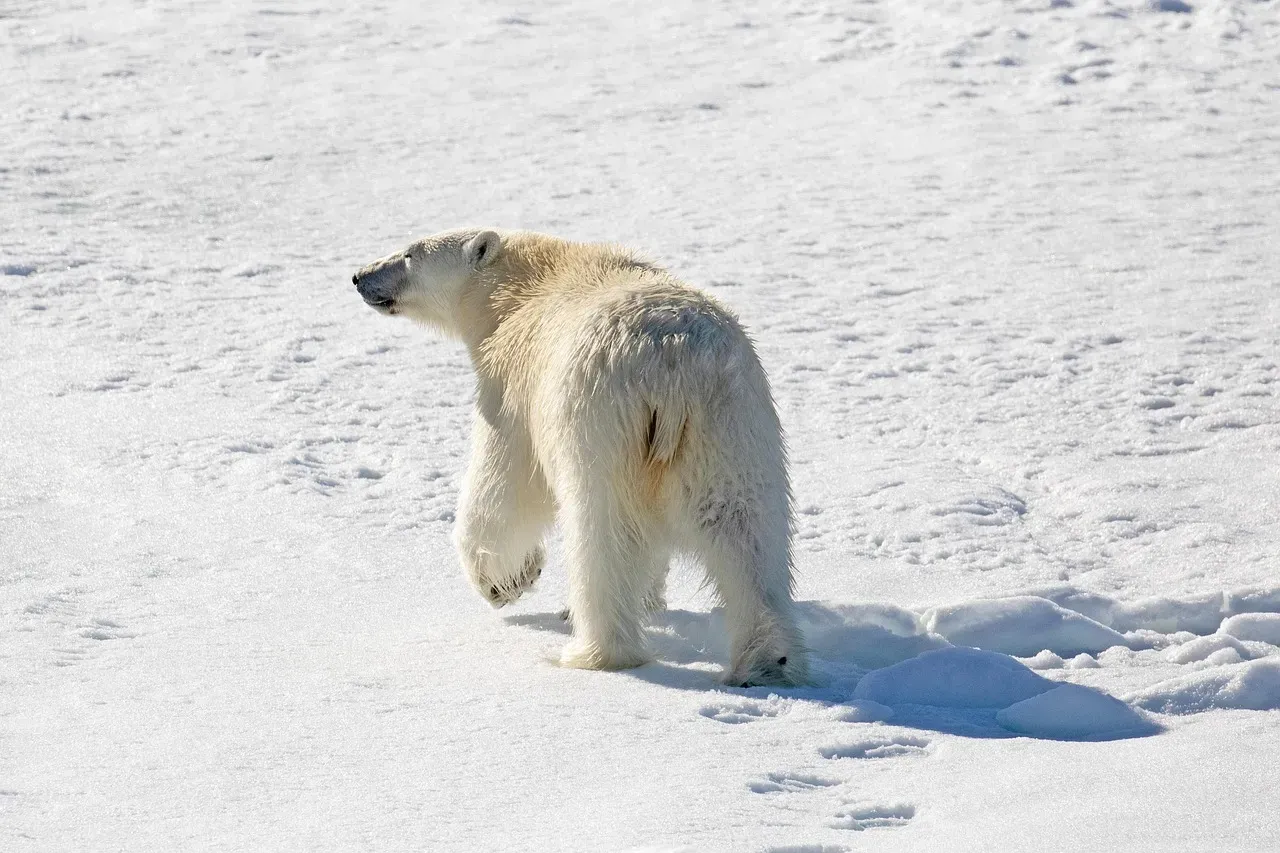
Even in near-freezing temperatures, polar bears plunge into cold Arctic waters chasing down seals. When they emerge into the frigid air, the mammals don’t get large clumps of ice clinging to their fur. In fact, when researchers have worked with sedated polar bears in the wild, they find the animals are almost inexplicably dry. That’s not just impressive. That’s a level of engineering that human materials scientists are still trying to replicate.
To measure ice resistance, scientists tested how much force was required to move an ice block across four different surfaces, including washed and unwashed polar bear fur, human hair, and chemical-coated mohair ski skins. The findings, published in Science Advances, suggest that unwashed, greasy polar bear fur was comparable to the best ski equipment, outperforming both human hair and washed fur. Here’s a thought: millions of years of Arctic evolution produced something better than what our best engineers have designed so far. Maybe we should be taking more notes from the natural world and fewer from product manuals.
Conclusion: Nature Is Smarter Than We Think
The more you learn about the animal kingdom, the harder it becomes to look at the world the same way. You start noticing things. A crow watching you from a fence post might actually be judging your behavior. The sleeping ducks at a park pond are keeping one eye literally open. The ocean is full of creatures running systems of social intelligence that we’re only just beginning to decode.
What’s remarkable about all of this is that nature never stops surprising us with its incredible mysteries. Every year, scientists uncover jaw-dropping abilities hidden in the animal kingdom, from tiny creatures that can survive in space to giants that communicate in ways we’re only beginning to understand. Science, as good as it’s gotten, still regularly stumbles onto something that sounds impossible and turns out to be perfectly real.
The truth is, every forest, every reef, every backyard is running a quiet parallel civilization full of strategies, emotions, tools, and languages we are still learning to read. That might be the most humbling and exciting thing about being alive on this planet in 2026. So here’s a question worth sitting with: if animals can surprise us this much, what else out there are we completely overlooking? What do you think? Tell us in the comments.