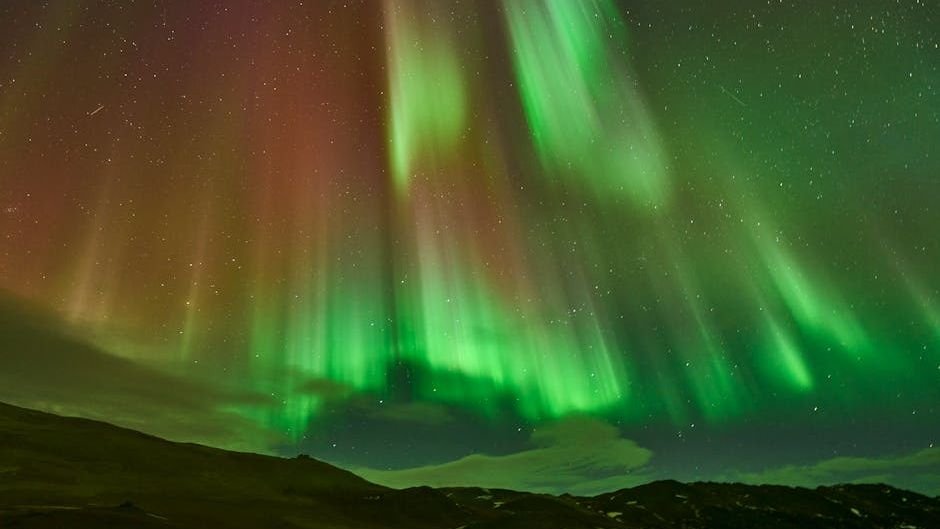
You’ve probably seen the photos. That impossible curtain of green, draped across a midnight sky somewhere in Iceland or Norway, glowing like something out of a dream. You might have assumed scientists cracked the code on the northern lights long ago. After all, humanity has been staring at them for thousands of years, from Viking sailors to astronauts orbiting Earth.
Here’s the thing, though: the more researchers dig into the aurora borealis, the stranger it gets. New discoveries keep arriving and each one quietly nudges open a door to another hallway of unanswered questions. The northern lights are breathtaking, yes, but they are also deeply, stubbornly mysterious. Let’s dive in.
What You’re Actually Seeing When You Look Up
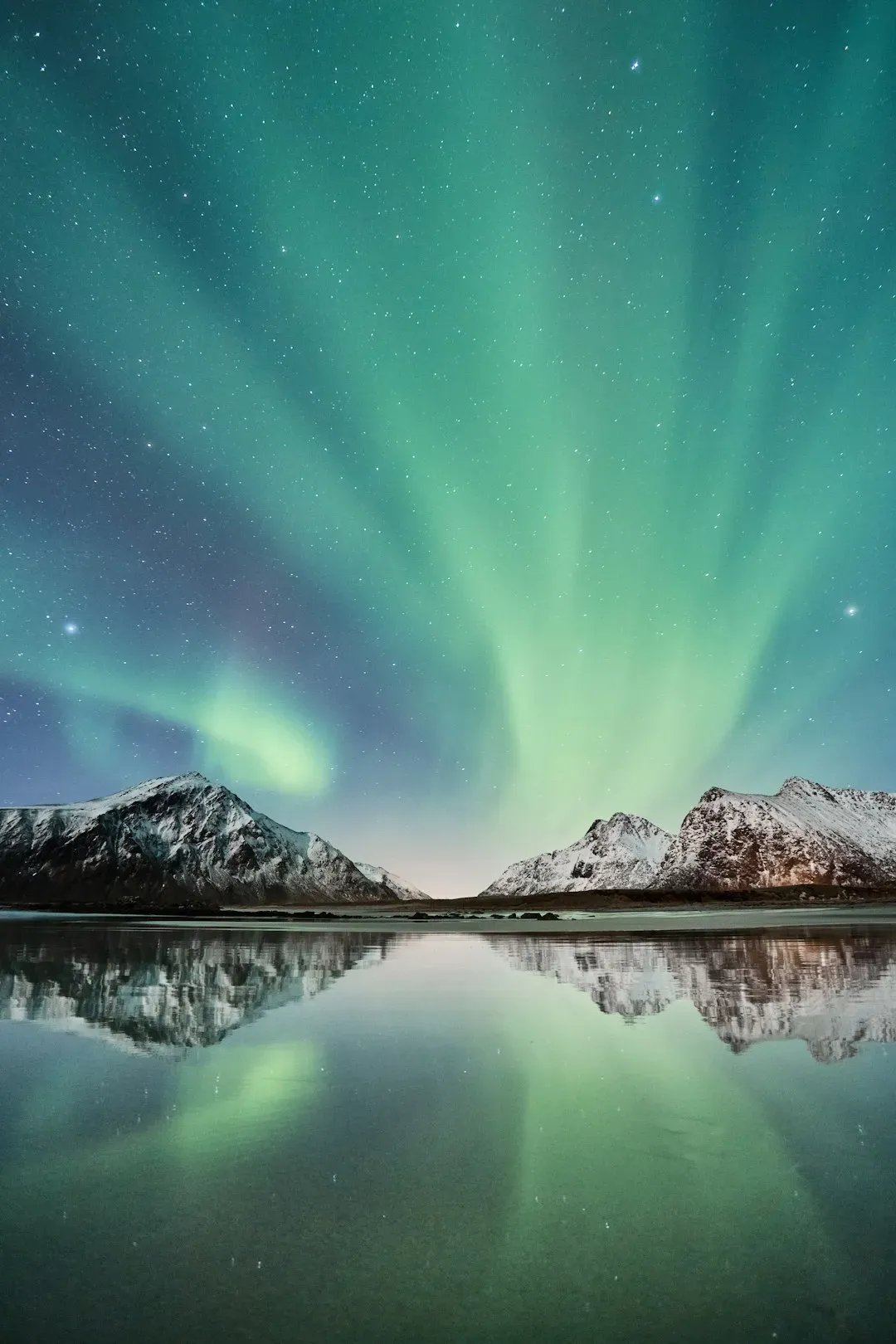
Picture the sky as a massive television screen, and the sun as a rogue remote control constantly firing signals at it. Auroras are colorful, dynamic displays of an intricate dance of particles and magnetism between the Sun and Earth, a process scientists call space weather. When energetic particles from space collide with atoms and molecules in the atmosphere, they produce the colorful glow we call auroras. It sounds simple enough, right? In reality, every step of that process hides astonishing complexity.
Accelerated particles, mostly electrons, rain down toward Earth and collide with atoms and molecules in the upper atmosphere, between 100 and 250 kilometers above Earth’s surface. In the period after these collisions, when the particles drop back down into a lower-energy state, they release a photon of light. That photon is what you see dancing above you. What’s shocking is that this explosive chain reaction happens silently, invisibly, and in a region of the sky you can never truly visit.
The Sun’s Role: A Cosmic Troublemaker
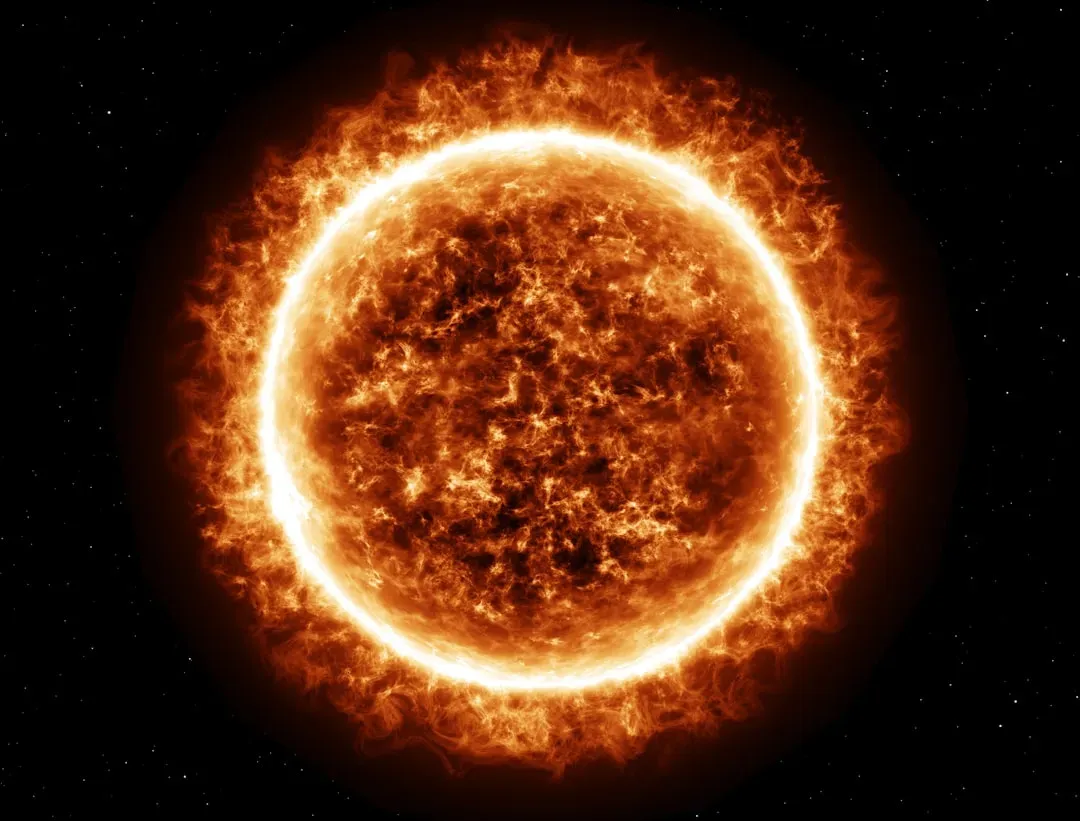
The sun operates on a roughly 11-year cycle of magnetic activity. As the sun’s magnetic field flips its north and south poles over this time, it switches between periods of lower magnetic activity known as solar minimum and periods of higher magnetic activity known as solar maximum. You’re living through one of the most active solar phases in recent memory right now in 2026, which is honestly a remarkable stroke of luck if you enjoy staring at the sky.
In 2024, as Solar Cycle 25 reached its peak, Earth experienced some of the most intense geomagnetic storms in years. The resulting surge in auroral activity even earned 2024 the unofficial title of “the year of the aurora,” with brilliant displays occurring more frequently and appearing farther south than where they are normally seen. Think about that. People in Spain, in Texas, even in Florida were seeing the northern lights. That’s not normal. That’s extraordinary.
The Colors Are Stranger Than You Think
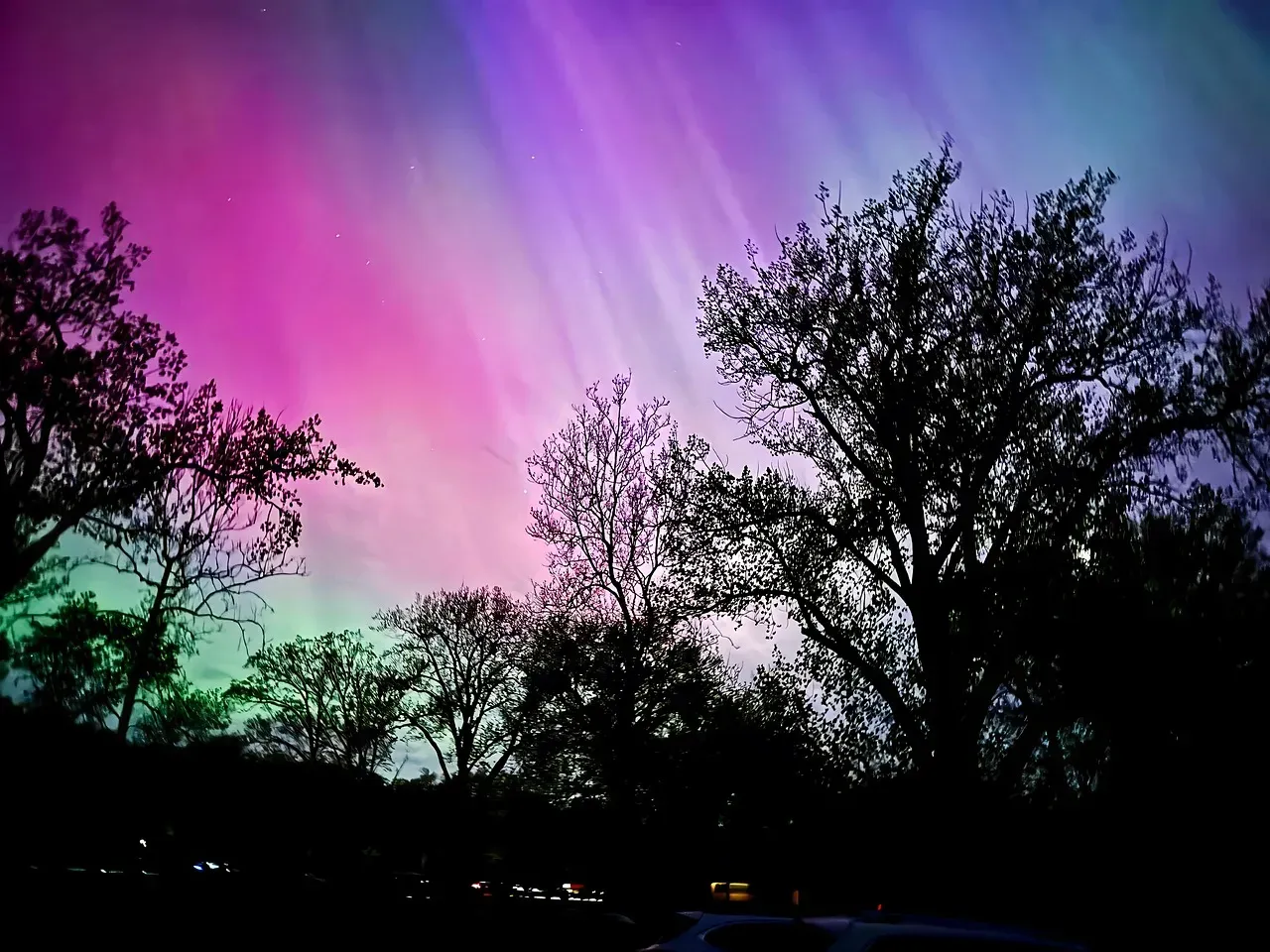
Different gases and altitudes produce different colors: green comes from oxygen at roughly 60 to 190 miles altitude, while red comes from oxygen at higher altitudes, generally 180 to 250 miles up. So the sky isn’t just glowing randomly. It’s broadcasting a kind of atmospheric chemistry report that most of us are completely unequipped to read.
The palette of brilliant colors you see from the ground is a result of different gases involved in the collisions. Green, by far the most common hue, comes from particles colliding with oxygen atoms. Some of the purple or red colors can be quite difficult for the human eye to see because it isn’t very sensitive at those particular wavelengths. Cameras, even the ones on your cellphone, are much more sensitive and able to pick out those wavelengths of light. In other words, your phone camera may actually see the aurora more vividly than your own eyes can. Somewhat humbling, isn’t it?
Meet STEVE: The Aurora That Shouldn’t Exist
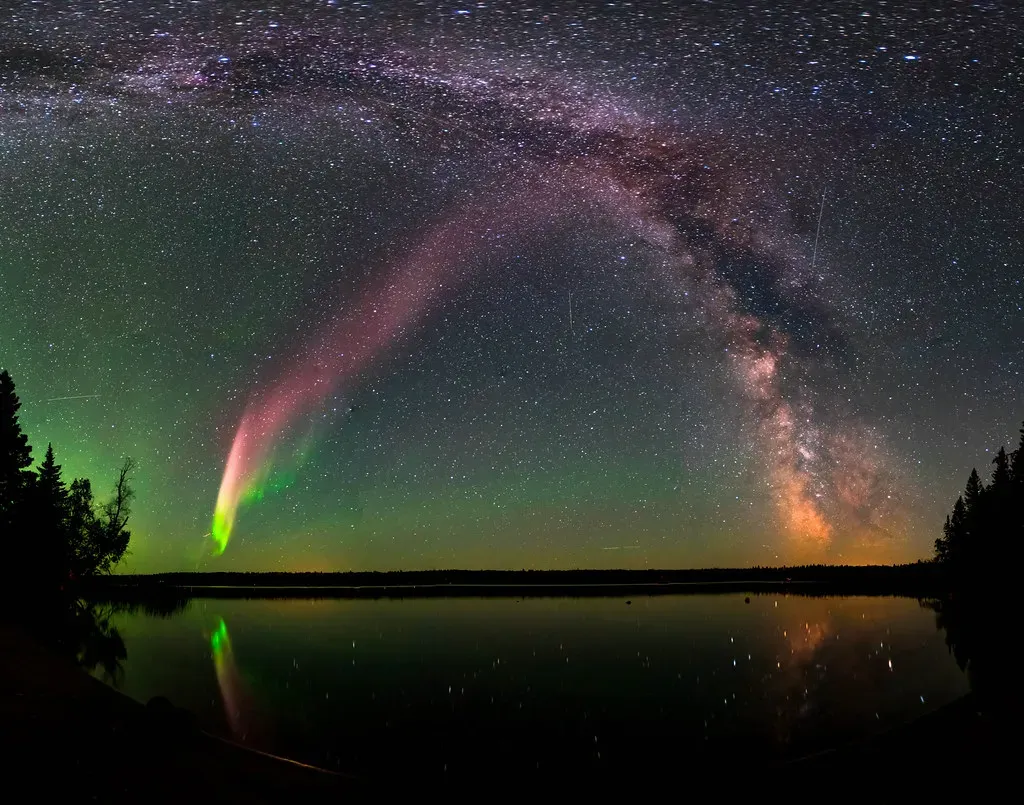
Honestly, this is where things get genuinely wild. STEVE stands for “Strong Thermal Emission Velocity Enhancement.” The phenomenon was first noticed in 2016 thanks to a group of amateur aurora watchers who met on a Facebook group called Alberta Aurora Chasers. Photographers in the group had captured images of a mysterious purple ribbon of light amid the greens and reds of the typical northern and southern lights. Not scientists in labs. Amateur sky watchers on social media discovered an entirely new atmospheric phenomenon.
Unlike usual auroras, which are caused by charged particles from the sun colliding with Earth’s magnetic field, STEVE is believed to be a stream of hot gas. According to satellite data, the phenomenon is caused by a ribbon of hot plasma at an altitude of 450 km, with a temperature of 3,000 degrees Celsius and flowing at a speed of 6 km/s, compared to just 10 m/s outside the ribbon. That’s not a gentle atmospheric event. That’s a scorching river of plasma screaming across the upper atmosphere, and scientists are still piecing together exactly why it forms. The mystery deepens further with the recent discovery that STEVE has a secret twin that appears before the break of dawn and flows in the opposite direction.
The Aurora Might Actually Make Sound
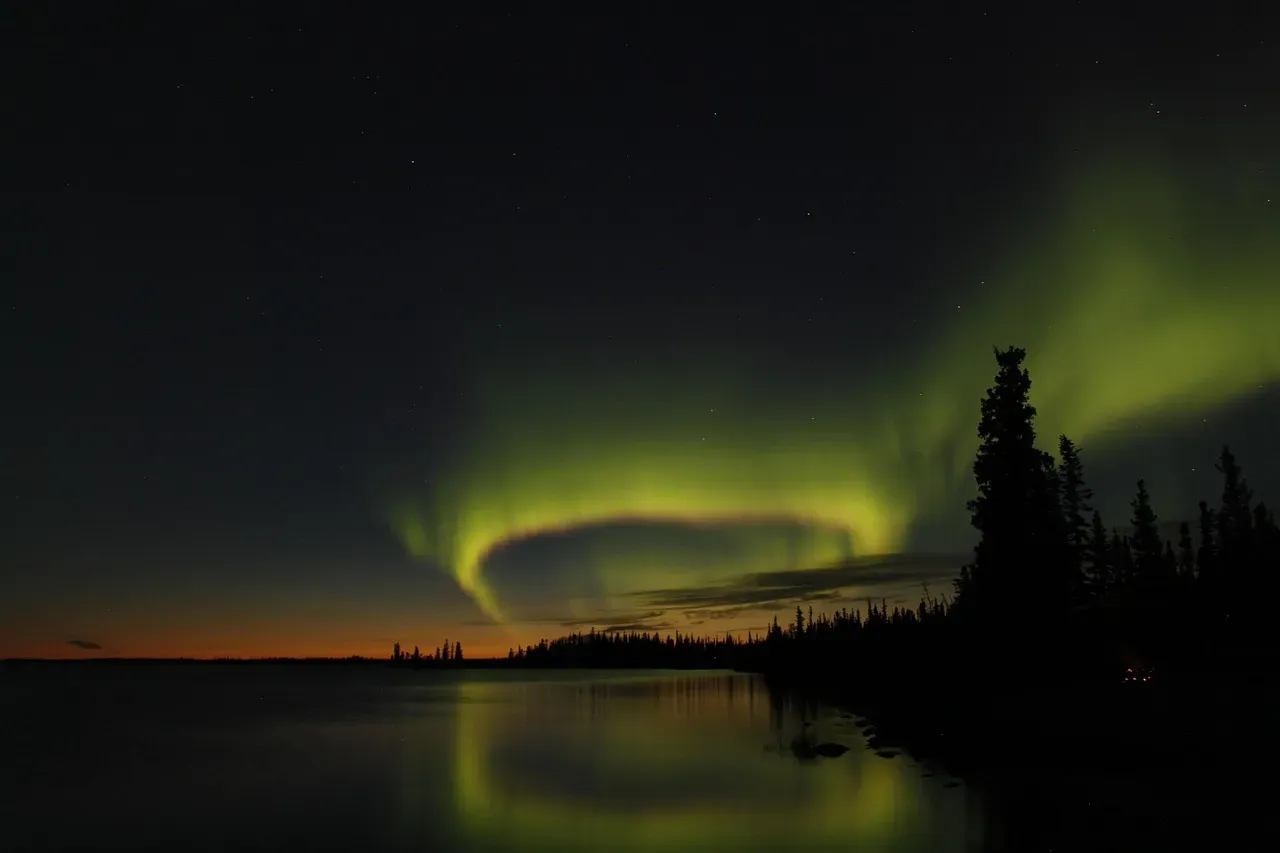
This one sounds like folklore. You’d be forgiven for rolling your eyes. In the language of the Sámi, the Northern Lights are sometimes called “guovssahas,” meaning “the light that you can hear.” Historically, the idea that the aurora borealis produces sound has been dismissed as a psychoacoustic phenomenon, but recent research suggests that auroras can be accompanied by audible noises if the conditions are right.
Researchers at Aalto University have measured popping and crackling sounds during auroral displays. They believe the phenomenon may result from a layer of warm air about 80 meters above the ground, which can occur on calm winter nights. Observational evidence supports the reality of auroral sounds, and the most likely source seems to be brush discharges generated by aurorally associated electric fields. So the next time someone tells you they heard the northern lights, don’t laugh. They might actually have.
The White Glow Nobody Can Fully Explain
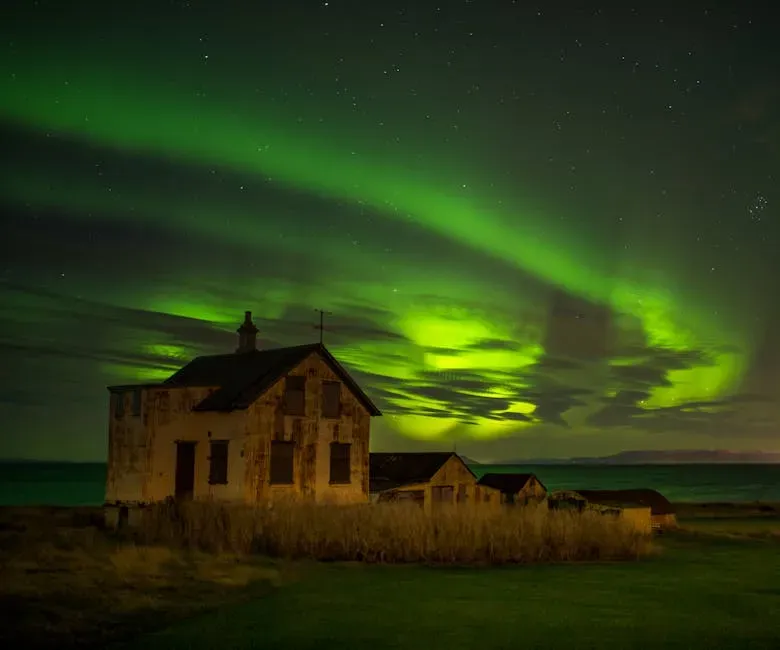
As if colored auroras and sizzling plasma ribbons weren’t enough, researchers have recently been puzzled by something new appearing within aurora displays. A ground-based observing facility tasked with recording the flare of the northern lights captured images of an inexplicable pale grey glow amid the streaks of green and red. While the bright intrusion itself has been seen before by sky watchers in the far north, nobody has had a good explanation for its appearance.
The researchers determined that the patches range in size from tens to hundreds of kilometers, appear within active auroras, and are likely caused by something in the display releasing heat that triggers chemical reactions capable of emitting a continuum of electromagnetic wavelengths. Exactly what is breaking down and recombining to glow is only hypothetical at this stage, but the entire process could represent a novel chain of events tangentially linked to auroras. Think of it like noticing that your campfire is producing a flame color you’ve never seen before, after staring at fires your whole life. Unsettling. Fascinating. Very real.
Predicting the Northern Lights Is Still Deeply Imperfect
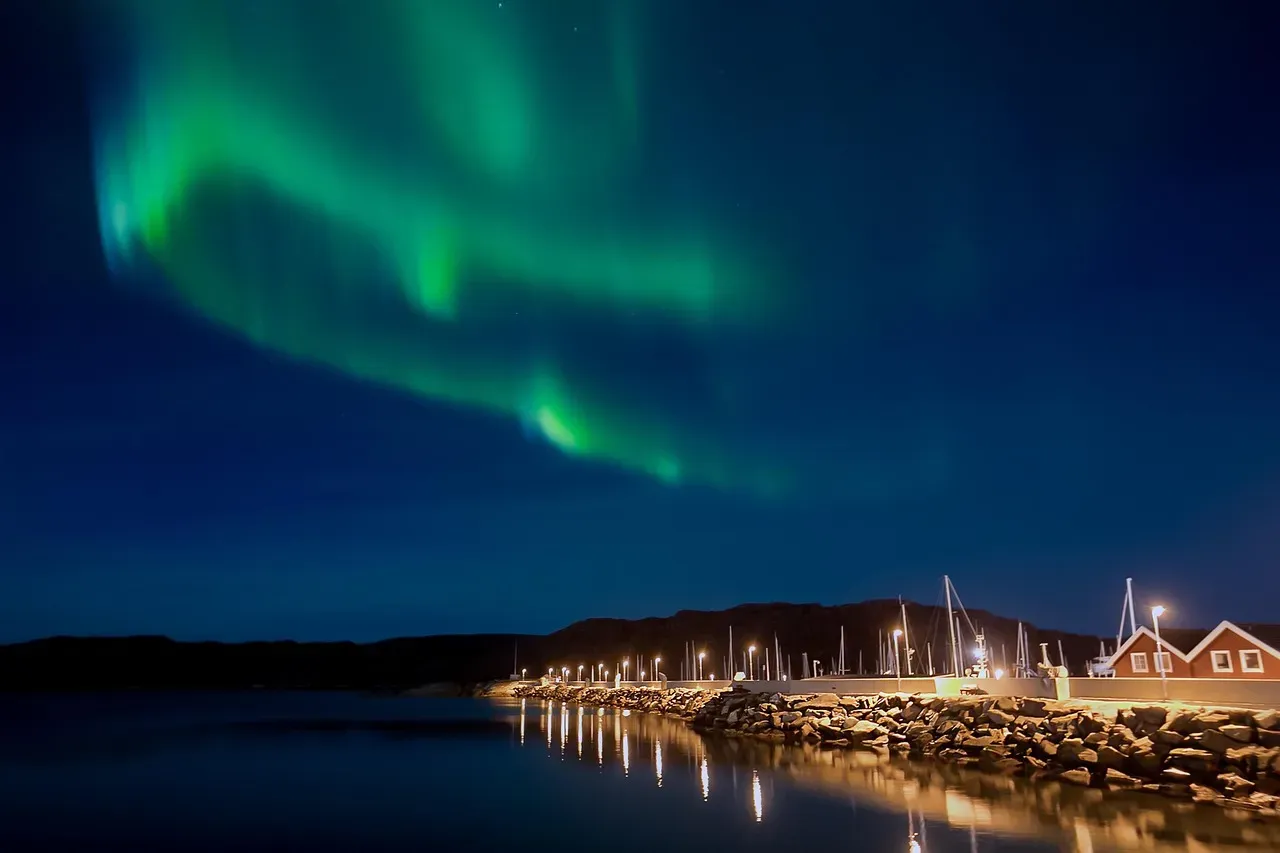
You’d think that with satellites, AI, and decades of data, scientists would have aurora forecasting locked down by now. Not quite. Science’s ability to predict and forecast aurora activity is still in the early stages of research, and some research at the Geophysical Institute has suggested that a couple of years away from the peak of the solar cycle is actually when the most significant solar events occur. In other words, the model scientists have been using to predict peak aurora activity may not even be entirely correct.
NASA’s Aurorasaurus citizen science project encourages people to report their aurora sightings. Each verified report of an aurora serves as a valuable data point for scientists who model these phenomena and can lead to published scientific papers or even new discoveries. It’s hard to say for sure, but it’s possible that the most valuable aurora data in the coming years will come not from expensive space missions, but from ordinary people pointing their phones at the night sky. Science, it turns out, thrives on collaboration in the most unexpected ways.
The Northern Lights Are a Hidden Threat to Modern Technology
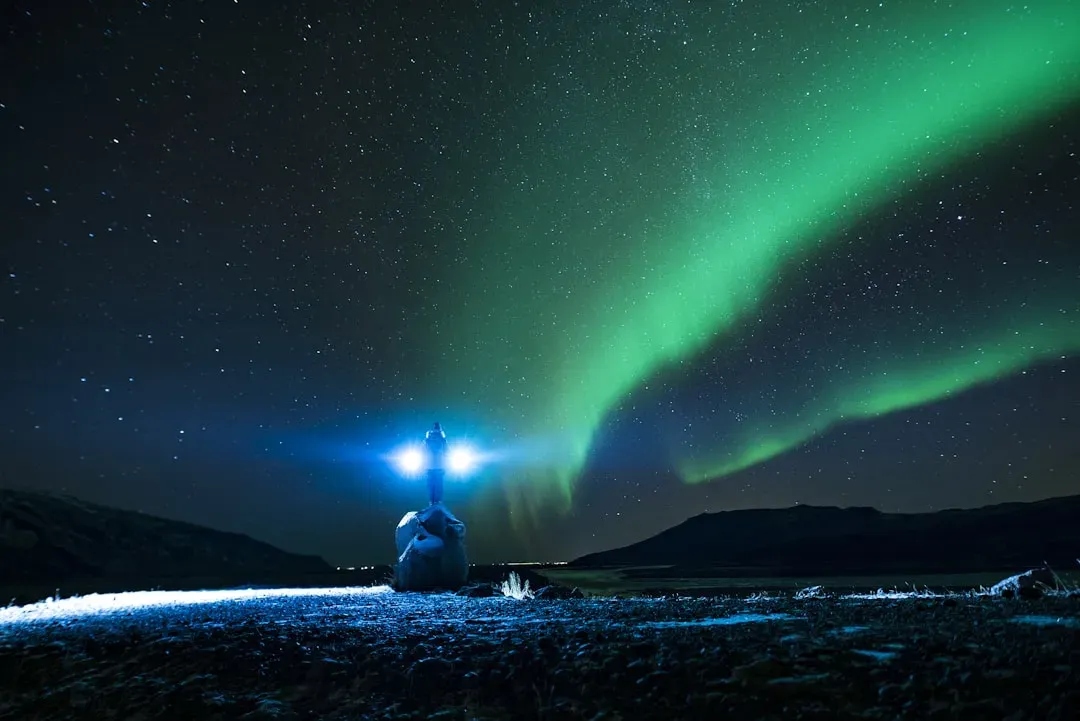
Here’s something most aurora tourists don’t think about while snapping selfies under a green sky. Although the aurora borealis is best known for its stunning visuals, geomagnetic storms can affect terrestrial infrastructure. As solar particles interact with Earth’s magnetic field, they can induce electric currents in long power transmission lines. These geomagnetically induced currents may stress transformers and other grid components, particularly in northern latitudes where the effects are stronger.
The May 2024 event that created intense auroras was the result of one of the strongest geomagnetic storms to hit Earth in more than two decades. One satellite, NASA’s Ice, Cloud, and Land Elevation Satellite-2 (ICESat-2), transitioned into safe mode to protect its systems as the storm caused the spacecraft’s attitude control to become questionable; two other NASA satellites came within minutes of having to go into safe mode. The worst-case scenario? An extreme G5 level event could cause blackouts or complete collapse of power grids, with navigation systems potentially being out for hours or days. That beautiful glowing curtain overhead is also, quietly, one of the most serious natural hazards facing modern civilization.
Auroras Exist Far Beyond Earth’s Sky
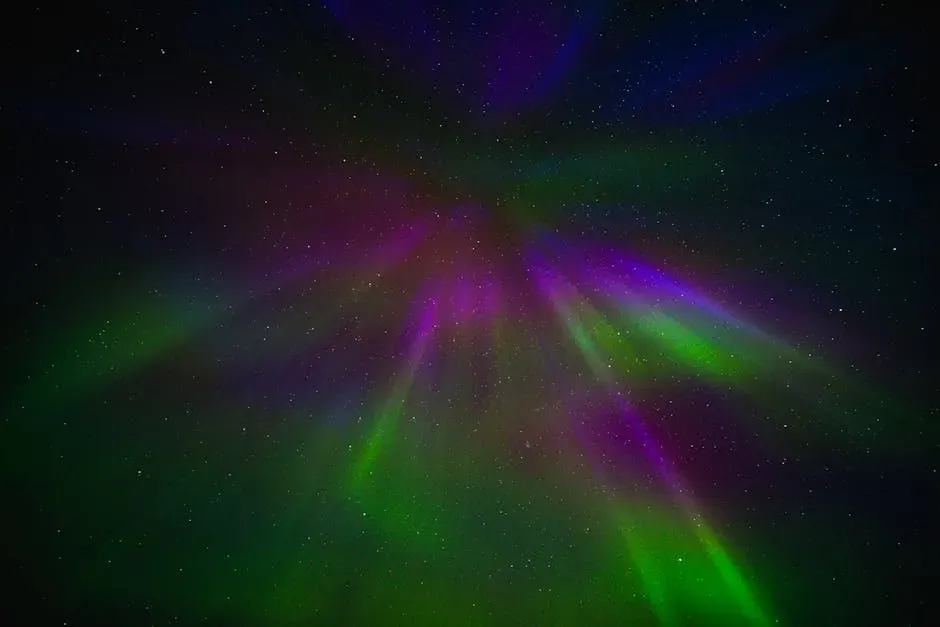
Perhaps the most mind-expanding fact about the northern lights is that Earth doesn’t have a monopoly on them. Auroras aren’t unique to Earth. They also appear on other planets with magnetic fields and atmospheres. Saturn, for example, experiences auroras near its poles, influenced by the planet’s strong magnetic field. Even Mars, with no global magnetic field, produces faint localized auroras in patches of magnetized crust.
Just as fascinating as the science behind the aurora are the ways that our understanding of the northern lights is helping scientific research in other areas, such as climate and weather modelling and even in other worlds. Auroral emissions discovered on Ganymede, one of Jupiter’s moons, have been used as a proxy to determine that there is likely a saltwater ocean under its icy surface. A particular density of saltwater, acting as a large electromagnetic source inside the moon, would result in a secondary magnetic field that stabilizes the auroras. So studying the northern lights isn’t just about appreciating their beauty. It may eventually help us find life somewhere else entirely.
Conclusion: A Sky Full of Unanswered Questions
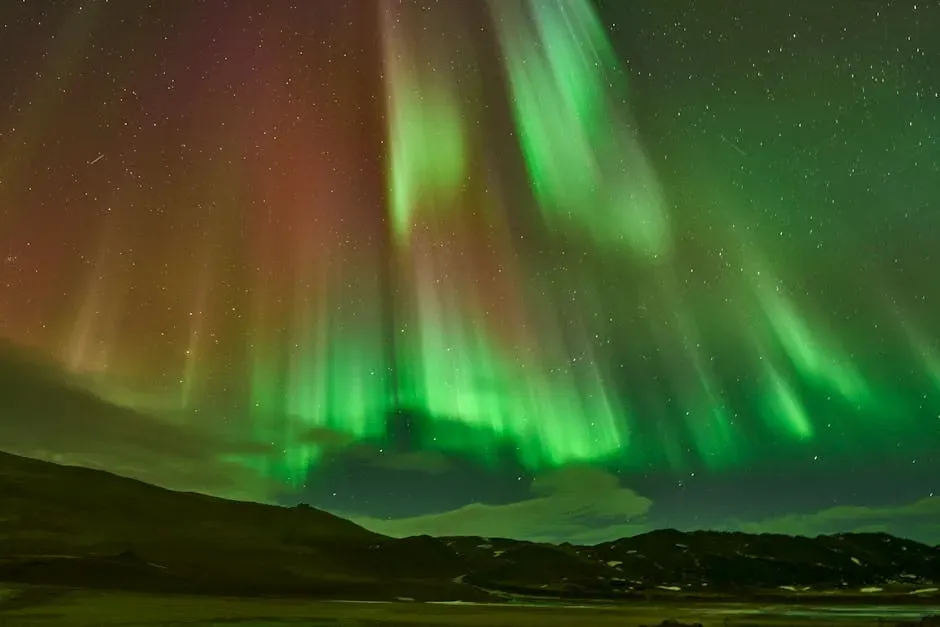
The northern lights have been dancing above our heads since long before humans walked the Earth. The aurora borealis has occurred since the dawn of our planet. Dinosaurs walked under it, just as we do today. Yet here we are in 2026, still discovering new phenomena within those ribbons of light, still building better tools to understand them, still finding ourselves genuinely surprised.
From the plasma river known as STEVE to mysterious white glowing patches, from sounds that shouldn’t be audible to storms that could knock out entire power grids, the aurora borealis is far more than a pretty backdrop for travel photos. It’s a living, evolving scientific frontier that keeps rewriting itself. Every new discovery seems to generate two more questions, which is honestly what makes it so thrilling to follow. The next time you look up at those curtains of light, remember: you’re watching something that even the world’s best scientists haven’t fully figured out yet. What do you think they’ll find next?