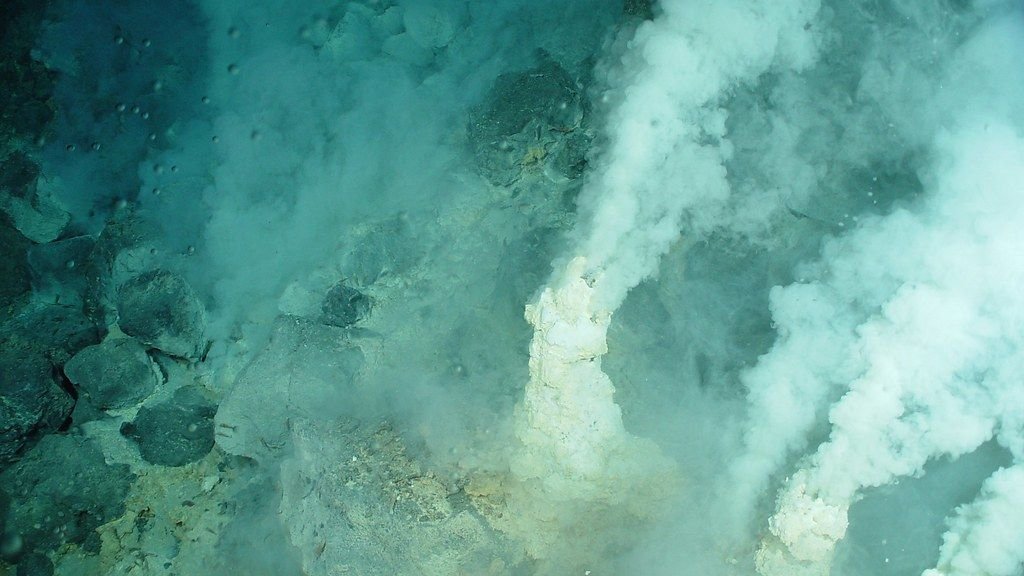
You probably imagine the bottom of the ocean as a silent graveyard of darkness, pressure, and cold where nothing much happens. That mental picture gets completely shattered the moment you learn about deep sea vents: underwater “volcano chimneys” that spew hot, mineral-rich fluids into the freezing ocean and somehow teem with life. Down there, where sunlight never reaches, entire ecosystems thrive in conditions that would kill most surface creatures in seconds.
As you explore what is really going on around these vents, you step into a world that feels more like alien terrain than part of your own planet. You meet animals that glow, bacteria that eat rock, and worms with no mouths or guts that still manage to live remarkably well. The rules of life you think you know suddenly bend, twist, and, in some cases, break outright. Once you see how these hidden worlds work, it becomes hard not to rethink what life is, where it can exist, and what else might be possible in places you have never seen.
Why Deep Sea Vents Exist in the First Place
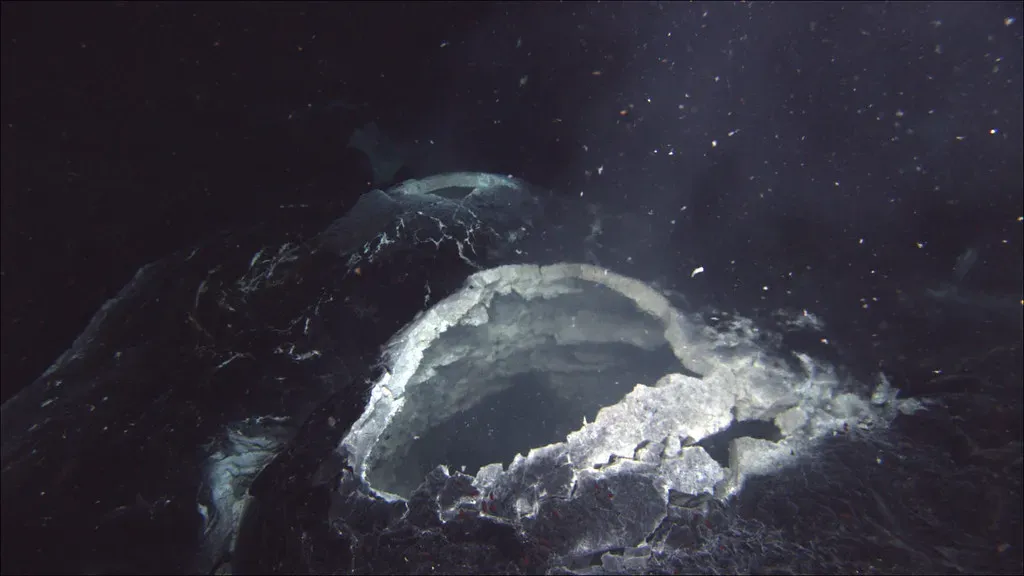
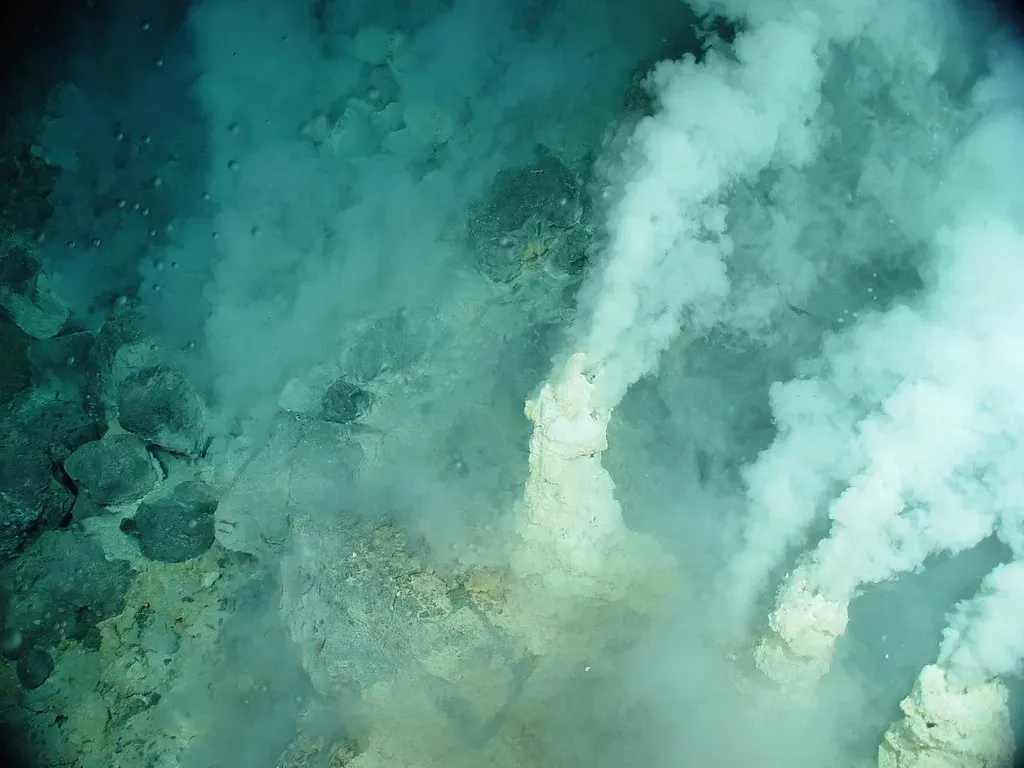
To understand why deep sea vents are so wild, you first need to picture the seafloor not as a flat, dead plain, but as a cracked shell floating on hot rock. Along mid-ocean ridges where tectonic plates pull apart, seawater seeps deep down through fissures in the crust. As it descends, it gets heated by magma, dissolves metals and minerals from the surrounding rock, and then shoots back out through chimney-like openings as scalding, chemical-rich fluid.
When this hot fluid meets the near-freezing seawater, metals and minerals suddenly solidify, building towering chimneys that can grow as tall as city buildings over time. These structures, often called black smokers or white smokers depending on their chemistry, are constantly rebuilding and collapsing like miniature industrial cities made of rock. You’re not just looking at geology here; you’re watching a continuous cycle of creation and destruction that sets the stage for life to grab onto something completely different from sunlight.
Life Without Sunlight: How Chemosynthesis Replaces Photosynthesis
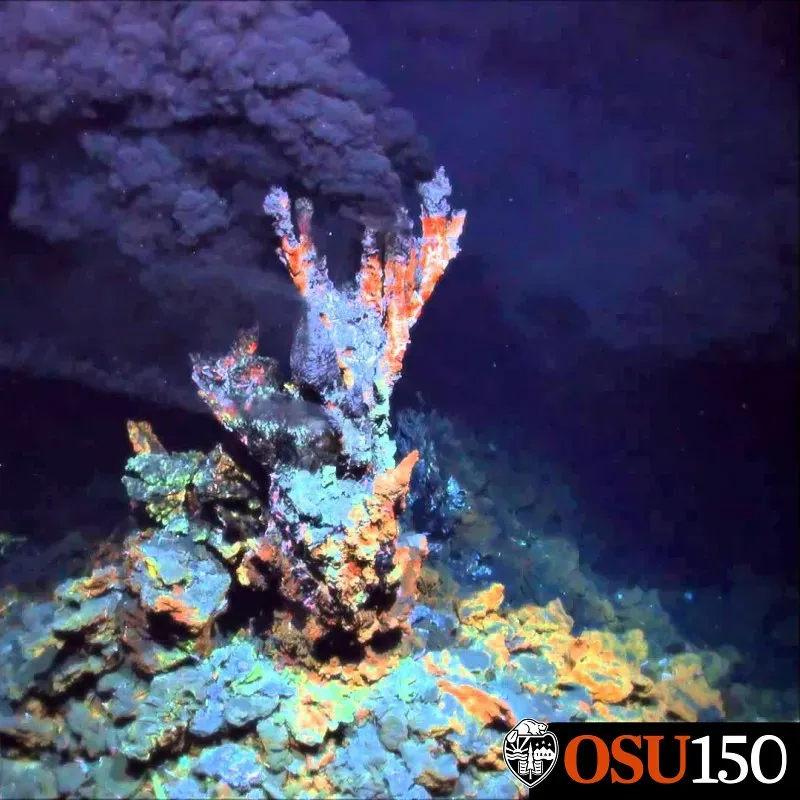
On Earth’s surface, you’re used to the idea that almost everything ultimately depends on sunlight and photosynthesis. Around deep sea vents, that basic rule stops applying, and you meet organisms that build their entire existence on chemical energy instead. Microbes in these vents use chemosynthesis, which means they take energy from chemical reactions, such as oxidizing hydrogen sulfide or methane, rather than from light. In simple terms, they “eat” chemicals the way plants “eat” sunlight.
These chemosynthetic microbes form the foundation of the vent food web, just as plants and algae do on land and in sunlit waters. You can think of them as living chemical batteries, transforming toxic, volcanic fluids into organic matter that feeds worms, clams, crabs, and many other creatures. Once you realize that energy can enter an ecosystem without a single photon of light, your mental map of what makes life possible starts to expand, and suddenly the idea of life in other dark worlds feels much less far-fetched.
Animals That Shouldn’t Exist (But Do)
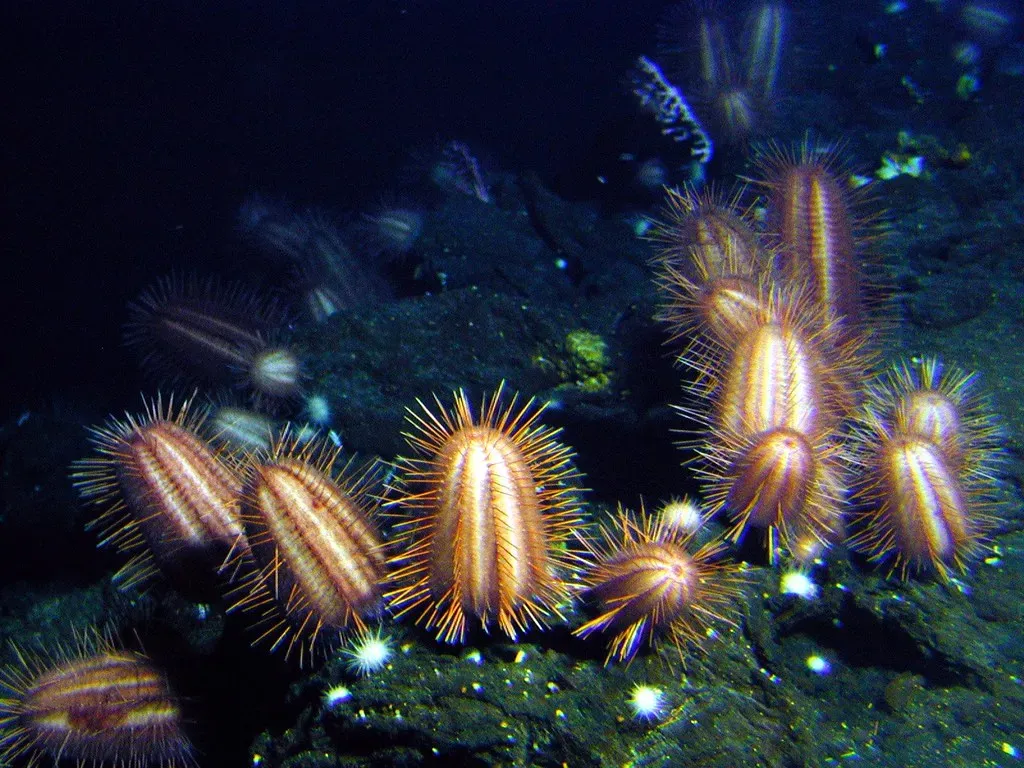
The animals that cluster around hydrothermal vents look like something you’d expect to see in a sci-fi illustration, not in a marine biology textbook. You encounter giant tube worms standing like pale, red-tipped candles, growing longer than you are tall, yet having no mouth, no stomach, and no digestive system at all. Instead, they host chemosynthetic bacteria inside their bodies that essentially act as internal farms, feeding them from within. It’s like carrying your own personal power plant everywhere you go.
Then you have vent crabs, ghostly white shrimp, enormous clams, and snails with shells reinforced by iron sulfide, which is basically nature’s version of plating armor. Many of these animals are found only in narrow vent regions and nowhere else on Earth, fully tailored to high pressure, toxic chemicals, and extreme temperatures. When you compare them to familiar surface animals, you get a sense that evolution is far more inventive than you might have assumed, especially when pushed into brutal, unusual environments.
Extreme Conditions That Rewrite Your Limits
If you dropped most surface life into a hydrothermal vent field, it would die instantly, yet vent species flourish in what you would normally call completely unlivable conditions. Temperatures can swing from near freezing just a short distance away to close to boiling right at the vent outlets, and the pressure is crushing, many times higher than what you feel at sea level. On top of that, the water is often loaded with sulfides and metals that would be poisonous for you and most animals you know.
Vent organisms handle these stressors with biochemical tricks that still surprise researchers. Some use special proteins that stay stable at high temperatures, while others rely on protective molecules that prevent damage from reactive chemicals. Many are masters of living in steep gradients, positioning themselves in that narrow band where temperature and toxicity are harsh, but still within the envelope they can manage. You start to see that “uninhabitable” is not a fixed line, but more like a sliding scale that depends heavily on who you are.
Communities That Spring Up and Vanish Like Fireworks
Another thing that sets vent life apart from life on Earth’s surface is how temporary and unpredictable these habitats can be. Hydrothermal vents can form when new cracks open in the crust or volcanic activity shifts, and they can go cold when the subsurface plumbing changes. For you, that means the entire neighborhood of worms, crabs, and microbes might be thriving one decade and gone the next, leaving only mineral skeletons behind. These communities are living on borrowed time from the moment they appear.
To survive in this kind of boom-and-bust world, vent species have to be excellent colonizers and risk takers. Many release larvae that drift long distances in deep ocean currents, searching blindly for the faint chemical signatures of a new vent field to settle on. When they finally find the right conditions, they can explode in numbers, rapidly building dense, crowded communities. You’re watching ecosystems that behave more like flash mobs than forests, appearing almost out of nowhere, going all in, and then vanishing when their source of energy runs out.
What Deep Sea Vents Teach You About Life Beyond Earth
Once you see that entire ecosystems can run on chemistry instead of sunlight, you start to look at other worlds in your solar system with new eyes. Icy moons like Europa and Enceladus likely have oceans beneath their frozen crusts, and there are hints of hydrothermal activity on their seafloors. If similar vents exist there, then you suddenly have a plausible recipe for life: liquid water, energy from geological activity, and dissolved minerals. You’re no longer stuck saying life needs a warm, sunlit Earth-like surface to stand a chance.
Deep sea vents basically serve as a working proof-of-concept that life can thrive in darkness, under crushing pressure, using chemicals from the planet’s interior as its fuel. When you imagine sending probes to those distant oceans, you’re essentially hoping to find the alien equivalent of vent microbes, worms, or something you can’t yet predict. These places also force you to ask deeper questions about what counts as “habitable” and whether your current definitions are way too narrow. In that sense, every vent community you learn about becomes a small, but powerful, argument that the universe could be more alive than you once thought.
Why Vent Ecosystems Matter for You Up Here
Even though these vents are hidden kilometers below the waves, they still shape the planet you live on in ways you might not notice at first glance. Microbes around vents play a role in transforming chemicals like sulfur and methane, helping regulate what eventually reaches the wider ocean and, indirectly, the atmosphere. By cycling metals and minerals, they also influence the chemistry of seawater, which in turn affects everything from plankton to fish. You’re connected to this dark world by invisible chemical threads that tug at the larger Earth system.
On a more practical level, vent organisms carry molecular tools that could change how you approach medicine, biotechnology, and industry. Enzymes stable at high temperatures or in harsh chemical environments, for example, are extremely valuable for certain industrial processes or scientific techniques. By studying how these creatures handle stress, you pick up ideas for new materials, drugs, and technologies. So even if you never dive to a vent in person, what lives there might still end up in your lab, your hospital, or even your home in subtle but important ways.
How You Explore a World You Can’t See
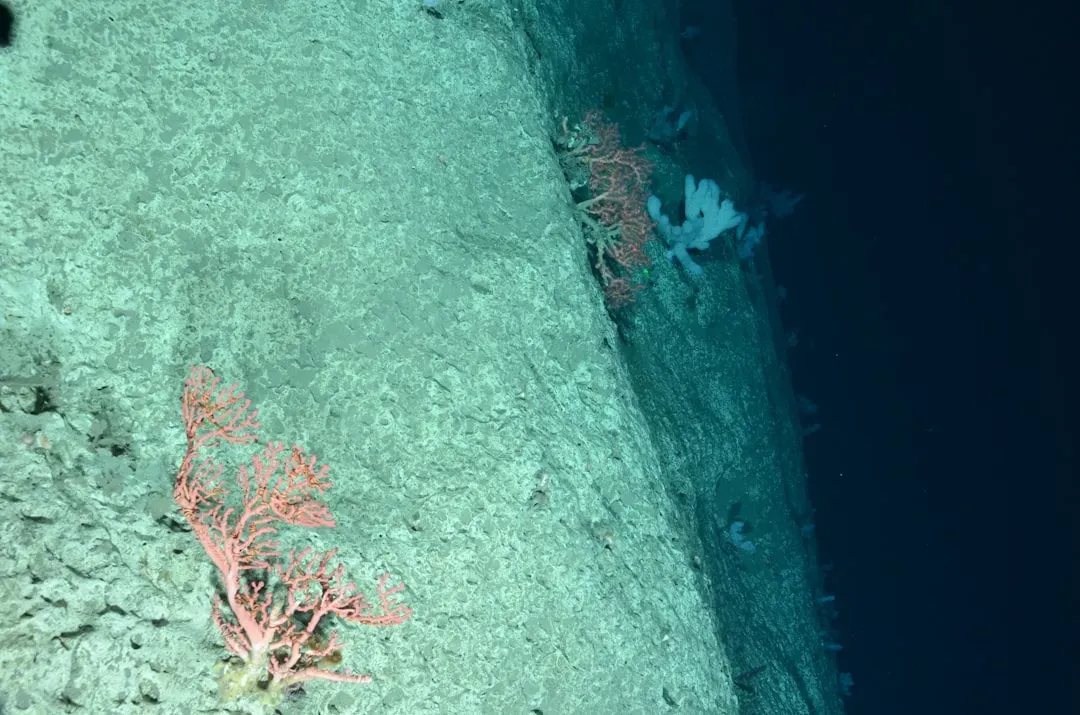
Reaching deep sea vents is not as simple as sending a diver down with a camera; the depths are far beyond what a human body can endure unprotected. Instead, you rely on sophisticated submersibles, both crewed and robotic, to make those journeys into the dark. These machines carry lights, sampling tools, and high-resolution cameras, letting you see detailed images of animals and chimneys that would otherwise stay hidden forever. Every expedition is logistically demanding and expensive, which makes each new discovery feel hard-earned.
With modern technology, including remotely operated vehicles and autonomous underwater robots, you can now scan vast stretches of the seafloor more quickly than ever before. Instruments sniff out chemical traces in the water that hint at unseen vents, a bit like following a trail of smoke to find an underwater fire. Even then, you sometimes stumble on scenes that feel surreal, like stumbling into a glowing city in the middle of a desert. In a world where you can virtually tour most of the planet from your couch, it is humbling to realize how much of Earth’s own seafloor still waits for your first real look.
Deep sea vents remind you that life is far more inventive, stubborn, and adaptable than your daily experience suggests. Hidden from sunlight, powered by rock and heat, these ecosystems show you that biology can take root in places that look utterly impossible at first glance. When you think about those chimneys rising from the darkness, crowded with strange creatures feeding on invisible chemistry, you get a glimpse of how small your usual definition of “normal” really is.