
Every culture on Earth carries a backpack of old stories: gods throwing lightning, animals talking, oceans rising, strange lights in the sky. We call them myths and legends, and most of us grow up assuming they’re just that – stories. Yet over the past few decades, researchers in fields like geology, archaeology, astronomy, and anthropology have slowly realized something unsettling: some of these tales line up eerily well with real events and real science.
This does not mean every dragon ever told was secretly a dinosaur or that every god was an alien. But it does suggest our ancestors were more careful observers than we give them credit for, and that they encoded hard-won knowledge in the only “cloud storage” they had: memory and story. When you start to see myths as compressed data instead of pure fantasy, you begin to ask a simple but powerful question: what else have we dismissed that might actually be a clue?
Flood Myths and the Memory of Drowning Worlds
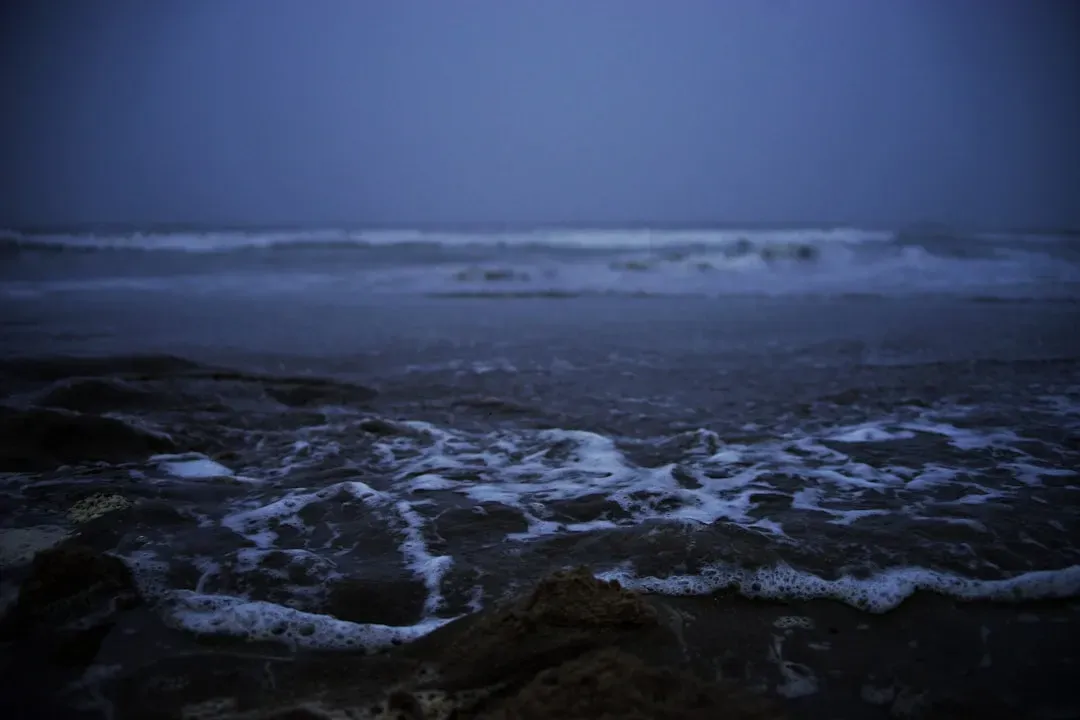
One of the most chilling overlaps between myth and science is the near‑universal story of a great flood. From the ancient Near East to India, from Aboriginal Australia to the Americas, people told of waters rising so high that they swallowed whole landscapes and forced humans to flee to higher ground. For a long time, these were treated as moral tales about punishment and renewal, nothing more than narrative warnings to behave.
But as geologists and climate scientists have pieced together the end of the last Ice Age, they’ve found evidence of dramatic sea‑level rises over just a few thousand years, enough to redraw entire coastlines. There are submerged settlements off coasts in places like the Mediterranean and around the British Isles, and computer models show that lands now under shallow seas would have been habitable not that long ago. When coastal communities lost their homes to creeping but relentless water, those memories may have condensed into flood myths that survived long after the actual shorelines disappeared. I remember first seeing bathymetric maps of drowned valleys and thinking: this looks exactly like the backdrop to those “impossible” stories.
Fire from the Sky: Comets, Meteors, and Cosmic Horror
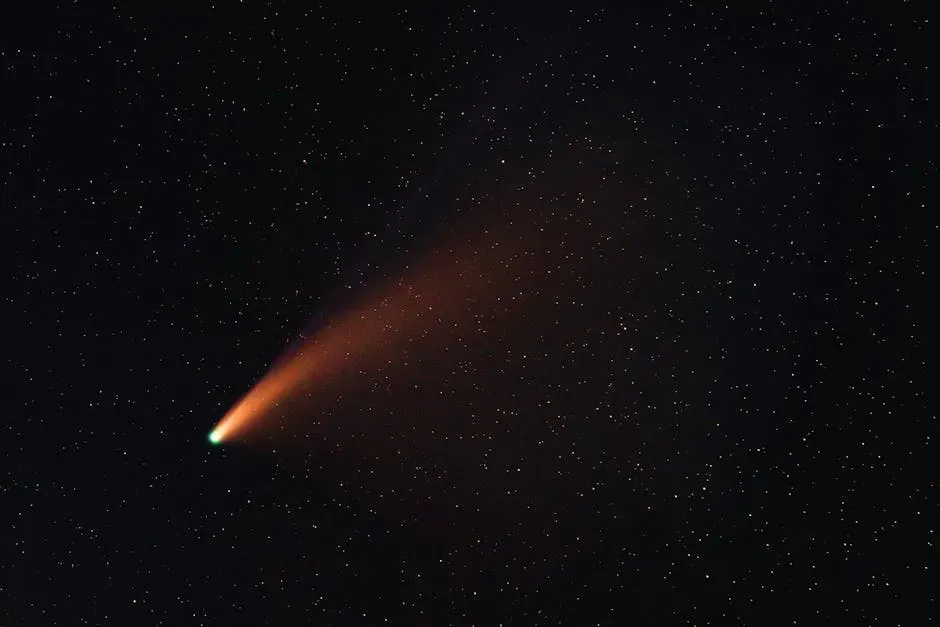
Ancient stories are full of terrifying visions of fire raining from the sky, stars falling, or the heavens splitting open. For centuries, scholars grouped these tales with general apocalyptic imagination, assuming people were just scared of storms and lightning. Yet we now know that Earth has been repeatedly hit by meteors and comets, sometimes with local or even global consequences, and that some of these impacts happened within the span of human cultural memory.
Archaeologists and astronomers have pointed out that a few traditions describe not only blazing objects in the sky but also subsequent darkness, bitter cold, or crop failure. That combo sounds less like vague myth and more like eyewitness reports of impact winters or dust‑filled skies following a large explosion. While we have to be careful not to force every fiery story into a meteor-shaped box, it’s hard to ignore that some myths read like raw, emotional field notes from people who saw something catastrophic they couldn’t fully explain. It’s as if the night sky briefly turned into an enemy, and the only way to process that was to turn it into story.
Giants, Dragons, and the Bones of Lost Beasts
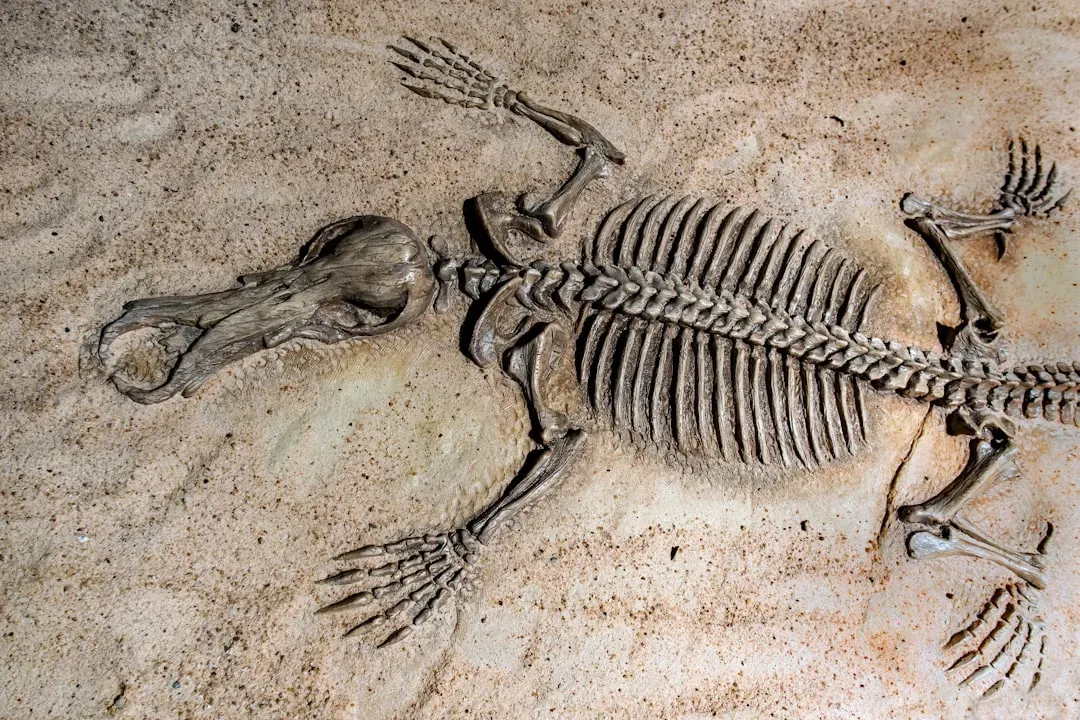
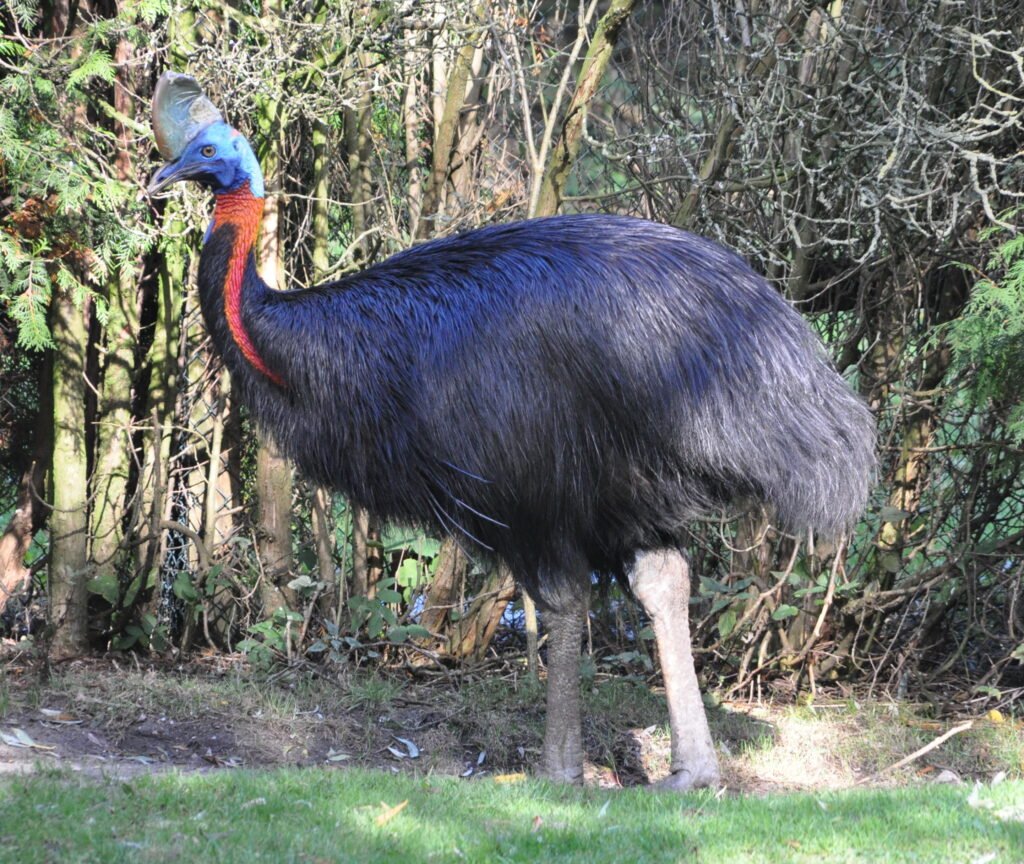
Long before modern paleontology, farmers and shepherds were digging up massive bones: skulls larger than any living animal, enormous teeth, claws, and strange rib cages. Without a concept of extinct megafauna or dinosaurs, they did the only logical thing they could think of – they folded these discoveries into their existing mythic world. The result: stories of giants, dragons, and monstrous creatures that half frightened and half fascinated entire communities.
In parts of Asia and Europe, what we now recognize as mammoth or dinosaur fossils were once pointed to as proof of legendary beasts. Some fossil skulls with big central cavities may even have inspired one‑eyed giants in northern Mediterranean stories, since an empty sinus can look like a single enormous eye socket. To me, this is where myth feels shockingly close to science: you see a physical phenomenon (bones that don’t fit any known animal) and build a theory around it. The theory turned out to be wrong, but the impulse – to connect evidence to explanation – is exactly what scientists do now.
Earthquakes, Volcanoes, and Angry Gods Below
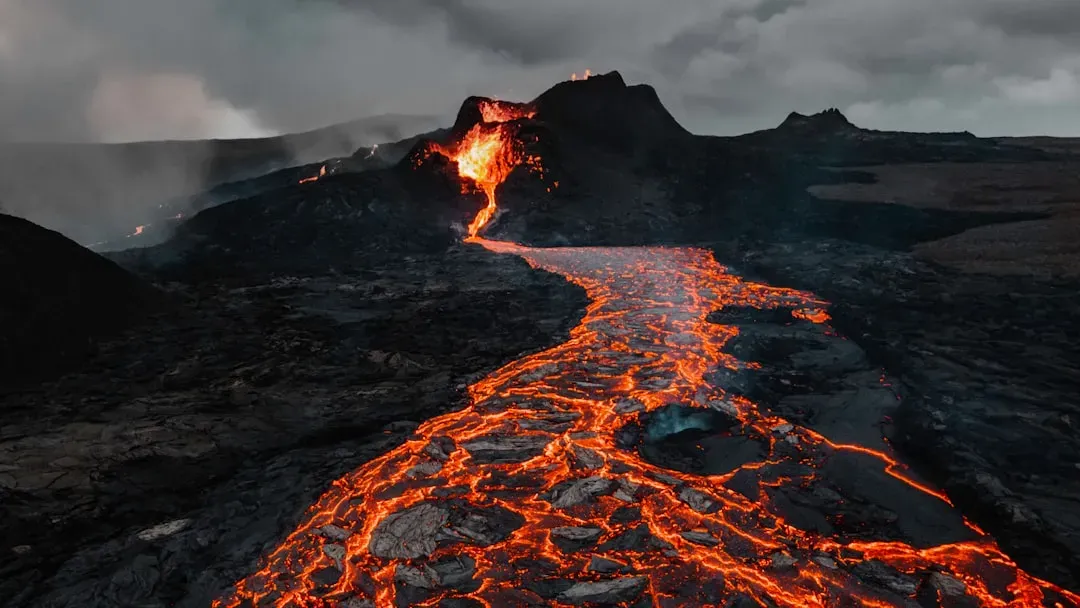
Imagine living near a volcano with no concept of plate tectonics. One day the mountain that’s always just been there suddenly roars, breathes ash, spills fire, and wipes out entire villages. If that happened to you today, you’d still struggle to process it emotionally, even with all our modern geology. For ancient communities, the only explanation that felt remotely adequate was that powerful beings were angry or restless below the ground.
Many myths describe gods buried under mountains, serpents coiled beneath the earth, or imprisoned creatures whose rage shakes the land. Modern geology now tells us that earthquakes and eruptions are the result of moving plates and pressure release, yet the patterns in some stories line up surprisingly well with real hazard zones. Oral traditions in parts of the Pacific, for example, map out “taboo” or sacred areas that coincide with active faults or past tsunami run‑up lines. What looks like superstition can turn out to be a rough kind of risk map passed down in narrative form – the kind of information you don’t ignore if you want your grandchildren to survive.
Star Stories, Navigation, and Ancient Observatories
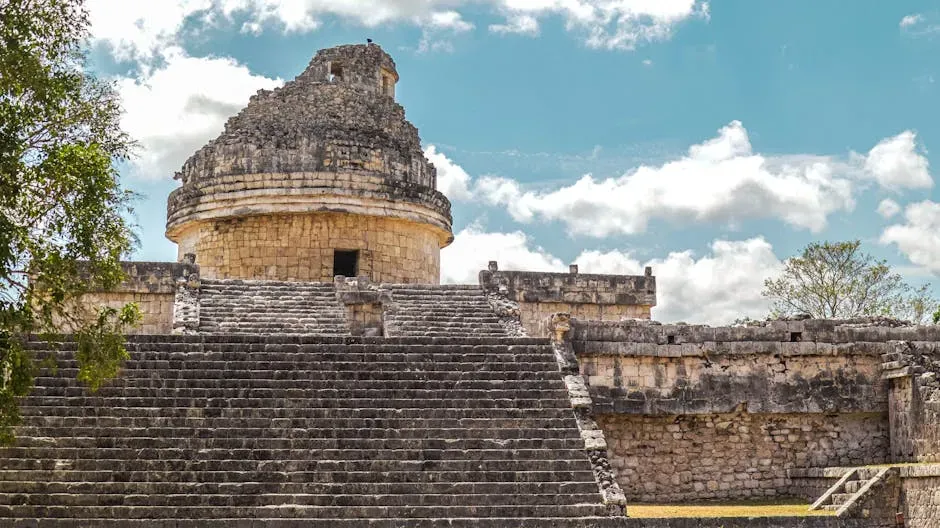
When you live without artificial light, the night sky is not a background; it’s a daily textbook. Many ancient myths about constellations, wandering stars, and celestial animals seem whimsical at first glance, but they often encode practical knowledge. Stories tied to the rising or setting of specific stars can signal planting seasons, migration times, or weather patterns that repeat year after year.
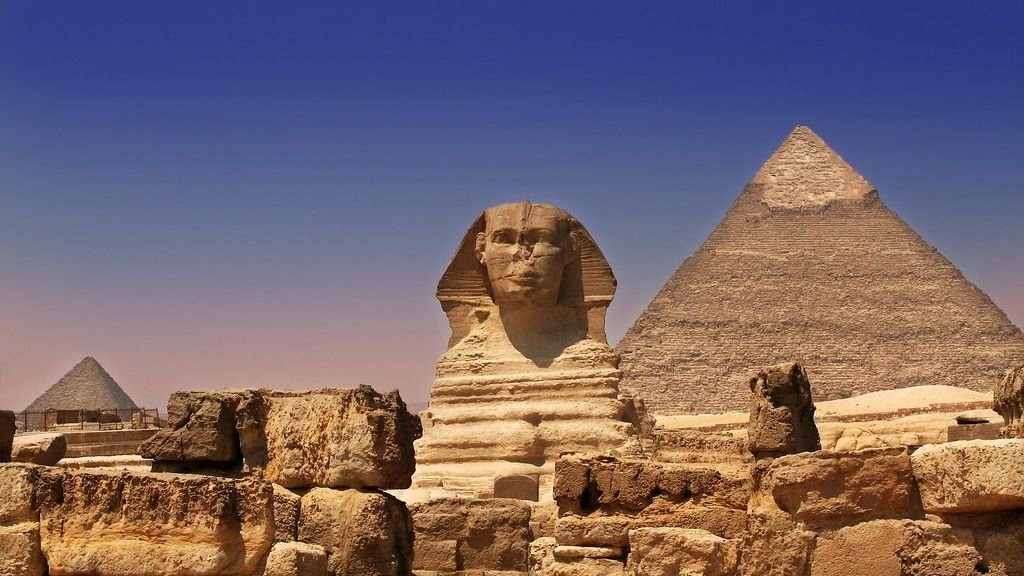
In some cultures, mythic narratives are almost indistinguishable from instruction manuals for navigation and timekeeping. People personified the stars not just for fun, but to make complex patterns memorable and emotionally sticky. Archaeological finds of aligned structures, from stone circles to carefully oriented temples, suggest that myths about sky gods and sacred directions were layered on top of meticulous observation. There’s something oddly moving about realizing that a tale about a hunter chasing an animal across the heavens might also be a built‑in calendar that kept whole communities fed.
Myths as Ancient Science Communication
When you step back, myths start to look less like wild imagination and more like early attempts at science communication. Without writing, data loggers, or satellite imagery, people still had to track seasons, remember disasters, manage resources, and warn each other about dangers. Embedding that knowledge in emotionally powerful stories increased the odds that children would remember it, repeat it, and carry it forward. In a way, fear, wonder, and awe were part of the data‑compression algorithm.
Of course, myth is not peer‑reviewed science, and it mixes observation with metaphor, morality, and cultural priorities. But that messiness is what makes it rich. I think of myths now like handwritten field notes from a very long experiment in being human on a volatile planet: imprecise, biased, but full of observational gold if you read them with the right lens. The real question isn’t whether myths are true or false, but which parts line up with measurable reality and which parts tell us more about the dreams and fears of the people who told them.
How Modern Science Is Mining Ancient Stories
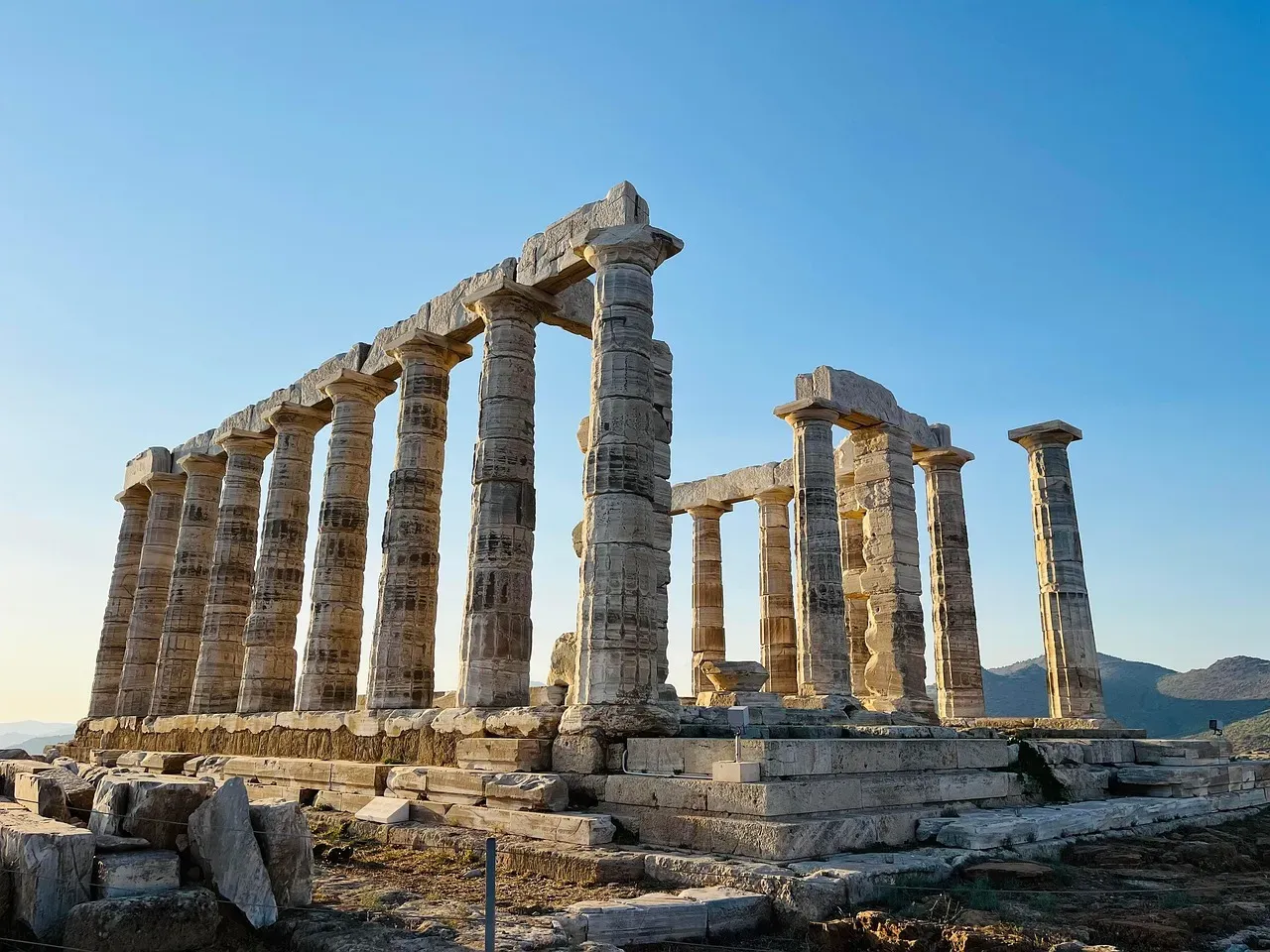
Over the last couple of decades, more researchers have started treating myths and oral traditions as potential data sources instead of mere curiosities. Geologists cross‑check tsunami legends with sediment layers, linguists trace the spread of stories alongside genetic and migration evidence, and astronomers compare sky tales with historic events like eclipses or meteor showers. This doesn’t mean they take every story literally; instead, they look for consistent patterns that appear across multiple cultures and align with independent physical evidence.
There’s a healthy tension here, because the danger is forcing stories to say what we want them to say. But when a myth describes, say, a land bridge where we now find submerged ridges, or a star pattern that matches an ancient sky position, it’s tough not to feel a jolt of respect for the memory of our ancestors. In a strange twist, laboratories, satellites, and supercomputers are now helping us reread the oldest stories on Earth with fresh eyes. It makes you wonder: when people a thousand years from now look back at our own narratives, what hidden truths will they find buried between our facts and our fictions?
Listening Differently to Old Stories
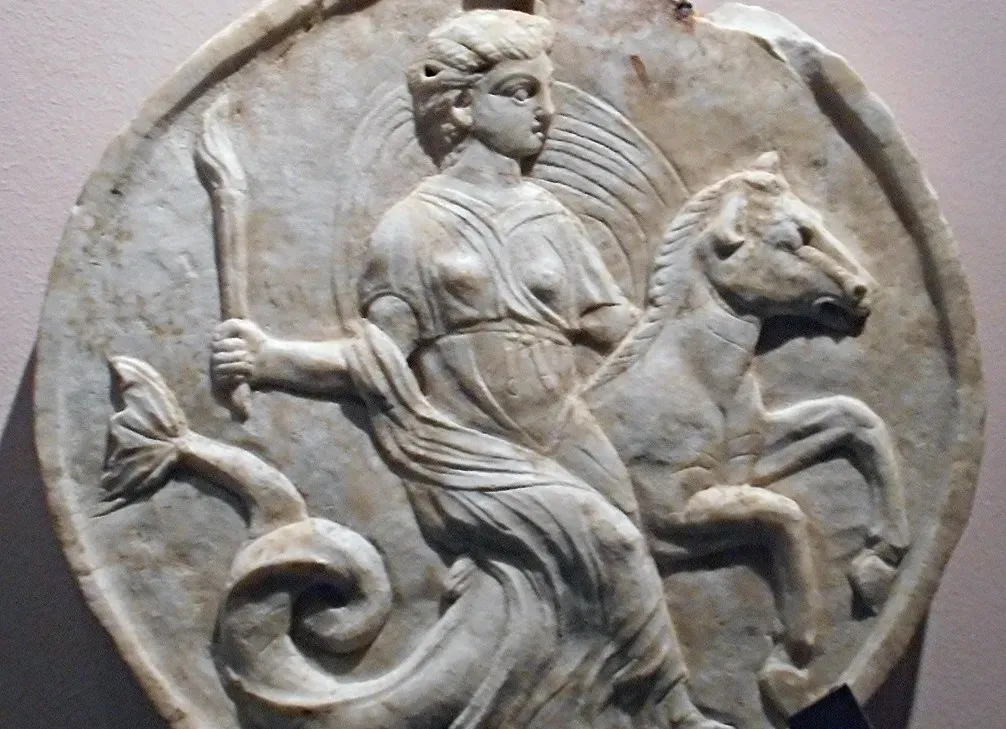
Ancient myths are not secret textbooks waiting to hand us ready‑made theories, but they are far more than random fairy tales. They are how humans once wrapped observations of floods, fires, bones, quakes, and stars in language sticky enough to cross centuries. When modern science bumps into those stories and finds echoes of real events, it doesn’t prove the myths were “right” in a literal sense, but it does prove that people were paying deep attention to their world.
Maybe the most valuable shift is simply learning to listen differently: to see myths as conversations between human curiosity and a mysterious, often frightening planet. They remind us that awe came before equations, and that wonder is still at the root of every serious discovery. The next time an old story sounds too strange to be true, it might be worth asking one more question before dismissing it: what, exactly, were they really seeing?