
Some plants feel almost supernatural. They heal us, poison us, keep us alive in space-like deserts, and even seem to “talk” to each other underground. The more scientists learn, the stranger it gets. We used to think plants just sat there, silently growing; now we know they wage wars, make alliances, and build chemicals so complex that modern labs struggle to copy them.
In this article, we’ll explore ten plants whose abilities push right up against the edge of what seems possible. Some save lives in the operating room, some are so deadly that a few leaves could kill an adult, and others can resurrect themselves from what looks like total death. As you read, try to imagine what your yard or local park would look like if you could suddenly see all the chemical battles and secret conversations going on between the leaves.
The Rosy Periwinkle: A Tiny Flower That Changed Childhood Cancer
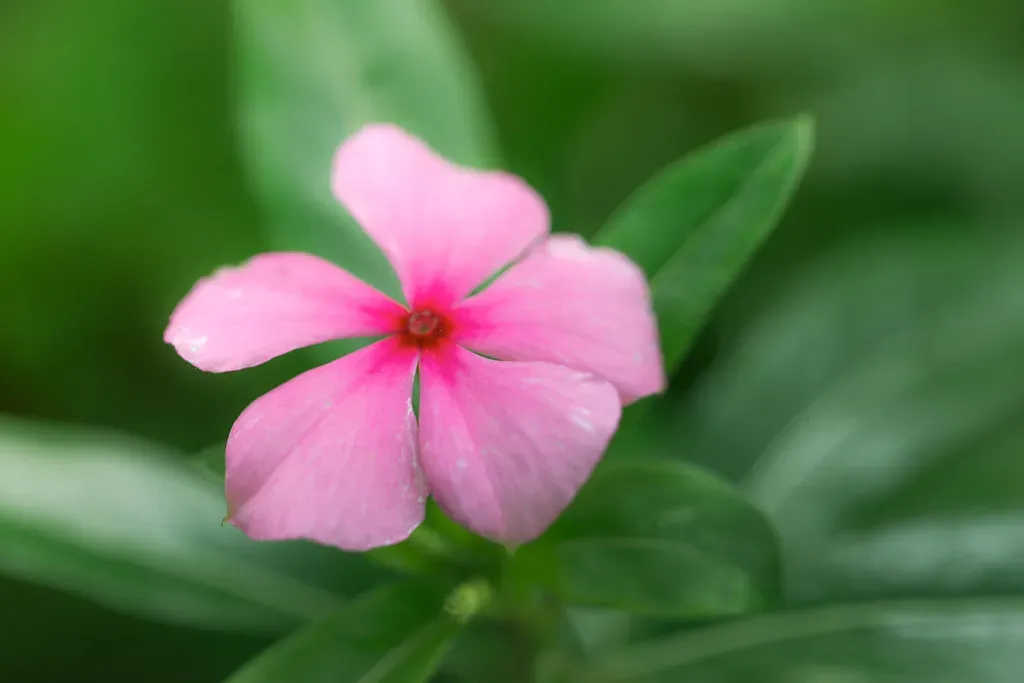
The rosy periwinkle looks like the kind of sweet, forgettable flower you’d see in a grandmother’s garden, yet it helped pull childhood leukemia back from being almost always fatal. In the mid-twentieth century, researchers discovered that this plant, native to Madagascar, produces special alkaloids that dramatically slow the growth of certain cancer cells. Today, drugs originally derived from this plant are a cornerstone of standard chemotherapy for several cancers.
What shocks many people is how close we came to ignoring it entirely, because it was just another ornamental flower. This one humble plant has helped push survival rates for some childhood cancers from a tiny fraction to well over half, sometimes even higher depending on the type and stage. It’s a blunt reminder that the cure for tomorrow’s deadliest disease might be sitting unnoticed in someone’s backyard, blooming quietly next to the driveway.
The Corpse Flower: A Giant That Smells Like Death To Survive
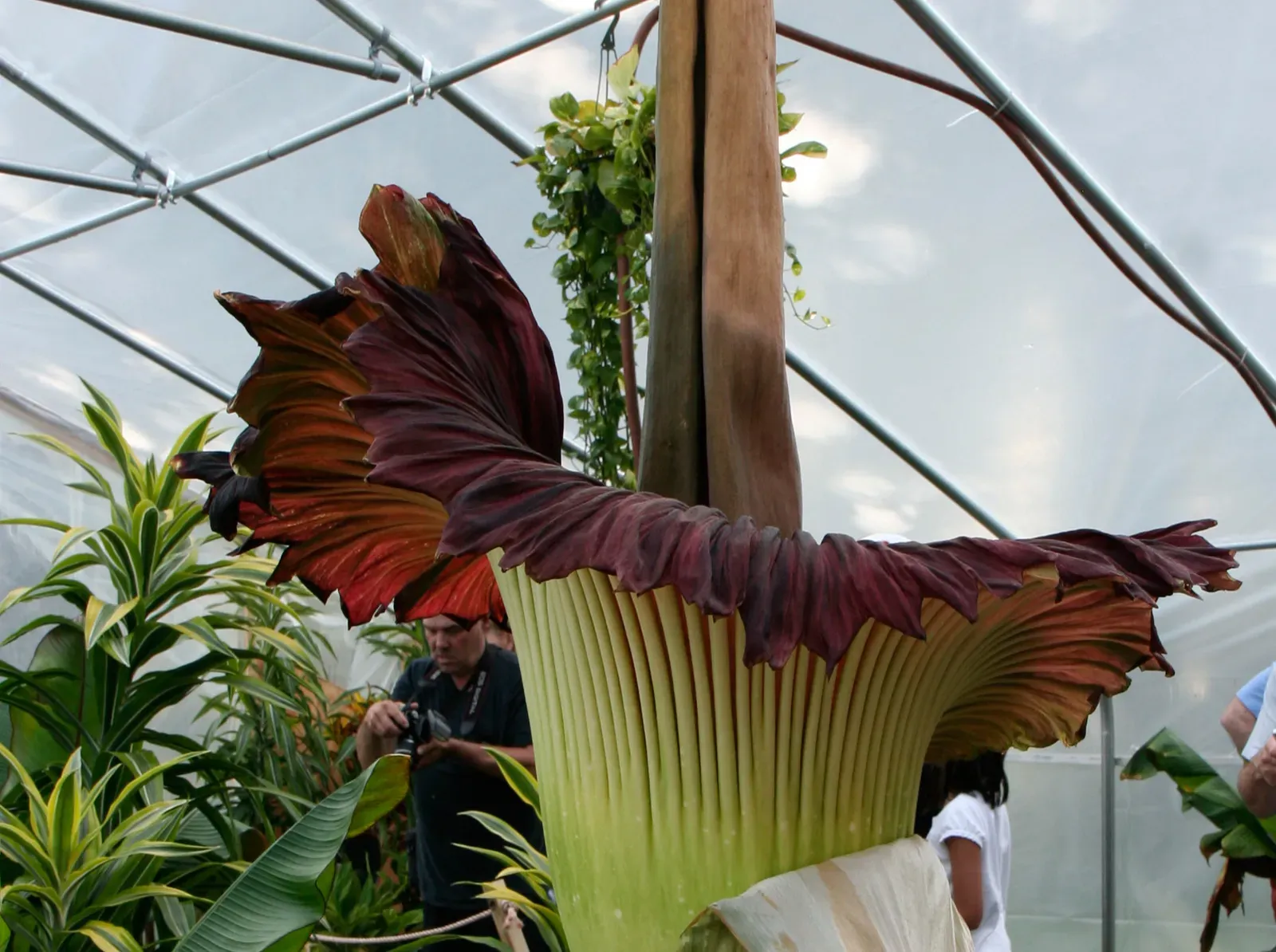
The corpse flower is the kind of plant that makes you question evolution’s sense of humor. When it blooms, it unleashes a smell that’s often compared to rotting meat, dirty diapers, and a dumpster in summer all mixed together. People line up for hours just to experience its rare and ridiculous bloom in botanical gardens around the world, even though they sometimes regret it the second they catch that first blast of stench.
But there’s a ruthless logic behind this nightmare perfume. In its native habitat in Southeast Asia, the corpse flower relies on flies and carrion beetles that normally feed on dead animals. By mimicking the heat, color, and smell of a decaying carcass, it tricks these insects into crawling all over it and spreading its pollen. It’s like a plant running a con job, dressing up as a rotting animal to seduce the insects it needs, proving that survival can be clever, disgusting, and strangely brilliant at the same time.
The Venus Flytrap: A Plant That Snaps Like An Animal
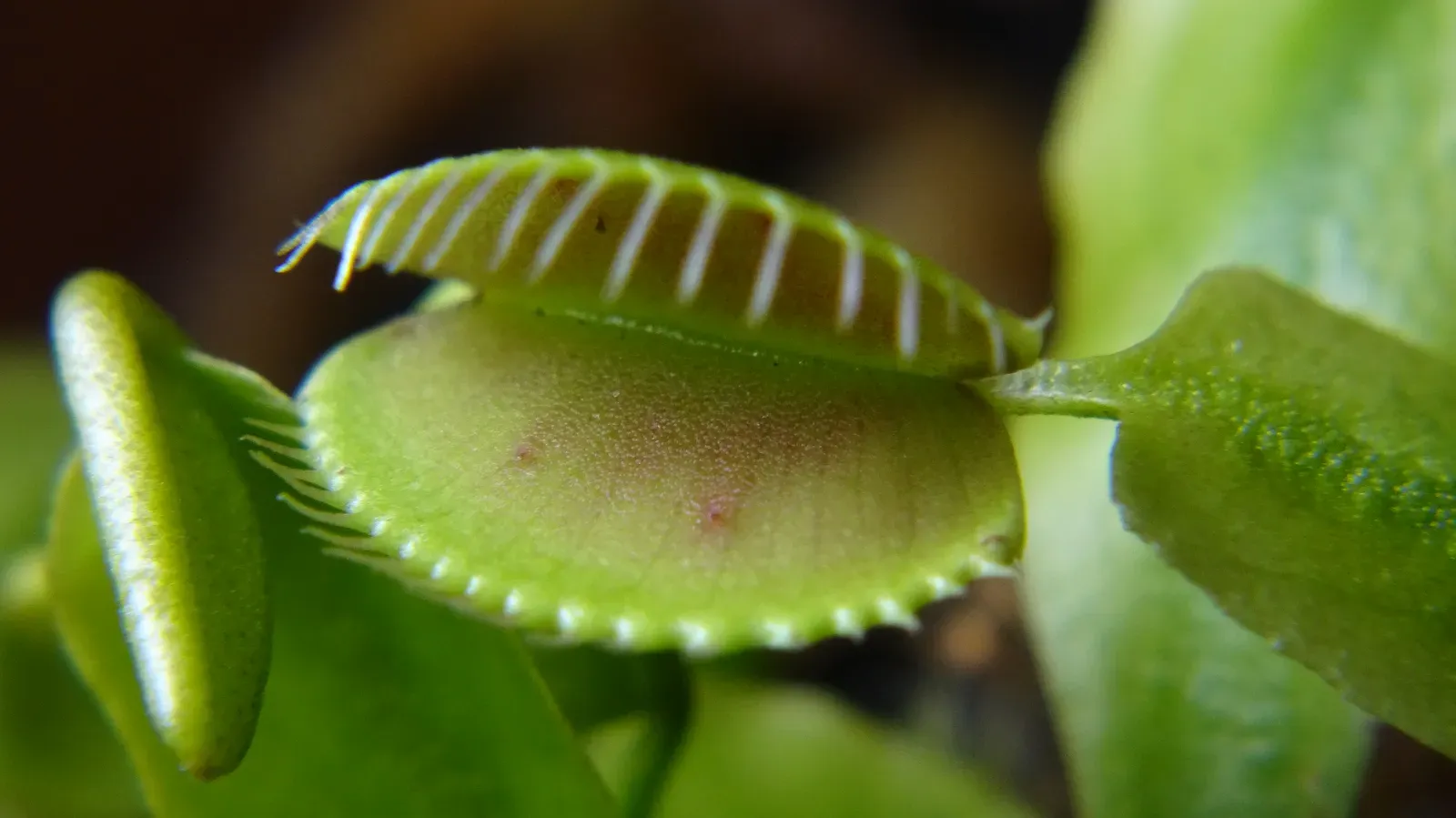
The Venus flytrap doesn’t just sit still and hope for the best; it moves with shocking speed, at least by plant standards. Its jaw-like leaves snap shut on insects when tiny trigger hairs are touched in just the right pattern, a built-in security system that helps it avoid wasting energy on random raindrops or debris. Once the trap closes, it slowly tightens and digests its prey, turning a struggling fly into precious nutrients in soils where ordinary plant food is scarce.
What fascinates scientists is how this plant turns a mechanical touch into a kind of electrical burst, almost like a nervous system in ultra-slow motion. The trap only springs when multiple touches happen within a short time, something like a plant version of counting to confirm it’s caught something real. Watching a flytrap in action feels almost like watching a brainless animal hunt, a reminder that the line between “plant behavior” and “animal behavior” isn’t as solid as we once believed.
Welwitschia: The Desert Survivor That Refuses To Die
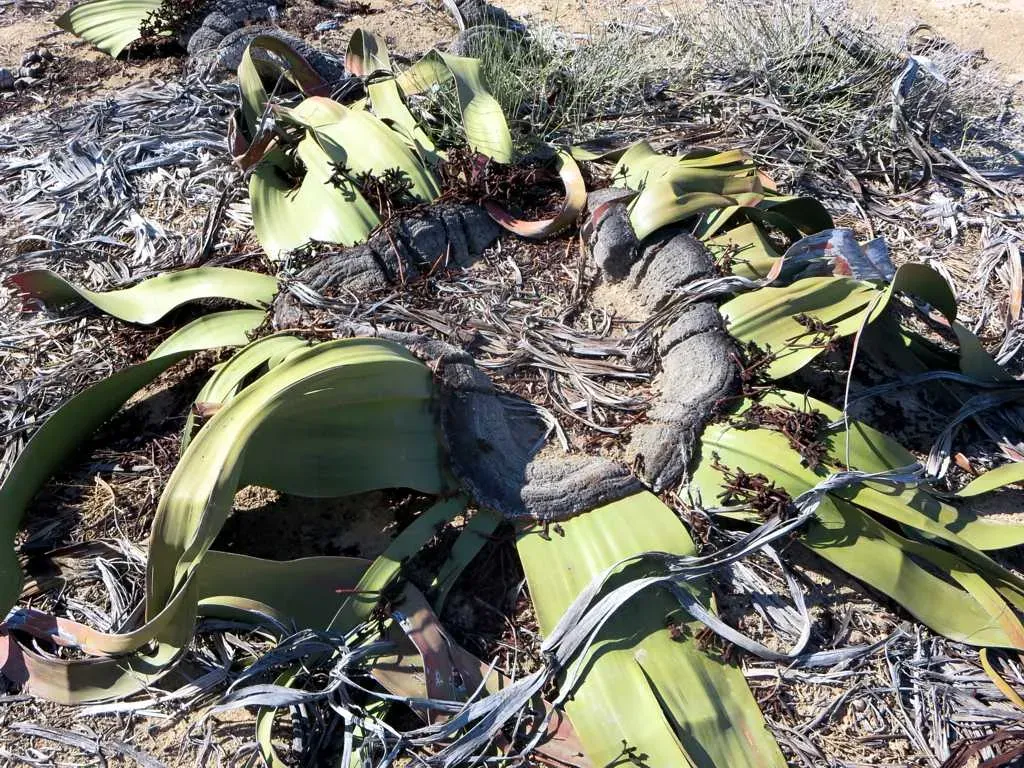
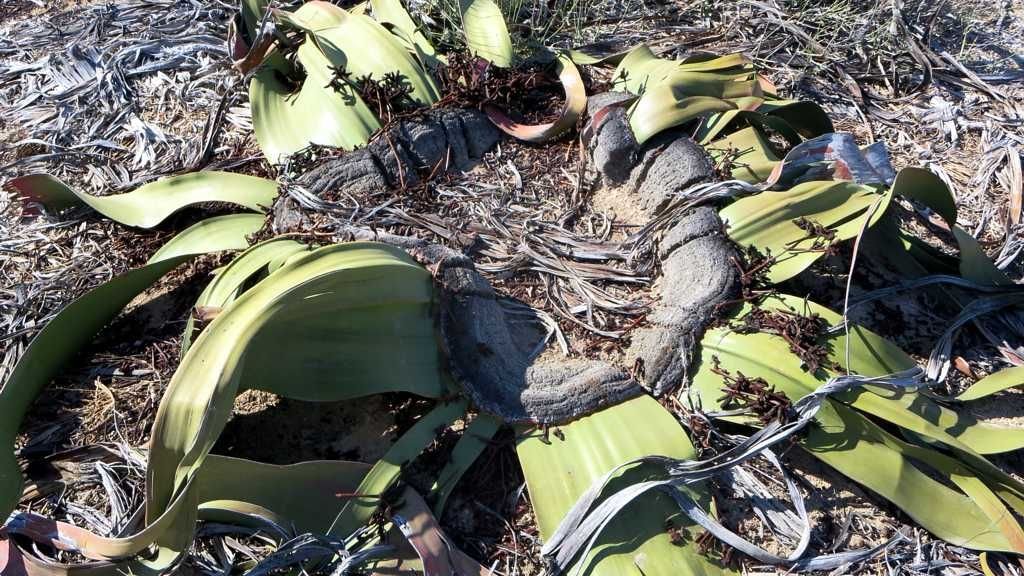
If there were a plant version of a sci‑fi alien, Welwitschia would be it. Found in parts of the Namib Desert in southern Africa, it lives in one of the driest, harshest climates on Earth, where rain can be so rare it’s basically a rumor. Yet this plant can live for many centuries, some individuals believed to be well over a thousand years old, surviving mostly on coastal fog rather than regular rainfall.
What makes Welwitschia so strange is its structure: it grows just two leaves, and those same two leaves keep growing, shredding and curling over time until they look like a pile of weather-beaten ribbons. Despite the brutal conditions, its slow, stubborn persistence lets it outlive entire human civilizations. It’s like a living time capsule anchored in the sand, quietly proving that survival isn’t always about speed or beauty, but about sheer, relentless endurance.
The Resurrection Plant: Coming Back From The Dead
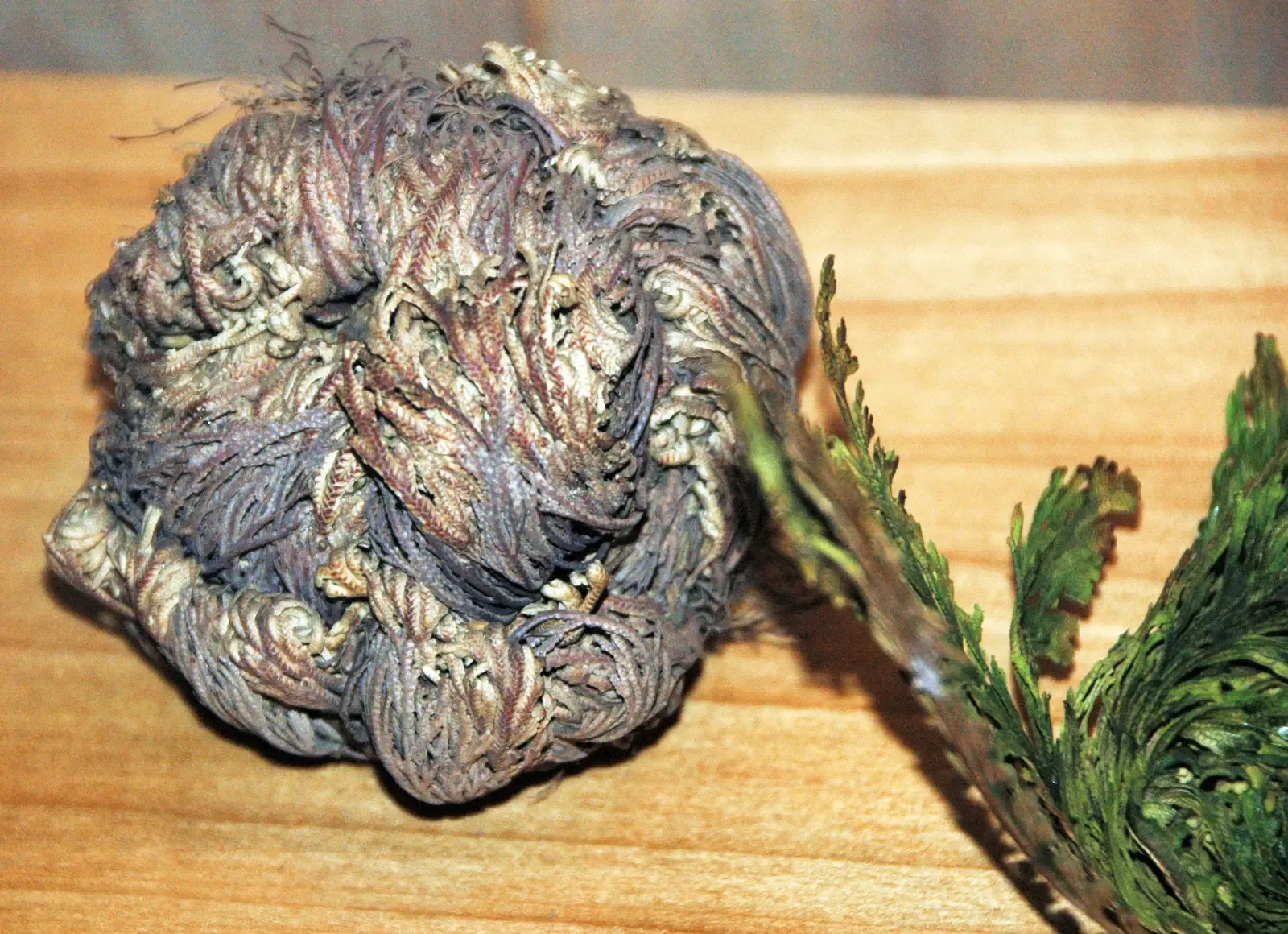
Resurrection plants look like a heartbreaking failure when you first see them dried up, curled into a tight ball, brown and brittle like a forgotten tumbleweed. In drought, they shut down almost completely, letting their tissues dehydrate so thoroughly that many people would confidently call them dead. Then, when they finally get water, they unfurl, turn green again, and start photosynthesizing as if someone flipped a switch from “off” to “alive.”
Their trick lies in special protective molecules and structures that shield their cells from damage while bone‑dry. It’s a biological pause button that most plants simply don’t have, and researchers are studying it to understand how crops might be made more drought‑resistant in a warming world. Seeing a resurrection plant rehydrate feels like a magic show in slow motion, the kind of thing that makes you rethink what the word “dead” even means for living organisms.
Yew Trees: Deadly Poison Turned Life‑Saving Medicine
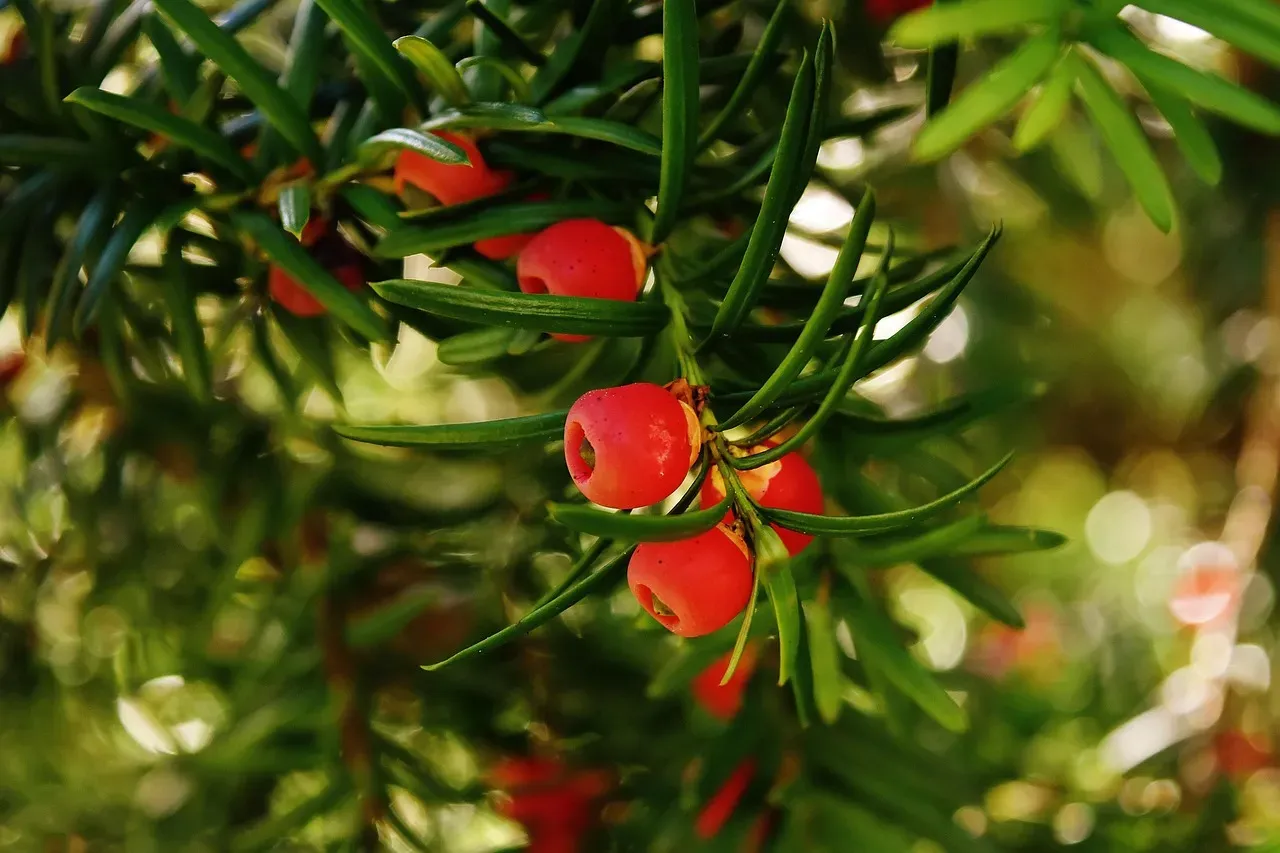
The yew tree carries a quiet menace: nearly every part of it except the fleshy, red covering around the seed is poisonous to humans and many animals. Its toxins can cause heart failure, and there have been tragic cases of people and livestock dying after eating the leaves or seeds. For centuries, yews were symbols of death in churchyards and folklore, shadowy evergreens that seemed to watch silently over graves.
But hidden inside that danger is one of modern medicine’s most powerful cancer-fighting compounds. A substance first discovered in the Pacific yew, and now often produced semi‑synthetically, is used to treat various cancers, including some breast and ovarian cancers. The story of the yew is unsettling and hopeful at the same time: a tree that can kill in the wrong dose, yet help save lives in the right one, like a reminder that nature doesn’t sort itself into “good” and “evil” as neatly as we might wish.
Dodder: The Parasitic Plant That Can “Smell” Its Victims
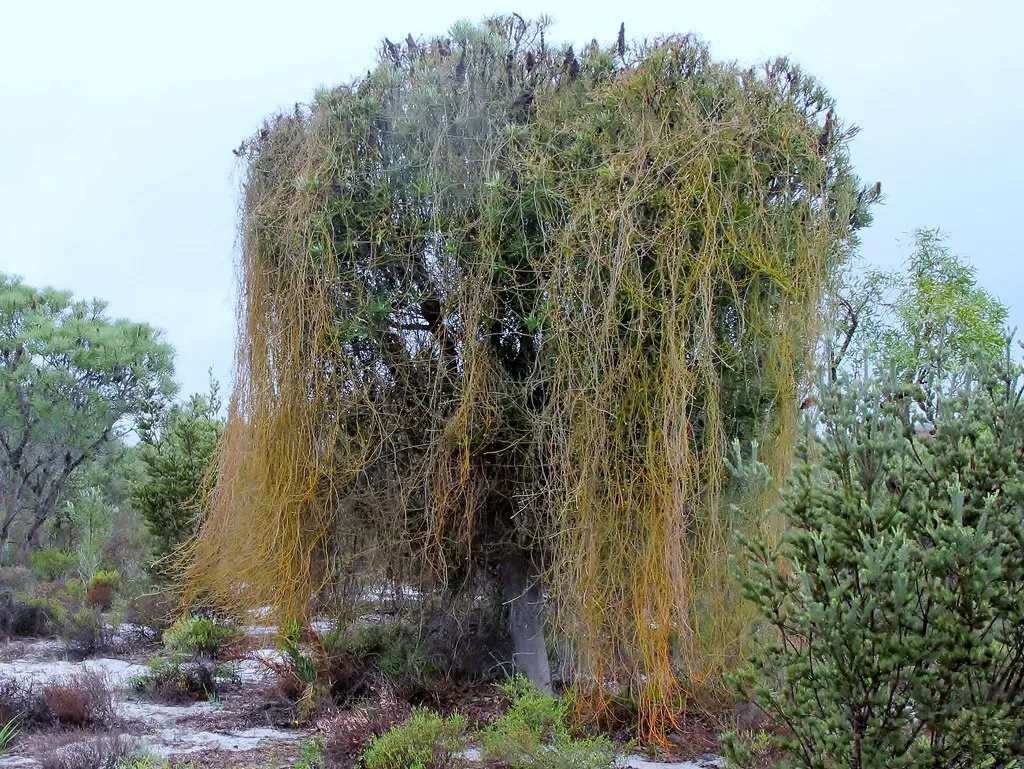
Dodder looks like a tangle of orange or yellow spaghetti thrown over other plants, but it’s far more unsettling than the nickname suggests. It’s a parasitic plant that sinks tiny suckers into its host and steals water and nutrients, sometimes weakening or killing the plant it clings to. What’s mind‑bending is that dodder can actually “choose” its host by detecting chemical signals, growing toward the plant that smells more promising.
Experiments have shown dodder seedlings bending like slow‑motion animals toward the scent of preferred host plants, almost as if they’re following a trail of invisible perfume. Once they latch on, they can even tap into the host’s internal communication systems and eavesdrop on signals that warn about pests or stress. It’s a creepy kind of plant espionage, almost like wiretapping a neighbor’s phone line and then siphoning their bank account at the same time.
The Telegraph Plant: Leaves That Actually Move To Signal
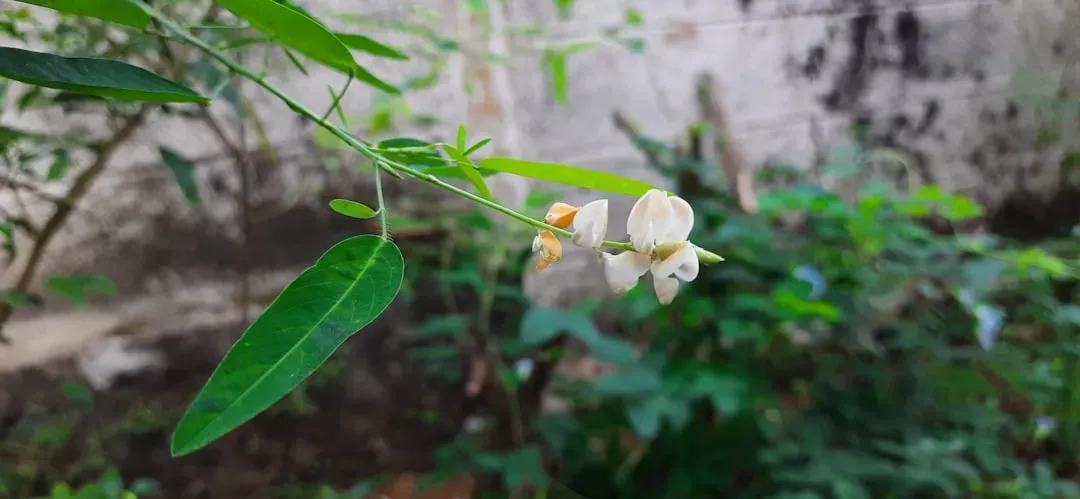
The telegraph plant is one of those species that makes time‑lapse cameras feel unnecessary, because it moves fast enough to see with the naked eye. Its small side leaflets twitch and dance throughout the day, especially in warmth and light, a strange constant motion that fascinated scientists long before we had high‑tech tools. In some conditions, these little leaves seem to wiggle rhythmically like they’re sending tiny semaphore signals into the air.
Researchers believe these movements are tied to light and temperature changes and may help with photosynthesis or heat control, but the full story is still being explored. Watching the plant up close is oddly hypnotic, like seeing a slow, plant‑based heartbeat exposed. It challenges the lazy assumption that plants are completely still and passive, reminding us that we mostly live too fast to notice what they’re actually doing.
Mycorrhizal Fungi Partnerships: The Hidden “Internet” Of The Forest
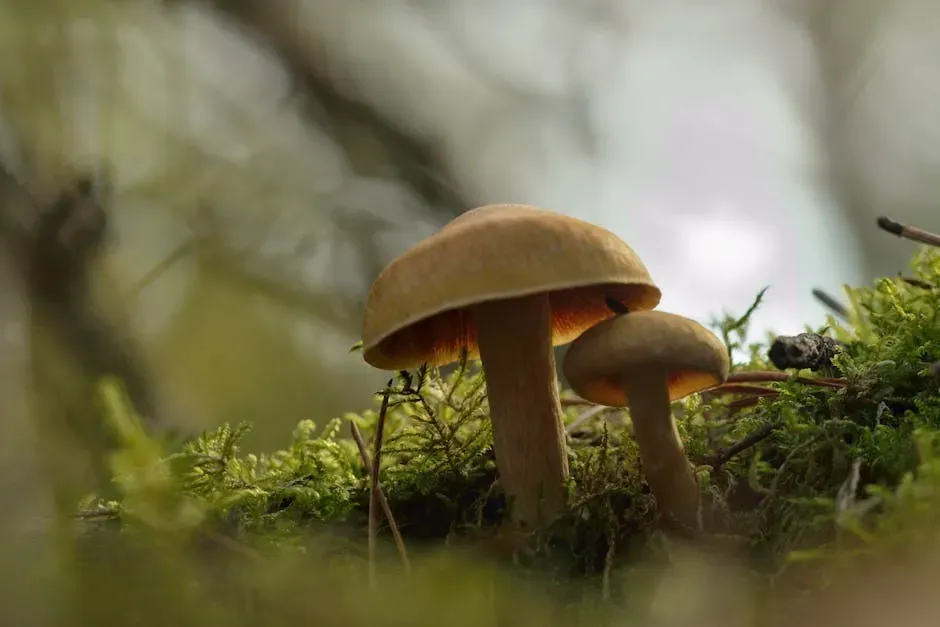
On their own, many plants are impressive, but plug them into a network of fungi and they become part of something even stranger. In forests around the world, plant roots often connect with specialized fungi in a partnership called mycorrhiza, trading sugars for nutrients and water. These fungal threads can link many different plants, creating a vast underground web that quietly moves resources and signals between them.
Through this shared network, a nutrient‑rich tree might support a struggling seedling in the shade, or a plant under insect attack might trigger chemical warnings that travel through the fungal pathways. Some scientists describe this as a kind of information superhighway beneath our feet, where plants coordinate and compete through microbial middlemen. It feels almost like a forest has a hidden nervous system made of fungus, humming away just below the roots where we almost never look.
Cacao: The Mood‑Shifting Plant That Built An Entire Culture Around Pleasure
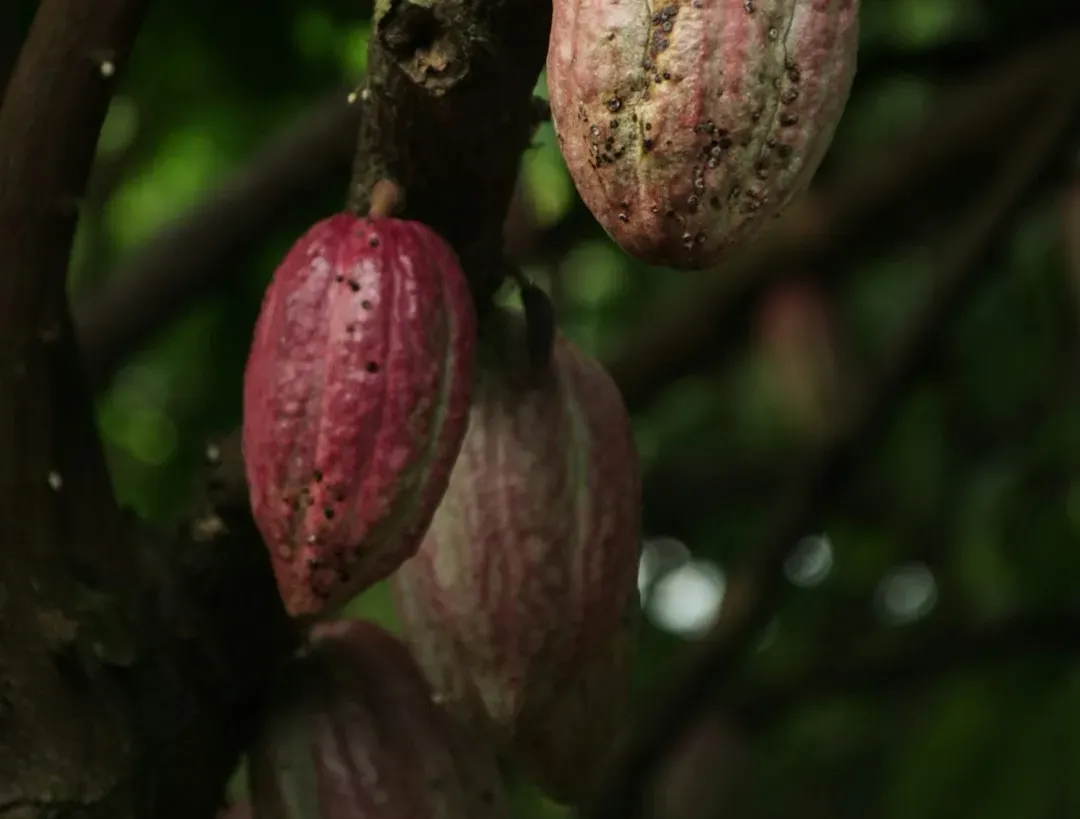
Cacao might not sound as obviously “superpowered” as a carnivorous trap or resurrection shrub, but its influence reaches deeply into our brains, our history, and our economies. The seeds of the cacao tree are the raw material for chocolate, carrying natural compounds that can stimulate, relax, and even subtly lift mood in many people. Civilizations in Central and South America were using cacao in ritual drinks long before it became a global obsession, valuing it as something far more than just a sweet treat.
Modern research has found that certain components of cacao can support blood flow, interact with brain chemistry, and offer modest cardiovascular benefits when not buried under mountains of sugar and fat. It’s wild to think that a plant seed, bitter and unappealing in its raw state, could become one of the most emotionally charged foods on Earth, tied to comfort, romance, stress‑eating, and celebration. In its own way, cacao is a quiet mood engineer, shaping how millions of people feel, one bite of chocolate at a time.
Looking at these ten plants side by side, it’s hard not to feel a little humbled. Some cure cancers, some almost cheat death, some manipulate insects and other plants with the precision of a strategist, and some even seem to plug into underground networks that would put a sci‑fi writer to shame. The patch of green we walk past on the way to work hides battles, alliances, and miracles that barely cross our minds most days.
Next time you see a weed pushing through a crack in the sidewalk or a quiet tree in a parking lot, it might be worth wondering what invisible dramas it’s part of. Are its roots plugged into a fungal web, is it quietly pumping out complex chemicals, is it eavesdropping on its neighbors? For all our technology, we’re still just beginning to understand the full power of plants, and it’s entirely possible the most astonishing ones are still waiting to be noticed. Which of these powers surprised you the most?