
If you’ve ever looked up at the night sky and felt a strange mix of wonder and confusion, you’re not alone. Long before modern telescopes, ancient civilizations were tracking the stars with an accuracy that still makes scientists raise their eyebrows today. Some of their stone monuments align almost perfectly with solstices, equinoxes, and rare celestial events, even though they had nothing like the tools we now take for granted.
What makes this truly wild is that, in many cases, we still don’t fully understand how or why they did it. We can guess, we can model, we can simulate, but there are gaps that refuse to close. As someone who once thought ancient astronomy was just people pointing at bright dots, I’ve been repeatedly humbled by how much sky knowledge was carved into rock thousands of years ago. Let’s walk through five civilizations whose cosmic puzzles still keep researchers up at night.
1. The Maya: Calendars That Seem To Outthink Time Itself
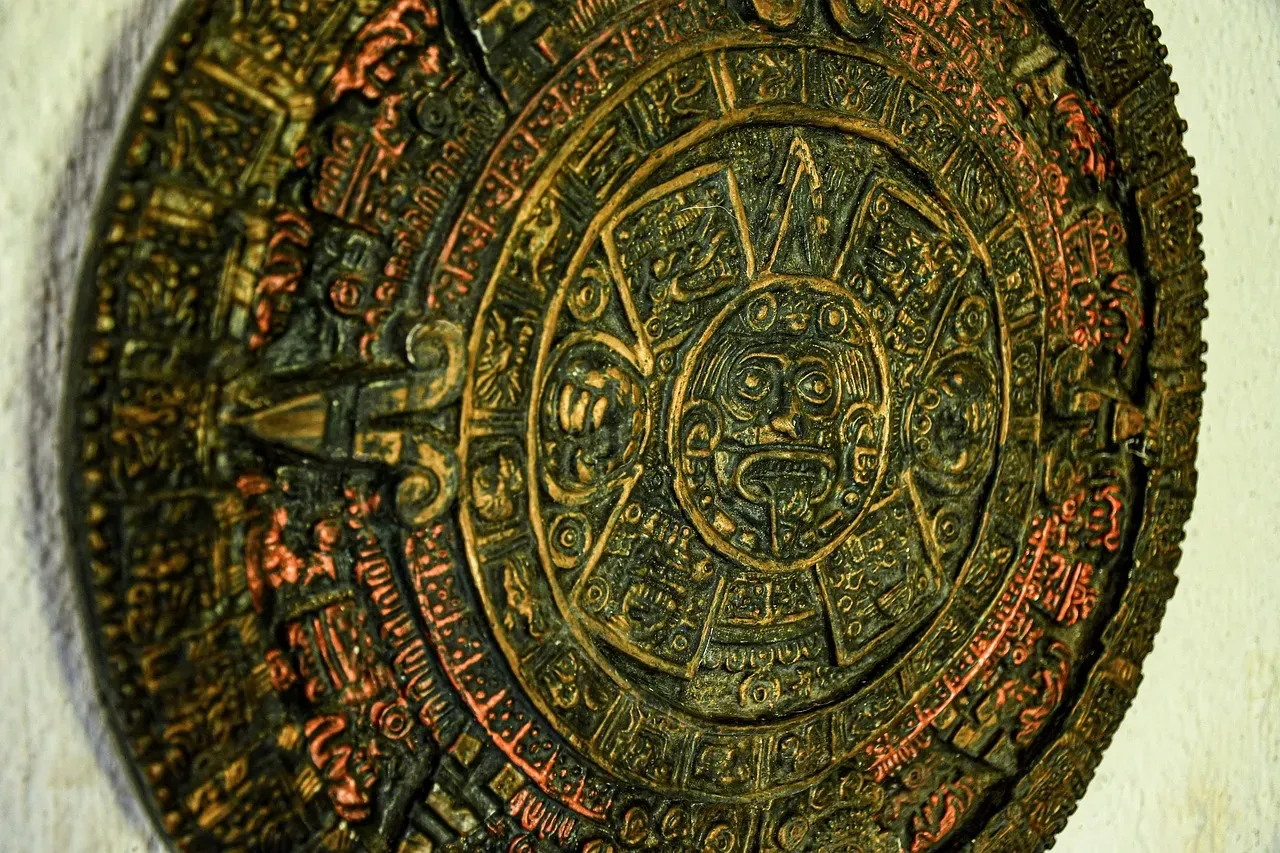
The Maya didn’t just track time; they sculpted it into a system so precise that modern astronomers still double-check it for inspiration. Their Long Count calendar, famous for the 2012 doomsday hype, is only the tip of the iceberg. They measured the movements of Venus with a precision that modern calculations have confirmed is extremely close, despite their lack of lenses or metal instruments. Some scholars argue they understood solar years and lunar cycles with an accuracy that rivals early modern European astronomy.
Mayan cities like Chichén Itzá and Uxmal include pyramid-temples that behave almost like enormous celestial clocks. During the spring and autumn equinoxes, the shadow of the stepped pyramid of El Castillo appears to form a writhing serpent descending its staircase, a dramatic light-and-shadow effect that happens with uncanny timing. Was this purely religious theater, or part of a more systematic observatory? We don’t fully know. The big unresolved puzzle is just how they produced such long-term predictions of eclipses and planetary cycles without recorded use of complex instruments or written mathematical proofs as we know them today.
2. Ancient Egypt: The Stargazing Engineers Of The Giza Plateau

The Great Pyramid and its neighbors at Giza are surrounded by more speculation than almost any other ancient structures on Earth, but even if you strip away the wild theories, a stubborn mystery remains. The layout of the three major pyramids roughly mirrors the arrangement of three prominent stars in the constellation Orion’s Belt, and this apparent sky–ground connection has sparked ongoing debate. Some shafts within the Great Pyramid align closely with specific stars or with cardinal directions in a way that suggests deliberate astronomical planning.
It’s one thing to build something big; it’s another to build something big that is also aligned with true north to a remarkably small margin of error using only the tools available over four thousand years ago. We still don’t fully understand which combination of simple instruments, repeated observations, and geometric tricks they used to get this right. There are also lingering questions about whether the pyramids formed part of a larger ritual landscape tied to the night sky, the soul of the pharaoh, and cycles of death and rebirth that mirrored the motions of Orion and Sirius. The exact astronomical knowledge behind all that alignment is still partly hidden in the desert sand.
3. The Ancient Mesopotamians: Star Lists, Omens, And Planetary Predictions
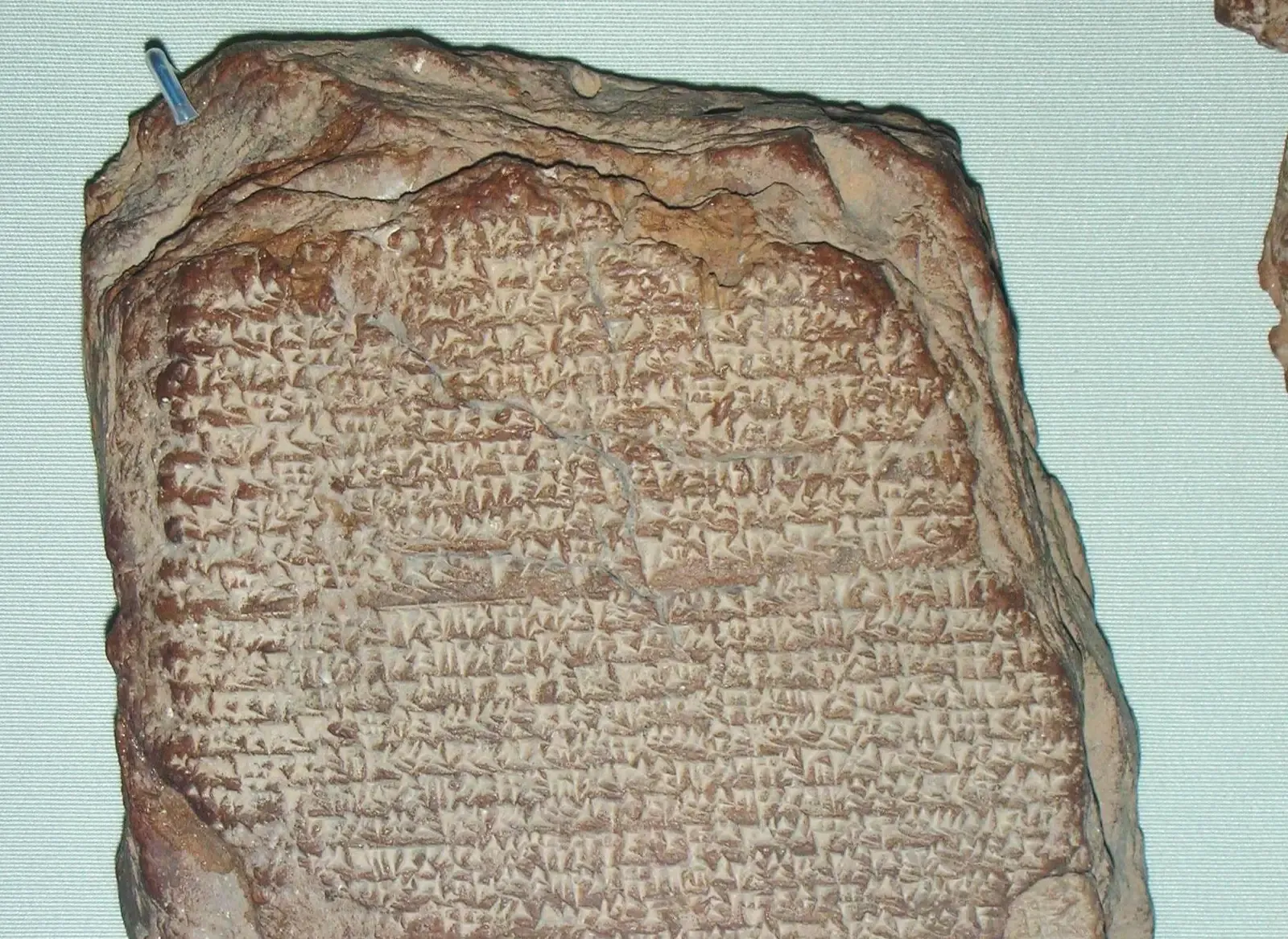
In ancient Mesopotamia, in the regions of modern Iraq and surrounding lands, scribes pressed star data into clay tablets with a patience that feels almost superhuman today. They recorded planetary movements, lunar eclipses, and star risings over centuries, turning the sky into a giant ledger of signs and patterns. What makes this so puzzling is that they achieved surprisingly accurate predictions of eclipses and planetary positions using what appears to be a mix of arithmetic methods and pattern recognition, long before formalized Greek-style geometry took over astronomy.
Some surviving tablets hint at a deep understanding of periodic cycles that allowed them to anticipate cosmic events without ever framing them in modern scientific terms. To them, the sky was a language of omens, not abstract physics, and yet the underlying math looks strikingly sophisticated. Researchers still argue about how far their calculations really went and whether they had conceptual frameworks that we simply haven’t decoded because much of the material is lost or fragmentary. The unresolved piece is whether we’re underestimating the intellectual leap from watching the moon rise over a ziggurat to predicting its eclipse many months ahead.
4. The builders of Stonehenge: Megaliths Aligned With Something More Than Luck
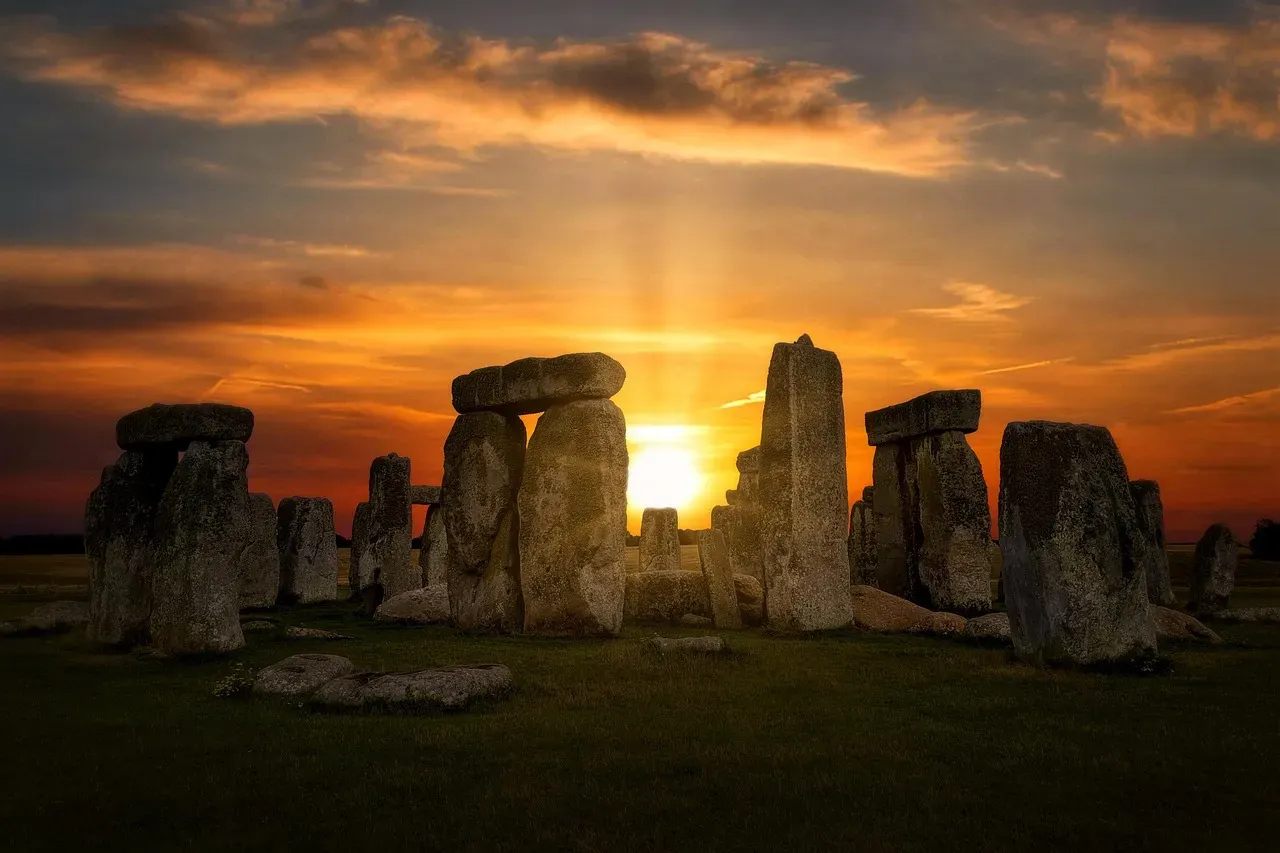
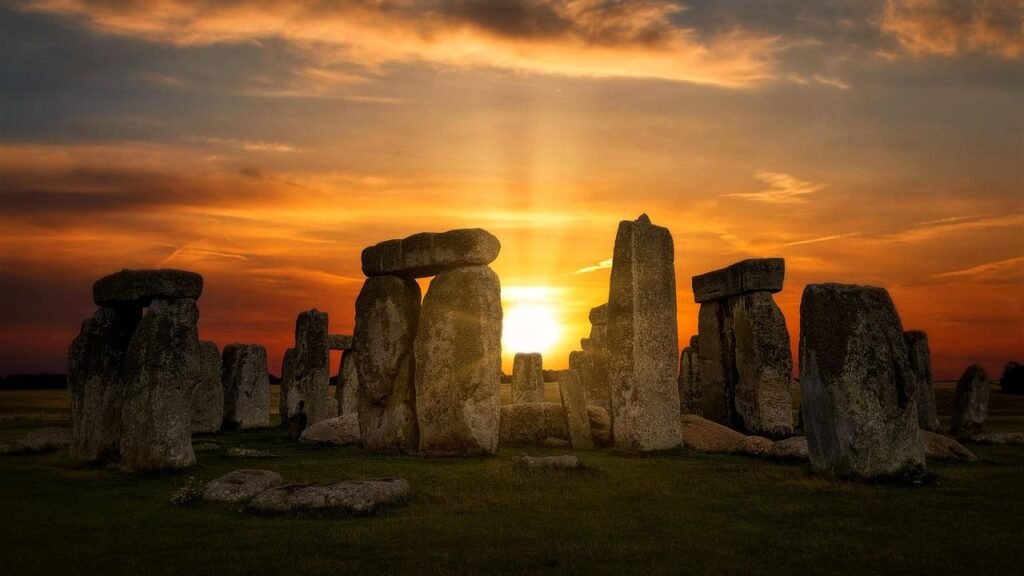
Stonehenge in England has become the poster child for ancient astronomy, and for good reason. Its stones line up with the summer solstice sunrise and the winter solstice sunset in a way that seems far too deliberate to be coincidence. The monument evolved over many centuries, with different phases of construction, earthworks, and stone arrangements, which suggests an ongoing, evolving relationship between people and sky. Yet, for all the crowds that gather there each solstice, we still can’t say with total certainty exactly how its builders used it day to day.
Some theories describe Stonehenge as a gigantic seasonal calendar, others as a ceremonial gateway between the world of the living and the dead, underscored by its alignments with sun and possibly moon cycles. Archaeologists have identified nearby processional routes and burial sites, hinting at complicated rituals tied to light and darkness. The puzzle is not only how they physically moved and raised the stones from considerable distances, but also how they encoded such reliable solar alignments over generations without a written record to guide future builders. It’s like walking into a room full of carefully arranged instruments with the sheet music missing.
5. The Nazca Culture: Enormous Ground Drawings With Celestial Hints
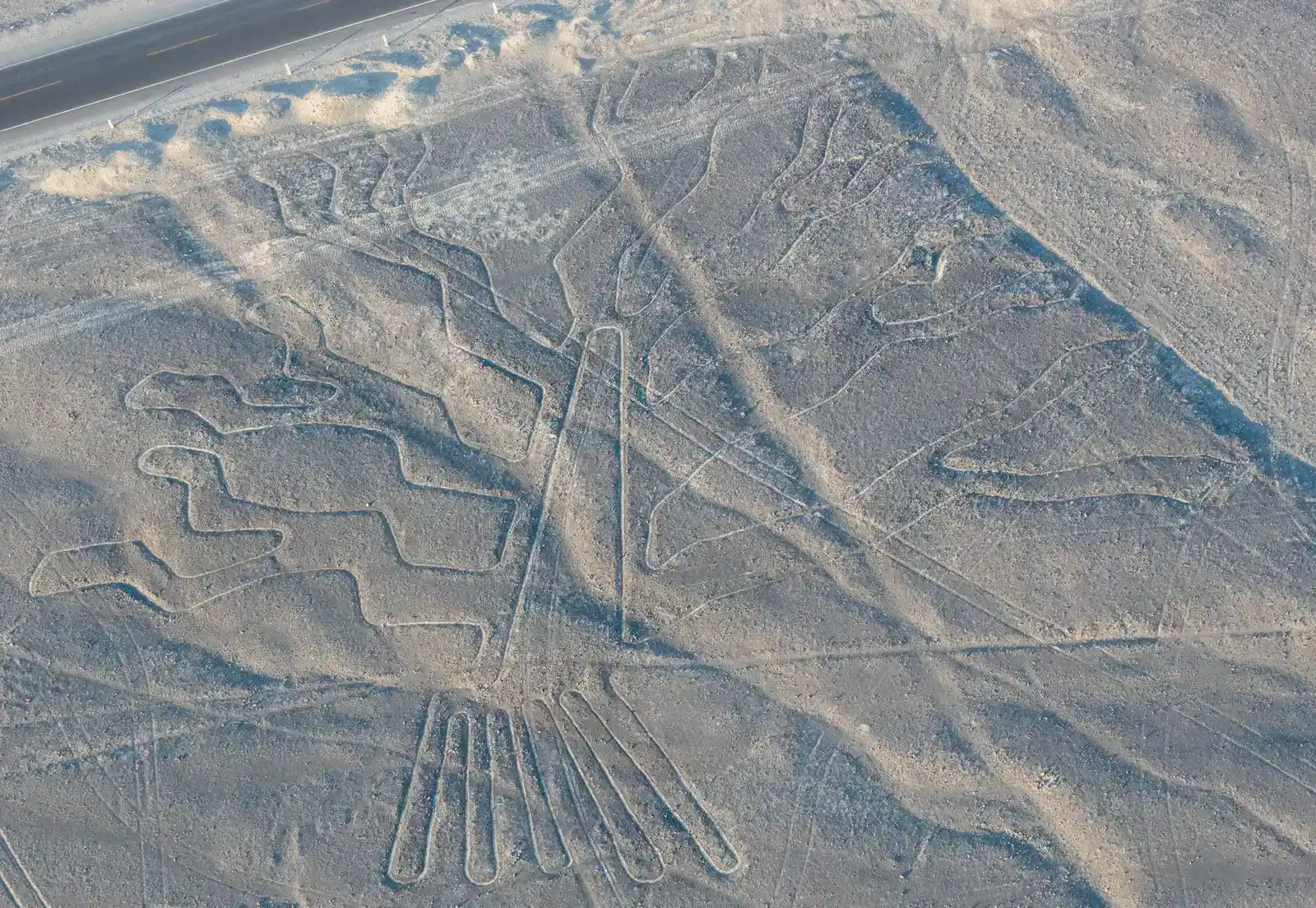
On the desert plains of southern Peru, the Nazca and related cultures etched enormous lines, shapes, and animal figures into the ground, so large they’re best appreciated from the air. For decades, researchers have grappled with the question of whether these lines had astronomical purposes, ritual meanings, or both. Some straight lines do appear to point roughly toward the rising or setting positions of certain stars or the sun at specific times of year, yet the pattern is not straightforward enough for everyone to agree. There’s a constant tension between seeing deep cosmic order and simple random alignment.
What complicates things is that the Nazca Lines form an overlapping web of pathways, geometric forms, and figures like hummingbirds and monkeys, suggesting multiple layers of meaning. They might have served as ritual walkways, water-related prayers, sky markers, or all of the above. Without written explanations from the people who made them, modern researchers are left comparing angles, running computer simulations, and arguing over which alignments are intentional and which are coincidence. The result is an enduring puzzle: were the Nazca carving an enormous message to the gods of sky and water, or are we reading patterns into something whose true purpose we can no longer fully grasp?
Why These Celestial Riddles Still Matter
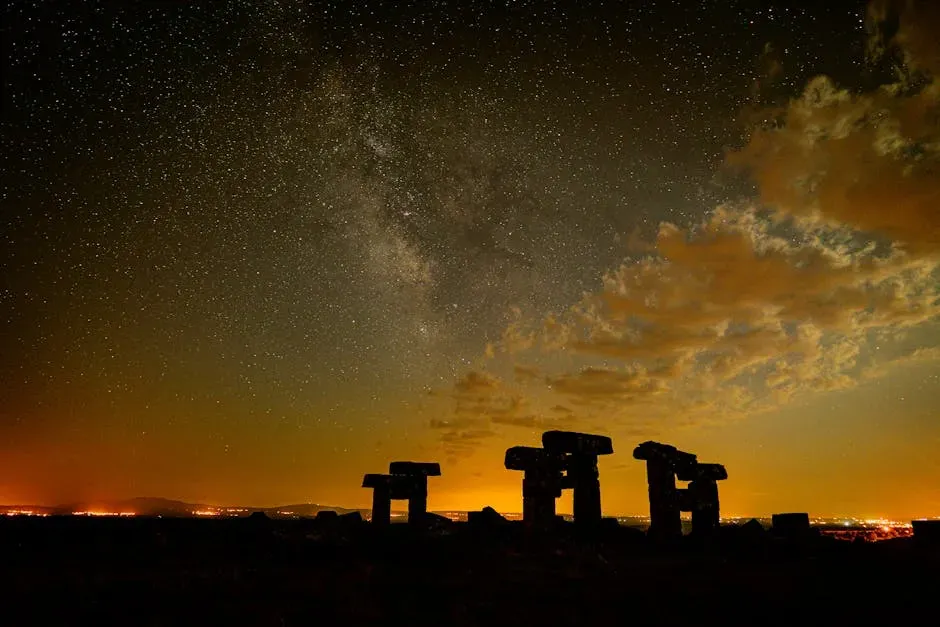
When you line these civilizations up side by side, a striking pattern appears: very different cultures, in completely different landscapes, all poured enormous effort into watching and honoring the sky. They moved stones weighing many tons, built pyramids that still dominate the horizon, inscribed data onto fragile clay, and walked ceremonial routes that stitched together earth and stars. Even with all our modern technology, we’re still reverse-engineering their intentions like detectives arriving late to a crime scene. Some details we can reconstruct with solid evidence; others remain stubbornly out of reach.
Personally, I find that uncertainty weirdly comforting. It’s a reminder that humans have always wrestled with the same basic questions: Where do we fit in this vast universe? Are the patterns above us random or meaningful? These ancient astronomical puzzles keep us honest, forcing us to admit what we don’t yet know while nudging us to keep looking up and asking better questions. The next time you see a clear night sky, it might be worth wondering: which of today’s sky-watching habits will confuse people thousands of years from now?