There is something almost unbelievable about watching a species pull itself back from the very edge of oblivion. You’d think, once a creature is nearly gone, that’s it. Game over. Yet across the United States, some of the most dramatic wildlife recovery stories in human history have unfolded quietly in forests, rivers, wetlands, and skies that most people never visit.
The United States has seen its share of ecological disasters, many of them self-inflicted. Overhunting, pesticide poisoning, habitat destruction, and outright government extermination programs all played their parts in bringing once-thriving species to their knees. Yet the same country also produced the Endangered Species Act, one of the most powerful wildlife protection laws ever written. That combination of destruction and redemption is what makes these stories so gripping. Let’s dive in.
The Bald Eagle: America’s Symbol Refused to Go Quietly
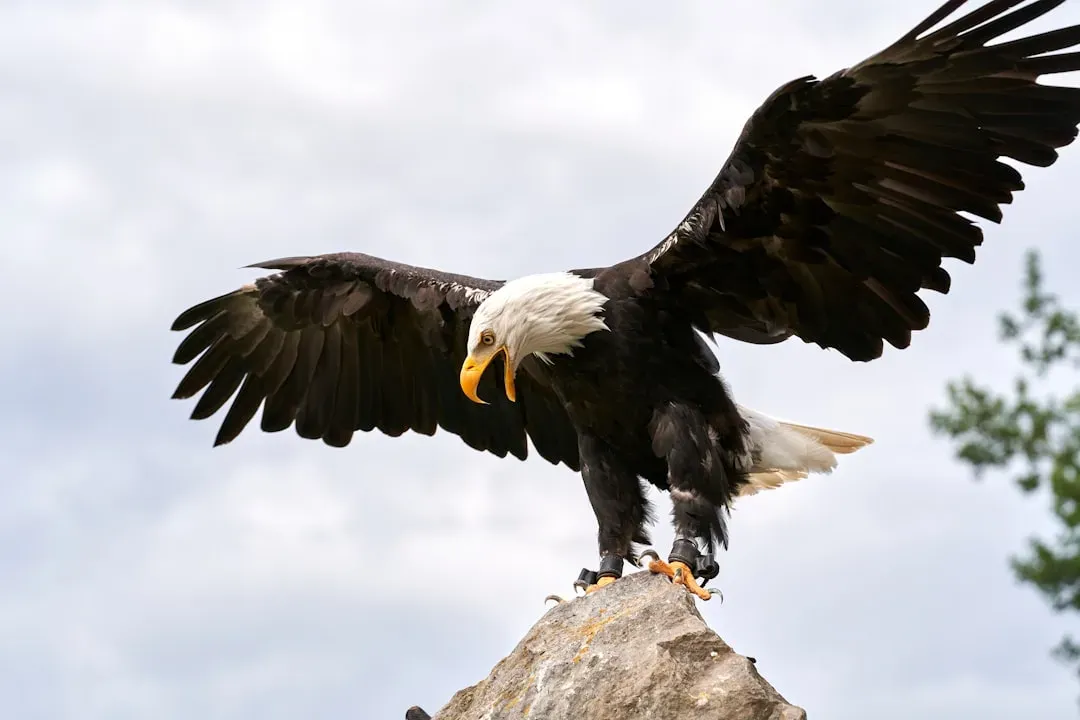
If you want a symbol of just how far a species can fall, and then rise again, look no further than the bald eagle. In the 1960s, a mere 500 bald eagles could be found soaring across America’s lower 48 states. Dangerous pesticides and chemicals released into bald eagle habitats thinned the shells of their eggs, killing their young. At the lowest recorded point, slightly more than 400 breeding pairs of bald eagles were found in the lower 48 states in 1963. Think about that for a moment. Four hundred pairs. That is shockingly close to gone.
The ban on DDT, protections from the Endangered Species Act, and captive breeding and reintroduction efforts all helped reverse the bald eagle’s decline. In 2007, the Interior Department officially declared the bald eagle fully recovered and removed it from the endangered species list. As of 2021, the bald eagle population climbed to an estimated 316,700 individuals. You read that right. From fewer than a thousand birds to over 300,000. Honestly, if you needed one example to prove that conservation works, this is it.
The California Condor: A Species Pulled Back From Total Darkness
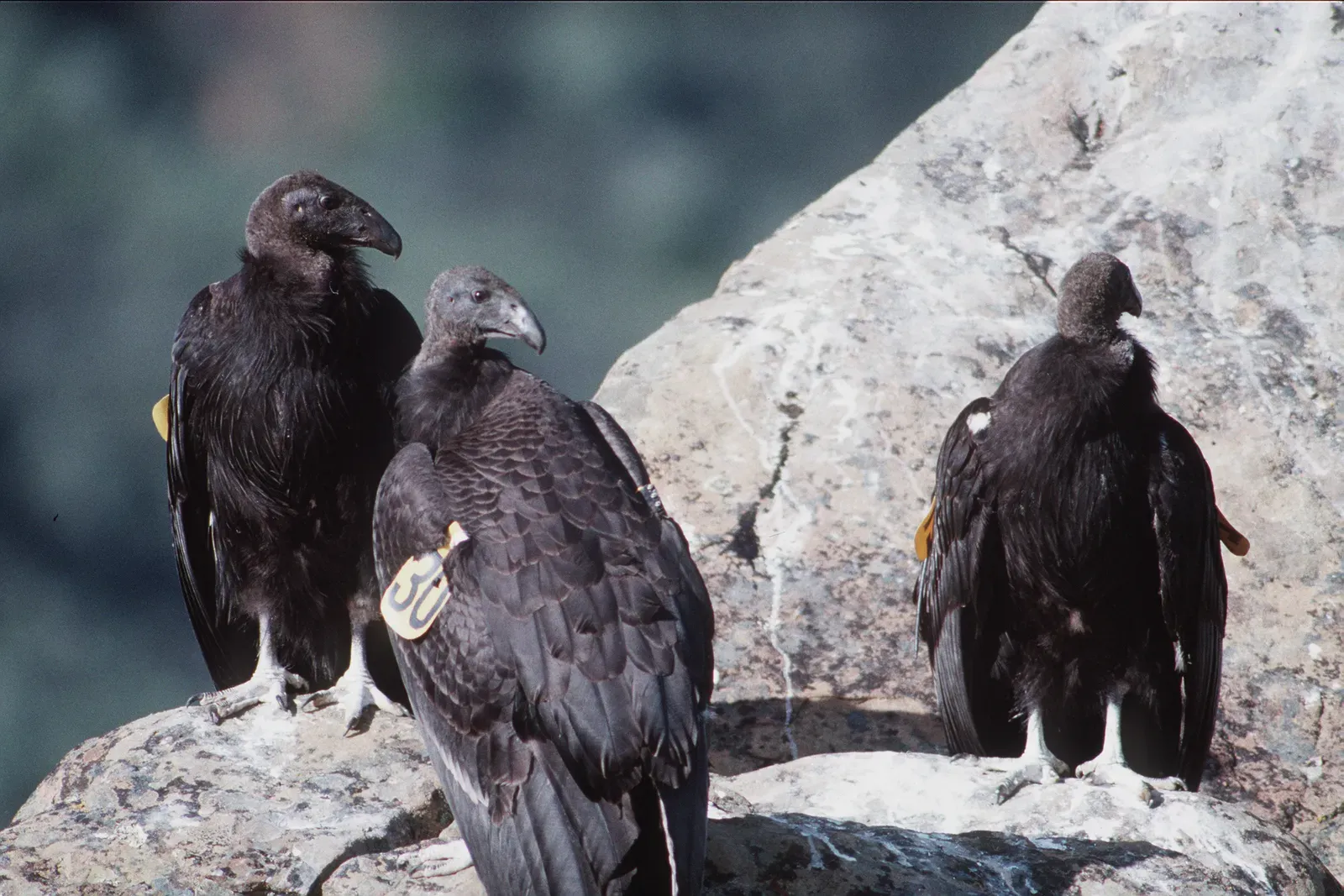
North America’s largest land bird also claims one of the continent’s most incredible conservation success stories. Poaching, lead poisoning, and habitat destruction nearly drove the California condor to extinction by the late 20th century. In 1987, the U.S. Fish and Wildlife Service made the bold, but risky decision to capture all remaining California condors in the wild, which by that time numbered only 27. With every existing California condor now in captivity, efforts focused on breeding the birds at the San Diego Wild Animal Park and the Los Angeles Zoo. It was a desperate, all-or-nothing gamble.
From just 27 birds in 1987 to over 800 flying free today, California condors represent an incredible resurrection story. These massive birds, with wingspans stretching nearly 10 feet, now patrol skies they haven’t dominated in nearly a century. Breeding programs coupled with lead ammunition bans have dramatically improved their survival rates. Young condors released in Arizona, Utah, and Baja California are establishing new territories, expanding their range significantly. GPS tracking collars show some birds traveling hundreds of miles in a single day, reclaiming ancestral territories and fulfilling their ecological role as nature’s cleanup crew.
The Whooping Crane: Teaching Endangered Birds to Find Their Way Home
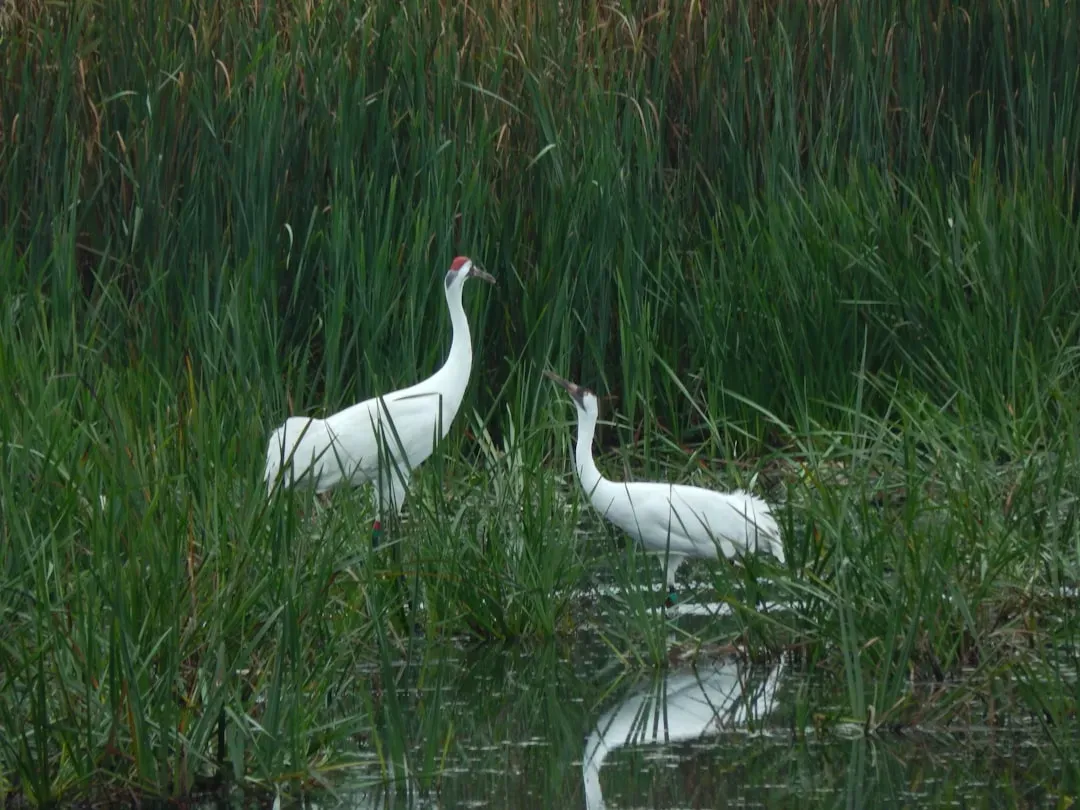
Whooping cranes are the tallest bird in North America. While they used to roam free across prairies and wetlands, habitat loss from human settlement expansion greatly reduced their numbers to a point where there were just 15 of these birds left in North America in 1938. ESA protection and collaborative recovery efforts among various partners helped save this species from the brink of extinction. Fifteen birds. That’s a number so small it’s almost incomprehensible.
The whooping crane population has reached a record wintering number of 557 along Texas’s coast. From just 14 individuals in 1941, this impressive increase showcases the success of conservation efforts. These graceful birds, with their distinctive white plumage and red crowns, are a symbol of resilience. The coastal wetlands provide a vital stopover during their migration. Whooping cranes remain one of North America’s most threatened birds due to oil and gas development and collisions with aerial power lines, but their recovery to an estimated 603 birds today is a testament to the progress that is made possible by the Endangered Species Act. They’re not out of danger, but the trajectory is unmistakably hopeful.
The Gray Wolf: A Polarizing Predator Finds Its Footing Again
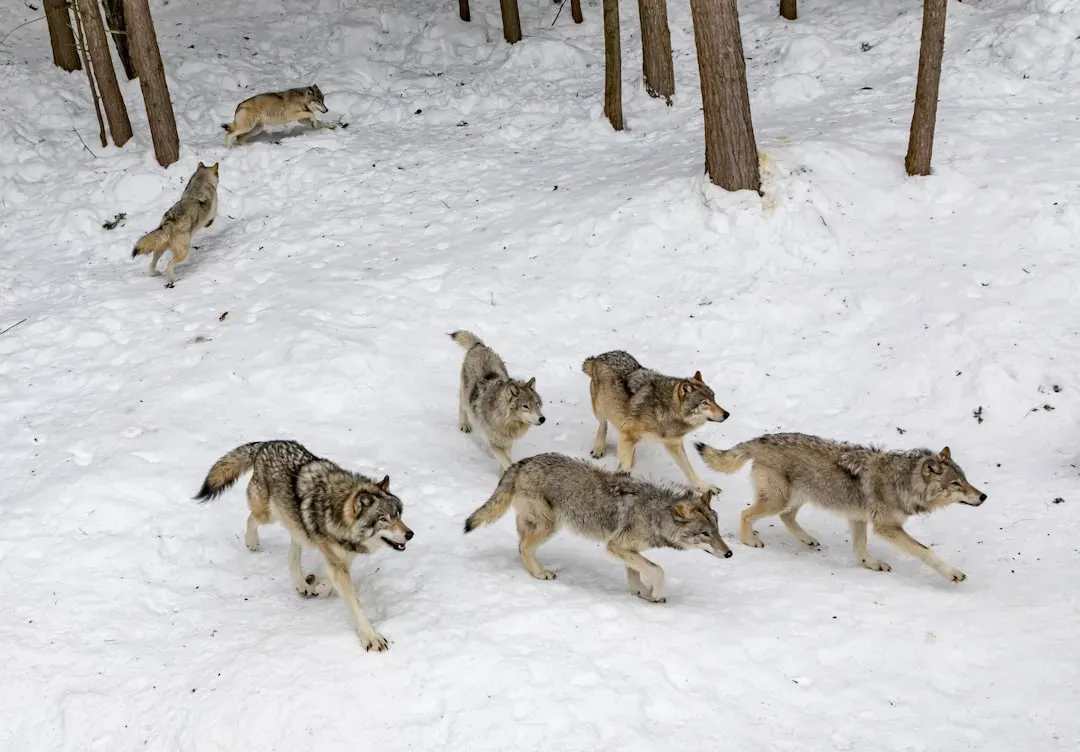
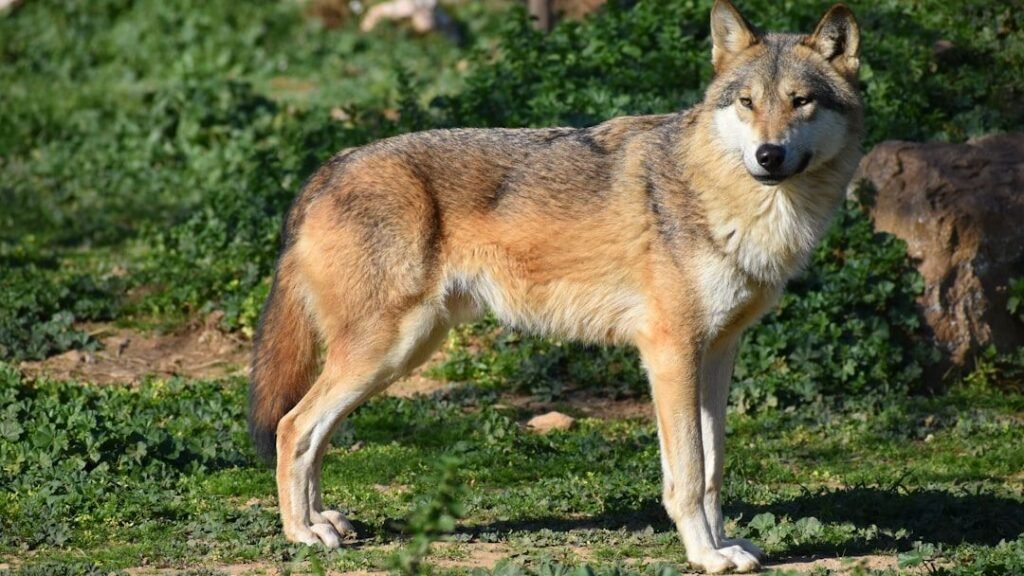
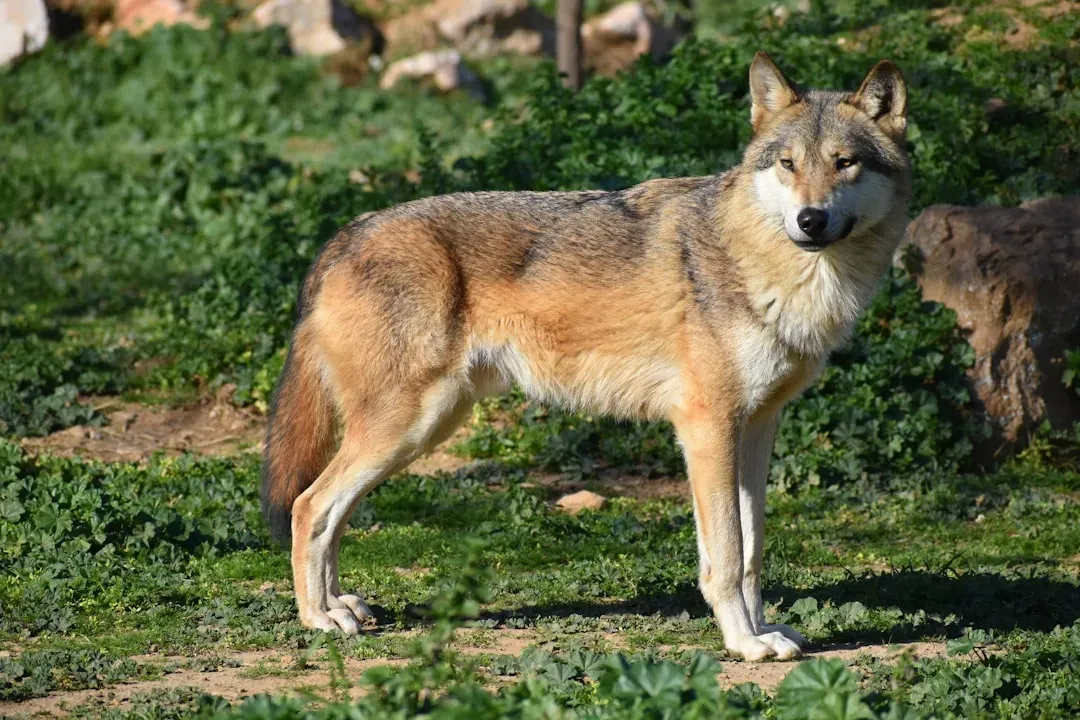
Let’s be real. Few animals in America are as controversial as the gray wolf. Ranchers fear them. Environmentalists adore them. Gray wolves once ranged across the entire North American continent. However, as a result of poisoning and trapping by ranchers, farmers, and government agents, by the mid-20th century only a few hundred of the species remained in the entire lower 48 states. Today, thanks to Endangered Species Act protections, more than 6,000 gray wolves reside across the lower 48 states. The gray wolf’s success is a result of stimulated efforts such as public education about the species, habitat restoration, wolf introduction into various areas, and compensation of ranchers for livestock killed by wolves.
The Oregon Department of Fish and Wildlife released its 2024 Annual Wolf Report, revealing a 15% increase in the state’s known wolf population. At the end of 2024, Oregon counted at least 204 wolves across 25 packs, with 17 having breeding pairs. California’s gray wolf population has also expanded, with three new packs identified in 2024, bringing the total to ten. These apex predators play a crucial role in maintaining ecological balance. The wolf’s return isn’t just a win for wolves. It’s a win for entire ecosystems that depend on their presence.
The Black-Footed Ferret: Declared Extinct Twice, Still Here
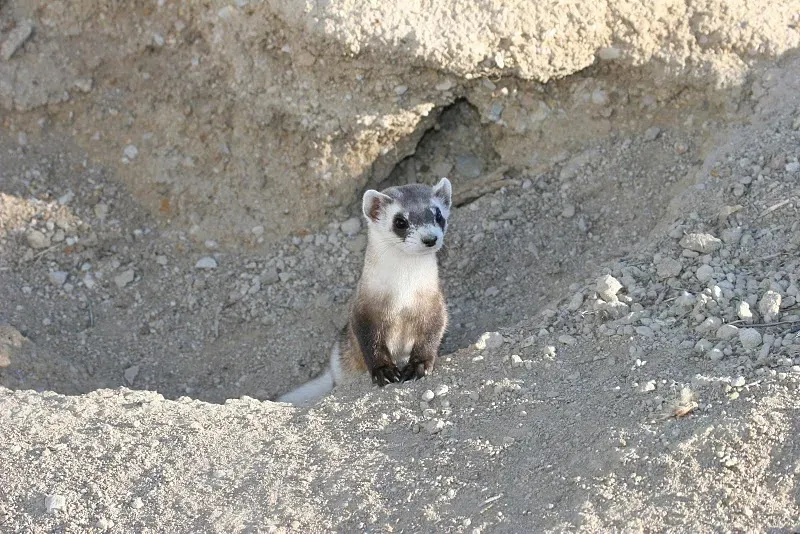
Here’s a story that sounds almost fictional. The black-footed ferret’s recovery is among the most remarkable in conservation history, as the species was actually declared extinct twice before making its comeback. These slender predators, specialized to hunt prairie dogs, were decimated by widespread prairie dog eradication programs and sylvatic plague. By 1979, they were believed extinct until a small colony was discovered in Wyoming in 1981. When disease threatened this last population, the remaining 18 ferrets were captured for an emergency captive breeding program. Think about what it means to hold the entire future of a species in 18 animals.
From these final 18 animals, over 8,000 kits have been born in captivity, with regular reintroductions since 1991 establishing wild populations across the Great Plains and Rocky Mountain states. The recovery of black-footed ferrets in the American prairie is one of the great conservation wins, and the wins keep coming. In November 2024, the teams working to help improve black-footed ferret genetic diversity through cloning announced that a cloned ferret gave birth to two healthy kits, a big step forward as researchers explore innovative ways to rebuild populations of endangered species. Cloning wild animals. It sounds like science fiction, but it’s happening right now.
Salmon Return to the Klamath River After a Century of Silence
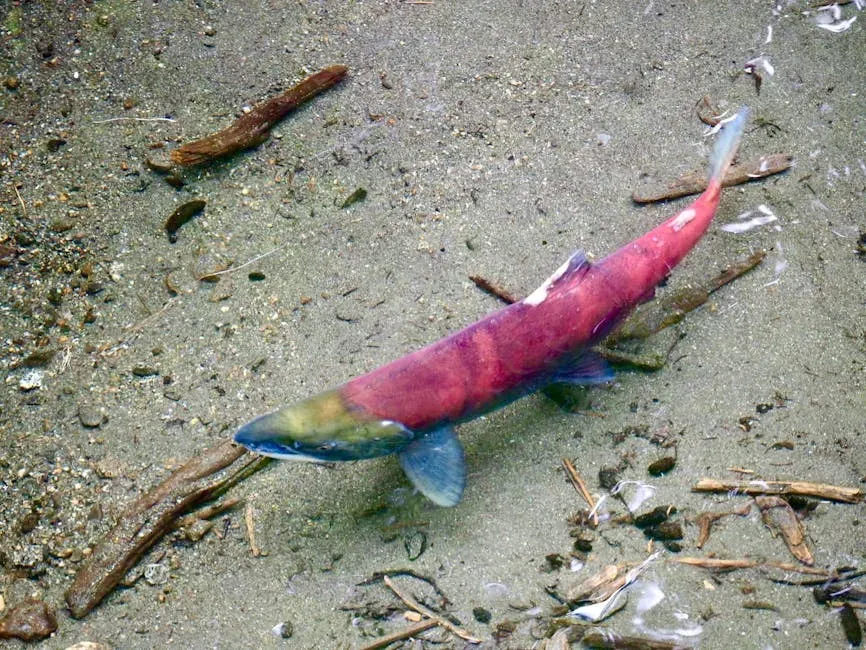
I think this might be one of the most emotionally powerful comeback stories you’ll read in this article. After the largest dam removal project in U.S. history, salmon once again have free passage along the Klamath River near the California-Oregon border. The removal of these dams, erected over a century ago, has been a hard-fought journey to restore the entire ecosystem along the river’s banks. Generations of Indigenous tribal communities had waited decades for this moment.
Less than two months after the removal of dams restored a free-flowing Klamath River, salmon made their way upstream to begin spawning and were spotted in Oregon for the first time in more than a century. A SONAR fish counting station recorded more than 9,600 fish crossing a historic threshold, marking the beginning of population reestablishment, with an estimated 7,700 of those fish being Chinook salmon. Temperature monitoring in 2024 and 2025 along the mainstem Klamath River following the removal of the four dams reveals the return of natural, seasonal fluctuations of water temperatures benefiting salmon, with temperatures cooling in the fall when adult salmon are returning and warming in the spring when juveniles are rearing.
The American Alligator: From Endangered to Thriving in Decades
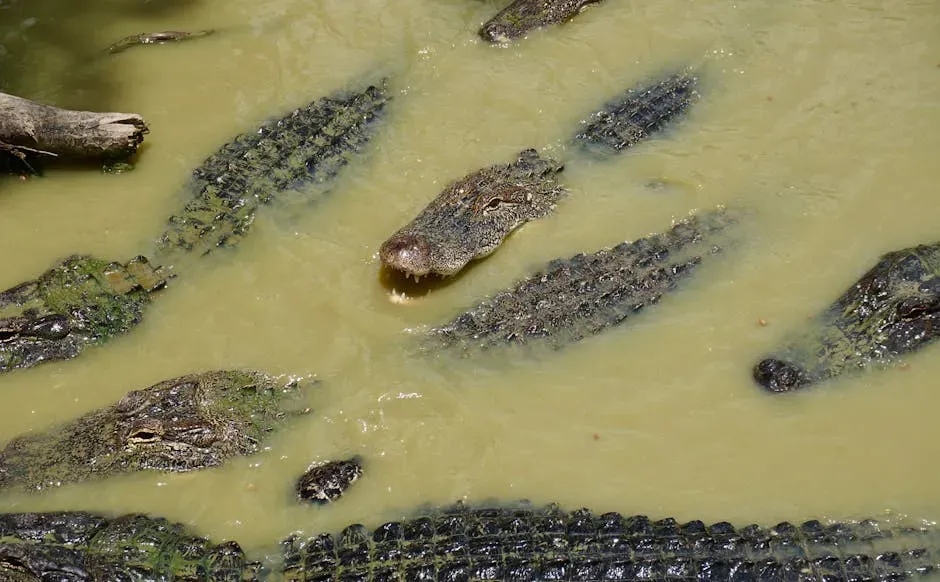
You might not think of the alligator as a conservation success story. After all, they’re everywhere across the American South these days. That familiarity actually disguises one of the fastest species recoveries on record. American alligators are living fossils that have roamed our planet for over 200 million years, but overhunting and habitat destruction greatly weakened their population. They were listed as an endangered species in 1967, but a mere 20 years later the American alligator was delisted as land protection and breeding programs helped revive alligator populations.
By 1987, they were declared fully recovered and removed from the endangered species list. Today, over 5 million alligators inhabit their range across the southeastern United States, with particularly robust populations in Florida and Louisiana. The success was so complete that carefully regulated hunting and farming of alligators is now permitted, providing economic incentives for habitat conservation. It sounds counterintuitive, but making alligators economically valuable to local communities was a key part of keeping them safe. It’s a fascinating lesson in how conservation and economics can actually work together rather than fight each other.
The Peregrine Falcon: The World’s Fastest Animal Nearly Lost Forever
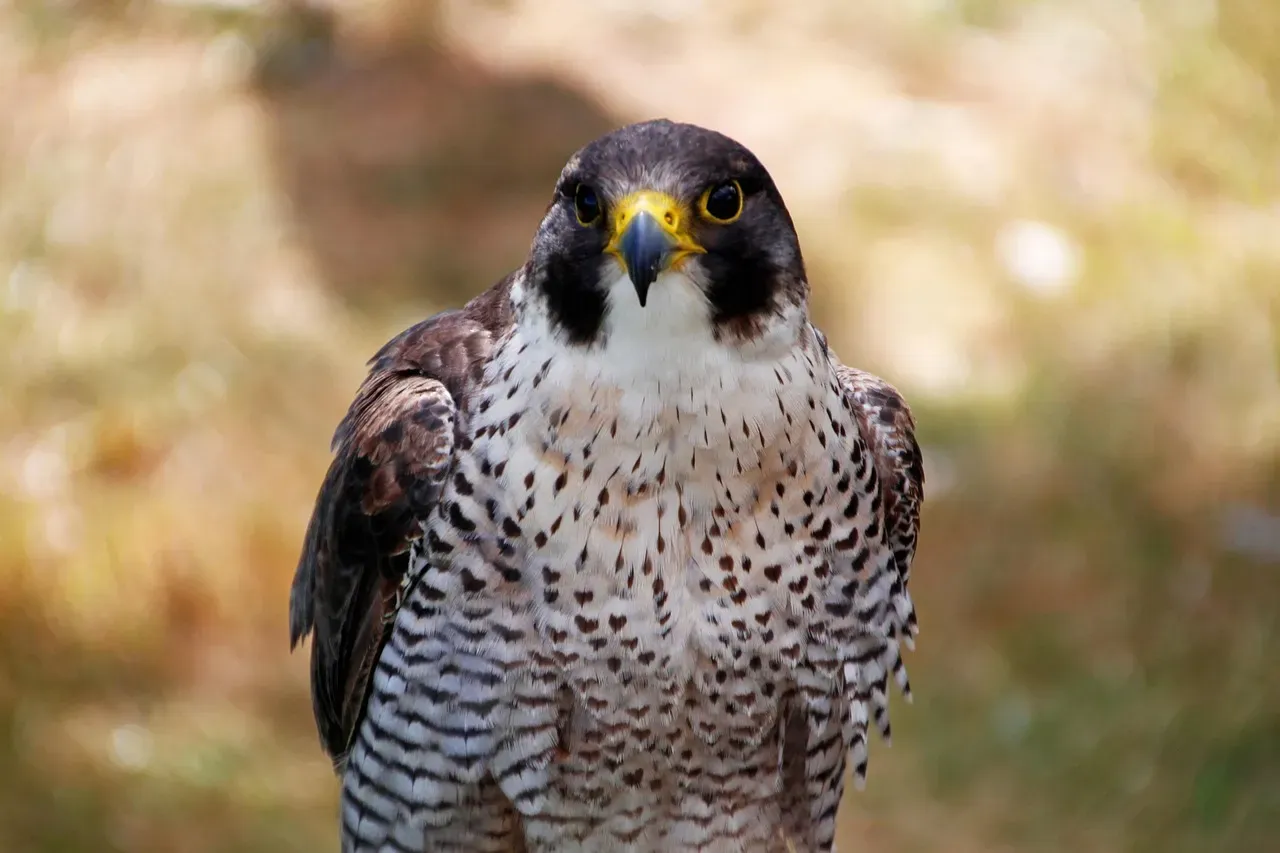
Birds are susceptible to pesticides, which led to the endangerment of peregrine falcons by the 1960s. As with bald eagles, DDT caused a calcium deficiency, leading to weak eggshells. With few hatchlings surviving, falcon numbers dwindled significantly. By the 1970s, it was estimated that roughly nine out of ten birds in the population had been lost due to pesticide use. The peregrine falcon, the fastest living creature on Earth, was vanishing because of agricultural chemicals. It was a stunning and sobering reality.
By 1975, there were only 324 known nesting pairs of American peregrine falcons in the United States. This incredibly fast hunter was listed as endangered in 1970 but made a remarkable recovery due to the banning of the pesticide DDT and conservation efforts. It was removed from the list of endangered species in 1999. The recovery of the peregrine falcon demonstrates the importance of reducing threats and promoting conservation efforts to promote species recovery. Today, you can spot peregrine falcons nesting on skyscraper ledges in major cities across America. That is quite a comeback.
Conclusion: What These Recoveries Tell Us About Ourselves
Amid biodiversity doom and gloom lies a sparkle of hope: when communities put concerted effort behind conservation, species can and do recover. Major conservation and restoration efforts established from the 1970s to the 1990s, like the United States Endangered Species Act and the international Convention on Biological Diversity, laid the groundwork for biodiversity protections. These weren’t accidental victories. They were deliberate, hard-won choices.
In its first 50 years, the ESA has been credited with saving 99% of listed species from extinction thanks to the collaborative actions of federal agencies, state, local and Tribal governments, conservation organizations and private citizens. That statistic deserves to sit with you for a moment. Nearly every species placed under that act’s protection is still here today. Still, scientists estimate that roughly one third of all U.S. wildlife species are already imperiled or vulnerable, which means the work is far from finished.
The stories you just read aren’t fairy tales. They are proof of what becomes possible when people decide that a species deserves to exist. The bald eagle soaring overhead, the condor casting its enormous shadow across a canyon wall, salmon returning to a river they haven’t swum in a century, all of it happened because humans chose differently. The real question now is whether we’ll keep making that choice. What do you think? Which of these comeback stories surprised you the most? Share your thoughts in the comments below.