Stand on the rim of the Grand Canyon at sunrise and it doesn’t feel like you’re just looking across a big hole in the ground. It feels like you’re staring straight into another world, one where ancient seas rose and vanished, continents collided, and strange creatures left their faint fingerprints in stone. The air is thin and dry, yet the entire story carved below your feet is about water, time, and forces so huge they make human history feel like a footnote.
What many visitors see as a postcard-perfect landscape is really a layered archive of prehistoric America, going back close to two billion years. Every band of color in those cliffs is a chapter, and scientists are still decoding the plot. From long-lost shorelines to vanished mountain ranges, from buried oceans to ancient deserts, the Grand Canyon quietly keeps the receipts of everything this land has been before us, and a lot of what it might become again.
A Stairway Through Deep Time
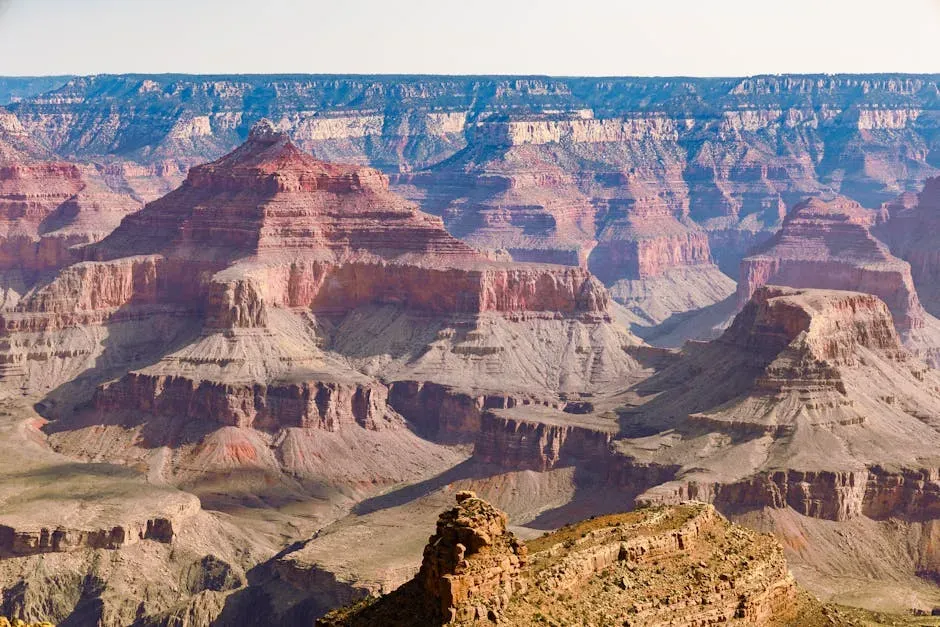
Here’s the staggering part: the Grand Canyon doesn’t just show old rocks, it shows an almost continuous slice through nearly half of Earth’s entire history. Some of the rocks at the canyon’s bottom, like the Vishnu Schist, formed roughly about one and three quarter billion years ago, back when the planet’s continents looked nothing like they do now. To put that in perspective, if all of Earth’s history were a twelve-hour clock, dinosaurs would appear in the last few minutes; the Grand Canyon’s oldest rocks are like quarter past one in the afternoon.
As you move from the river up toward the rim, you’re basically climbing a staircase through time, each layer representing a different world that once existed here. Geologists use this stack, called the Grand Canyon Supergroup and the overlying sedimentary formations, as a reference library, comparing it with rocks across North America. It’s like having a cross-section of prehistoric America sliced open and neatly displayed, letting scientists match ages, climates, and environments over unfathomable stretches of time.
Ancient Oceans, Beaches, and Seafloors Frozen in Stone
It’s almost funny that one of the driest, dustiest landscapes in the American West is built out of old ocean floors. Many of the canyon’s colorful layers started as sediments on the bottom of shallow seas that repeatedly flooded and withdrew from this region. You can literally trace ancient shorelines in the rock, spotting where calm lagoons once lapped and where waves battered prehistoric beaches.
Look closely at formations like the Kaibab Limestone and you’ll find telltale signs of these long-gone waters: ripple marks preserved from waves, cross-bedding from migrating sandbars, and marine fossils embedded like tiny time capsules. These layers tell us that what’s now high desert was once a tropical seabed, probably teeming with ancient marine life. The Grand Canyon, in that sense, is less a monument to dryness and more a ghost of vanished oceans, still wearing their shapes in stone.
Fossils from Lost Ecosystems and Vanished Creatures
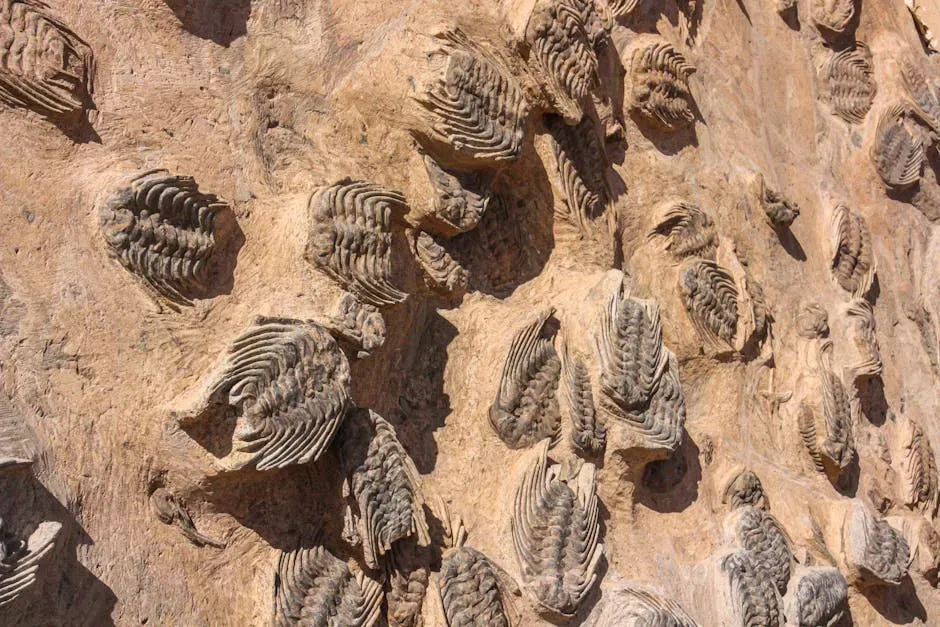
While the Grand Canyon isn’t as famous for dinosaur skeletons as places like Montana or Utah, it holds a quieter, older fossil story. Many rocks here were laid down long before the age of dinosaurs, capturing a world dominated by marine invertebrates, early fish, and primitive plants along shorelines. These fossils are often small, subtle, and easy to walk past if you don’t know what you’re looking for, but to a trained eye they reveal entire ecosystems.
The canyon records the rise and fall of ancient reef systems, the spread of shallow inland seas, and even early steps of life onto land. In some layers, you can find traces of burrows, tracks, and other signs of movement rather than big bones. It’s like reading the margin notes of evolution across hundreds of millions of years. This deep fossil record helps scientists reconstruct what prehistoric North America looked like long before forests, dinosaurs, or mammals ever appeared.
Mountains That Rose, Vanished, and Were Ground to Dust
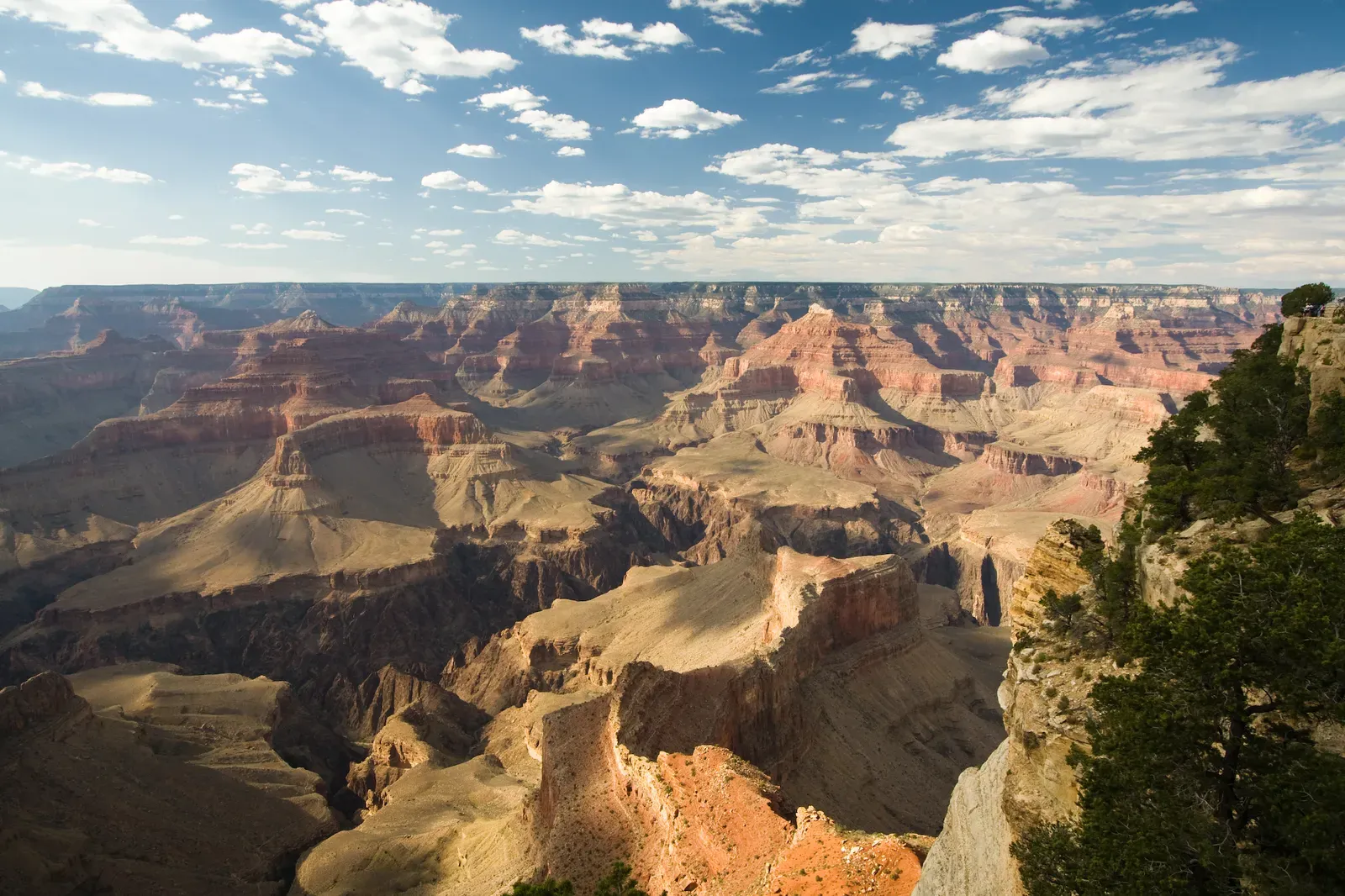
One of the strangest secrets of the Grand Canyon is what you don’t see: whole mountain ranges that used to be here, now gone. The tilted and fractured rocks in the canyon’s depths are relics of ancient collisions, when pieces of the continent crashed together and buckled upward. These collisions once created towering peaks and rugged landscapes that would have rivaled today’s Rockies or even the Himalayas in scale.
Over unimaginable spans of time, those mountains were attacked by wind, water, ice, and gravity, reduced grain by grain and washed away. What remains are their roots, metamorphic and igneous rocks that now form the canyon’s basement. When you stare at those dark, crumpled layers at the bottom, you’re looking at the deep foundation of extinct ranges that shaped the early American continent. They’re a quiet reminder that what we think of as permanent landscapes are really just temporary arrangements of rock.
The Colorado River: Sculptor of a Prehistoric Archive
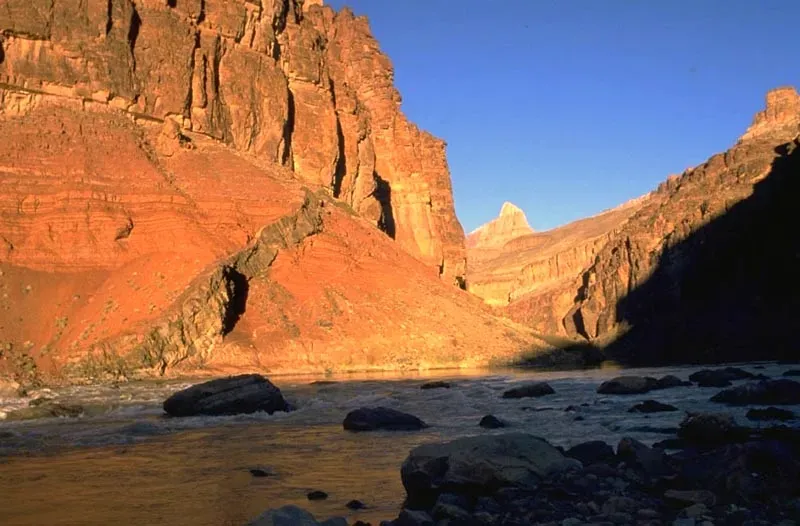
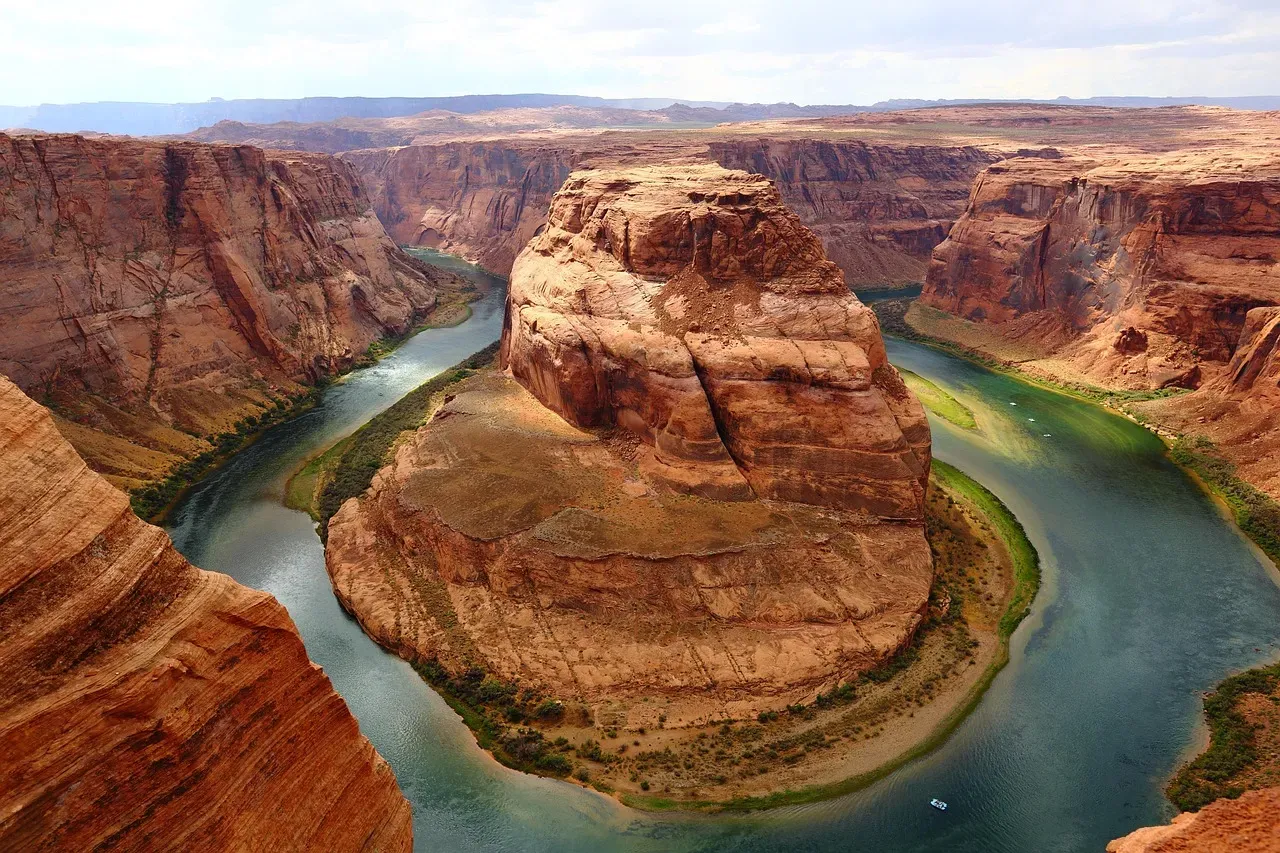
The Grand Canyon owes its dramatic shape to the Colorado River, but the river is a relatively late arrival compared to the rocks it cuts through. Most estimates place the modern carving of the main canyon within the last several million years, which sounds ancient but is like the last chapter in a very long book. Before the Colorado found its path to the sea, this whole region had a different drainage system, or possibly several, shifting as the land rose and tilted.
As uplift pushed the Colorado Plateau higher, the river gained enough energy to slice downward, exploiting fractures and weaknesses in the rock. Layer by layer, it chiseled into older worlds, turning buried geologic history into a visible, open-air museum. Every meander, side canyon, and cliff face is a cross-section through time that would have stayed hidden without the river’s relentless work. In that sense, the Colorado didn’t just make a canyon; it exposed a prehistoric landscape that had been sealed away in stone.
Clues to Past Climates and Future Warnings
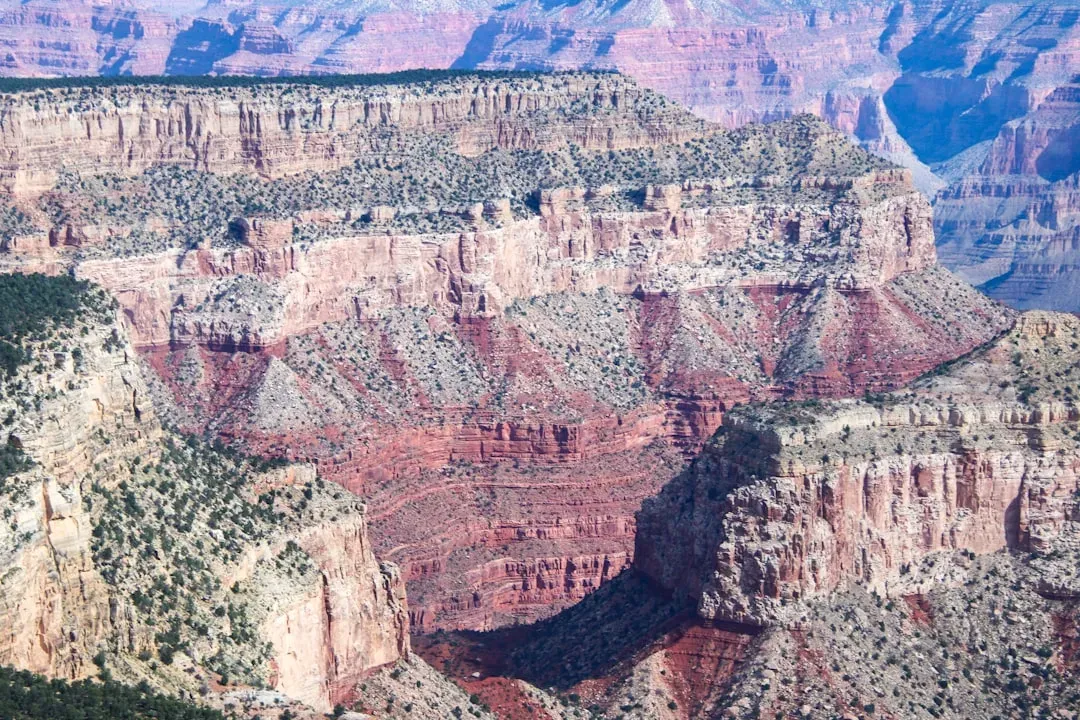
The Grand Canyon’s rocks aren’t just about where the land used to be; they’re about what the climate used to feel like. Certain layers tell of warm, shallow tropical seas, others of coastal plains and tidal flats, and still others of dry deserts where wind piled dunes into massive sand seas. Comparing these layers shows that this region has swung between wetter and drier, hotter and cooler conditions over and over again.
Embedded in these stone records are hints about how Earth’s climate responds to changing continents, oceans, and atmospheric chemistry. Today, as we warm the planet at a rate that worries climate scientists, the canyon’s deep-time story is a sobering reference point. It reminds us that climate can and does transform landscapes, ecosystems, and coastlines. The difference now is speed: events that once played out over millions of years are being squeezed into centuries, and the Grand Canyon is a silent witness to how powerful such shifts can be.
Human Eyes on an Almost Inhuman Timescale
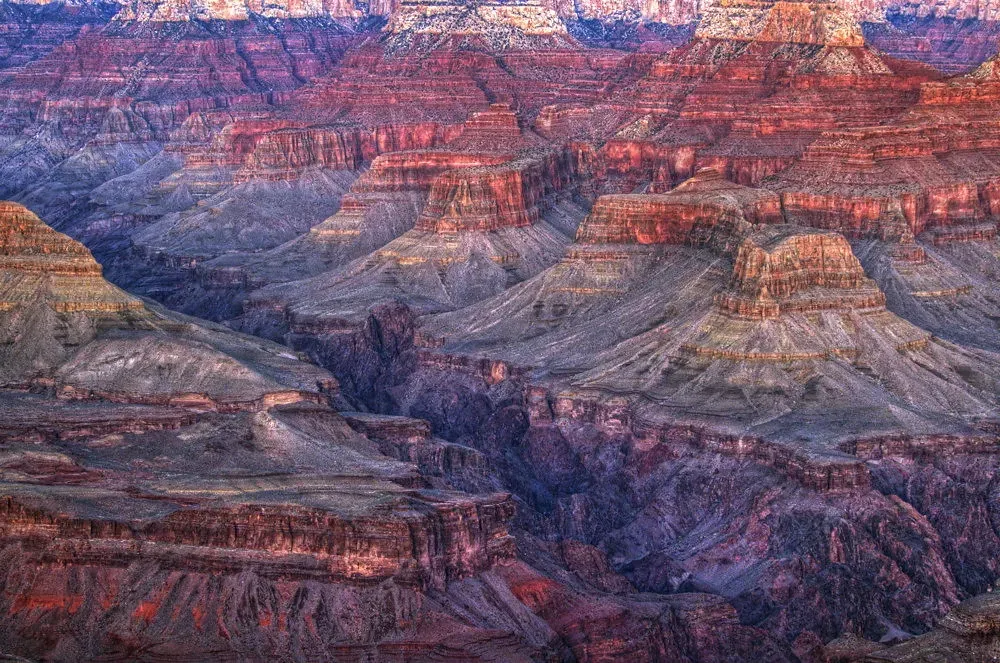
There’s something humbling about standing at the edge of the Grand Canyon and realizing your entire life would not fill a single grain in its geologic hourglass. Indigenous peoples have lived with, traveled through, and honored this place for thousands of years, weaving it into their stories, ceremonies, and understanding of the world. Their relationship with the canyon stretches back through deep time too, even if it’s just a tiny slice compared with the age of the rocks.
Modern visitors often snap a quick photo and move on, but if you slow down and really look, the canyon starts to feel less like scenery and more like a conversation across ages. You grasp that this “landscape” is actually a stack of many landscapes, layered on top of each other, each one as real and alive in its day as ours feels now. That realization can be both unsettling and strangely comforting; we’re temporary, but we’re also part of a much bigger story that keeps unfolding with or without us.
A Prehistoric Story Still Unfolding
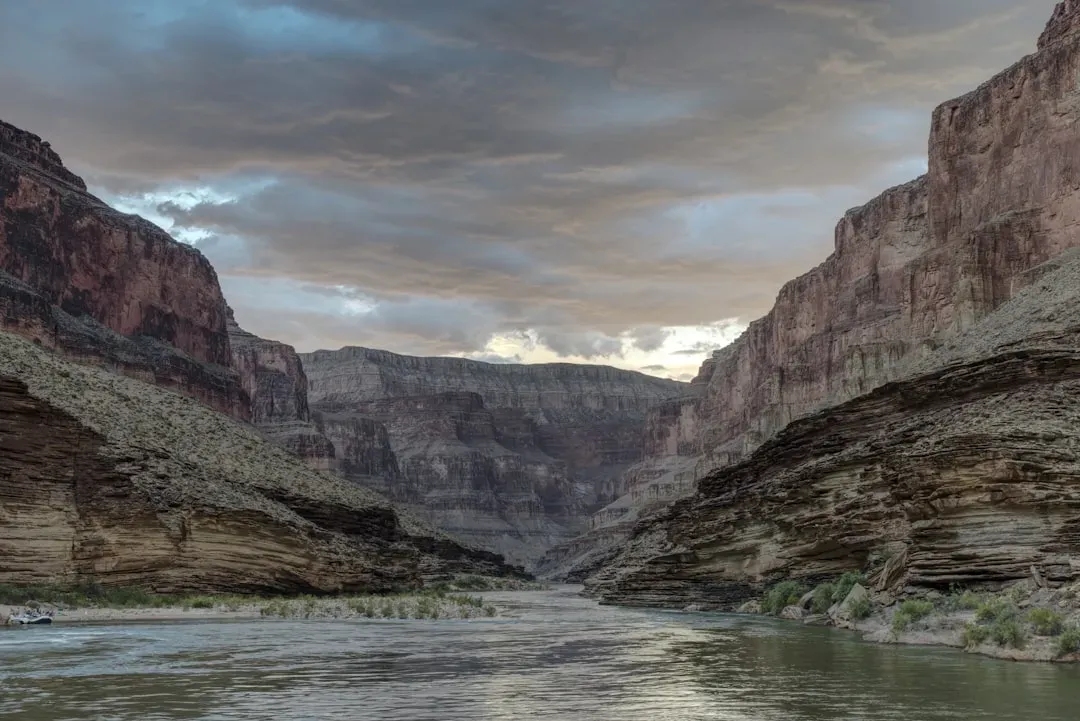
The Grand Canyon is not just a natural wonder, it’s a living archive of prehistoric America, carved open for anyone willing to pay attention. Its depths reveal ancient oceans, extinct mountains, forgotten climates, and long-lost ecosystems, all stacked in a dizzying vertical library of stone. Every layer holds a clue about where this land came from and how radically it has changed, long before there was any notion of states, borders, or even humans.
Standing on the rim, you’re not just looking at a canyon; you’re looking down through time, into worlds that came and went and will never return. The real secret it holds is that change is the rule, not the exception, and what feels permanent today is only a passing chapter. When you think about that, the canyon stops being just a scenic backdrop and starts feeling like a quiet, massive reminder of how small and how connected we really are. What will the layers above our own time one day say about us?