If you stand inside a prehistoric stone circle at dawn, with mist hugging the ground and the first light slipping over massive blocks of rock, there’s a strange feeling that creeps in. It’s the sense that someone, thousands of years ago, was paying far closer attention to the sky than most of us ever will. These stones weren’t just dropped at random; they were placed by people who watched the heavens night after night, year after year, until the rhythm of the stars was carved into their landscape.
Across Europe, from the windswept coasts of Portugal to the rolling fields of Britain and the forests of Scandinavia, enormous stones still stand where ancient builders left them. Archaeologists and astronomers have spent decades trying to decode their purpose, and the deeper we look, the more patterns we find. You start to realize that these structures might be the fossilized bones of a forgotten science: a way of understanding time, space, and the cosmos that feels both alien and astonishingly sophisticated.
The Silent Architecture of Stone and Sky
One of the most surprising things about European megaliths is how quietly they sit in the landscape, yet how loudly they seem to speak about the sky. Many of these stones were deliberately placed in positions that line up with where the sun rises or sets at specific times of the year. Imagine living in a world without smartphones, clocks, or even writing, and yet still being able to predict when the longest night, the turning of spring, or the height of summer would come – simply by watching sunlight slide along a stone edge.
For a long time, people brushed these structures off as crude temples or just burial markers. But once researchers started measuring angles and directions carefully, a different picture emerged. The alignments are often so precise that chance becomes a weak explanation. It starts to feel like the stones themselves are tools – giant, immovable instruments that turned entire hillsides and valleys into calendars. The landscape became a kind of cosmic clock, ticking not in seconds, but in seasons and generations.
Stonehenge and the Solar Compass
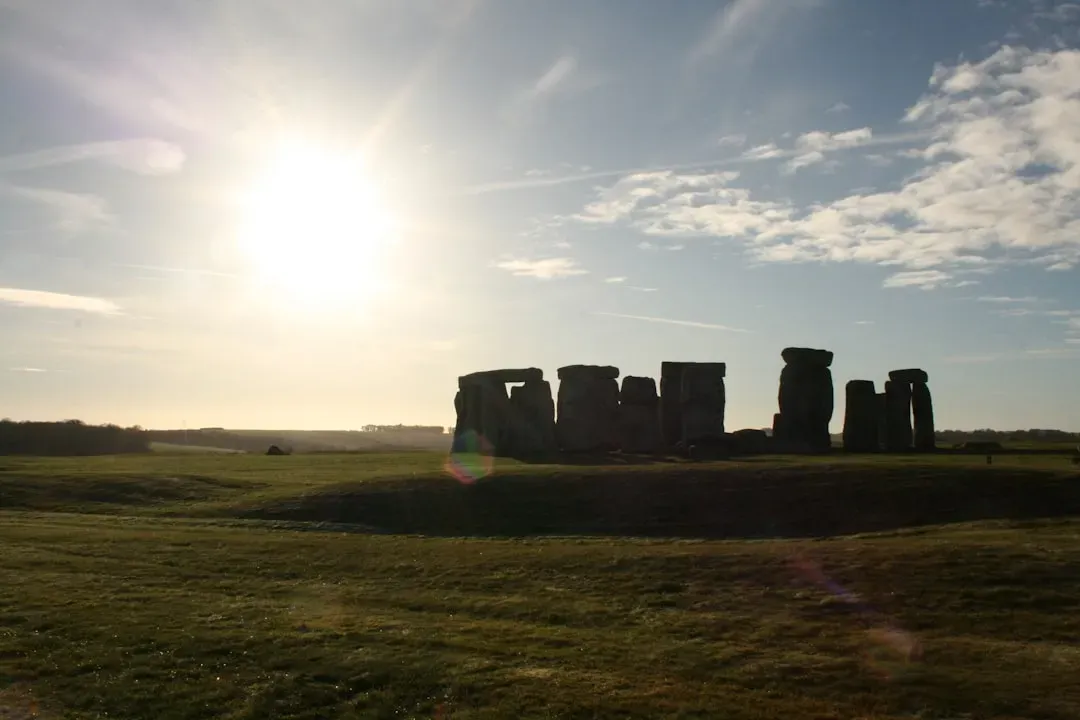
Stonehenge tends to steal the spotlight, and honestly, it deserves a lot of it. When you stand there and see the line of sight through the monument pointing directly toward the midsummer sunrise and midwinter sunset, it’s hard not to feel like you’re inside a gigantic solar machine. The structure doesn’t just happen to face the rising sun; it is locked into the solar cycle in a way that suggests careful, repeated observation over long stretches of time.
What’s even more fascinating is that Stonehenge wasn’t built all at once. It evolved in phases over centuries, with its builders adjusting and refining its layout. That suggests that knowledge about the sky was not a one-time revelation but an ongoing project, passed down and improved. In a world where survival depended on seasonal timing – when to plant, when to harvest, when herds would move – knowing the sun’s path wasn’t abstract astronomy. It was life and death, written in stone.
Newgrange and the Precision of Winter Light
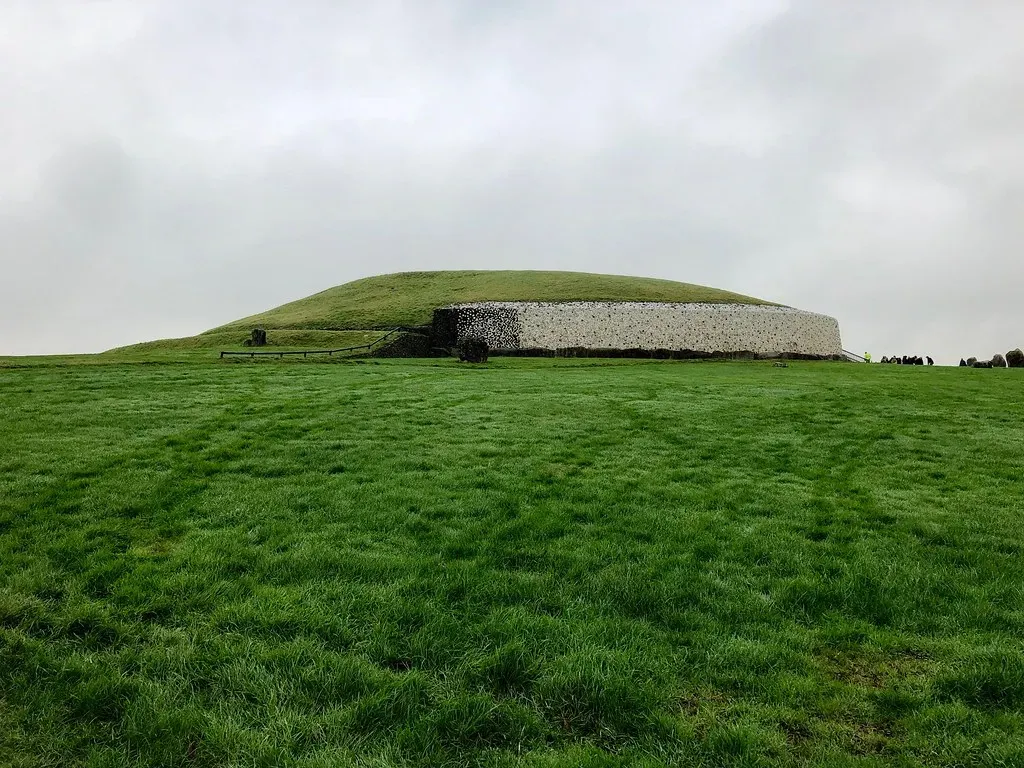
If Stonehenge is the stone circle that everyone knows, Newgrange in Ireland is the monument that quietly blows your mind when you understand it. From the outside, it looks like a huge, grass-topped mound of earth and stone. But at sunrise on the winter solstice, a narrow beam of light enters a tiny opening above the doorway and travels deep into the inner chamber, illuminating it for just a few minutes. That’s not a coincidence; it’s engineering.
To pull that off, the builders had to understand exactly where the sun would rise at the darkest time of the year, and they had to design a passage that matched that angle with incredible accuracy. Inside, carvings of spirals and geometric patterns feel less like random decoration and more like echoes of cycles and motion. It’s as if the building itself is a story about darkness, light, and rebirth, written in rock and sunlight instead of ink.
The Forgotten Observatories of Brittany
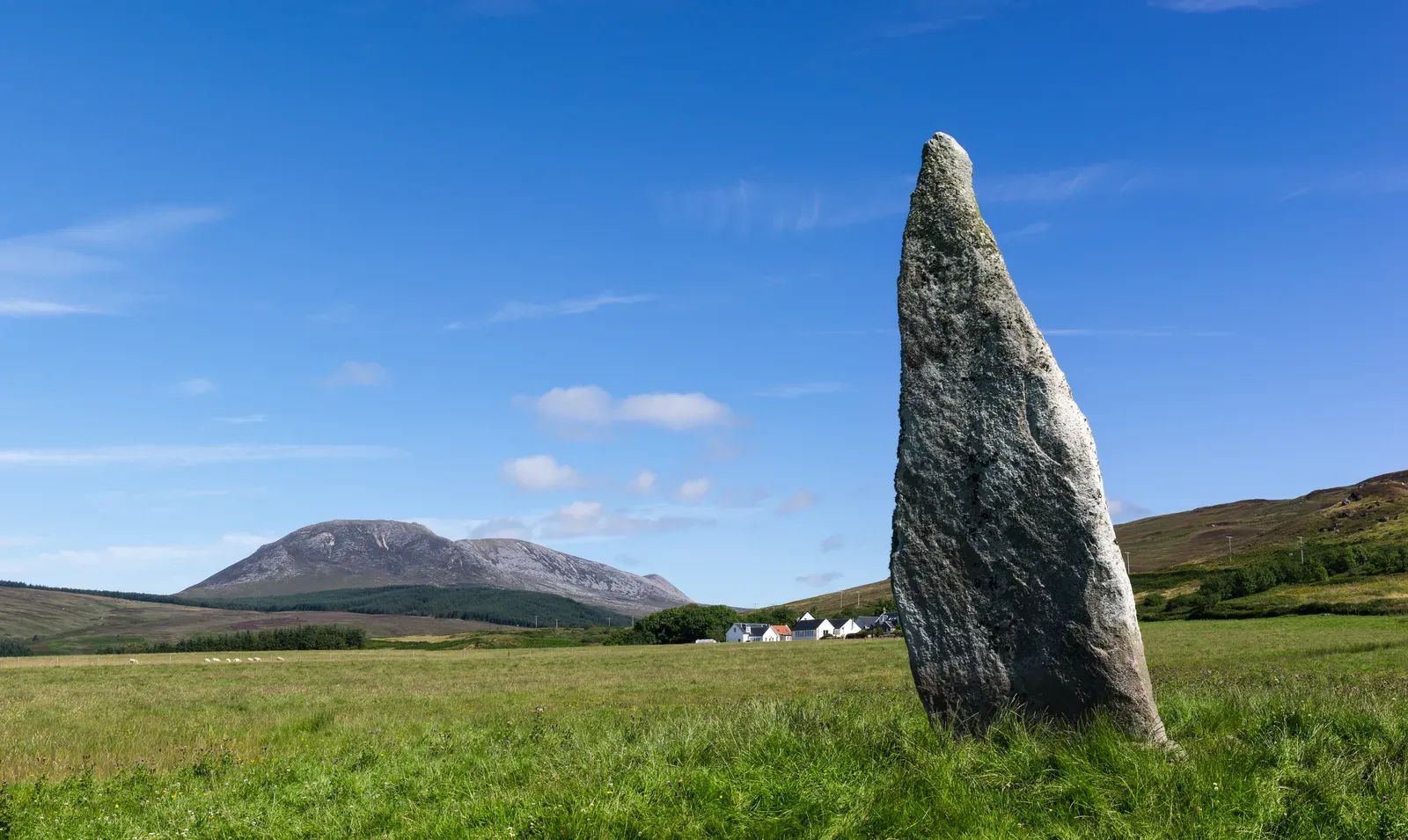
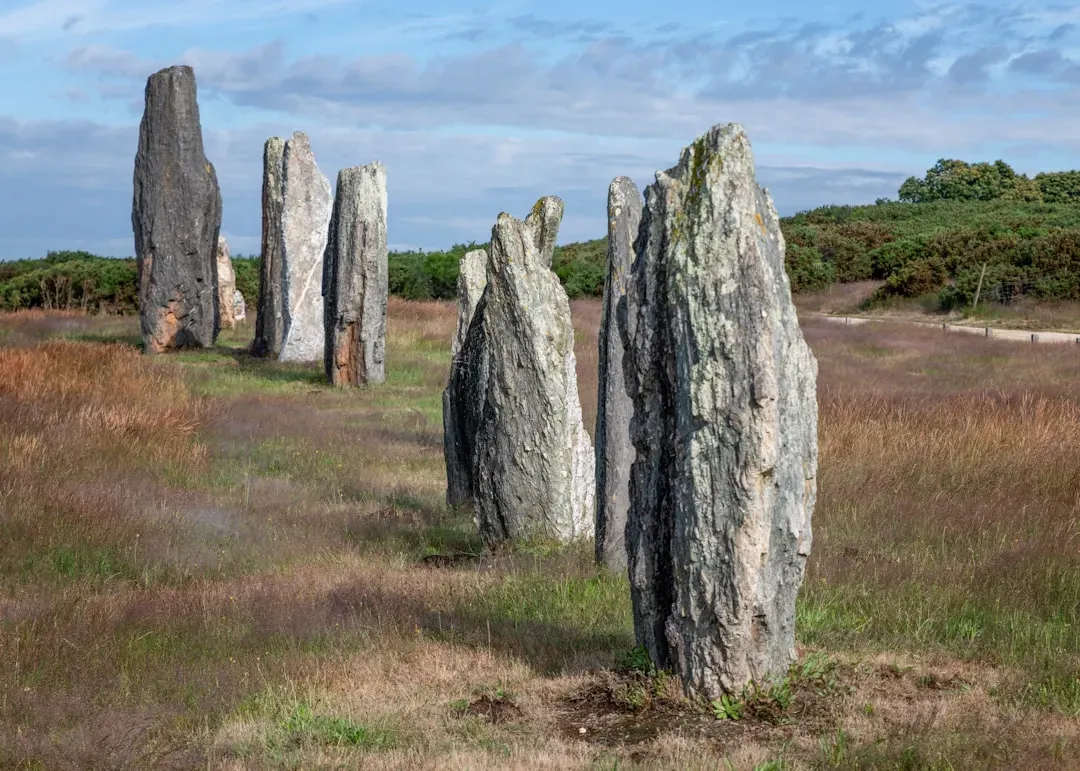
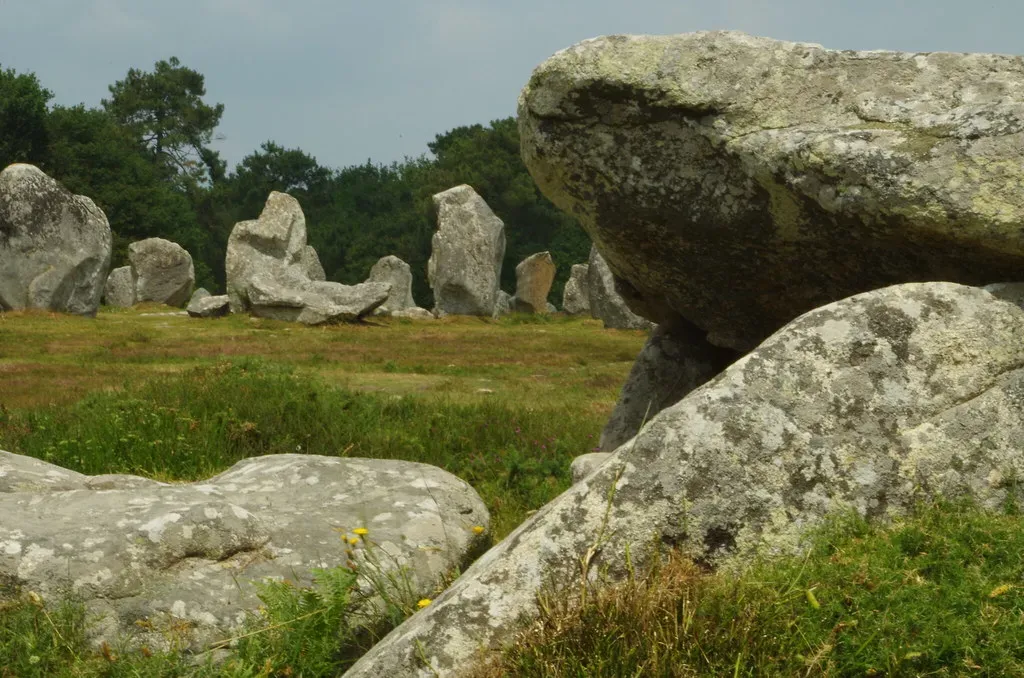
While Stonehenge grabs headlines, the megaliths of Brittany in northwestern France form one of the most staggering prehistoric landscapes in Europe. The long rows of standing stones at Carnac stretch for kilometers, thousands of stones lined up in patterns that are still being studied. At first glance, they look chaotic, like some giant child scattered rocks across the countryside, but when you look closer, alignments start to appear.
Some stones mark points where the sun or moon rises and sets at particular times of the year, while others may have been used to track more complex cycles, like the long rhythm of the moon’s orbit. Nearby, stone circles and burial mounds seem connected to the same web of sky-watching. It feels like walking through a lost observatory district, where every alignment, every angle, every sightline once meant something to the people who placed those stones by hand.
Tracking the Moon: A Deeper Celestial Rhythm
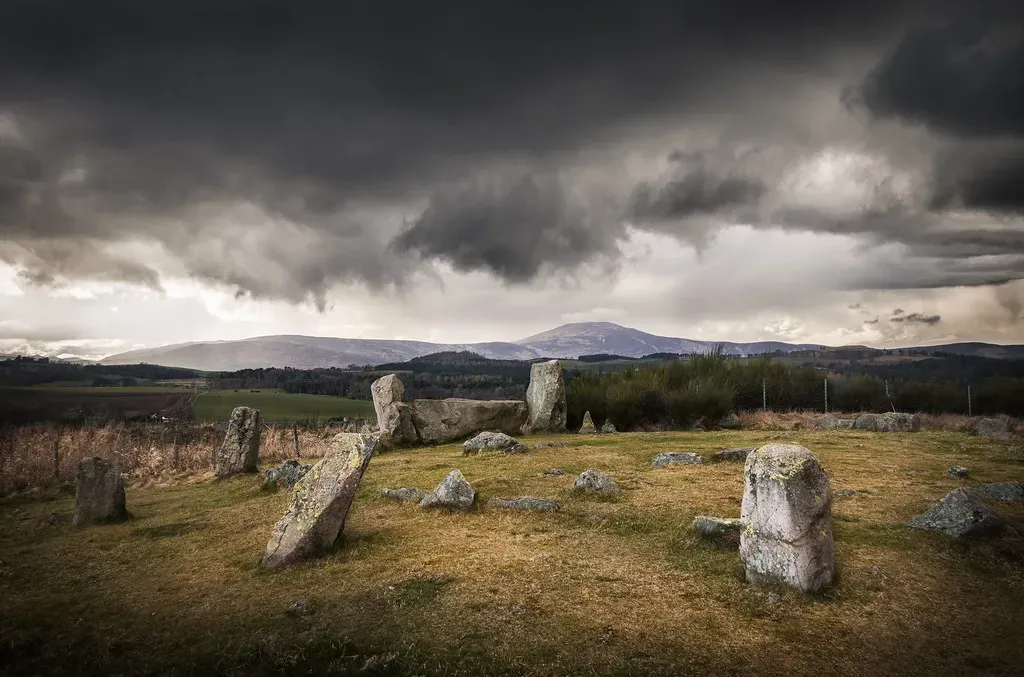
The sun is obvious; you can feel it, see it, and watch it climb and fall every day. The moon, though, plays a deeper, more subtle game. Some European megaliths seem aligned not only to the sun, but to extreme rising and setting points of the moon – a cycle that takes many years to repeat. That suggests an astonishing patience: generations of observers watching the moon’s wanderings across the horizon, noticing its long, slow dance.
At certain sites, researchers have found patterns that might relate to the moon’s complex cycle of standstills, when its rising and setting points reach their farthest extremes. To grasp this, you’d have to care enough to watch and record across decades, maybe longer. It’s a reminder that ancient people were not rushing through life the way we do; they had the time, and apparently the motivation, to track the sky in a way that makes our quick glances at a weather app feel almost childish.
Ritual, Timekeeping, or Something More?
One of the big questions around these monuments is always: what were they really for? The honest answer is that they probably weren’t just one thing. They were burial places, gathering sites, sanctuaries, calendars, and symbols of power all at once. Aligning them with the stars and the sun might have been just as spiritual as it was practical, like building a church that is also a clock and a map rolled into one.
In many traditional cultures, there’s no sharp line between science and ritual. Watching the heavens can be a sacred act, and sacred stories can hide careful observations of the world. It’s not hard to imagine ceremonies timed to solstices and equinoxes, where the first ray of light hitting a stone was both a religious revelation and a signal that it was time to change how you lived on the land. The sky wasn’t a backdrop; it was a partner in the rhythm of life.
What These Stones Say About Us Today
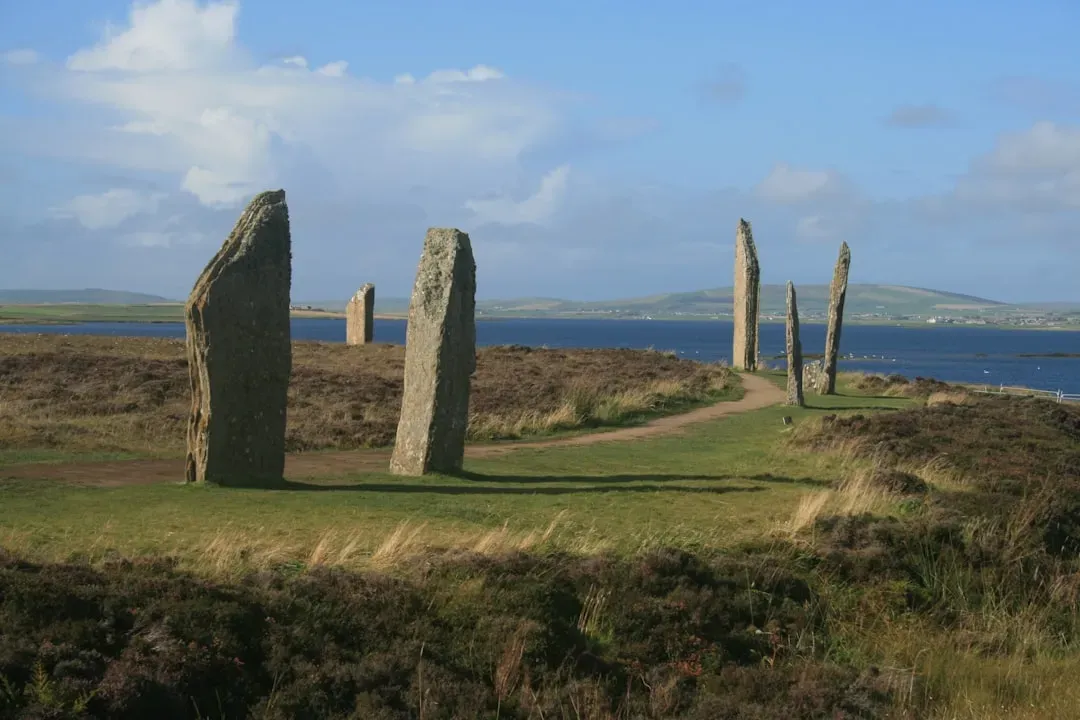
Walking around these ancient sites now, with tour buses in the parking lots and smartphones held up for photos, it’s easy to forget how much effort went into placing every stone. Moving multi-ton blocks with no modern machinery wasn’t just a technical challenge; it was a statement of priorities. Communities decided that understanding the sky and encoding that understanding in stone was worth enormous labor and risk.
There’s something humbling in that. We live in a world flooded with information, yet many of us can’t point to where the sun rises on the solstice, or name the bright stars wheeling overhead. These megaliths are like messages from people who were quieter but more attentive, who believed the movements of the heavens were worth building monuments to. They stand there, patient and unmoving, asking us whether we still know how to look up and truly pay attention.