
Humans have always been obsessed with the body. Not just with keeping it alive, but with reshaping it, decorating it, and pushing it into forms that society deemed beautiful, powerful, or spiritually meaningful. It’s one of the strangest and most fascinating threads running through all of human history.
From compressed skulls in ancient Mesoamerica to deliberate surgical alteration in medieval courts, the lengths people have gone to transform their physical form are genuinely jaw-dropping. Some of these practices feel distant and foreign. Others are surprisingly close to things we still do today. Let’s dive in.
Skull Reshaping: The Original Status Symbol
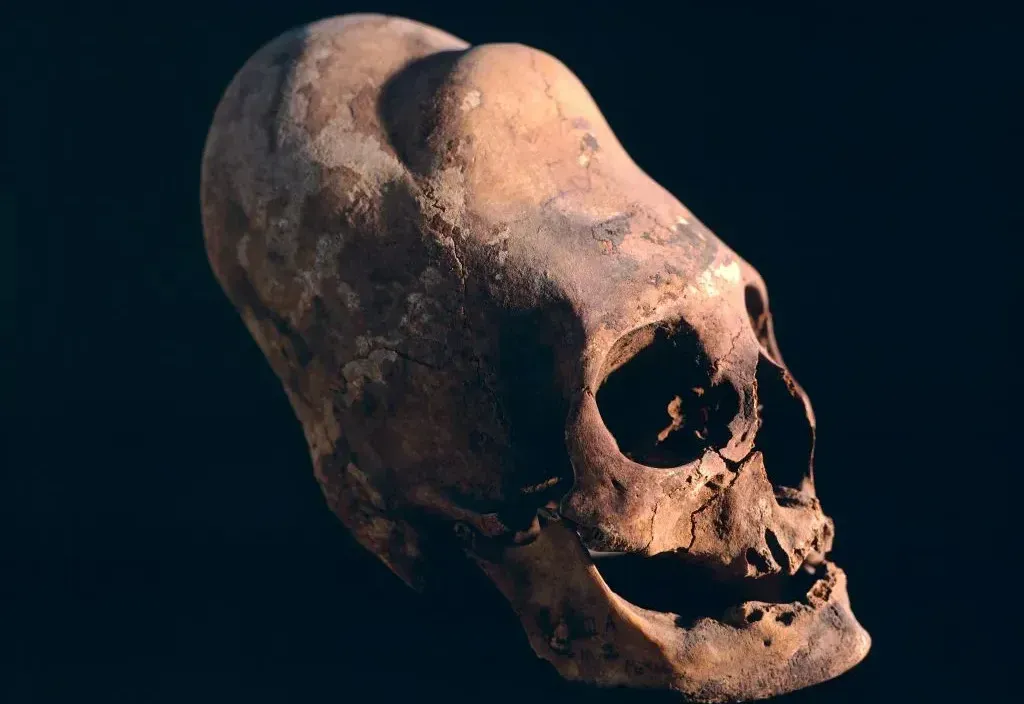
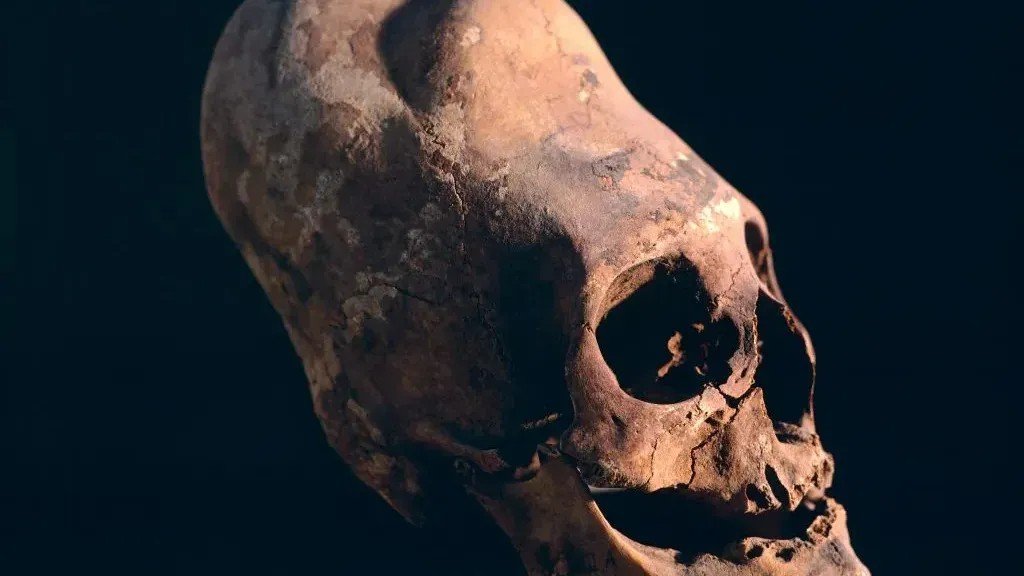
Long before anyone thought about cosmetic surgery, cultures around the world were physically reshaping the skulls of their infants. The practice, known as cranial deformation, involved binding an infant’s head with boards or cloth shortly after birth, when the skull is still soft and highly malleable. Over months and years, the skull would grow into an elongated or flattened shape that was considered a mark of nobility or spiritual distinction.
Ancient civilizations in Peru, Mesoamerica, and parts of Europe practiced this in ways we can still observe today through archaeological remains. Honestly, it’s one of those things that sounds alarming at first, until you realize that the skull adapts without damaging the brain in most cases. It’s a reminder that beauty standards are never universal, and what one culture finds elevated, another finds baffling.
Foot Binding: Pain as a Beauty Ritual
Few practices in history are as simultaneously fascinating and heartbreaking as Chinese foot binding, which persisted for roughly a thousand years before finally being banned in the early twentieth century. Young girls, sometimes as young as four or five, had their feet tightly wrapped to prevent natural growth, resulting in feet that measured only a few inches in length. These so-called “lotus feet” were considered deeply desirable, a symbol of femininity, refinement, and marriageability.
The physical consequences were severe and lifelong. Bones were broken in the process. Women walked with a distinctive shuffling gait and endured chronic pain throughout their lives. Here’s the thing though, many women who lived through the practice reportedly felt pride in their bound feet even in old age, having internalized the beauty ideal so completely. It’s a powerful, uncomfortable example of how cultural norms can shape not just behavior but deeply personal identity.
Castration: Power, Devotion, and Social Control
Castration is one of the most ancient and complex forms of bodily modification humans have practiced. In imperial China, eunuchs were castrated to serve in royal courts, where their perceived trustworthiness and inability to father heirs made them uniquely valuable. In the Ottoman Empire, a similar system existed, with eunuchs holding enormous administrative power despite, or perhaps because of, their altered status.
In Europe during the seventeenth and eighteenth centuries, young boys with exceptional singing voices were sometimes castrated to preserve the high pitch of their voices into adulthood. These castrati became celebrated opera stars, performing to sold-out audiences across the continent. It’s a strange intersection of art, ambition, and exploitation that still sparks genuine ethical debate among historians today. The body, in these cases, was not just modified for appearance but reshaped to serve economic and cultural functions entirely outside the individual’s own choosing.
Scarification and Tattooing: Writing Identity on Skin
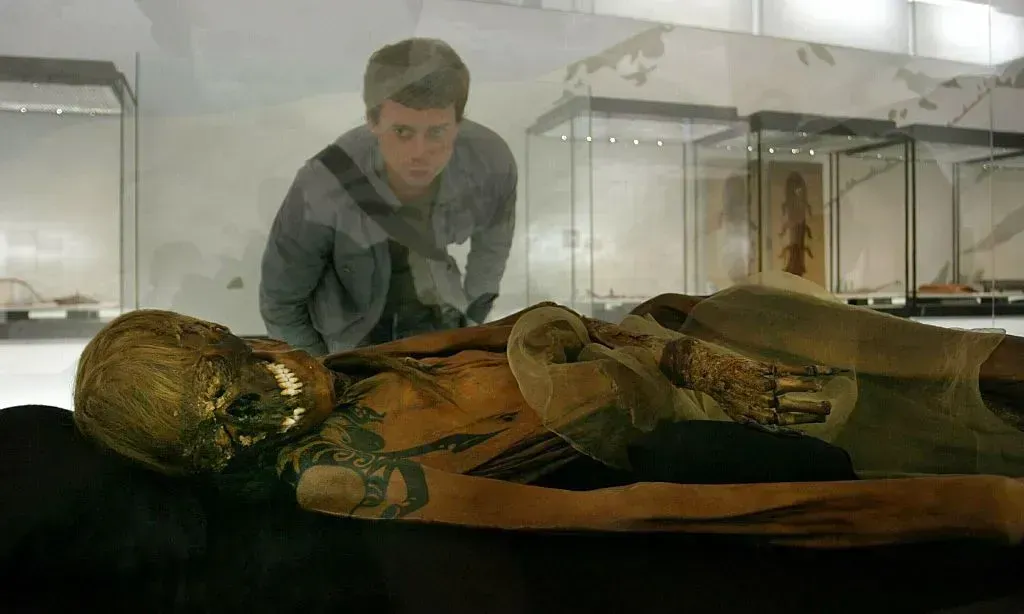
Tattooing is arguably the oldest and most widespread form of body modification on record. The oldest known tattooed human remains belong to Otzi the Iceman, a naturally mummified body discovered in the Alps and dating back over five thousand years. His tattoos appear to have been therapeutic rather than decorative, possibly applied over joints to relieve pain, which is wild to think about.
Scarification, the deliberate creation of raised scar tissue through cutting or burning, has deep roots in African, Australian, and Pacific Island cultures. In many communities it served as a rite of passage, a public declaration that a person had endured pain and emerged as a full member of their community. The scars were not just marks. They were stories. I think there’s something genuinely moving about that idea, the body as a living record of what a person has survived.
Neck Elongation: Rings, Rings, and More Rings
The practice of elongating the neck using stacked metal rings is most famously associated with the Kayan Lahwi women of Myanmar and Thailand, though similar traditions exist in parts of Africa as well. Girls begin wearing rings around the neck from a young age, with new rings added over time to create the appearance of a dramatically lengthened neck. In reality, the rings push the collarbone and ribs downward rather than stretching the neck itself.
What’s particularly interesting is that this practice became a source of significant tension in recent decades, as tourism created economic incentives for communities to maintain it even as younger generations questioned whether they wanted to continue. The practice sits at a difficult crossroads between cultural heritage, personal autonomy, and economic pressure. It’s hard to say for sure where the line between preservation and coercion lies, but it’s a question worth sitting with.
Teeth Filing and Dental Modification: More Common Than You Think
Throughout history, deliberately altering the teeth has served purposes ranging from beauty to spiritual identity to tribal affiliation. In ancient Bali, tooth filing was considered a coming-of-age ceremony that symbolized the taming of negative emotions like greed, lust, and jealousy. In pre-Columbian Mesoamerica, the teeth of elite individuals were inlaid with jade or pyrite, which must have looked astonishing and probably required a level of dental skill we’d find impressive even by today’s standards.
Among some cultures in Africa and Southeast Asia, teeth were sharpened to points, either for aesthetic reasons or to signal ferocity and strength. Today, cosmetic dentistry is one of the fastest-growing beauty industries worldwide, which tells you that our obsession with the appearance of our teeth hasn’t changed one bit. The tools are different. The impulse is ancient.
A Timeless Obsession: What Body Modification Really Tells Us
Every single practice covered in this article shares something in common. Humans have always used the body as a canvas for expressing identity, status, belonging, and aspiration. That impulse isn’t going away, and honestly, I’m not sure it should. The distinction between harmful modification and meaningful self-expression is real, but it’s also genuinely complicated and deeply personal.
What strikes me most is how easy it is to look at practices from distant cultures or distant centuries and feel shock or even judgment, while completely normalizing the equally extreme things we do today. Botox injections, extreme cosmetic surgery, dangerous dieting. We’re not so different from the cultures we study. The body has always been a site of transformation. The debate about who gets to shape it, and why, is as alive as it’s ever been.
What would you consider the most surprising practice on this list? Drop your thoughts in the comments below.