
What if the extra decades you dream of living were already quietly written into your daily choices? Not the dramatic ones, like a miraculous medical breakthrough or an extreme biohacking protocol, but the ordinary, almost boring habits you repeat every single day. The science of longevity has exploded in recent years, and what researchers are uncovering is both surprising and deeply empowering.
We are now in 2026, and the conversation around aging has fundamentally shifted. Longevity is no longer defined only by how long you live. The focus has shifted to how well you live during those added years. Honestly, that changes everything. So let’s dive into what the latest research actually tells us about living longer and, more importantly, living better.
The Lifespan vs. Healthspan Divide You Need to Understand

There is a crucial distinction that most people never stop to consider: the difference between how long your body survives and how well it functions along the way. Modern studies increasingly distinguish between lifespan, meaning years lived, and healthspan, meaning years lived well. Healthy aging studies now explore how sleep quality, metabolic balance, inflammation, and cognitive stability interact over time. Think of it like a smartphone battery. You don’t just want it to last longer, you want it to run at full power for as long as possible.
People around the world are living longer than ever, and that shift is changing what many want from aging. The goal is no longer just more years, but more good years. This reframing is arguably the most important conceptual leap in modern medicine, and it is redefining how scientists, doctors, and everyday people think about what it means to age well.
Your Genes Are Not Your Destiny

Here’s the thing most people get completely wrong about longevity: they assume it is mostly inherited, like eye color or height. The reality is far more empowering than that. The Danish Twin Study established that only about 20 percent of how long the average person lives is dictated by genes, while about 80 percent is influenced by lifestyle and environment. Let that sink in. The vast majority of your longevity story is written by your own hand.
According to the founder of the Blue Zones concept, Dan Buettner, roughly four fifths of a person’s lifespan is influenced by lifestyle and environment. To better understand this data, Buettner and his team of demographers pinpointed five regions across the world where people consistently live longer than average, often into their 90s and even 100s. This does not mean genetics are irrelevant, but it does mean you have far more control over your aging trajectory than most people realize.
Lessons From the World’s Longest-Lived Communities

What began as a National Geographic expedition, led by Dan Buettner, to uncover the secrets of longevity evolved into the discovery of five places around the world where people consistently live over 100 years old, dubbed the Blue Zones. These are not places of extraordinary wealth or access to cutting-edge medicine. They are communities built on ancient, practical wisdom about food, movement, purpose, and connection.
Despite being scattered across different parts of the world, Blue Zones share common characteristics that contribute to the longevity of their residents, including a predominantly plant-based diet, regular physical activity integrated into daily life, strong social connections, and a sense of purpose. Blue Zone residents also have a lifestyle that encourages slow eating, mid-day naps, and regular social engagement. It is a kind of beautiful simplicity that modern, hyper-optimized culture has largely forgotten.
What You Eat Matters More Than You Think
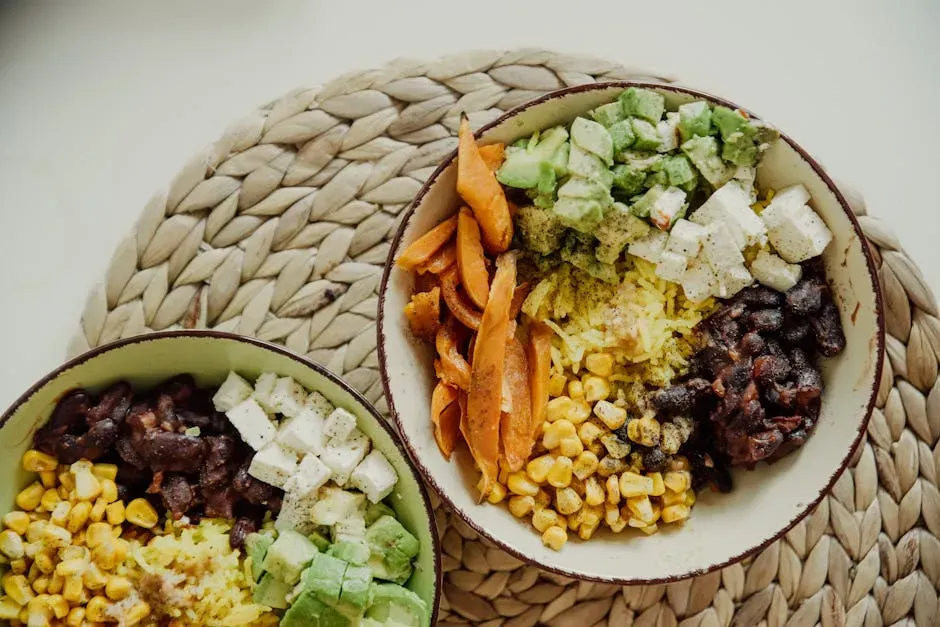
The diet consumed by individuals living in Blue Zones is primarily plant-based and includes a multitude of fruits, vegetables, grains, and legumes, with very little consumption of meat, dairy, and eggs. This is not about trendy veganism or rigid food rules. It is about the cumulative effect of choosing whole, nutrient-dense foods as the foundation of every single meal, day after day, decade after decade.
Regular fasting or caloric restriction, stopping at roughly eighty percent of satiety levels, prevents excessive eating, limiting weight gain and preventing obesity and related diseases. It shifts cell metabolism towards repair and maintenance pathways rather than growth and reproduction, limiting oxidative stress and inhibiting aging. The Okinawan practice of “hara hachi bu,” stopping when you feel about four fifths full, is perhaps the most elegant dietary guideline ever devised. No calorie counting. No fasting apps. Just mindful awareness of your own body.
Movement Is Medicine, But Not the Kind You’re Thinking Of

The world’s longest-lived people do not “exercise.” In Blue Zones, Buettner’s team observed that people were nudged into moving about every 20 minutes. For example, they were gardening, they kneaded their own bread, and they used hand-operated tools; their houses were not full of conveniences. That is a radical idea in an era obsessed with gym memberships, fitness trackers, and step counts.
A key element of the Blue Zone lifestyle is regular physical activity without a focus on a particular structured exercise. Instead, residents in these regions enjoy daily activities such as gardening, walking, and manual labor, which keeps people active throughout their lives. Think of movement as something woven into the fabric of your day, not a separate box to tick. Walking to a neighbor’s house, climbing stairs, working a garden patch. Those incremental moments accumulate into something genuinely powerful over a lifetime.
Sleep: The Underrated Pillar of a Long Life

I think sleep might be the single most underrated factor in the entire longevity conversation. People talk endlessly about diet and exercise, yet willingly sacrifice sleep for productivity. The science, however, is unambiguous. A new study found that insufficient sleep had a more significant impact on decreased life expectancy than other lifestyle factors, such as diet, physical activity, and social isolation. That is a remarkable finding, and it deserves far more attention than it typically receives.
Past studies have linked inadequate sleep to several health conditions, all of which can negatively impact a person’s life expectancy. A new study found that insufficient sleep had a more significant impact on decreased life expectancy than other lifestyle factors. Researchers estimate that about sixteen percent of the world’s population lives with insomnia, while a recent survey by the National Sleep Foundation found that six out of every ten adult Americans report they don’t get enough sleep. Those are staggering numbers for something so preventable.
The Surprising Power of Social Connection

Here is something that genuinely surprises people when they hear it: your friendships might matter as much for your lifespan as your diet. A review of 23 meta-analyses examining social support and health outcomes found a robust effect of social support on health and longevity, with the strength of association equivalent to that of risk factors such as smoking or obesity. Loneliness, in other words, is not just a feeling. It is a genuine biological hazard.
A joint declaration from the World Longevity Summit highlighted four critical components for healthy aging. These included maintaining meaningful social bonds, having a sense of gratitude, being physically active, and following a healthy diet centered on plant-based protein and dietary fiber. Blue Zone residents often surround themselves with like-minded individuals who share their values and healthy habits. From a young age, they form groups that reinforce positive behaviors, such as managing stress, partaking in daily physical activity, and eating balanced meals. Community, it turns out, is a form of medicine.
Purpose, Meaning, and the Will to Live

It’s hard to say for sure exactly how purpose extends life at the cellular level, but the data is compelling. People in Blue Zones tend to have a life purpose, known as “ikigai” in Okinawa or “plan de vida” in Nicoya. This is associated with a reduced risk of death, possibly through psychological well-being. Ikigai is often described as the reason you get out of bed in the morning, that intersection of what you love, what you are good at, what the world needs, and what you can be valued for.
Beyond diet, people in Blue Zones follow several healthy lifestyle habits. They incorporate physical activity into their daily routine by gardening, running errands on foot, hiking or riding a bike. They live purposely and have a reason to get out of bed each morning. Many do volunteer work or care for others. They participate in daily stress-reducing activities, like praying, meditating, practicing gratitude, or taking a nap. Purpose is not a luxury reserved for philosophers. It is a biological necessity.
Cutting-Edge Science: The Cellular Frontier of Aging
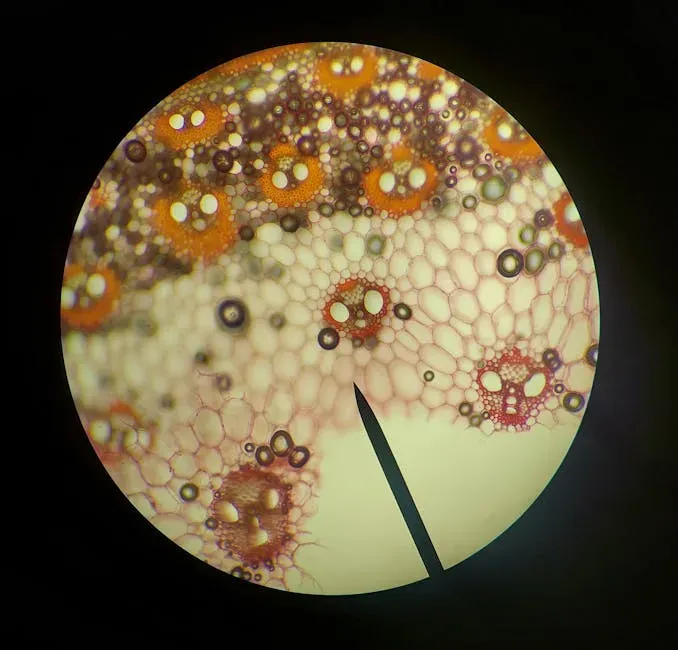
Beyond lifestyle habits, researchers are now unlocking the molecular machinery of aging itself. Aging and many age-related diseases are closely tied to declining mitochondrial function, and scientists see mitochondria as an important target for research aimed at healthier longevity. Your mitochondria are essentially the tiny power plants inside your cells, and when they start to underperform, the ripple effects across your body are enormous.
Mice engineered to boost a protein that helps mitochondria work more efficiently lived longer and showed better metabolism, stronger muscles, and healthier fat tissue. Their cells produced more energy while dialing down oxidative stress and inflammation tied to aging. The results hint that improving cellular power output could help slow the aging process itself. Meanwhile, one major study showed that your organs each have their own biological age, and these ages can predict disease risk and longevity. Scientists analyzed blood proteins from nearly 45,000 people to estimate the biological age of 11 organs. The study found that a youthful brain and immune system are leading predictors of a longer life. We are entering a genuinely extraordinary era of aging science.
Conclusion

Longevity, it turns out, is less about finding a single magic bullet and far more about the cumulative weight of daily choices. One of the biggest takeaways from recent research is that aging is not driven by a single biological mechanism. Targeting multiple hallmarks of inflammation, metabolism, senescence, mitochondrial function, and nutrient signaling leads to better outcomes than focusing narrowly. That is both humbling and inspiring.
The World Longevity Summit emphasized that embracing aging as an opportunity, fostering global partnerships, and integrating science with cultural values are crucial steps toward enabling people worldwide to enjoy longer, healthier, and more meaningful lives. You do not need a biohacking lab or a Silicon Valley budget to start. You need sleep, real food, people you love, movement baked into your day, and something to wake up for. Honestly, those things were never really secrets at all. We just needed science to remind us.
So the real question is this: knowing everything you now know, what is the one habit you will change starting today?