On paper, the solar system looks neat and finished: eight planets, a handful of dwarf planets, and some catalogues groaning under the weight of known moons. But that tidy textbook picture is almost certainly incomplete. Hidden in the deep dark beyond Neptune, tucked into asteroid belts, or orbiting familiar worlds, there are likely still objects big enough to reshape how we understand our own cosmic backyard.
What’s wild is this: we’ve mapped the surfaces of Mars and the Moon in exquisite detail, yet huge regions of our own solar system remain less explored than parts of the deep ocean on Earth. Many astronomers quietly suspect that future generations will laugh at how “empty” our star charts of today look. The sense growing in the scientific community is simple and thrilling: the story of our solar system is nowhere near finished.
Clues Hidden in Gravity: Why Astronomers Suspect a New Planet
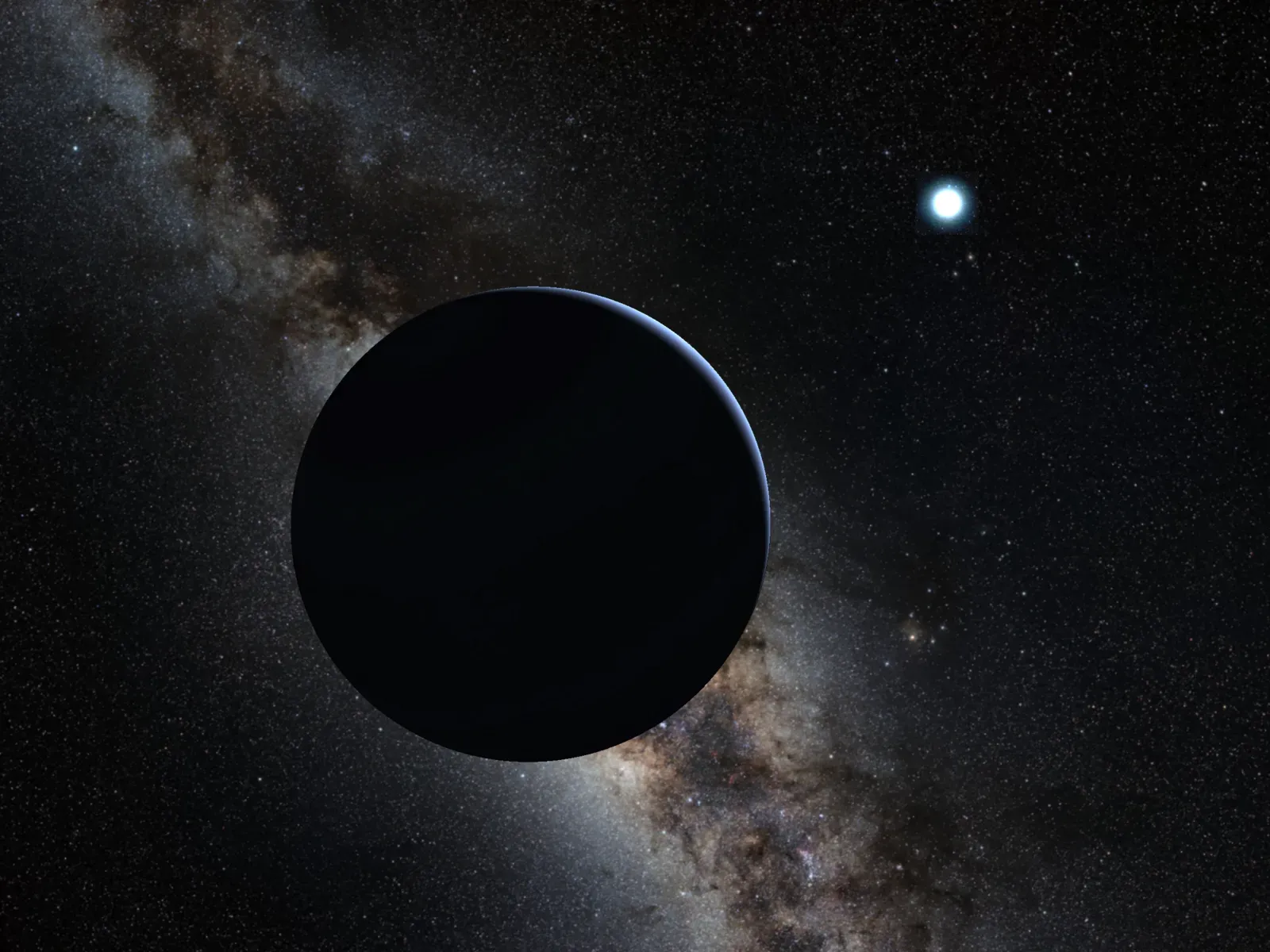
Imagine watching a group of dancers from a balcony: you never see the choreographer, but you can tell someone is guiding them from the way they move. That’s roughly how astronomers feel about a possible hidden planet lurking far beyond Neptune. Several distant icy objects in the outer solar system have strangely aligned orbits, as if something massive and unseen is tugging on them from the shadows.
Instead of seeing this world directly, researchers study the gravitational fingerprints it may have left behind. A planet several times more massive than Earth, potentially orbiting hundreds of times farther from the Sun than we do, could explain these orbital oddities. Not everyone agrees such a planet exists, and some scientists argue the pattern might be a statistical mirage. But the fact that this debate is even serious tells you how unfinished our map of the outer solar system still is.
The Dark Fringe Beyond Neptune: A Playground of Hidden Worlds
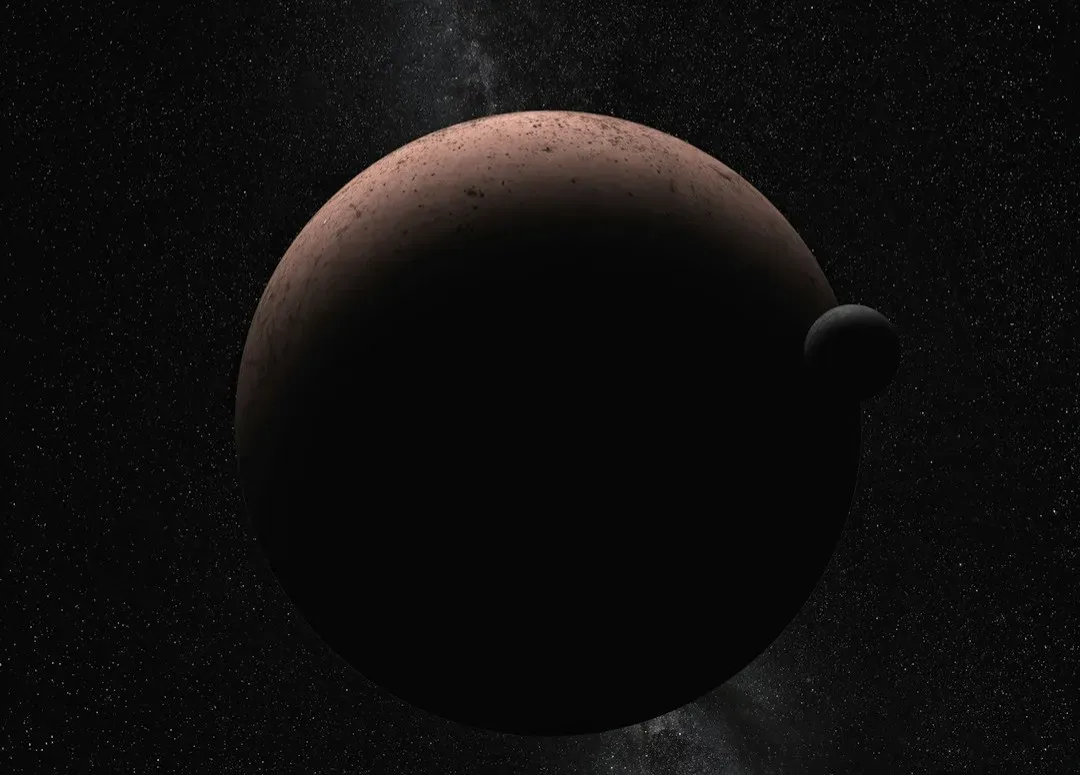
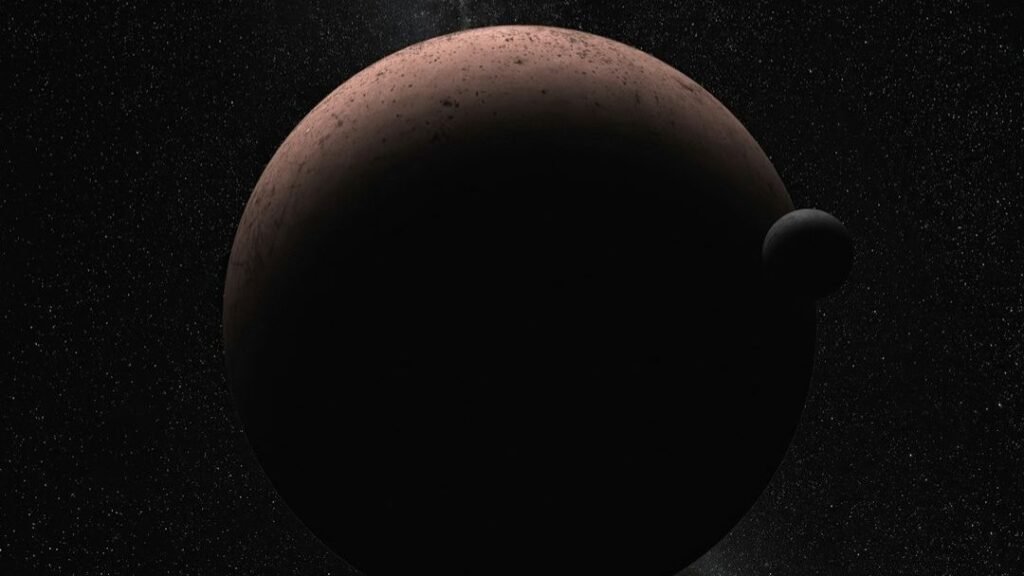
Beyond Neptune lies a frigid realm of ice and rock known as the Kuiper Belt, and even farther out, a vast, hypothetical shell of icy bodies called the Oort Cloud. These regions are so distant and dim that even relatively large objects can slip through our surveys undetected. When astronomers discovered dwarf planets like Eris, Haumea, and Makemake, it was a loud reminder that big things can hide in the dark for a very long time.
Current telescopes only scratch the surface of what’s out there. Many researchers suspect there could be additional dwarf planets, each with its own moons, atmospheres, and histories of violent collisions. It’s entirely possible that future missions and next-generation sky surveys will reveal a menagerie of frozen worlds, some with complex surfaces shaped by ancient oceans or internal heat. The solar system’s edge might turn out to be more like an icy archipelago than an empty desert.
Moons Missing from the List: Why We Haven’t Found Them All
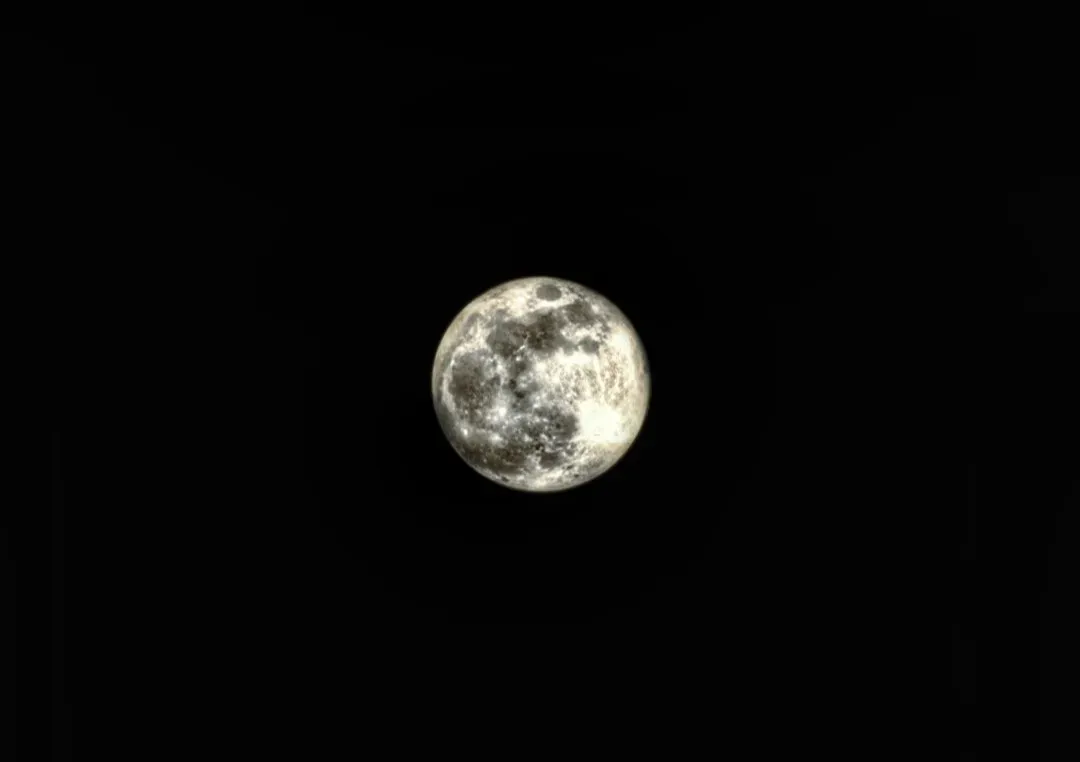
We think of major planets like Jupiter and Saturn as familiar giants, but we may not even know all their moons yet. The largest moons are easy to spot, but many smaller ones – just a few kilometers across – blend into the background noise of stars and cosmic clutter. Even today, astronomers continue to add new entries to the list of moons around the gas giants, thanks to deeper imaging and clever data processing.
Now zoom out to the vast population of asteroids and dwarf planets, many of which are too faint or distant for detailed study. A surprising number of these objects turn out to have tiny companion moons once we look closely. As telescopes improve, it’s very likely we’ll discover dozens, maybe hundreds, of new small moons around known objects, plus moons orbiting worlds we haven’t even identified yet. Our picture of “who orbits what” in the solar system is still under active revision.
Ocean Worlds in Disguise: Hidden Seas Beneath Icy Shells
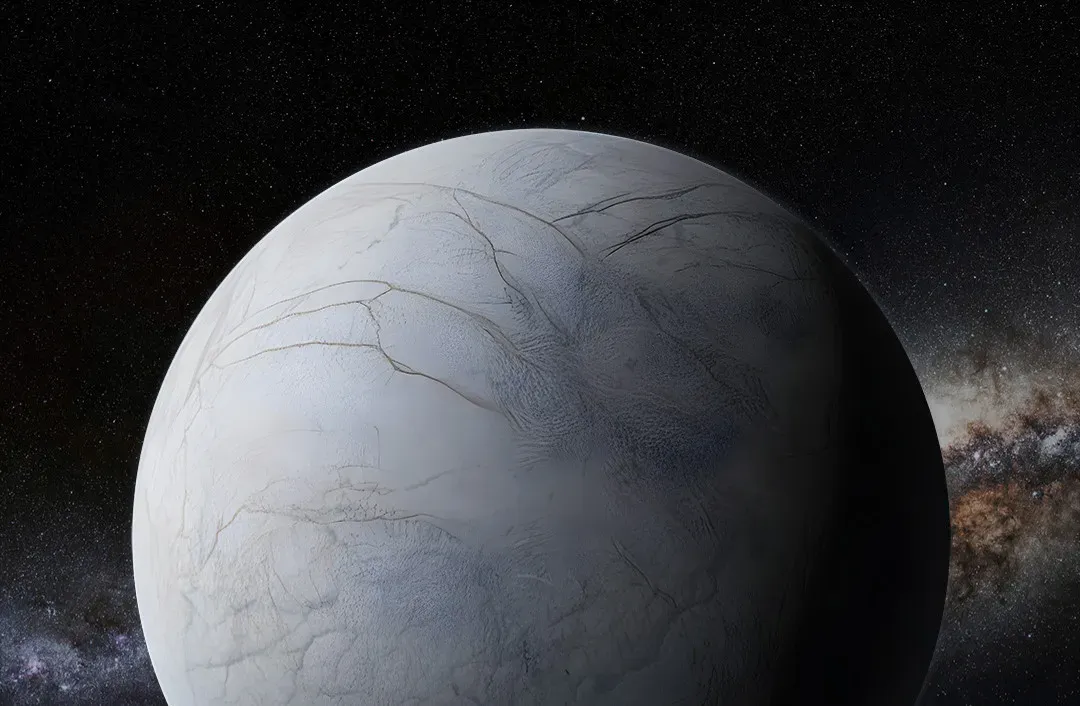
Some of the most exciting undiscovered “worlds” might not be planets themselves, but secret oceans tucked beneath layers of ice. We already know that moons like Europa, Enceladus, and Ganymede likely harbor liquid water oceans under their frozen crusts. That idea alone would’ve sounded like science fiction a few decades ago. Now, scientists are asking whether similar hidden oceans exist on smaller, dimmer bodies we haven’t examined closely yet.
Take an average-looking icy moon or dwarf planet: if it has a bit of internal heating from radioactive elements or tidal forces, it might keep a subsurface ocean from freezing solid. These oceans could be completely invisible to us from the outside. They might only reveal themselves through subtle gravitational measurements, faint plumes of vapor, or small wobbles in rotation picked up by future missions. The thought that there could be entire global oceans we haven’t even recognized yet is both humbling and electrifying.
World-Building in the Asteroid Belt: Proto-Planets and Oddballs
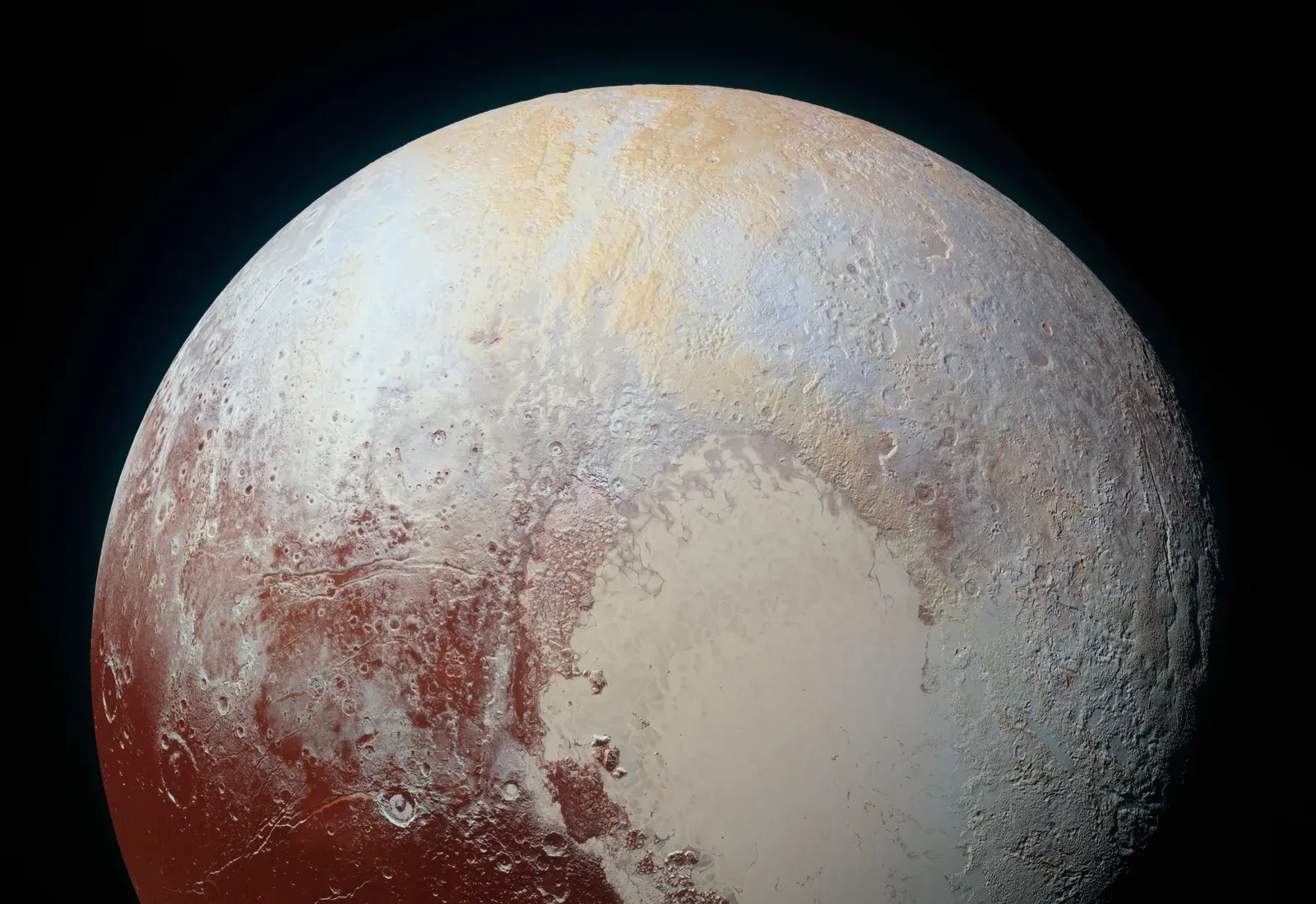
Between Mars and Jupiter sits the asteroid belt, often portrayed as a chaotic rubble field. In reality, it’s a graveyard of unfinished worlds, where planet building was interrupted by Jupiter’s powerful gravity. We already know about large residents like Ceres and Vesta, but there may be more complex bodies hiding among the smaller rocks – objects that blur the line between asteroid and dwarf planet.
Some asteroids are loosely bound piles of rubble, others are metallic cores, and a few even show hints of past volcanic activity or buried ice. As we send more probes and refine Earth-based observations, we might uncover evidence that some of these bodies once had thin atmospheres, subsurface water, or even miniature magnetic fields. The belt could be full of strange transitional worlds that tell the story of how planets almost, but not quite, formed.
How New Telescopes and Missions Will Redraw the Solar System Map
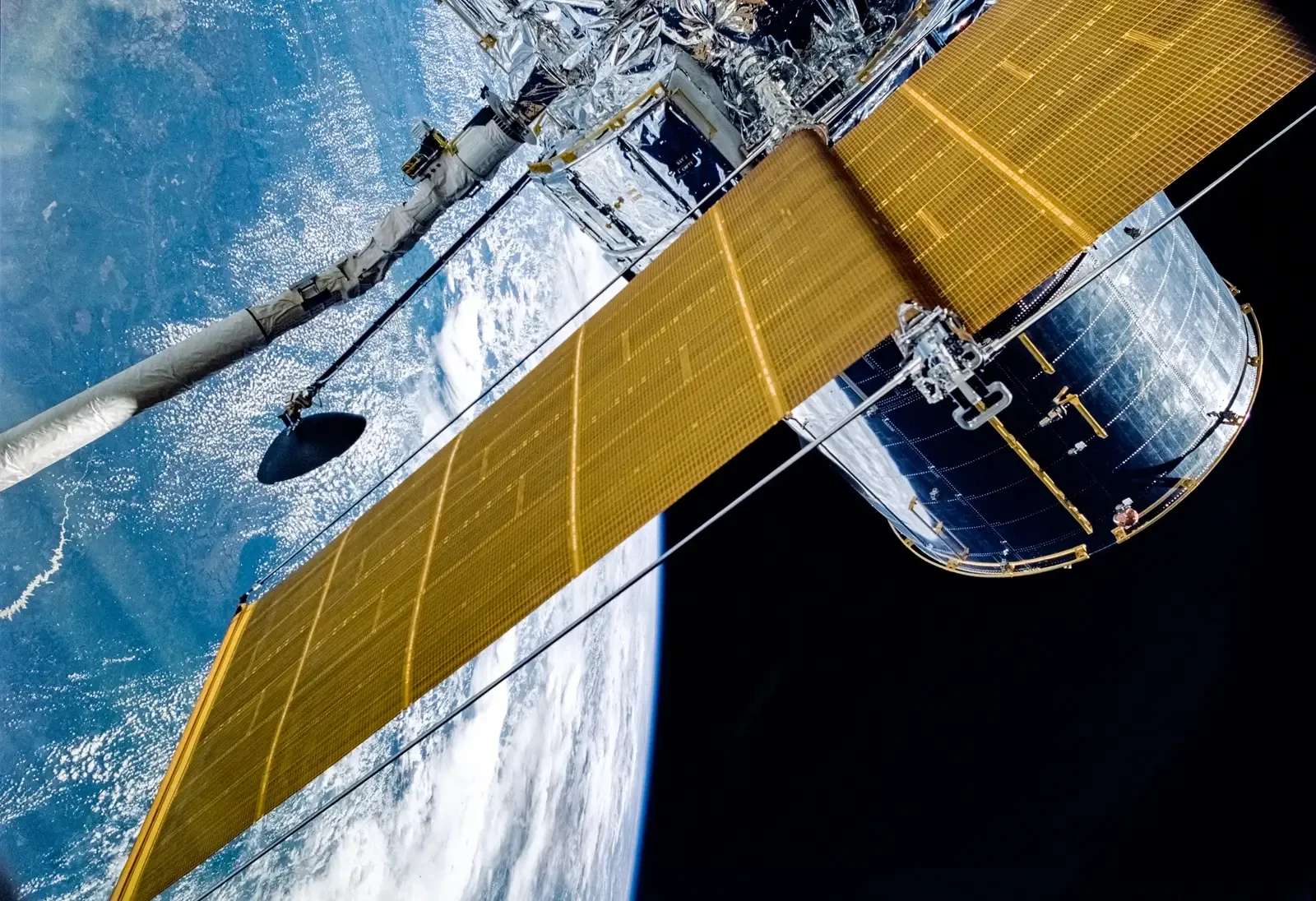
For decades, the main reason we missed distant or tiny worlds was simple: our tools weren’t good enough. That’s changing fast. New survey telescopes on Earth can scan huge swaths of the sky night after night, catching faint, slow-moving objects at the edge of our detection limits. In the coming years, these surveys are expected to reveal a flood of new minor planets, moons, and possibly something big enough to challenge our current definition of a planet.
At the same time, spacecraft headed to icy moons, asteroids, and outer planets will be equipped with sharper instruments and better sensors than any before. They’ll be able to detect slight changes in gravity, unexpected heat signatures, and delicate plumes or dust rings that hint at hidden companions. Each mission has the potential to stumble on something completely unplanned – an unknown small moon, a thin ring system, or a strange object sharing an orbit. Bit by bit, these discoveries will turn our flat solar system diagrams into something far more crowded and alive.
Why Undiscovered Worlds Matter for Life and Our Place in the Cosmos
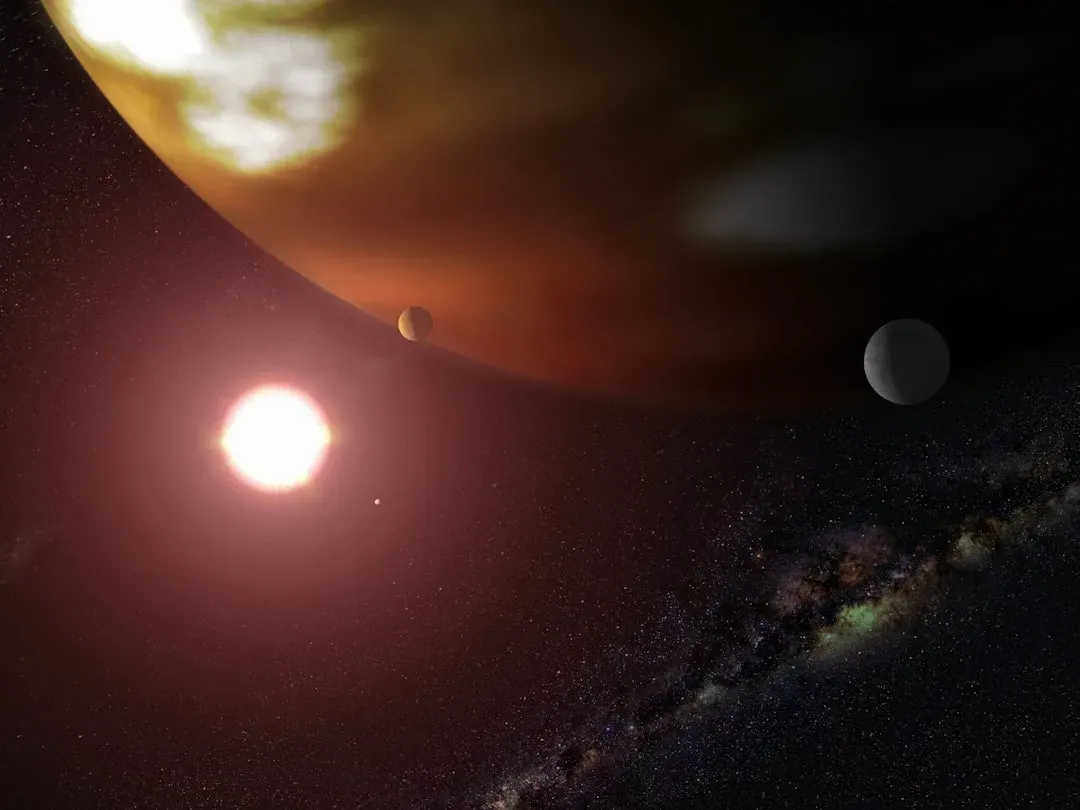
It’s easy to think of new planets or moons as just extra entries in a catalog, but they’re much more than that. Every new world offers another test case for how planets form, evolve, and sometimes stay habitable. If we find more icy moons with hidden oceans or distant objects with complex chemistry, we expand the places where life might possibly emerge or survive. The more examples we gather, the less we’re guessing about where life could exist and what it might need.
On a more personal level, undiscovered worlds challenge our quiet assumption that we already understand the basics of our own neighborhood. Realizing we’re still missing large pieces of the puzzle can be surprisingly emotional – it stirs the same mix of awe and restlessness you feel looking at an old family photo and sensing there’s a story no one has told you yet. Somewhere out there in the dark, new members of the solar system family are waiting to be noticed. When we finally meet them, how much will they change the way you imagine home?