You’ve heard a dog bark, watched a bird sing, or maybe felt a little unsettled by the eerie clicking of bats on a summer evening. It’s easy to assume you’ve grasped what animals are up to, that it’s all instinct, noise, and reflex. But here’s the thing – science is rapidly dismantling that comfortable assumption. What’s emerging from research labs, ocean floors, and African savannahs is a picture so complex and strange it genuinely changes how you think about other species on this planet.
Right now, researchers across biology, AI, and neuroscience are decoding communication systems in animals that rival human language in their sophistication. Some of these discoveries are jaw-dropping. A few of them are downright humbling. If you thought the animal kingdom was simply background noise to the human story, get ready to think again. Let’s dive in.
Elephants Are Literally Singing to Each Other Underground
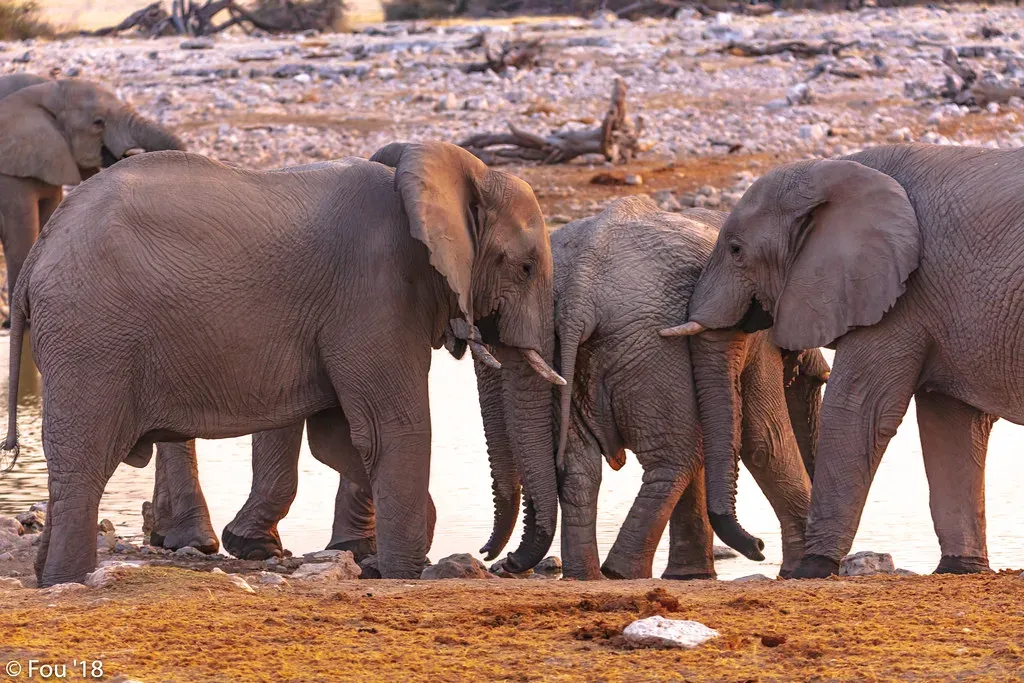
Most people think of a thundering elephant trumpet and picture noise, power, drama. But honestly, that’s just the obvious surface. African elephants speak to one another using the vocal folds in their larynx to create a constant, low-frequency rumbling known as infrasound. This sound operates below what your ears can detect, quietly humming through the earth beneath your feet as if the savannah itself is whispering.
Elephants can communicate using very low frequency sounds with pitches below the range of human hearing, and these low-frequency sounds can travel several kilometers, providing elephants with a “private” communication channel. Think of it like a geological text message traveling miles through solid ground, invisible to every human nearby.
For African elephants, calls range from 15 to 35 Hz with sound pressure levels as high as 117 dB, allowing communication for many kilometres, with a possible maximum range of around 10 km. That’s roughly the distance from one end of a city to the other, in near silence from your perspective.
At Amboseli National Park, several different infrasonic calls have been identified, including a greeting rumble emitted by adult females reuniting, a contact call made by a separated individual up to 2 km away from the group, a contact answer in response, and a “time to go” rumble emitted by the matriarch to signal other herd members to move. It’s almost like they have a social vocabulary complete with names for different situations. Humans actually remained unaware of all this until 1984, and even today researchers estimate you may only hear somewhere around 40% of all the calls elephants produce.
Dolphins Don’t Just Squeak – They Call Each Other by Name
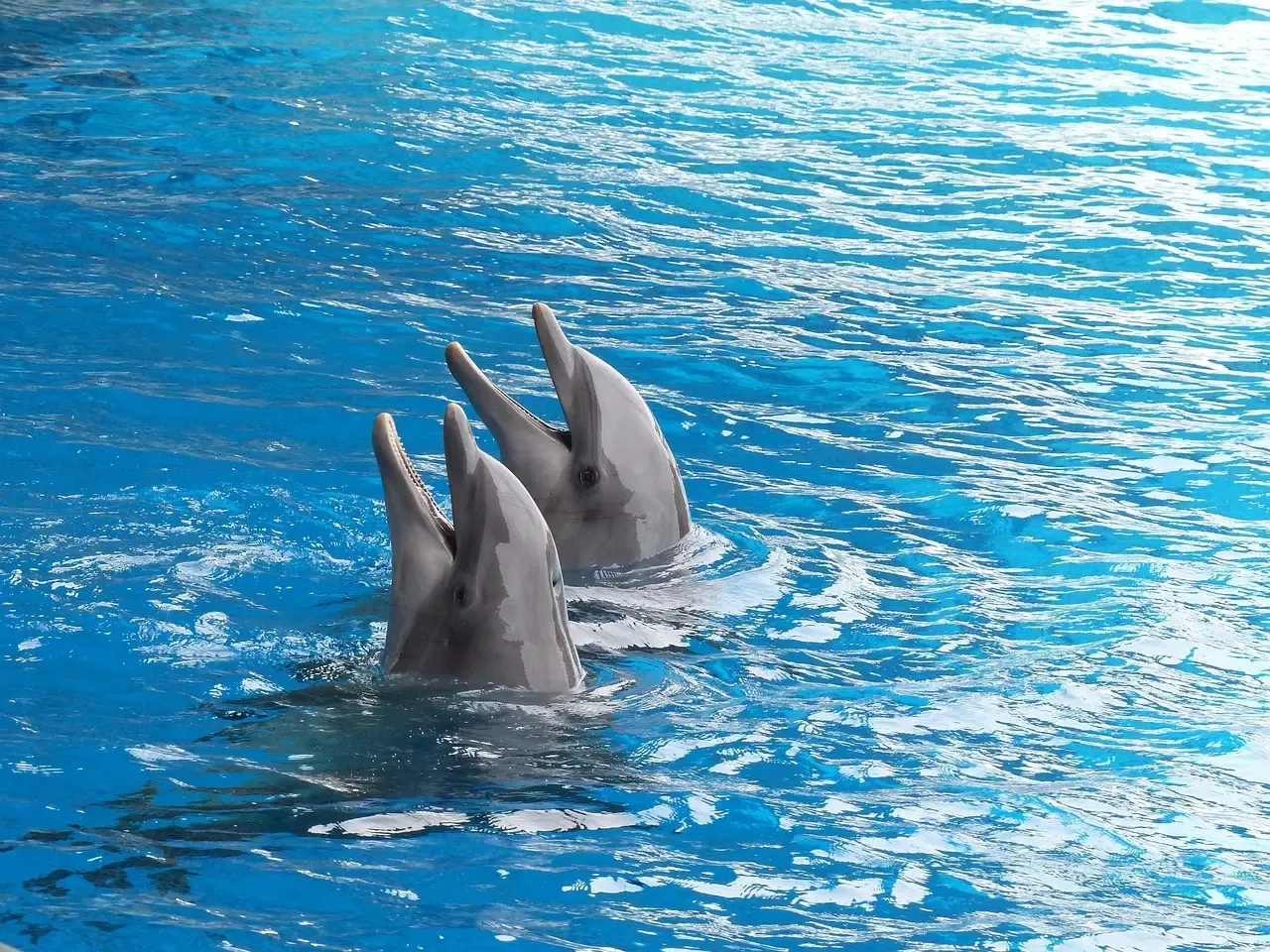
You might already know dolphins are smart. But “smart” hardly covers what researchers have uncovered about their communication. Dolphins are renowned for their complex communication, using “baby talk” with their calves and calling one another with unique signature whistles – the equivalent of human names. Each individual dolphin develops its own unique identity call, like a living, acoustic business card.
Researchers have logged more than 250 distinct signature whistles. The dolphins use these to broadcast their identity and to call to each other, and when mother dolphins call to their calves, they modify their signature whistles, exaggerating the frequency range – the highs get a bit higher, and the lows a bit lower. That last part gets me every time. A mother calling out to her baby, adjusting her voice to reach across the water. It sounds unmistakably tender.
Trawling through more than a thousand hours of vocalizations, researchers realized that around half the whistles made by free-swimming dolphins were not signature whistles, and they identified 20 new whistles, each used by multiple dolphins. These shared whistles suggest something even more exciting: the possibility of a communal vocabulary.
The findings suggest that dolphin communication is much richer than previously thought. Dolphins may possess a language-like communication system, with units of sound that have shared, context-specific meanings. In other words, you might be looking at the beginnings of something that resembles actual words.
Sperm Whales Have a Clicking “Alphabet” We’re Still Decoding
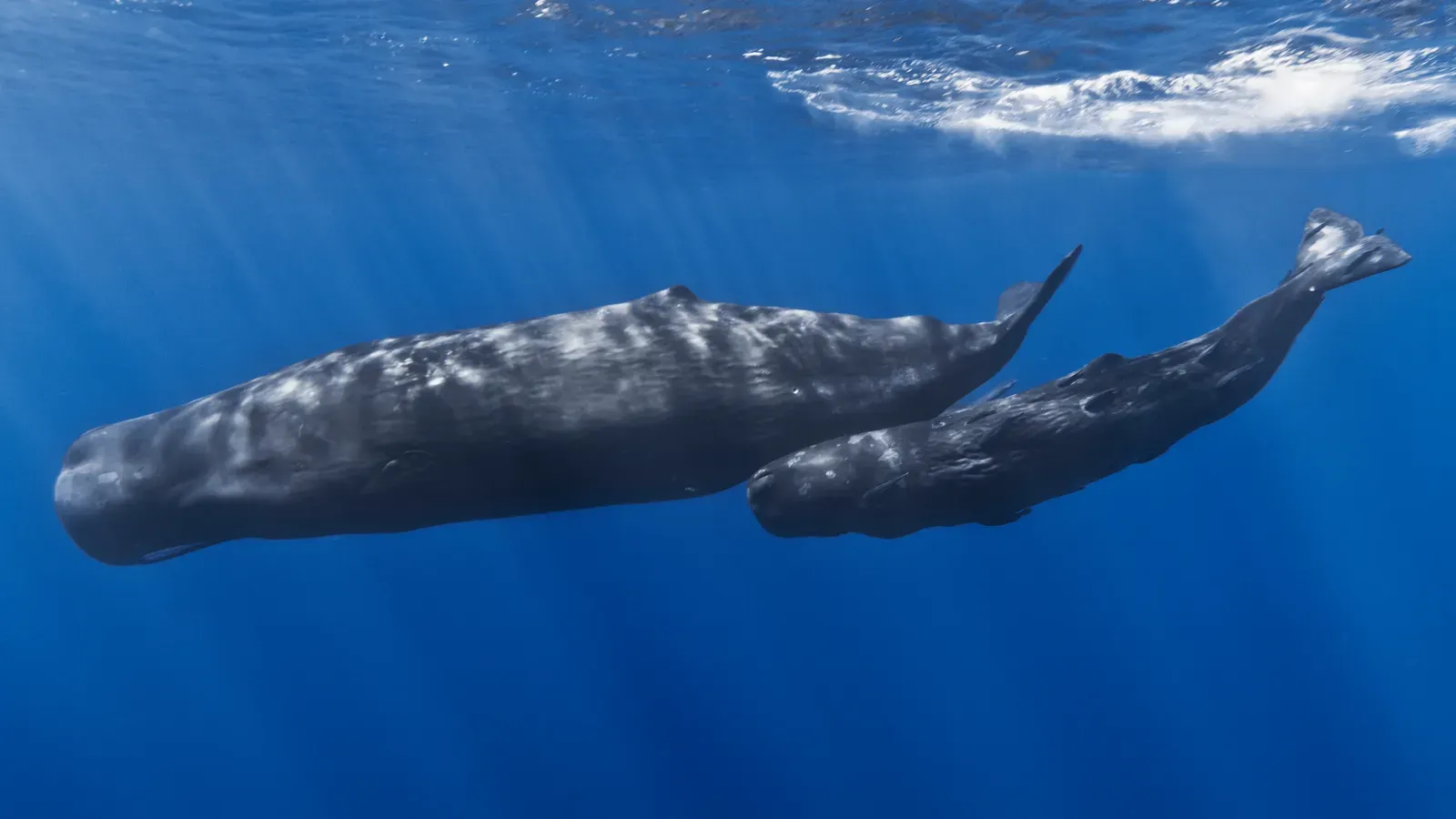
Deep below the ocean surface, something vast and complicated is happening. Hours of the creaking, rattling clicks that sperm whales use to communicate were collected over a decade, and researchers are part of Project CETI – the Cetacean Translation Initiative – an effort to understand, in the group’s words, “what whales are saying.” I know it sounds like science fiction. It’s not.
A team at MIT used artificial intelligence to visualize a sequence of calls between sperm whales, revealing a possible complex language. The complexity of what they found surprised even the researchers themselves. They designed a custom machine learning program capable of spotting familiar sequences within whale interactions, much as humans have recognizable conversational patterns, and the result was a new kind of processing model able to anticipate what some whales might communicate next.
Recent research has revealed that sperm whales communicate through patterns of clicks called “codas,” which vary between different social groups, suggesting a form of cultural dialect. Think of it this way: it’s like discovering that whales in the Caribbean have their own regional slang, totally different from those in the Pacific. Cultural identity, baked into a click.
Just like AI is being applied to translate human languages, leading scientific collectives like Project CETI are deploying cutting-edge ideas and tools from biology, AI, linguistics, robotics, and other fields to record and identify hidden patterns within nonhuman animal communication, such as a whale phonetic alphabet. A whale alphabet. Read that again and let it sink in.
Honeybees Dance Out Precise GPS Coordinates
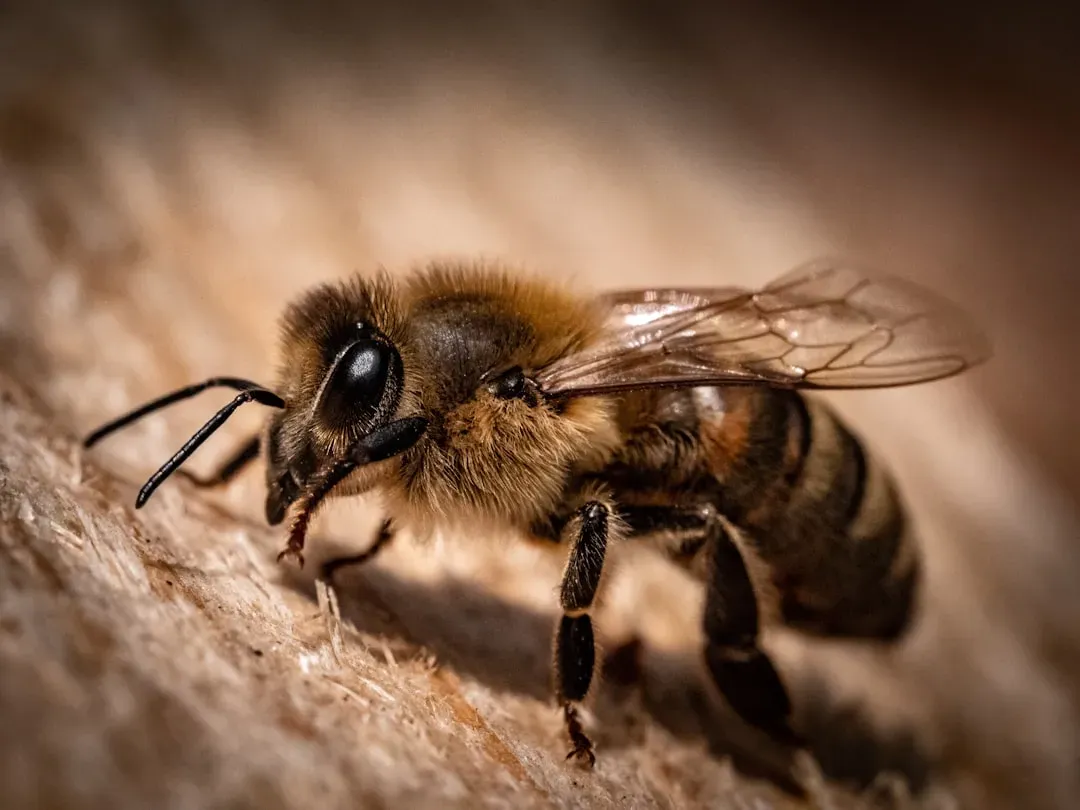
Here’s something that never gets old: bees are running one of the most sophisticated navigation-sharing systems in the known animal world, inside a dark hive, on a vibrating honeycomb, completely without a smartphone. Honey bees communicate the location of food sources through a waggle dance, circling around in figure-eight patterns while waggling their bodies, and the motions translate visual information from the environment and the location of the sun into the distance, direction, and even the quality of the resource.
The orientation of the dancing bee during the straight portion of the waggle dance indicates the location of the food source relative to the sun. The angle that the bee adopts, relative to vertical, represents the angle to the flowers relative to the direction of the sun outside the hive. In other words, the dancing bee transposes the solar angle into a gravitational angle. That’s abstract, symbolic communication – and it’s coming from an insect with a brain smaller than a grain of rice.
A 2023 study found that if a honey bee doesn’t observe her elders doing the waggle dance when she’s young, she’ll never be able to master it as an adult. This means that honey bees learn to communicate with each other in much the same way humans do. Social learning. Language passed down through generations. In bees.
Different species of honeybees have different “dialects” of the waggle dance, with each species or subspecies varying by curve or duration. A study from 2008 demonstrated that a mixed colony of Asiatic and European honeybees were gradually able to understand one another’s “dialects.” Cross-species dialect learning. You almost have to laugh at how extraordinary that is.
Elephants Also “Know” Each Other’s Names – And That’s a Much Bigger Deal Than It Sounds
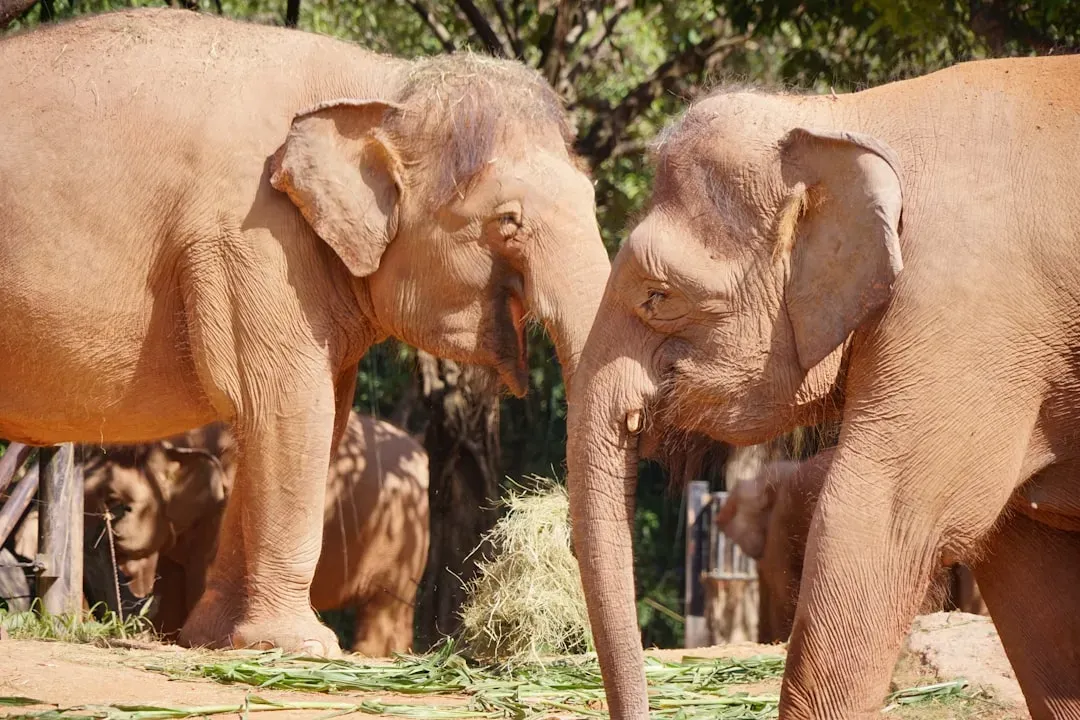
Let’s stay with elephants for a moment, because they’re hiding another secret that’s arguably even more profound than their infrasound abilities. Cornell University behavioral ecologist Mickey Pardo and his colleagues discovered in 2024 that elephants, much like dolphins, parrots, and marmoset monkeys, use certain sounds to address specific individuals – effectively calling them by name. You didn’t misread that.
Only a few other animals use names for each other, as far as scientists know – parakeets and dolphins and ravens, to name a few – and they do so by mimicking each other’s calls. Elephants, by contrast, appear to come up with names for other elephants independently, without imitating another’s call, and this is an ability that no animal other than humans was previously known to possess.
It’s hard to say for sure just how deep elephant social cognition goes. But discoveries like this suggest you’re dealing with an animal that doesn’t just communicate states of feeling – it communicates individual identities. Scientists also observed that chimpanzees intentionally communicate about threats to one another, while elephants use name-like calls to address others in their species, and this research opens a window into the rich world of animal communication while challenging long-held views that language evolved only in humans.
What’s already clear is that many complex communication abilities are not unique to humans and may actually be quite ancient, given that they occur in distantly related animals like birds and primates. Ancient, shared, and largely invisible to us until very recently.
Cuttlefish Have Invented Their Own Sign Language
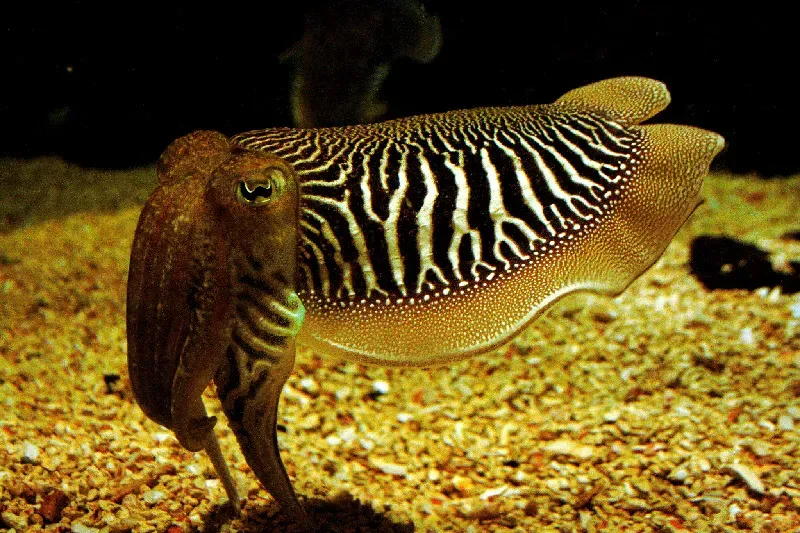
Of all the animals on this list, cuttlefish might be the most alien. They’re soft-bodied ocean creatures, related to squids and octopuses, and they communicate using methods that feel like they were designed by someone from another dimension. Cuttlefish are masters of visual deception. Their skin contains chromatophores – pigment-filled sacs that allow them to change color and pattern in milliseconds. These adaptations serve purposes from camouflage to courtship, and sometimes to intimidate rivals.
Researchers observed the common cuttlefish routinely waving its arms in four flashy gestures. Cuttlefish wave their expressive tentacles in four distinctive dance-like motions – possibly to communicate visually and by vibration. Scientists have given these gestures the names “up,” “side,” “roll,” and “crown,” and what happened next in the research is genuinely jaw-dropping.
Researchers recorded cuttlefish signing in various contexts and played the videos back to different cuttlefish. When they saw others signing, the cuttlefish signed back. The researchers don’t think it’s mimicking because when they sign back, they sometimes display different types of signs. A reply using a different sign. That’s not imitation. That’s something that looks a lot like response.
The researchers also used a hydrophone to capture the vibrations each sign created, then played those vibrations back to cuttlefish that couldn’t see the signs but could feel the changing pressure in the surrounding water – and the cuttlefish still responded with their own signs. This finding is the first piece of evidence that cuttlefish might communicate with one another by emitting specific vibrational signals. They’re communicating through touch, vibration, and visual gesture all at once. As one computational neuroscientist put it, cuttlefish are “about as close to aliens as we’ll ever get” – invertebrates with astonishing behavioral complexity.
AI Is Now Helping Us Eavesdrop on Entire Animal Conversations
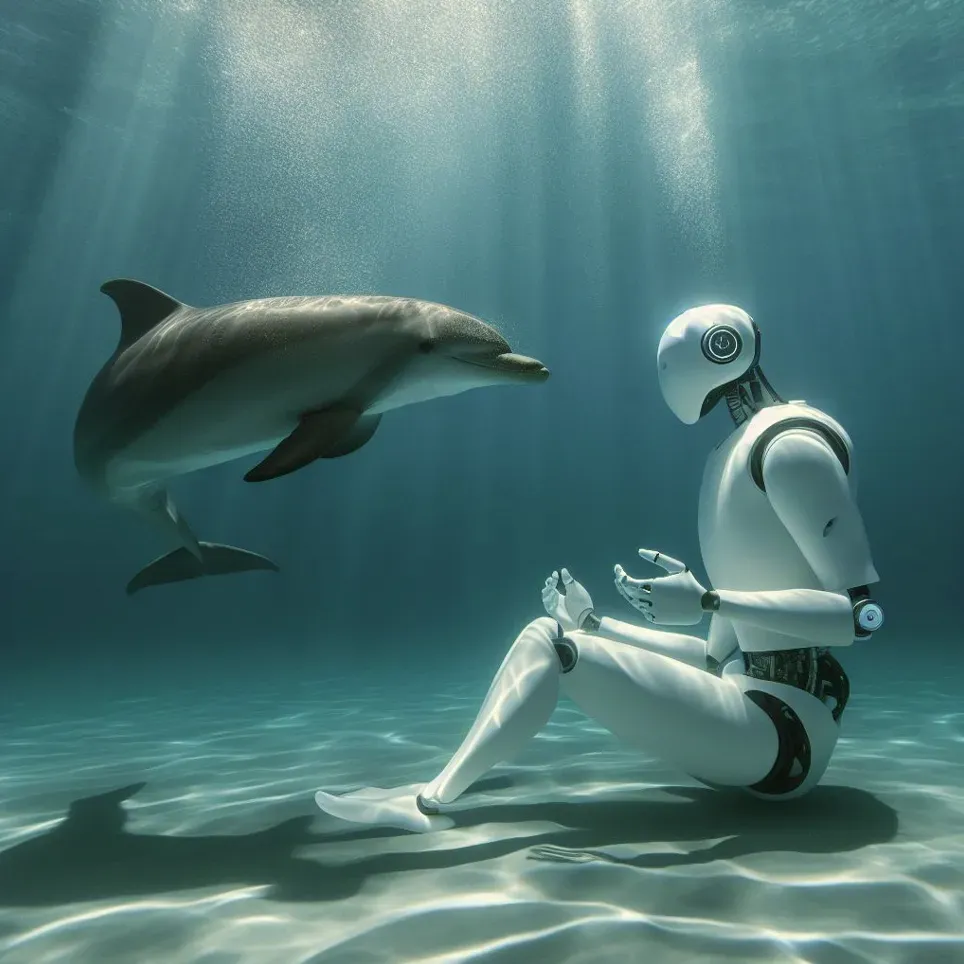
All of these discoveries share a common thread: they were only made possible because technology finally caught up with animal complexity. Across the natural world, scientists and researchers are increasingly turning to artificial intelligence for help understanding the interior lives of animals, as well as the habitats that sustain them. The tools we now have are genuinely revolutionary.
Neuroscientists working on marmoset communication have started working on a language model for marmoset calls. The idea is to predict what call comes next based on the ones that came before – like how a machine-learning language model might predict the next word in a sentence. If they find consistent structure, that could hint at something grammar-like. Grammar. In monkeys. The implications are staggering.
Budgerigars show brain maps of vocal sounds similar to humans, while Japanese great tits modify the order of notes to alter the complete meaning of their messages. That last point is critical: changing the order of sounds to change meaning is one of the core features of human language. You’ve been doing it your whole life. So, apparently, have birds.
Knowledge of animal communication is growing by the year, and some have suggested this knowledge might eventually lead to stronger animal welfare laws. In a 2024 paper, two professors argued that animals capable of communicating complex emotions and ideas to humans – animals whose communications we are able to decode and interpret – should be granted additional legal protections. The conversation is no longer just scientific. It’s becoming ethical, philosophical, and legal.
A Final Thought Worth Sitting With
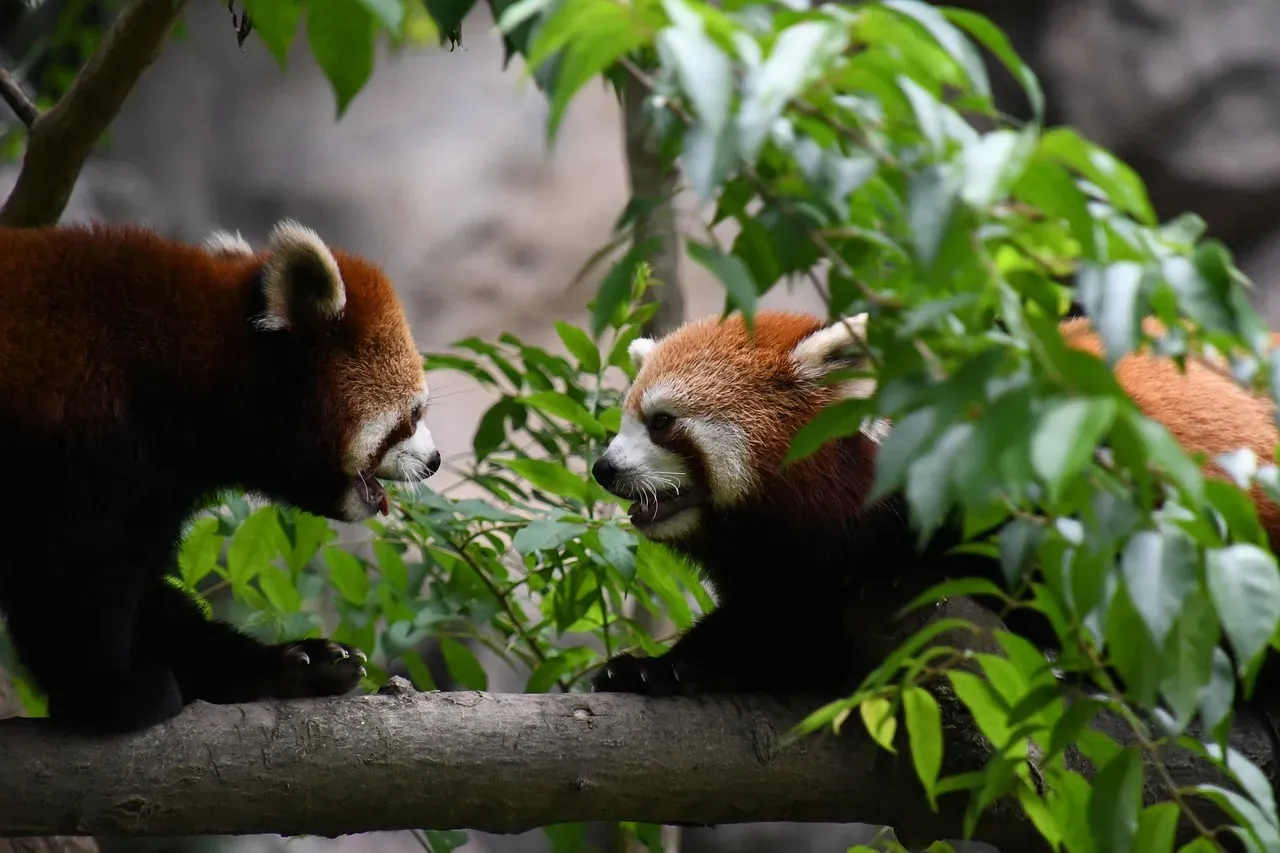
If you’d told a biologist a century ago that bees teach dialect to their young, elephants invent unique names for their friends, dolphins share vocabulary words, and cuttlefish sign to each other through vibrations in the water, you’d have been laughed out of the room. Today, every single one of those things is backed by research. The animal world was never silent. You just didn’t have the tools to listen.
The real shift happening right now isn’t just scientific – it’s a shift in perspective. Human language shouldn’t be seen as singularly special, but rather as just one of many unique communication systems in the animal kingdom, with each tailored to the world of that species. We didn’t invent complex communication. We inherited a version of something ancient, sprawling, and shared across species in ways we’re only beginning to map.
The more you learn about how animals talk to each other, the harder it becomes to see them as background characters in the human story. They’re running their own chapters, in languages that are dazzling in their complexity, right alongside you. The question now isn’t just “what are animals saying?” The question is: what will you do once you finally understand the answer?