

You’ve probably looked at a crumbling parking structure somewhere and thought, “they just don’t build things like they used to.” Well, you have no idea how right you are. Across the globe, ancient civilizations left behind engineering achievements so sophisticated that even our best minds in 2026 are still scratching their heads trying to figure them out.
We often think of distant ancestors as primitive, equipped with the crudest of tools and a limited set of skills. More often than not, we are terribly mistaken. Ancient civilizations are usually underestimated. History shows us that they repeatedly demonstrated incredible ingenuity and engineering prowess, even in the most distant past. These weren’t lucky accidents or happy coincidences. These were deliberate, calculated masterstrokes of engineering that we still cannot fully explain. Let’s dive in.
The Antikythera Mechanism: A 2,000-Year-Old Computer
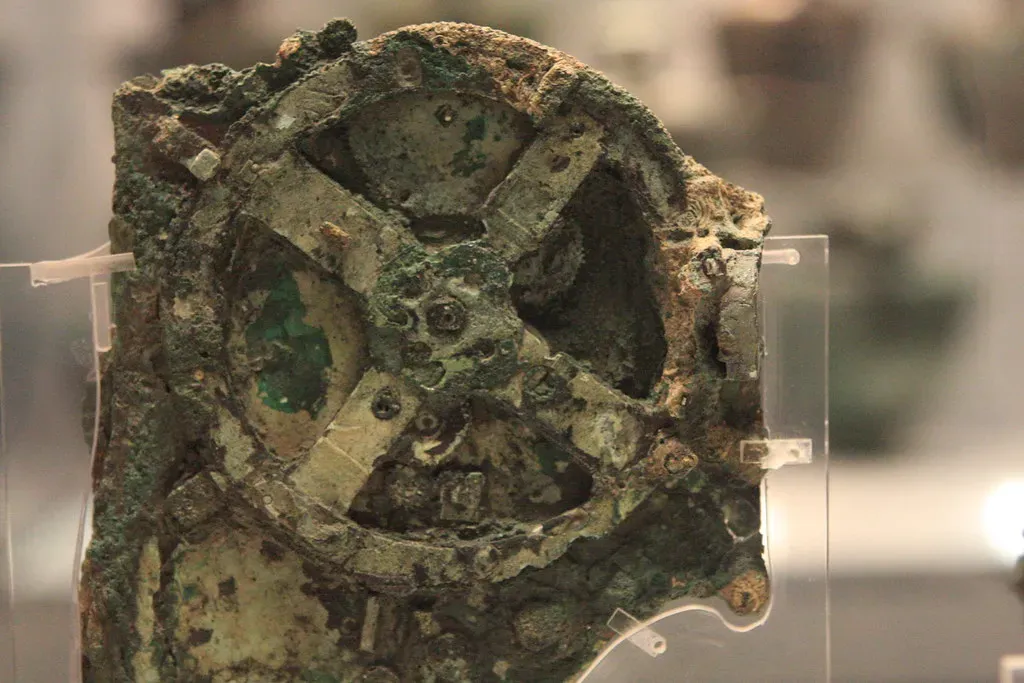
Picture this: you’re a sponge diver off the Greek coast in 1900, and you pull up a shoebox-sized corroded lump of metal from the ocean floor. Turns out, that lump is arguably the most sophisticated device ever created in the ancient world. Often regarded as the world’s first analog computer, the Antikythera Mechanism is the most technologically advanced instrument known from antiquity. Built roughly 2,100 years ago, its complex system of interlocking bronze precision gears charted the movements of the planets, the sun, and the moon. This hand-powered device also predicted eclipses, tracked the moon’s phases, and displayed the dates of the ancient Olympics.
It is the first known geared mechanism and contains the oldest existing set of scientific scales. The level of technology associated with this device is considered to be of an extremely high level, and its sophistication would not be equalled until the fourteenth century CE. Think about that for a moment: roughly fourteen centuries of technological silence before anyone else managed to build anything even remotely close. Researchers describe it as a beautiful conception, translated by superb engineering into a device of genius. It challenges all our preconceptions about the technological capabilities of the ancient Greeks.
Roman Concrete: The Self-Healing Building Material We Can’t Replicate

The ancient Romans were masters of engineering, constructing vast networks of roads, aqueducts, ports, and massive buildings whose remains have survived for two millennia. Rome’s famed Pantheon, which has the world’s largest unreinforced concrete dome and was dedicated in 128 CE, is still intact, and some ancient Roman aqueducts still deliver water to Rome today. Meanwhile, many modern concrete structures have crumbled after a few decades. That contrast alone should stop you in your tracks.
Here’s the thing that really blew researchers away. Scientists found that white chunks in the concrete, referred to as lime clasts, gave the concrete the ability to heal cracks that formed over time. These white chunks had previously been overlooked as evidence of sloppy mixing or poor-quality raw material. They were actually the secret weapon all along. Their findings suggest that the lime clasts can dissolve into cracks and recrystallize after exposure to water, healing cracks created by weathering before they spread. Researchers say this self-healing potential could pave the way to producing more long-lasting, and thus more sustainable, modern concrete.
The Great Pyramid of Giza: Precision That Defies Explanation

At their core, the pyramids represent humanity’s early mastery of large-scale project management. The Great Pyramid of Giza alone consists of more than two million stone blocks, each weighing several tons. Transporting, shaping, and placing these stones with remarkable precision required an extraordinary level of organization. Honestly, coordinating something of that scale without modern communication technology is mind-bending.
One of the most impressive aspects of pyramid construction is precision. The Great Pyramid is aligned with the cardinal directions – north, south, east, and west – with astonishing accuracy. Even by today’s standards, achieving such alignment without modern instruments would be extremely difficult. This reveals that ancient Egyptian engineers possessed a deep understanding of astronomy and geometry. You’d need laser-guided tools and satellite data to match that kind of accuracy today, and even then it would be a serious challenge.
Puma Punku: Stonework So Exact It Seems Impossible
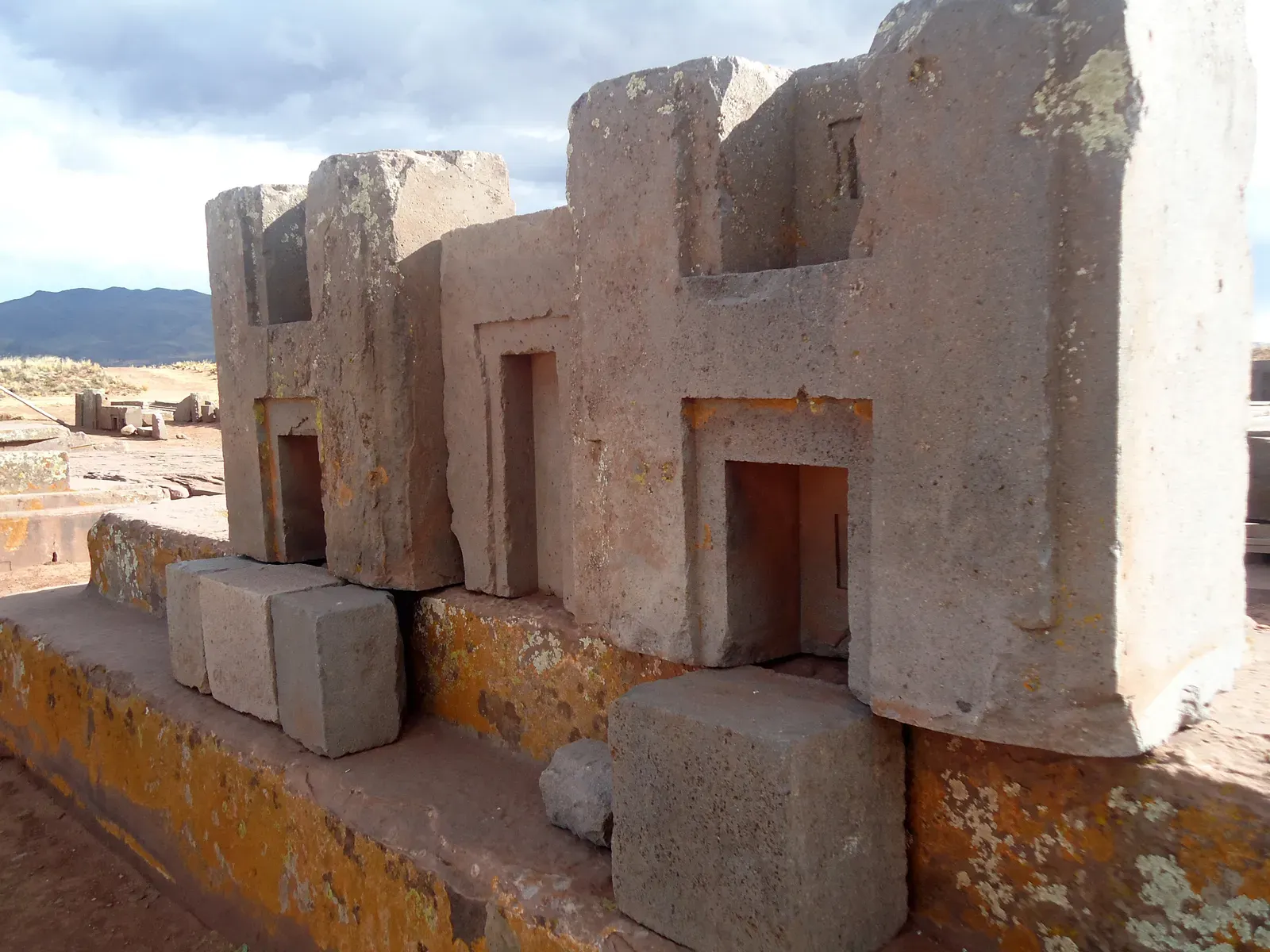
The Tiwanaku complex, located in modern-day Bolivia, is a major pre-Columbian site near Lake Titicaca. One of its sections, the so-called Puma Punku, is well known for its incredible high-precision stonework. The stone blocks at this location are massive, with some weighing up to 100 tons. They were cut and connected together with almost alien precision. In fact, the precision is so advanced that even modern engineers would struggle to replicate the techniques used.
All the cut surfaces are super smooth, and the cuts are astronomically straight. Furthermore, the blocks are all interlocked without any use of mortar whatsoever. All this suggests that the builders of Puma Punku utilized advanced tools or technologies that are lost to history. No mortar, no blueprints, no metal tools discovered on site, and yet the joints fit together so perfectly you cannot slide a piece of paper between them. Archaeologists were unable to uncover any evidence for tools or methods that were used to shape the stones. It’s an engineering mystery that refuses to be solved.
The Iron Pillar of Delhi: Rust-Free for Over 1,600 Years
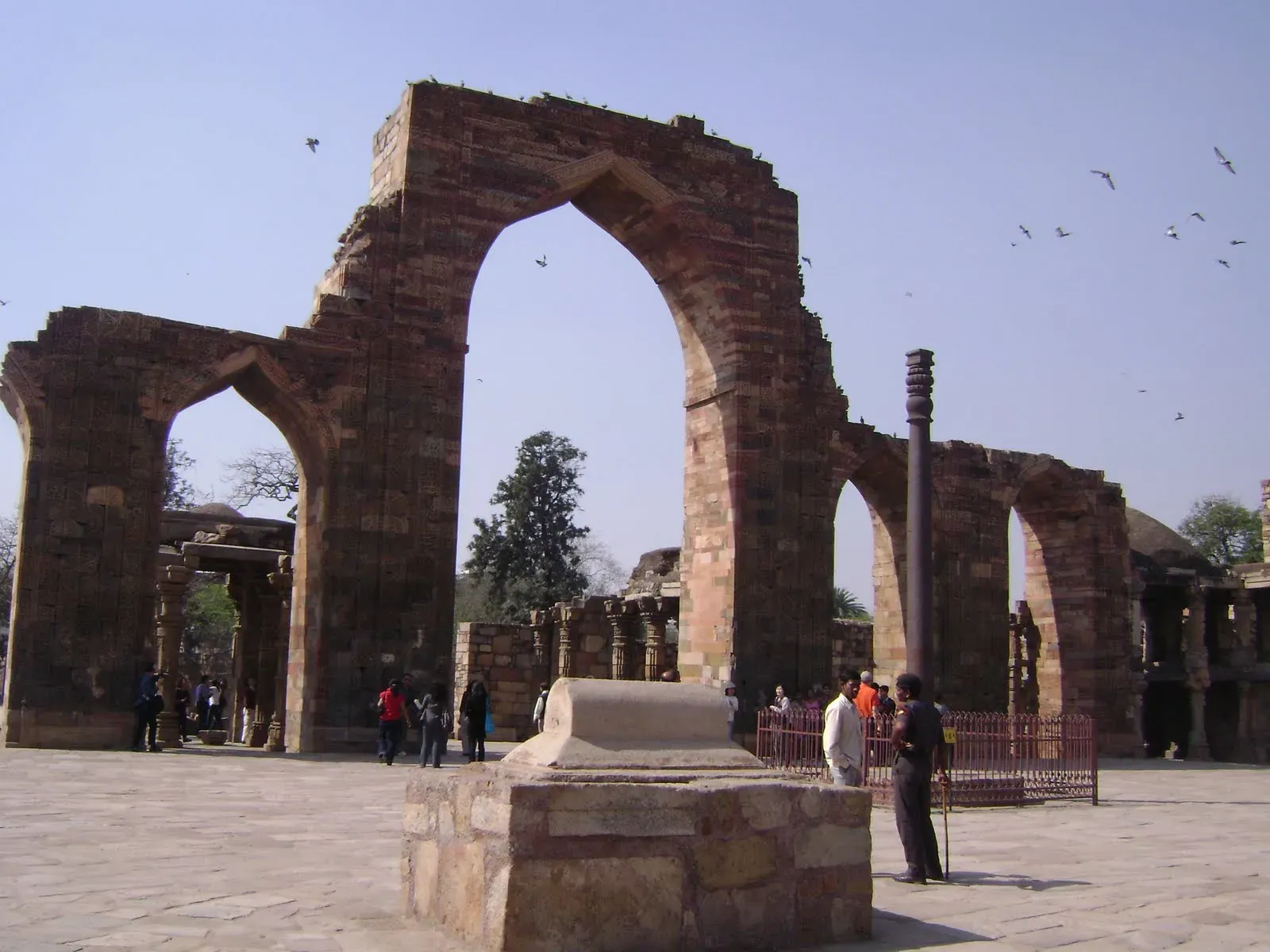
The Iron Pillar of Delhi, standing at over 7 meters tall, is a testament to the metallurgical skill of ancient Indian blacksmiths. Erected in the 4th century CE, this iron pillar has remained rust-free for over 1,600 years, defying the natural process of corrosion. Wrought iron is supposed to rust. That’s not a theory; it’s basic chemistry. Yet this pillar has stood through monsoons, scorching heat, and a millennium and a half of environmental exposure without a meaningful speck of rust.
Scientific analysis revealed that the iron’s corrosion resistance is due to the formation of a thin, passive protective layer called misawite – a crystalline iron hydrogen phosphate hydrate. This layer formed because ancient Indian blacksmiths had used a direct reduction process that resulted in an exceptionally high phosphorus content in the iron and a low sulfur content, which combined with Delhi’s dry atmospheric conditions, catalyzed the formation of the protective layer. The pillar’s creators understood something crucial about iron chemistry that modern science rediscovered only recently. They knew that controlled impurities could enhance rather than weaken the metal. That is not luck. That is mastery.
The Baghdad Battery: Did the Ancients Know About Electricity?
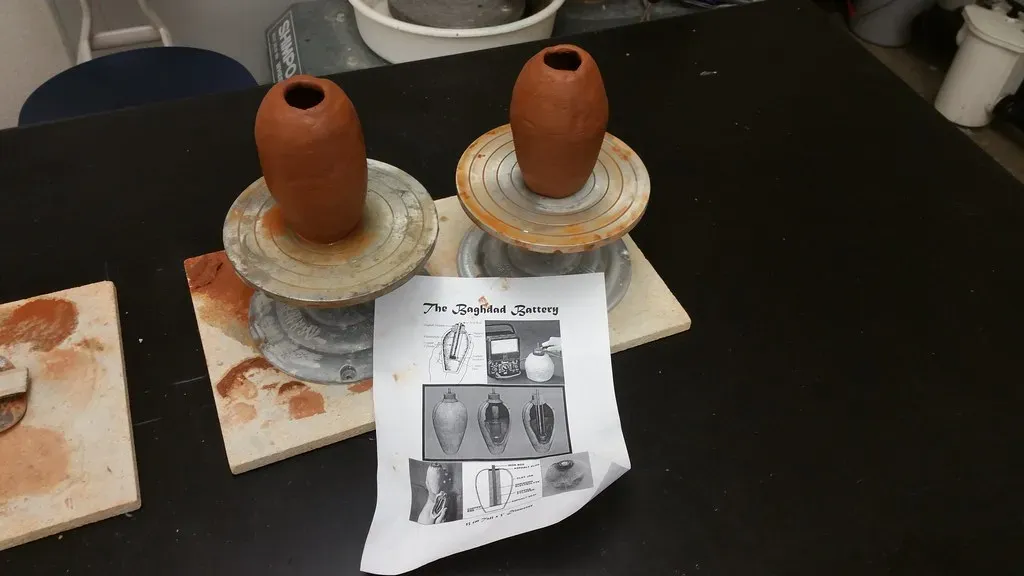
Let’s be real, this one sounds like science fiction. Unearthed in 1936 near the ruins of Ctesiphon, this assembly of a ceramic pot, copper tube, and iron rod presents a puzzle that has baffled the scientific community for nearly a century. It consists of a clay jar containing a copper cylinder and an iron rod. When filled with an acidic liquid, the device could generate a small electrical charge. While its exact function remains debated, many scholars suggest it may have been used for electroplating. This artifact suggests that the Persians had some understanding of electrochemical processes long before the modern discovery of electricity.
The Baghdad Battery remains a contentious topic in archaeological circles, with established academia viewing it with skepticism as more likely a mundane artifact than an ancient electrical device. While prevailing opinion leans towards conventional uses such as storage, alternative historians and enthusiasts of ancient mysteries find its enigmatic nature captivating, proposing speculative theories about its potential as a primitive electrical device or for electroplating. It’s hard to say for sure what it was really used for, but the mere fact that it can generate electricity at all is extraordinary. The debate keeps going – and honestly, that’s what makes it so fascinating.
The Lycurgus Cup: Ancient Nanotechnology in a Drinking Glass

Created in the 4th century AD by ancient Roman craftsmen, the Lycurgus Cup is the epitome of their ability and eye for detail. Made from dichroic glass, meaning it shows different colors when lit from different directions, this cup is simply stunning due to its incredible detail. In fact, the level of craftsmanship and the effort required to create it continues to puzzle modern scientists, as they can describe the methods of creating it as nothing other than ancient nanotechnology.
Think of it like this: the cup glows a deep green in reflected light, then shifts to a vivid blood red when you shine a light through it from behind. That effect is caused by nanoparticles of gold and silver embedded into the glass in exact ratios, something that modern materials science only mastered in the 20th century. The Romans somehow knew how to manipulate matter at the nanoscale without electron microscopes, clean rooms, or any of the tools we consider essential today. Modern science plays a crucial role in uncovering the secrets of ancient lost technologies. Researchers use tools such as X-ray imaging, 3D modeling, and chemical analysis to study artifacts without damaging them. These advanced methods allow scientists to understand the materials, construction techniques, and possible uses of ancient devices. Even with all of that, fully replicating the Lycurgus Cup remains out of reach.
The Nazca Aqueducts: Waterworks in the World’s Driest Desert
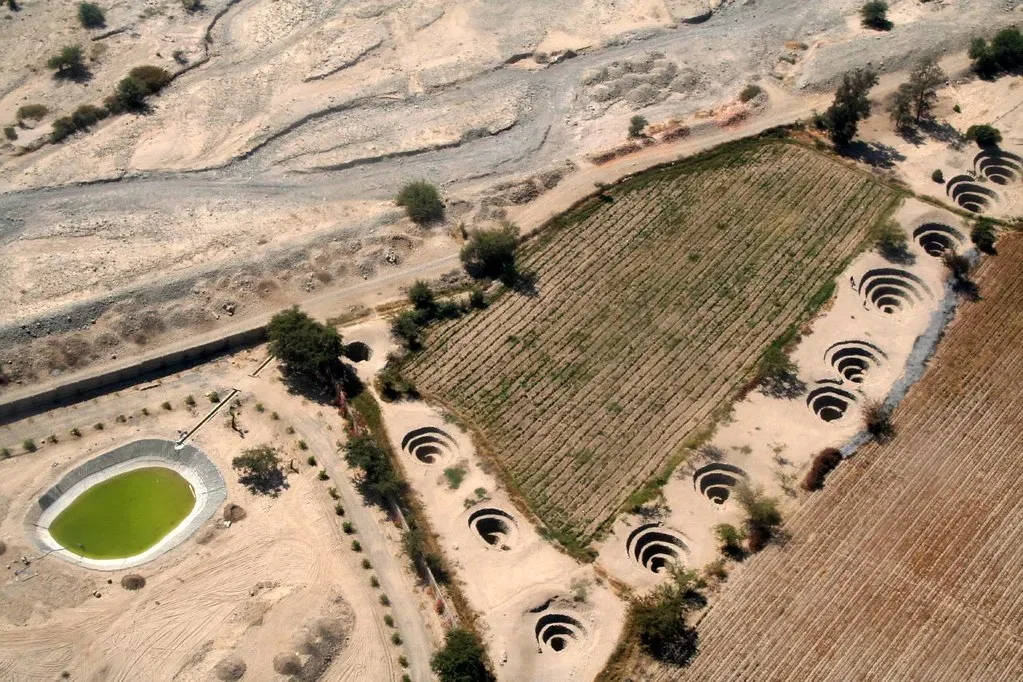
Imagine engineering a functional water distribution system in one of the most parched environments on Earth, with no computer models, no geological surveys, and no modern drilling equipment. The Nazca people built underground aqueducts in Earth’s driest deserts that function perfectly without any maintenance. Zero maintenance. For centuries. That is an engineering benchmark that most modern infrastructure cannot come close to matching.
Lacking suitable beasts of burden, these civilizations produced advanced engineering including above-ground and underground aqueducts, quake-proof masonry, artificial lakes, dykes, pressurized water, roadways, and complex terracing. The sheer breadth of that list is staggering. These were not simple solutions to simple problems. These were complex hydraulic systems designed by people who understood the land, the water table, and seasonal rainfall patterns in ways that took modern engineers decades of technological advancement to appreciate. The Nazca didn’t just survive the desert; they tamed it.
Sacsayhuaman: Interlocked Megaliths No Crane Could Easily Move
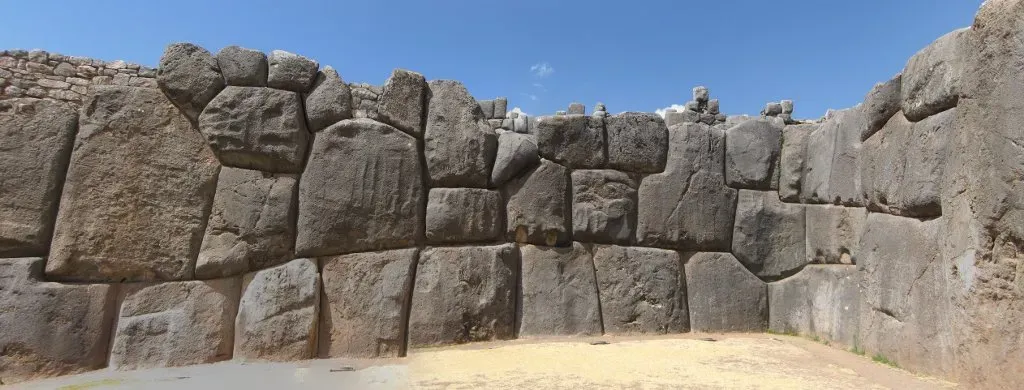
The structure at Sacsayhuaman consists of three stone boulder walls that interweave in a puzzle-like pattern. The skill required to build this structure is impressive even by today’s standards because the stone boulders are so precisely interconnected that it is virtually impossible to push even something as thin as a piece of paper between them. The boulders were excavated from a quarry located three kilometers away and moved to their current location using an unknown transportation system. The boulders are huge and heavy, with the largest tipping the scales at about 120 tons.
In Peru and Bolivia, sites like Sacsayhuaman, Ollantaytambo, and Tiahuanaco display masonry so precise that some researchers argue it exceeds what modern construction tools can achieve on-site. Moving 120-ton blocks across uneven Andean terrain without wheels, cranes, or steel cables is something that modern engineers openly admit they’d struggle to replicate. At Ollantaytambo, megalithic blocks were hauled down from a nearby quarry across a river and up a steep incline – something modern engineers would hesitate to replicate even with cranes. The fact that it was done thousands of years ago with what we assume were primitive tools remains one of history’s greatest engineering head-scratchers.
Conclusion
What ties all nine of these technologies together is a simple, humbling truth. What all these mysteries point toward is the possibility that the timeline of technological development may be far more complex than we’ve imagined. Rather than a slow and linear climb from primitive tools to smartphones, history may be a series of waves – periods of innovation, collapse, and rediscovery. Ancient peoples were not waiting for us to invent the future. In many cases, they were already living in it.
By bridging the past and present, science not only preserves history but also inspires innovation by rediscovering forgotten technologies that could have modern applications. Exploring ancient lost technologies reveals how innovative and advanced early civilizations truly were. From concrete that heals itself, to a Greek computer that tracked the cosmos, to iron that refuses to rust – these are not flukes. They are proof that human genius is not a modern invention.
Next time you walk past a crumbling bridge or a potholed road, remember: somewhere out there, an ancient aqueduct is still quietly doing its job without anyone even looking after it. What does that say about us? Tell us what you think in the comments below.
Hi, I’m Andrew, and I come from India. Experienced content specialist with a passion for writing. My forte includes health and wellness, Travel, Animals, and Nature. A nature nomad, I am obsessed with mountains and love high-altitude trekking. I have been on several Himalayan treks in India including the Everest Base Camp in Nepal, a profound experience.