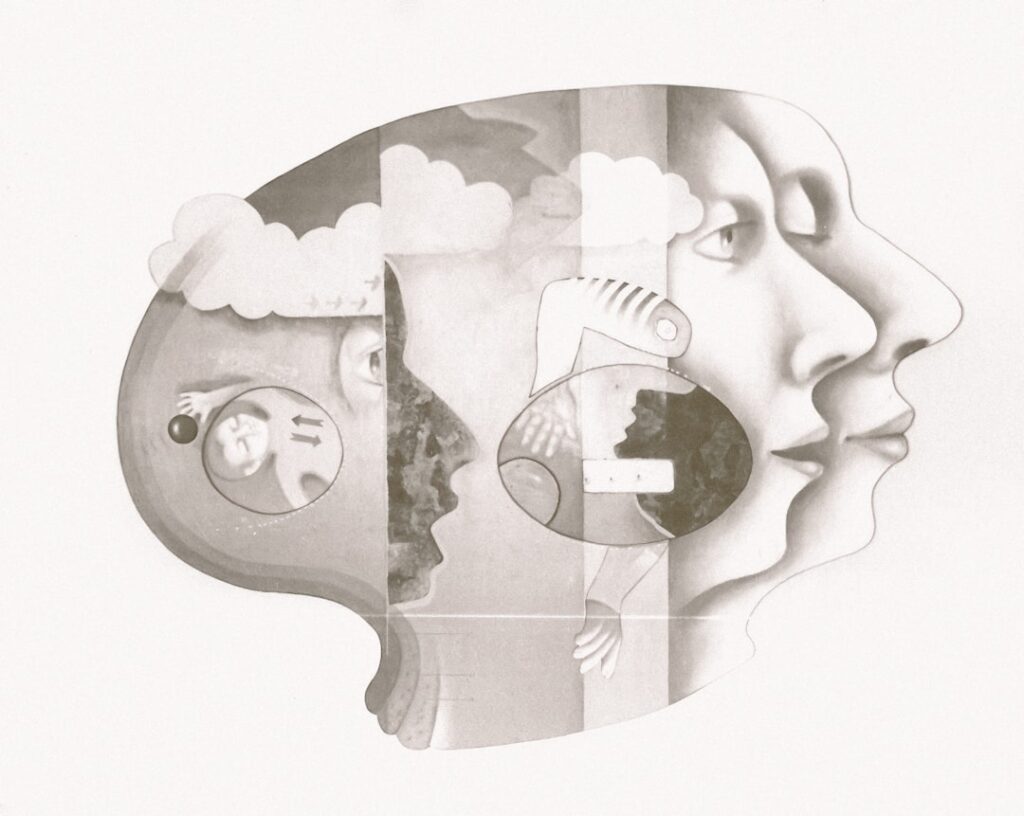

Every night, your brain tells you wild, vivid, often completely bizarre stories – and then, most mornings, it quietly erases almost all of them. For something we all do for years of our lives, dreaming is still strangely mysterious, and that mystery can feel a bit unsettling. Why would evolution keep such an energy-hungry habit around if it didn’t matter?
In the last few years, though, sleep scientists have made real progress. Using brain scans, sleep labs, and massive datasets from sleep apps and wearables, they’re starting to piece together what dreams might actually be doing for us. The answers are not simple, but they’re far more fascinating than the old idea that dreams are just random nonsense.
Are Dreams Your Brain’s Overnight Therapist?

Imagine your brain as a cluttered desk at the end of a long day full of arguments, worries, and awkward moments. One leading theory says dreams are your built‑in overnight therapist, quietly sorting emotional chaos while you sleep. Studies show that the parts of the brain involved in processing feelings – especially fear, reward, and social pain – light up intensely during dreaming, even while logic and self‑control areas are dialed down.
Researchers have found that when people dream specifically about emotional events, they often wake up less distressed by them. It’s as if the brain replays difficult experiences, but in a safer, muted way, stripping away some of the emotional sting. That might explain why after a rough breakup, you keep dreaming about your ex until it suddenly stops bothering you as much. The nightmare phase can feel brutal, but it might be your brain doing deep repair work in the background.
Dreams as the Brain’s Memory Editor and Compression Engine

Another powerful idea is that dreams help your brain decide what to keep, what to delete, and what to turn into long‑term knowledge. During certain sleep stages, the brain replays patterns of activity from the day – almost like watching little highlight reels in fast‑forward. Sleep labs have repeatedly shown that people who get dream‑rich sleep tend to remember new information better and perform more accurately on skills they practiced the day before.
Some scientists now think of dreaming as a kind of mental compression: the brain takes the messy details of your day and repackages them into general rules, concepts, and stories. That might be why your dream about studying for an exam morphs into being chased through an endless school hallway – it’s not about the exact hallway, but the feeling of pressure and performance. In this view, dreams are the brain’s way of editing the movie of your life down to the scenes worth saving.
Predictive Processing: When the Brain Tests Its Own Model of Reality

There’s a growing theory in neuroscience that the brain is basically a prediction machine. All day long, it guesses what will happen next – what you’ll see, hear, feel – and then updates those guesses when it’s wrong. At night, cut off from most real‑world input, the brain doesn’t just shut down; it keeps testing that internal model of reality in a kind of offline simulation, which we experience as dreaming.
From this angle, dreams look less random and more like stress tests for your internal world‑model. The brain throws weird combinations together – like your childhood home, your current partner, and a talking dog – not because it’s broken, but because it’s exploring the edges of what’s possible. It might be trying out “what if” scenarios, checking how its model reacts when the usual rules are bent or broken. That could help explain why dreams feel so real in the moment, even when they make zero sense afterward.
Emotional Threat Rehearsal: Why Nightmares Might Be Survival Training

As miserable as nightmares are, some researchers argue they may have a harsh kind of purpose. One long‑standing idea is that dreams are our built‑in threat simulator – a virtual training ground where we practice escaping danger, dealing with conflict, and handling worst‑case scenarios. When scientists analyze the content of dreams, they often find far more negative situations than positive, especially themes like being chased, attacked, or socially rejected.
From an evolutionary perspective, that bias might make sense. In a dangerous environment, a brain that spends the night rehearsing how to react to threats could give you a slight edge when something bad actually happens. Even today, people who go through trauma often report repetitive nightmares that replay elements of the event. Crippling as that can feel, some therapists think those dreams are the brain’s desperate attempt to gain a sense of mastery over the fear, even if it does not always succeed.
Creativity, Insight, and the Strange Power of Sleeping on It

Everyone has that experience where a solution appears after a good night’s sleep, as if your brain kept working while you were off‑line. There is growing evidence that dreaming helps the brain make distant, unusual connections – exactly the kind of thing creativity thrives on. Brain regions that usually keep your thoughts tidy and censor the weird ideas are less active during dreams, while associative and visual areas run wild.
That loosening of control might allow knowledge from different parts of your life to collide in new ways. People who are encouraged to reflect on their dreams sometimes report fresh angles on personal problems or creative projects afterward, not because the dream was prophetic, but because it mixed the raw materials differently. It’s like your mind becomes a late‑night improv group, throwing ideas together until something unexpectedly useful shows up on stage.
What Sleep Tracking Is Revealing About How Often and How Vividly We Dream

For a long time, most dream research depended on people stumbling into sleep labs with wires glued to their heads. Now, with millions of people wearing smartwatches and sleep trackers, scientists suddenly have access to a huge amount of indirect data about sleep stages. While these devices are not perfect medical tools, they do give a rough picture of how much time people spend in the phases of sleep where vivid dreaming usually happens.
Early analyses suggest that modern lifestyles – late‑night screen use, stress, irregular schedules – may shift or reduce some of that dream‑rich sleep for many people. At the same time, people who are chronically short on sleep often report intense, vivid dreams once they finally crash, almost like a rebound effect. That pattern lines up with lab findings that the brain fights hard to preserve certain stages of sleep, including the ones tied to dreaming, even when total sleep time is cut. Your brain seems strangely unwilling to give up dreams entirely.
Why We Still Don’t Have One Final Answer – and Why That’s Okay

Even with brain scans, big datasets, and careful experiments, sleep scientists still have not landed on a single, neat explanation for why we dream. The evidence increasingly points toward a mix of overlapping roles: emotional processing, memory editing, threat rehearsal, creative recombination, and model testing all happening in different ways, on different nights, in different people. That might sound unsatisfying, but the brain is rarely devoted to just one job, and evolution tends to recycle good tricks wherever it can.
What’s becoming harder to defend is the old view that dreams are just meaningless mental noise. The patterns are too consistent, the links to emotional health and memory too strong, for that. For now, the most honest answer is that dreams look like a multi‑tool: not one single function, but several, bundled into a nightly, immersive show your brain refuses to stop producing. When you close your eyes tonight and the first strange scene begins to unfold, what do you think your mind will be working on?