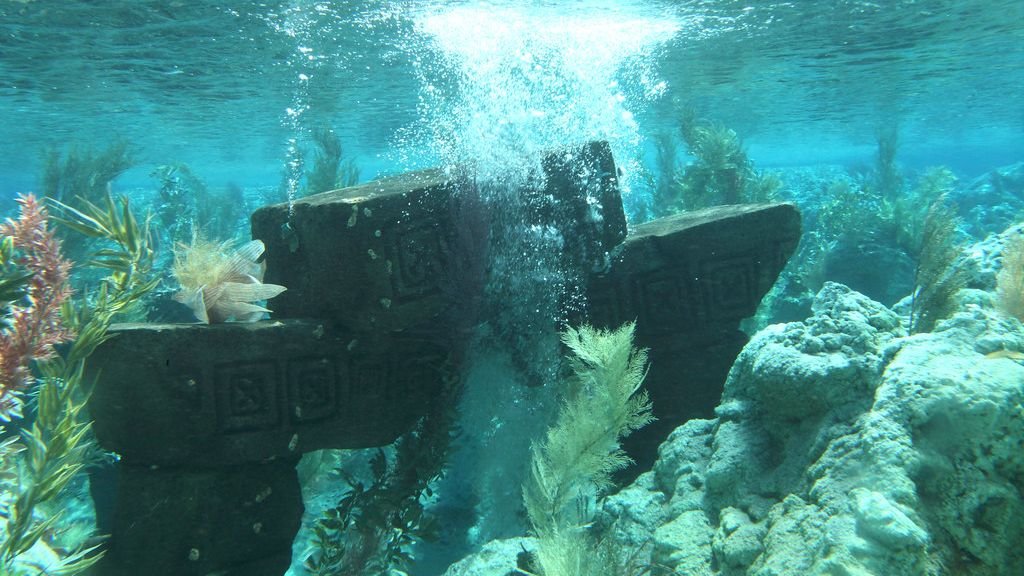

Every few years, a new theory about Atlantis explodes into the headlines, promising to finally reveal the truth about the legendary sunken city. Most of them fade just as fast. Yet recently, a mix of high-tech ocean mapping, satellite archaeology, and fresh looks at old texts has given the Atlantis story an unexpected second life. The line between pure myth and possible history suddenly looks a lot thinner than it used to.
Atlantis still sits in that strange space between fairy tale and plausible ancient memory, but the evidence has become harder to ignore. We’re not talking about crystal pyramids and underwater UFOs, but real geological scars, buried coastal cities, and catastrophic events that could easily have fueled a legend. The question is no longer just “Was Atlantis real?” but “What real places and disasters are hiding inside this myth?”
The Ancient Story That Refuses To Die
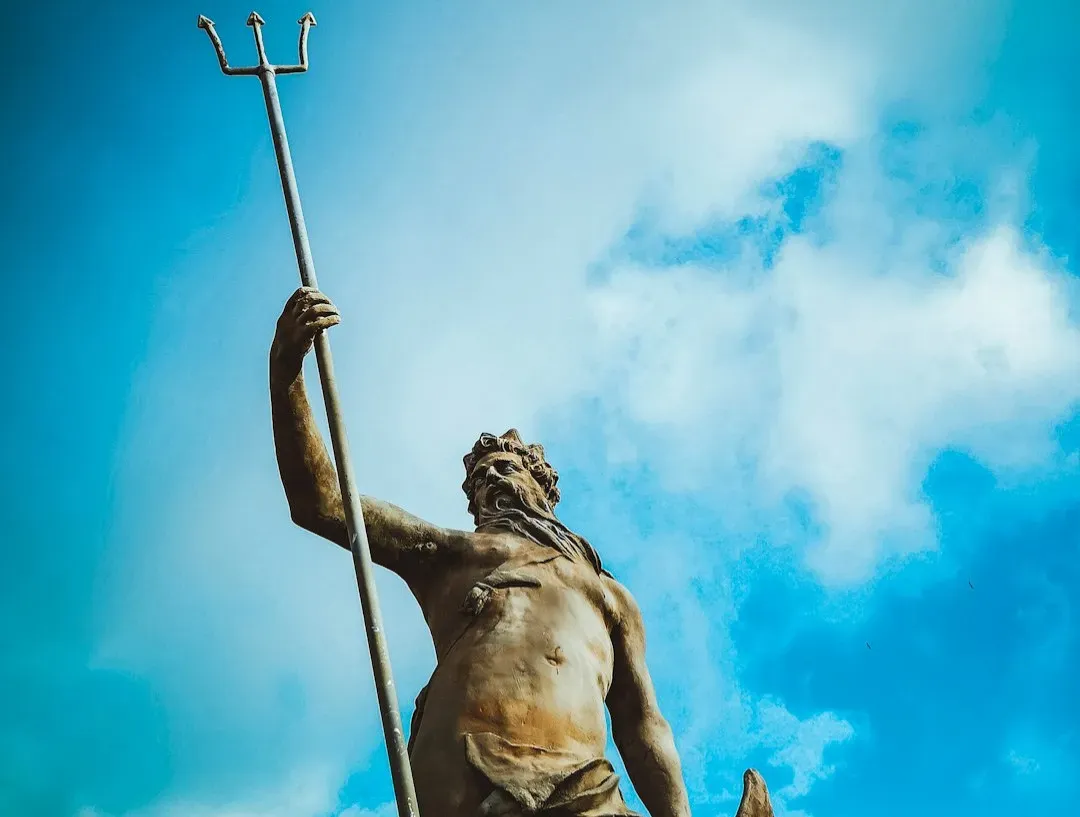
Atlantis enters history through one narrow door: the writings of the Greek philosopher Plato, more than two thousand years ago. In two dialogues, he describes an advanced maritime power beyond the Pillars of Heracles that fell in a single, terrible day and night of earthquakes and floods. For centuries, many scholars treated this as pure allegory, a moral tale about arrogance and hubris dressed up as history. Still, the level of detail he used has always bothered people who suspect there’s more to it than just a fable.
The stubborn survival of the Atlantis story is part of what makes it so unsettling. It pops up in medieval maps, Renaissance debates, and modern pseudoscience, constantly shape-shifting but never disappearing. Even when archaeologists and historians try to bury it, it keeps resurfacing – usually in new clothes, updated with the latest science or the latest conspiracy twist. It’s like an echo that refuses to fade, and that alone makes people wonder if it reflects some real, half-remembered catastrophe from humanity’s deep past.
New Eyes From Space And Under The Sea
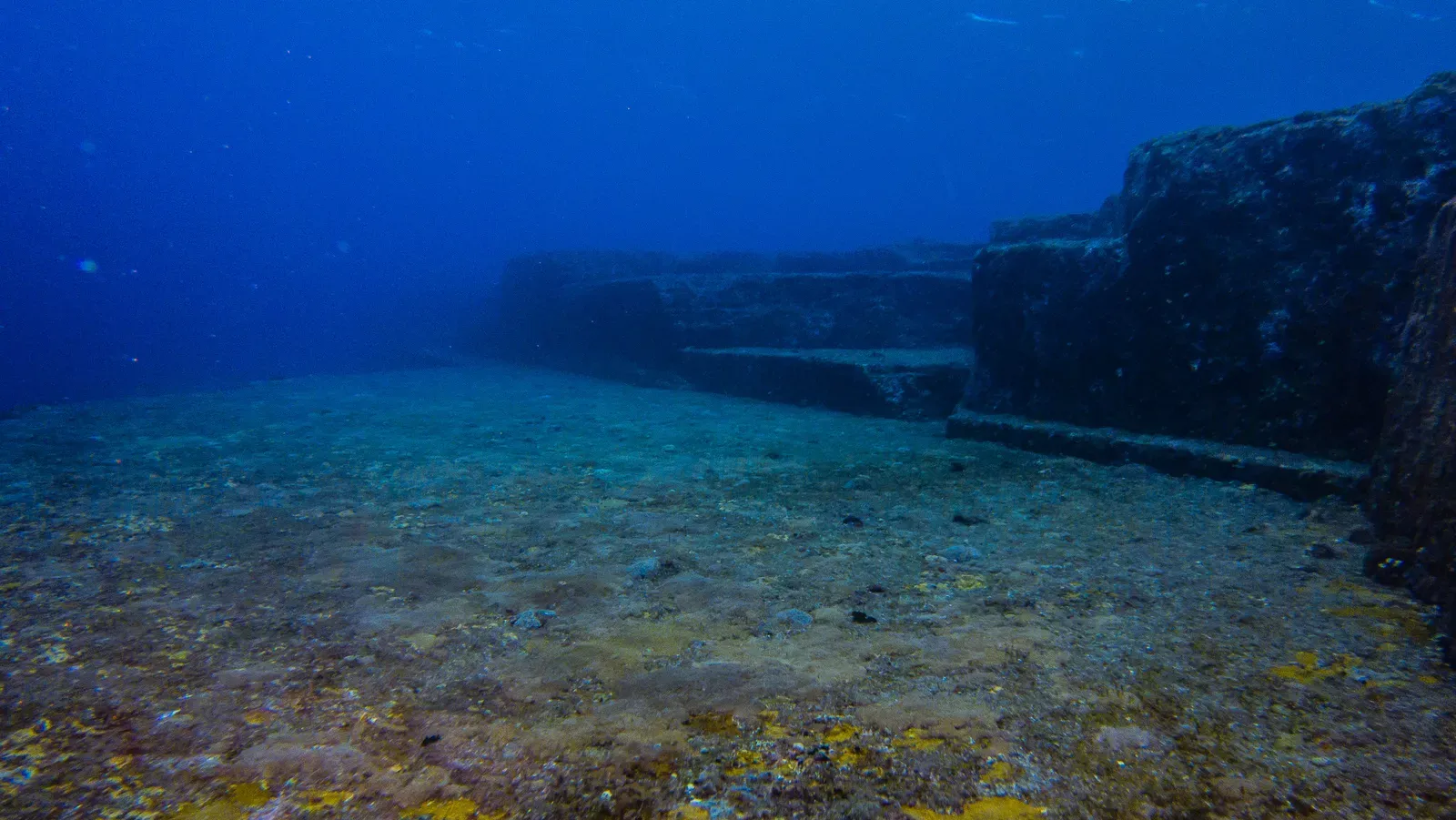
In the last decade, the hunt for Atlantis quietly moved from dusty bookshelves to high-powered sensors, satellites, and underwater robots. Satellite-based radar and optical imaging can now see through vegetation, shallow water, and even some soil layers, revealing forgotten roads, harbor walls, and foundations. At the same time, multi-beam sonar has begun to map the seafloor in fine detail, turning vague blue regions on old maps into textured, three-dimensional landscapes. Suddenly, lost coastlines and submerged plains that would’ve been home to ancient communities are being charted for the first time.
This technology has already revealed entire drowned prehistoric settlements along coasts in Europe, the Middle East, and Asia. None of them, on their own, “prove” Atlantis, but they smash the comforting idea that the sea has always looked the way it does today. A surprising amount of human history lies under water, and we’re only just beginning to read it. When you see that pattern – villages, harbors, fields all swallowed by rising seas – it becomes a lot easier to imagine how one especially dramatic disaster might grow, over centuries, into a legend about a magnificent island that vanished overnight.
Santorini, Tsunamis, And The Bronze Age Shockwave
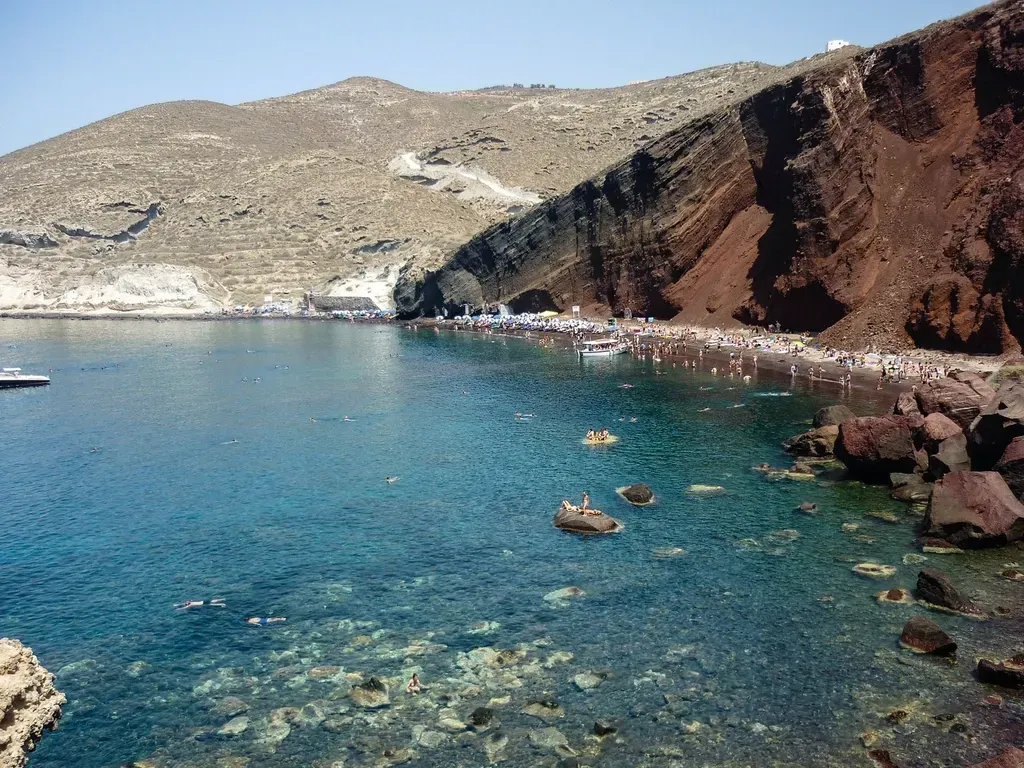
One of the most serious candidates for a real-world Atlantis link is the eruption of the volcanic island now known as Santorini, in the Aegean Sea. Around the middle of the second millennium BCE, that volcano tore itself apart in an explosion so violent it left a massive caldera and likely sent towering tsunamis crashing across the eastern Mediterranean. Archaeological digs on Santorini show a sophisticated Bronze Age city, Akrotiri, preserved under ash: multi-story buildings, elaborate art, high-quality engineering. It looks eerily like the kind of advanced island society Plato described, minus the mythology.
Some researchers argue that the shock of that eruption, combined with the damage it may have done to nearby Minoan civilization on Crete, sent cultural and economic ripples across the region. Memories of vanished islands, flooded ports, and sudden ruin could easily have been retold, reshaped, and relocated over a thousand years before Plato wrote his dialogues. While the timelines and geography don’t line up perfectly with his story, the core emotional ingredients are all there: a proud maritime culture, a volcanic island, and a catastrophic end delivered by the sea. Whether or not Santorini is “Atlantis,” it proves that such a story didn’t have to be invented from thin air.
Drowned Shores And The Lost World Of Doggerland
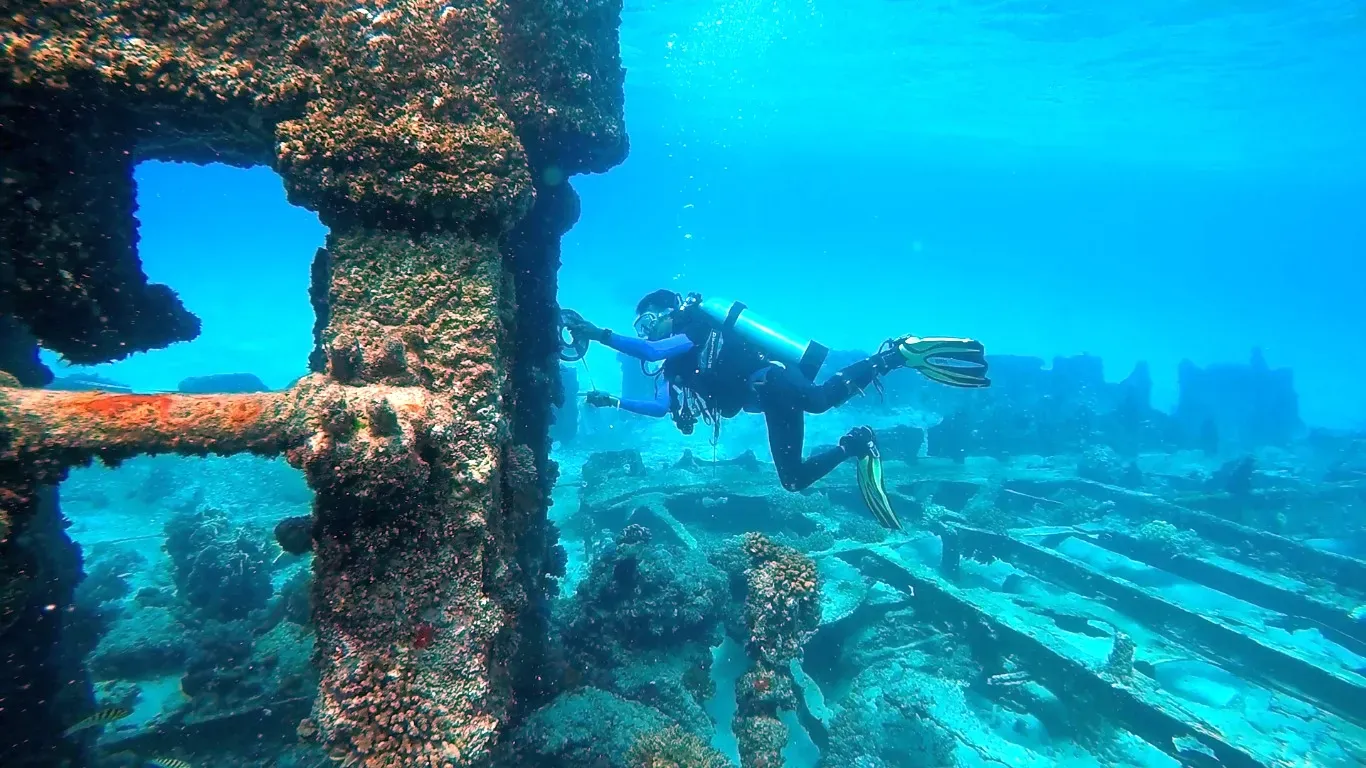
If you really want to feel the ground shift under your assumptions, look at Doggerland, the now-submerged land that once linked Britain to mainland Europe. During the last Ice Age and the early Holocene, this area was dry, rich in wildlife, and likely home to human communities. As sea levels rose after the ice sheets melted, this low-lying landscape gradually vanished beneath the North Sea. Fishing trawlers have pulled up prehistoric tools, bones, and even pieces of ancient forests, silent evidence of a world that used to be there.
What makes Doggerland so important for the Atlantis debate is not that it’s the lost city itself, but that it’s proof we’ve already lost entire regions where people once lived. To those communities, the advancing sea would have been terrifying, unstoppable, and deeply memorable. As coastlines shrank and villages were abandoned, oral traditions would have carried stories of the lands that the ocean stole. It isn’t hard to see how, stretched across distances and generations, those memories could transform into tales of powerful kingdoms and cities swallowed in a single, punishing flood.
Ancient DNA And The Mystery Of “Sudden” Civilizations
Another quiet revolution reshaping the Atlantis conversation is happening in genetics labs, not on the seafloor. Ancient DNA studies have shown that populations in Europe, North Africa, and the Near East have blended, migrated, and reshuffled far more than older models suggested. Instead of isolated, static cultures, we see webs of contact across seas and deserts, with ideas and people moving surprisingly fast. This makes the idea of a dynamic maritime culture, trading and influencing distant regions, much more plausible than it might have sounded a century ago.
At the same time, archaeology has demolished the notion that complex societies appeared suddenly out of nowhere. What sometimes looks like an overnight jump in sophistication is usually the result of layered influences, technology shared across cultures, and local innovation over centuries. To me, that takes a lot of the “mystical” shine off Atlantis and replaces it with something more interesting: the possibility that Plato’s tale compresses the rise and fall of interconnected coastal cultures into a single symbol. Instead of hunting for a single lost city, we might be chasing the ghost of an entire network of seafaring peoples whose ports and stories were scattered by climate and catastrophe.
Myths As Distorted Memory, Not Pure Fantasy
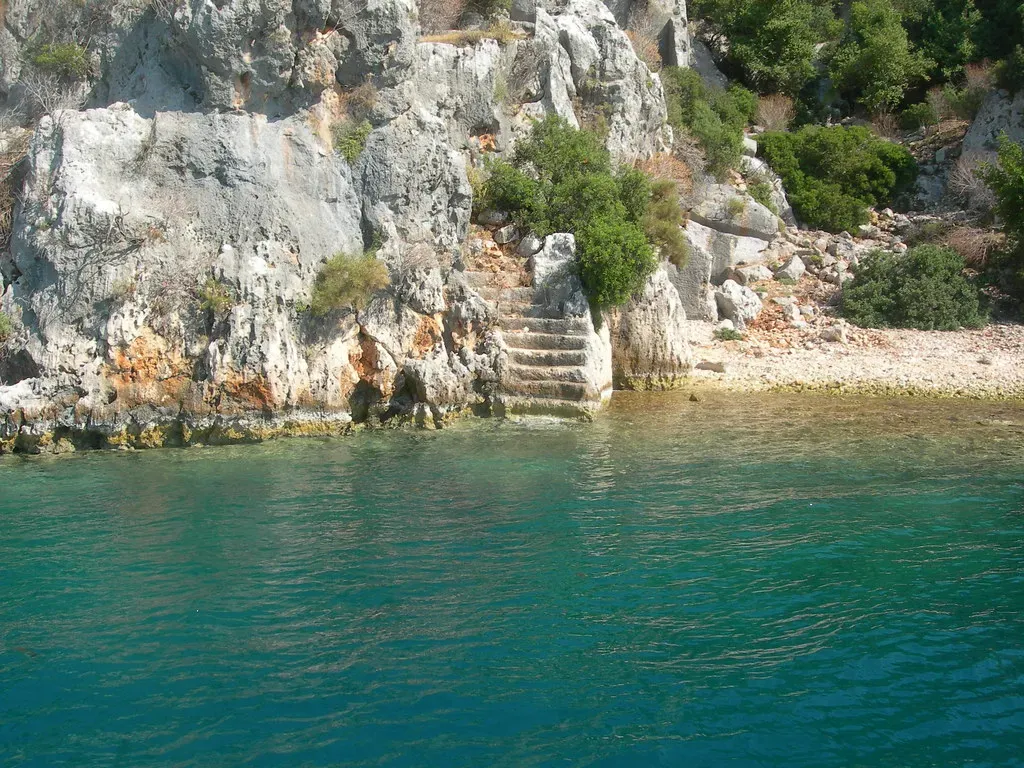
One of the biggest mistakes people make with Atlantis is treating it as either totally true or totally false. Modern research into oral traditions shows that myths can preserve fragments of real events for astonishingly long periods, even when the details become wildly distorted. Stories of great floods appear in cultures on every inhabited continent, and while they’re wrapped in different religious and cultural clothing, they often share a recognizable core: water rising, land vanishing, and a society forced to change or flee. It’s not hard to see how repeated coastal disasters could fuse into a single, dramatic story of loss.
When I started paying attention to this pattern, I stopped seeing Atlantis as a simple yes-or-no question. Instead, it feels more like a collage made from many true things: earthquakes, tsunamis, volcanic eruptions, sea-level rise, and the painful memory of homes left behind. Plato might have shaped and exaggerated the material to serve a philosophical point, but that doesn’t mean his raw ingredients were entirely made up. Myths often work like a funhouse mirror, bending reality into strange shapes, yet still reflecting something real at the base. The trick is figuring out what that “something” really was without letting wishful thinking drive the search.
The Allure And Danger Of Wanting Atlantis To Be Real
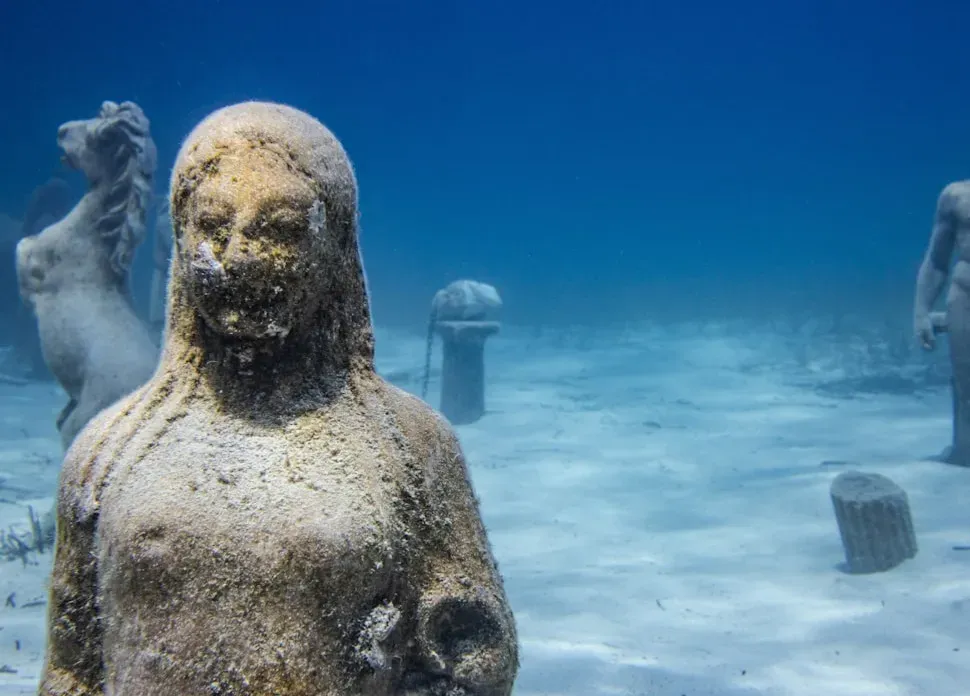
There’s also a very human reason we keep chasing Atlantis: we like the idea that there was once a civilization as advanced as, or even greater than, our own that vanished without a trace. It plays into both hope and fear at the same time. On one hand, it flatters us to imagine secret knowledge and forgotten technologies waiting to be rediscovered. On the other, it hints that even the most powerful societies can disappear almost overnight, swallowed by forces they thought they controlled. That double edge gives the legend an emotional punch that pure archaeology can rarely match.
The danger is that this longing for a lost golden age can distort how we read the evidence. People have tried to place Atlantis in the Atlantic, the Mediterranean, the Caribbean, Antarctica, and almost everywhere in between, usually by cherry-picking whatever facts support their favorite theory. When that happens, real science gets drowned out by elaborate stories that feel good but don’t hold up. The healthiest stance might be to accept that we may never find a neat, single answer, and that’s okay. The true value of the Atlantis question may lie in how it pushes us to look harder at our coasts, our myths, and our vulnerability to the same forces that may have inspired the story in the first place.
Listening To The Echo Instead Of Chasing The City
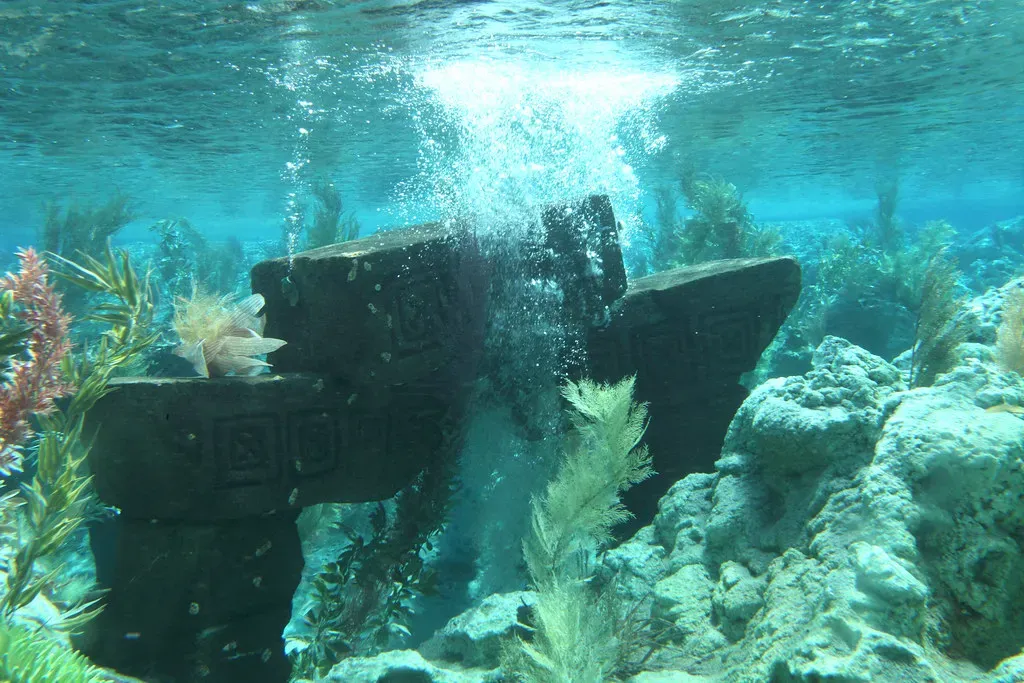
In the end, Atlantis might never emerge from the waves as a clearly mapped island with neat ruins and museum-ready artifacts. What we are uncovering instead is a deeper understanding of how fragile coastlines are, how many settlements the sea has already taken, and how human beings turn disaster into story. Underwater cities in the Mediterranean and Indian Ocean, drowned plains like Doggerland, and violent events such as the Santorini eruption all show that the ingredients for an Atlantis-like tale were very real in the ancient world. The legend may be less a lie and more a dramatic compression of countless small tragedies and a few colossal ones.
Standing in the present, with rising seas once again nibbling at our shores, the echoes of Atlantis feel less like distant fantasy and more like a quiet warning. Civilizations still cluster along coastlines, build glittering cities at the water’s edge, and trust that the ocean will behave. Maybe the real question isn’t whether a single lost city once sank, but whether we’re listening to what that legend is trying to tell us about our own future. If some future culture digs through our flooded ruins, what kind of story will they tell about us?