Every time you walk through a forest, you are stepping over one of the most sophisticated communication and supply networks on Earth. You just can’t see it. Beneath your feet, invisible threads of fungal life are busy exchanging nutrients, transmitting chemical signals, and linking the roots of trees together in ways that would have seemed like science fiction just a few decades ago. Honestly, the more you learn about it, the more it sounds like something lifted from an episode of a nature documentary you can barely believe is real.
This is the world of fungi, a kingdom so vast and so biologically ingenious that scientists are still racing to understand it. You will be surprised to discover just how deeply the fate of our forests, our food supply, and even our climate is intertwined with organisms most of us have never stopped to consider. Let’s dive in.
What Exactly Are Fungi? More Than Mushrooms
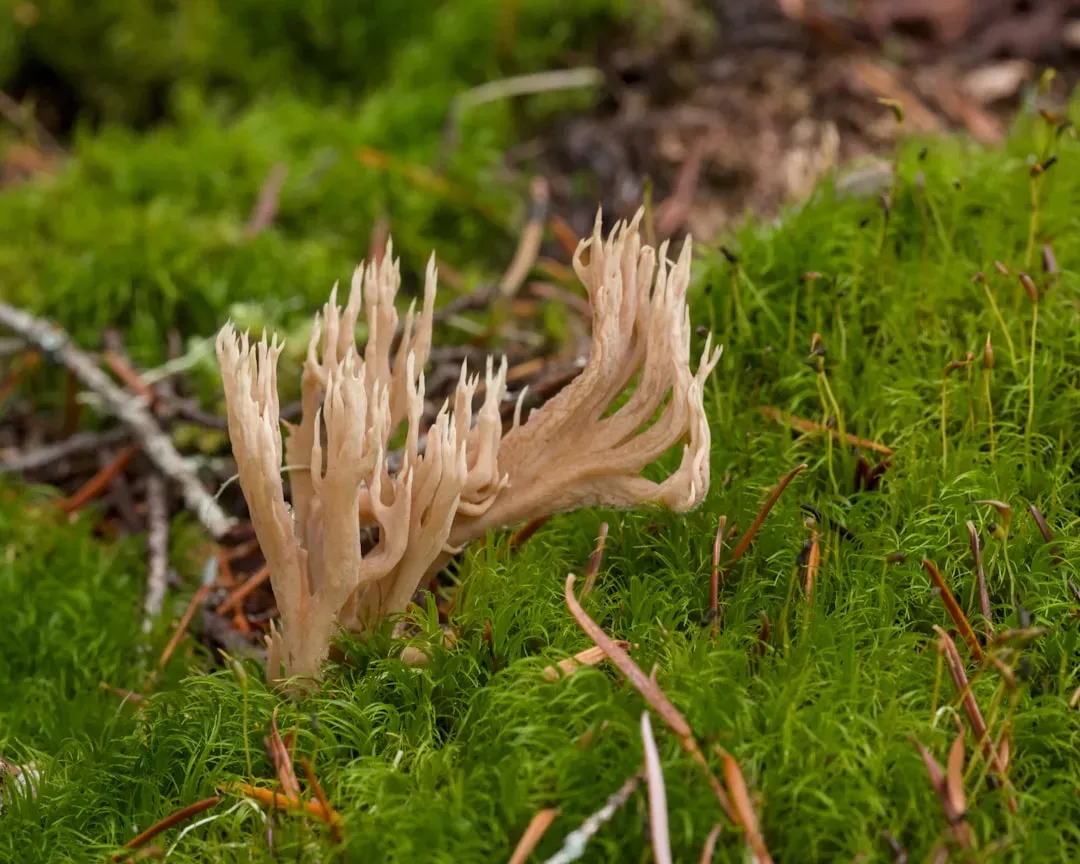
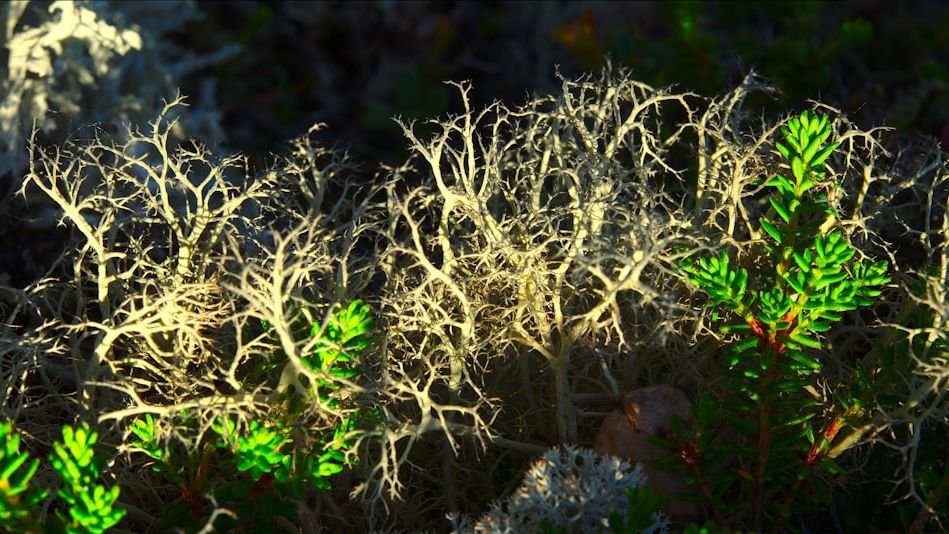
You might think of fungi as mushrooms on your pizza or the mold that appears on bread left out too long. The reality is far more astonishing. Fungi are a remarkably diverse group of organisms, encompassing a wide range of life forms from single-celled to very complex multicellular organisms, capable of being microscopic or presenting large fruiting bodies with underground systems that extend for miles or even hectares.
About 100,000 species have already been identified, but scientists estimate a vast number of species are yet to be catalogued, with the total number ranging from roughly 800,000 to nearly 4 million species. Think about that for a moment. We have only truly scratched the surface. Fungi constitute a separate kingdom of organisms, entirely distinct from plants, animals, and bacteria, and the fungal kingdom is vast and diverse, encompassing yeasts, molds, and mushrooms.
The Architecture of the Hidden Network: Mycelium and Hyphae
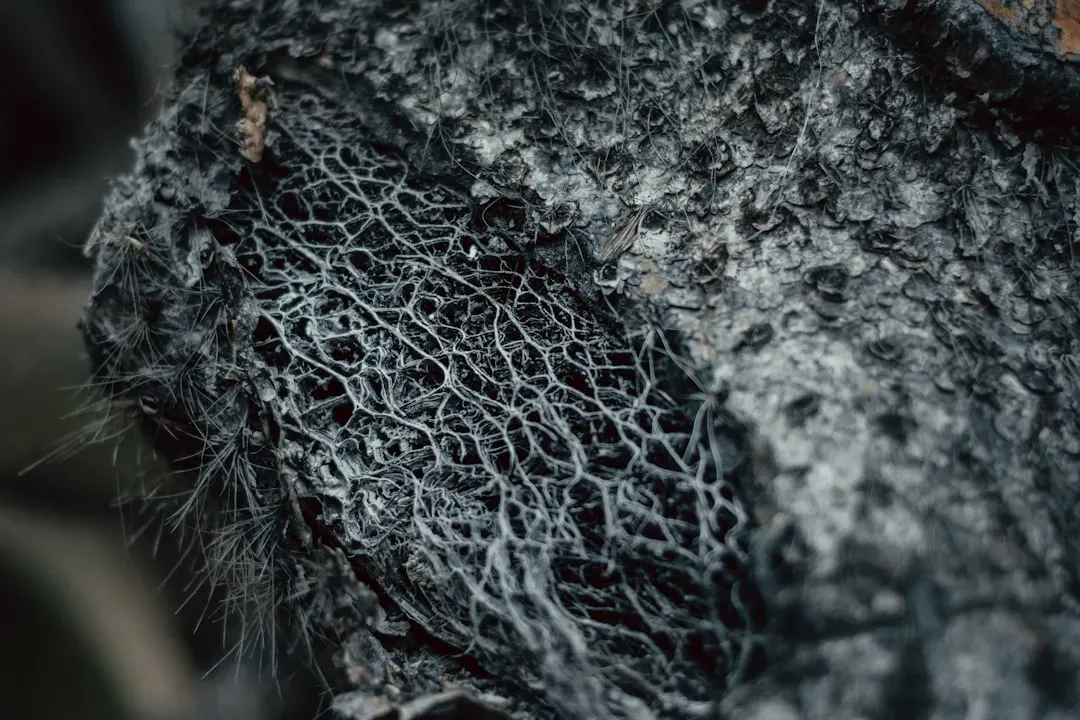
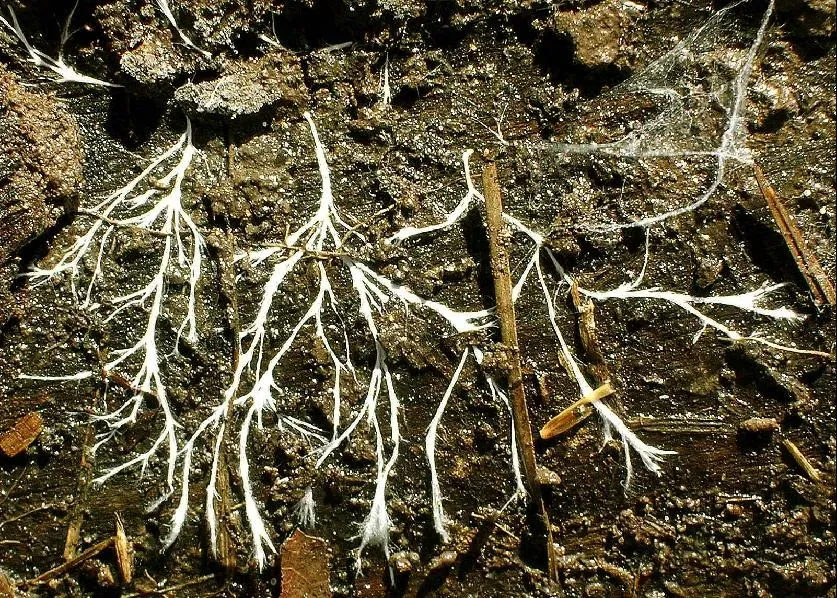
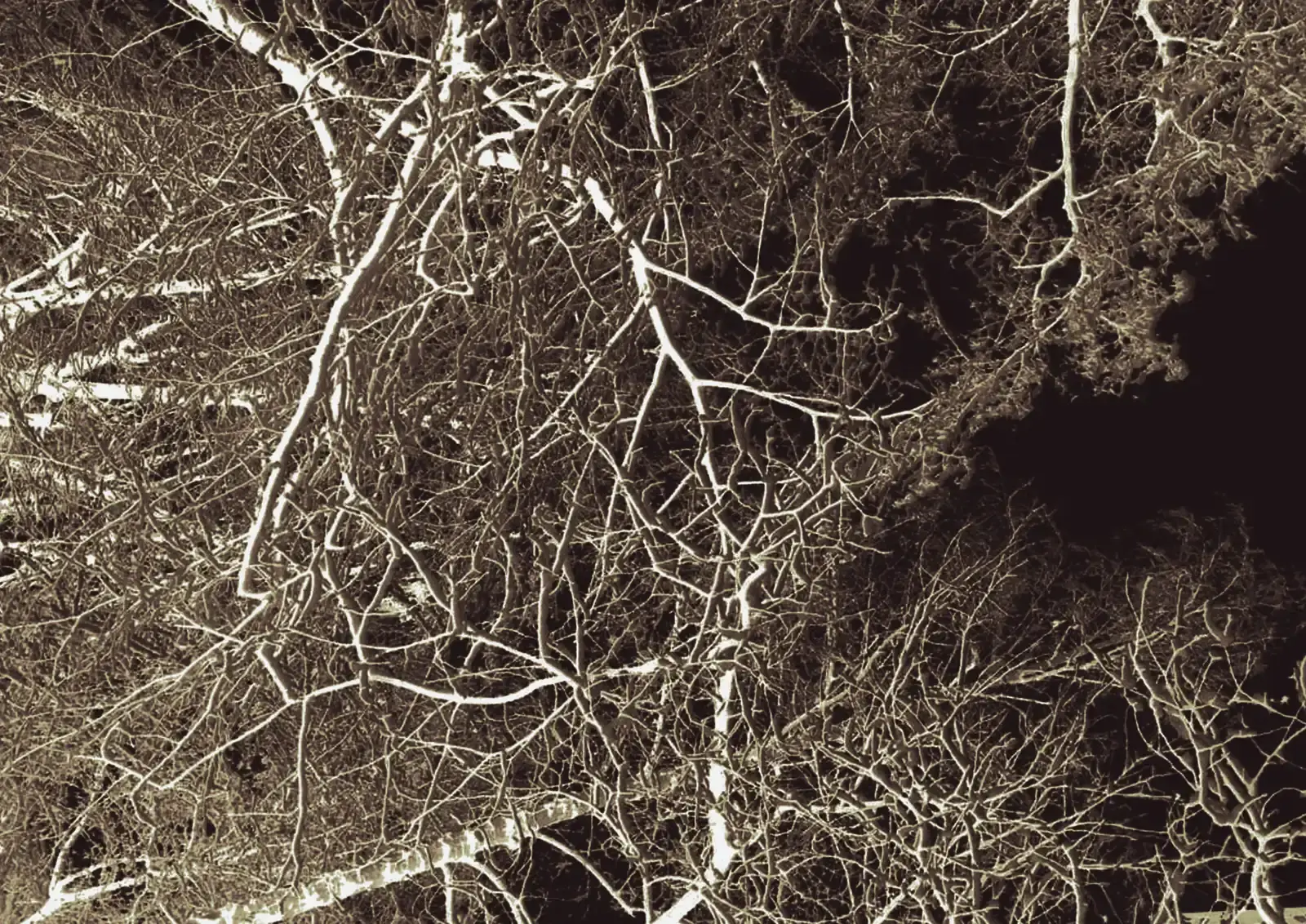
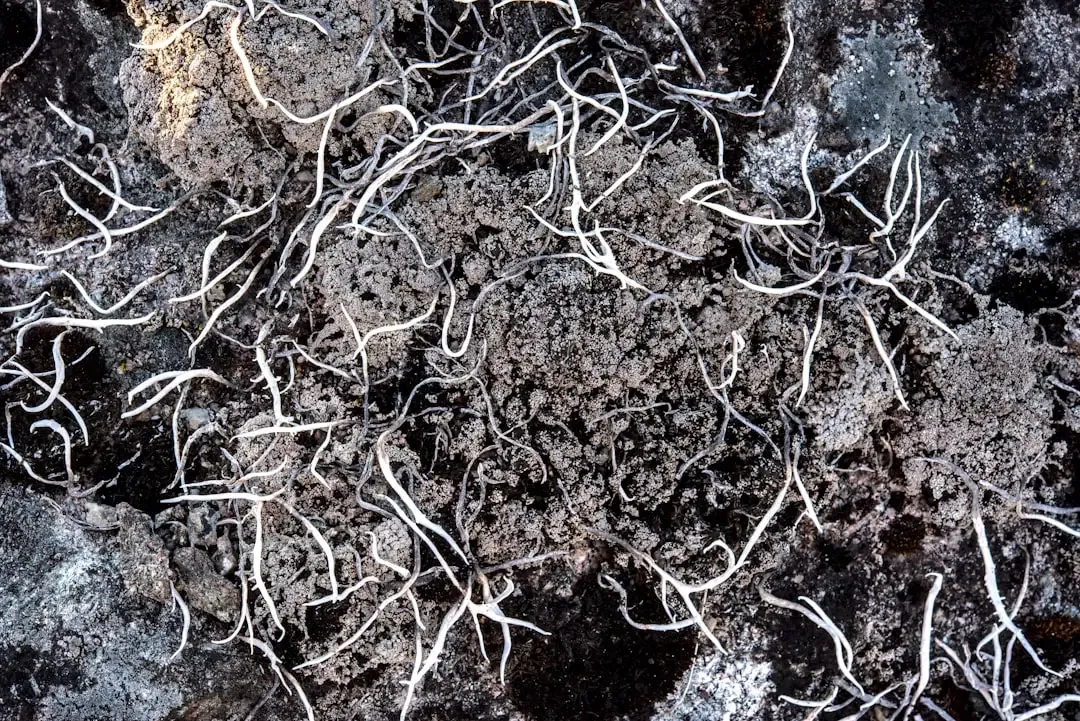
The mushrooms you see on the forest floor are actually just the “fruit” of the fungus, while the majority of the fungal organism lives in the soil, interwoven with tree roots as a vast network of mycelium. Mycelium are incredibly tiny “threads” of the greater fungal organism that wrap around or bore into tree roots, and taken together they compose what is called a mycorrhizal network, which connects individual plants together to transfer water, nitrogen, carbon, and other minerals.
Mycorrhizal fungi form nutritional symbioses with more than four out of every five plant species on Earth and build extensive underground hyphal networks that can constitute more than a third of the living microbial biomass of soils. It is hard to wrap your head around that scale. Imagine a city-wide internet buried under every patch of forest, meadow, and agricultural field. That is approximately what you are dealing with.
The Wood Wide Web: How Trees Talk to Each Other
Mycorrhizal networks were discovered in 1997 by Suzanne Simard, professor of forest ecology at the University of British Columbia in Canada. Simard grew up in Canadian forests where her family had made a living as foresters for generations, and her field studies revealed that trees are linked to neighboring trees by an underground network of fungi that resembles the neural networks in the brain. That comparison to a brain is not poetic exaggeration. It is genuinely apt.
Trees share water and nutrients through these networks, and also use them to communicate. They send distress signals about drought and disease or insect attacks, and other trees can alter their behavior when they receive these messages. Research has found that plants have the same response when their neighbour is attacked, but only when their root systems are connected by these common mycorrhizal fungal networks. It is slow communication, more like a handwritten letter than a text message, but it appears to work.
Mother Trees and the Forest Economy
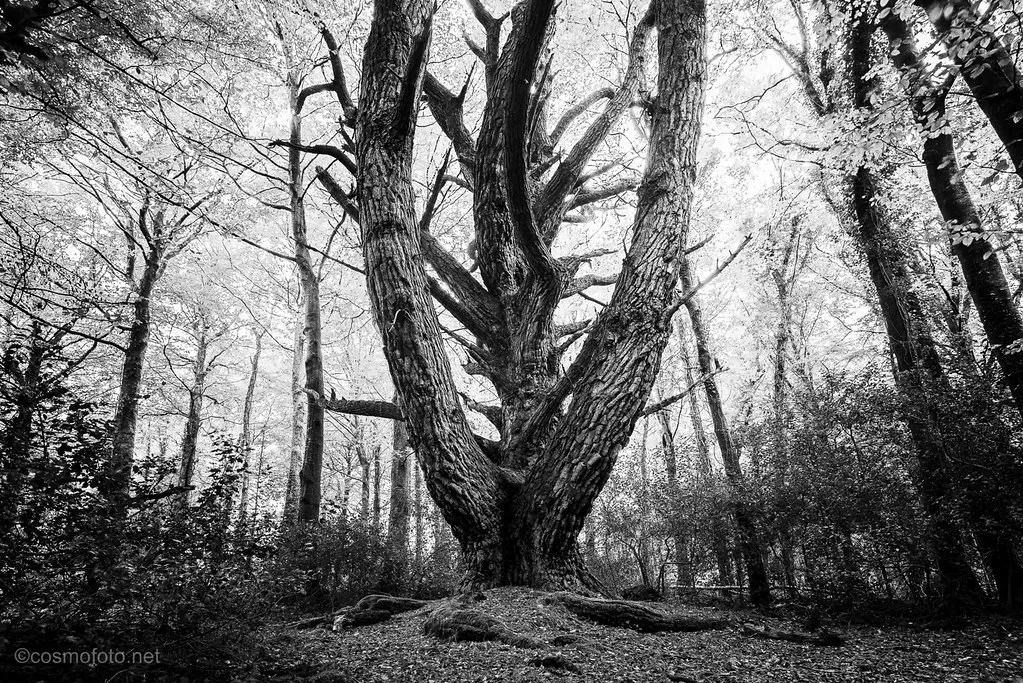
One of the most surprising discoveries is that trees actually share resources through this network. Older, larger trees, often called “mother trees,” can supply younger seedlings with carbon and other nutrients, enhancing their survival rates. Think of it like a family business, where the established elders support the youngest members until they can fend for themselves. That is a genuinely moving concept when you sit with it.
As a sort of payment for their services, the mycorrhizal network retains about a third of the sugar that the connected trees generate through photosynthesis. That sugar fuels the fungi, which in turn collects phosphorus and other mineral nutrients into the mycelium, which are then transferred to and used by the trees. Through the mycorrhizal network, hub trees can even detect the ill health of their neighbors from distress signals, and send them needed nutrients. It is not charity. It is a sophisticated, mutually beneficial economy.
Nature’s Recyclers: Fungi and the Nutrient Cycle
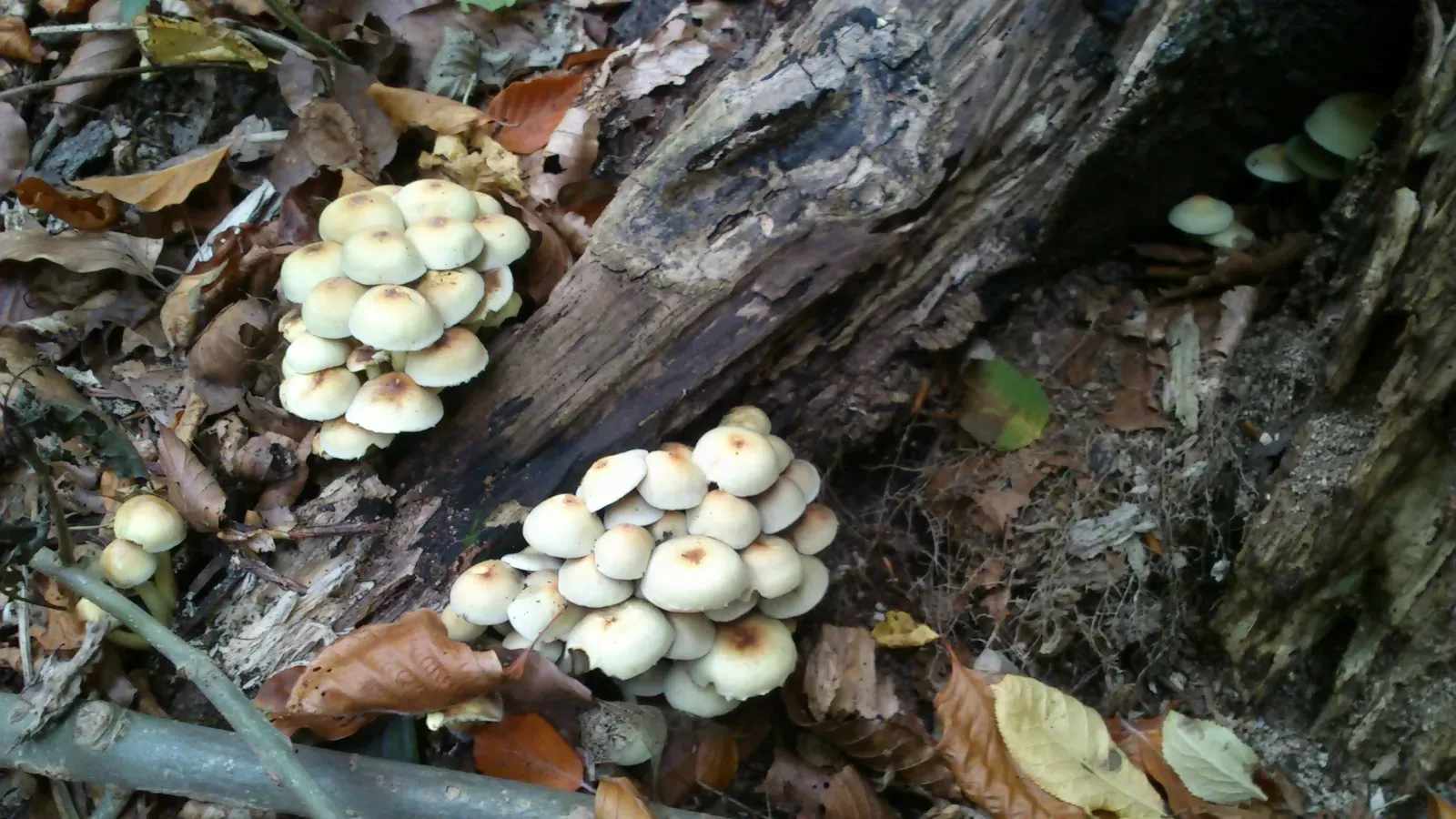
Fungi are the ultimate recyclers in nature, breaking down complex organic matter and returning vital nutrients to the soil. By secreting powerful enzymes, they efficiently decompose dead plant and animal material, accelerating the natural process of decay. This is a role so fundamental that life as we know it would grind to a halt without it. Imagine every fallen leaf and dead branch piling up indefinitely. That is a world without fungi.
Fungi play a critical role in the cycling of nutrients within ecosystems. By decomposing dead organic matter, they help release essential elements like carbon, nitrogen, and phosphorus back into the environment, a process essential for maintaining soil fertility and supporting the growth of plants and other organisms. Fungi, with their extensive mycelial networks, also play a role in maintaining soil structure itself, binding soil particles together, improving soil aggregation and porosity, which promotes water retention, aeration, and root penetration.
Fungi and Climate Change: An Unexpected Alliance
Researchers have estimated that fungi receive the equivalent of roughly 13 billion tons of carbon dioxide annually from plants, an amount equal to around a third of current annual fossil fuel emissions. That number is staggering. It means fungi are not a side story in the climate change conversation. They are potentially a central chapter. The sugars that plants transfer to fungi are essentially carbon pulled from the atmosphere during photosynthesis, and the fungi can then sequester this carbon in the soil in the form of fungal biomass, effectively locking away carbon that would otherwise contribute to global warming.
Together, plants and fungi perform a process called soil carbon sequestration, capturing carbon from the atmosphere and storing it in the soil for decades, if not hundreds of years. This important process not only improves soil fertility but can also help reduce the excess carbon human activities have put into the atmosphere. Enhancing and protecting fungal populations can involve practices such as reducing tillage, promoting organic farming, or protecting forest ecosystems. Here’s the thing: protecting forests is, among other things, protecting a massive carbon storage system.
Fungi in Agriculture: Nature’s Sustainable Farming Partner
Arbuscular mycorrhizal fungi play a crucial role in maintaining sustainable agroecosystems by forming mutualistic relationships with plant roots, improving soil health, facilitating nutrient uptake, and enhancing resilience to abiotic stresses. In an era of agricultural pressure, that reads less like a biological fact and more like a lifeline. The global agricultural sector faces significant challenges due to increasing demands from a growing population, limited arable land, and the environmental degradation caused by chemical inputs. As a potential solution, microbial inoculants, particularly arbuscular mycorrhizal fungi, offer an eco-friendly alternative to traditional fertilizers and pesticides, enhancing plant growth by improving nutrient and water uptake while protecting against stressors.
Ectomycorrhizal fungi play key roles in carbon and nutrient cycling, particularly nitrogen and phosphorus turnover and in soil stabilization, and they help trees withstand drought, heavy metals, and other stressors while improving water and nutrient absorption. The effectiveness of mycorrhizal fungi can be diminished by intensive farming practices such as excessive tillage, increased fertilizer and pesticide use, and monoculture. These practices can harm the fungi’s surroundings and reduce their ability to work effectively with plant roots. Growers can instead adopt sustainable practices like reduced tillage, organic farming, crop rotation, and cover crops to support fungal colonization. It is almost poetic that the remedy to so many agricultural problems has been living in the soil all along.
Conclusion: The Kingdom Beneath Your Feet
You do not need to be a botanist or a mycologist to feel a sense of wonder about what fungi do for the planet. Every breath of fresh air, every handful of fertile soil, every tree that survives a drought has, in part, a fungal network to thank. Mycorrhizal fungi are ecosystem engineers that sustain plant life and help regulate Earth’s biogeochemical cycles. That is not small. That is foundational.
What makes this even more pressing is what is at risk. Less than ten percent of predicted mycorrhizal richness hotspots currently exist in protected areas. You are now living in a world where the most vital biological infrastructure on the planet is, for the most part, left unprotected. The hidden network is in many ways still hidden, even from the policies meant to protect it.
Next time you walk through a park or a forest, consider what is happening an inch below your shoes. An ancient, breathtakingly complex web of life is at work, quietly sustaining everything above it. The real question is: now that you know it exists, what will you do with that knowledge?