
For decades, the idea of contaminating Mars with Earth microbes has kept planetary scientists up at night. The concern was real, urgent, and honestly quite logical – if we send spacecraft to Mars, do we risk accidentally seeding it with life from our own world?
Well, here’s a twist nobody saw coming. New research suggests that the Martian soil itself might be doing us a massive favor. The very ground beneath Mars’s rusty surface could be a surprisingly effective barrier against microbial stowaways. Let’s dive in.
The Contamination Fear That Has Shaped Space Exploration
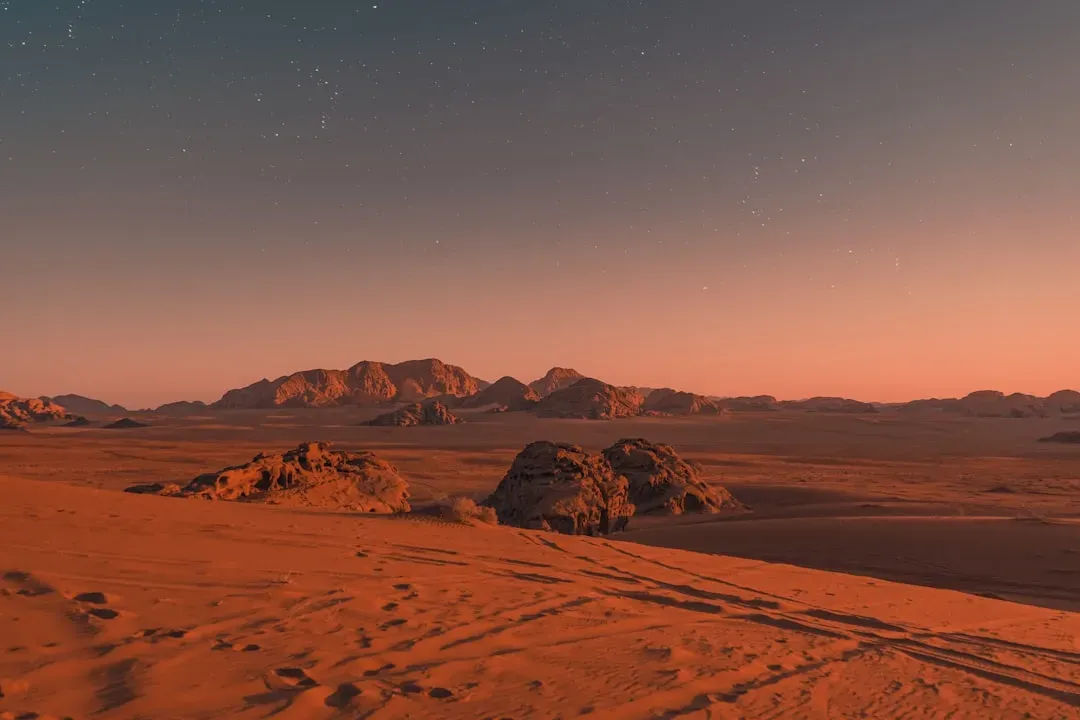
Since the earliest days of robotic space exploration, scientists and engineers have gone to extraordinary lengths to keep spacecraft sterile. Clean rooms, UV sterilization, strict handling protocols – all of it designed to prevent Earth bacteria from hitching a ride to another world. The stakes felt enormous, because if microbes from Earth survived on Mars, it would completely muddy any future search for native Martian life.
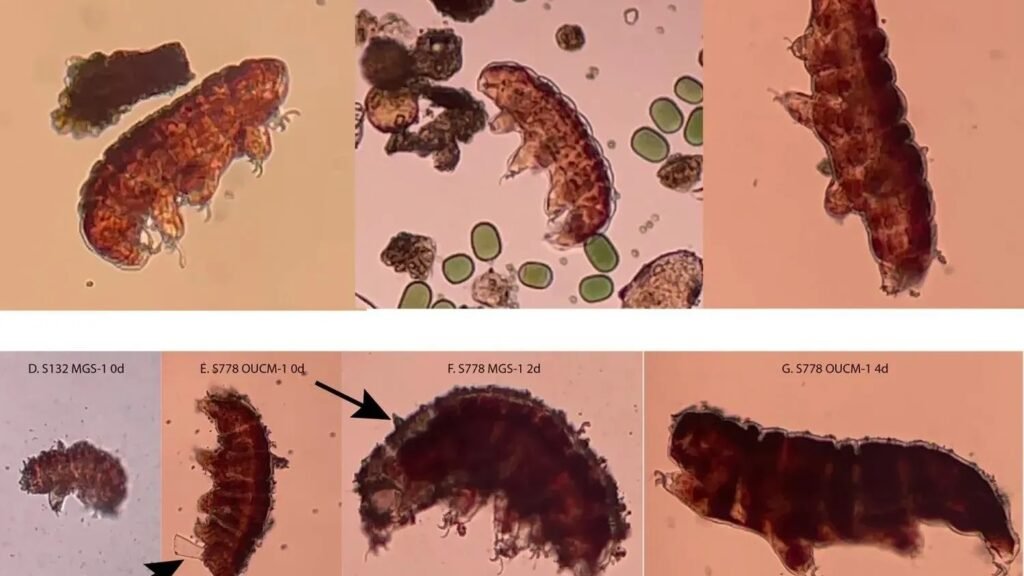
The concern wasn’t paranoia. Certain extremophile bacteria found on Earth are remarkably tough. They can survive radiation, vacuum, extreme cold, and drought in ways that seem almost supernatural. So the assumption was that at least some of them might have a fighting chance on Mars, given the right conditions.
What the New Research Actually Found
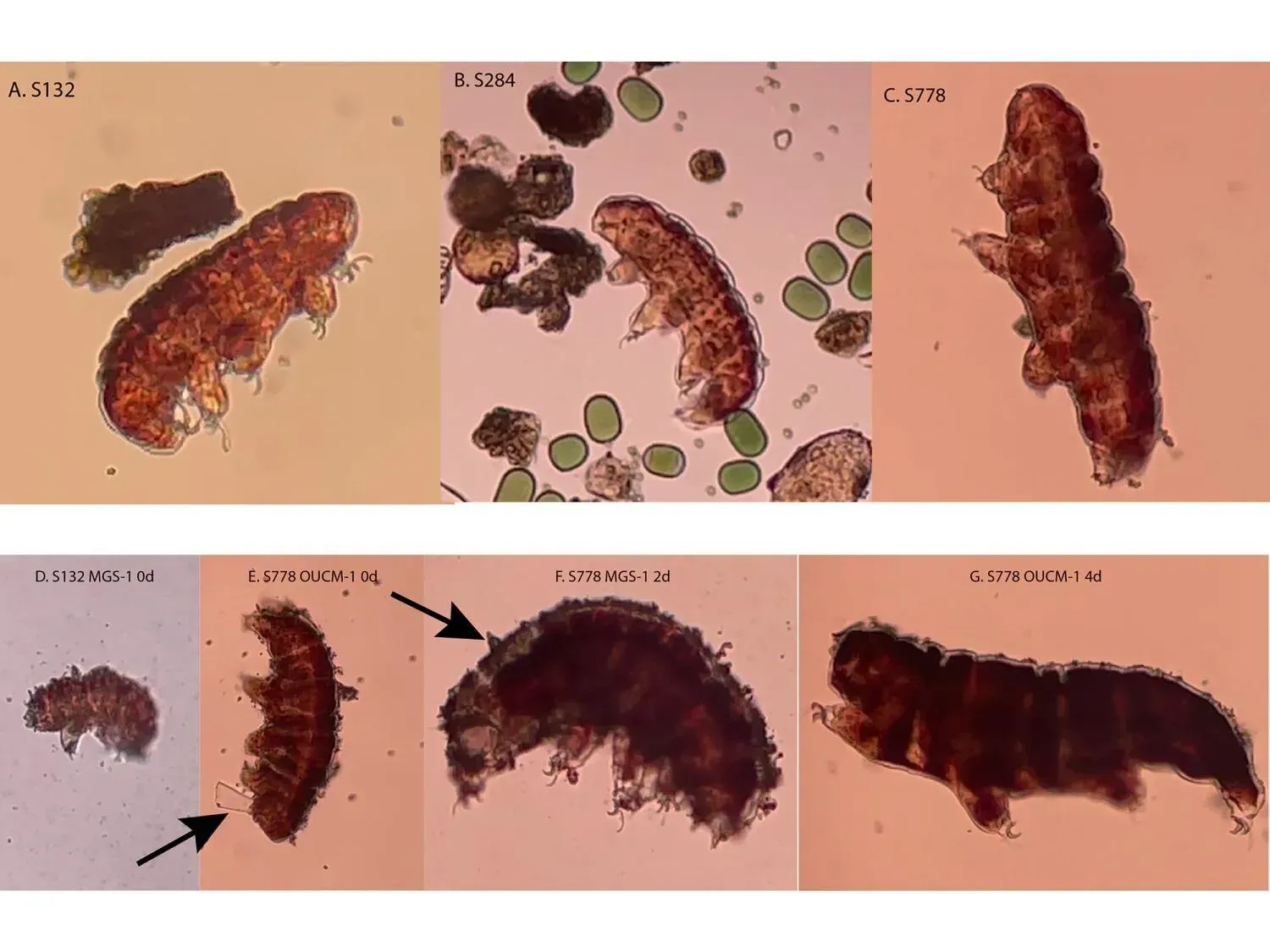
Scientists studying the chemistry of Martian regolith – that’s the loose, rocky soil covering the planet’s surface – have found something genuinely surprising. The soil appears to contain compounds that are actively hostile to microbial life, not just passively inhospitable. This changes the contamination conversation in a pretty significant way.
The research points specifically to perchlorates, which are highly oxidizing chemical salts found widely across the Martian surface. These compounds, when activated by the intense ultraviolet radiation that bathes Mars due to its thin atmosphere, become extraordinarily destructive to organic material, including the cellular machinery of bacteria. It’s not just cold and dry on Mars – the soil is essentially chemically armed against life as we know it.
Perchlorates: The Unlikely Defenders of Mars
Perchlorates were first detected in Martian soil by NASA’s Phoenix lander back in 2008, and their presence was noted with considerable interest. Scientists knew they were problematic for life, but the full extent of their biological destructiveness is becoming clearer with newer analysis. Honestly, the more researchers look, the more hostile the picture becomes.
When UV radiation hits perchlorate-laden soil, a cascade of reactive oxygen species is generated. These molecules tear apart biological structures with ruthless efficiency. Think of it like throwing a lit match into a room full of dry paper – except the match is sunlight and the paper is any organic molecule unfortunate enough to be nearby. For Earth microbes landing on the Martian surface, this chemical environment would be extraordinarily difficult to survive.
The Role of UV Radiation in Amplifying the Effect
Mars receives a brutal amount of ultraviolet radiation at its surface. Unlike Earth, Mars has no significant ozone layer and a very thin atmosphere to absorb incoming solar UV. This means the surface is essentially bathed in radiation that would be lethal to most unprotected lifeforms on Earth. Layer that on top of the perchlorate chemistry, and you start to see why the surface is such a hostile place.
The combination creates a kind of double jeopardy for any microbe trying to survive. UV radiation alone is damaging to DNA and cellular membranes. Add in radiation-activated perchlorates generating reactive oxygen species, and you have a one-two punch that the vast majority of known Earth microbes simply couldn’t withstand. It’s a harsher picture than even pessimistic scientists had painted before.
Does This Mean Mars Is Completely Sterile?
Not necessarily, and this is where things get genuinely interesting. The surface of Mars is where conditions are most extreme. But subsurface environments – deeper rock, underground water ice, or even caves – could tell a very different story. Scientists remain cautiously open to the possibility that life, if it ever existed on Mars, could have retreated underground long ago.
It’s hard to say for sure, but this new understanding of surface chemistry actually sharpens the scientific focus. If life exists or ever existed on Mars, it almost certainly wouldn’t be found in the top layer of soil. That realization helps researchers prioritize where and how to look during future missions. The surface findings don’t close the door on Martian life – they just point us toward a different door entirely.
What This Means for Planetary Protection Policies
One practical implication of this research is that it may eventually influence how strictly we need to sterilize spacecraft before sending them to Mars. Planetary protection is an expensive and time-consuming process. If the Martian surface itself is capable of neutralizing most Earth microbes within hours or days of exposure, that changes the risk calculus considerably.
That said, scientists and space agencies are unlikely to relax their standards based on a single body of research. The consequences of getting this wrong are too significant. Still, understanding the self-sterilizing nature of the Martian surface is genuinely valuable for refining those policies over time. It’s a conversation that will become increasingly relevant as human missions to Mars move from distant ambition to concrete planning in the coming decades.
The Bigger Picture for the Search for Life
Here’s the thing – this research doesn’t just tell us about contamination risks. It fundamentally informs how we think about Mars as a potentially habitable world. If the surface chemistry is this hostile, then the window during which Mars could have hosted surface life was likely limited to an earlier, wetter era billions of years ago, before the atmosphere thinned and these harsh conditions took hold.
It also reinforces the scientific value of drilling deeper, exploring lava tubes, and analyzing ancient sedimentary rock rather than scooping up loose surface soil. The story of life on Mars, if there is one, is buried. The surface may be a chemical wasteland, but the history of a once-potentially living world could still be written in the layers beneath it – waiting to be read by the right mission at the right time.
A Hostile Planet That Might Still Hold Secrets
Mars continues to surprise us in ways that cut both ways. The soil chemistry that makes the surface so dangerous to Earth microbes is also a reminder of how radically different Mars is from Earth, and how carefully we need to approach questions about life there.
What’s most striking to me is that the planet seems almost deliberately inhospitable at its surface, yet the deeper you go – literally and scientifically – the more possibility remains. The search for Martian life isn’t over. It’s just moved underground. What do you think – does a self-sterilizing surface make Mars more or less likely to have harbored life at some point? Tell us in the comments.