
Imagine walking into a clinic in 2036 and hearing your doctor say, not “We’ll manage this for life,” but “We can probably fix this.” That quiet shift in language is what many of today’s most exciting health breakthroughs are really aiming at: turning lifelong illness into temporary problems, and turning fear into options. None of this is guaranteed, but the science already in motion makes the next decade feel less like slow progress and more like the start of a plot twist.
Some of these breakthroughs are already in early clinical use, others are just crossing the line from theory to real-world trials. A few might fizzle out, but if even a couple of them reach their full potential, the way we think about aging, cancer, infections, and even mental health could change dramatically. Let’s dig into seven of the most promising advances that could soon reshape what it means to get sick, to heal, and to stay alive longer and better.
1. Next-Generation Gene Editing Beyond CRISPR
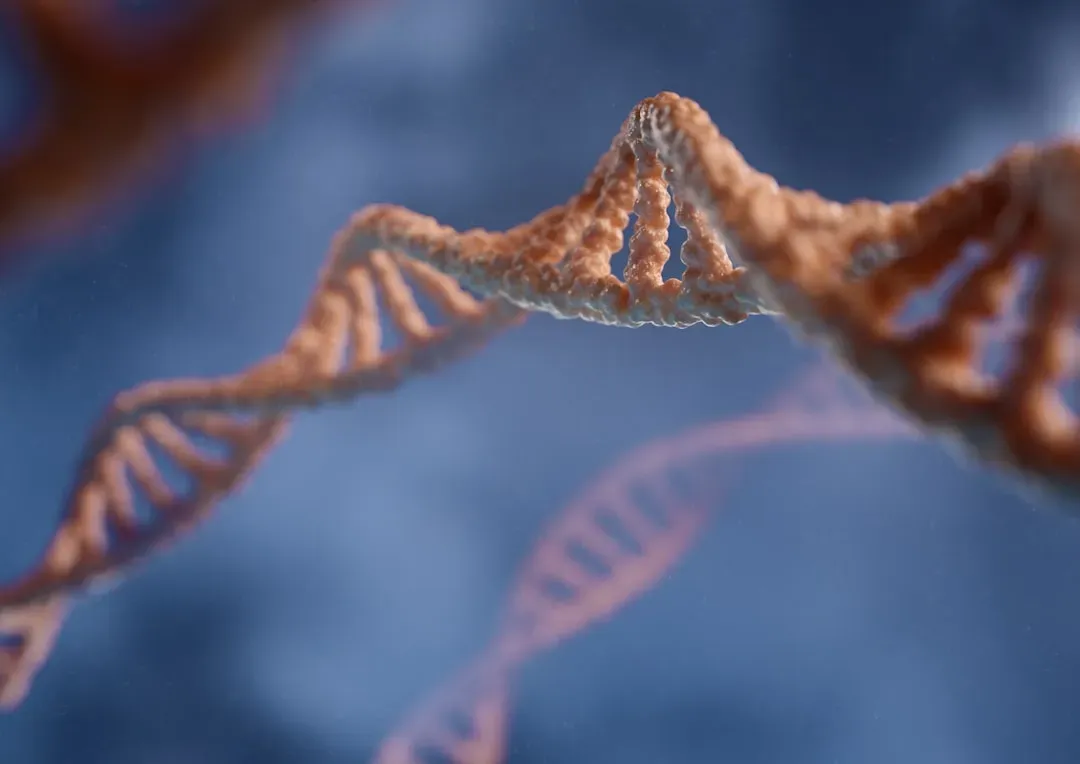
Ten years ago, the idea of rewriting human DNA sounded like science fiction; today, gene-editing therapies are already approved for conditions like sickle cell disease. The next decade, though, is about moving from “fixing a few rare disorders” to “safely and precisely editing genes in many more people.” New tools like base editors and prime editors aim to change single DNA letters or small sequences without fully cutting the DNA strand, which may dramatically reduce unwanted side effects.
Researchers are also working hard on better delivery systems, because getting the editing tool into the right cells is often harder than the edit itself. Instead of flooding the body, future treatments might use targeted nanoparticles or improved viral vectors that act like guided drones, dropping their genetic cargo only where it’s needed. If this works at scale, we could be talking about one-time treatments for inherited blindness, high cholesterol driven by genetics, or even certain heart conditions that currently haunt entire families across generations. It’s not a magic wand, but it’s starting to look a lot like a toolkit for repairing our biological “source code.”
2. Cell and Gene Therapies for Cancer That Act Like Living Drugs
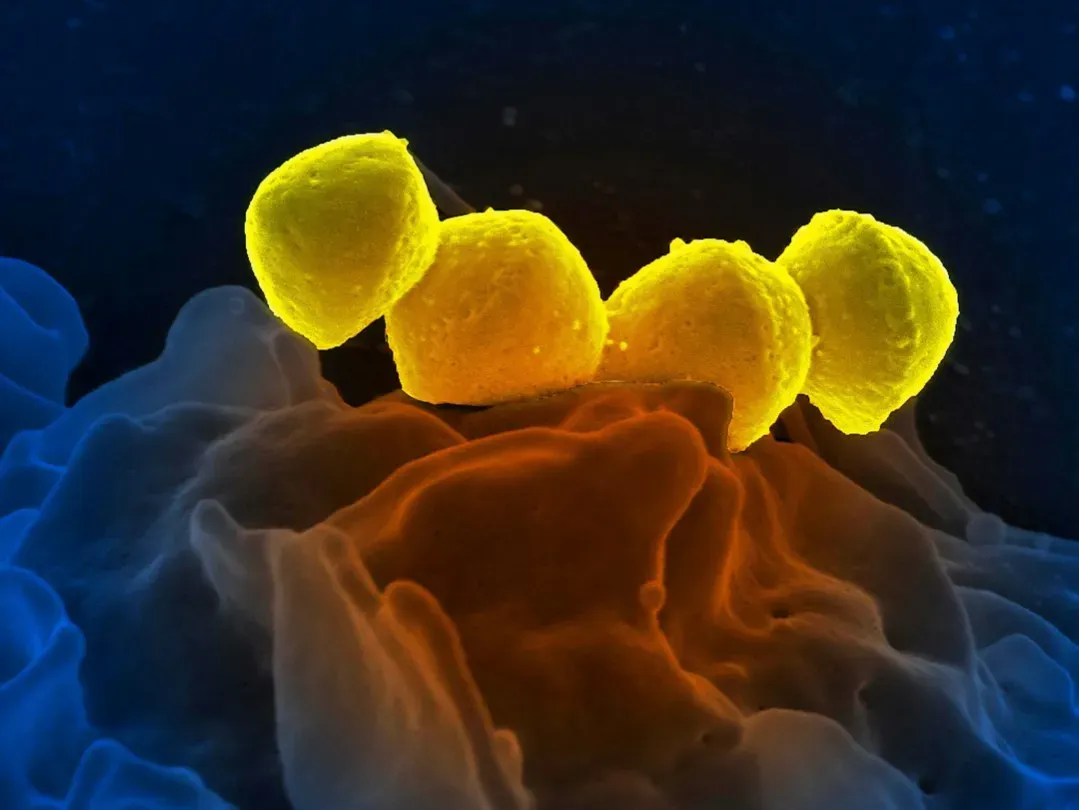
In oncology, the most dramatic shift has been the rise of cell therapies that turn a patient’s own immune cells into cancer hunters. CAR-T therapies, where T cells are engineered to recognize and kill specific cancer cells, have already delivered stunning remissions in some blood cancers that used to be almost hopeless. The challenge now is to make these powerful treatments safer, cheaper, and effective against solid tumors like lung, breast, and pancreatic cancer.
What’s emerging is a new generation of “living drugs” that can sense, adapt, and even switch themselves off if they start to misbehave. Scientists are designing cells with built-in safety switches and multi-step recognition systems so they only attack when several cancer markers line up, reducing the risk of collateral damage to healthy tissue. Over the next decade, we may see off-the-shelf cell therapies made from donor or engineered cells, meaning you wouldn’t have to wait weeks for your own cells to be modified. If that becomes routine, cancer treatment could slowly evolve from carpet bombing to a customized, guided strike that keeps learning as it goes.
3. Regenerative Medicine and Lab-Grown Organs
Right now, if your heart, liver, or kidneys fail, your best bet is often a transplant and a long wait on a list that’s always too short. Regenerative medicine is trying to flip that script by repairing damaged organs from within, or even growing replacement tissues and organs in the lab. Stem-cell-based therapies are being tested for heart failure, spinal cord injuries, and eye diseases, with early signs that, in some cases, the body can be nudged into rebuilding lost function instead of just coping with the damage.
In parallel, researchers are advancing organoids and bioengineered tissues – tiny, organ-like structures grown from human cells that can mimic parts of an organ’s function. They’re not full replacements yet, but the progress is steady: more complex, more vascularized, more integrated with host tissue in animal models. If scientists can reliably grow transplantable tissue that matches a patient’s own biology, it could drastically reduce organ shortages and rejection risks. The idea of “orderable” organs is still distant, but the building blocks for that future are clearly being laid right now.
4. Anti-Aging Therapies Targeting the Biology of Aging Itself

For most of modern medicine, we’ve treated the diseases of aging – heart disease, dementia, diabetes – one by one, like playing whack-a-mole. A growing group of researchers argues that this is backwards: if aging is the main risk factor, why not target the underlying aging processes directly? In the lab, interventions like senolytics (drugs that clear out damaged “zombie” cells), certain metabolic drugs, and even partial cellular reprogramming have shown they can make old animals look biologically younger and healthier.
Human trials are now ramping up to find out if these effects translate into real-world benefits such as fewer age-related diseases, stronger muscles, sharper memory, or slower frailty. Instead of promising immortality – a fantasy often hyped but not backed by evidence – the realistic vision is a longer “healthspan,” where people live more years before serious decline sets in. It may feel strange to think of aging as something we can treat, but if early data holds up, your future doctor might someday prescribe an anti-aging drug the way they currently prescribe blood-pressure medication. Growing old could still be inevitable, but growing old the way our grandparents did might not be.
5. Personalized Medicine Powered by AI and Omics
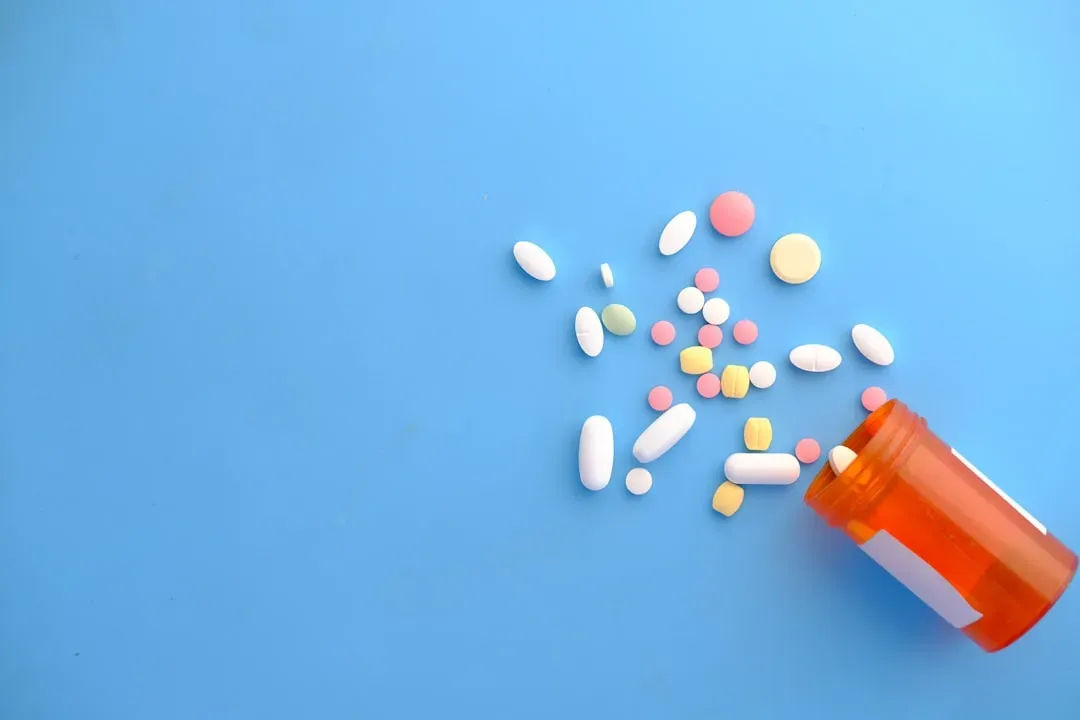
Most of healthcare today is still built around averages: average dose, average response, average risk. But you are not the average patient, and that’s where AI and large-scale “omics” data – genomics, proteomics, metabolomics, and more – come in. As it becomes easier and cheaper to sequence DNA, analyze proteins, and track health data from wearables, algorithms can begin spotting subtle patterns that humans would miss, hinting at which treatments will work best for which person.
In cancer care, for example, tumor sequencing is already guiding targeted drug choices, and AI is being trained to predict drug responses based on complex molecular fingerprints. Over the next decade, similar approaches could become common in cardiology, psychiatry, and autoimmune conditions, shifting the default from trial-and-error to data-driven matching. The futuristic version of a checkup might involve a deep digital profile that warns you years before disease symptoms appear, giving you a chance to intervene earlier. It’s a little like having a weather forecast for your own body instead of waiting for the storm to hit.
6. Brain-Computer Interfaces and New Tools for Treating the Mind
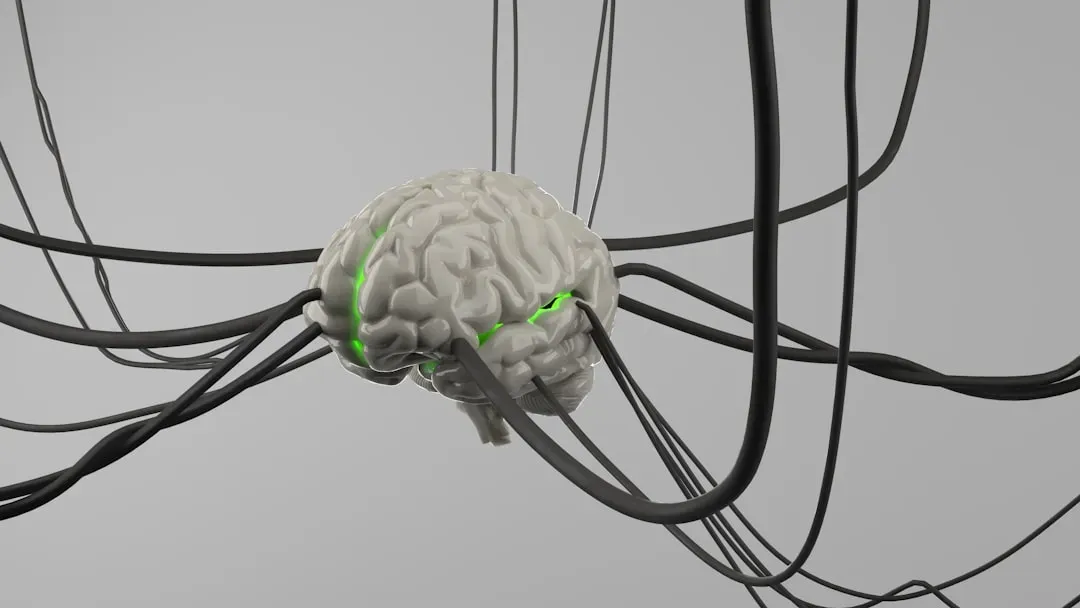
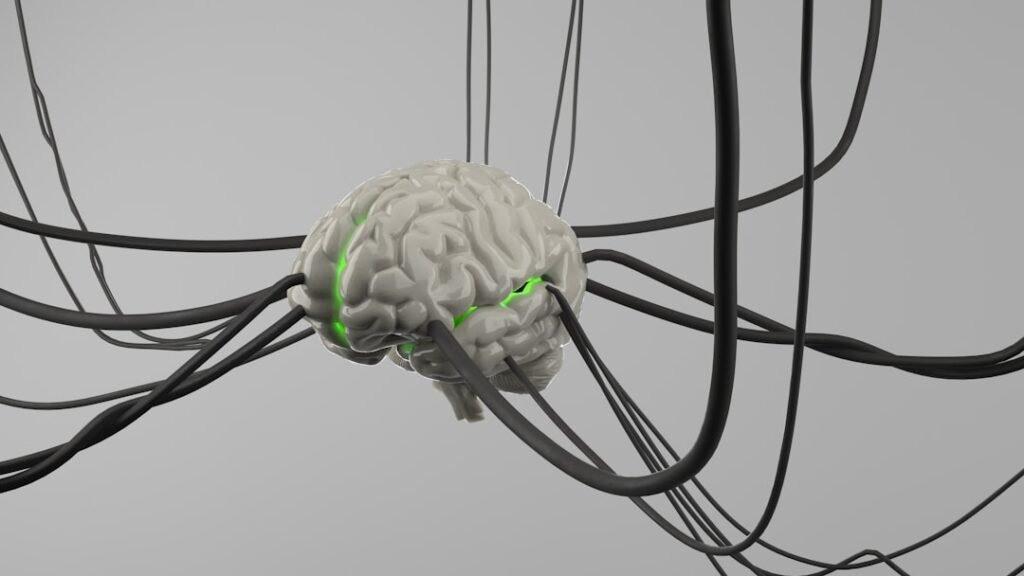
The brain has always been the hardest organ to access, both physically and scientifically, but that barrier is starting to crack. Brain-computer interfaces (BCIs) are moving from lab experiments to early human trials where paralyzed people can control robotic arms or type messages directly through neural activity. At the same time, more refined brain stimulation techniques and advanced imaging are helping doctors target specific circuits involved in depression, Parkinson’s disease, epilepsy, and obsessive-compulsive disorder.
In the coming decade, we may see BCIs and neuromodulation shift from last-resort tools to more mainstream therapies for people who haven’t responded to standard treatments. Combine this with better mapping of the brain’s networks – supported by AI that can interpret complex patterns – and mental health care starts to look less like guesswork and more like precise circuit tuning. There are serious ethical and privacy questions here, especially as the line between therapy and enhancement blurs, but the upside is hard to ignore. For patients who feel trapped in their own bodies or minds, these technologies could be the key that finally opens the door.
7. Universal Vaccines and Smarter Defenses Against Future Pandemics
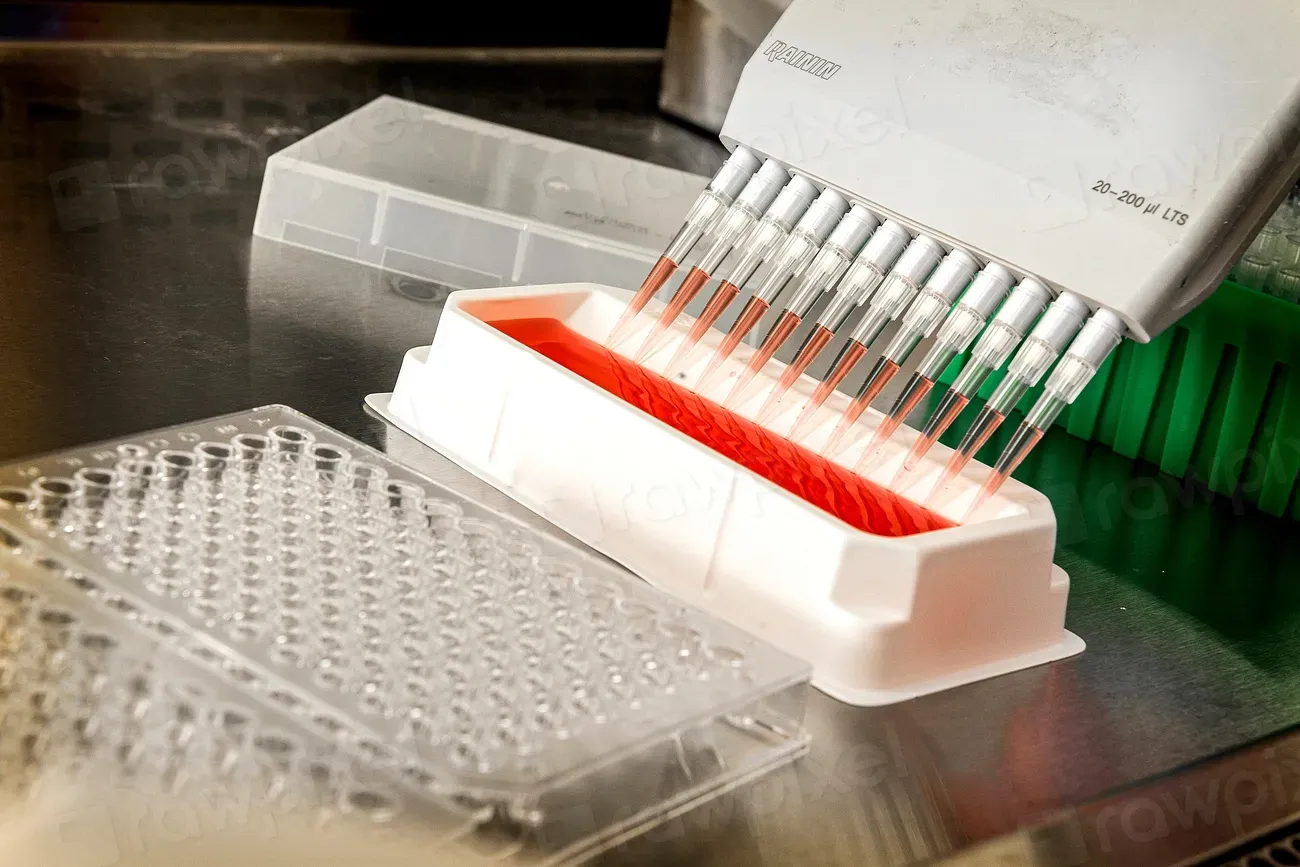
The COVID-19 pandemic was a brutal reminder of how fast a new virus can upend the world, but it also accelerated vaccine science by years. mRNA vaccines went from experimental to frontline tools in record time, showing how quickly we can design and update shots once we know a pathogen’s genetic sequence. The next major goal is far more ambitious: vaccines that protect against whole families of viruses, such as universal flu vaccines or broadly protective coronavirus vaccines that keep working even when the virus mutates.
Researchers are using structure-guided design, nanoparticle platforms, and mix-and-match antigens to train the immune system to recognize stable, hard-to-change parts of viruses. Alongside this, global surveillance networks, rapid diagnostic tools, and AI models are being built to spot outbreaks earlier and predict how pathogens might evolve. If these efforts succeed, the next big pandemic threat might still be dangerous, but less likely to catch the world flat-footed. Instead of scrambling for solutions mid-crisis, we could have adaptable platforms ready to deploy before the worst-case scenarios unfold.
A Decade That Could Redefine What “Treatable” Means

Look across these seven areas and a pattern emerges: medicine is slowly shifting from reactive to proactive, from managing decline to repairing and preventing damage at its roots. None of these breakthroughs will fix everything, and plenty of hype will crash into the hard wall of biology, regulation, and cost. But the direction of travel is clear – toward treatments that are more precise, more personalized, and, in some cases, more permanent.
What feels different about the coming decade is not just the number of new tools, but how they intersect: gene editing with AI, stem cells with organoids, vaccines with global data systems. If they come together the way many scientists hope, our biggest health fears may start to look less like life sentences and more like solvable challenges. Which of these breakthroughs would you most want to see reach its full potential in your lifetime?