
There’s a strange moment most nights when the real world dissolves and another one quietly takes its place. You might be running through a city that doesn’t exist, talking to someone who’s been gone for years, or suddenly flying over oceans you’ve never seen. Then the alarm goes off, and it all evaporates like mist. Yet those invisible hours are shaping your memory, your mood, your creativity, and even how you see yourself when you wake up.
For a long time, people treated dreams like mystical messages or meaningless noise. Today, sleep science paints a messier but far more fascinating picture: your sleeping brain is busy – deeply busy – sorting information, rewiring connections, and playing out emotional rehearsals. To really understand why we dream, we have to zoom out and look at what sleep does for the brain, how different dream types work, and what patterns might quietly be telling us about our inner lives.
The Sleeping Brain: Not Shut Down, Just Switched Mode

It’s tempting to think of sleep as your brain turning off, like hitting the power button on a laptop. In reality, it’s more like switching apps: certain regions go quiet while others light up, and your brain cycles through different stages all night long. These stages, especially rapid eye movement (REM) and deep slow‑wave sleep, each seem to support different mental jobs – memory, emotional processing, and creative insight among them.
During REM sleep in particular, brain scans show intense activity in emotional and visual areas, while regions involved in logic and self‑control dial down. That mismatch explains why dreams feel vivid and charged, yet also bizarre and irrational. From the outside you look completely still, but under the surface your brain is running complex simulations, blending fragments of the day with long‑stored memories, almost like a film editor cutting together an experimental movie while the director is out of the room.
Why We Sleep: Cleaning, Storing, and Resetting

To understand why we dream, it helps to start with why we sleep at all. At night your brain uses deep sleep to do housekeeping: clearing metabolic waste, strengthening important neural connections, and pruning weaker ones. Some researchers have compared this to defragmenting a hard drive or tidying a messy garage so you can actually find things the next day. Without this nightly reset, attention, reaction time, and decision‑making quickly fall apart.
Memory is a huge part of the story. Experiences that felt random or unimportant during the day can get re‑evaluated as your brain replays them in different contexts. Emotional experiences, especially, are tagged and reorganized during sleep. This may be one reason intense days often lead to intense dreams: your brain is working overtime to decide what to keep, what to file away, and how to lower the emotional “volume” so yesterday’s stress doesn’t keep hijacking tomorrow.
What Dreams Actually Are: Brain Simulations in Overdrive
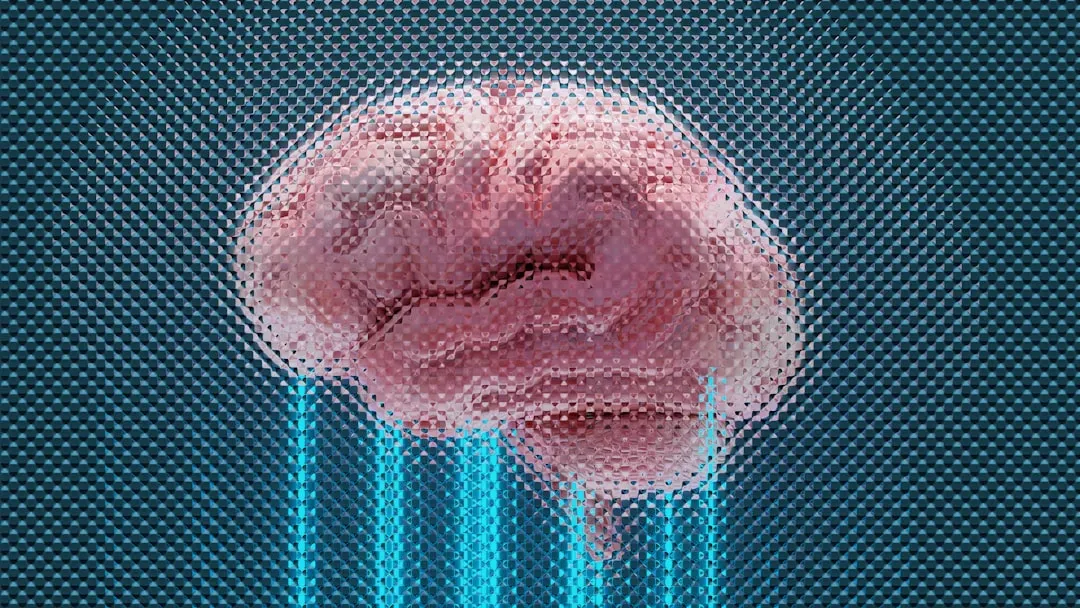
Dreams are not just reruns of your day; they’re more like mash‑ups, remixes, and what‑if scenarios. The brain takes snippets of recent events, old memories, fears, and desires and stitches them into a loose narrative that barely holds together. That’s why you might be in your childhood home, talking to a coworker, while also somehow knowing you’re late for a flight that never appears. It doesn’t follow normal story logic, but it follows emotional logic – what matters to you, worries you, or fascinates you.
One popular idea is that dreams let the brain run inexpensive simulations: you can confront danger, rehearse conversations, or test social situations without real‑world risk. From an evolutionary angle, practicing how to react to threats in a safe, offline mode could have been a survival advantage. Even today, people often dream about things they’re scared of – public speaking, confrontations, failures – as if their brain is trying to rehearse and prepare, whether they asked for it or not.
Emotions in Dreams: The Night Shift for Feelings

If you’ve ever woken up with your heart pounding after a nightmare, you’ve felt how powerfully dreams tap into emotions. Interestingly, during REM sleep, the brain’s fear and reward centers stay highly active, while the regions that normally calm and analyze feelings are downplayed. That combination creates raw, exaggerated emotional experiences that can feel more intense than anything you’d allow yourself to feel during the day. It’s like your emotions are on stage without a director to keep them in line.
Some sleep researchers see this as a kind of overnight therapy session. Painful or stressful experiences can be replayed in a safer, symbolic way, slowly taking the edge off. Over time, the emotional sting tied to a memory may soften, even if the memory itself remains. When sleep is disrupted – especially REM sleep – people often report stronger anxiety, irritability, and mood swings, as if their emotional inbox is overflowing because the night shift never showed up to sort through it.
Nightmares, Stress, and Mental Health

Nightmares are the horror‑movie side of dreaming, but they’re not random. They often spike during periods of stress, loss, trauma, or major life changes. For many people, recurring nightmares revolve around themes like being chased, falling, losing control, or failing in front of others. On the surface they’re terrifying; underneath, they often echo real‑world fears or unresolved feelings. Your brain seems to be stuck replaying a problem it hasn’t figured out how to file away.
In some mental health conditions, especially after severe trauma, nightmares can become so frequent and intense they start to damage sleep itself. That creates a vicious cycle: poor sleep worsens anxiety and mood, which in turn fuels more disturbing dreams. The hopeful part is that targeted therapies – like rewriting the ending of a nightmare while awake and mentally rehearsing the new version – have helped some people reduce both how often the nightmare appears and how frightening it feels. That alone suggests nightmares are not just random noise; they’re patterns the brain can learn to change.
Dreams, Memory, and Creativity

There’s a reason so many artists, scientists, and writers talk about waking up with solutions or strange ideas that arrived in a dream. When you sleep, especially during REM, the brain relaxes its usual filters and lets far‑flung ideas bump into each other. This looser, more chaotic style of thinking can create unexpected combinations that would never occur in a focused meeting or a rigid brainstorming session. It’s a bit like shuffling a deck of cards and suddenly seeing a pattern you missed when they were neatly stacked.
On the memory side, dreams may be the visible surface of a deeper process of consolidation. Skills you’ve practiced, like playing piano or learning a new language, can quietly improve after a good night’s sleep. Sometimes, that shows up in your dream content: practicing a sport, revisiting a classroom, or stumbling through a conversation in another language. I’ve noticed that when I’m deeply absorbed in a project, my dreams pick up its themes, as if my brain refuses to let go and keeps working the night shift long after I think I’m done.
Lucid Dreaming and Taking the Steering Wheel

Lucid dreaming – realizing you’re dreaming while still inside the dream – sits at a fascinating crossroads between wake and sleep. In a lucid dream, some people can choose to fly, change the scene, confront a fear, or simply explore without the usual limits. Brain scans show that during lucid dreams, areas involved in self‑awareness and reflection are more active than in regular dreams, almost like your waking mind has partially logged back in. It’s a reminder that consciousness is not a simple on‑off switch.
Some people train lucid dreaming as a kind of mental playground or even a tool for facing anxieties in a safe setting. Techniques might include reality checks during the day or waking briefly before going back to sleep to increase REM intensity. It doesn’t work for everyone, and it can sometimes disrupt sleep if pushed too hard. But the very fact that we can occasionally notice and influence our dreams challenges the idea that nighttime experience is just passive nonsense our brains throw at us.
What Your Dreams Might Be Telling You (Without Magic Symbols)

There’s a strong temptation to treat dreams like coded messages where every object has a fixed meaning, but real research doesn’t back that idea. A snake in a dream doesn’t universally mean the same thing for everyone; context, personal history, and current stress matter far more than any dream dictionary. That said, noticing recurring themes – like always missing a train, being unprepared, or trying to speak and failing – can reveal what your brain is preoccupied with beneath the surface. It’s less like translating a secret language and more like eavesdropping on an ongoing inner conversation.
Paying gentle attention to dreams can sometimes highlight patterns you were half‑aware of: a job situation that’s eating at you, unresolved conflict, or even a desire you keep pushing aside while awake. Writing down dreams in a notebook for a week or two can be surprisingly revealing, not because they predict the future, but because they mirror your present state in exaggerated, symbolic form. It’s a bit uncomfortable to realize your brain is this honest with you at 3 a.m., but also strangely reassuring – clearly, a part of you is always paying attention.
Living With Our Other Life at Night

Dreams can feel like chaotic fragments that vanish the moment we open our eyes, but they’re woven into some of the most important jobs our brain does: regulating emotion, consolidating memory, testing possibilities, and occasionally sparking new ideas. Sleep is not wasted time; it’s the workshop where your mind quietly repairs, reorganizes, and experiments without your conscious permission. The stories you live through at night might be confusing, frightening, or delightful, yet they reflect the same brain that navigates your days.
We may never pin down a single grand theory that explains every dream, and maybe that’s okay. Knowing that your nighttime world is shaped by your worries, hopes, and experiences is already powerful enough. The next time you wake from a strange scene that fades too fast to grab, you’ll know it wasn’t just random noise – it was your mind doing its hidden work, in its own unruly language, while you slept.