Every so often, an object surfaces from the ground, a shipwreck, or a forgotten storeroom that doesn’t quite fit the story we tell about the past. When that happens, archaeologists debate, historians argue, and the rest of us stare at the photos wondering whether everything we learned in school was only half the story. These artifacts sit awkwardly between myth and evidence, like puzzle pieces that clearly belong to a bigger picture we haven’t finished yet.
Some of these objects probably have simple, even boring explanations that just haven’t been proven clearly enough. Others remain stubbornly weird even after decades of research. They don’t prove lost civilizations with magical technology or visitors from the stars, but they do force us to admit that history is messy, incomplete, and sometimes stranger than we’d like to admit. Let’s dig into eight of the most intriguing examples.
The Antikythera Mechanism: A Computer From Ancient Greece
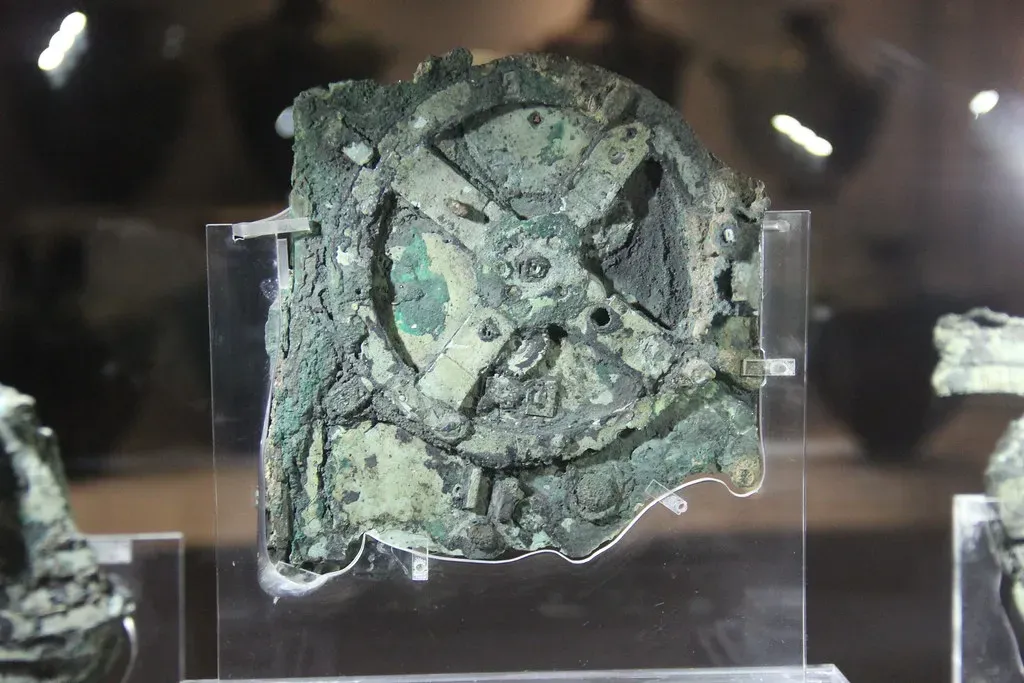
Imagine divers pulling up a crusty lump of bronze from a Roman-era shipwreck, only for X‑rays decades later to reveal an intricate system of dozens of interlocking gears. That’s the Antikythera Mechanism, pulled from the seabed near the Greek island of Antikythera in the early twentieth century and now widely regarded as the most complex piece of known technology from the ancient world. Scholars studying it with high-resolution imaging have concluded it functioned as a kind of mechanical calculator for tracking the movements of the Sun, Moon, and possibly planets, even predicting eclipses.
What makes it so unsettling is not that it exists, but that nothing else like it has survived from that era. It suggests a tradition of advanced mechanical engineering and astronomical calculation that we only see in scattered references in surviving texts. Some historians argue that the device fits into a continuum of Hellenistic science, while others feel it raises uncomfortable questions about how much knowledge was lost when classical civilizations collapsed. Holding that device in your mind is like briefly glimpsing an alternate timeline where the mechanical age began more than a thousand years earlier.
The Piri Reis Map: A Renaissance Puzzle of Ancient Geography
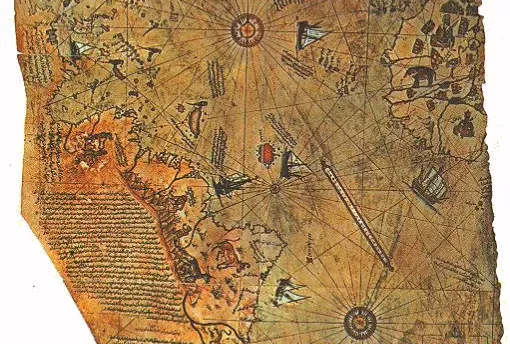
In 1929, researchers in Istanbul found a fragment of a world map drawn on gazelle skin and dated to the early sixteenth century. Created by the Ottoman admiral Piri Reis, it appears at first glance to be just another early map of the Atlantic, but its level of detail has sparked endless fascination. Parts of the coastlines of South America and West Africa are surprisingly recognizable, and the annotations claim the map was compiled from many earlier charts, including some from sailors of other nations and possibly much older sources.
The most controversial claims center on the southern portions of the map, which some people insist show an ice‑free Antarctica or at least a mysterious southern continent. Most geographers and historians push back on that idea, arguing that distortion from projecting a three-dimensional world onto a flat surface, combined with incomplete data and guesswork, can create illusions of accuracy. Still, the fact that an Ottoman admiral could stitch together information from lost or unknown charts reminds us that a lot of geographical knowledge was circulating long before standard textbooks say it should have been. That sliver of animal skin is a reminder that history is not written only by the winners but also sometimes misplaced in old palace storerooms.
The Baghdad “Battery”: Ancient Power or Misinterpretation?
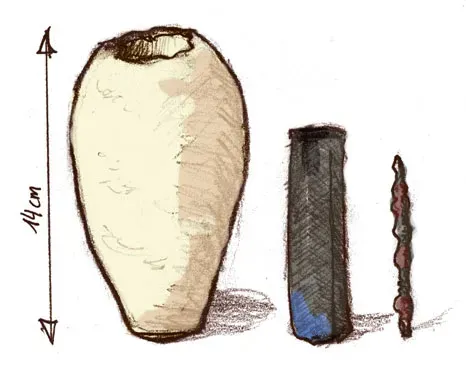
In the early twentieth century, archaeologists in the region of modern-day Iraq uncovered small clay jars containing a copper cylinder and an iron rod, dated roughly to two thousand years ago. When modern experimenters filled replicas with acidic liquids like vinegar or lemon juice, the setup produced a small electrical current, leading to the popular idea that these were primitive batteries. That leap captivated people because it hints at ancient artisans accidentally or deliberately tapping into electricity long before the modern era.
Professional archaeologists, however, remain divided. Many argue the jars were more likely used for simple storage, ritual purposes, or perhaps as containers for scrolls, and that any electrical capability is coincidental rather than intentional. There’s no clear evidence of wiring, devices, or tools that would have used such current in a practical way. Even so, the so‑called Baghdad Battery refuses to leave public imagination, because it sits right on that edge between plausible misunderstanding and the tantalizing possibility that ancient craftsmen discovered more about natural forces than we give them credit for.
The Voynich Manuscript: The Book No One Can Read
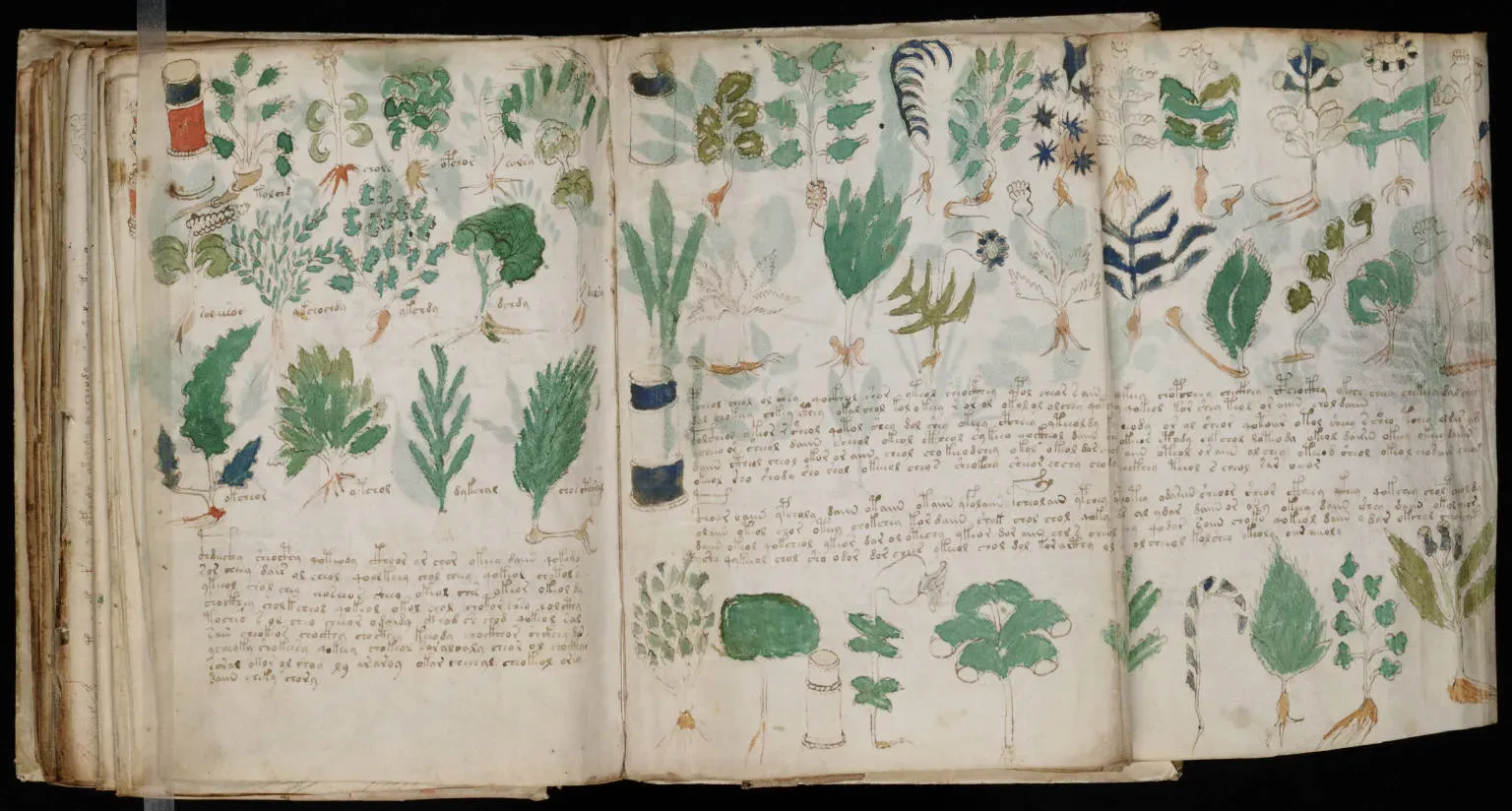
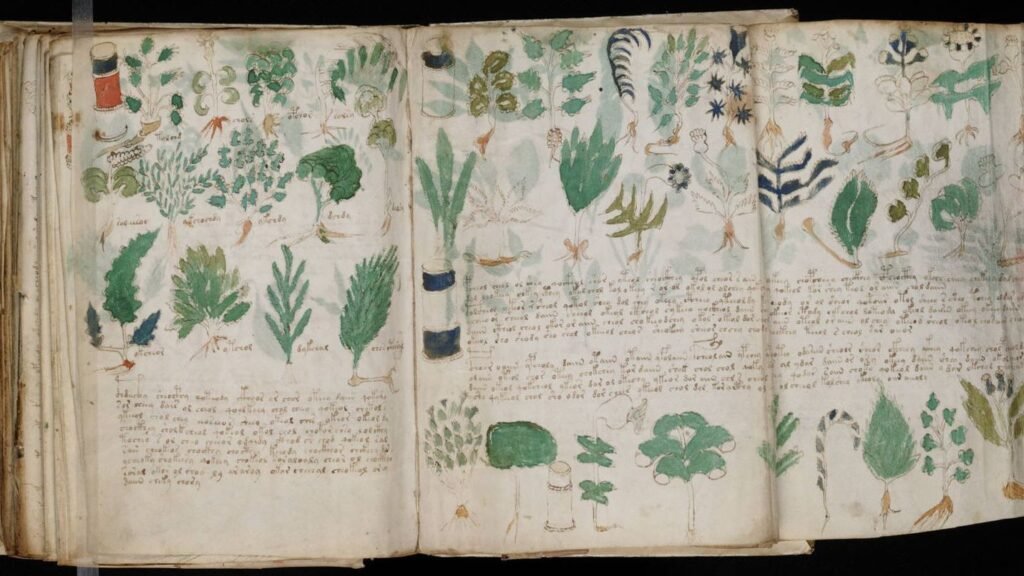
In a secure room at Yale’s library, there’s a book that looks like it came from a fantasy novel: strange plants no botanist can firmly identify, naked human figures in odd pools of green liquid, and text written in a flowing script that has defied every codebreaker so far. Known as the Voynich Manuscript, it appears to date from the fifteenth or early sixteenth century based on materials and ink analysis. Despite repeated efforts by linguists, cryptographers, and even modern machine-learning tools, no one has conclusively decoded its language or proven it to be a hoax.
Some researchers think it represents a lost or invented language encoded in a highly systematic way, while others suspect it’s an elaborate medieval fake designed to impress wealthy collectors. Computer analysis has suggested that the text has statistical patterns similar to real languages, which complicates the “pure nonsense” theory. The manuscript’s sheer weirdness makes it easy for wild claims to sprout – secret knowledge, forgotten science, or messages from some hidden group – but the reality is that it mostly exposes the limits of our current tools. That one indecipherable book undermines the comfortable feeling that with enough computing power, every secret is eventually solvable.
The Shroud of Turin: Image Without a Clear Mechanism
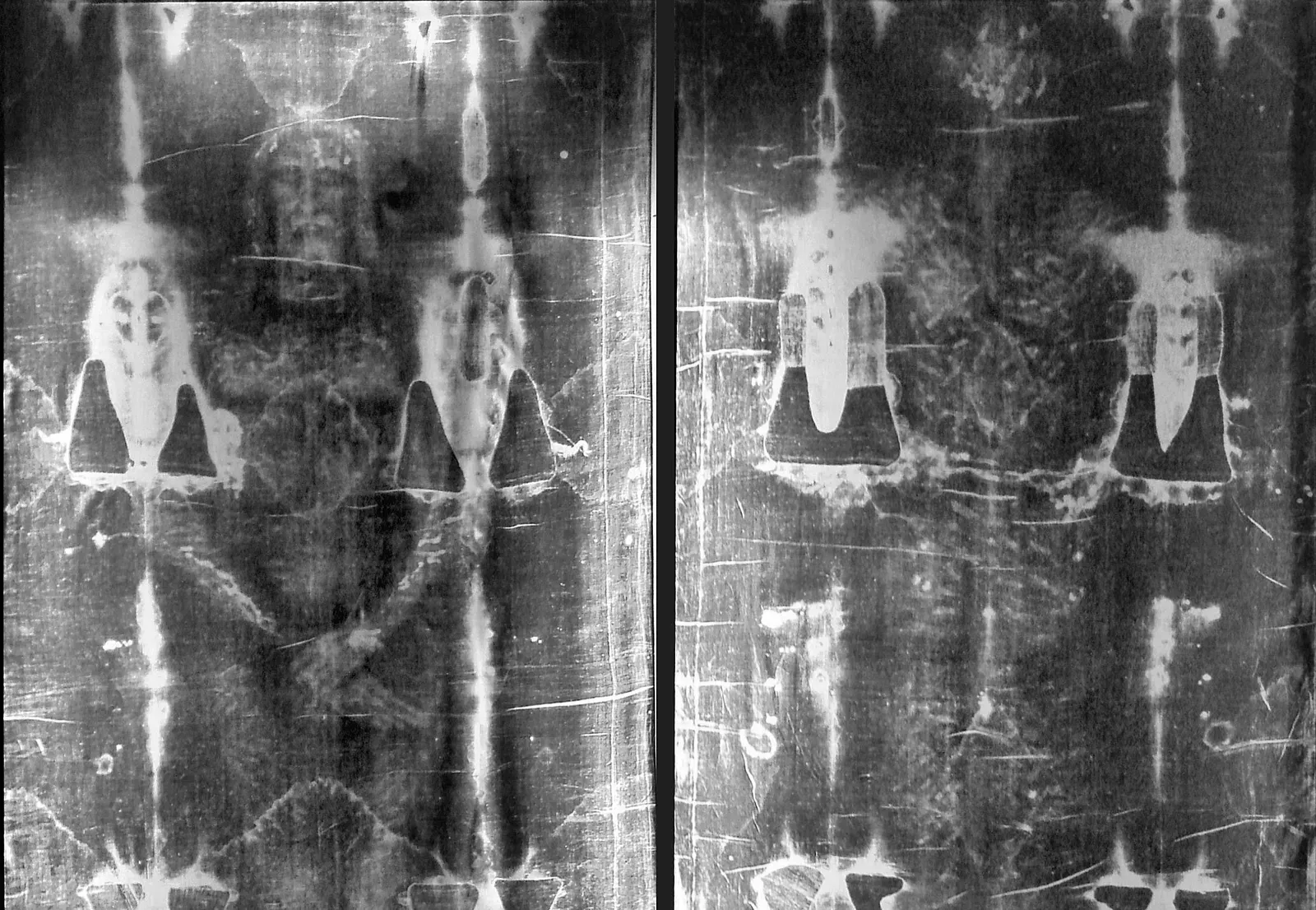
The Shroud of Turin is one of those artifacts that sits at the crossroads of faith, science, and controversy. It’s a linen cloth bearing a faint, life‑sized image of a man who appears to have been crucified, and for centuries many believers have linked it to the burial of Jesus. Radiocarbon dating around the late twentieth century pointed toward a medieval origin, suggesting it’s a later relic rather than a first‑century cloth, but even that testing has been challenged on grounds like sample contamination and repair patches, keeping the debate very much alive.
What makes the shroud genuinely puzzling even for some skeptics is the nature of the image itself. It’s not simply painted, and studies have shown unusual characteristics in how the coloration appears only on the topmost fibers, creating a kind of delicate surface image without obvious brushstrokes or pigment layers. Different researchers have proposed scorching, chemical reactions, or photography‑like processes, but none have fully reproduced all aspects of the cloth in a widely accepted way. You don’t have to believe it’s miraculous to admit that we still don’t have a clean, universally agreed explanation for how that particular image came to be, which keeps the cloth hovering awkwardly between history, faith, and unresolved science.
Gobekli Tepe: A Monument That Shouldn’t Be So Old
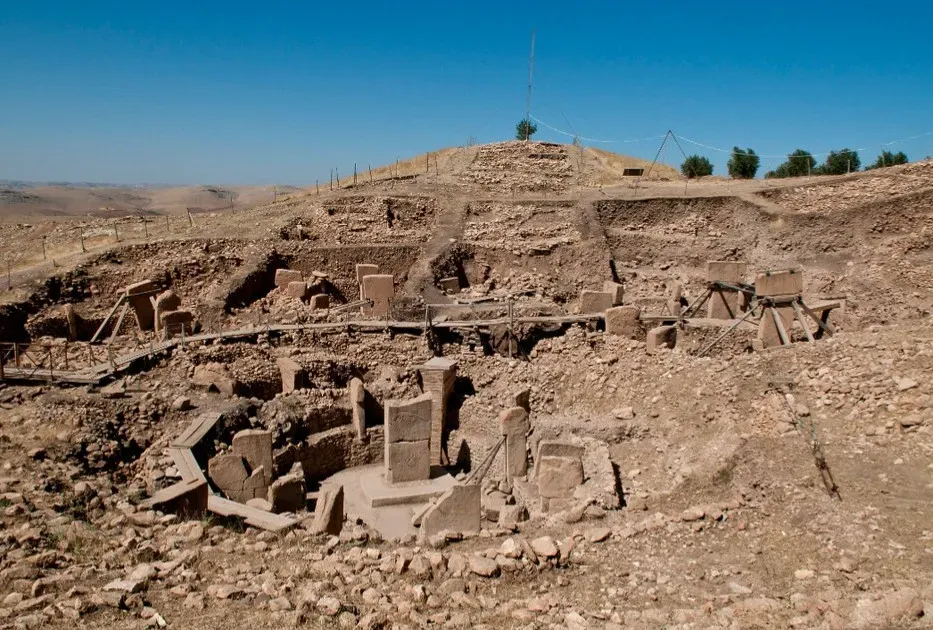
High on a hill in southeastern Turkey, archaeologists uncovered stone circles and towering pillars carved with animals and abstract symbols, part of a site now known as Gobekli Tepe. Radiocarbon dating suggests parts of it are around eleven thousand to twelve thousand years old, which pushes it back to a time when humans were thought to be small bands of hunter‑gatherers without permanent monumental architecture. Yet here are massive stones arranged in planned layouts, implying organized labor, shared beliefs, and a level of social complexity that doesn’t fit older models of prehistory.
Some researchers interpret Gobekli Tepe as a ritual or ceremonial center used before the full development of settled farming, while others suggest it may be linked to transitions toward agriculture. Either way, it flips the traditional story on its head: instead of farming leading to temples, it hints that shared religious or symbolic spaces might have helped drive people to settle and cultivate land. The site also appears to have been deliberately buried at some point, as if its builders wanted to preserve or hide it, adding another layer of mystery. For anyone raised on neat timelines where civilization unfolds in a straight line, Gobekli Tepe feels like someone tore out the prologue and replaced it with something far more complicated.
The Nazca Lines: Giant Geoglyphs Without a Clear Purpose
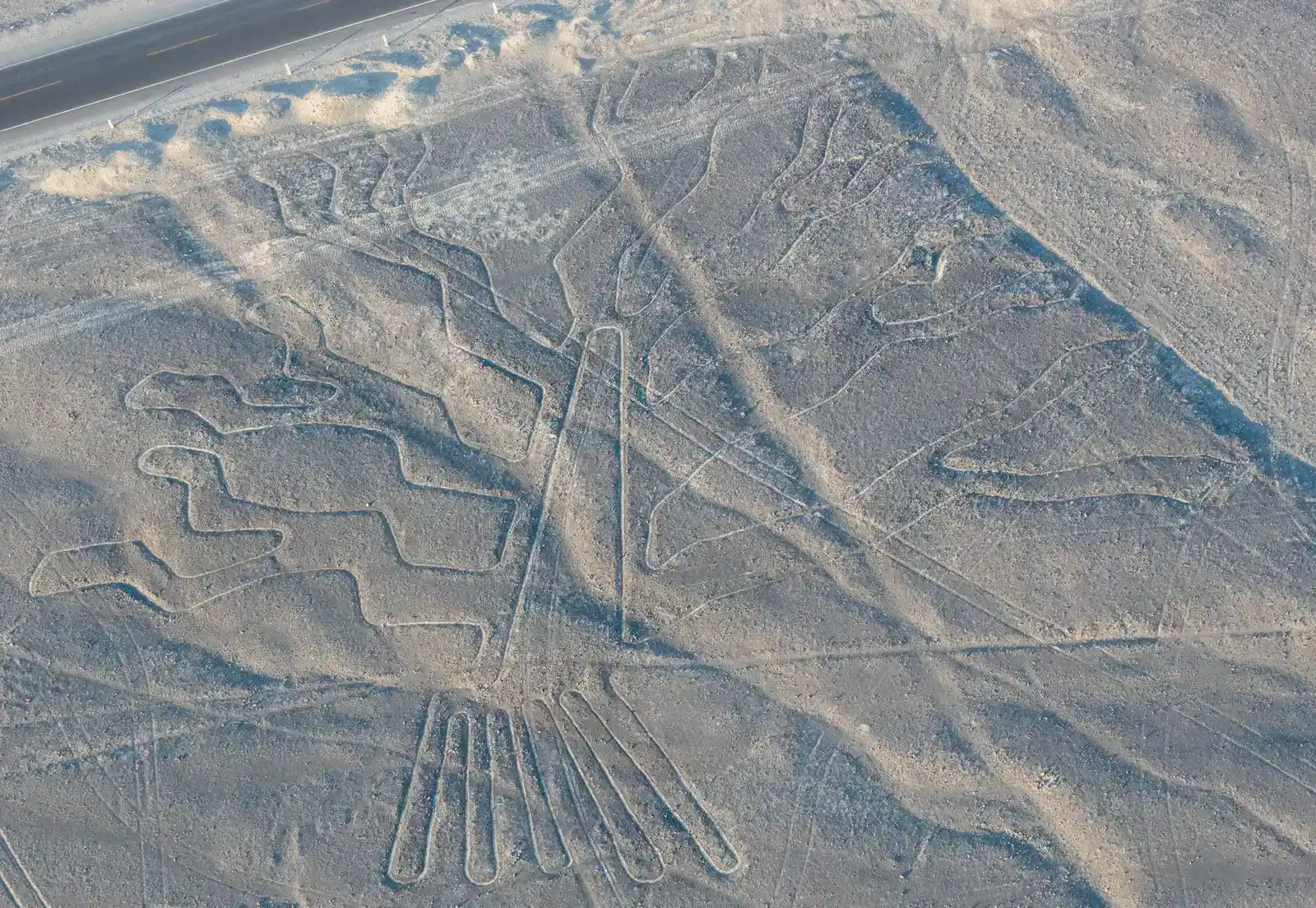
From ground level, the Nazca desert in southern Peru looks like a dry, rocky plain. From the air, though, enormous lines and figures suddenly appear: animals, plants, geometric shapes stretching across kilometers of desert floor. These geoglyphs were created by removing the darker surface stones to reveal lighter soil beneath and are believed to date back roughly one and a half to two thousand years. The scale is incredible; some shapes are so big you can only grasp them properly from far above.
Most archaeologists think the Nazca Lines are linked to ritual activities, water sources, or astronomical observations, and there’s evidence they were used over long periods by local cultures. Yet there’s still no single explanation that comfortably covers every design, every line, and every alignment. The fact that the figures really come into focus only from high vantage points fuels more speculative theories, even though watchtowers and surrounding hills could offer partial views. Walking that desert, it’s hard not to feel that people were communicating with the sky itself, and we’re now standing here centuries later trying to read messages that weren’t meant for us.
The London Hammer: Out‑of‑Place Tool or Misleading Curiosity?
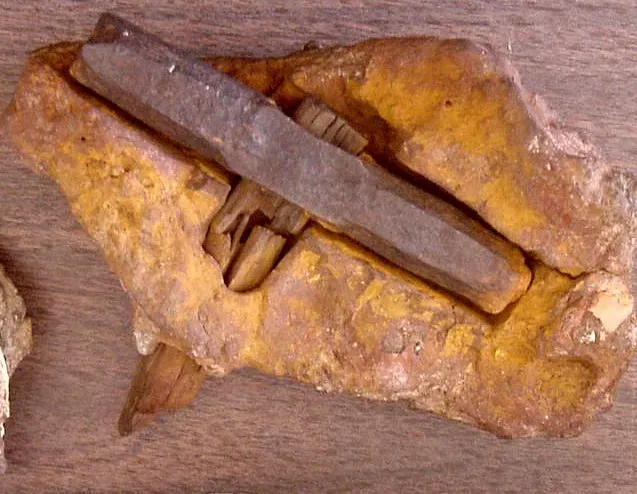
In the mid‑twentieth century, a hammer encased in rock was reportedly found near London, Texas, in the United States, and has since become a favorite example for those who argue that human artifacts can be far older than mainstream geology allows. At first glance, it looks bizarre: a clearly manufactured hammer with a metal head and wooden handle partially embedded in a stone nodule that some claim formed hundreds of millions of years ago. Stories about it have grown over time, often skipping over important scientific details.
Geologists who have examined photos and limited samples tend to argue that the stone around the hammer is not ancient solid bedrock but rather a kind of concretion that formed around the object in much more recent times. In that view, the hammer itself is likely from the nineteenth or early twentieth century, and the “mystery” arises from misinterpretation of the surrounding material. Still, the London Hammer keeps circulating in discussions about anomalous artifacts because it touches on a deep, emotional fascination: the idea that maybe our entire timeline could be wrong. Whether you see it as a genuine enigma or a cautionary tale about how easily context can be lost, it forces you to think carefully about how we decide what belongs to which era.
When Objects Refuse to Fit the Story
Each of these artifacts lives in a strange space between explanation and doubt, where hard data, human imagination, and emotional investment all collide. None of them, on their own, overturns what we know about history, but together they highlight how fragile our neat narratives really are. The further back we look, the more gaps we find, and into those gaps slip shipwrecked devices, unreadable books, mysterious monuments, and tools that seem to show up ahead of their time.
What they really challenge isn’t just our understanding of dates and timelines, but our confidence that the past is a closed case. They show how easily knowledge can be lost, misinterpreted, or rediscovered centuries later under layers of rust or sand. Standing in front of any one of these objects, it’s hard not to feel that humbling sense that we’re latecomers sifting through the leftovers of forgotten experiments, beliefs, and technologies. If a handful of puzzling artifacts can unsettle our view this much, how many other stories are still buried, waiting to be dug up?