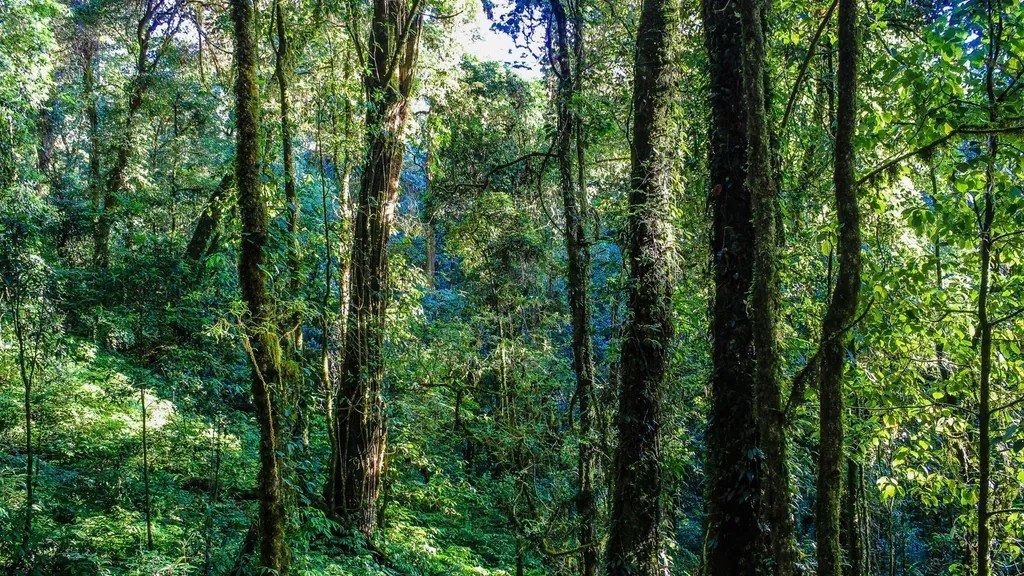
You walk through a forest, and it feels quiet. Still. Maybe even lonely in a poetic way. Nothing moves but the leaves. Nothing speaks. Or so you think. Underneath your feet, right now, an ancient and breathtaking conversation is happening at a scale that would genuinely astonish you if you could see it. Plants are talking to each other, passing resources, sending warnings, and recognizing their own kin – all without making a single sound.
This is not science fiction, and it is not some spiritually romanticized idea about trees having feelings. It is real, peer-reviewed, and honestly one of the most mind-expanding discoveries in modern ecology. The more researchers dig into it, literally, the more complex and layered this plant communication turns out to be. Let’s dive in.
The Wood Wide Web: Nature’s Original Internet
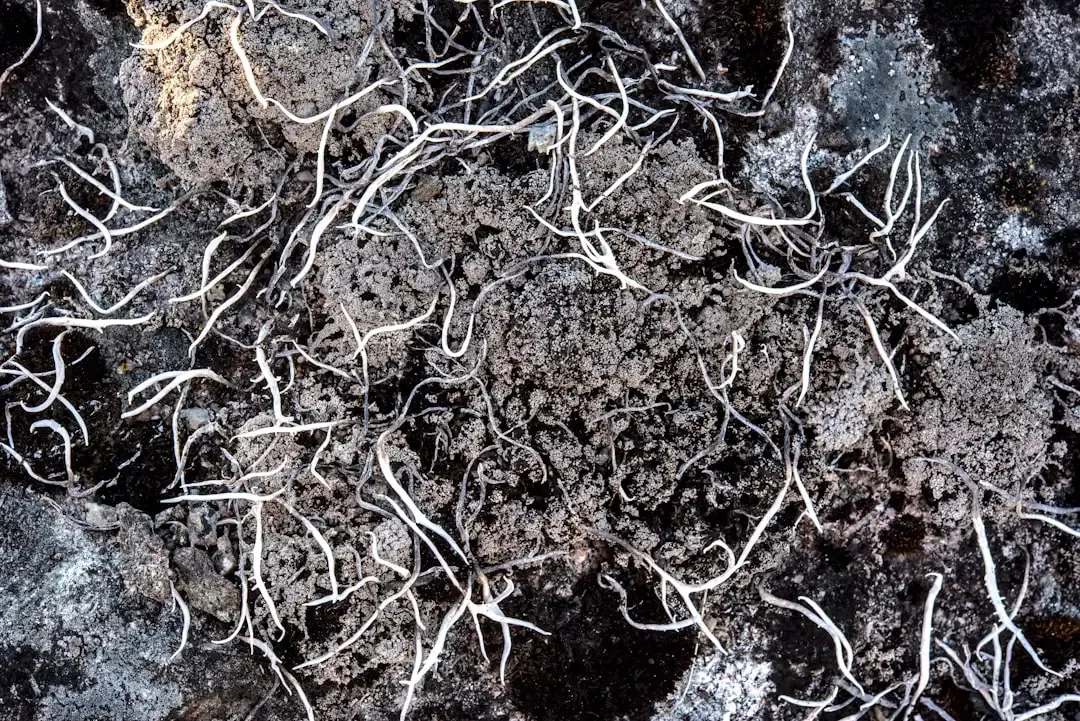
Imagine the internet, except it has been running for roughly 450 million years, it is made of fungal threads thinner than a human hair, and it connects virtually every tree in every forest on Earth. That is what you are dealing with when scientists talk about the mycorrhizal network, also nicknamed the “Wood Wide Web.” Mycelium, the tiny threads of fungal organisms, compose what is called a mycorrhizal network, which connects individual plants together to transfer water, nitrogen, carbon, and other minerals – and German forester Peter Wohlleben is credited with dubbing it the “woodwide web.”
The mycorrhizal symbiosis between plants and fungi is fundamental to terrestrial ecosystems, with evolutionary origins that predate the colonization of land by plants. In this relationship, a plant and a fungus become physically linked, establishing an exchange of resources – the plant provides the fungus with up to roughly a third of the carbon it fixes through photosynthesis, while the fungus provides the plant with nutrients that are otherwise scarce in terrestrial environments, such as nitrogen and phosphorus. Think of it as a subscription deal where both parties genuinely benefit, even if the terms are not always perfectly equal.
How the Network Actually Works Underground
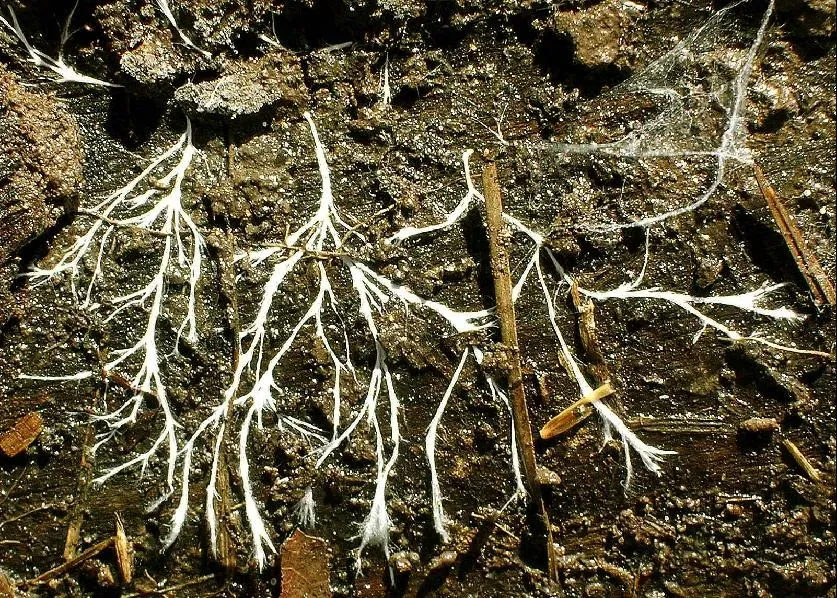
Those mushrooms you see in a forest are actually just the “fruit” of the fungus, while the majority of the fungal organism lives in the soil, interwoven with tree roots as a vast network of mycelium – incredibly tiny threads of the greater fungal organism that wrap around or bore directly into tree roots. It is a bit like icebergs: what you see above the surface is only a tiny fraction of what is actually there.
The extension of fungal hyphae in the soil dramatically expands the surface area of roots, helping exploit soil minerals and water shared between the host plant and fungi. Both arbuscular mycorrhiza and ectomycorrhiza are the key types of mycorrhizal fungi involved in building these communication networks underground, and together they provide nutrients to plants including nitrogen, phosphorus, and other minerals alongside water and even information. Honestly, it reads more like a social infrastructure system than a biological one.
Chemical Whispers: How Plants Warn Each Other Above Ground
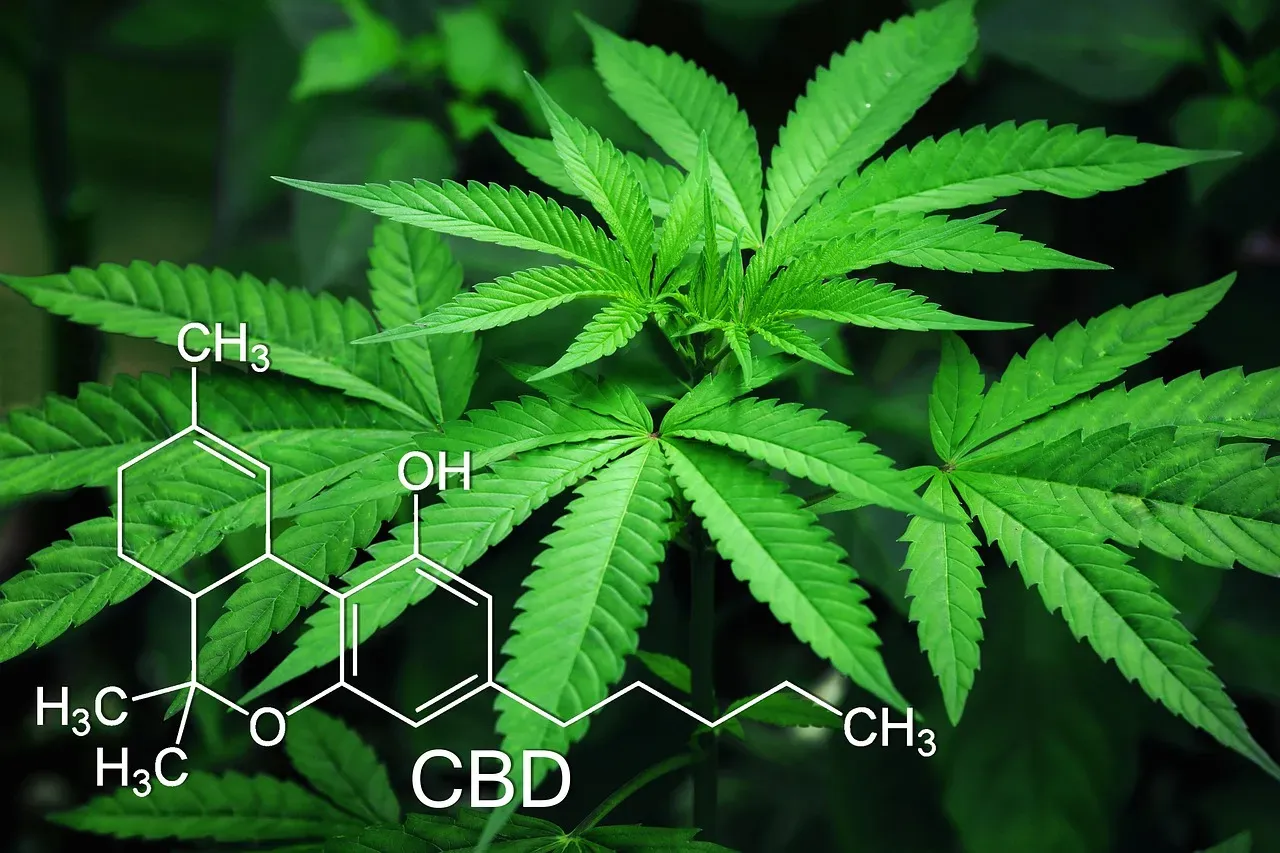
Volatile organic compounds, or VOCs, are essential airborne signals that enable plants to communicate with other organisms and plants across short and long distances. A key aspect of this communication occurs when a plant is damaged by herbivorous pests, triggering the release of these VOCs – compounds that neighboring plants can detect, prompting them to enhance their own defenses against potential threats. This complex biochemical strategy enables plants to protect themselves effectively from various stresses.
Once emitted, VOCs are absorbed through the stomata and diffuse across the mesophyll cells of neighboring plants, where the plant’s response involves intricate intracellular and intercellular signaling mechanisms. Calcium fluxes play a key role in these signaling cascades, and hydrocarbons like beta-caryophyllene can even regulate gene expression by interacting with chromatin, the structure that controls DNA accessibility. This process, called chromatin remodeling, triggers the activation of gene transcription, preparing the plant for enhanced defense responses. It is almost like watching a biochemical army mobilize before the enemy even arrives.
Kin Recognition: Trees Know Their Own Family
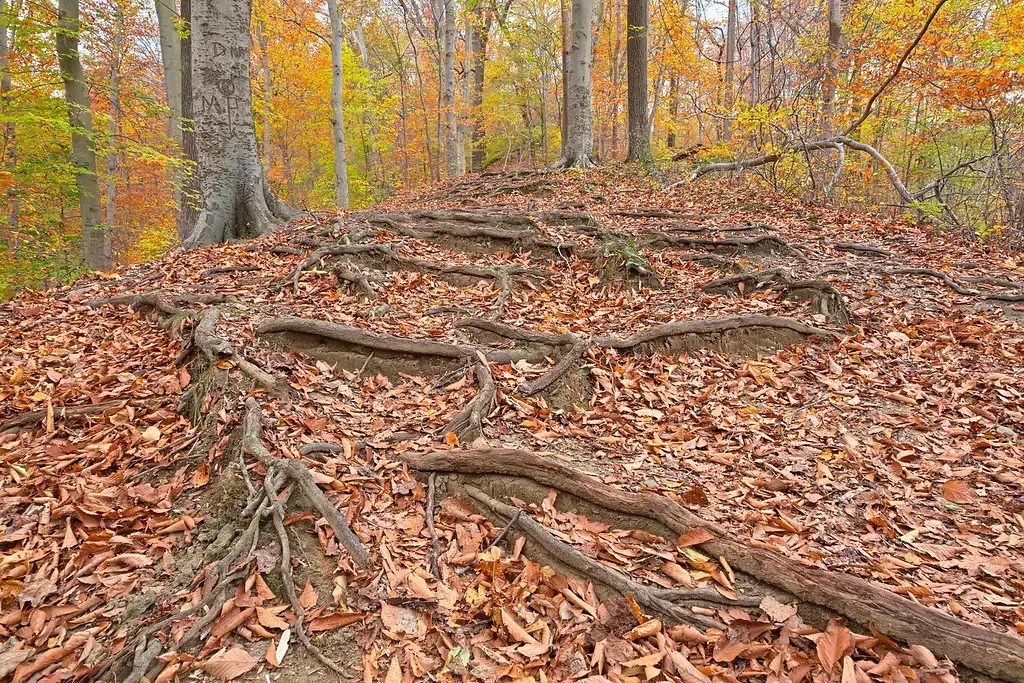
Here is the part that stops people in their tracks. Plants are not just broadcasting generalized signals into the network. In some cases, they appear to know exactly who they are talking to. Research by Simard and her team indicates that trees can distinguish which plants are their own offspring. In experiments, seedlings connected to a mother tree via a shared mycorrhizal network grew faster, received more resources than unrelated individuals in the same network, and showed higher chlorophyll content and metabolic activity, suggesting the existence of recognition and selective support mechanisms analogous to nepotism in animal societies.
More carbon has been found to be exchanged between the roots of more closely related Douglas firs sharing a network than between more distantly related roots, and evidence is also mounting that micronutrients transferred via mycorrhizal networks can actually communicate relatedness between plants. Given that nearby neighbors are more likely to be relatives, a plant may pass carbon through a network that then directs it to a relative, resulting in a form of kin selection – where it is beneficial for a plant to help ensure the shared genes of a related neighbor are passed on, as long as the cost to the parent individual is not too high.
Mother Trees: The Elders at the Heart of the Network
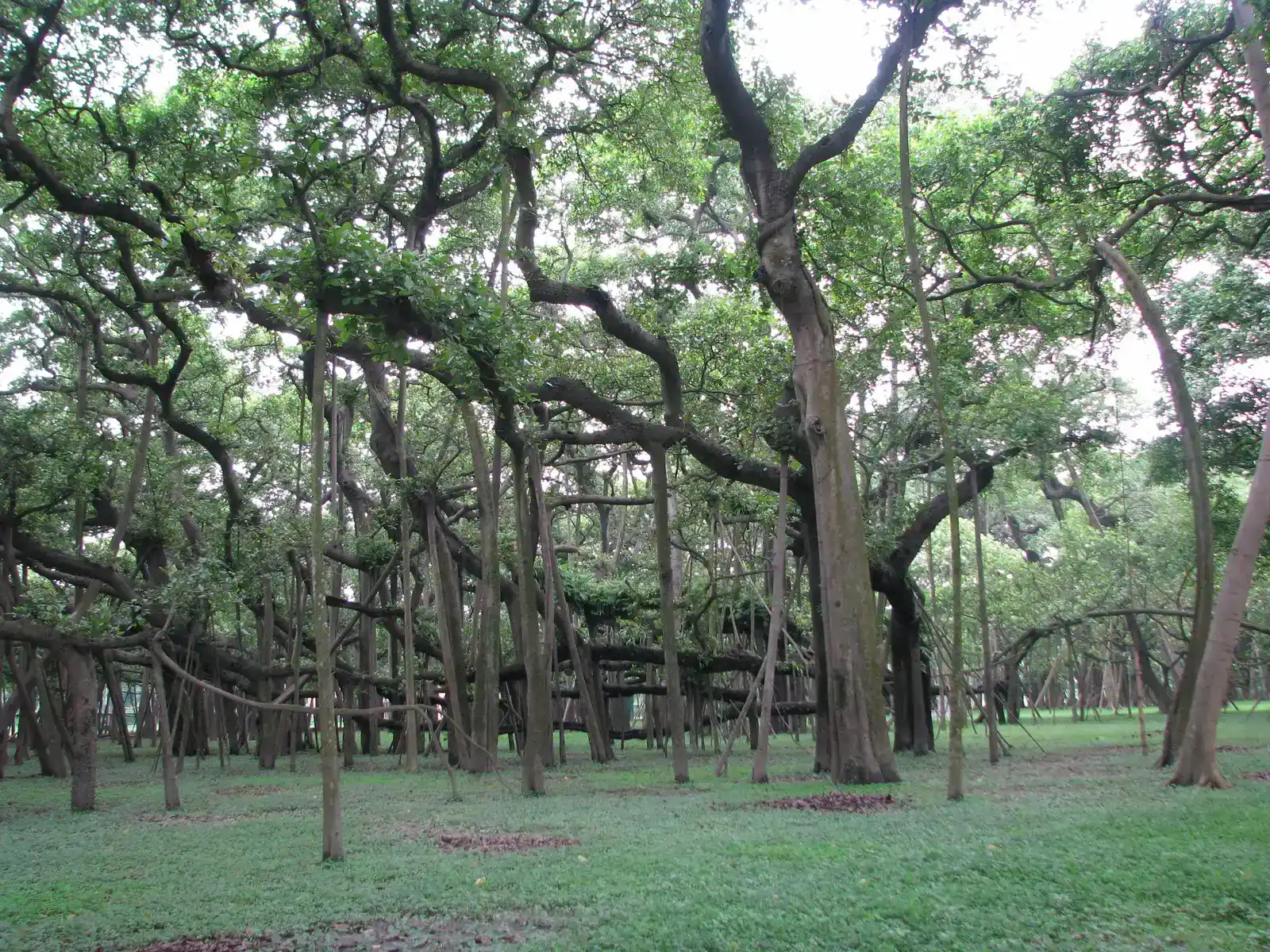
A linchpin in the tree-fungi networks are hub trees, also referred to as “mother trees” – the older, more seasoned trees in a forest. They typically carry the most fungal connections, their roots are established in deeper soil and can reach deeper sources of water to pass on to younger saplings, and through the mycorrhizal network these hub trees detect the ill health of their neighbors from distress signals and send them needed nutrients. Picture them as the wise grandparents of the forest, quietly making sure everyone has enough to eat.
Through the network, the biggest and oldest trees share carbon and nutrients with saplings growing in particularly shady areas where there is not enough sunlight for adequate photosynthesis. The network structure also enables mother trees to detect the ill health of their neighbors through distress signals, alerting them to send the nutrients those trees need to heal – and in this way, mother trees act as central hubs, communicating with both young seedlings and other large trees around them to increase overall chances of survival. That said, scientists are still actively debating how direct this transfer truly is, and the picture keeps evolving with every new study.
Defense Signals and Alarm Systems Across the Network
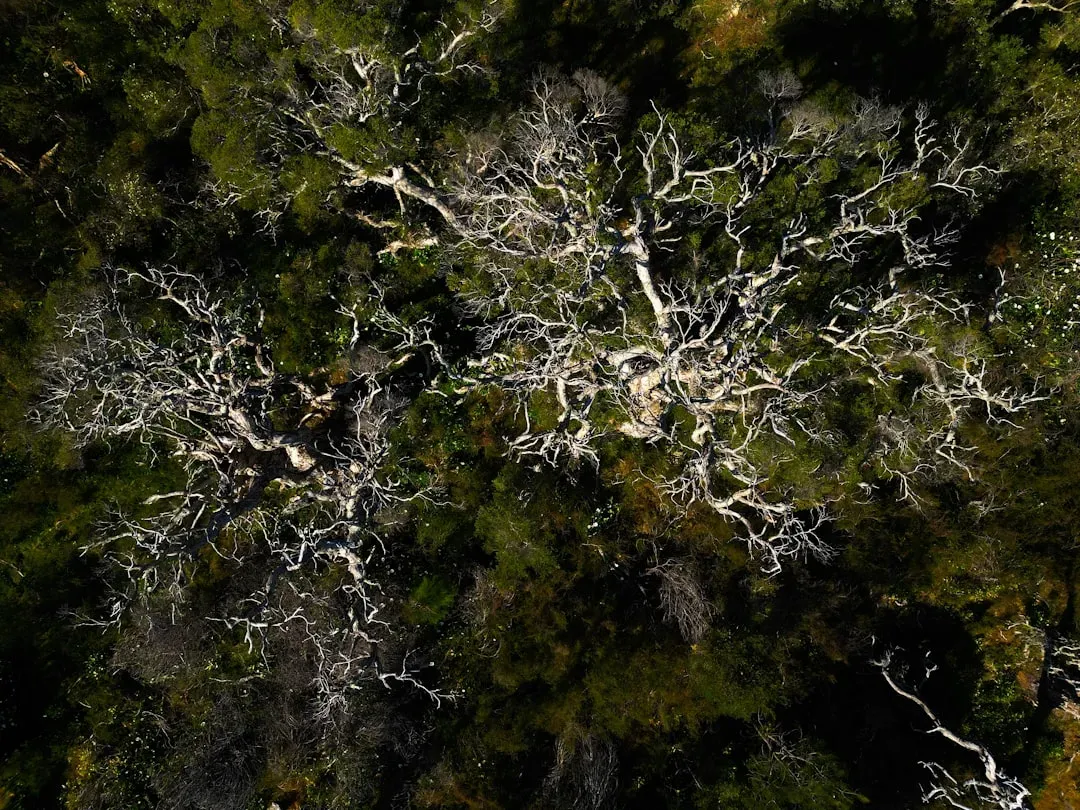
Recent research has shown that mycorrhizal networks can transport signals produced by plants in response to herbivore and pathogen infestation to neighboring plants before those neighbors are themselves attacked. The speed of transfer to uninfested plants is such that the mechanism is likely to have measurable, real benefits for plant protection. Let that sink in. You are not just looking at resource sharing – you are looking at a forest-wide early warning defense system.
When a giraffe begins eating acacia tree leaves in African savannas, for example, the damaged tree releases ethylene gas. Neighboring acacias detect this signal and respond by producing tannins, bitter compounds that make their leaves unpalatable and potentially toxic to browsers. Trees can alter their chemical defenses based on warning signals received from network partners, essentially preparing for battle before threats arrive – and this proactive defense mechanism significantly improves survival rates across entire forest communities. It makes chemical warfare sound almost elegant.
What This Means for Forests, Farming, and the Future
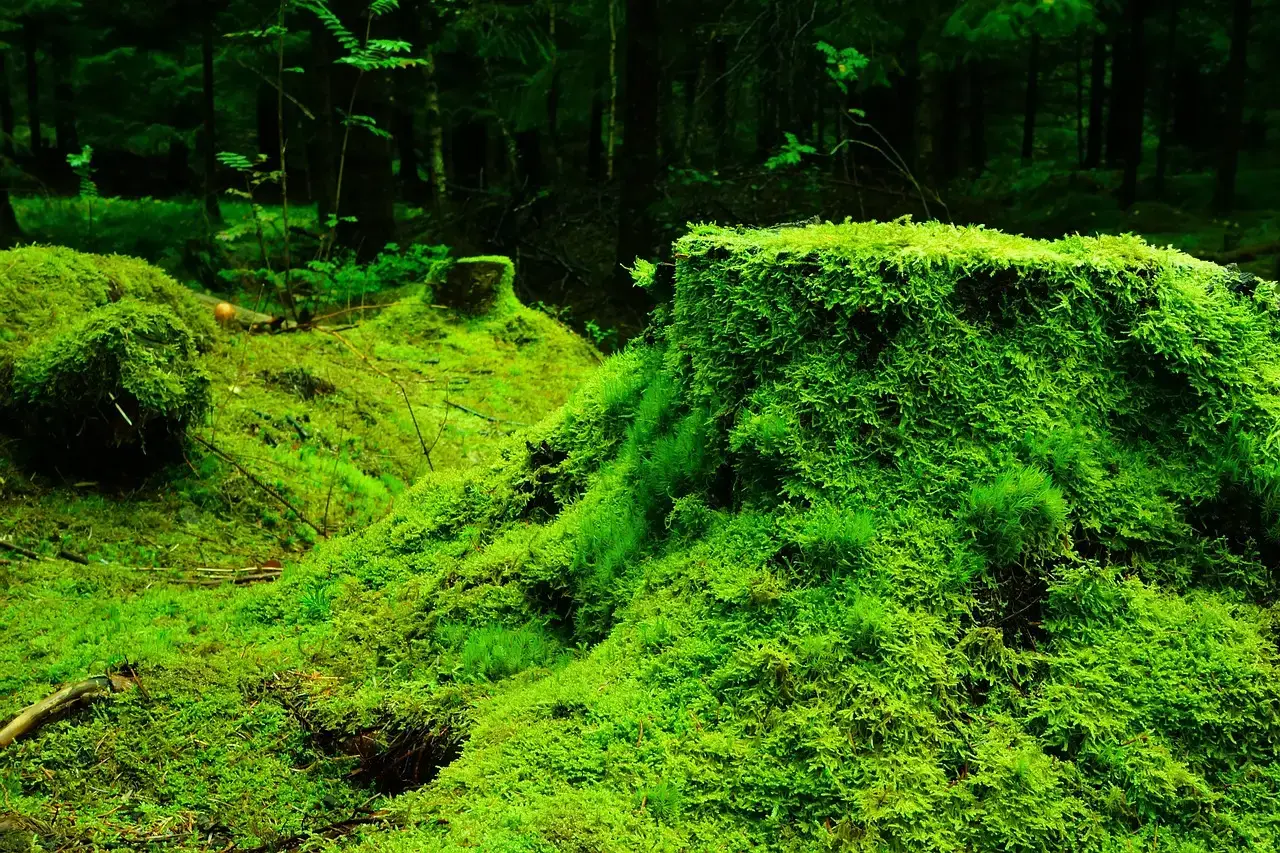
Chemical pesticides are currently widely used to protect crops, but their harmful environmental impact, coupled with rising demand for higher food productivity, underscores the urgent need for safer alternatives. The use of VOCs offers a sustainable solution, promoting both crop defense and productivity while reducing reliance on pesticides and other harmful chemicals. Recent studies demonstrate that VOCs can act as signaling molecules that mediate plant-microbe interactions and promote plant growth while simultaneously providing defense against pests and diseases, and microbial volatile organic compounds play pivotal roles in plant defense, communication, and growth promotion.
Protecting older, well-connected trees – the hubs of forest communication networks – may be key to maintaining healthy forest ecosystems, and selective logging practices that preserve these communication networks show real promise for more sustainable forest management. Traditionally, forestry has treated trees as individuals and not as though they live in communities, but the understanding that trees are linked below ground to their kin and extended community has the potential to genuinely influence the way we practice forestry on a global scale. That shift in perspective could matter more than you might expect.
Conclusion
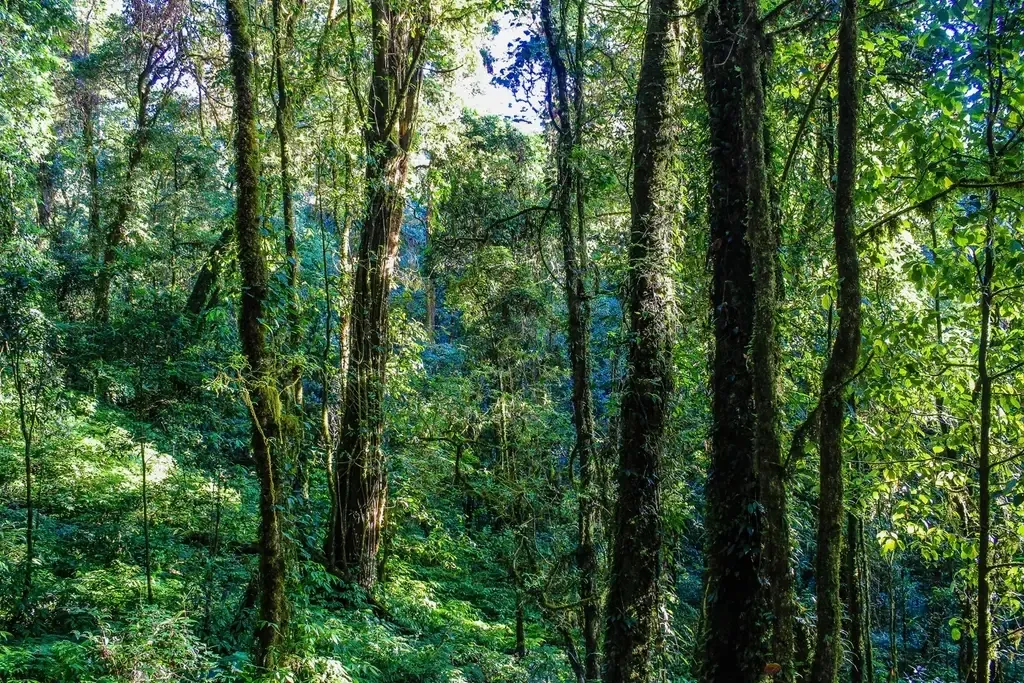
The next time you stand in a forest or even walk past a row of shrubs in a garden, you are standing inside an active, humming communication system that predates human civilization by an almost incomprehensible stretch of time. Plants are not the silent, passive backdrop to life on Earth. They are participants. They warn each other, feed each other, recognize each other, and respond to each other in ways that challenge almost everything we thought we knew about what it means to be intelligent.
Science is still unraveling the full picture, and honestly, some of the most exciting discoveries are probably still ahead of us. The language of plants is ancient, chemical, fungal, electrical, and completely unlike anything we speak – and yet it has been keeping ecosystems alive since long before we arrived. Maybe the real question is not whether plants can communicate. Maybe it is why it took us this long to start listening. What do you think – does knowing this change the way you look at the natural world around you? Share your thoughts in the comments.