
There is something utterly mind-bending about the fact that you are reading these words right now. Think about it: every syllable, every phrase, every half-formed thought you’ve ever expressed in conversation was shaped by a process that began hundreds of thousands of years ago, somewhere deep in prehistory, among people who left almost no written record of their struggles. Language is the greatest invention humanity never consciously chose to make. It just happened, one grunt, one gesture, one shared look at a time.
Scientists, linguists, geneticists, and anthropologists have been arguing over the precise origins of human language for centuries. The debate got so heated that, honestly, the Linguistic Society of Paris actually banned all debate on the subject back in 1866 because scholars simply could not agree. But we are in 2026 now, and the picture is finally, thrillingly, becoming clearer. Let’s dive in.
The Great Timeline Debate: When Did You Actually Start Talking?
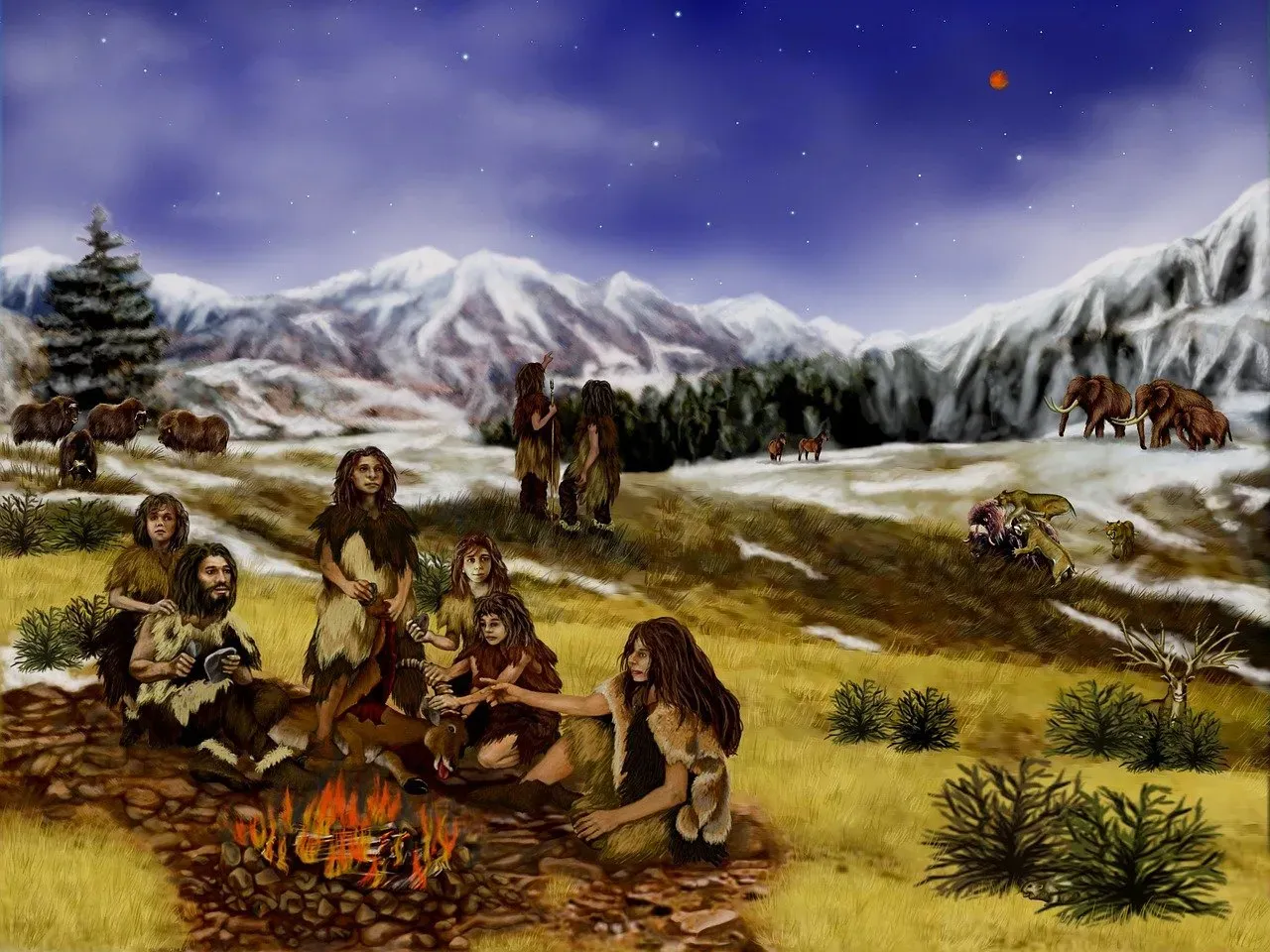
Here is where things get exciting fast. A new analysis suggests humanity’s language capacity existed at least 135,000 years ago, with language then potentially entering widespread social use roughly 100,000 years ago. That is not a small number. That pushes the emergence of your ability to speak, argue, whisper, and philosophize back into a period far earlier than many textbooks have traditionally suggested.
The new MIT-led paper examines 15 genetic studies published over the past 18 years, covering data from Y chromosomes, mitochondrial DNA, and whole-genome studies, and the combined data suggests an initial regional branching of humans about 135,000 years ago. The logic, as the researchers explain it, is elegantly simple: if every human population that spread across the globe carries language, and all languages appear to share a common origin, then language capacity had to predate those migrations.
MIT professor Shigeru Miyagawa reasons that language is both a cognitive system and a communication system, and that prior to 135,000 years ago, it likely started out as a private cognitive system before relatively quickly turning into a shared communications tool. That distinction is stunning when you sit with it. You were thinking in language before you were speaking in it. Wild.
Before Words, There Were Hands: The Gestural Origins Theory
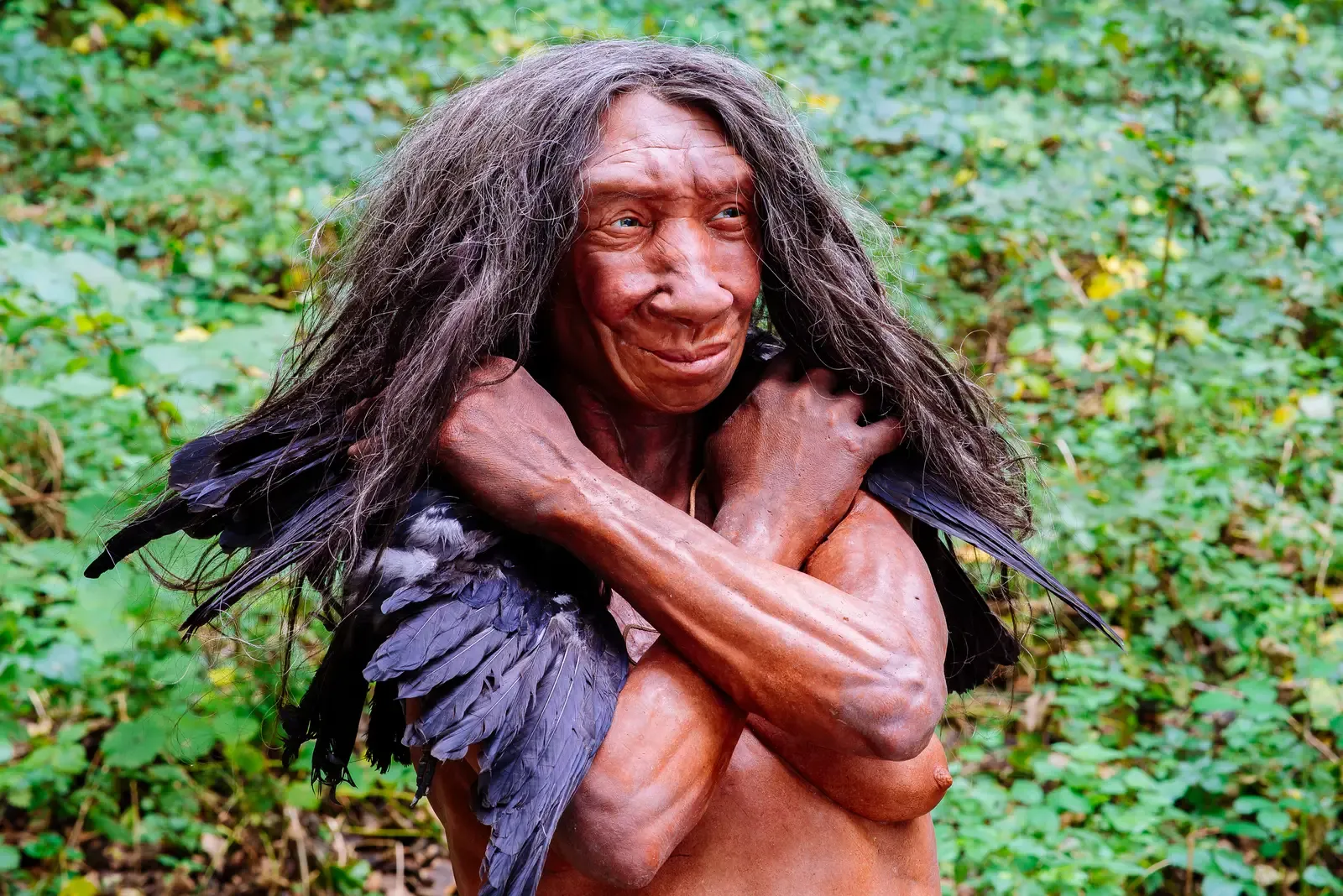
Before the development of spoken language, early humans communicated through a combination of gestures, facial expressions, and vocalisations, and these early forms of communication were essential for survival, allowing individuals to convey information about food sources, potential dangers, and social interactions. Think of it like a prehistoric group chat, except instead of emoji, your ancestors used their entire bodies.
The gestural origin theory recognizes that gestures played a precise role in language development. In terms of evolution, it has been suggested that spoken language itself evolved from an ancient communication system built on arm gestures. According to this theory, language developed relatively quickly in evolutionary terms once humans gained sufficient brain size, full bipedalism, and manual dexterity. In fact, the so-called trigger event for human language may have been bipedalism itself, which freed the hands not only for tool-making but also for signing. Walking upright basically gave your ancestors their first keyboard.
What Chimpanzees Reveal About Your Inner Grammar
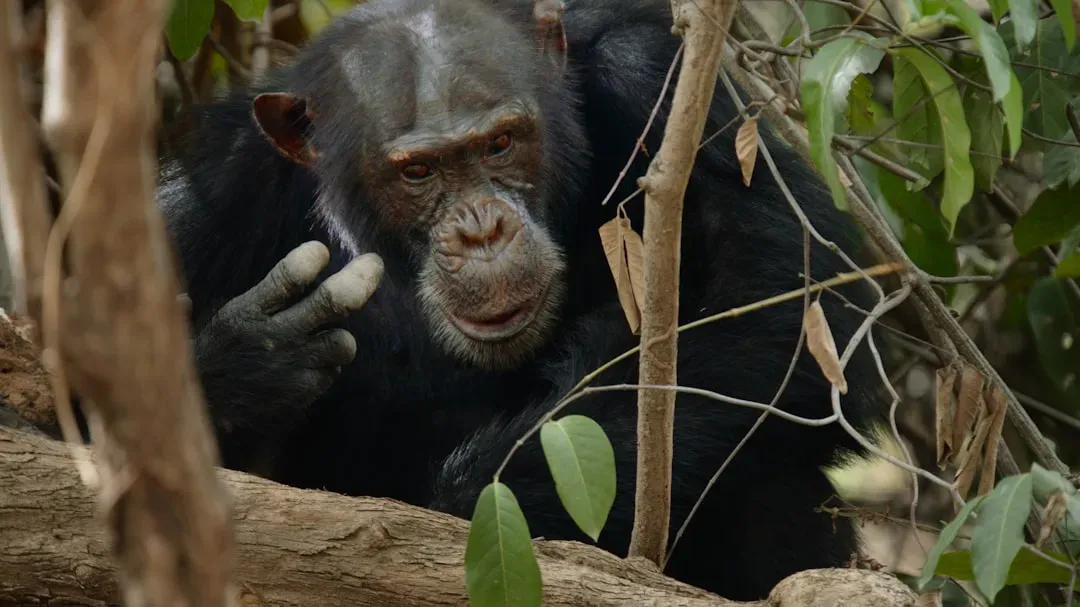
Wild chimpanzees alter the meaning of single calls when embedding them into diverse call combinations, mirroring certain linguistic operations found in human language. Human language, however, allows an infinite generation of meaning by combining phonemes into words and words into sentences, a capacity that contrasts sharply with the very few meaningful combinations reported in other animals. So yes, your closest primate cousins are doing something language-like, but they are nowhere near your level.
Research suggests that the human capacity for language may not be quite as unique as previously assumed, since chimpanzees possess a complex communication system that allows them to combine calls to create new meanings, similar in some ways to human language. Still, human language is qualitatively different because words and syntax work together to create a uniquely complex system, and no other animal has a parallel structure in their communication system. It is the difference between hammering a nail and engineering a skyscraper.
The Language Gene: FOXP2 and the Biology of Speech
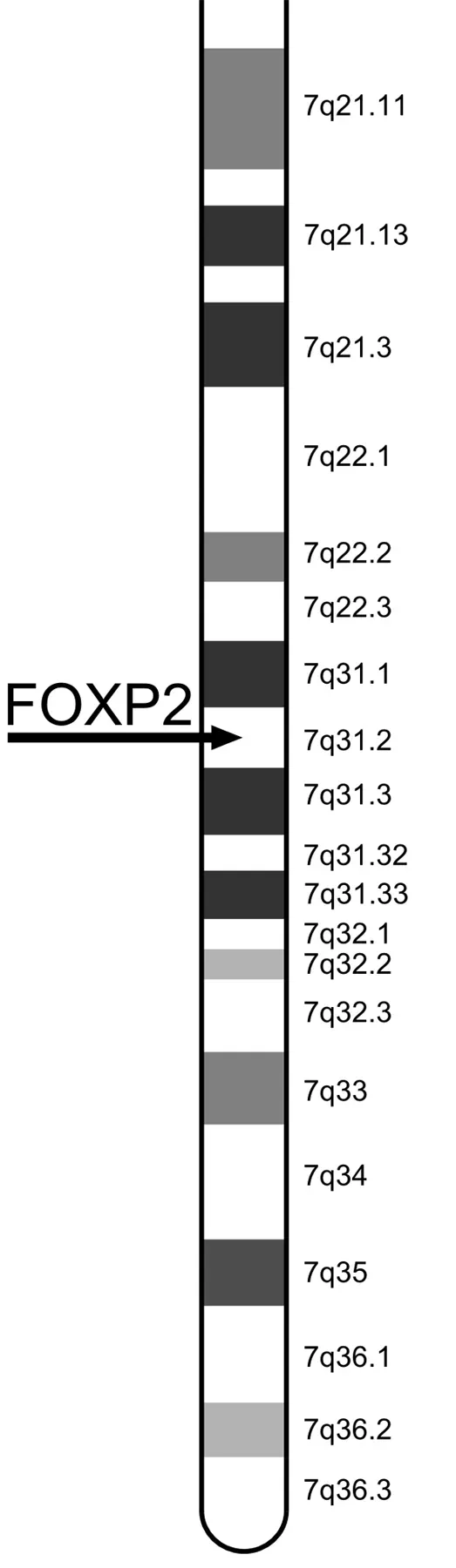
FOXP2 is required for the proper development of speech and language in humans. Mutations in FOXP2 cause the severe speech and language disorder known as developmental verbal dyspraxia. Studies of the gene in mice and songbirds further indicate that it is necessary for vocal imitation and the related motor learning. Honestly, the idea that a single gene could hold a key to why you can speak and a chimpanzee cannot is one of the most fascinating findings in modern biology.
Evolutionary changes in FOXP2 are hypothesized to have contributed to the emergence of speech and language in the human lineage. Although FOXP2 is highly conserved across most mammals, humans differ at two functional amino acid substitutions from chimpanzees, bonobos, and gorillas. A specific role for FOXP2 in the evolution of speech was suggested by the appearance of these two amino acid substitutions after the separation of the human and chimpanzee lineages, coinciding with the period during which speech is thought to have first appeared. Two tiny molecular tweaks, and suddenly your entire world changed.
Language as a Survival Tool: The Adaptation Theory

One widely held theory is that language came about as an evolutionary adaptation. This is where natural selection comes into play, the idea that specific traits of a population make it more likely to survive its environment. The central idea here is that language was created to help humans survive. Let’s be real, this makes perfect intuitive sense. If you can warn your tribe of danger faster and more precisely, your group lives longer.
Researchers conclude that the successful spread of even the earliest known toolmaking technology, more than 2 million years ago, would have required the capacity for teaching, and probably also the beginnings of spoken language, what they call protolanguage. Many researchers think gestural communication was the prelude to spoken language, which might explain its effectiveness in early experiments. The ability to rapidly share toolmaking skills would have brought significant fitness benefits to early humans, and then Darwinian natural selection would have gradually improved these primitive language abilities.
The Architecture of Grammar: Universal Patterns Across All Languages
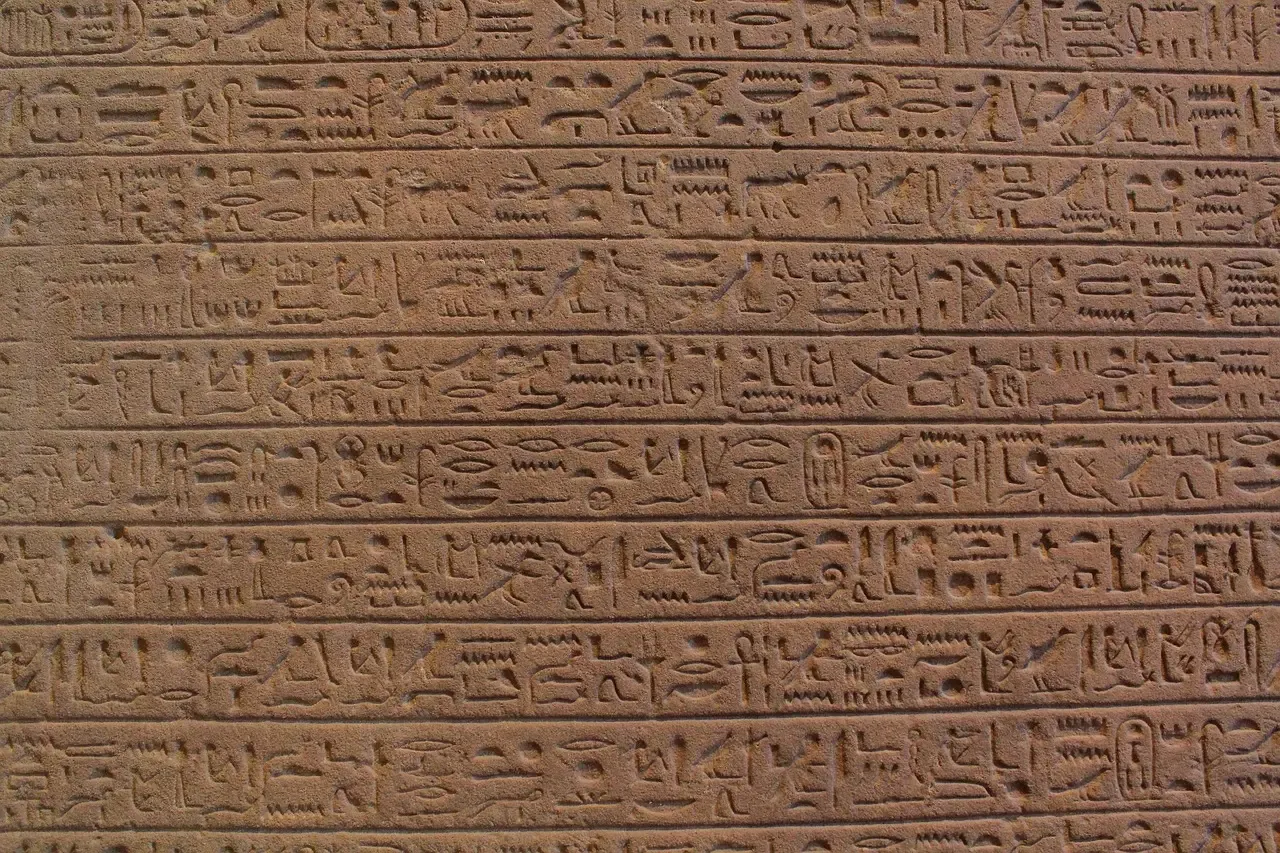
Despite the vast diversity of human languages, specific grammatical patterns appear again and again. A new study reveals that around a third of the long-proposed linguistic universals are statistically supported when examined with state-of-the-art evolutionary methods. An international team used Grambank, the world’s most comprehensive database of grammatical features, to test 191 proposed universals across more than 1,700 languages. If you have ever traveled and noticed that certain things feel structurally familiar even in a totally foreign language, this research may explain why.
The study found strong evidence for patterns involving word order and hierarchical universals such as dependencies in which arguments are marked in grammatical agreement. The patterns predicted by the supported universals have evolved repeatedly across the world’s languages, suggesting deep-rooted constraints in how humans structure communication. It is as though grammar itself has a kind of biological gravity, pulling all of humanity’s languages toward similar shapes, no matter the culture or geography.
How Social Complexity Drove Language to Evolve

Over time, rudimentary forms of communication evolved into more complex systems of spoken language, enabling humans to express abstract concepts, share knowledge, and form social bonds. The development of spoken language was a crucial milestone in human evolution, as it allowed for the transmission of information across generations and the coordination of group activities. Think of it this way: without language, you cannot have culture, and without culture, you cannot have civilization. It really is that foundational.
Research proposes that more complex social systems require members to employ more complex communication systems. That means a wider and more diverse repertoire of communicative signals, both vocal and visible, in larger societies with differentiated social roles and more complex interaction networks. Language should be viewed as a multitude of communication techniques that have developed and continue to develop in response to selective pressure. The precise nature of language is shaped by the needs of the species utilizing it, and the emergence of new situational adaptations demonstrates that language includes an act driven by a communicative goal.
The Lingering Mysteries: What We Still Do Not Know

Our species, Homo sapiens, is about 230,000 years old. Estimates of when language originated vary widely, based on different forms of evidence, from fossils to cultural artifacts. The frustrating, beautiful truth is that speech does not fossilize. You cannot dig up a conversation. The shortage of direct empirical evidence caused many scholars to regard the entire topic as unsuitable for serious study for well over a century. We have come a long way since then, but enormous questions remain unanswered.
Only recently have methodologies been developed that can provide answers backed with sufficient empirical evidence. The landscape of theoretical frameworks for language origin has been shifting in response to newly obtained discoveries. The field of language evolution research can be described as currently coming of age while already equipped with a rich toolkit for comparative research, investigating commonalities and differences between human language and animal communication systems. I think the most thrilling chapters of this story have not yet been written.
Conclusion: The Story That Never Really Ends

Language is the thread running through every human achievement you can name. Art, law, science, love letters, bedtime stories for frightened children. All of it lives inside the gift that your ancient ancestors stumbled into, one gesture, one vocalization, one shared meaning at a time. What researchers are confirming today, with genomics, neuroscience, and anthropology working together, is that this gift is older, deeper, and more biologically rooted than you may have ever imagined.
You are not just a person who speaks. You are the living result of hundreds of thousands of years of evolutionary pressure, genetic fine-tuning, social survival, and cognitive creativity. Every word you say carries that entire history inside it. Next time you open your mouth to say something, even something as small as “good morning,” maybe pause for just a second and appreciate the extraordinary ancient machinery humming quietly behind it.
What do you think language’s most important role has been in human history? Drop your thoughts in the comments below.