Every time we think we’ve got the universe figured out, it throws us something new and quietly asks, “Are you sure?” From mysterious signals to bizarre planets that shouldn’t exist, the search for life beyond Earth has turned into one long string of plot twists. It’s less like solving a puzzle and more like realizing the puzzle keeps getting bigger every time you fit a piece.
What makes this question so powerful is how personal it feels. Whether you’re staring up at the night sky from a city balcony or a quiet campsite, it’s hard not to wonder if someone, somewhere, is looking back. As our telescopes sharpen and our probes travel farther, one thing has become clear: the universe is far stranger, more crowded, and more promising for life than anyone dared to assume a few decades ago.
The Shocking Realization: Earth Might Not Be So Special After All
Not that long ago, many scientists thought planets like Earth were probably rare, maybe even freak accidents in a mostly empty universe. That idea has been quietly falling apart. With powerful space telescopes scanning distant stars, astronomers have discovered thousands of exoplanets, and new ones are being added regularly like names to an ever-growing guest list.
What’s even more surprising is how normal planets like ours now seem. Estimates today suggest that, in our galaxy alone, there could be billions of Earth-sized worlds orbiting in the temperate zones of their stars, where liquid water might exist. It’s like we suddenly realized we’re living in a city, not a lonely cabin in the woods. When you hear that there may be multiple Earth-like planets for nearly every handful of stars you see in the sky, “Are we alone?” stops sounding like a wild question and starts feeling like a serious, testable possibility.
Exoplanets: From Firestorms to Possible Second Earths
The first planets discovered around other stars felt almost like science fiction gone wrong: gas giants hugging their stars so tightly that their years lasted just a few days, or worlds with temperatures hot enough to vaporize metal. These so-called “hot Jupiters” looked nothing like our calm, orderly solar system. For a while, it seemed as if our familiar kind of planetary neighborhood might be the exception, not the rule.
But as more data poured in, a different picture emerged. Astronomers found smaller, rocky planets, some in that sweet “habitable zone” where liquid water could potentially exist. There are systems with multiple Earth-sized planets, and a few that look tantalizingly like cousins of our world, orbiting dim red dwarf stars that could shine for trillions of years. It’s as if we started looking for a single needle in a haystack, only to realize the haystack might be full of needles.
The Strange Case of Alien Signals: Noise, Hype, and Real Mysteries
Every so often, a story breaks about a “possible alien signal,” and the world collectively holds its breath. Most of these turn out to have perfectly boring explanations: interference from human technology, natural cosmic phenomena, or simply bad data. The famous “Wow!” signal from the late 1970s, a brief, intense radio burst that still lacks a clear explanation, shows how thin the line can be between mystery and misunderstanding.
Even today, researchers listening for extraterrestrial signals sift through a storm of radio noise from satellites, phones, and spacecraft. Still, there are intriguing cases, like certain fast radio bursts that behave in puzzling ways or stars that dim oddly enough to spark speculation. While nobody has found a smoking gun for alien intelligence, the search keeps improving, with more sensitive instruments and smarter software. The result is a kind of cosmic treasure hunt where most shiny things turn out to be junk, but the possibility of one real gem keeps everyone searching.
Life in Extreme Places: What Earth’s Weirdest Creatures Are Teaching Us
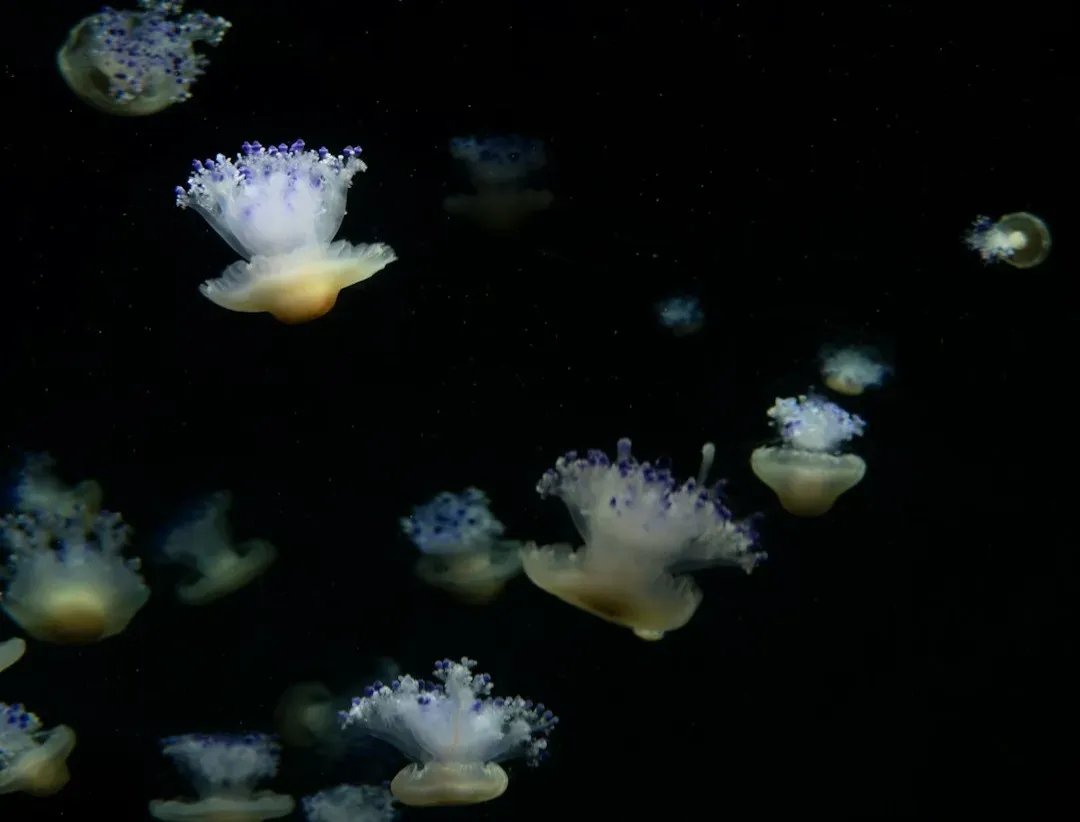
If you only looked at a postcard of Earth, you might think life needs perfect conditions: gentle weather, moderate temperatures, plenty of sunshine. Then you meet the extremophiles. These are organisms that thrive in boiling hot vents on the ocean floor, in acidic pools that would dissolve metal, deep under Antarctic ice, or inside rocks buried far underground. They quietly break almost every rule we thought life had to follow.
These discoveries matter because they expand our imagination for what alien life might look like. If microbes can survive intense radiation, crushing pressure, or near-freezing saltwater here, why couldn’t something similar exist beneath the ice of distant moons or in the clouds of an exotic planet? It feels a bit like realizing your houseplants are only a tiny sample of what “life” can be, while somewhere out there, there could be forests, fungi, and creatures thriving in conditions we’d once have dismissed as utterly impossible.
Oceans in the Dark: Why Moons Like Europa and Enceladus Are So Exciting
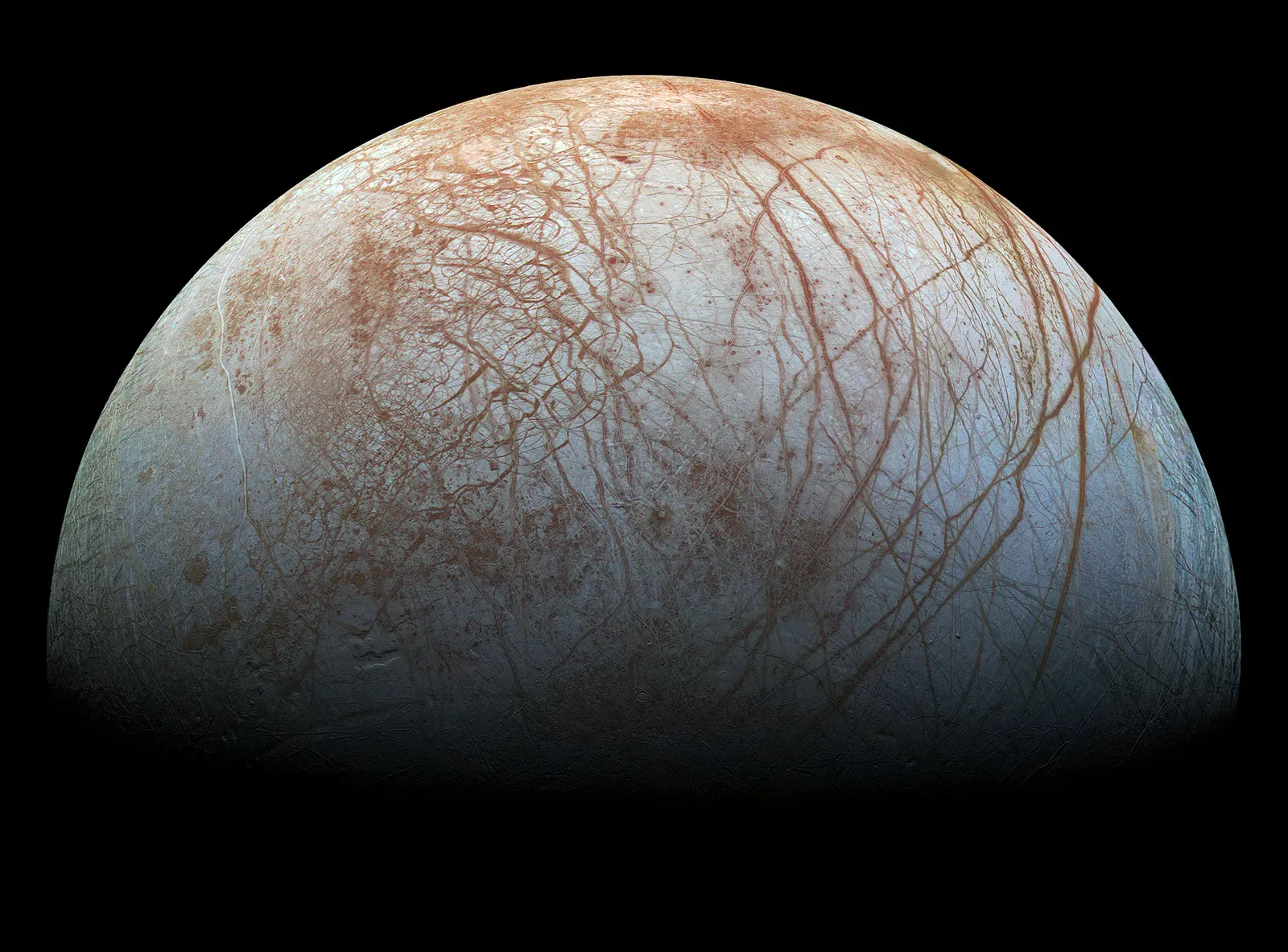
For a long time, Mars took center stage in the hunt for nearby life, but some of the most exciting candidates today are actually icy moons. Jupiter’s moon Europa and Saturn’s moon Enceladus are covered in thick ice, but strong evidence suggests global oceans lurk beneath those frozen shells. Even more compelling, these oceans may be in contact with rocky seafloors, where chemical reactions could provide energy for life, much like the deep-sea vents that host rich ecosystems on Earth.
We’ve even seen plumes of water vapor shooting out from Enceladus, hinting at active processes beneath its surface. Future missions are gearing up to fly through those plumes or even land on these worlds to analyze the chemistry up close. The idea that we might find simple lifeforms, not on a distant planet around another star, but in an ocean hidden beneath an icy crust in our own solar system, feels both eerie and strangely intimate, like discovering a secret neighbor living quietly in your basement.
The Great Silence: Why Haven’t We Met Anyone Yet?
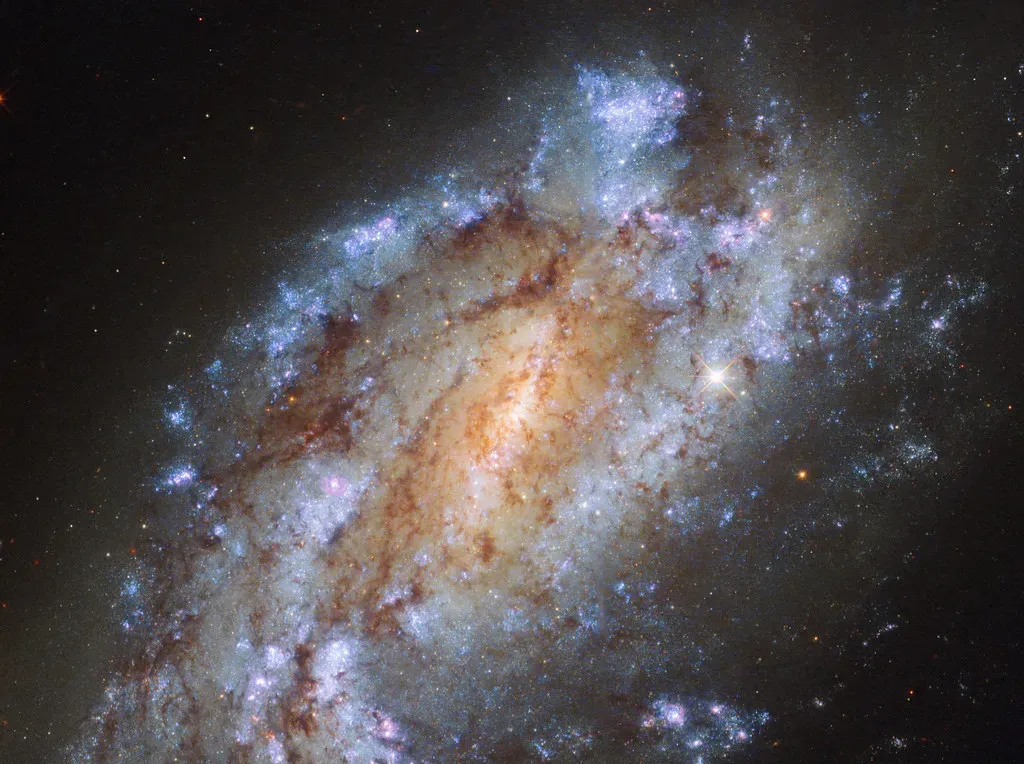
The more likely life seems, the stranger it feels that we haven’t seen any clear signs of it. This tension is often called the Fermi paradox: if the galaxy is old, vast, and filled with planets, where is everybody? There are many possible answers, and none of them are entirely comfortable. Maybe intelligent life is incredibly rare, and we’re one of the few lucky accidents. Maybe civilizations tend to destroy themselves or retreat into forms we wouldn’t recognize.
Another possibility is that we’re simply not looking in the right way or at the right scale. We might be like ants on a sidewalk, unaware of an airplane flying overhead because we don’t have the tools or perspective to even notice it. Or perhaps other civilizations follow rules we haven’t guessed yet, staying quiet, communicating in ways we can’t detect, or existing mostly in digital or simulated realms. The silence, in other words, might say more about our limitations than about the universe itself.
What Finding Life Would Actually Mean for Us

It’s easy to imagine that discovering alien life would just be a scientific milestone, but it would almost certainly hit us at a deep emotional and cultural level. Finding even microbial life elsewhere would instantly prove that life is not a freak accident confined to Earth. For many people, that would reshape ideas about uniqueness, purpose, and place in the cosmos, whether they approach those questions through religion, philosophy, or simple curiosity.
Intelligent life would be an even bigger shock. It would raise tough questions about communication, ethics, and security: How do we introduce ourselves? Should we even try? Do we share knowledge freely, or proceed cautiously? Personally, I suspect that just knowing, finally, that someone else is out there would change our day-to-day worries in subtle ways, the way seeing Earth from space changed how astronauts talk about borders and conflicts. When your sky suddenly feels shared, it’s hard to look at yourself exactly the same way.
The Search Continues
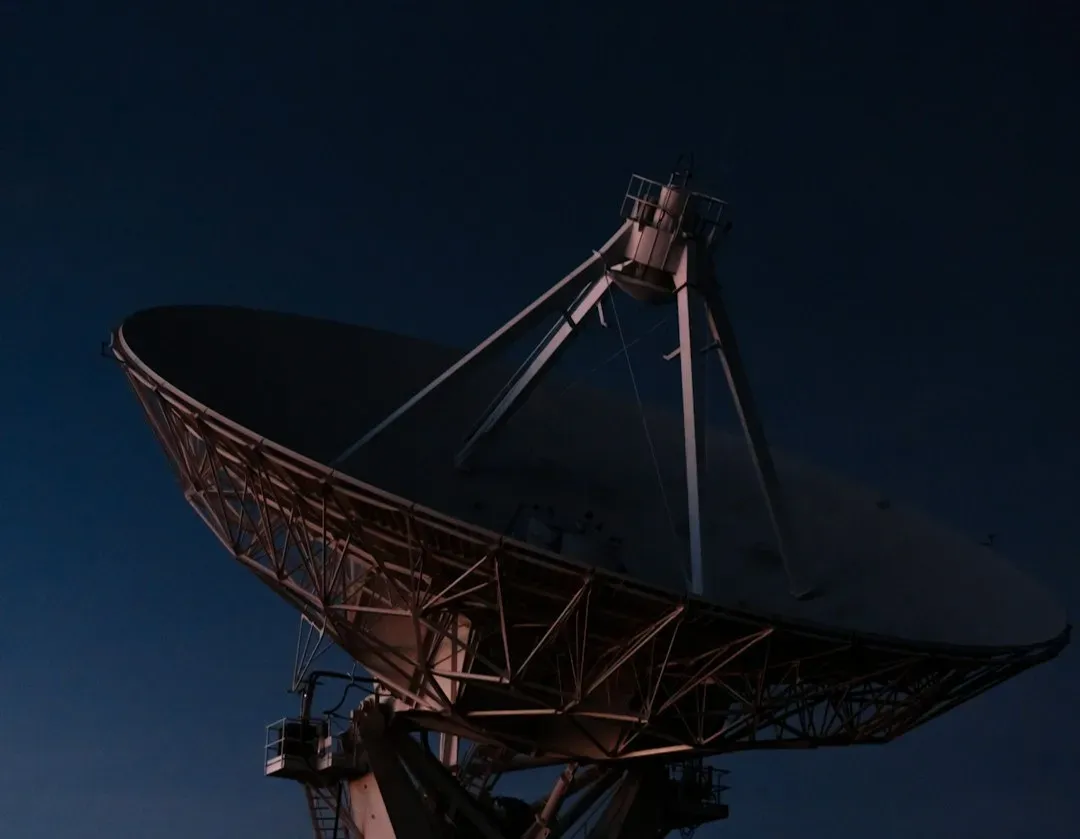
Right now, the hunt for extraterrestrial life is happening on many fronts at once: telescopes scanning exoplanet atmospheres for hints of oxygen or methane, radio arrays listening for artificial signals, probes sampling the chemistry of Mars and the outer moons. None of these efforts has delivered a definitive “Yes, they’re out there” moment yet, but together they’ve transformed the question from something philosophical into something practical and testable. It’s no longer just a late-night thought; it’s an active research program.
In a way, the surprises we’ve already found might be more important than any single discovery to come. We’ve learned that planets are everywhere, that life on Earth is tougher and stranger than we imagined, and that our own assumptions keep getting overturned as our tools improve. The universe has already proven that it’s more creative than we are. The real suspense now is simple: how much more is it hiding, and how long will it be before we finally stumble across undeniable proof that we are not, and never were, truly alone?