
For most of the past century, physics has been sold to the public as a kind of ultimate rulebook: solid, timeless, written into the fabric of reality itself. Gravity pulls, light moves at a fixed speed, and the constants of nature are, well, constant. But as our measurements get sharper and our telescopes see farther, a strange idea keeps creeping back in: maybe those rules are not as rigid as we thought.
That doesn’t mean the universe is random or that anything goes. It means the “laws” we treat as universal might be more like local agreements, stable enough for life to evolve but not necessarily carved into some cosmic stone tablet. The more we look – into black holes, the early universe, quantum experiments in the lab – the more cracks appear in the simple story of fixed, eternal laws. And those cracks are where the really interesting questions live.
The Shocking Possibility of Changing Constants
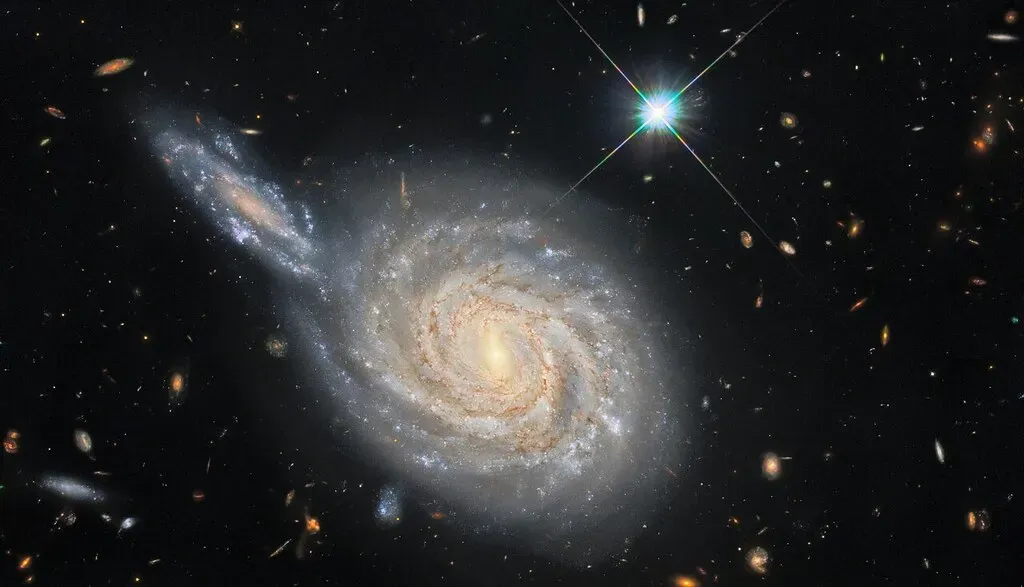
Imagine building an entire scientific worldview on the assumption that certain numbers never, ever change – and then finding hints that they might have drifted over billions of years. That’s exactly what physicists ran into with quantities like the fine-structure constant, which sets the strength of electromagnetism, and the ratio of the masses of the proton and the electron. For decades, these values were treated as sacred, the same everywhere and everywhen in the universe.
But when astronomers started analyzing light from extremely distant quasars, they saw tiny shifts in the spectral lines that, if taken at face value, could mean slight differences in these constants in the distant past or in different directions in the sky. The data is messy, fiercely debated, and far from conclusive, but the mere fact that serious researchers are even entertaining “variable constants” is a huge psychological shift. It suggests our laws might be more like snapshots: incredibly stable in our cosmic neighborhood, but not guaranteed to be identical across the entire universe or throughout its history.
Cosmic Evolution: Do the Laws Grow Up Too?
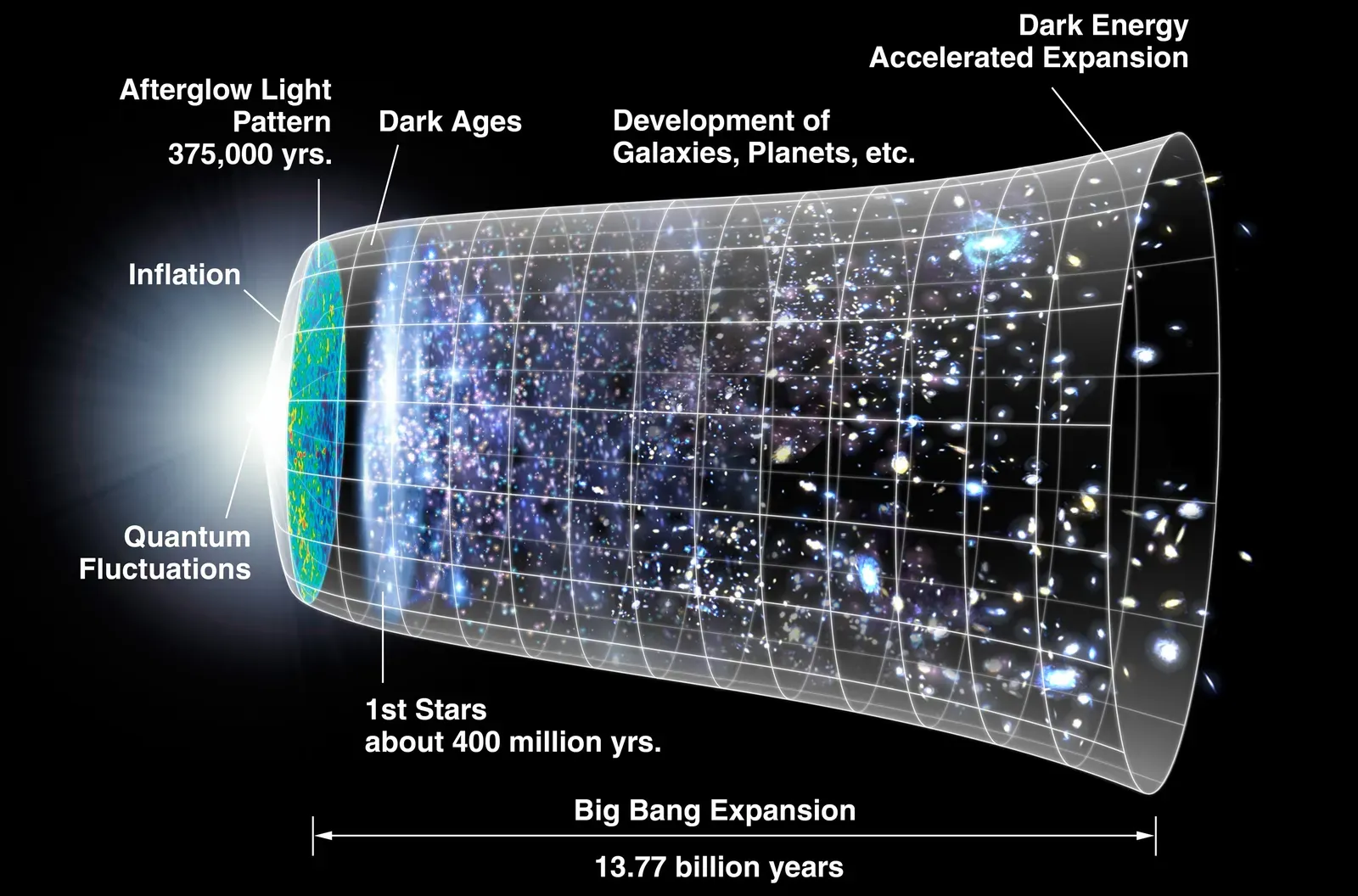
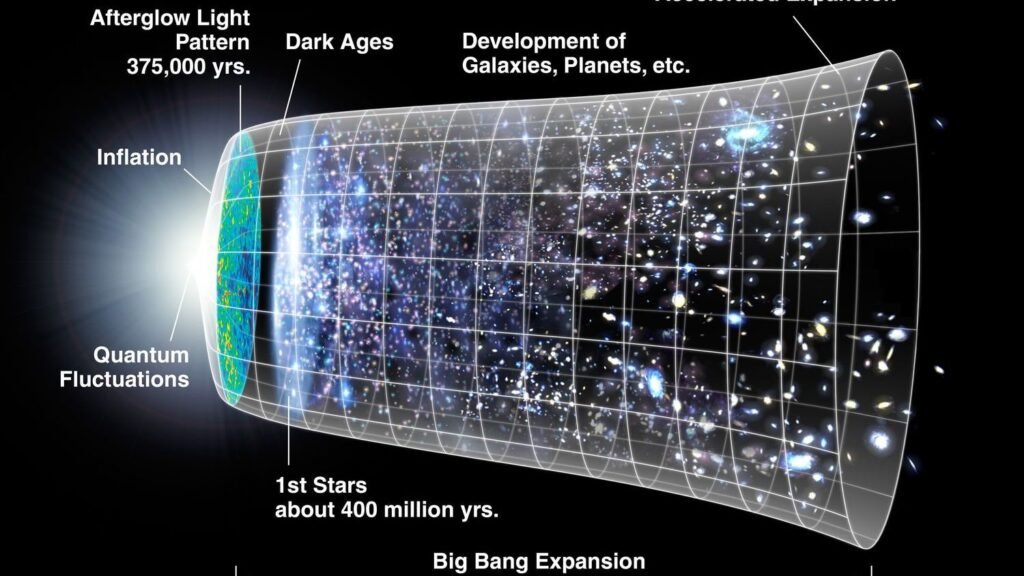
We’re very comfortable with the idea that the universe itself evolves: it expands, cools, forms stars and galaxies, and eventually grows large-scale structures like cosmic webs and galaxy clusters. Yet we tend to quietly assume that, underneath all that change, the rules are frozen in place. A growing number of theorists are pushing back, asking a bracing question: why should everything in the cosmos evolve except the laws that govern it?
Some proposals explore the idea that what we call “laws” might emerge from deeper, more primitive patterns, the way the rules of traffic emerge from many drivers trying not to crash. In that view, the early universe might have played by slightly different rules, which gradually stabilized into the regularities we measure today. It’s a bit like imagining gravity, electromagnetism, and quantum mechanics as the “late game” behavior of a universe that had to settle down from a chaotic, rule-shifting beginning.
Multiverse Thinking: Different Universes, Different Rules
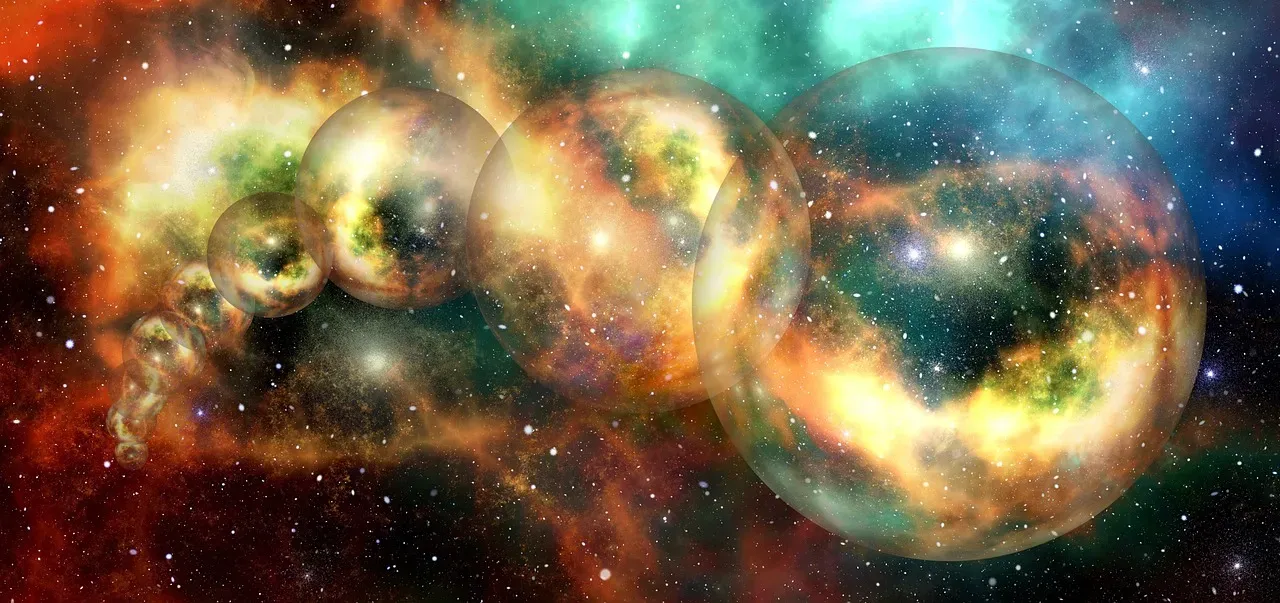
The multiverse idea sounds like science fiction, but it popped up again and again as physicists tried to make sense of both quantum theory and cosmology. One consequence is unnerving: if there really are many universes, they might not all share the same laws. Some could have stronger gravity, others different particle masses, others no stable atoms at all. In that bigger picture, our laws start to look less like absolute truths and more like local environmental conditions.
Anthropic reasoning – controversial but hard to fully ignore – then sneaks in: we observe these particular laws because they happen to allow stars, planets, and complicated chemistry, which in turn allow beings like us to ask questions. This doesn’t mean “anything goes”; it means what we call “laws of nature” might be selection effects in a vast cosmic landscape. It’s an uncomfortable idea for people who want a single, simple explanation, but it fits surprisingly well with some models coming out of high-energy physics and inflationary cosmology.
Quantum Weirdness and Rule-Breaking at the Smallest Scales
If there’s any place where nature seems to flirt with breaking its own rules, it’s the quantum world. Particles behave more like smeared-out possibilities than solid objects, and events that look strictly forbidden classically – like tunneling through energy barriers – happen routinely at small scales. The laws of quantum mechanics are incredibly precise in their predictions, but they give us probabilities rather than certainties, like a casino that always follows the rules but never tells you who wins each spin.
Some interpretations of quantum theory go even further, suggesting that the actual outcomes we see could depend on contexts, measurements, or underlying variables we don’t yet understand. In that sense, what we call a “law” might be more like a statistical pattern emerging from countless underlying processes, not a rigid instruction for every single event. The rules hold in the aggregate, but at the microscopic level reality feels less like a tidy legal code and more like a wild, rolling dice game whose averages look orderly only when you zoom out.
Emergent Laws: When Order Rises From Chaos
One of the most surprising lessons from fields like condensed matter physics and complex systems is that order can spring from chaos in entirely predictable ways. You don’t need to program every detail to get consistent patterns; you just need simple local rules, and large-scale behavior emerges on its own. Think of how snowflakes, traffic jams, or flocking birds show repeatable patterns without any central command. That same idea is now being turned back onto the foundations of physics itself.
Some researchers suspect that gravity, spacetime, and maybe even quantum mechanics could be “emergent,” not fundamental. In that picture, what we call laws of physics are like the rules of thermodynamics for a gas: incredibly reliable at large scales, but arising from deeper microscopic chaos. If that’s right, then our beloved equations might be more like weather forecasts than eternal decrees – immensely useful and accurate in the right regime, but not the last word on how reality is put together.
I remember the first time I really let that sink in; it felt like realizing the instructions in a board game rulebook are not the laws of the universe, just the local rules for that particular game. The shock is that we might be living inside one such game, while the universe itself has layers of rules we haven’t even begun to read.
Precision Experiments: Hunting for Tiny Violations
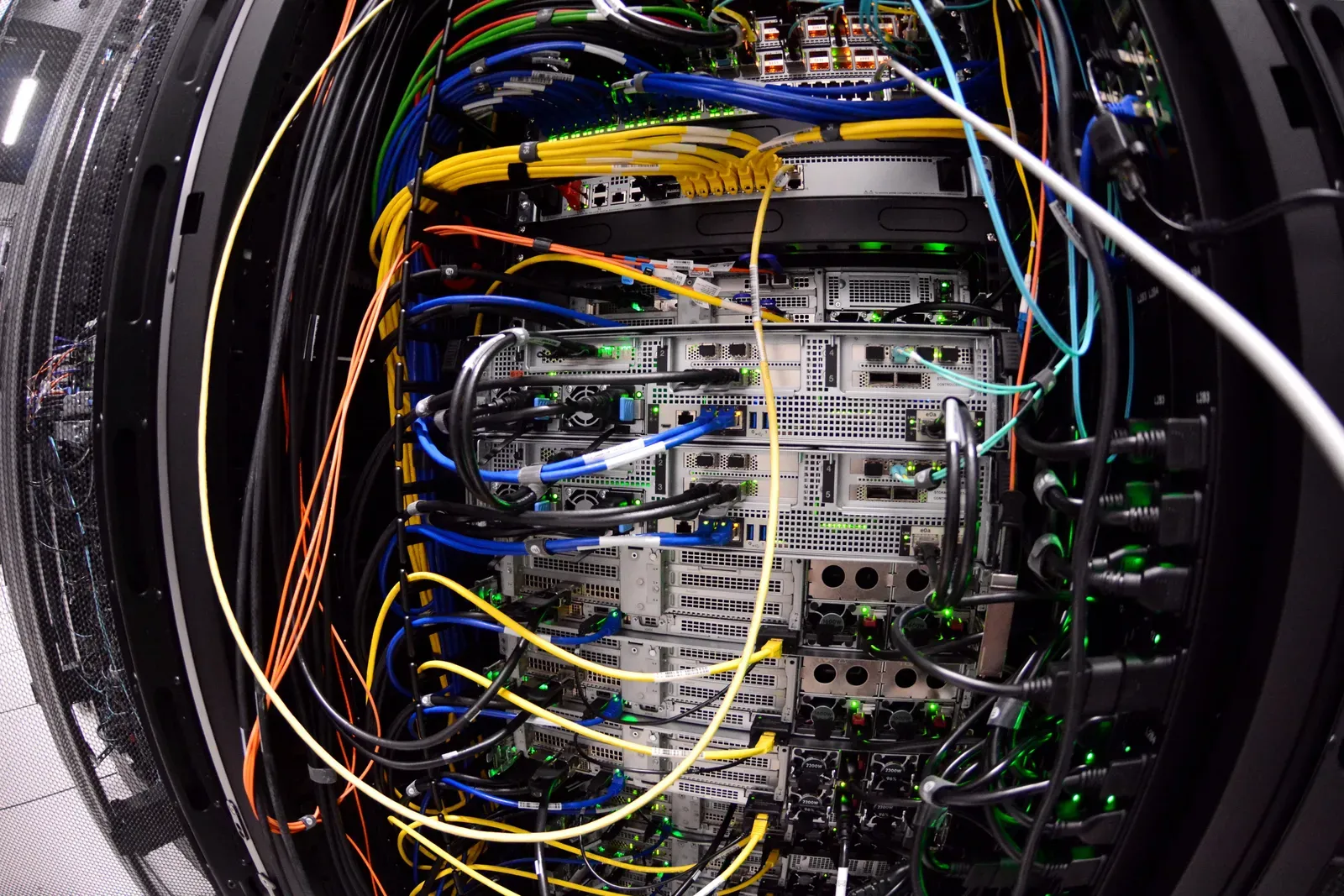
Despite all the big philosophical talk, the question “Are the laws fixed?” lives or dies on experiments. Physicists torture their theories with incredibly precise measurements, looking for even the smallest cracks. They test whether the speed of light is absolutely constant, whether gravity behaves exactly as general relativity predicts, whether fundamental symmetries like charge-parity-time are ever so slightly broken. These experiments sometimes feel absurd in their delicacy, like trying to detect the weight of a dust grain by watching how a skyscraper sways.
So far, the laws have held up almost annoyingly well, but there are stubborn anomalies and tensions: tiny mismatches in the expansion rate of the universe, unexpected behavior in neutrinos, puzzling gaps between predictions and measurements of particle properties. Each small discrepancy is either an error to be fixed – or the first whisper of new physics, a hint that our current “laws” are only approximations to a deeper, more flexible framework. The thrill in the community comes from not knowing which way the coin will land.
What It Means If the Laws Aren’t Eternal
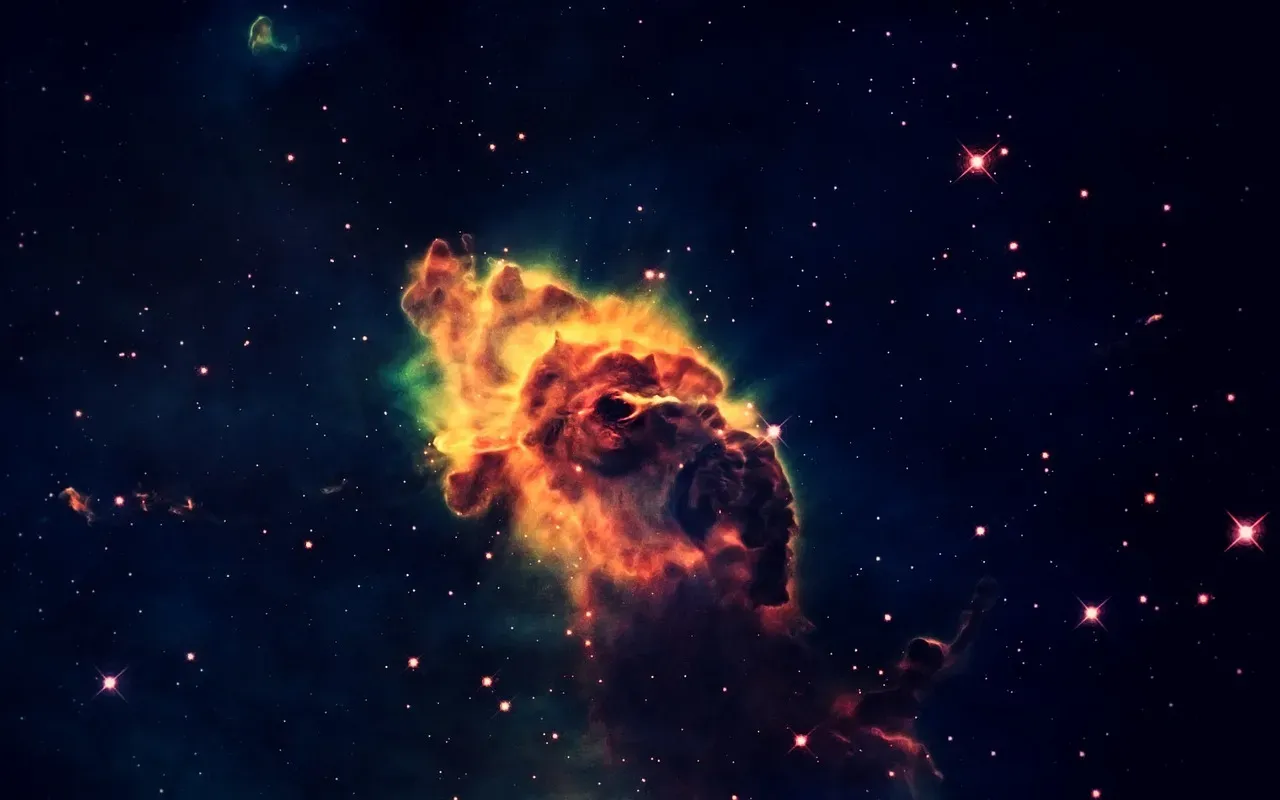
If we accept that the laws of physics might not be fixed for all time and space, it changes how we think about science itself. Instead of chasing a single ultimate equation, we may need to embrace layered descriptions: laws that work incredibly well here and now, nested inside broader patterns that explain why those laws look the way they do. It’s less like finding a final answer and more like understanding why certain answers appear again and again in different contexts.
There’s also a strangely human comfort in this idea. If the universe’s rules can emerge, evolve, or vary across a larger landscape, then our own urge to explore and revise our beliefs starts to look less like a flaw and more like a reflection of how reality actually behaves. We’re not trying to carve our understanding into stone; we’re trying to dance with a universe that might itself be changing costume behind the scenes. In a world like that, staying curious is not just a hobby, it’s survival.
Living With a Looser Rulebook
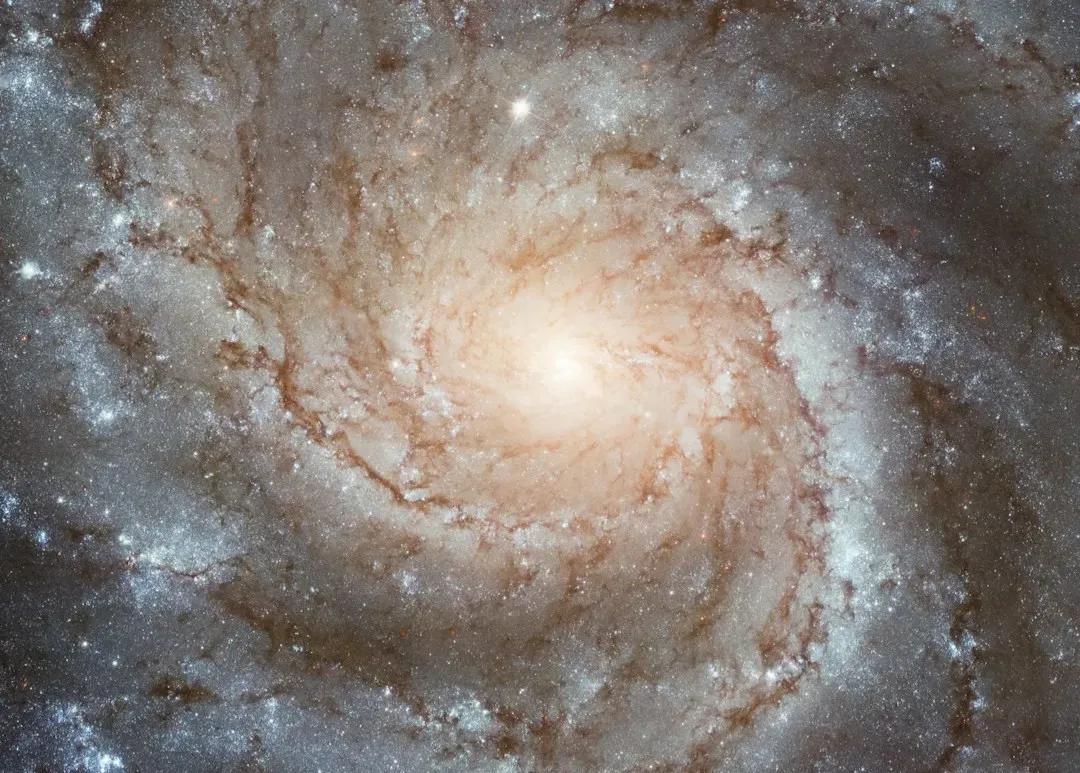
The possibility that the laws of physics are not ironclad, eternal commands but evolving, emergent, or context-dependent patterns is both unsettling and liberating. It pulls the ground out from under the old dream of a single, final theory, yet it opens up a richer, more dynamic picture of a universe that can grow, diversify, and surprise us at every scale. We may be early in the story, armed with equations that work incredibly well locally but only hint at a deeper, more fluid reality.
For now, our best move is to treat our laws as the most accurate maps we have, while staying ready to redraw the borders when new evidence demands it. The universe has already shown it is stranger than any rulebook we have written so far; expecting it to stop surprising us might be the most unscientific assumption of all. How fixed did you really think the rules of reality were?