
If you’ve ever walked away from an argument thinking, “How can we have experienced the same thing and remember it so differently?”, you’ve already bumped into a strange truth: reality isn’t a fixed movie you passively watch, it’s more like a custom-made edit your brain assembles on the fly. What you see, feel, and believe right now is not a perfect mirror of the world out there; it’s a filtered, biased, and sometimes shockingly inaccurate reconstruction. That can be a little unsettling, but it’s also weirdly liberating.
I still remember realizing this during a small disagreement with a friend about a road trip we’d taken. We both swore we were right about a simple detail, and both of our memories felt laser sharp – but we couldn’t both be correct. That moment cracked something open for me: if my mind can feel completely certain and still be wrong about something that simple, what else am I overconfident about? Once you see how shaky your perception can be, you never look at “reality” the same way again.
Your Brain Is Constantly Guessing, Not Just Seeing
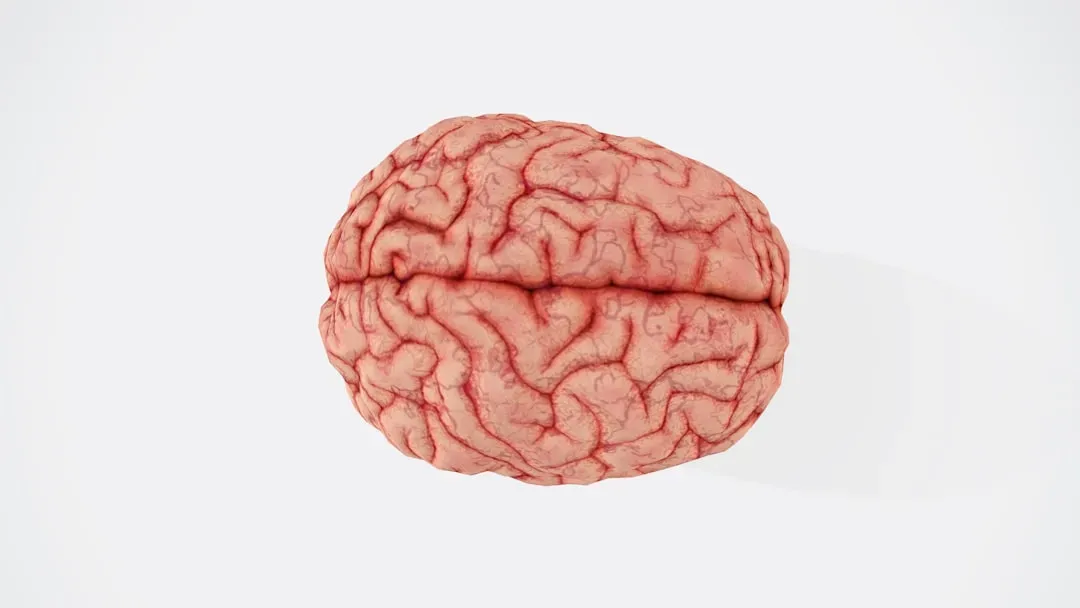
It’s tempting to think your eyes are like cameras, faithfully recording the world, but biologically that’s not how it works at all. Your brain receives messy, incomplete signals from your senses and then makes its best guess about what’s going on. Neuroscientists have been arguing for years that perception is basically the brain doing real-time prediction work: it uses past experience to fill in gaps and smooth over glitches so your world feels stable and continuous. You don’t notice this guessing process, which is exactly why it feels like you’re seeing “the truth.”
Simple visual illusions make this painfully obvious. Those images where two lines look totally different in length but are actually identical reveal how your brain cares more about context and patterns than precise measurements. Even something as basic as color isn’t absolute; your brain adjusts what you see based on lighting and surroundings so a gray square can look white in one setting and dark in another. The shocking part isn’t that your brain cheats a little, it’s that you’d bet your life on what you feel sure you see, even when you’re dead wrong.
You Don’t Perceive Reality Directly, You Perceive What You Care About

Walk into a crowded street and notice what your mind latches onto first. For some people it’s faces, for others it’s cars, advertisements, dogs, or potential dangers. You might think you’re seeing “everything,” but you’re actually seeing what your brain has learned to care about most. Attention is like a ruthless editor that decides what makes it to the final cut of your reality and what gets tossed out on the floor. There is far too much information hitting your senses at any moment, so most of it’s ignored before you ever become conscious of it.
This is why two people in the same room can walk away with totally different impressions. One person might remember the vibe and the emotions, another might recall specific words or objects. Your priorities, fears, goals, and past experiences quietly influence what feels important enough to notice. It’s a bit like two photographers shooting the same city: one captures street art and colors, the other zooms in on cracks in the pavement and graffiti. Same place, totally different reality. Which one is “real”? In a way, both – and neither.
Your Memories Are Rewritten More Often Than You Think

Most of us secretly like to believe our memories are stored like files on a hard drive, untouched and recoverable if we just concentrate hard enough. The uncomfortable truth is that memory is more like a constantly edited document in the cloud: every time you open it, you change it just a bit. Studies over the past few decades have shown that simply recalling an event can alter the memory, especially when new information, suggestions, or emotions get layered on top. You’re not just replaying the past, you’re rebuilding it from fragments.
This is why eyewitness accounts can be wildly unreliable even when people feel absolutely certain they’re right. Tiny hints or leading questions can cause someone to “remember” details that were never there. The scariest part is that these memories don’t feel fake – they feel just as real as your most vivid childhood moment. When you realize your past is not a fixed archive but a living, shifting story, it changes how tightly you cling to your version of what “really” happened.
Your Emotions Color Everything You Experience

If you’ve ever had a bad day and suddenly every small inconvenience felt like the universe attacking you, you already know that emotions bend reality. When you’re anxious, the world looks dangerous; when you’re in love, everything seems brighter and more meaningful. Your emotional state doesn’t just sit on top of perception, it actually shapes what you notice, how you interpret it, and what you remember later. The same text message can feel neutral, caring, or hostile depending on your mood in the moment.
This emotional filter can quietly push you into self-fulfilling loops. If you expect people to dislike you, you’re more likely to notice cold expressions or short replies, even if most interactions are neutral or kind. Over time, the world you see is one that keeps proving your expectations right, even though you’re only sampling a tiny piece of what’s really happening. It’s like wearing tinted glasses and forgetting you put them on; after a while, you just assume the world itself is that color.
Your Beliefs Act Like Lenses, Not Mirrors

That means your deepest “truths” about the world are often just well-practiced ways of seeing, not neutral reflections of reality. You and a friend with different beliefs can scroll through the same news feed and walk away feeling like you live on different planets. I’ve caught myself doing this – reading an article and feeling an instant surge of agreement or rejection before I’ve even finished the first paragraph. In those moments, it’s not the article that’s running the show, it’s the lens I’m already wearing.
Your Sense of Self Is a Story, Not a Solid Object

One of the most radical ideas in modern psychology and neuroscience is that your “self” isn’t a fixed thing sitting inside your head, but a story your brain continually tells. You’re constantly stitching together past experiences, current feelings, and future plans into a coherent narrative that answers the question, “Who am I?” This story can be inspiring, like seeing yourself as resilient and capable, or it can be brutally harsh, like believing you’re always the one who messes things up. Either way, it strongly shapes how you interpret everything that happens to you.
When something goes wrong, the meaning you attach to it depends heavily on this inner story. Lose a job while believing you’re adaptable and resourceful, and you might see it as a painful but manageable turning point. Lose a job while believing you’re doomed to fail, and it becomes proof that your worst fears about yourself were always true. The external event is the same, but the internal reality is completely different. Seeing your identity as a story doesn’t make it fake; it just means you might have more room to edit than you think.
Your Reality Can Expand – If You’re Willing To Doubt Yourself

Once you realize how much guessing, filtering, and storytelling goes into your sense of reality, you can respond in two ways: feel defensive and double down, or get curious and loosen your grip a little. That doesn’t mean treating everything as meaningless or giving up on the idea of truth. It just means holding your perceptions with a bit more humility, like saying, “This is how it looks from where I’m standing, but I might be missing something important.” That small shift can make disagreements less like battles and more like comparisons of different maps.
You can start experimenting with this in simple, everyday ways. Ask someone else what they noticed in a situation you both shared and see how their version differs from yours. Catch yourself when you feel absolutely certain and just quietly add a mental, “Or maybe not.” Over time, this habit can stretch your reality instead of keeping it locked in a narrow, familiar shape. If , the real question is: how much more might be possible than what you currently see?