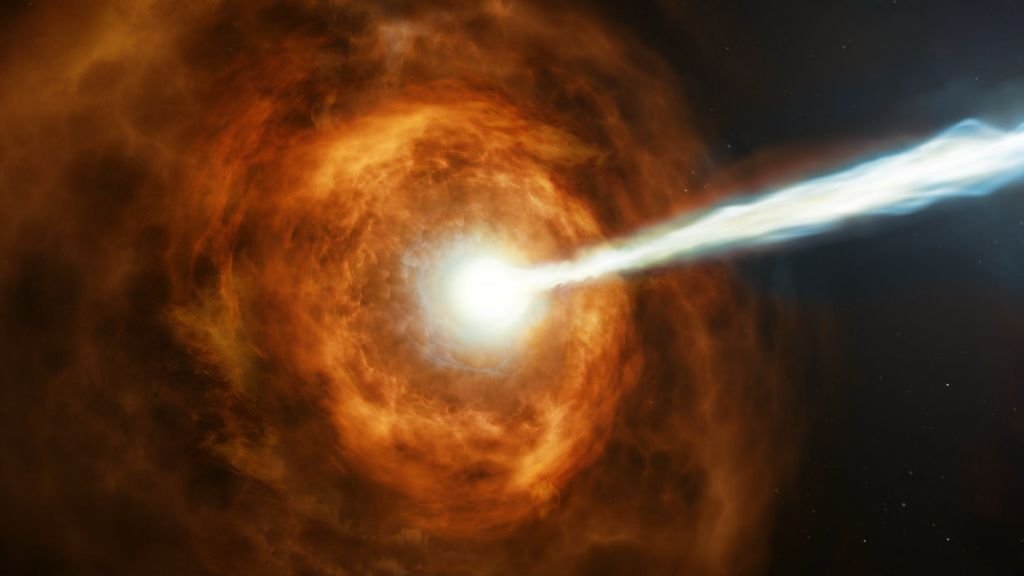
Somewhere above your head right now, the universe is quietly rolling dice with outcomes that range from breathtakingly beautiful to brutally unforgiving. Most days, the sky looks calm and harmless, but the reality is a lot more dramatic: Earth is moving through a cosmic shooting gallery, bathed in radiation, orbiting a star that’s both our life source and our biggest existential risk.
That sounds terrifying, but it’s also strangely inspiring. The same forces that could end life here are the ones that created it in the first place. When you zoom out far enough, you see that our planet is not a stage with a fixed script; it’s a temporary arrangement in a universe that loves to remix everything. Let’s walk through six real cosmic events that scientists worry about, study intensely, and in some cases are actually trying to prepare us for.
1. A Planet-Killing Asteroid Impact
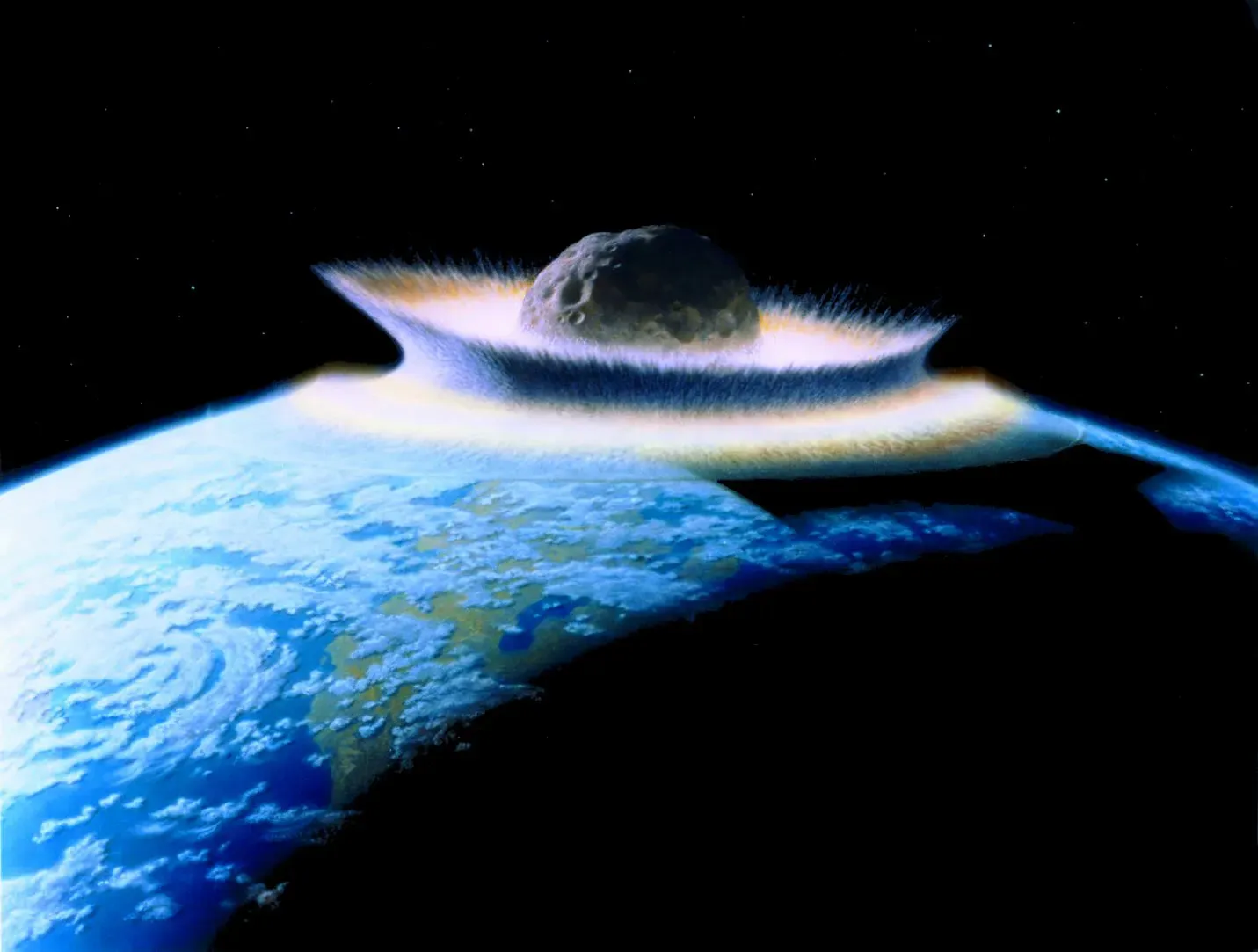
Imagine waking up one morning and seeing a second “sun” in the sky, growing brighter and larger by the hour. That’s roughly the nightmare scenario of a large asteroid impact: not a distant fireball, but an incoming mountain of rock slamming into Earth with the energy of millions of nuclear bombs. We know this isn’t just science fiction because something like it almost certainly wiped out most dinosaurs around sixty-six million years ago, along with a huge chunk of life on Earth.
The scary part is that we still find new near-Earth asteroids every year, especially smaller ones that are harder to spot. The slightly comforting twist is that this is one of the few cosmic threats we might actually be able to do something about. Space agencies have already tested the idea of nudging an asteroid off course by crashing a spacecraft into it, proving you can change its trajectory, even if just a little. If we catch a dangerous rock early enough, a tiny nudge years in advance could mean the difference between a close call and a mass extinction.
2. A Supervolcanic Eruption Triggered by Tidal or Orbital Shifts
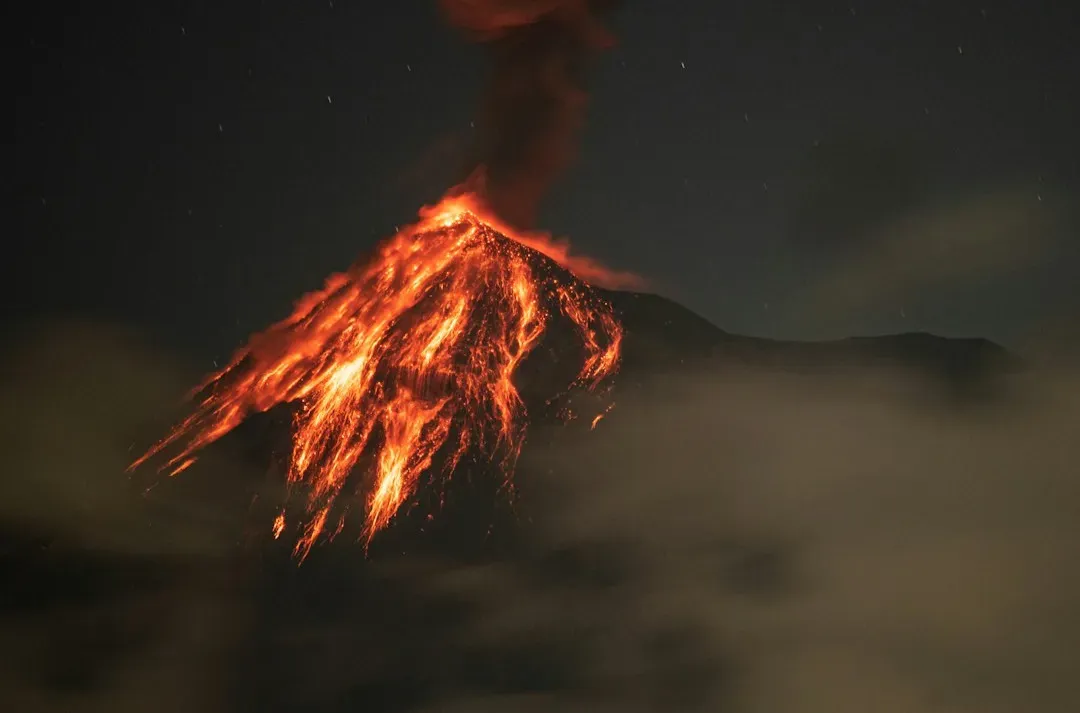
Volcanoes feel like pure Earth business, but they’re not entirely disconnected from cosmic rhythms. Over very long timescales, changes in Earth’s orbit and tilt can subtly shift how heat is distributed across the planet, affecting ice sheets, oceans, and even the pressure on Earth’s crust. Some researchers have suggested that these slow, predictable cycles might slightly influence when large volcanic systems become unstable, although it’s a complex and still debated link.
A supervolcano eruption would not look like a dramatic mountain-shaped explosion so much as the ground itself tearing open and vomiting ash into the sky for days or weeks. The amount of ash and gas could dim sunlight worldwide, plunge temperatures, and cause food systems to fail, even thousands of kilometers away. It wouldn’t necessarily wipe out humanity, but it could easily collapse modern civilization as we know it. In that sense, a cosmic nudge through orbital changes might end up having very down-to-earth consequences.
3. A Nearby Supernova Bathing Earth in Radiation
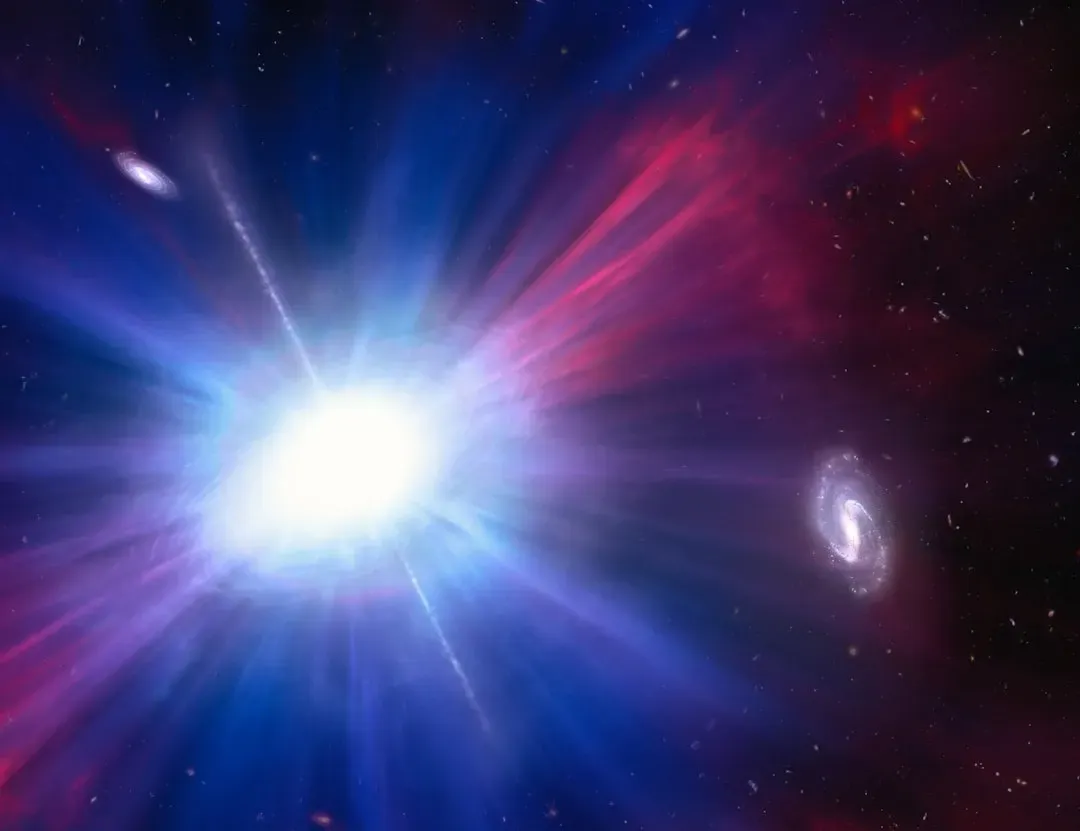
Take a star much larger than our sun, let it live fast and burn through its fuel, and eventually it dies in a spectacular supernova explosion. If one of those went off close enough to Earth, it wouldn’t need to hit us with debris to cause chaos; the blast of high-energy radiation could strip away parts of our upper atmosphere. Without that protective ozone layer, more harmful ultraviolet light from the sun would reach the surface, hitting ecosystems, crops, and human health all at once.
Scientists have found hints in Earth’s geological record that past nearby stellar explosions may have left fingerprints in the form of unusual isotopes. That suggests our planet might already have been brushed by these events at least once or twice. The good news is that truly dangerous supernova candidates are relatively rare in our immediate neighborhood right now. Still, on cosmic timescales, “rare” and “inevitable” start to sound almost the same; it’s just a matter of how long you’re willing to wait.
4. A Solar Superstorm That Knocks Out the World’s Technology
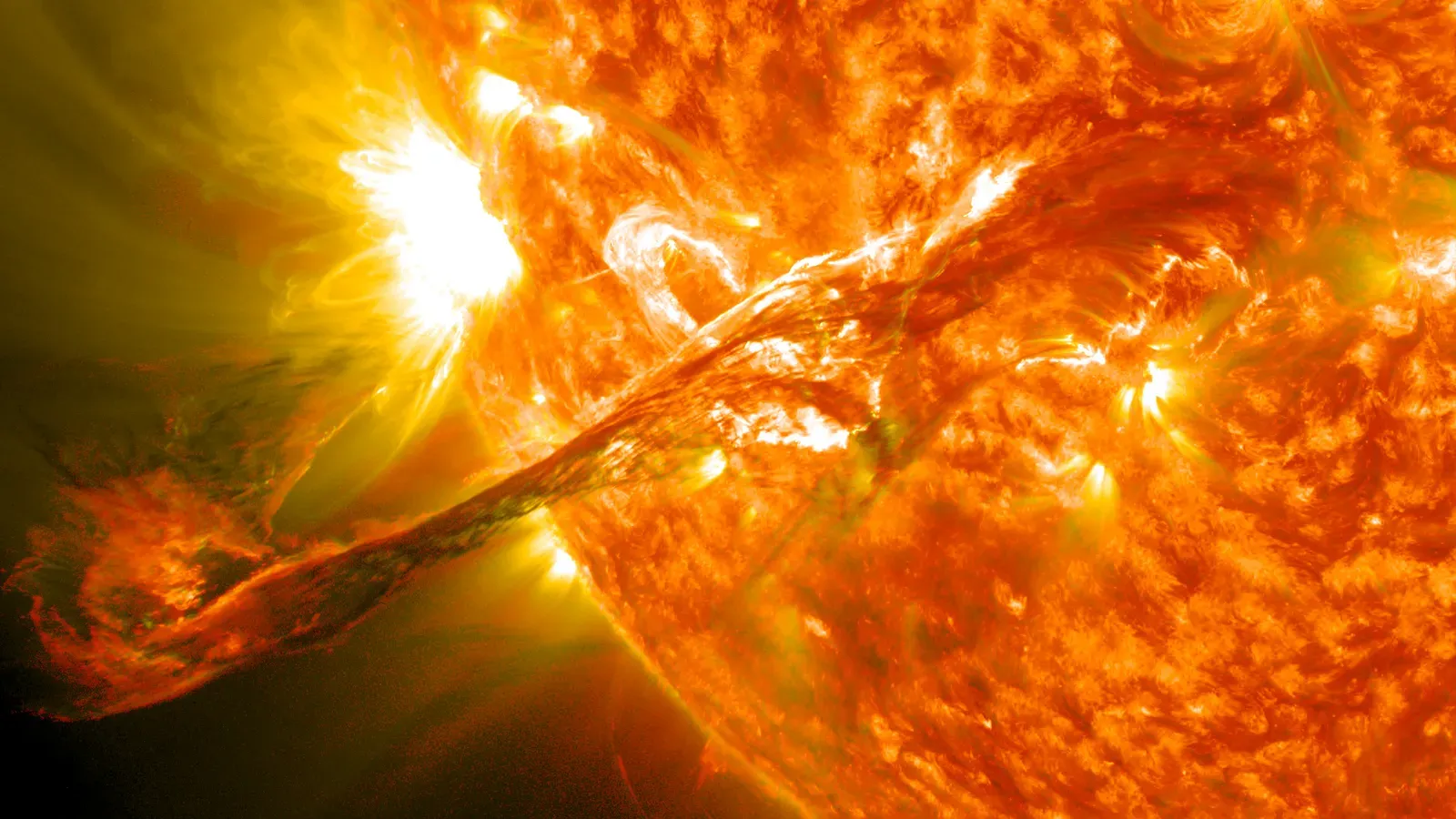
The sun is not a steady, polite ball of light. It’s a roiling sphere of plasma that sometimes hurls gigantic clouds of charged particles into space, called coronal mass ejections. When one of those clouds slams into Earth’s magnetic field, it can trigger a geomagnetic storm, lighting up the sky with incredible auroras and, more worryingly, inducing powerful electrical currents in our power lines and communication systems. We’ve already seen smaller versions of this in the modern era, with some storms causing blackouts and satellite issues.
Now imagine a truly extreme solar storm, stronger than anything recorded since we built a globe-spanning technological civilization. In a worst case, transformers could fry, GPS systems could fail, satellites could be damaged or lost, and large regions might face prolonged power outages. Life itself would keep going – the sun would not be destroying the biosphere – but our entire way of living, which leans heavily on fragile electronics and constant connectivity, could be thrown backward decades in a matter of hours. It’s one of those threats where the sky can be perfectly blue, and yet the invisible storm is already in progress.
5. A Rogue Planet or Star Disturbing the Solar System
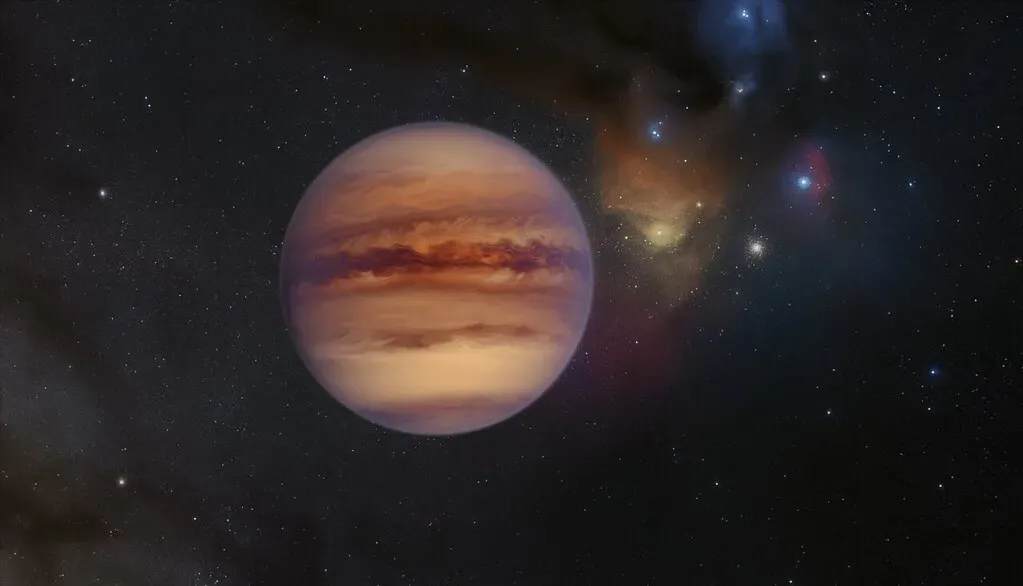
Space isn’t neatly organized; it’s messy, with stars and planets drifting over long periods like slow-motion bumper cars. Astronomers have found so-called “rogue planets” that don’t orbit any star at all, wandering through space alone. If an object like that, or even a passing star, came close enough to our solar system, its gravity could jostle the orbits of comets and asteroids in the distant outer regions, sending a fresh shower of icy and rocky bodies inward toward Earth and the other inner planets.
We might not even notice the visitor itself; it could pass far beyond Pluto’s orbit and still cause a delayed chain reaction that plays out over millions of years. The result could be an extended period of more frequent impacts on Earth, raising the risk of smaller but still devastating collisions. That’s the unsettling thing about gravity-driven disasters: they don’t need to be dramatic up close to unleash a lot of trouble at a distance. A gentle cosmic tug in the dark can translate into very loud consequences down here, long after the original culprit has moved on.
6. A Gamma-Ray Burst Pointed Directly at Earth
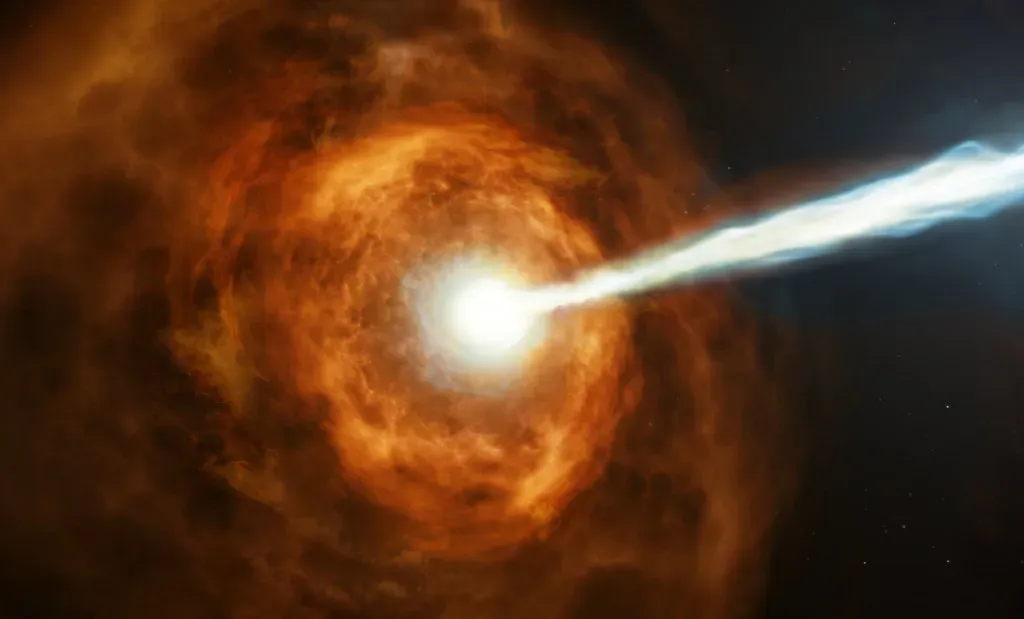
Gamma-ray bursts are among the most extreme events we’ve ever observed: sudden beams of insanely energetic radiation, likely triggered by collapsing massive stars or neutron star mergers. They usually last for only seconds to minutes, but in that short window they can release more energy than our sun will emit in its entire lifetime. Under normal circumstances, they’re so far away that they’re just scientific curiosities, like fireworks in another galaxy. The nightmare scenario is one going off in our own galaxy with its narrow beam pointed right at Earth.
If that happened close enough, the intense radiation could tear apart molecules in our upper atmosphere, destroying ozone and potentially triggering dramatic climate and ecological disruptions. Life on the surface would suddenly find itself under a harsher sun, with more harmful radiation reaching the ground. Interestingly, some scientists have suggested that past mass extinctions on Earth might have been helped along by events like this, although the evidence is not conclusive. Either way, gamma-ray bursts are like cosmic sniper shots: unlikely to hit us, but devastating if they ever do.
Living Under a Restless Sky
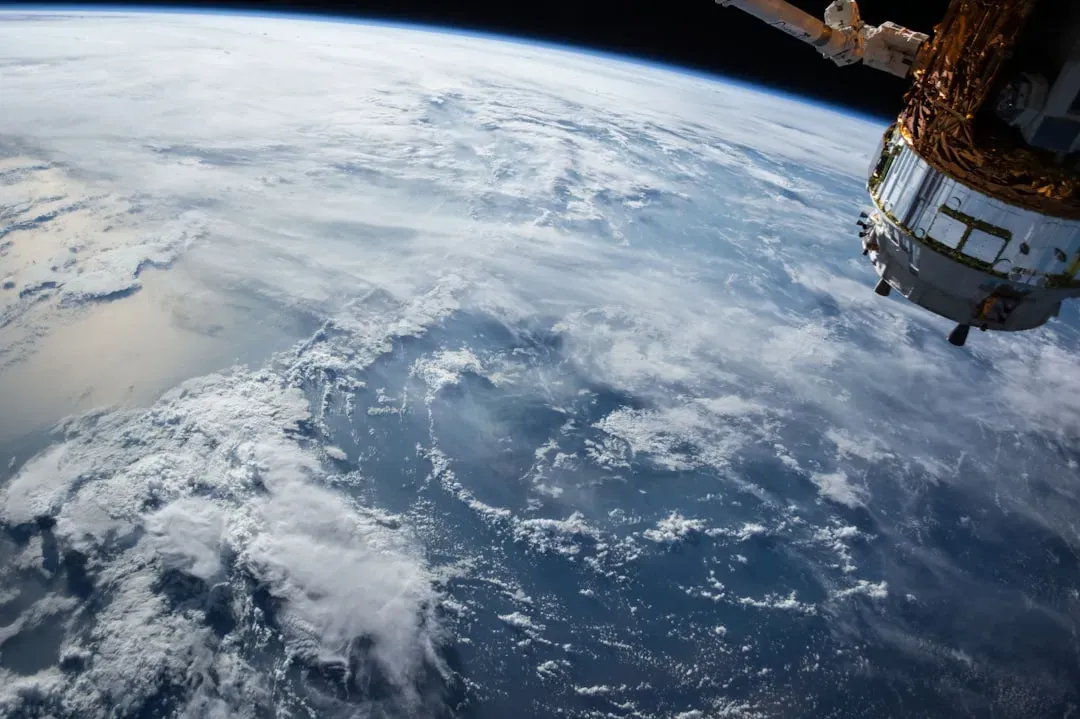
When you line up all these possibilities – asteroid impacts, supervolcanoes, stellar explosions, solar tantrums, rogue wanderers, and cosmic death beams – it’s easy to feel tiny and fragile. Yet there’s another way to look at it: the fact that life has survived billions of years of this chaos means it’s tougher and more adaptable than it looks from a distance. Earth has been punched, scorched, frozen, and shaken, and still here we are, building telescopes, monitoring the sky, and even testing ways to deflect incoming threats.
In a strange twist, the same universe that occasionally throws rocks at us has also given us the tools to see them coming. Our best defense is awareness, curiosity, and the willingness to plan for events that might not happen in our lifetime but matter for whoever comes after us. The cosmos is not out to get us, but it’s definitely not gentle either; it just is what it is. Knowing that, the real question becomes: now that we understand what’s at stake, what do we choose to do with our brief, bright moment on this restless little world?