Every time a new space telescope opens its eye to the universe, it feels a bit like lifting a veil. Suddenly, things we thought we understood start to wobble, and the cosmos looks stranger, bigger, and more alive than we imagined the day before. If you’ve ever stared at a clear night sky and felt small, space telescopes have a way of making you feel both smaller and, weirdly, more connected at the same time.
We used to think we lived in a fairly straightforward universe: a galaxy or two, some stars, a few planets, and a whole lot of empty space. In just a few decades, orbiting observatories like Hubble, Chandra, Spitzer, Gaia, and now the James Webb Space Telescope (JWST) have ripped that tidy picture apart. What they’ve revealed is a universe that is darker, faster, more crowded, and far more mysterious than anyone dared to guess a century ago.
The Hubble Deep Field: Discovering a Universe Packed With Galaxies
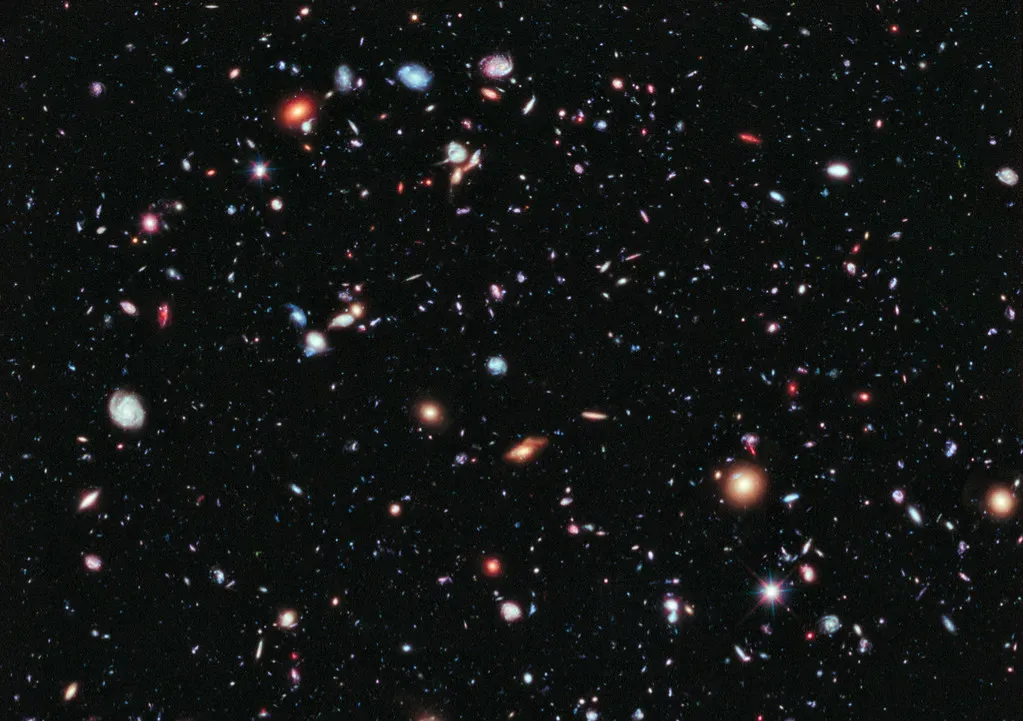
When the Hubble Space Telescope first stared at what looked like a tiny, empty patch of sky in the mid‑1990s, many astronomers worried it might be a waste of precious observing time. Instead, that long exposure, now famous as the Hubble Deep Field, revealed thousands of galaxies crammed into a region no bigger than a grain of sand held at arm’s length. It was an almost shocking confirmation that the universe is not just big, but absolutely overflowing with galaxies.
The implication was enormous: if one minuscule patch of sky holds that many galaxies, then the observable universe must contain hundreds of billions, each with hundreds of billions of stars. Follow‑up deep fields kept finding the same thing, even at different wavelengths and in other parts of the sky. Growing up, I remember textbooks showing just a handful of nearby galaxies; now, that feels almost quaint, like thinking a city ends where your neighborhood stops.
Dark Energy: The Shocking Discovery That the Universe Is Accelerating
In the late 1990s, space‑based observations of distant supernovae led to a result that nobody was really prepared for: the expansion of the universe isn’t just continuing, it’s speeding up. Telescopes like Hubble allowed astronomers to measure the brightness and redshift of faraway exploding stars with the precision needed to spot this acceleration. Instead of gravity slowly pulling everything back, something else seemed to be pushing the cosmos apart faster and faster.
To account for this unexpected behavior, physicists introduced the idea of dark energy, a mysterious form of energy that appears to permeate space itself. Estimates suggest that dark energy makes up the vast majority of the total energy content of the universe, dwarfing the matter we’re familiar with. It’s like realizing the room you live in is mostly filled with an invisible substance that you can’t directly touch, but that still controls everything you do. More than two decades later, it remains one of the biggest unsolved puzzles in all of science.
Dark Matter Mapping: Seeing the Invisible Skeleton of the Cosmos
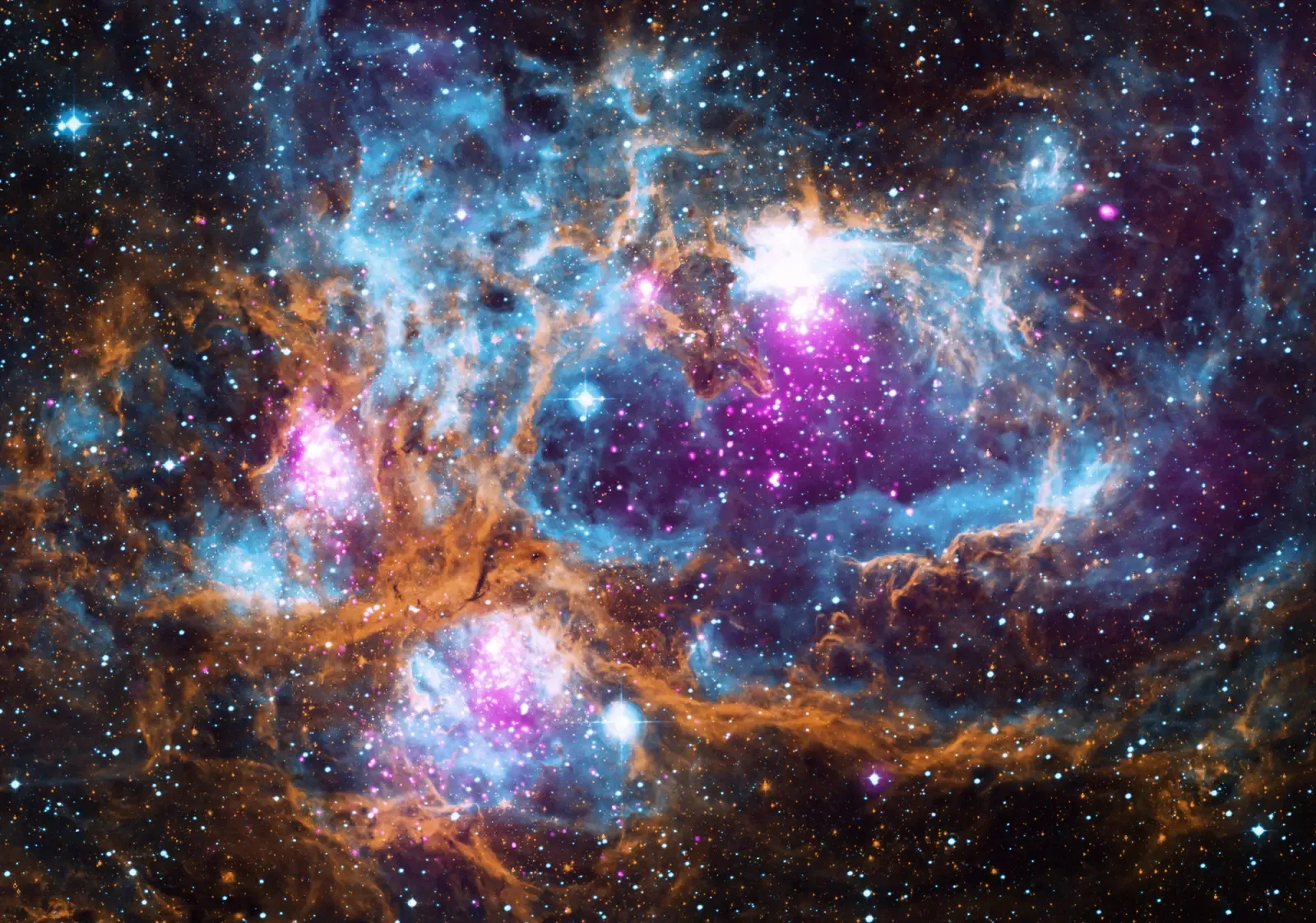
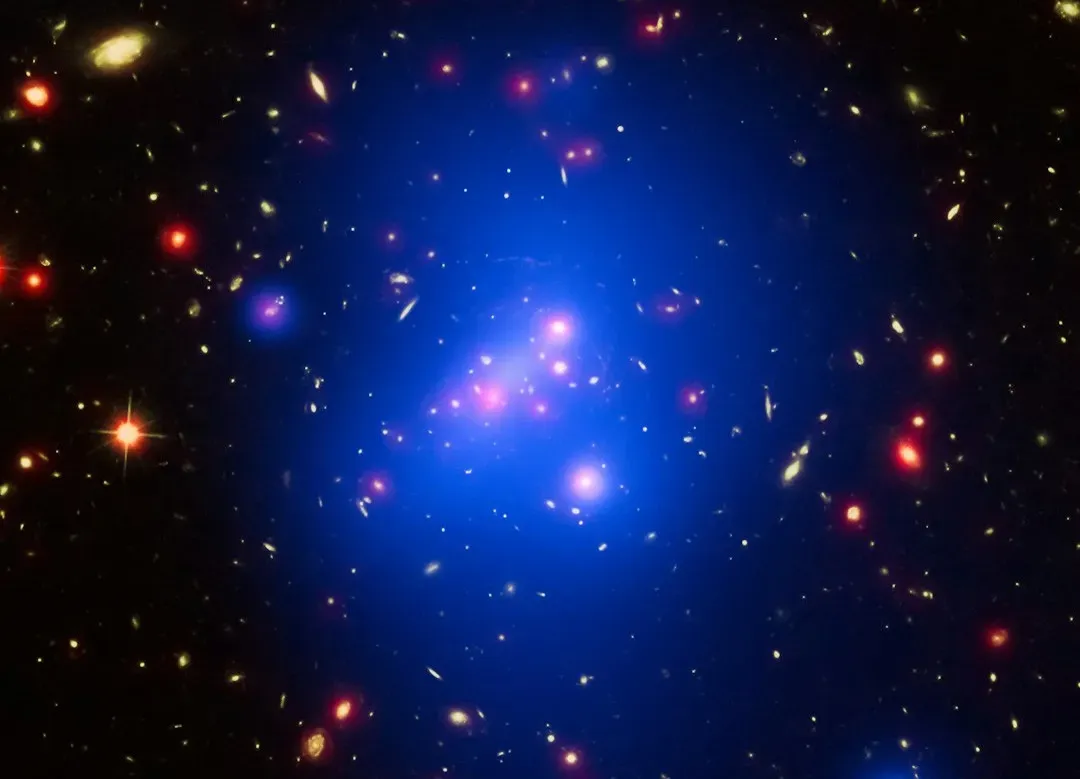
Space telescopes have also helped make visible something that, by definition, does not shine: dark matter. Observatories such as Hubble and the now‑retired ESA Planck satellite have mapped how light from distant galaxies is subtly bent by massive clumps of unseen matter, a phenomenon called gravitational lensing. These warped images reveal sprawling webs and clusters of dark matter that act like an invisible scaffolding, guiding how galaxies form and where they gather.
What’s unsettling is that normal matter – the stuff that makes up stars, planets, and people – seems to be just a small fraction of the universe’s total mass. Dark matter appears to be several times more abundant than regular matter, yet it doesn’t emit or absorb light. The closest everyday comparison is trying to understand the layout of a city from how traffic flows, without ever being allowed to see the roads. Space telescopes let us trace the “traffic,” the light, and from that, reconstruct the hidden structure underneath.
Exoplanet Atmospheres: Reading the Skies of Alien Worlds
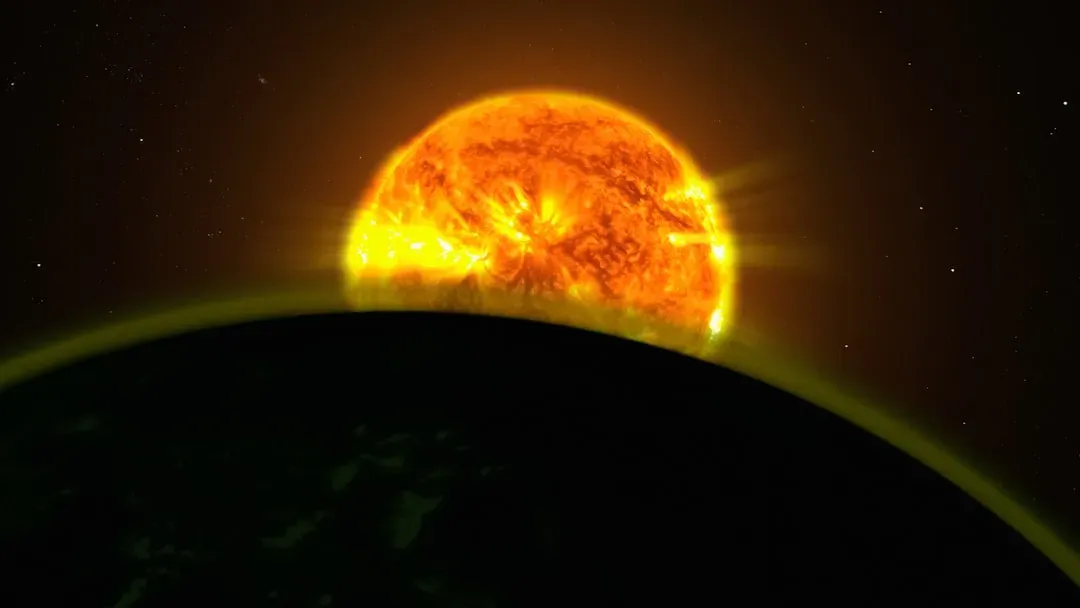
One of the most intimate things space telescopes have done is let us sniff the air of distant planets. Instruments on Hubble and Spitzer, and now especially JWST, can observe starlight passing through an exoplanet’s atmosphere as it transits in front of its host star. Tiny changes in the spectrum of that light reveal which molecules are present, like water vapor, methane, carbon dioxide, or clouds of exotic particles we don’t see on Earth.
These measurements have transformed exoplanets from abstract dots into places with weather, chemistry, and character. JWST has already detected complex atmospheric signatures on some hot, close‑in planets and even hints of potential cloud systems on cooler ones. It’s still early days, but we’re edging closer to the ability to assess whether a distant world might be hospitable or harsh just by analyzing its light. It feels a bit like learning to read faces from across a crowded room, recognizing mood and personality without ever getting close.
First Galaxies and Cosmic Dawn: Looking Back to the Universe’s Childhood
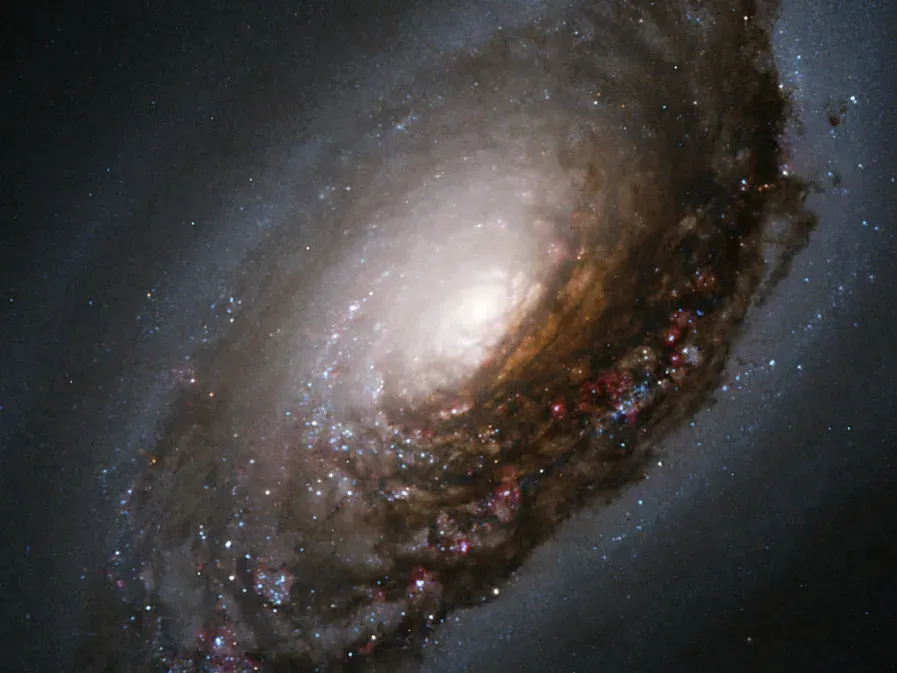
The James Webb Space Telescope has pushed our gaze deeper into time than any telescope before it, revealing galaxies that formed just a few hundred million years after the Big Bang. These early galaxies show up as tiny reddish smudges, stretched by the expansion of the universe so that their light arrives to us in the infrared. Before JWST, many astronomers expected these first galaxies to be small, simple, and dim, but instead, some early results suggest surprisingly massive and bright systems.
This has sparked ongoing debates about how quickly structure formed in the universe and whether we’re missing part of the picture in our current models. Space telescopes are essentially turning what used to be theoretical territory – the so‑called cosmic dawn – into observable terrain. It’s like finally finding childhood photos of someone you only knew as an adult, and realizing their early years were very different from the stories you were told. Each new deep exposure adds another piece to that origin story.
Star Birth in Nebulae: Peering Into Stellar Nurseries
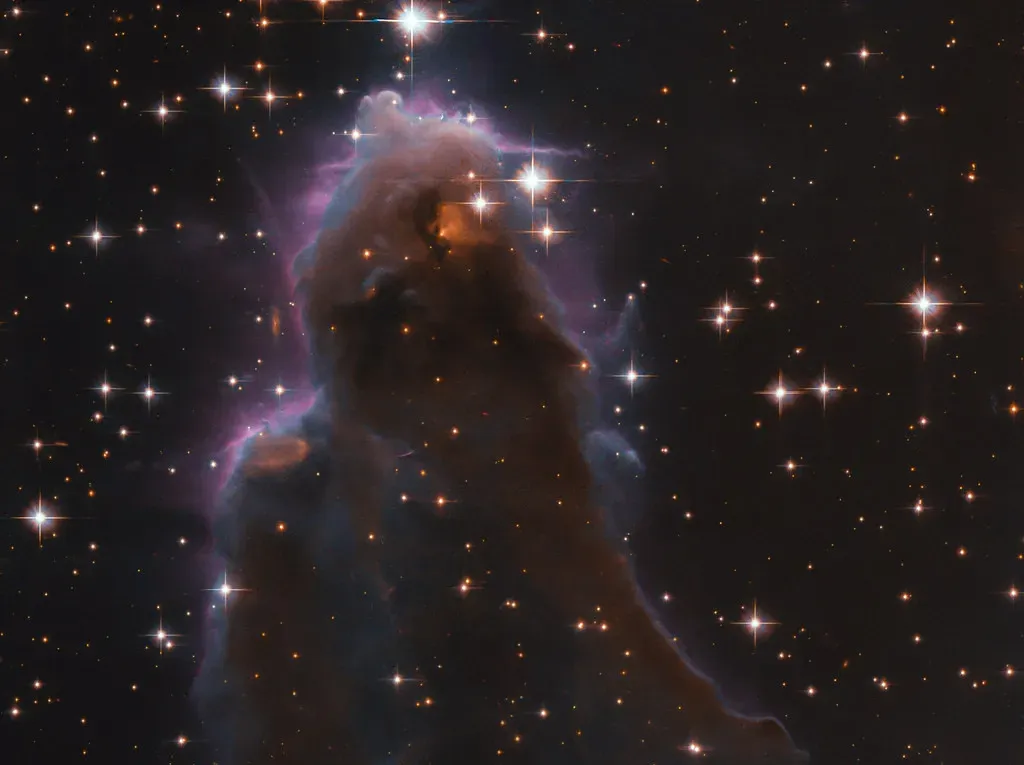
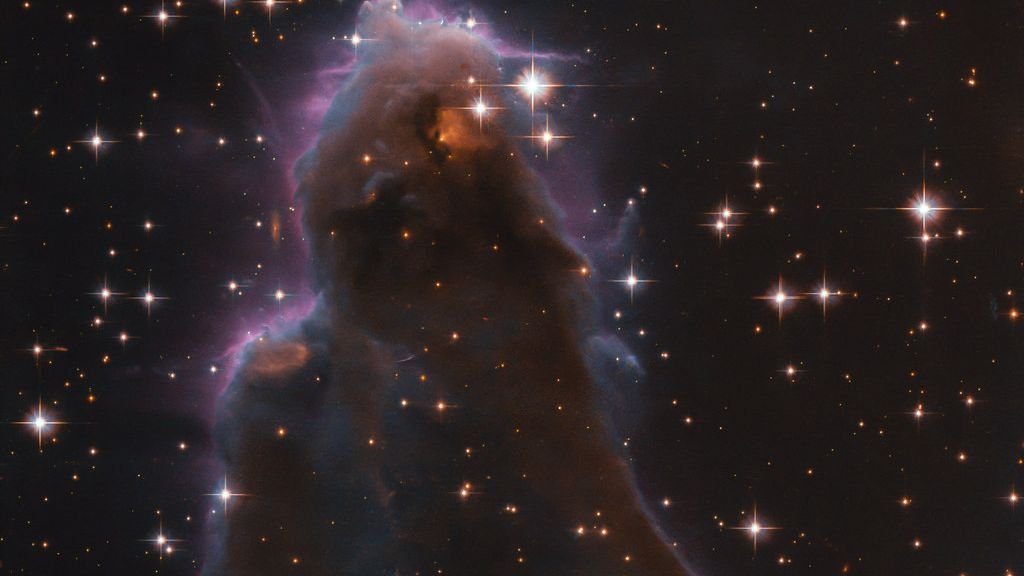
Before orbiting observatories, thick clouds of gas and dust in star‑forming regions acted like cosmic curtains, blocking our view of what was going on inside. Infrared space telescopes such as Spitzer and JWST can see through much of that dust, exposing clusters of newborn stars and swirling disks of material that may be forming planets. The famous Pillars of Creation in the Eagle Nebula, revisited in breathtaking detail by JWST, are a vivid example: what used to be a beautiful but murky image became a busy construction site of stars in the making.
These new views have refined our understanding of how stars grow, how long they take to form, and how their powerful radiation sculpts the surrounding clouds. We’re seeing jets, shock waves, and chaotic structures that look more like turbulent weather maps than serene space postcards. For me, it changed the way I imagine star formation: less like candles gently being lit, more like thunderstorms erupting inside vast cosmic clouds. Space telescopes turned poetry into process without making it any less awe‑inspiring.
Black Hole Shadows and Jets: Revealing Monsters at Galactic Hearts
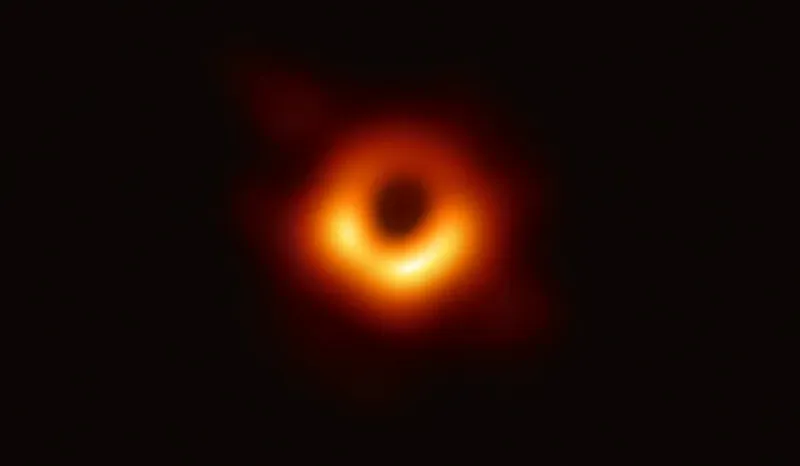
Space‑based X‑ray telescopes like Chandra and NuSTAR, along with ultraviolet and optical instruments, have shown that most large galaxies host supermassive black holes at their centers. While black holes themselves do not emit light, the gas spiraling into them gets heated to extreme temperatures and shines across the spectrum, especially in high‑energy X‑rays. Observations have revealed powerful jets blasting out from the regions around black holes, stretching for thousands of light‑years and affecting nearby gas and star formation.
Coordinated observations using space telescopes and ground‑based arrays have even helped constrain the size of the regions close to these black holes, supporting the images of black hole “shadows” captured by radio telescopes. Instead of being rare cosmic oddities, black holes look more like central engines that help regulate how galaxies grow and change. It’s a bit like discovering that every city has a hidden power plant humming away at its core, influencing traffic, construction, and even the weather patterns around it.
Gravitational Lensing as a Cosmic Telescope: Nature’s Own Magnifying Glass
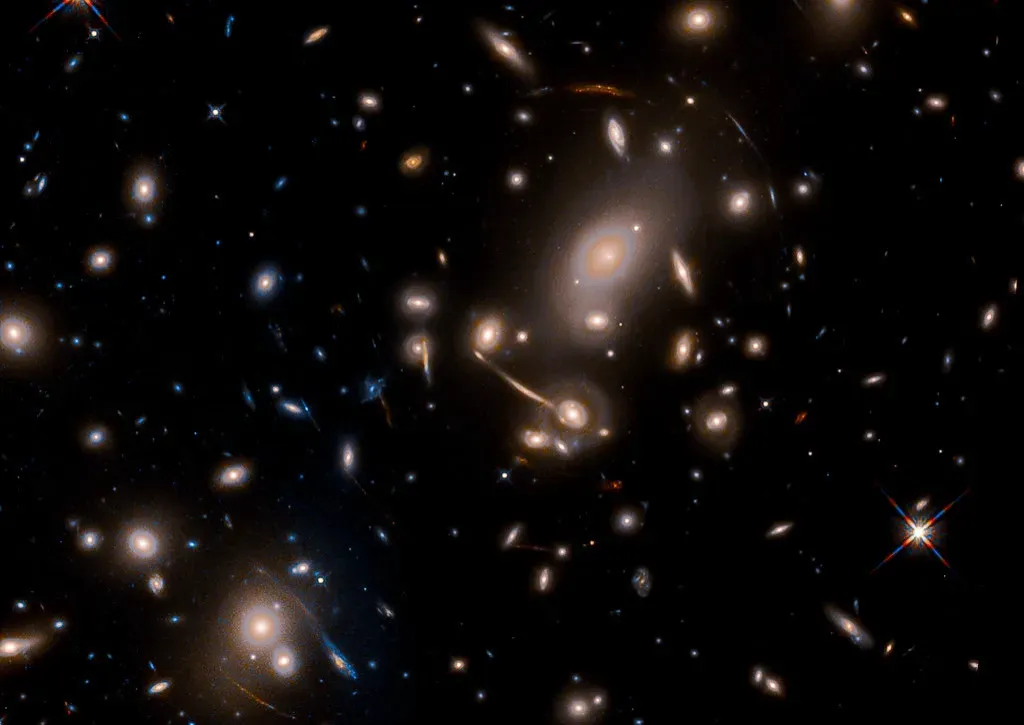
Einstein predicted that gravity would bend light, but space telescopes turned that prediction into a practical tool. When a massive cluster of galaxies sits between us and a more distant object, its gravity can warp and magnify the background light, creating arcs, rings, or multiple images. Hubble in particular has captured stunning examples of these gravitational lenses, and astronomers now use them as natural zoom lenses to study galaxies that would otherwise be too faint and small to see.
By combining this natural magnification with the sharp vision of space observatories, scientists can peer deeper into the early universe and inspect the structure of distant galaxies in surprising detail. They can also weigh galaxy clusters by seeing how strongly they bend light, helping to map dark matter. There’s something charmingly low‑tech about it: we’re using the universe’s own gravity fields as improvised optics, like holding up a glass of water to focus sunlight on a leaf, except on a scale so large it almost defies imagination.
Gravitational Waves and Electromagnetic Counterparts: A New Way to See the Cosmos
The first direct detections of gravitational waves came from ground‑based observatories, but space telescopes quickly joined the story by capturing light from some of the same events. In 2017, when two neutron stars collided in a distant galaxy, space observatories across the spectrum – from gamma‑ray to optical to infrared – caught the flash and fading glow. The combination of gravitational wave data with space‑based imaging gave us a detailed look at how heavy elements like gold and platinum are forged in these violent mergers.
This multi‑messenger approach has opened a new era in astronomy, where ripples in spacetime and light are woven together into a single narrative. Future space missions planned for the coming decade aim to detect lower‑frequency gravitational waves that Earth‑bound detectors cannot reach, revealing even more massive and distant systems. It feels a bit like going from watching silent movies to full sound and color, where you not only see the collision but also hear the universe’s vibrations echoing through space‑time.
Measuring the Universe’s Age and Scale With Unprecedented Precision
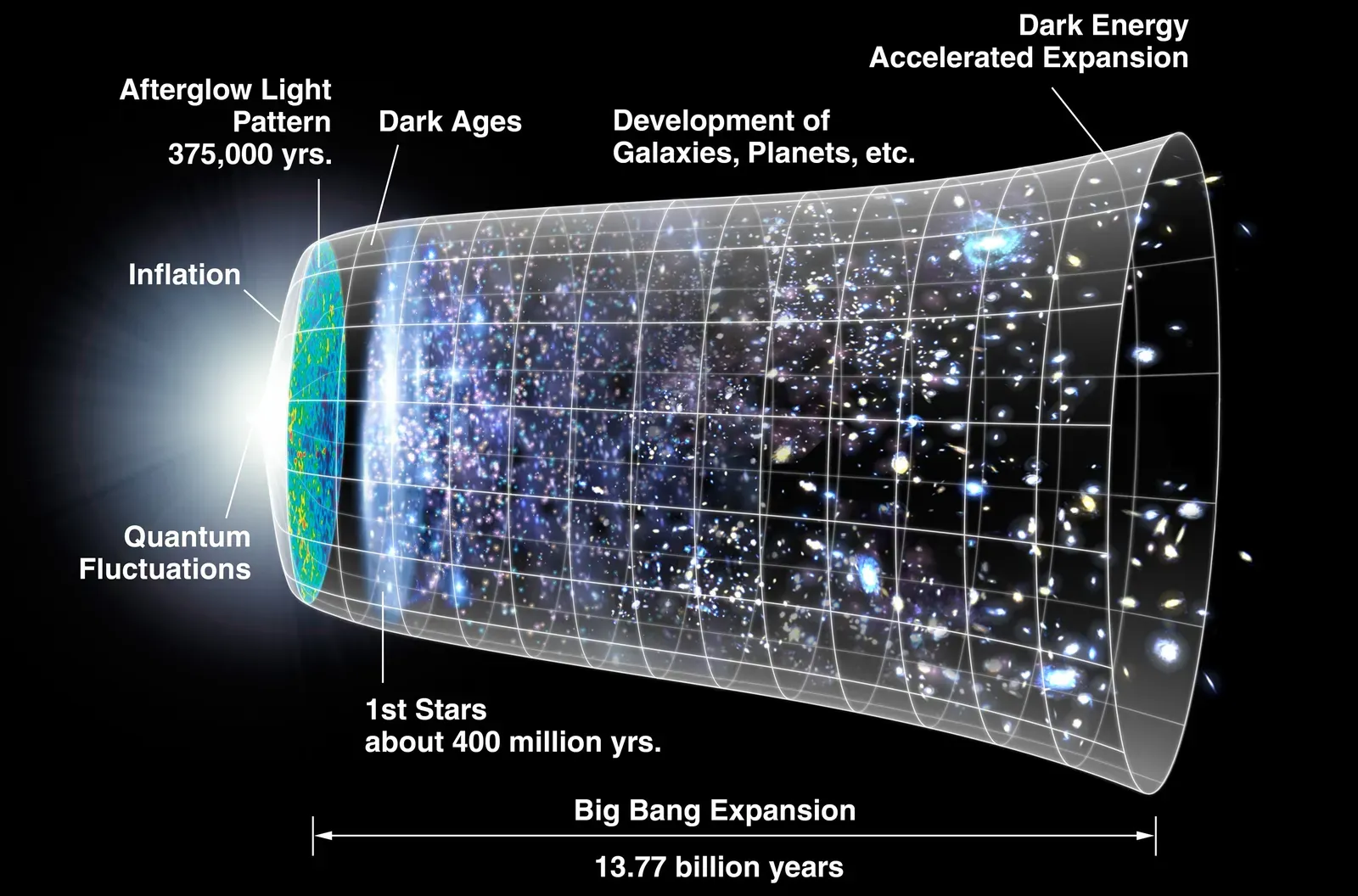
Space telescopes have refined our measurements of the cosmic distance ladder, which underpins estimates of the universe’s size and age. Hubble’s repeated observations of variable stars called Cepheids, along with Type Ia supernovae, allowed astronomers to nail down the Hubble constant – the current rate of expansion – with much better accuracy than before. More recently, missions like Gaia have provided incredibly precise positions and motions for stars in our own galaxy, tightening the calibrations even further.
Interestingly, these increasingly precise measurements have uncovered a tension: the expansion rate inferred from nearby objects does not quite match the rate derived from the early universe using data from satellites that measure the cosmic microwave background. This discrepancy might hint at new physics or missing ingredients in our models. In a way, space telescopes cleaned the window so well that we can now see a crack in the glass that we never noticed, forcing cosmologists to rethink assumptions they once considered settled.
Rewriting Planetary Science: Surprises in Our Own Solar System
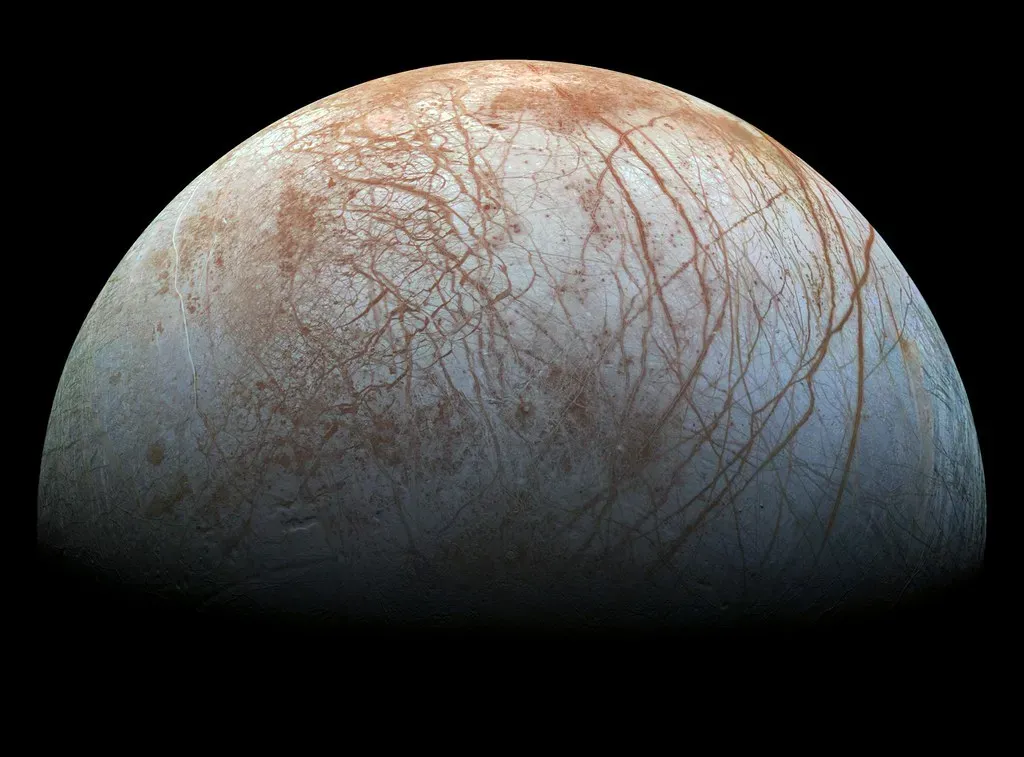
It’s easy to assume that space telescopes are only about distant galaxies, but they’ve also rewritten the story of our own neighborhood. Hubble and other observatories have tracked plumes of water vapor erupting from Jupiter’s moon Europa and Saturn’s moon Enceladus, bolstering the idea that subsurface oceans may exist beneath their icy shells. Telescopes in space avoid the blurring effects of Earth’s atmosphere, so they can capture crisp images and spectra that reveal seasonal changes, storms, and atmospheric chemistry on the planets and moons close to home.
We’ve watched storms swirl on Neptune, dust storms engulf Mars, and comet fragments plunge into Jupiter, all from the vantage point of orbit. These observations feed directly into mission planning for probes and landers, giving engineers and scientists better targets and clearer questions to ask. For me, it’s oddly comforting that even as we gaze out to the edge of the observable universe, we’re also using the same tools to keep an eye on the restless, constantly changing solar system we live in.
A Universe That Refuses to Be Simple
Space telescopes have taken a universe that once seemed distant and abstract and turned it into something dynamic, crowded, and deeply weird. They have shown us that most of the cosmos is made of dark components we cannot see directly, that galaxies are everywhere, that planets are common, and that the universe’s expansion is accelerating for reasons we still do not fully grasp. Each mission has both answered old questions and exposed new fault lines in our understanding.
What strikes me most is how every new observatory, from Hubble to JWST and beyond, seems to prove the same quiet point: whenever we think we have the universe neatly boxed up, it slips out of our grip and reveals another layer. We may never get a final, tidy picture, but maybe that’s the real gift these telescopes have given us – a living, evolving story instead of a closed book. Looking at the night sky now, knowing what we know, how could it ever feel empty again?