
There’s something deeply unsettling about a city that just stops. No farewell inscription, no grand last battle we can point to, no clear explanation. One moment, people are trading, building, celebrating, arguing over grain and taxes… and a few generations later, all that’s left is dust, broken walls, and questions. These vanished civilizations feel like ghost messages from humanity’s past, telling us that even the most impressive societies can simply slip out of history’s grip.
What makes them so gripping isn’t just the ruins; it’s the gaps. We have fragments of pottery, collapsed temples, abandoned canals, and skeletons frozen mid-life, but so often no single, neat answer. Climate change, earthquakes, invasions, plagues, bad leadership, shifting trade routes – they all show up as suspects, but rarely does one explanation fit perfectly. As you walk through these stories, imagine the final normal day in each place, when no one yet knew it was all about to end.
The Indus Valley Civilization: The Silent Cities of Harappa and Mohenjo-daro
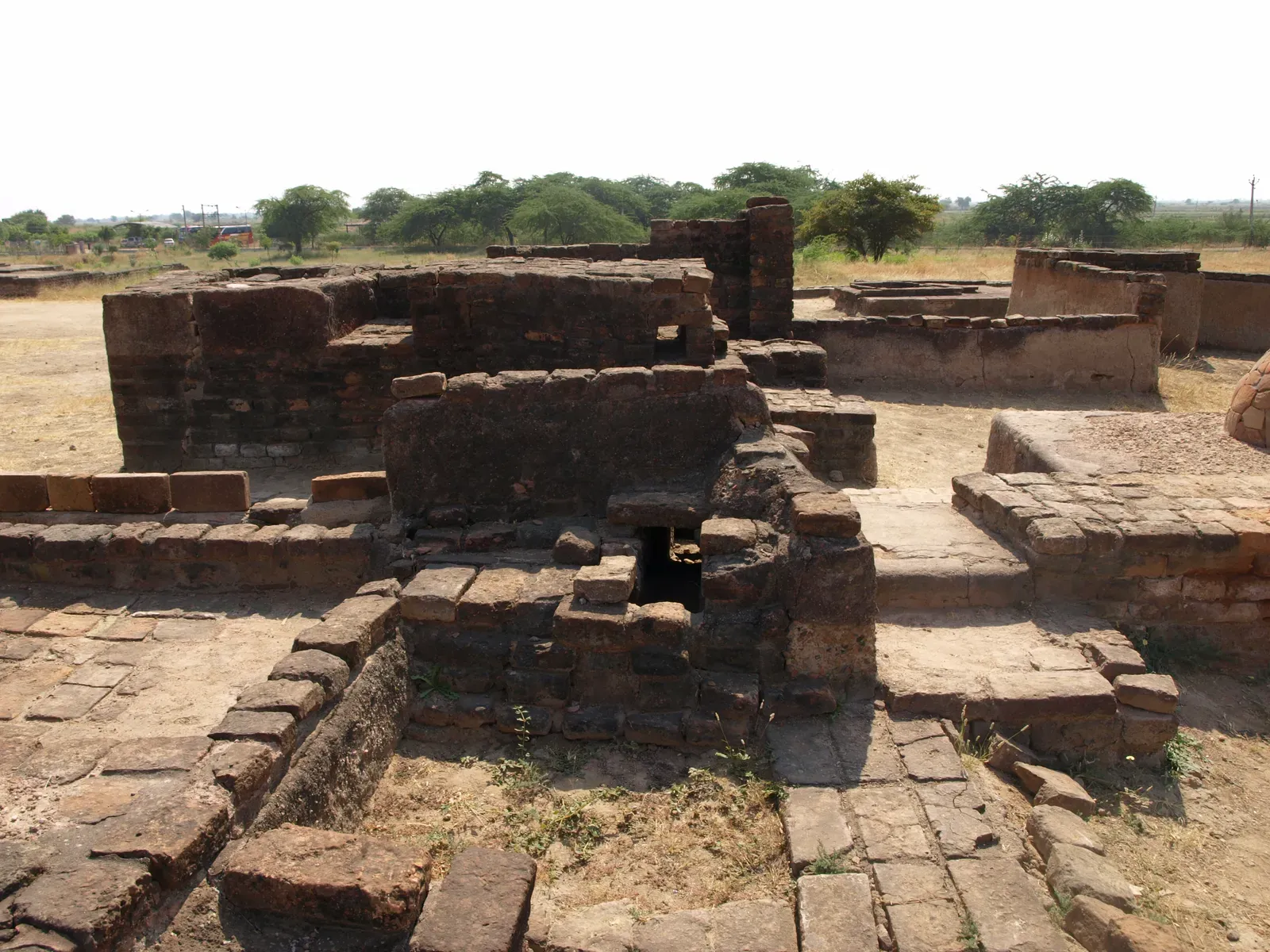
Imagine a city from four thousand years ago with straight streets, multi-room houses, sewage drains, and what looks suspiciously like urban planning. That was the Indus Valley civilization, spread across what’s now Pakistan and northwest India, with major centers like Harappa and Mohenjo-daro. These people built with standardized bricks, used carefully laid-out street grids, and managed water with an attention to detail that would put some modern cities to shame.
And yet, we still can’t read their script with any confidence, and we don’t even know what they called themselves. Around the second millennium BCE, their great cities seem to thin out and fade rather than explode in some cinematic disaster. Many scholars point to gradual climate change that dried up key rivers, especially the shifting of the Ghaggar-Hakra system, forcing people to move toward smaller, more scattered settlements. There may have been floods, resource stress, trade collapse – probably a messy combination, not a single dramatic event – but the strangest part is just how quietly one of the world’s earliest urban cultures walked off the stage.
The Minoans: The Island Civilization Erased by Fire and Sea
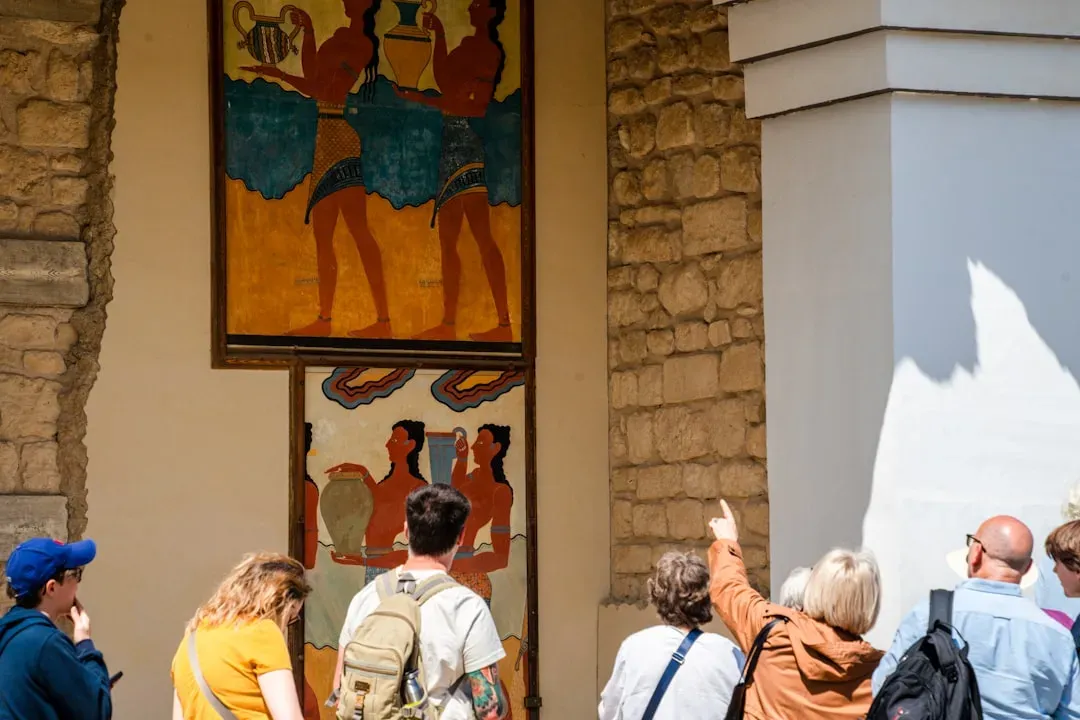
On the island of Crete, long before classical Greece, the Minoans built palaces that look almost dreamlike: multi-story complexes, colorful frescoes of dolphins and dancers, storerooms stacked with huge jars, and complex corridors that probably inspired the later Greek myths of labyrinths. They were wealthy seafarers dominating eastern Mediterranean trade, and for a while it probably felt like their prosperity would never end. Their world seems joyful and vibrant in the art they left behind, full of motion and color.
Then something went wrong, and we still can’t agree on exactly what or how many blows it took. A massive volcanic eruption on nearby Thera (Santorini) around the mid-second millennium BCE likely dealt a serious shock: ash fallout, tsunamis, ruined ports, and disrupted climate. Yet Minoan sites on Crete show later signs of destruction and fire, and eventually Mycenaean Greeks from the mainland seem to have taken over their palaces. It looks less like one single catastrophe and more like a long series of punches – natural disasters, economic damage, and outside pressure – until the once-thriving Minoan identity simply stopped being its own distinct voice in history.
Nabatea and Petra: The Carved City That Turned to Echoes
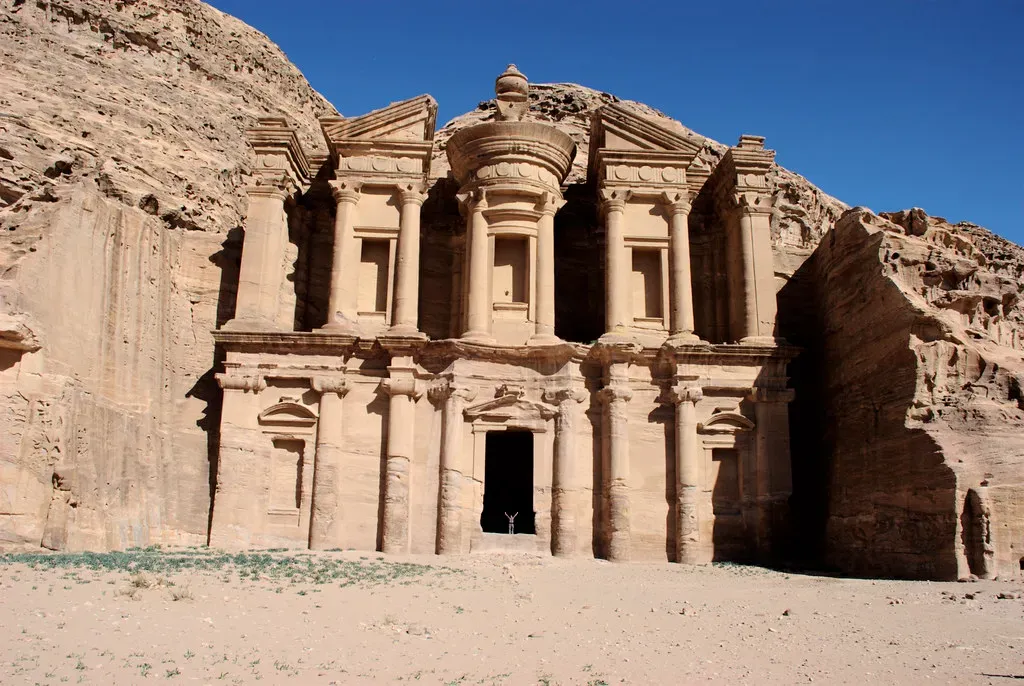
If you’ve ever seen photos of Petra, that rock-cut façade towering above a narrow canyon, it almost looks like a movie set rather than a real place. The Nabateans, an Arab people skilled in trade and water management, turned a harsh desert into an oasis of wealth around the turn of the first millennium BCE to the first centuries CE. They controlled caravan routes carrying incense, spices, and luxury goods between Arabia, the Levant, and the Mediterranean, and they carved their tombs and temples straight into the rose-red cliffs.
But trade routes are fickle, and politics always shifts. When sea routes became more important than overland caravans, and the Roman Empire expanded in the region, Nabatean independence shrank. Petra was annexed by Rome in the second century CE, and new cities on more convenient routes slowly took the spotlight. The city didn’t vanish overnight; it just slipped out of relevance, population, and then memory. By the time European travelers stumbled across the ruins in the nineteenth century, the once-bustling hub was mostly a haunting shell, its people dissolved into other cultures, its kingdom only traceable through inscriptions in fading stone.
The Maya “Collapse”: Great Cities Swallowed by the Jungle
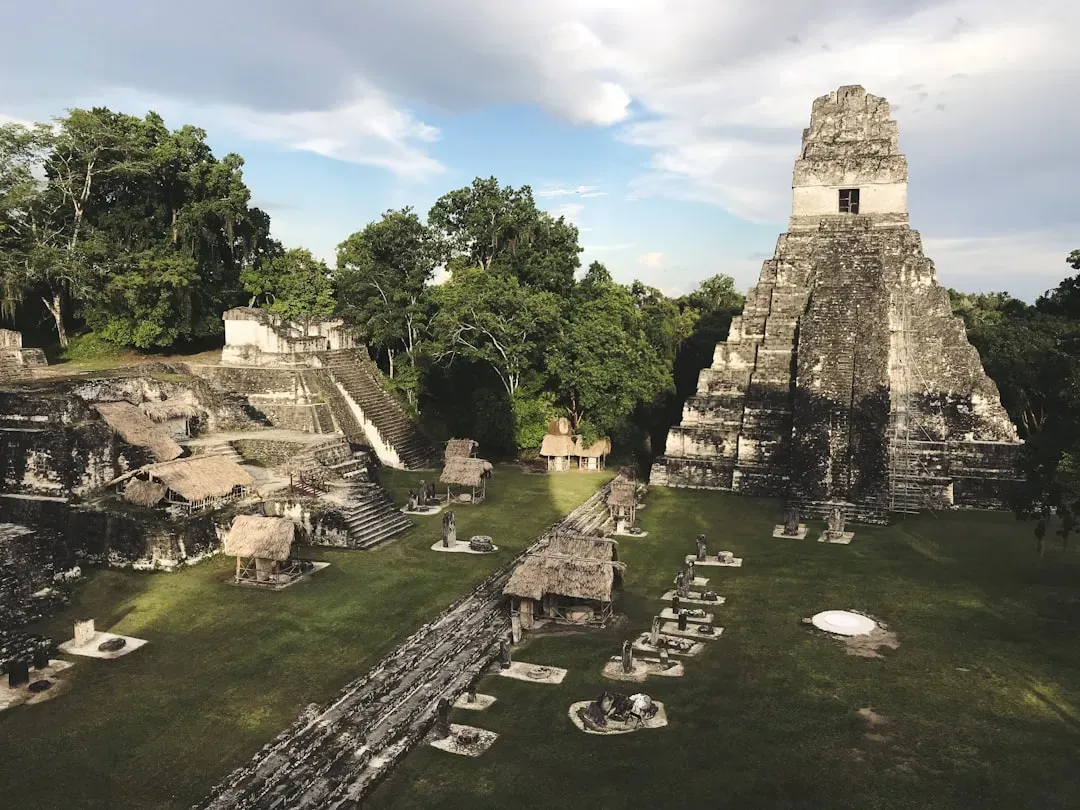
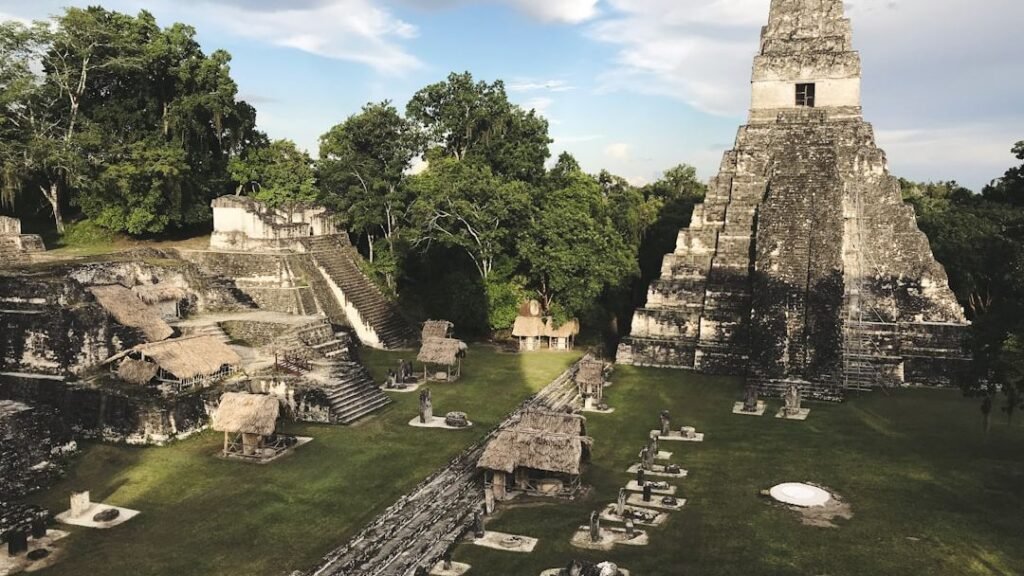
Walking through a Maya site in Central America, with pyramids rising out of dense jungle and howler monkeys screaming from the canopy, it’s hard not to feel like you’re intruding on a secret. Classic Maya cities like Tikal, Palenque, Copán, and Calakmul were vibrant centers of astronomy, architecture, and written history for centuries. Towering temples, intricate stone carvings, and complex calendars all speak to an elite class deeply invested in time, ritual, and status.
Then, over a few generations between roughly the eighth and tenth centuries CE, many of these great lowland cities were abandoned. The people didn’t vanish as a whole – millions of Maya descendants are very much alive today – but the political and ceremonial heartlands emptied out in a way that still puzzles researchers. Evidence points toward environmental pressure like droughts, overuse of land, deforestation, combined with constant warfare and political fragmentation. Imagine city-states locked in endless rivalry while their fields dried and their forests thinned; eventually the system simply couldn’t hold. The jungle moved back in, slowly swallowing palaces and plazas until the stones themselves seemed to disappear.
Cahokia: North America’s Forgotten Urban Giant
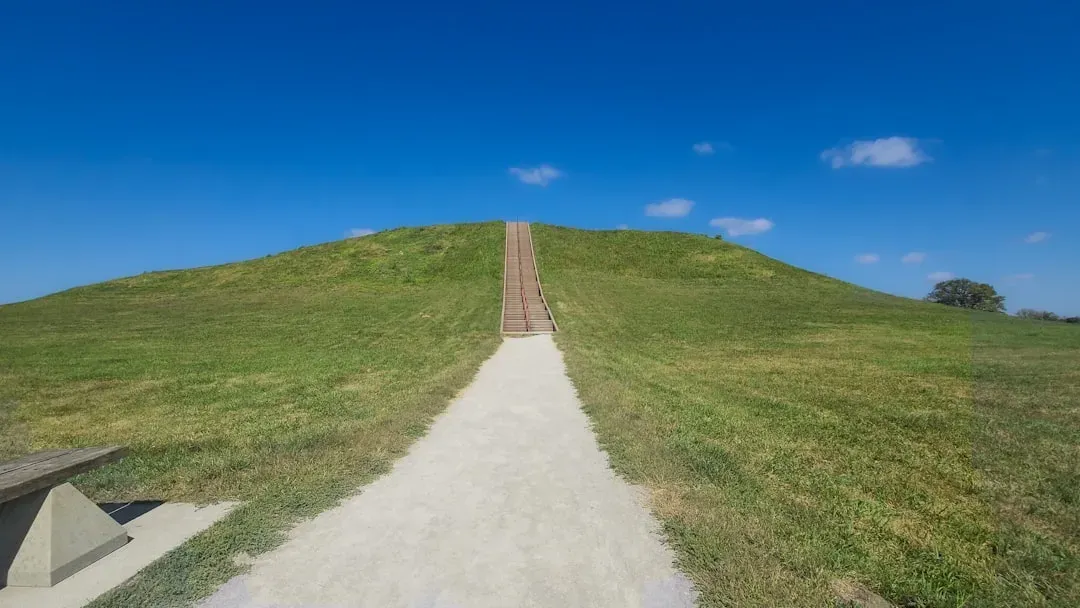
On the floodplains near present-day St. Louis once stood a city as large as some European capitals of its time, yet most people today have never heard its name: Cahokia. At its peak around the eleventh to thirteenth centuries, tens of thousands of people lived around its huge earthen mounds, broad plazas, and wooden palisades. The central Monks Mound, still standing, is an enormous earthwork that took staggering amounts of labor to construct, all done without metal tools or draft animals.
By the time Europeans reached the region centuries later, the city itself had long been gone. There is no clear written record from Cahokia’s builders, so we have to infer from soil samples, discarded bones, and the layout of mounds and neighborhoods. Signs of flooding, deforestation, and soil exhaustion suggest environmental strain, while evidence of social stress and violence points toward internal conflict. Climate shifts like the onset of the so-called Little Ice Age might have tipped an already fragile balance. The people likely dispersed into smaller communities and other cultures, but the idea that such a major urban center rose and fell almost entirely outside the global story most of us learn is quietly shocking.
The Hittite Empire: A Superpower That Slipped into the Dark
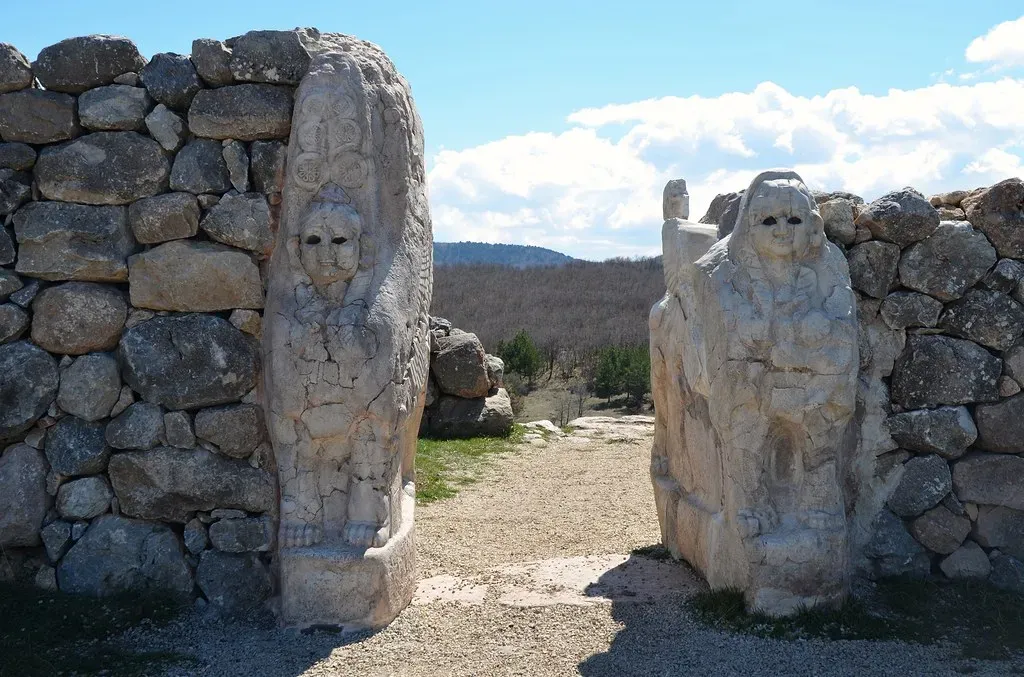
In the Late Bronze Age, the Hittites were one of the heavyweights of the Near East, negotiating and clashing with Egypt, Babylon, and others. Their capital at Hattusa in central Anatolia (modern Turkey) was ringed with imposing walls and filled with temples and archives. They developed sophisticated law codes, chariot warfare, and diplomacy, leaving behind clay tablets that show them operating like a major power in a busy geopolitical chessboard.
Then, around the twelfth century BCE, their empire disintegrated with surprising speed. Hattusa was burned and abandoned, and for centuries the Hittites were little more than faint mentions in other peoples’ records. Scholars now see their fall as part of the wider Late Bronze Age collapse, when several interconnected kingdoms all around the eastern Mediterranean fell apart within a short span. Causes like invading groups, internal rebellions, economic breakdowns, and possibly droughts or famines all stack up, but there’s still no single, satisfying smoking gun. What’s especially eerie is how a culture powerful enough to rival Egypt could become almost invisible to memory until archaeologists pieced it back together from scattered ruins and broken tablets.
Puebloan Great Houses at Chaco Canyon: The Desert Enigma
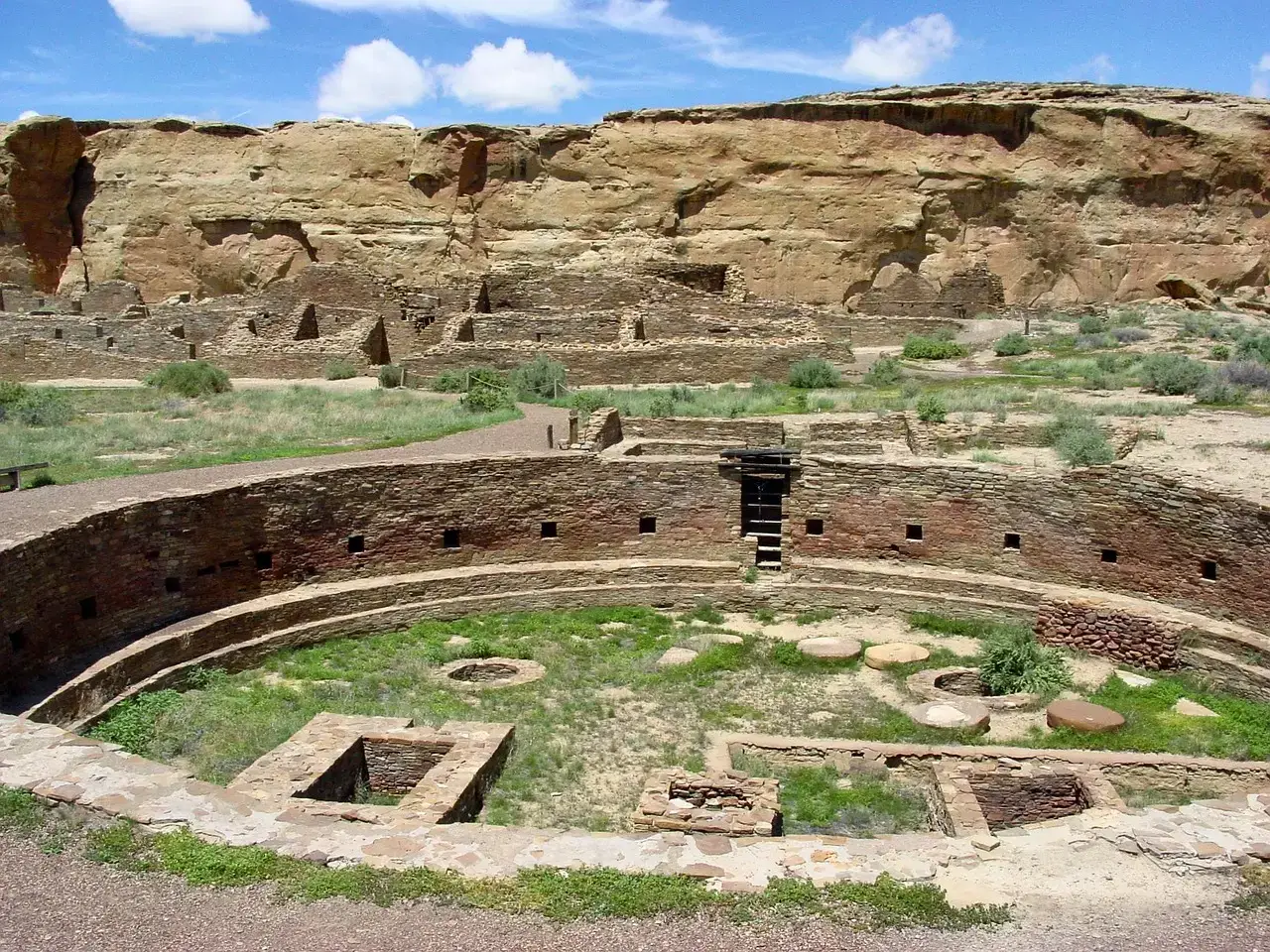
In the high desert of what is now New Mexico, the Ancestral Puebloans built monumental “great houses” at Chaco Canyon between roughly the ninth and twelfth centuries. These were multi-story complexes with hundreds of rooms, ceremonial kivas, and roads radiating out into the surrounding landscape. The buildings were aligned with celestial events, suggesting a cosmology woven tightly into architecture, and the canyon functioned as a ceremonial and economic hub connecting distant communities.
Then, by the late twelfth century, Chaco’s population thinned dramatically, and activity shifted to other regions like Mesa Verde and beyond. Dendrochronology and other environmental studies point to periods of severe drought, which would have made sustaining large populations in that fragile environment extremely difficult. There are also signs of social tension, possible conflict, and changing religious or political structures that may have made the old center less viable or desirable. The people didn’t vanish entirely; their descendants include modern Pueblo communities. But the choice – or necessity – to leave such a monumental heartland behind turns Chaco into one of those haunting stories where stone remembers, but voices do not.
When you line these stories up side by side, a pattern quietly emerges: no civilization is guaranteed a permanent place in the world, no matter how advanced, wealthy, or confident it seems. Sometimes the end is a slow leak rather than a dramatic collapse, a series of small pressures adding up until people simply walk away and never come back. The ruins that remain are like half-finished sentences, and we’re forever trying to guess the missing words from the bits that survived. It’s hard not to look at our own complex, global society and wonder where our fault lines really are, and whether, one day, someone will be walking through our abandoned streets asking the same questions about us.